Hoi An Historical Walking Tour
Active
3h
For a full refund, cancel at least 24 hours before the scheduled departure time.
Instant confirmation
Mobile or paper ticket accepted
About this experience
Through all these interactions, the culture, lifestyle, economy, and especially the cuisine of Hoi An have been shaped into what they are today. And we promise, this walking tour isn’t just about boring facts, and dates. It’s about the stories of the people who contributed to this land. Because in the end, will you remember a date or a story.
On the tour, we will visit Hoi An Church – The birthplace of modern Vietnamese, where you’ll learn how the language was invented by the European Missionaries.
Then, we will visit Trung Hoa Assembly Hall, Assembly Hall, Tan Ky Old House. You will enjoy some of the best vegan Banh Mi Hoi An has to offer.
The last stop, we will visit Ba Le Well and see a still-in-use millennium water well of the Champa civilization, then we go to black Sesame Demonstration House and learn history in its most enjoyable form: “food”.
Available options
Hoi An Historical Walking Tour
What's included
Hoi An Entrance ticket (120,000 VND)(for all attractions)
Enjoy Black Sesame pudding
English - Speaking tour guide
Enjoy some of the best vegan Banh Mi Hoi An has to offer.
Detailed itinerary
1
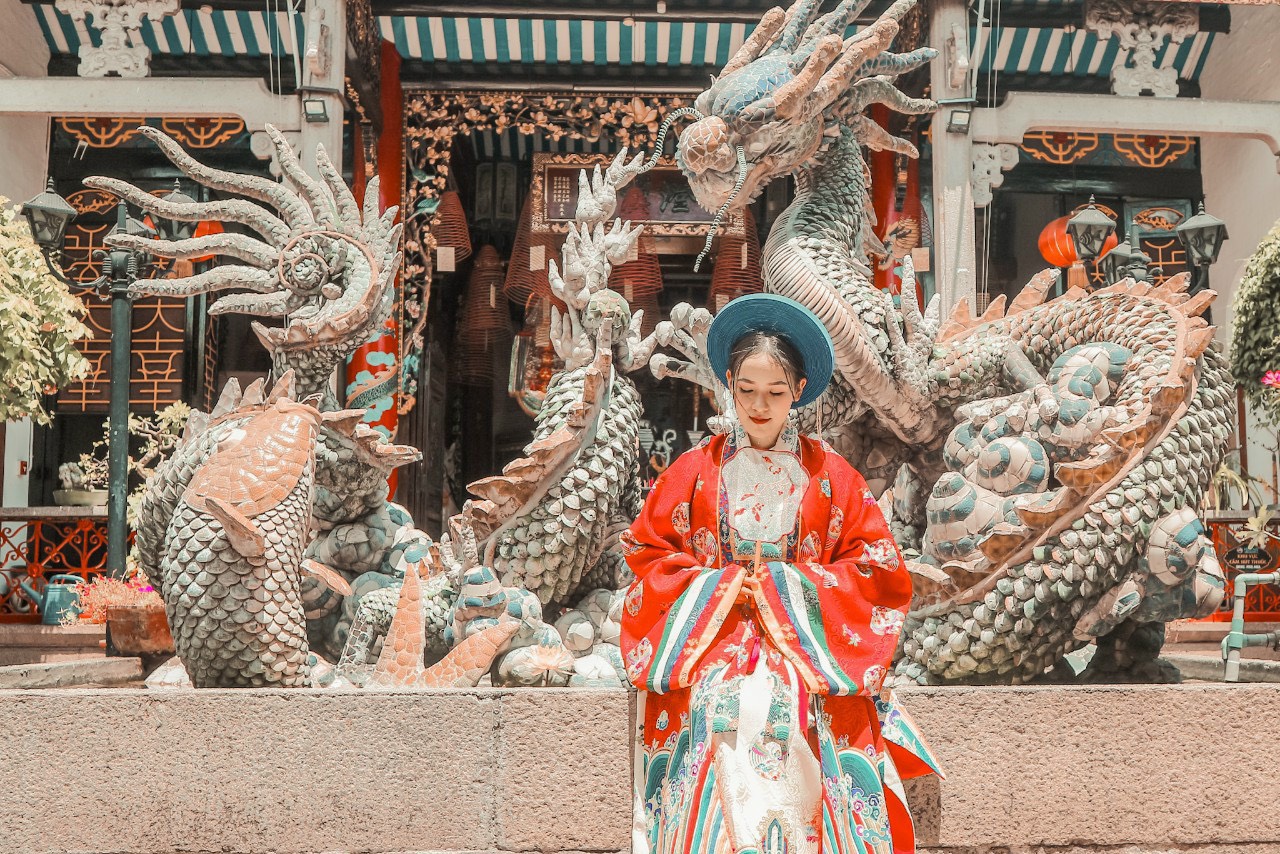
Explore the rich culture of Chinese merchants in Hoi An. Trung Hoa Assembly Hall is at 64 Tran Phu Street, right of Phuoc Kien Pagoda. Established in 1741, it was then called Duong Thuong Assembly Hall. However, many people think that it was built in the 15th century. Anyway, it is also one of the oldest assembly halls in Hoi An. It was the home of Chinese immigrants and dedicated to Thien Hau Holy Mother.
2
Stop 2
Discover the beautiful hall for Fujian origins. The Fukian Assembly Hall (Phuc Kien), Hoi An was established in the year 1697. It is a great example of the Chinese architecture. The Chinese merchants of the Fukian Province are believed to build this huge assembly hall.
3
Stop 3
Learn about the life of a wealthy merchant family. Tan Ky Old House was built in 1741. It is the place where 7 generations of Le family have lived. The name “Tan Ky” was used by Mr. Le Tan Ky (the second generation). At that time, this house was used to trade agricultural products. The front of the house is Nguyen Thai Hoc street while the back is Bach Dang street facing Hoai river. At that time, Hoi An was still a busy international trading port with many Japanese, Chinese and Western merchant ships. Therefore, the location of the house is convenient for trading goods.
4
See a still-in-use millennium water well of the Champa civilization. Of the 80 or so ancient wells located in Hoi An, Ba Le Well is the most well known because it was once considered key to the town's signature cao lau noodle. Thought to have been built in the 10th century by the Cham people, an entire mythology has blossomed around the well, with fanciful stories of mystical connections and fairies.
What's not included
Personal expenses. Tip is optional but appreciated
Pick-up and drop-off service
Available languages
Guide guide
EN
Reviews breakdown
Tripadvisor
5.0
1 reviews
5★
1
4★
0
3★
0
2★
0
1★
0
Important information
Not recommended for travelers with poor cardiovascular health
Suitable for all physical fitness levels
Meeting point
Our guide will meet you in front of the Hoi An Church.
About Hoi An
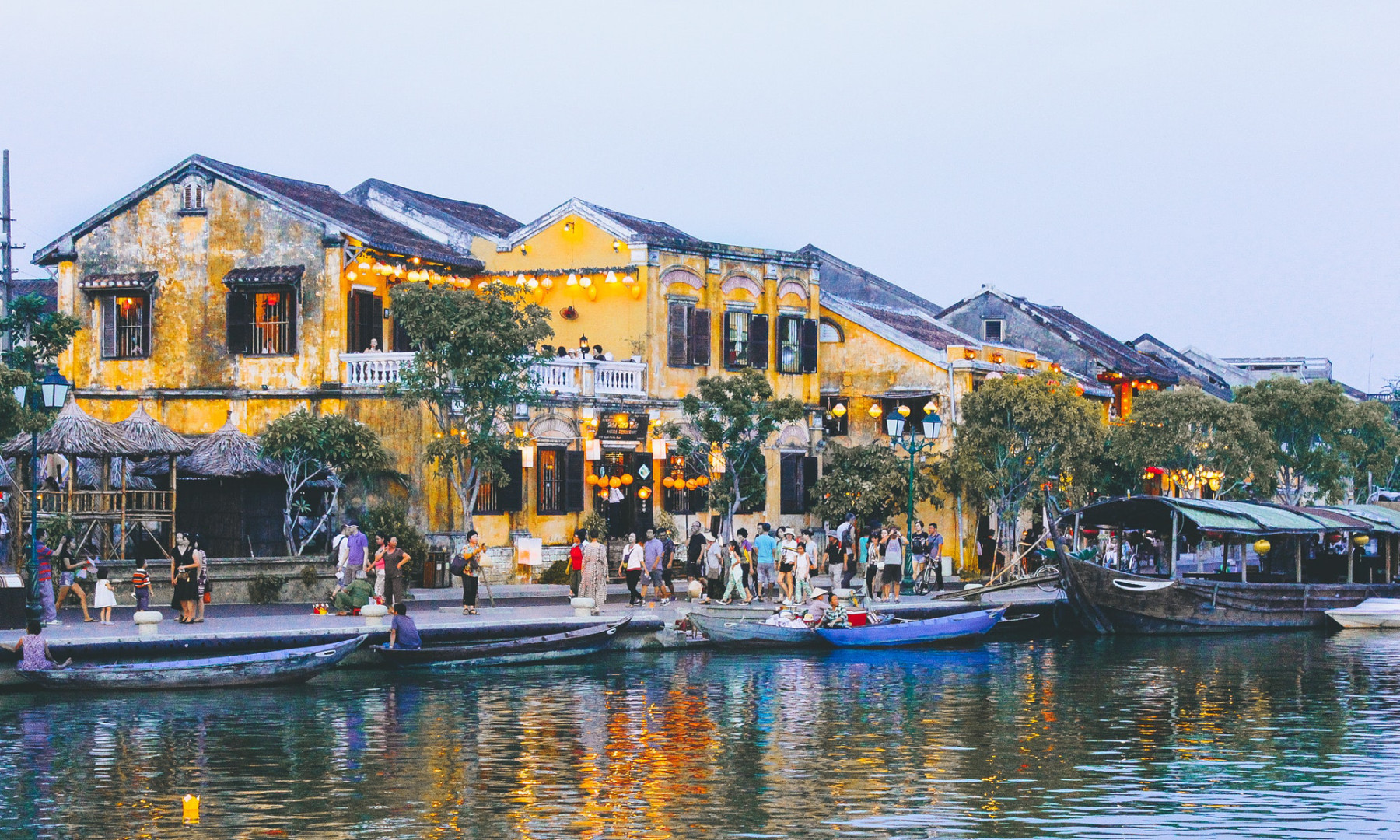
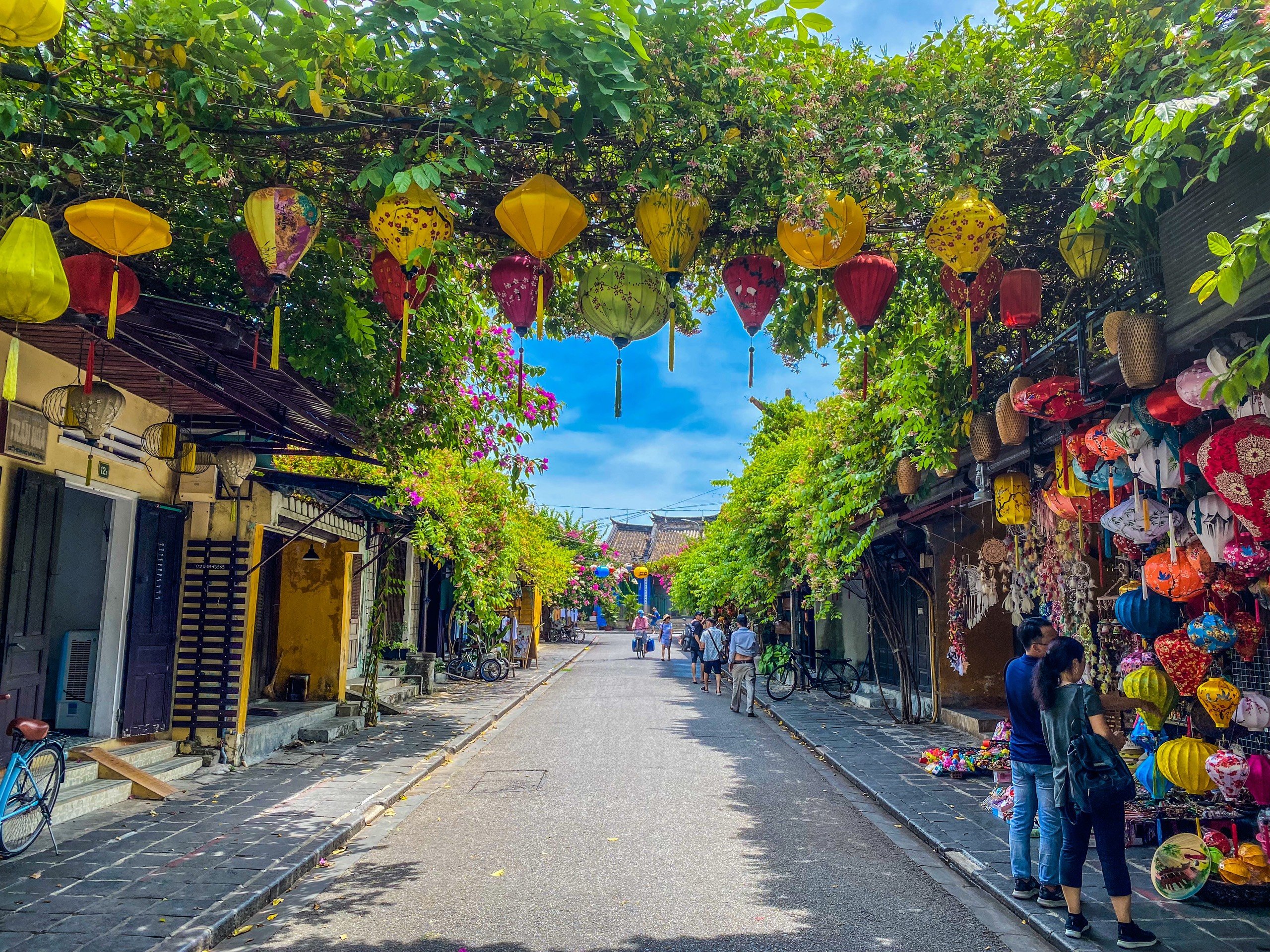
Hoi An is a charming ancient town and UNESCO World Heritage Site known for its well-preserved architecture, lantern-lit streets, and rich cultural heritage. This former trading port blends Vietnamese, Chinese, Japanese, and European influences, offering a unique glimpse into Southeast Asia's history.
Top Attractions
Hoi An Ancient Town
A UNESCO World Heritage Site, the Ancient Town is famous for its well-preserved architecture, lantern-lit streets, and historic buildings. It offers a glimpse into the town's rich history as a trading port.
Historical
Half day to full day
120,000 VND (Ancient Town Entry Ticket)
An Bang Beach
A beautiful beach located about 4 km from Hoi An, known for its white sand and clear waters. It's a great spot for relaxation and water activities.
Beach
Half day
Free
My Son Sanctuary
A UNESCO World Heritage Site, My Son is an ancient Hindu temple complex built by the Cham civilization. It's a significant archaeological site with intricate carvings and ruins.
Historical
Full day
150,000 VND
Hoi An Night Market
A bustling night market offering a variety of local food, souvenirs, and handicrafts. It's a great place to experience the local culture and try street food.
Market
1-2 hours
Varies
Tra Que Vegetable Village
A peaceful village known for its organic vegetable farming. Visitors can participate in farming activities, learn about traditional farming techniques, and enjoy a farm-to-table meal.
Cultural
Half day
Varies
Must-Try Local Dishes
Cao Lau
A noodle dish with pork, herbs, and a unique broth made from pork bones and ash of burnt rice. It's a local specialty and a must-try.
Lunch/Dinner
Contains pork and gluten
Banh Mi
A Vietnamese baguette sandwich filled with various ingredients like pâté, cold cuts, pickled vegetables, and fresh herbs. Hoi An's version is particularly delicious.
Breakfast/Lunch
Can be made vegetarian or with various fillings
White Rose Dumplings
Small, delicate shrimp dumplings that resemble white roses. They are a local specialty and a popular street food item.
Snack
Contains shrimp and gluten
Quang Noodles
A noodle dish with turmeric-infused rice noodles, pork, shrimp, and a flavorful broth. It's a popular dish from the nearby town of Quang and also loved in Hoi An.
Lunch/Dinner
Contains pork and shrimp
Popular Activities
Snorkeling
Diving
Hiking
Motorbike tours
Beach activities
Spa treatments
Cooking classes
Yoga
Best Time to Visit
February to April
This period offers the best weather with warm temperatures, low humidity, and minimal rain. It's ideal for exploring the town and enjoying outdoor activities.
25-30°C
77-86°F
Practical Information
Language
- Official: Vietnamese
- Widely spoken: English
- English: Moderately spoken in tourist areas, limited elsewhere
Currency
Vietnamese Dong (VND)
Time Zone
GMT+7
Electricity
220VV, 50HzHz
Safety Information
Overall Safety Rating: Generally safe
Hoi An is generally a safe destination for travelers. Petty crime can occur, so take precautions to protect your belongings. Be cautious of motorbikes when walking, as they can be numerous and fast.
Important Precautions:
- • Use reputable taxi services or ride-hailing apps like Grab.
- • Keep your belongings secure and be aware of your surroundings.
- • Bargain for souvenirs and services to avoid overpaying.
Getting there
By air
- Da Nang International Airport • 30 km
By train
Hoi An Station
By bus
Hoi An Bus Station
Getting around
Public transport
Buses connect Hoi An to nearby towns and cities but are not extensively used within the town itself.
Taxis
Available • Apps: Grab
Rentals
Car, Bike, Scooter
Neighborhoods
Ancient Town
Cam Chau
An Bang
Day trips
Da Nang
30 km • Half day to full day
Da Nang is a vibrant coastal city known for its beaches, modern architecture, and cultural sites. It offers a mix of urban attractions and natural beauty.
My Son Sanctuary
50 km • Full day
A UNESCO World Heritage Site, My Son is an ancient Hindu temple complex built by the Cham civilization. It's a significant archaeological site with intricate carvings and ruins.
Cham Islands
20 km • Full day
A group of eight islands known for their beautiful beaches, coral reefs, and biodiversity. The islands are a great spot for snorkeling, diving, and relaxing.
Festivals
Hoi An Lantern Festival • 14th of each lunar month
Hoi An International Food Festival • Annual, usually in June
Mid-Autumn Festival • Annual, usually in September or October
Pro tips
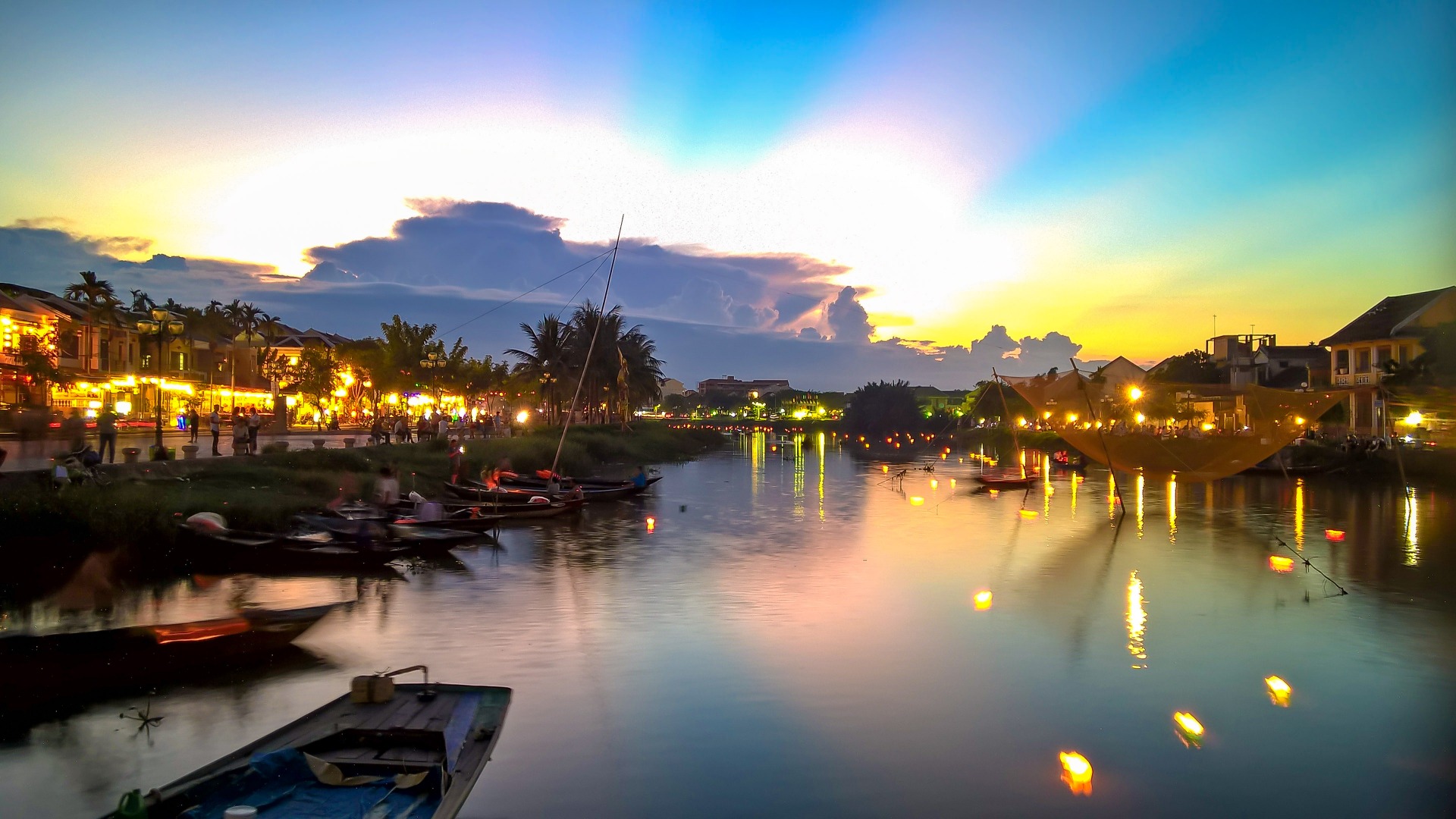
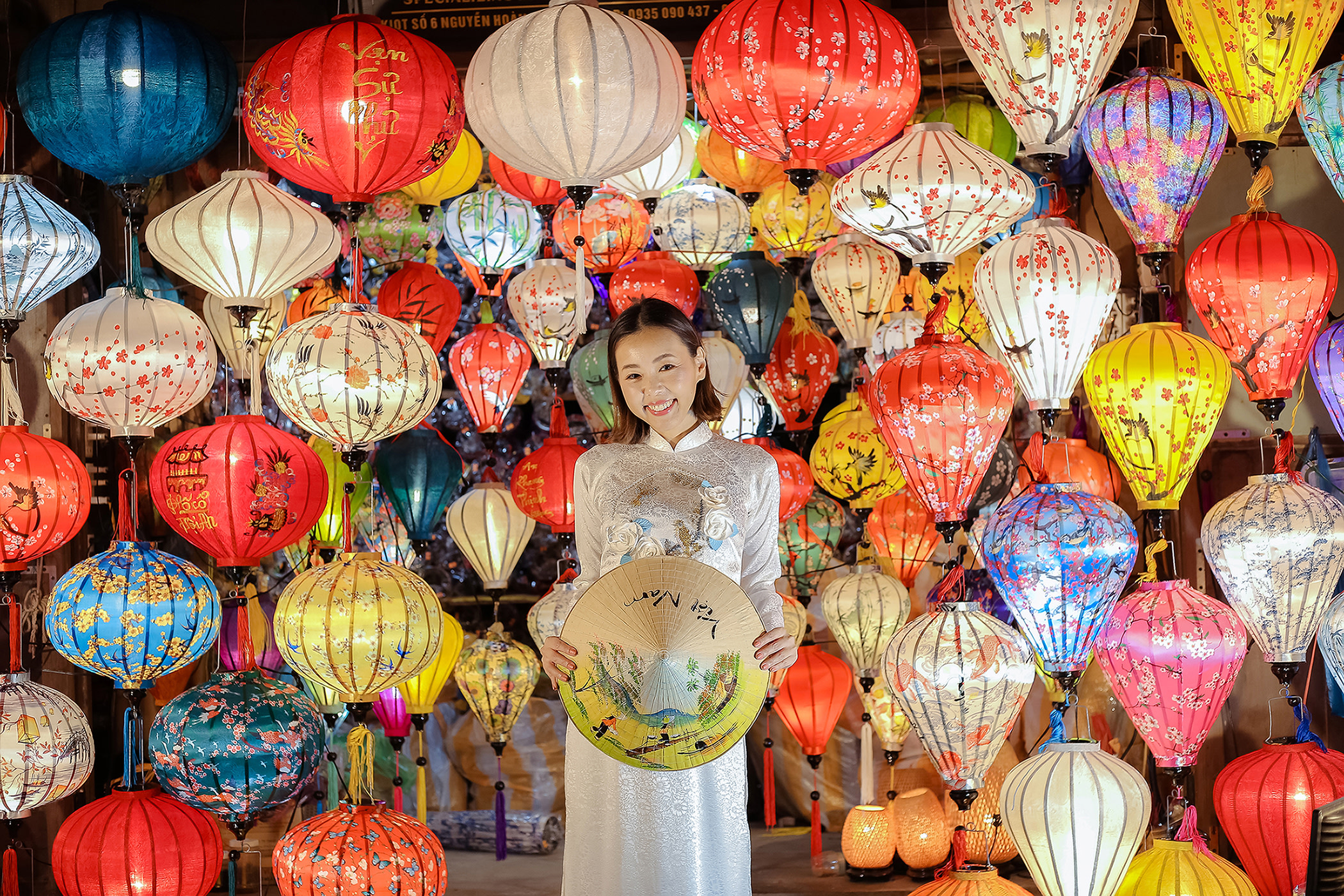
- Visit the Ancient Town in the evening when the lanterns are lit for a magical experience.
- Try local specialties like Cao Lau, Banh Mi, and White Rose Dumplings at local eateries and markets.
- Explore the town on foot or by bicycle to discover hidden gems and enjoy the pedestrian-friendly streets.
- Book a cooking class to learn about local ingredients and techniques, and enjoy a farm-to-table meal.
- Visit the Hoi An Lantern Festival on the 14th of each lunar month for a unique and cultural experience.
From $25
per person
Price varies by option
Secure booking
Free cancellation available
Instant confirmation



![[Klook Exclusive] Hoi An Ancient Town Attractions Ticket](https://res.klook.com/image/upload/activities/dworchpcffxsxo6am7tz.jpg)