The Road to Independence: Private Walking Tour of Dublin
Active
2h
For a full refund, cancel at least 24 hours before the scheduled departure time.
Instant confirmation
Mobile or paper ticket accepted
About this experience
Explore some of the most important sites of the Easter Uprising of 1916 in the beautiful city of Dublin, independent Ireland's capital city. See the scenes of fierce fighting, the statues of rebel leaders on O'Connell street and the rebels' HQ at the General Post Office – end at the moving Gardens of Remembrance.
You will explore the most significant sites, while learning all about the history of the Emerald Isle and its turbulent, often violent relationship with Britain. Hear about the events that led to the Easter Uprising, its defeat and the fallout from it.
Visit the General Post Office—the headquarters where the rebels declared Ireland a republic and raised the flag—to the City Hall, where fierce fighting took place.
After walking up O’Connell Street, lined with the statues of those who made significant contributions to the fight for Independence, you will end the tour at the Garden of Remembrance, where the lives of all the Irishmen who fought for freedom are commemorated.
Available options
The Road to Independence: Private Walking Tour of Dublin
What's included
A friendly, professional English-Speaking tour guide for your own private group
Plenty of time to take photos of your favourite places
Detailed itinerary
1
Learn about Ireland’s long road to independence from Britain, and the many significant figures who played key roles in fighting for it, from Victorian politicians, doctors and priests, to the leaders of the Easter Uprising in 1916. Learn about the Uprising that took place in the middle of the First World war, and how it was brutally and swiftly crushed by British soldiers.
2
See the General Post Office, where Patrick Pearse read aloud the Proclamation of Irish Independence in 1916 – effectively kickstarting the Easter Rising. It became the rebel headquarters, the scene of a bloody five-day siege, and the site of their final surrender.
3
Walk up O'Connell Street, lined with statues of the men who outspokenly called and fought for Irish independence, starting with Daniel O’Connell (1775 – 1847) who organised many hundreds of non-violent protests and demanded civil rights for Irish Catholics in the British Parliament. Notice how many of the pedestals of these Irish heroes of independence are pockmarked with bullet holes, from the violence of the 1916 rebellion.
4
Finish your tour at the Gardens of Remembrance, where the lives of all the Irishmen who died in the struggle for independence are commemorated.
5
See the Shelbourne Hotel, where the Irish Constitution was drafted in 1922.
What's not included
Food and drink, although your guide will be happy to recommend local favourites along the way
Hotel pickup/drop-off services
Gratuities (optional)
Transportation throughout experience
Available languages
Guide guide
EN
Important information
Wheelchair accessible
Public transportation options are available nearby
Travelers should have at least a moderate level of physical fitness
Meeting point
Your guide will meet you at the Yeats Memorial in St Stephens Green, Saint Peter's South-East Inner City, Dublin, Ireland.
About Dublin
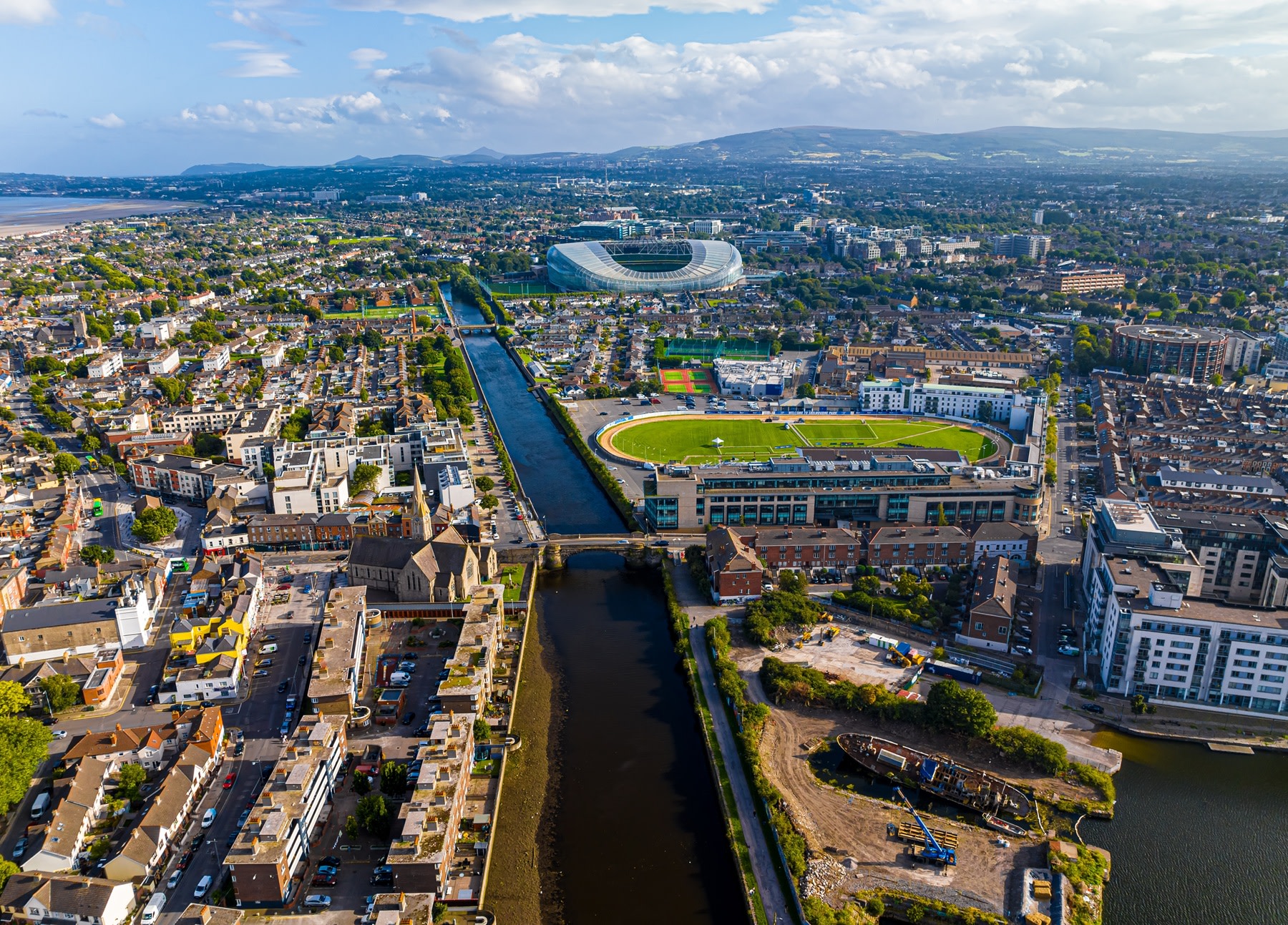
Dublin, the capital of Ireland, is a vibrant city rich in history, culture, and charm. Known for its welcoming atmosphere, literary heritage, and lively pub scene, Dublin offers a unique blend of medieval architecture, modern amenities, and stunning coastal landscapes.
Top Attractions
Trinity College and the Book of Kells
Trinity College is Ireland's oldest university and home to the famous Book of Kells, a beautifully illustrated manuscript from the 9th century.
Historical
1-2 hours
€16 (Book of Kells exhibition)
Guinness Storehouse
The Guinness Storehouse is a seven-story interactive experience dedicated to the history and brewing process of Ireland's most famous beer.
Cultural
2-3 hours
€25-€30
Kilmainham Gaol
Kilmainham Gaol is a former prison that played a significant role in Irish history, particularly during the struggle for independence.
Historical
1-2 hours
€8
Dublin Castle
Dublin Castle has been a symbol of British rule in Ireland for centuries and is now a major government complex and tourist attraction.
Historical
1-2 hours
€10-€12
St. Patrick's Cathedral
St. Patrick's Cathedral is one of Dublin's most impressive churches, known for its stunning architecture and historical significance.
Religious
1 hour
€7.50
Phoenix Park
Phoenix Park is one of the largest urban parks in Europe, offering a peaceful escape from the city with its lush greenery and wildlife.
Nature
2-3 hours
Free
Must-Try Local Dishes
Irish Stew
A hearty dish made with lamb or beef, potatoes, carrots, and onions, slow-cooked to perfection.
Main Course
Contains meat, can be made vegetarian
Boxty
A traditional Irish potato pancake made with grated and mashed potatoes, flour, and buttermilk.
Side Dish
Vegetarian
Coddle
A comforting dish made with sausages, bacon, potatoes, and onions, slow-cooked in a rich broth.
Main Course
Contains meat
Soda Bread
A traditional Irish bread made with flour, baking soda, and buttermilk, known for its dense texture and slightly tangy flavor.
Bread
Vegetarian
Popular Activities
Hiking in the Wicklow Mountains
Kayaking on the River Liffey
Rock climbing at Dublin Rock Climbing Centre
Spa day at a luxury hotel
Strolling through St. Stephen's Green
Enjoying a pint in a cozy pub
Visiting museums and galleries
Attending a traditional music session
Best Time to Visit
June to August
Summer is the peak tourist season with the warmest weather and longest daylight hours. This is the best time for outdoor activities and festivals.
15°C to 20°C
59°F to 68°F
Practical Information
Language
- Official: Irish, English
- Widely spoken: English
- English: Widely spoken
Currency
Euro (EUR)
Time Zone
GMT (UTC+0) or GMT+1 during daylight saving time
Electricity
230VV, 50HzHz
Safety Information
Overall Safety Rating: Generally safe
Dublin is generally safe, with low levels of violent crime. However, petty crime such as pickpocketing and bag snatching can occur, especially in tourist areas and on public transport.
Getting there
By air
- Dublin Airport • 10 km (6 miles) north of the city center
By train
Heuston Station, Connolly Station
By bus
Busáras Central Bus Station
Getting around
Public transport
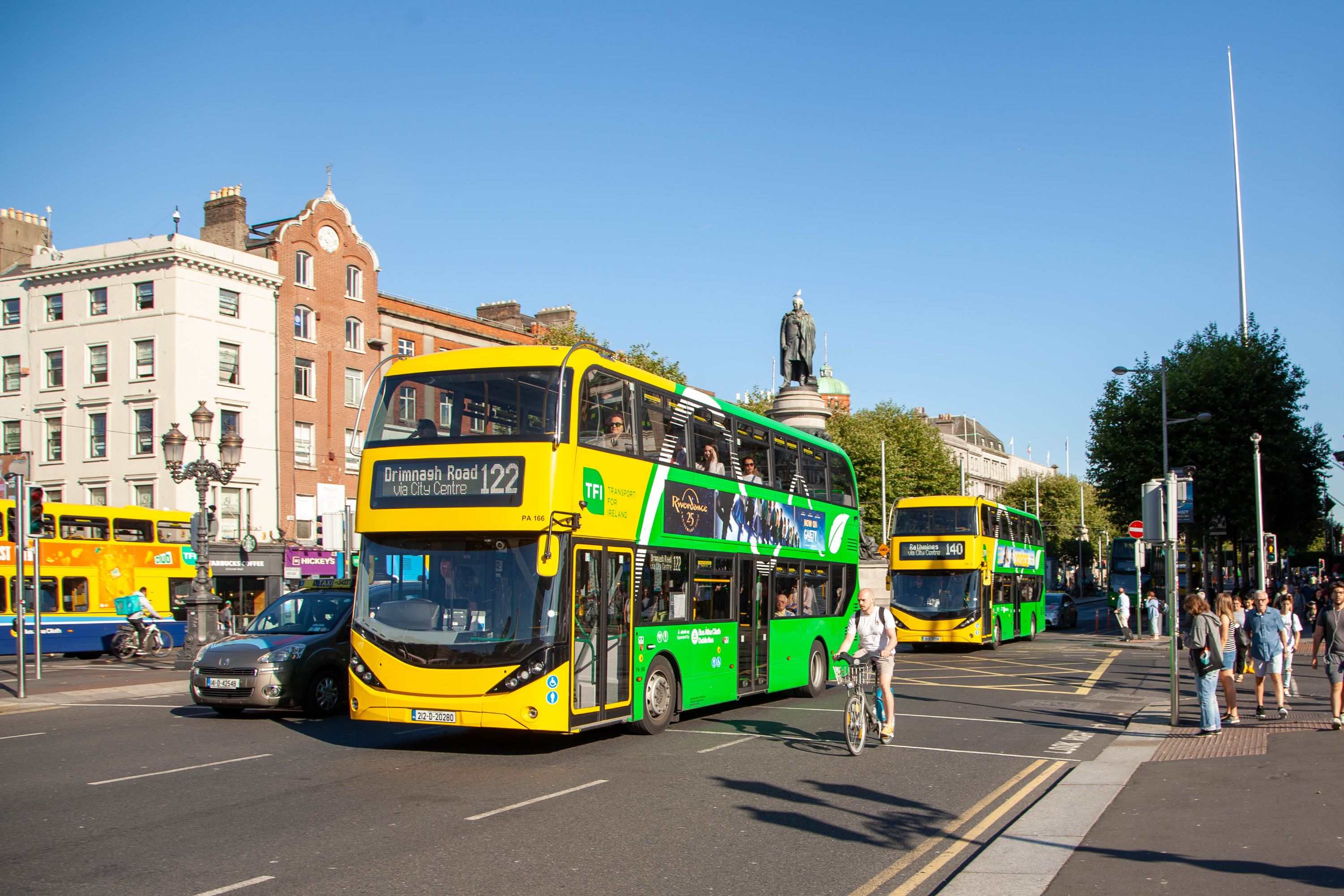
Dublin Bus offers a comprehensive network covering the entire city and surrounding areas.
Taxis
Available • Apps: Free Now, Uber
Rentals
Car, Bike, Scooter
Neighborhoods
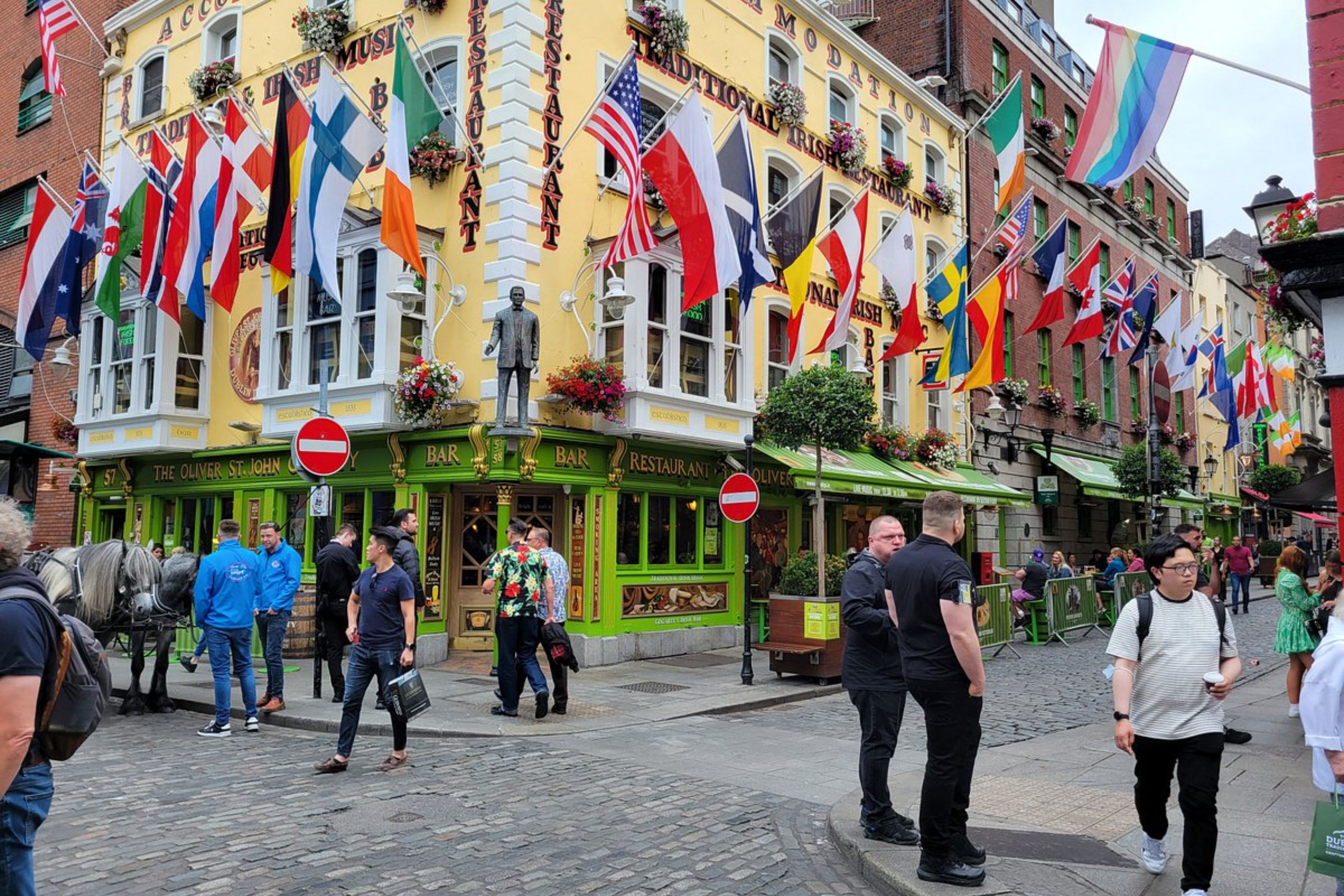
Temple Bar
Dublin 2 (City Center)
Dublin 4 (Ballsbridge and Sandymount)
Dublin 7 (Smithfield and Stoneybatter)
Dublin 8 (The Liberties)
Day trips
Howth
13 km (8 miles) from Dublin • Half day to full day
A charming coastal village known for its scenic cliffs, fishing harbor, and fresh seafood.
Malahide Castle and Gardens
14 km (9 miles) from Dublin • Half day
A historic castle and beautiful gardens offering a glimpse into Ireland's medieval past.
Glendalough
50 km (31 miles) from Dublin • Full day
A scenic monastic site and glacial valley in the Wicklow Mountains, known for its ancient ruins and hiking trails.
Festivals
St. Patrick's Festival • March 17
Dublin Theatre Festival • September-October
Temple Bar Traditional Music Festival • March
Pro tips
- Visit the Guinness Storehouse for a complimentary pint and stunning views of the city
- Explore the historic Trinity College and the Book of Kells, but book tickets in advance to avoid long queues
- Take a stroll through St. Stephen's Green, a beautiful urban park in the heart of the city
- Experience traditional Irish music in a cozy pub, such as The Brazen Head or The Cobblestone
- Try Irish stew, a hearty and comforting dish made with lamb or beef, potatoes, and onions
From $25
per person
Price varies by option
Secure booking
Free cancellation available
Instant confirmation