Private Normandy Tour DDay US & British Strategic Overview
Active
8h
All sales are final. No refund is available for cancellations.
Instant confirmation
Mobile or paper ticket accepted
About this experience
This is a unique opportunity to see the broad picture of the DDay invasion, as this tour covers the highlights of the Normandy Landings. A museum is included in this tour.
Transport in a luxury minivan Mercedes V-Class with knowledgeable driver-guide. We guarantee professionalism, patience, and a “people-first” attitude.
Available options
Private Normandy Tour DDay US & British Strategic Overview
Pickup included
What's included
Private transportation
Air-conditioned vehicle
Detailed itinerary
1
Stop 1
Visit the site of the famous bridge of Benouville, 'Pegasus Bridge' as the latter came to be called, which was the first British objective to be captured on D-Day. Major John Howard's six platoons from D Company the 'Ox and Bucks' Light Infantry supported by Royal Engineer detachments captured the bridges after a 15- minute short skirmish. Total surprise was achieved.
2
Stop 2
Juno or Juno Beach was one of five beaches of the Allied invasion of German-occupied France in the Normandy landings on 6 June 1944 during the Second World War. The beach spanned from Courseulles, a village just east of the British beach Gold, to Saint-Aubin-sur-Mer, and just west of the British beach Sword.
3
Mulberry "B" (British) was the harbour assembled on Gold Beach at Arromanches for use by the British and Canadian invasion forces. The harbour was decommissioned six months after D-Day as Allied forces were able to use the recently captured port of Antwerp to offload troops and supplies.
4
Stop 4
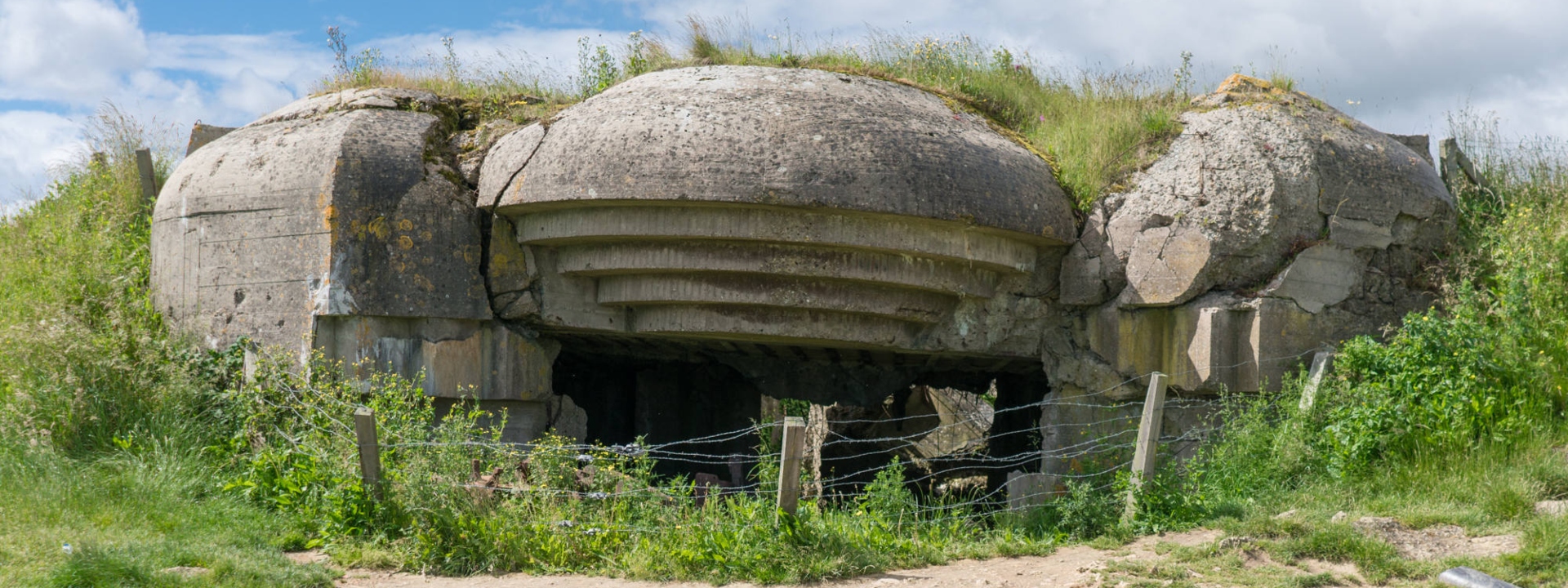
Omaha Beach was part of the invasion area assigned to the U.S. First Army, under Lieutenant General Omar Bradley. The assault sectors at Omaha were code-named (from west to east) Charlie, Dog (consisting of Green, White, and Red sections), Easy (Green and Red sections), and Fox (Green and Red sections).
5
Stop 5
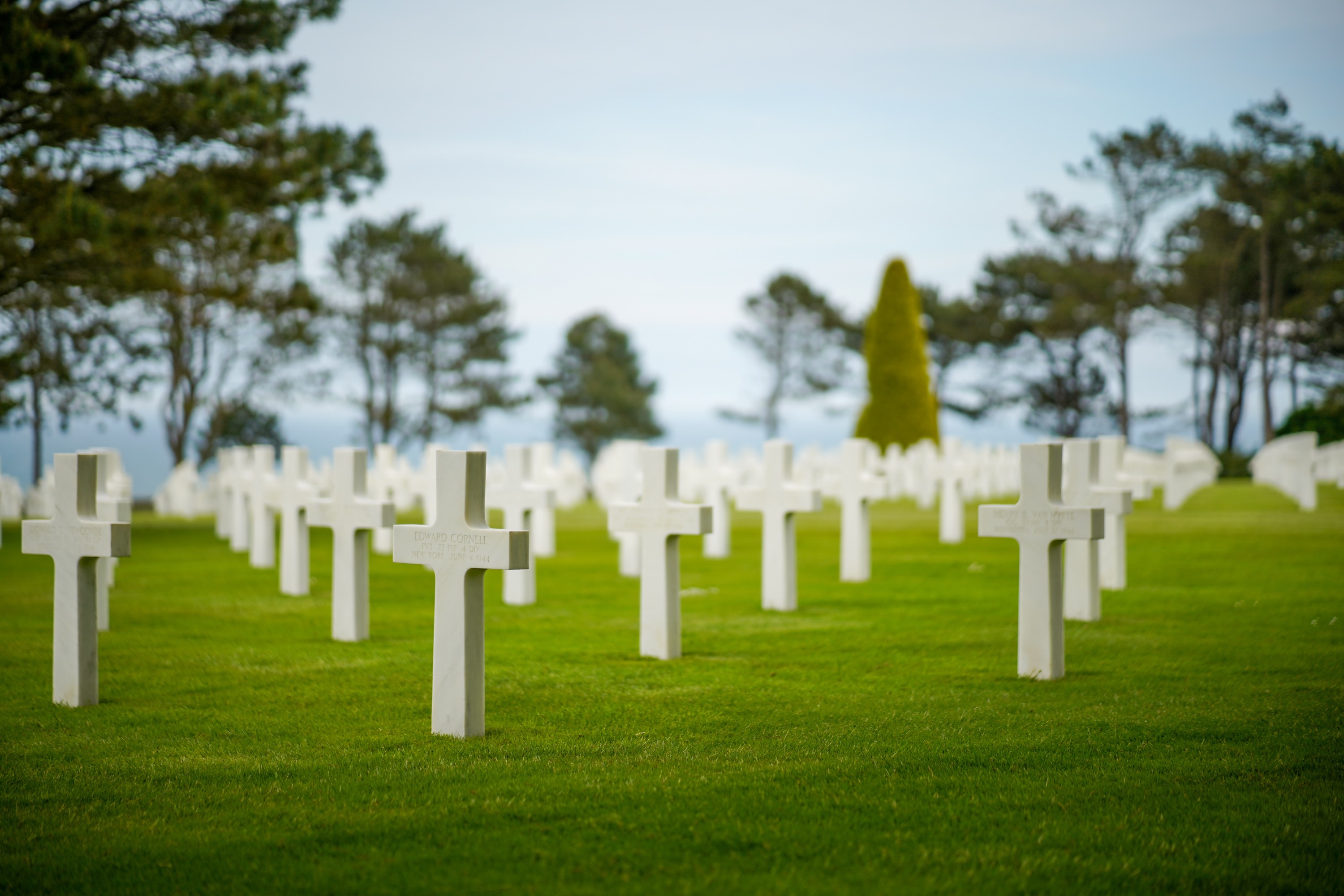
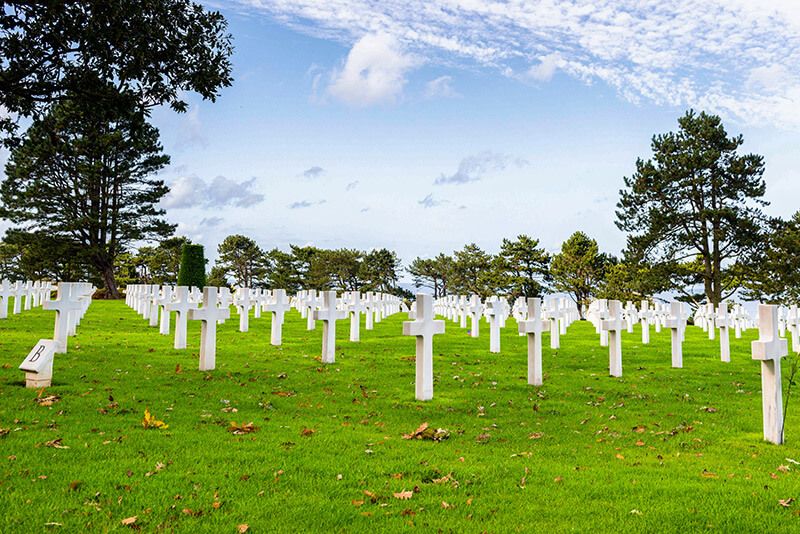
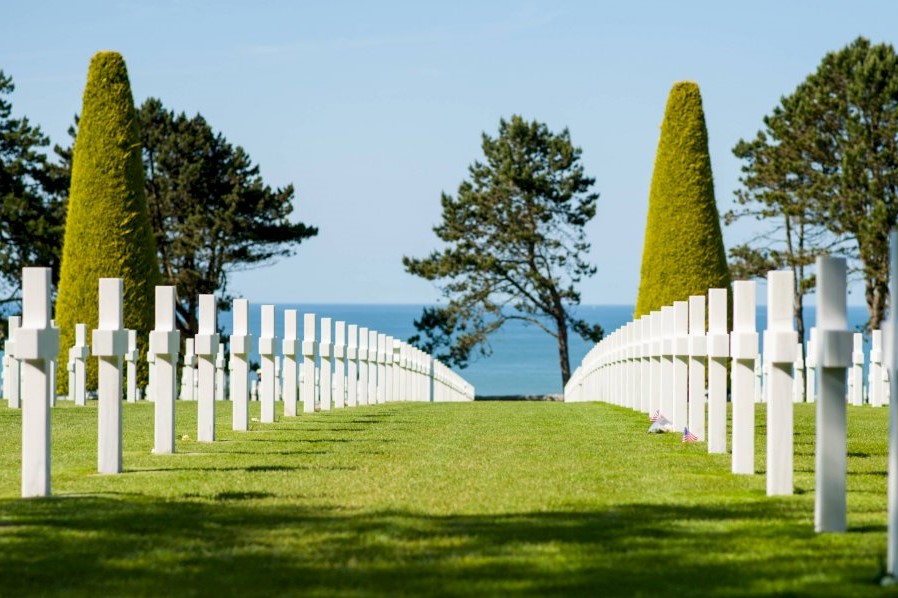
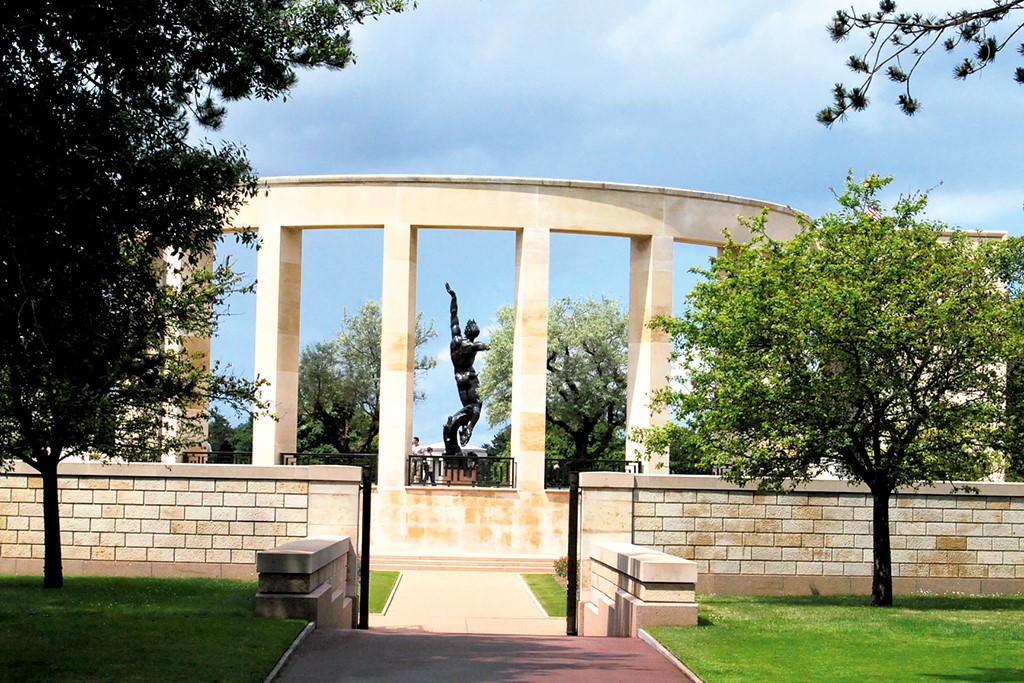
Located on the coast, between Arromanches and Grandcamp Maisy, this vast 70 hectare site overlooks Omaha beach. It reunites the graves of 9,388 soldiers fallen in combat.
6
Located at the roundabout leading to the Normandy American Cemetery near Omaha Beach, the Overlord Museum boasts a unique collection of over 10,000 exhibits, including 35 vehicles, tanks and guns.
Come and discover its life-size display, retracing the major phases of the Normandy Landings.
What's not included
Gratuities
Available languages
Guide guide
EN
Important information
Travelers should have at least a moderate level of physical fitness
About Caen
Caen, a historic city in Normandy, is known for its rich heritage and significant role in World War II. It offers a blend of medieval architecture, war museums, and charming parks, making it a compelling destination for history buffs and culture seekers alike.
Top Attractions
Caen Castle
Built by William the Conqueror, this medieval castle houses the Normandy Museum and fine arts museum.
Historical
2-3 hours
€7.50
Memorial Museum for Peace
Dedicated to the history of the Battle of Normandy and the consequences of war.
Historical
2-3 hours
€9.50
Abbaye aux Hommes
A Benedictine abbey founded by William the Conqueror, featuring beautiful Romanesque architecture.
Historical
1-2 hours
Free (church), €5 (museum)
Botanical Garden of Caen
A beautiful 12-hectare garden featuring a variety of plants, a greenhouse, and a rose garden.
Nature
1-2 hours
Free
Must-Try Local Dishes
Tripes à la mode de Caen
A traditional dish made with tripe cooked in cider and Calvados.
Main course
Contains beef and pork
Moules-Frites
Mussels steamed in white wine, served with French fries.
Main course
Seafood
Tarte Normande
A Norman apple tart made with caramelized apples and cream.
Dessert
Contains dairy and gluten
Popular Activities
Hiking in the surrounding countryside
Cycling along the Caen Canal
Picnicking in the Botanical Garden
Sunbathing at Deauville Beach
Visiting museums and historical sites
Attending local festivals and events
Swimming at the beach
Boating on the Caen Canal
Best Time to Visit
June to August
This is the warmest and most popular time to visit, with long daylight hours and numerous outdoor events.
15°C to 25°C
59°F to 77°F
Practical Information
Language
- Official: French
- Widely spoken: English
- English: Moderately spoken
Currency
Euro (EUR)
Time Zone
GMT+1 (CET), GMT+2 (CEST during daylight saving time)
Electricity
230VV, 50HzHz
Safety Information
Overall Safety Rating: Generally safe
Caen is generally safe, with low crime rates. However, petty theft and pickpocketing can occur in tourist areas.
Important Precautions:
- • Keep valuables secure and out of sight
- • Be cautious of your surroundings, especially at night
- • Use licensed taxis or rideshare services
Getting there
By air
- Carpiquet Airport • 5 km from city center
By train
Caen Station
By bus
Caen Bus Station
Getting around
Public transport
Affordable and efficient, with frequent services. Single tickets cost €1.50.
Taxis
Available • Apps: G7, Uber
Rentals
Car, Bike, Scooter
Neighborhoods
Vaugueux
Saint-Pierre
Thaon
Day trips
Bayeux
30 km from Caen • Half day
A charming town known for its Bayeux Tapestry and medieval cathedral.
Mont Saint-Michel
120 km from Caen • Full day
A UNESCO World Heritage site featuring a stunning abbey and tidal island.
Deauville
40 km from Caen • Half day
A popular seaside resort known for its beach, casino, and film festival.
Festivals
Normandy Festival • Early September
Deauville American Film Festival • Early September
Christmas Markets • Late November to late December
Pro tips
- Visit the Caen Castle and Abbaye aux Hommes early in the morning to avoid crowds
- Combine a visit to the Memorial Museum for Peace with a walk through the Peace Gardens
- Explore the Vaugueux neighborhood for a glimpse into Caen's medieval past
- Try local specialties like Tripes à la mode de Caen and Camembert cheese
- Consider purchasing a Caen Pass for discounted entry to attractions and unlimited public transportation
From $25
per person
Price varies by option
Secure booking
Free cancellation available
Instant confirmation