Tirana Walking Tour & Cable Car to Mount Dajti
Active
8h
For a full refund, cancel at least 24 hours before the scheduled departure time.
Instant confirmation
Mobile or paper ticket accepted
About this experience
The tour combines a 3-4 hour walking tour of the city center of Tirana with a visit to the Dajti Express Cable Car.
In the morning, you will see the historical sights, such as Skanderbeg Square, the Clock Tower, the Et'hem Bey Mosque and the main government street. We will pass by the communist landmarks, like the Blloku Area, the house of the former dictator, the Bunk'Art 2 Museum and the Museum of Secret Surveillance. We also visit new attractions like the new food market and the Grand Park.
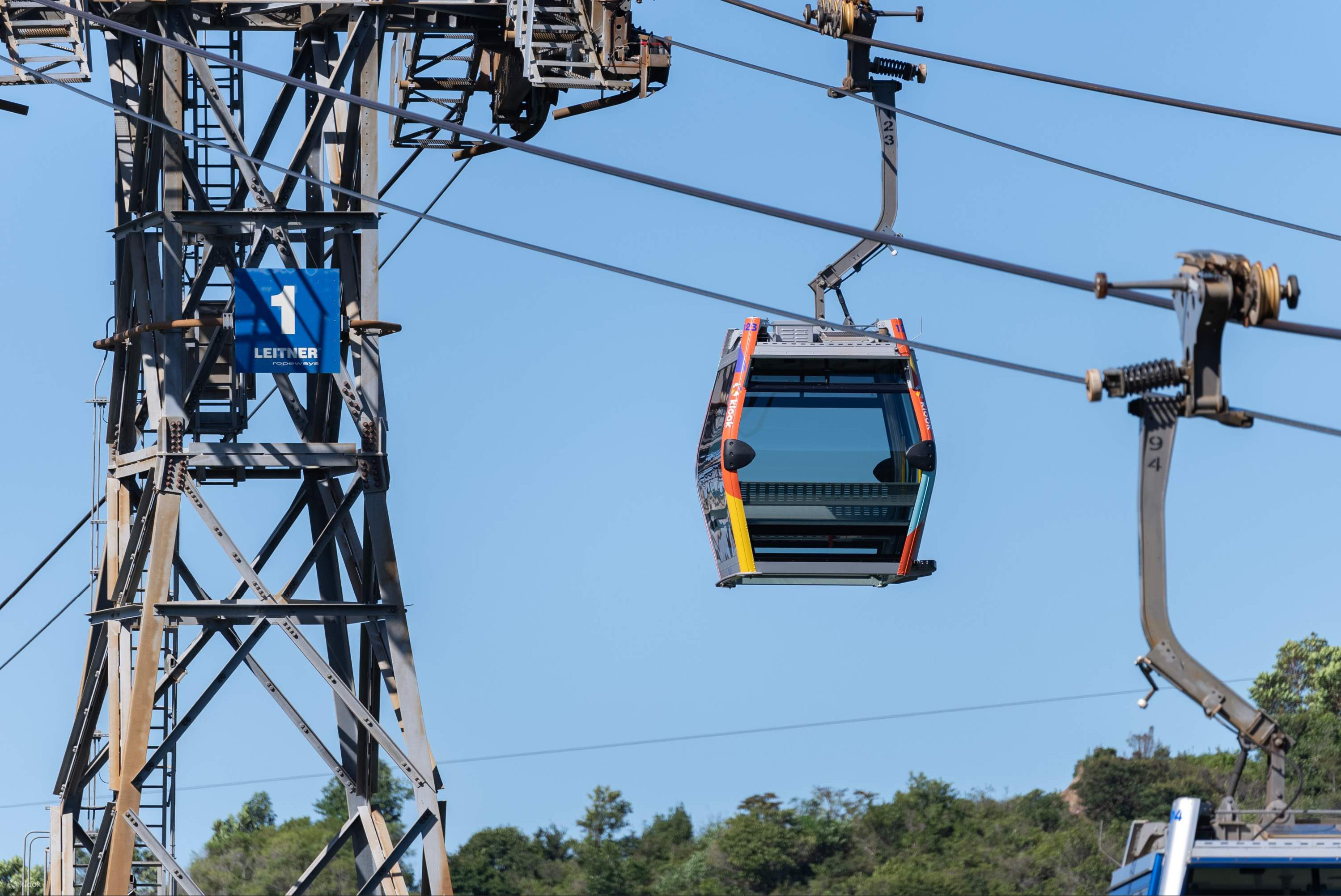
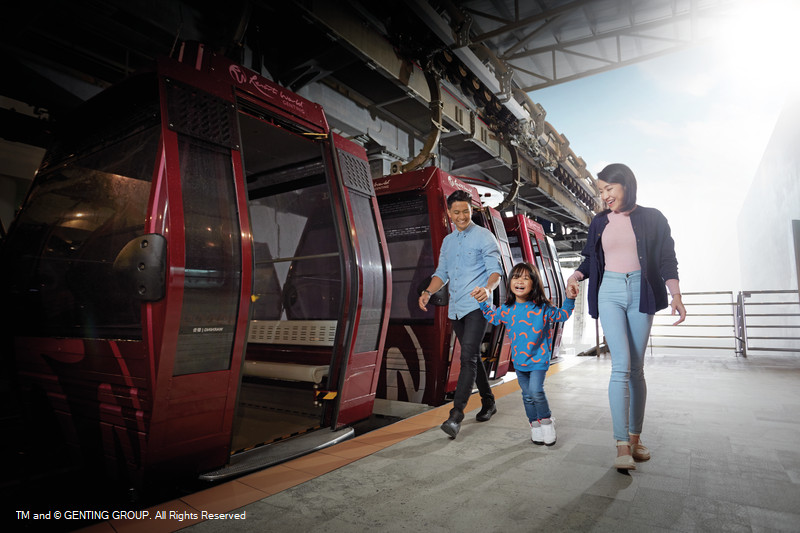
Then, in the afternoon you will take the cable car to Mount Dajti. From the cable car you look down on treetops, little farm houses, lakes and impressive mountain cliffs. Then, once you reach the mountain balcony, you will have a panoramic view of the entire city center of Tirana, the Adriatic Sea and the coastline.
During the tour, we will pass by all the most important museums and explain what there is to see inside. Please note, we will not enter all the museums, due to the limited time.
Available options
Tirana Walking Tour & Cable Car to Mount Dajti
Pickup included
What's included
Local guide: receive recommendations for where to eat, drink, or shop in the city
Private transportation
Entrance to the Dajti Express Cable Car
Private tour guide
Detailed itinerary
1
The Dajti Express is an Austrian built cable car in the outskirts of Tirana. You board the cable car at the lower station. The journey to the upper station of the Dajti Express takes around 15 minutes and it is breathtaking. You fly across the tree tops, by the mountain cliffs and you can see the little farm houses below. The upper station of the Dajti Cable Car is 1613 metres above sea level. The view from the upper balcony is impressive. You can see the entire city of Tirana, the Adriatic Sea and the Port of Durres. Albania is a very mountainous country, so you will see various hills and valleys in the distance. At the top of the cliff, there is the Balcony Restaurant which has floor to ceiling windows and it is the perfect spot for lunch (not included). You can also go on top of the Dajti Tower Hotel and step out on the viewing terrace or go to the rotating bar.
2
The National History Museum is a landmark in Tirana. The museum displays Albania's archaeological treasures from Illyrian times until today. The collection includes statues from the Greek and Roman period, as well as a replica of Skanderbeg's sword. There is also a gallery about the prosecutions during the communist regime.
3
The Et'hem Bej Mosque is a little mosque on Skanderbeg Square in the center of Tirana. The Mosque was constructed between 1790 - 1820, but closed during the communist period. In 1991, the mosque was re-opened without government permission and 10.000 people attended the reopening. The mosque has beautiful frescoes of trees, waterfalls and bridges.
4
Stop 4
The Clock Tower is a 35-meter-high tower next to Skanderbeg Square. The tower was built in 1822 during the Ottoman empire. You can climb the tower and have a fantastic view of Skanderbeg Square and the city center of Tirana.
5
Stop 5
The tour starts at Skanderbeg Square, which is the central square of Tirana. The square is surrounded by the most important buildings in the country, like the National History Museum, the Clock tower, the Palace of Culture and the Et'hem Bey Mosque. The square was designed by three Italian architects: Florentano de Fausto, Gherardo Bosio and Armando Brasini.
6
House of Leaves is a villa, which was the headquarters of the Albania's secret service Sigurimi during the communist area. Now, the former HQ has been converted into a museum which displays the bugs, monitoring equipment and wiretapping telephones. The museum gives you a fascinating insight into Albania's secret service during the communist regime.
7
The New Bazaar Market (in Albanian: Pazari i Ri) is a lovely food market, close to the center of Tirana. On the market, you can buy local products, like fruits, honey, handicrafts and homemade food. There are many lovely terraces surrounding the market, where you can enjoy a cup of coffee in the sunshine.
8
Bunk Art 2 is a museum in a large underground-bunker in the center of Tirana. Inside the bunker, you will be guided through the role of the police and security services during the communist period in Albania. It is a fascinating museum about the disturbing communist regime.
9
Tanners's bridge is a beautiful stone bridge from the Ottoman period. The bridge was built in the 19th century and it is well-preserved. You can walk across the old bridge and look down at the river below.
10
The Fortress of Justinian is also known as Tirana Castle. In the Byzantine era, the castle was in the centre of the city. It was located at a central point, where the main east-west and north-south roads crossed. Today, you can see the 6 meter high remaining wall, of what was once a thriving castle. The wall has been incorporated in the pedestrianized Murat Toptani Street, which leads to the main government road.
11
The Toptani shopping center is a mall in the city center of Tirana. The highlight is the top floor, where there is a selection of coffee houses and restaurants with panoramic views across the city.
12
The "Boulevard of the Martyrs of the Nation" is a wide street with many Parliament buildings. Along the street, you can see the Pyramid of Tirana, the National Archaeological Museum, the Presidential Palace and the National Art Gallery. The boulevard was designed by the Italian architect Gherardo Bosio.
13
The National Arts Gallery shows Albanian paintings from the early 19th century until today. The Albanian Art is unique, because during the communist regime, the government censured the art. Artists needed to create art, that idealized the communist dictator Enver Hoxha. Moreover, some of the "inappropriate" art, is also shown, for which the artists went to prison.
14
The Murat Toptani Street is a lovely pedestrian street with beautiful plane trees and many terraces. Along the street, there is a 6 metre high wall of the Fortress of Justinian. The Murat Toptani Street leads to the "Boulevard of the Martyrs of the Nation " with all the Parliament Buildings.
15
The Presidential Office is at the end of the "Boulevard of the Martyrs of the Nation" street. The building is the official workplace of the president and it houses all the staff of the president.
16
The National Archaeological Museum displays the Albanian treasures, that were found during archaeological digs. The museum opened after the Second World War. It displays pieces from the pre-history until the Middle Ages. The museum is at the end of the "Boulevard of the Martyrs of the Nation" street.
17
Stop 17
The Pyramid of Tirana is a very controversial building for Tirana. The building was originally designed as a museum about the former dictator Enver Hoxha. However, after the fall of the communism, it served several purposes like convention center and television station. There is a lot of discussion in Albanian about the refurbishment, re-purposing or demolishing of the controversial pyramid.
18
The Blloku Area is the coolest and most vibrant area in Tirana. In the past, the area was used by the communist government and closed off to the general public. Nowadays, it is an area with many restaurants, clubs and coffee houses. If you want to go out at night, you will enjoy Blloku.
19
The three-story villa of the former communist dictator Enver Hoxha is in the middle of the Blloku Area. The villa is left just as when the dictator died in 1985. In the past the whole Blloku area was sealed off from the public and only accessible for party elite and their families. Enver Hoxha's residence is visible from the street, but closed off for the public.
20
The Grand Park of Tirana is the central park in the city. The park has a large lake with beautiful paths and running tracks by the lake front. There are numerous playgrounds for children. And lovely coffee houses with a lake view.
What's not included
Lunch
Entrance fees to museums in the city center of Tirana, due to limited time
Available languages
Guide guide
EN
NL
Reviews breakdown
Tripadvisor
5.0
1 reviews
5★
1
4★
0
3★
0
2★
0
1★
0
Important information
Wheelchair accessible
Infants and small children can ride in a pram or stroller
Service animals allowed
Public transportation options are available nearby
Transportation options are wheelchair accessible
All areas and surfaces are wheelchair accessible
Not recommended for travelers with poor cardiovascular health
Suitable for all physical fitness levels
Check our Terms and Conditions here:
About Tirana
Tirana, Albania's vibrant capital, is a city where Ottoman, Italian, and communist influences blend to create a unique urban tapestry. Known for its colorful buildings, lively cafes, and rich history, Tirana offers a dynamic mix of old and new that captivates visitors.
Top Attractions
Bunk'Art 2
A Cold War-era bunker turned museum, Bunk'Art 2 offers a fascinating look into Albania's communist past. The museum features exhibits on the history of communism, the secret police, and the Cold War.
Historical
1-2 hours
€5
Blloku
Blloku is Tirana's most vibrant district, known for its lively nightlife, restaurants, and cafes. Once the exclusive residential area of communist leaders, it has transformed into the city's entertainment hub.
Entertainment
Evening or full day
Free to explore, varies by venue
Dajti National Park
Dajti National Park offers stunning views of Tirana and the surrounding mountains. Visitors can hike, enjoy nature, or take the cable car for panoramic views.
Nature
Half day or full day
€5 for cable car, free for hiking
Must-Try Local Dishes
Tavë Kosi
A traditional Albanian dish made with baked lamb and rice, topped with a yogurt and egg sauce.
Main Dish
Contains dairy and meat
Byrek
A savory pastry filled with cheese, spinach, or meat, baked until golden and flaky.
Snack
Vegetarian options available
Fërgesë
A hearty dish made with peppers, tomatoes, onions, and cheese, often served with bread.
Main Dish
Vegetarian
Popular Activities
Hiking in Dajti National Park
Mountain biking in the surrounding hills
Paragliding near Tirana
Visiting Blloku for cafes and people-watching
Enjoying a spa day at a local wellness center
Relaxing at a traditional hammam (Turkish bath)
Exploring Bunk'Art 2 and other museums
Attending a performance at the National Opera and Ballet Theatre
Best Time to Visit
April to June, September to October
Spring and fall offer the best weather for exploring Tirana, with comfortable temperatures and fewer tourists. The city is in full bloom during spring, while autumn provides a warm, pleasant climate.
15°C to 30°C
59°F to 86°F
Practical Information
Language
- Official: Albanian
- Widely spoken: English, Italian
- English: Moderately spoken in tourist areas, limited elsewhere
Currency
Albanian Lek (ALL)
Time Zone
CET (GMT+1), CST (GMT+2) during daylight saving time
Electricity
220VV, 50HzHz
Safety Information
Overall Safety Rating: Generally safe
Tirana is generally safe for travelers, with low crime rates and a welcoming atmosphere. However, petty crime and pickpocketing can occur in crowded areas and tourist spots.
Important Precautions:
- • Be cautious with valuables, especially in crowded areas and on public transport.
- • Use reputable taxi services or ride-sharing apps to avoid overcharging.
- • Be aware of your surroundings, especially at night, and stick to well-lit and populated areas.
Getting there
By air
- Tirana International Airport Nënë Tereza • 20 km from city center
By bus
Tirana Bus Station
Getting around
Public transport
Buses are the primary mode of public transport in Tirana. The system is affordable and covers most major areas, though it can be crowded during peak hours.
Taxis
Available • Apps: TaksiTirana, Uber
Rentals
Car, Bike, Scooter
Neighborhoods
Blloku
Pazari i Ri
Kamza
Day trips
Berat
120 km from Tirana • Full day
Berat, known as the 'Town of a Thousand Windows,' is a UNESCO World Heritage site with a rich history and stunning architecture. Visitors can explore Ottoman-era houses, churches, and the Berat Castle.
Durrës
35 km from Tirana • Half day or full day
Durrës is Albania's largest beach resort, offering a mix of relaxation and history. Visitors can enjoy the beach, explore the Roman amphitheater, and visit the Archaeological Museum.
Krujë
30 km from Tirana • Half day or full day
Krujë is a historic town known for its medieval castle, bazaar, and the Ethnographic Museum. It's a popular day trip from Tirana, offering a glimpse into Albania's medieval past.
Festivals
Tirana International Film Festival • November
Tirana Jazz Festival • November
Tirana Summer Festival • July to August
Pro tips
- Visit Bunk'Art 2 for a fascinating look into Albania's communist past.
- Explore the vibrant Blloku district for nightlife, dining, and shopping.
- Take a day trip to Berat or Durrës for a mix of history, culture, and beach relaxation.
- Try local dishes like Tavë Kosi and Byrek at traditional restaurants and cafes.
- Use public transport or rent a bike to get around the city and reduce your carbon footprint.
From $25
per person
Price varies by option
Secure booking
Free cancellation available
Instant confirmation