Gjirokaster Full-Day Tour from Tirana
Active
12h
For a full refund, cancel at least 24 hours before the scheduled departure time.
Instant confirmation
Mobile or paper ticket accepted
About this experience
During the Gjirokaster Full-Day Tour from Tirana, you will have the chance to see the UNESCO heritage city in detail. You will be picked-up from your hotel in Tirana by our guide. Once in Gjirokaster, you will see the highlights of the city, including the Gjirokaster Castle, the Old Bazaar Market, the Cold War Tunnel & the Museum of Weapons. In the afternoon, you can choose to visit Zekate house or Skenduli house to get a unique insight into a traditional Ottoman-style house. Gjirokaster is one of the most beautiful historical towns on Albania, and you will have a full-day tour to explore its highlights. You tour guide can customize the program to meet your interests.
Available options
Gjirokaster Full-Day Tour from Tirana
Pickup included
What's included
Private tour guide in Gjirokaster
Entrance fees to the museums described in the itinerary
Hotel pick-up and drop off in Tirana
Private transport with a/c vehicle
Detailed itinerary
1
Gjirokaster is a historical city, which is on the UNESCO heritage list. Walking through Gjirokaster gives you an insight into what the city was like during the Turkish Ottoman Empire. The city has typical stone houses and cobble stone streets. Therefore, Gjirokaster is also knows as the "stone city". The city of Gjirokaster is known in Albania as a "museum city", because it has beautiful historical buildings everywhere. It is a lovely city to stroll through.
2
Stop 2
The Gjirokaster Castle is a large fortress on the top of a hill in the city. The fortress has a spectacular view of the historical city and the traditional stone houses of Gjirokaster. It is one of the biggest hilltop castles in the Balkans and it dominates the city. The castle was originally build in the 12th century by the local Byzantine government. But it was renovated and additions were made during the Ottoman empire and the government of King Zog. From the 1930 onward, it was mainly used as a prison for people who were resistant against the government.
3
Stop 3
The Old Bazaar of Gjirokaster is the traditional market place in Gjirokaster. The bazaar was originally build in the Middle Ages. There are a variety of craftsmen shops, souvenir shops and coffee houses along the Bazaar. You can buy handmade wooden pieces, handwoven rugs and delicate lace items. The street of the Bazaar is made of cobblestones and it set on a steep hillside.
4
Skenduli House is a highlight for visitors to Gjirokaster. It is an original family house, which is more than 300 years old. During your visit, you will get a unique insight into what life was like for a rich family during the Ottoman period. The house has 9 fireplaces, 6 bathrooms, 12 rooms, 44 doors, 64 windows and 4 hamam Turkish baths. The house has been owned by the same family for generations. The family will show you around the house and tell you stories about it's history. One of the highlights is the room used for wedding ceremonies, with beautiful stained glass windows, carved wooden ceilings and a fireplace decorated with pomegranates, which symbolize fertility.
5
The Cold War Tunnel is a gigantic bunker underneath the castle of Gjirokaster. It was build by the former communist dictator Enver Hoxha. The dictator was paranoid about a foreign invasion or a nuclear attack. In fact, he was so convinced an attack was eminent, he constructed 750.000 bunkers all over Albania. The Cold War Tunnel bunker was constructed in secret in the 1960s, and it remained a secret for the locals until the 1990s. The Cold War Tunnel is 800 m long and it has 59 rooms, therefore, it could hold up to 300 people if needed. The bunker is empty, but the use of the rooms have been displayed on the doors. There were rooms for government ministries, interrogators, party elites, power generation, water storage, sleeping, decontamination and air filtration.
6
Zekate House is a historical town house in Gjirokaster city. It is a beautiful example of a traditional tower house. The house was build in 1812, and it said to be "one of the greatest examples of Gjirokaster architecture in the Ottoman style". Impressive houses like Zekate House, used to only belong to the wealthy people, like government officials and merchants. Inside the house you can see the original interior and imagine what it was like to live there during the Ottoman period. There are beautiful stained-glass windows, wooden ceilings and wall frescoes.
7
The Obelisk is a monument located on the highest peak of the city of Gjirokaster. The monument is a symbol of education in the Albanian language. For many centuries, Albania was a part of the Turkish Ottoman empire. Therefore, education in the Albanian language was forbidden for a long period of time. The Obelisk monument is located near location of the first Albanian language school in Gjirokaster, which was opened in 1908. At the time it was very dangerous to open an Albanian language school, particularly for the teachers, who worked there. Since the Obelisk monument is located on the highest peak in the city of Gjirokaster, it has amazing views. You can see the old city and the typical stone houses below.
8
Cerciz Topulli Square is a historical square in Gjirokaster. It is named after the national hero Cerciz Topulli, who fought against the Ottoman Turks in the early 20th century. He was mainly known for killing the Ottoman commander Bimbashi in 1908. Shortly after in 1912, Albania became independent and he fought to protect the Albanian territory from the foreign invasion. There is a statue of the hero on the square.
9
The Ethnographic Museum gives you an insight into the traditional lifestyle of a wealthy family in Gjirokaster. The museum's building is on the location, where the former dictator Enver Hoxha's childhood home was. However, the original building was destroyed by a fire. Inside the museum you can see a display of artifacts, household items, folk costumes, clothing and kitchenware from the past.
10
In 1811, the city of Gjirokaster as ruled by the Ottoman Governor Ali Pasha. During his rule, he constructed a 12 kilometre long aqueduct, which brought drinking water to the city from the Sopot Mountain. In 1932, the aqueduct was mostly demolished, but one section in the Manalat Quarter still stands. The bridge is known as the "Ali Pasha Bridge", the "Manalat Bridge" or the "Dunavat Bridge". It is a 30 minutes hike from Gjirokaster and an off-the-beaten-path attraction for visitors.
What's not included
Lunch
Gratuities
Available languages
Guide guide
EN
NL
Reviews breakdown
Tripadvisor
5.0
1 reviews
5★
1
4★
0
3★
0
2★
0
1★
0
Important information
Infants and small children can ride in a pram or stroller
Service animals allowed
Not recommended for travelers with poor cardiovascular health
Suitable for all physical fitness levels
About Tirana
Tirana, Albania's vibrant capital, is a city where Ottoman, Italian, and communist influences blend to create a unique urban tapestry. Known for its colorful buildings, lively cafes, and rich history, Tirana offers a dynamic mix of old and new that captivates visitors.
Top Attractions
Bunk'Art 2
A Cold War-era bunker turned museum, Bunk'Art 2 offers a fascinating look into Albania's communist past. The museum features exhibits on the history of communism, the secret police, and the Cold War.
Historical
1-2 hours
€5
Blloku
Blloku is Tirana's most vibrant district, known for its lively nightlife, restaurants, and cafes. Once the exclusive residential area of communist leaders, it has transformed into the city's entertainment hub.
Entertainment
Evening or full day
Free to explore, varies by venue
Dajti National Park
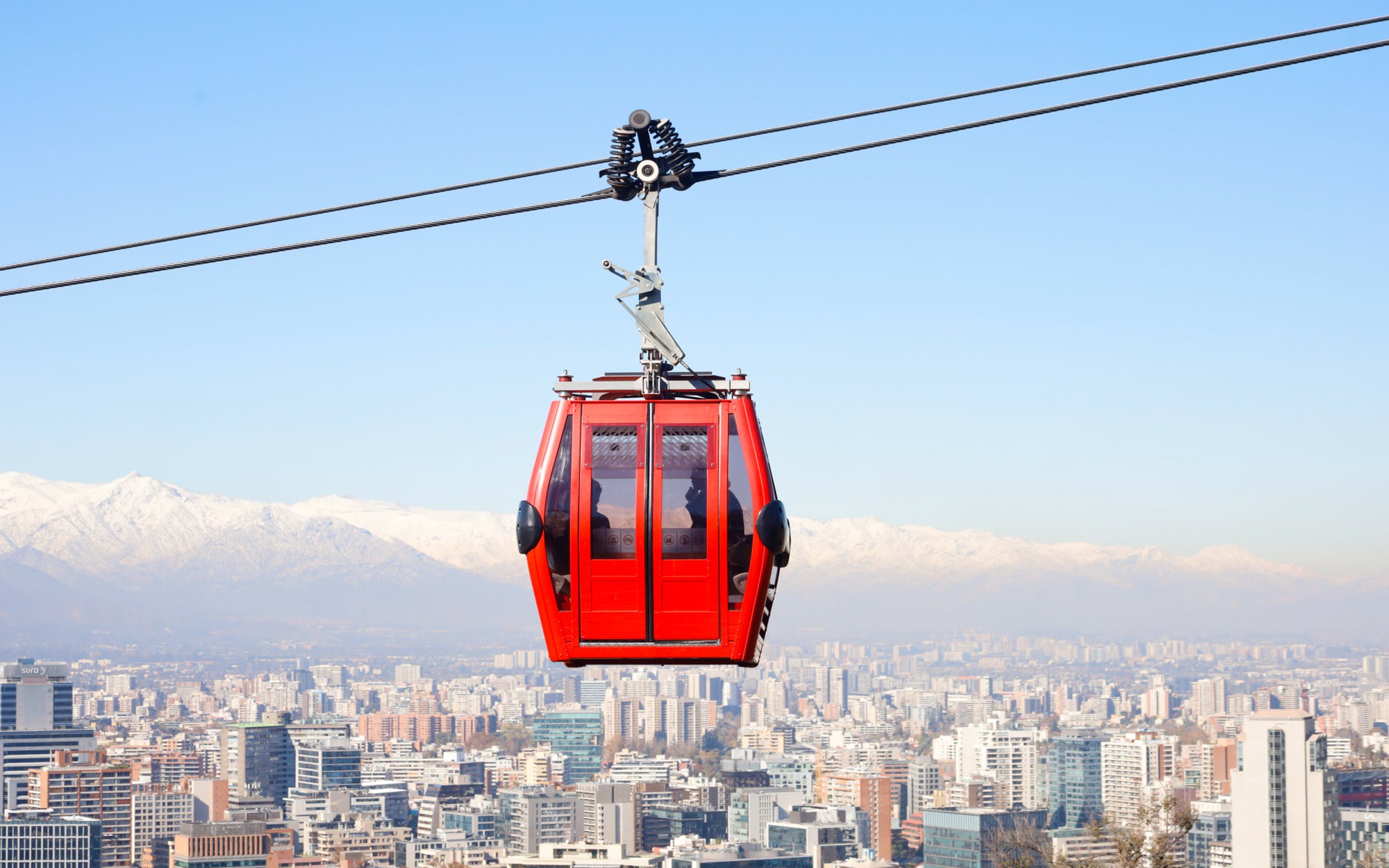
Dajti National Park offers stunning views of Tirana and the surrounding mountains. Visitors can hike, enjoy nature, or take the cable car for panoramic views.
Nature
Half day or full day
€5 for cable car, free for hiking
Must-Try Local Dishes
Tavë Kosi
A traditional Albanian dish made with baked lamb and rice, topped with a yogurt and egg sauce.
Main Dish
Contains dairy and meat
Byrek
A savory pastry filled with cheese, spinach, or meat, baked until golden and flaky.
Snack
Vegetarian options available
Fërgesë
A hearty dish made with peppers, tomatoes, onions, and cheese, often served with bread.
Main Dish
Vegetarian
Popular Activities
Hiking in Dajti National Park
Mountain biking in the surrounding hills
Paragliding near Tirana
Visiting Blloku for cafes and people-watching
Enjoying a spa day at a local wellness center
Relaxing at a traditional hammam (Turkish bath)
Exploring Bunk'Art 2 and other museums
Attending a performance at the National Opera and Ballet Theatre
Best Time to Visit
April to June, September to October
Spring and fall offer the best weather for exploring Tirana, with comfortable temperatures and fewer tourists. The city is in full bloom during spring, while autumn provides a warm, pleasant climate.
15°C to 30°C
59°F to 86°F
Practical Information
Language
- Official: Albanian
- Widely spoken: English, Italian
- English: Moderately spoken in tourist areas, limited elsewhere
Currency
Albanian Lek (ALL)
Time Zone
CET (GMT+1), CST (GMT+2) during daylight saving time
Electricity
220VV, 50HzHz
Safety Information
Overall Safety Rating: Generally safe
Tirana is generally safe for travelers, with low crime rates and a welcoming atmosphere. However, petty crime and pickpocketing can occur in crowded areas and tourist spots.
Important Precautions:
- • Be cautious with valuables, especially in crowded areas and on public transport.
- • Use reputable taxi services or ride-sharing apps to avoid overcharging.
- • Be aware of your surroundings, especially at night, and stick to well-lit and populated areas.
Getting there
By air
- Tirana International Airport Nënë Tereza • 20 km from city center
By bus
Tirana Bus Station
Getting around
Public transport
Buses are the primary mode of public transport in Tirana. The system is affordable and covers most major areas, though it can be crowded during peak hours.
Taxis
Available • Apps: TaksiTirana, Uber
Rentals
Car, Bike, Scooter
Neighborhoods
Blloku
Pazari i Ri
Kamza
Day trips
Berat
120 km from Tirana • Full day
Berat, known as the 'Town of a Thousand Windows,' is a UNESCO World Heritage site with a rich history and stunning architecture. Visitors can explore Ottoman-era houses, churches, and the Berat Castle.
Durrës
35 km from Tirana • Half day or full day
Durrës is Albania's largest beach resort, offering a mix of relaxation and history. Visitors can enjoy the beach, explore the Roman amphitheater, and visit the Archaeological Museum.
Krujë
30 km from Tirana • Half day or full day
Krujë is a historic town known for its medieval castle, bazaar, and the Ethnographic Museum. It's a popular day trip from Tirana, offering a glimpse into Albania's medieval past.
Festivals
Tirana International Film Festival • November
Tirana Jazz Festival • November
Tirana Summer Festival • July to August
Pro tips
- Visit Bunk'Art 2 for a fascinating look into Albania's communist past.
- Explore the vibrant Blloku district for nightlife, dining, and shopping.
- Take a day trip to Berat or Durrës for a mix of history, culture, and beach relaxation.
- Try local dishes like Tavë Kosi and Byrek at traditional restaurants and cafes.
- Use public transport or rent a bike to get around the city and reduce your carbon footprint.
From $25
per person
Price varies by option
Secure booking
Free cancellation available
Instant confirmation