Hanoi City Half-Day Motorbike Tour with Street Foods (4.5 hours)
Active
4h
For a full refund, cancel at least 24 hours before the scheduled departure time.
Instant confirmation
Mobile or paper ticket accepted
About this experience
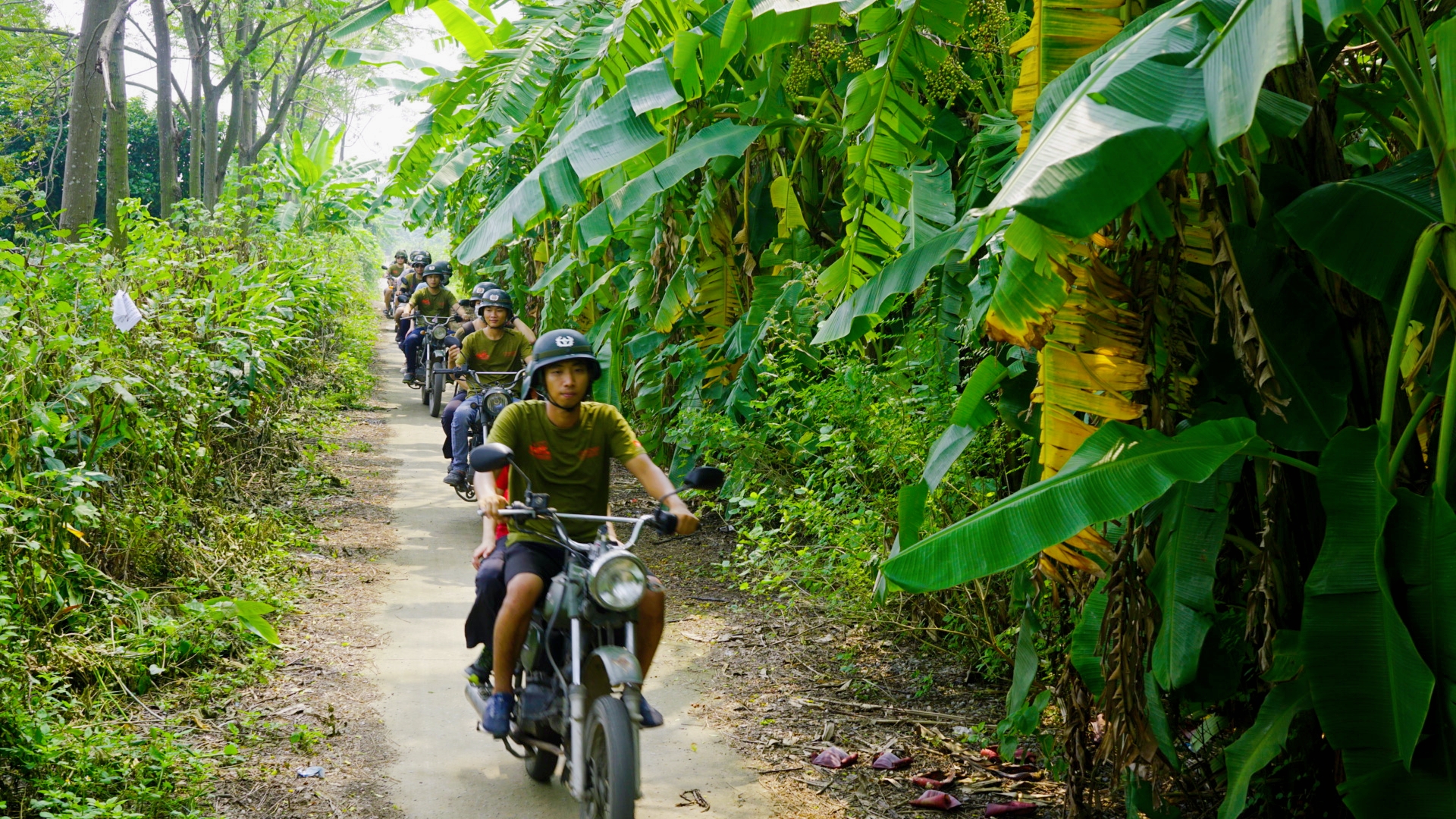
This 4.5-hour motorbike tour is a thrilling ride through Hanoi’s bustling streets, historic landmarks, and vibrant food scene. Designed for travelers who want to stay within the city, it offers a deep dive into local life, history, and street eats—all from the back of a motorbike.
ITINERARY
Meet your guide at your hotel or meeting point
Receive helmet and safety instructions
-City Ride & Landmarks
Cruise through the Old Quarter, weaving through narrow alleys and colonial architecture
Cross the Long Bien Bridge for panoramic views of the Red River
-Visit iconic sites like:
Ho Chi Minh Mausoleum (pass by)
Westlake
Tran Quoc Pagoda
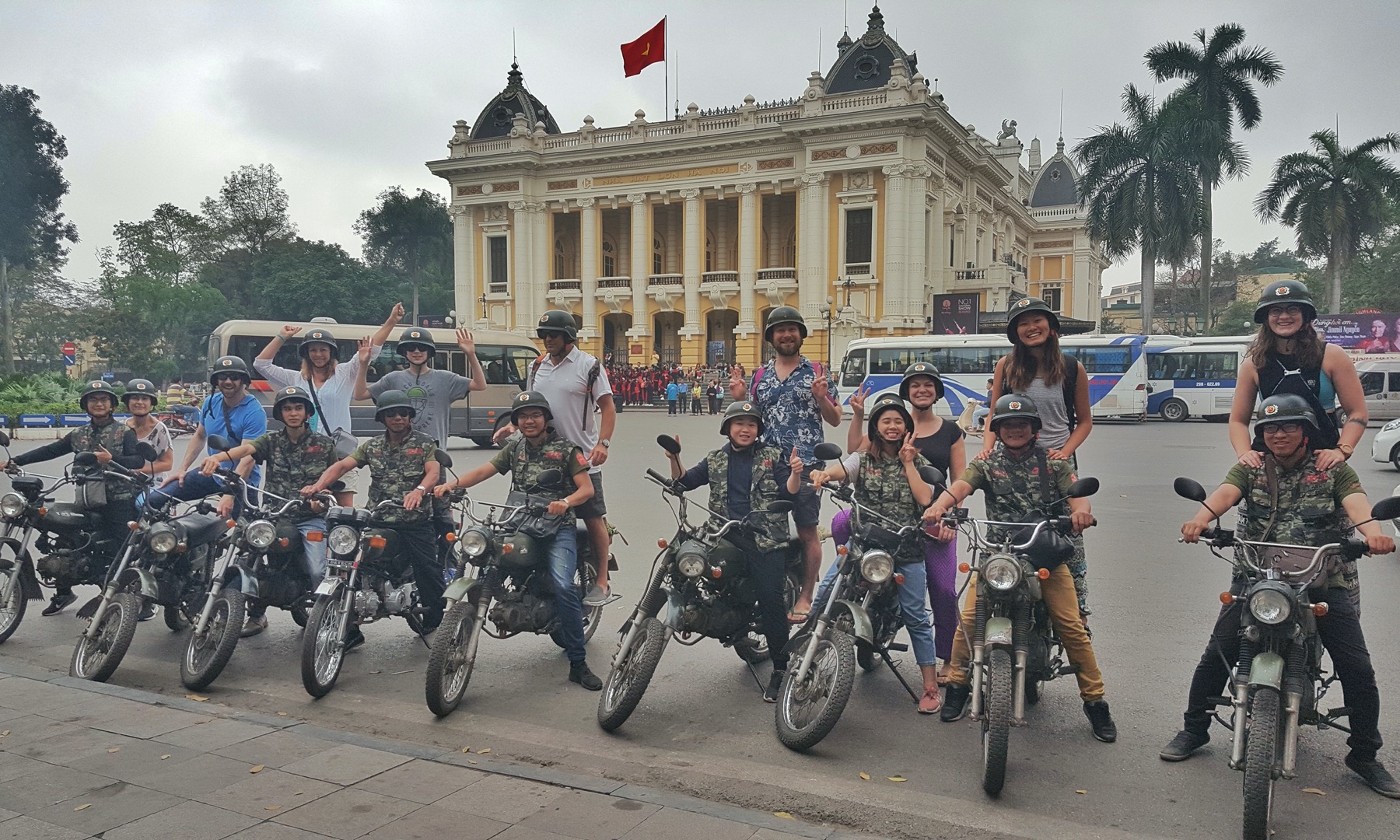
Hanoi Opera House
St. Joseph’s Cathedral
Hanoi Train Street
B52 Victory Museum
Local markets
-Street Food Feast
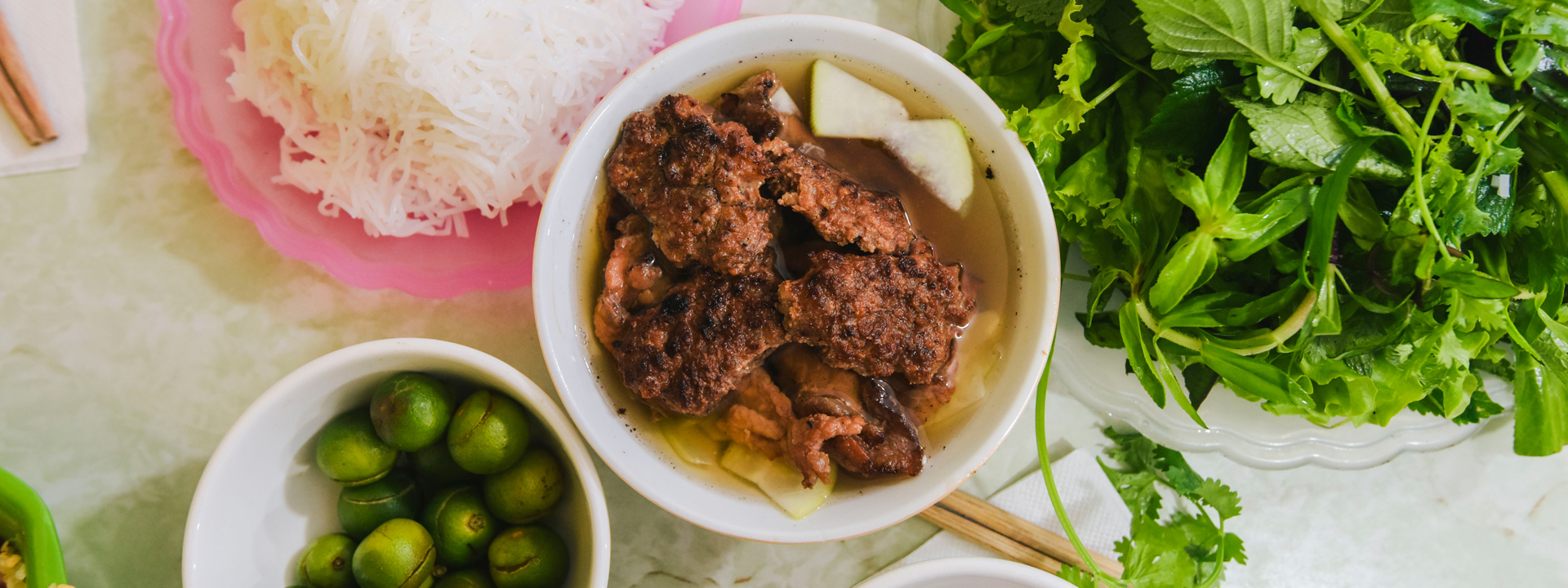
Bún chả (grilled pork with noodles)
Bánh mì (Vietnamese baguette sandwich)
Phở cuốn (fresh noodle rolls)
Sip Hanoi’s famous egg coffee at a hidden café
Cold beer or soft drinks included
-Drop-off at your hotel or central location
Available options
Hanoi City Half-Day Motorbike Tour with Street Foods (4.5 hours)
Pickup included
What's included
All entrance fees
English-speaking local guide
Motorbike with experienced driver
Helmet, rain poncho if needed
Street food & drinks
Detailed itinerary
1
Stop 1
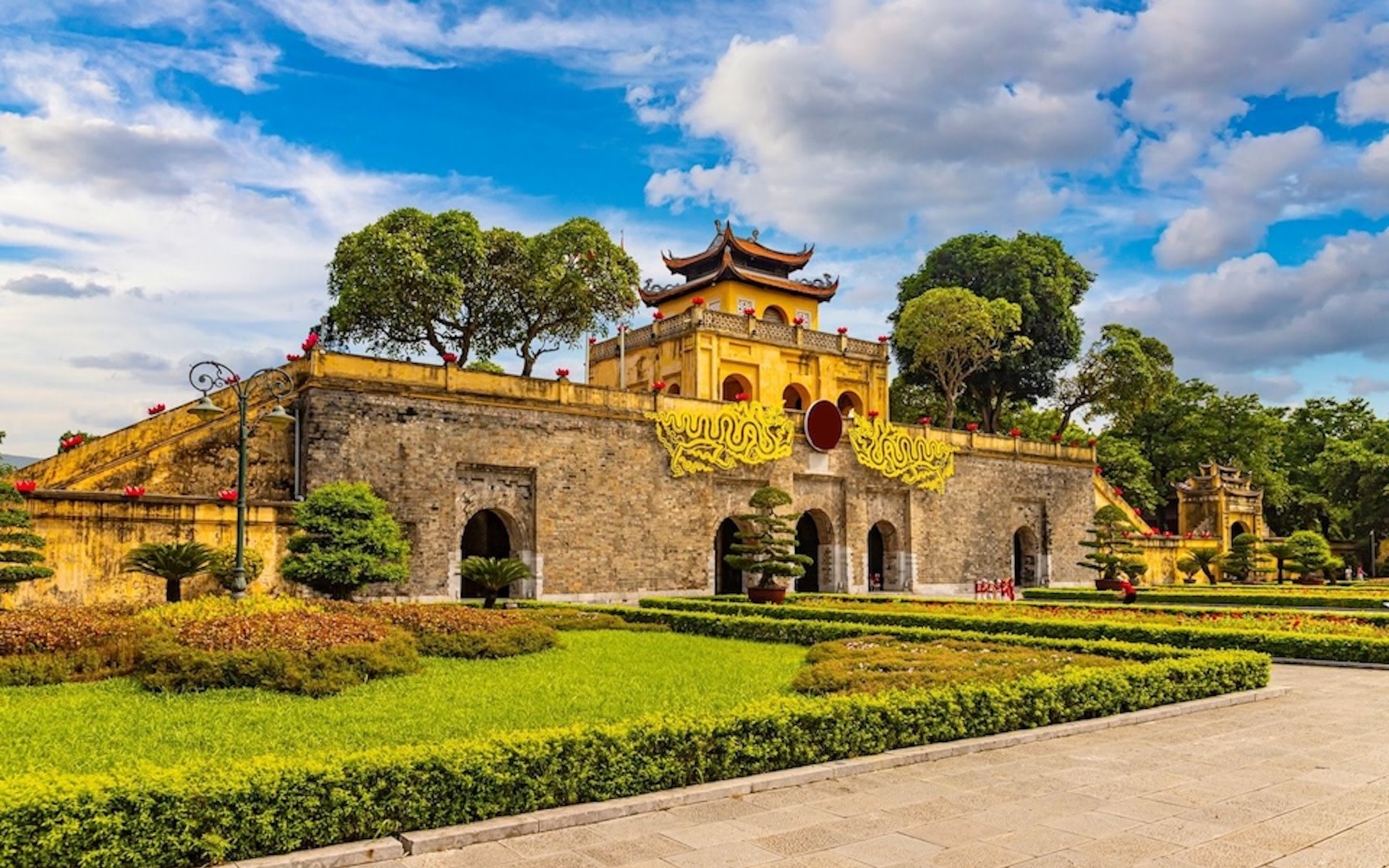
The Hanoi Old Quarter is the historic heart and cultural soul of Vietnam’s capital, where centuries-old architecture, bustling street life, and vibrant markets blend into a lively tapestry of sights, sounds, and aromas. Known for its 36 ancient streets, each traditionally dedicated to a specific trade or craft, the area offers a fascinating glimpse into Hanoi’s past and present. Narrow alleyways brim with street food stalls, traditional shophouses, temples, and colonial-era buildings, while the hum of scooters and the call of vendors create an energy unique to this part of the city.
*Street Food Feast
Sample a variety of dishes such as:
+Bún chả (grilled pork with noodles)
+Bánh mì (Vietnamese baguette sandwich)
+Phở cuốn (fresh noodle rolls)
+Sip Hanoi’s famous egg coffee at a hidden café
+Cold beer or soft drinks included
2
Stop 2
Pass by
The Long Biên Bridge in Hanoi is an iconic symbol of the city’s resilience and history. Built between 1899 and 1902 by the French during the colonial era, this steel cantilever bridge was originally called the Paul Doumer Bridge. Spanning the Red River, it was once one of the longest bridges in Asia and served as a vital transportation link for trains, vehicles, and pedestrians. Over the decades, the bridge has endured bombings during the Vietnam War, bearing visible scars that speak to Hanoi’s turbulent past. Today, Long Biên is both a functional railway bridge and a nostalgic landmark, offering panoramic views of the river, banana plantations, and local life along its banks. Its weathered charm and historical significance make it a beloved spot for photographers, walkers, and those seeking a glimpse into Hanoi’s enduring spirit.
3
Stop 3
Pass by
The Ho Chi Minh Mausoleum in Hanoi is one of Vietnam’s most revered landmarks, serving as the final resting place of President Ho Chi Minh, the nation’s beloved leader and founder. Located in Ba Dinh Square, where he declared Vietnam’s independence in 1945, the imposing granite structure was inspired by Lenin’s Mausoleum in Moscow but built with distinct Vietnamese architectural touches. Completed in 1975, it houses Ho Chi Minh’s embalmed body, which visitors can respectfully view under strict protocols. Surrounded by well-kept gardens and flanked by significant historical sites, the mausoleum is not only a place of homage but also a symbol of Vietnam’s unity, independence, and deep respect for “Uncle Ho.”
4
Stop 4
The Tran Quoc Pagoda is the oldest Buddhist temple in Hanoi, with a history spanning over 1,500 years. Gracefully situated on a small islet in West Lake, this elegant pagoda is a serene escape from the city’s bustle. Originally built during the reign of Emperor Ly Nam De (6th century), it has undergone several restorations yet still retains its traditional Vietnamese Buddhist architecture, characterized by its tall, red-brick stupa and intricate statues. Surrounded by lush gardens and tranquil waters, Tran Quoc is not only a place of worship but also a cultural treasure, attracting both pilgrims and visitors who come to admire its timeless beauty and spiritual atmosphere.
5
The B52 Victory Museum in Hanoi is a unique historical site dedicated to Vietnam’s victory over U.S. air forces during the “Dien Bien Phu in the Air” campaign of December 1972. Located in Ba Dinh District, the museum showcases artifacts, photographs, and documents recounting the intense 12-day air battle, during which the Vietnamese military shot down numerous American aircraft, including the formidable B-52 bombers. Its most striking feature is the outdoor display of a downed B-52’s wreckage, dramatically preserved in a water-filled crater. The museum serves as both an educational center and a powerful reminder of the resilience, strategic skill, and determination of the Vietnamese people during the war.
6
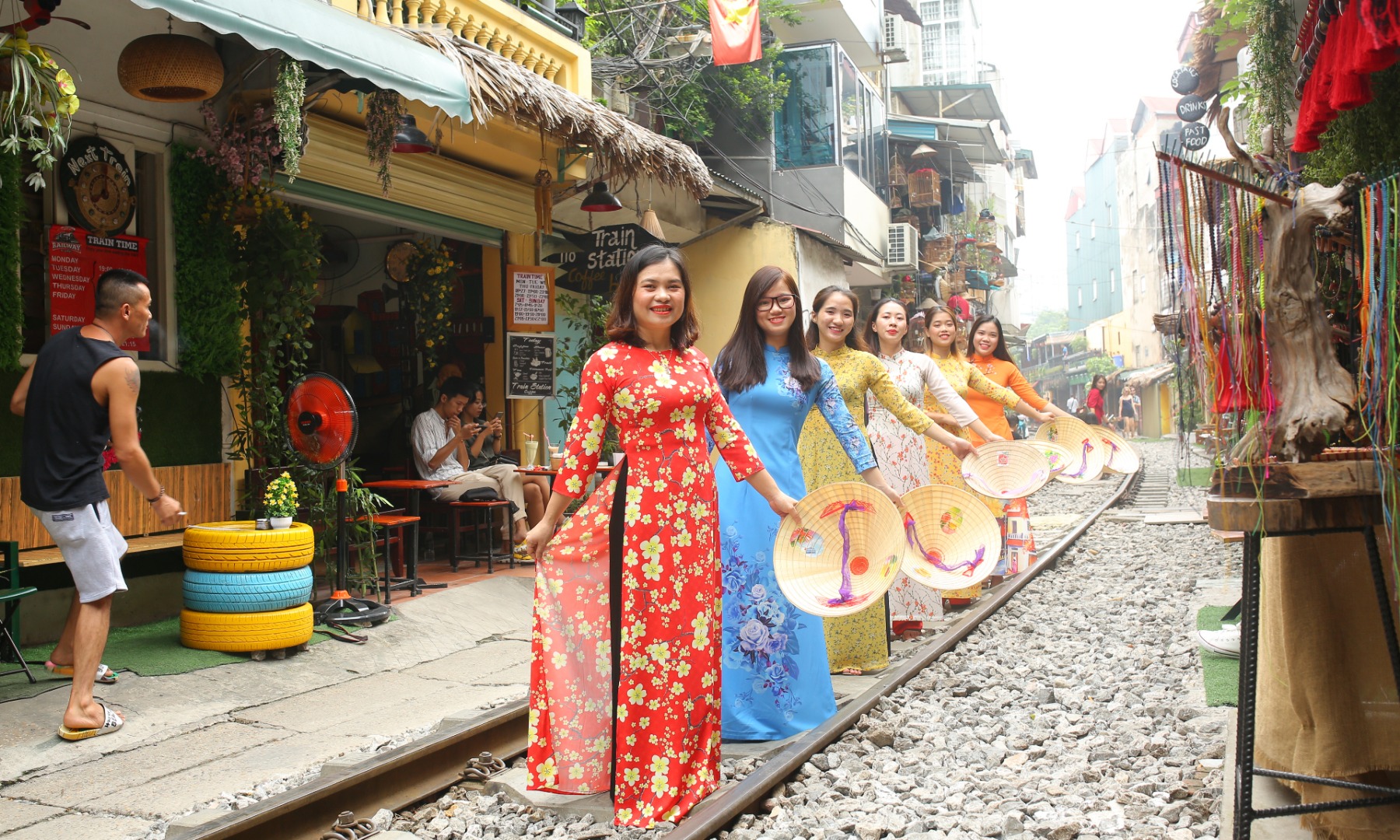
Hanoi Train Street is one of the city’s most fascinating and Instagram-famous attractions, where a working railway track runs just inches from rows of houses, cafés, and everyday life. Tucked away in the Old Quarter, this narrow street transforms twice a day when trains rumble through, forcing residents and visitors to step aside and watch the incredible scene unfold. Originally built during the French colonial era, the track has become a symbol of Hanoi’s unique urban charm, blending danger, excitement, and community spirit. Today, cozy coffee shops line the railway, offering front-row seats to this thrilling spectacle — a rare glimpse into the harmony between city life and the unstoppable rhythm of the trains.
7
Stop 7
Pass by
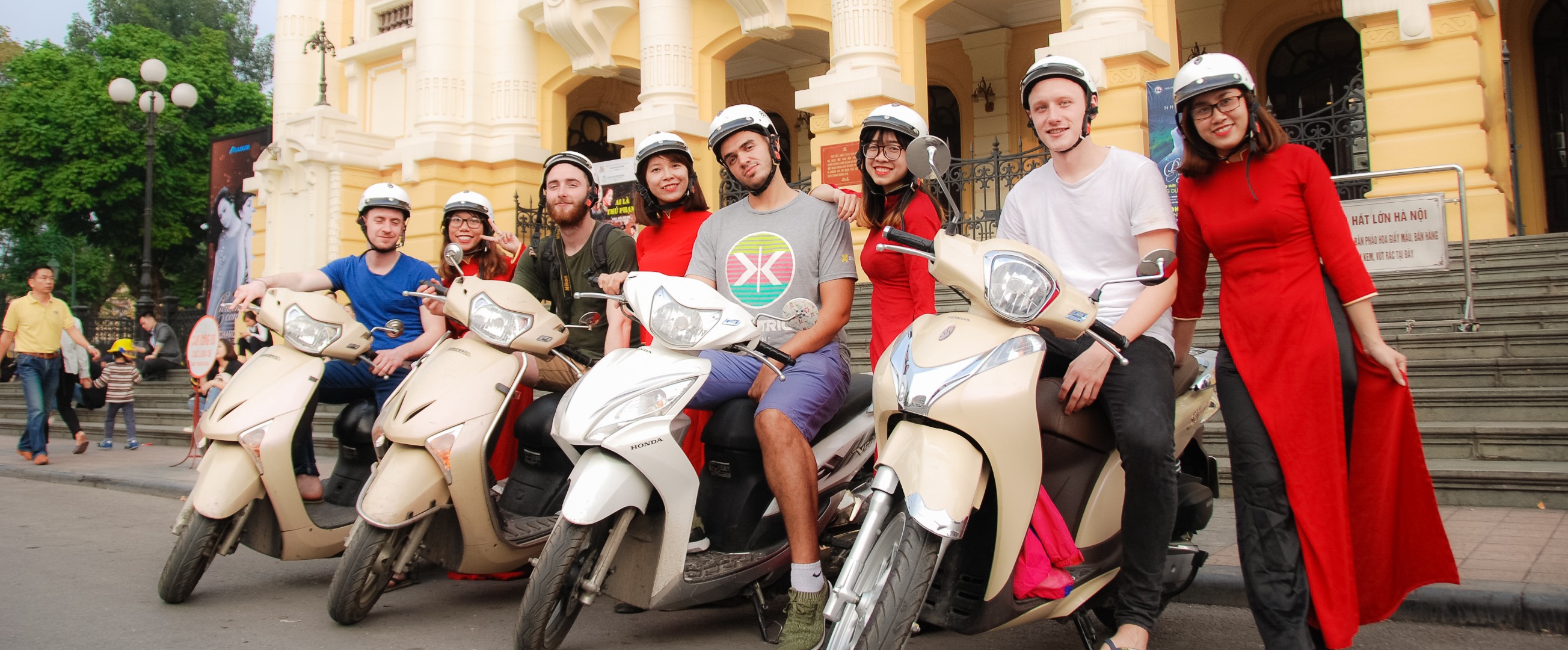
The Hanoi Opera House is a grand architectural gem and one of the most beautiful landmarks in Vietnam’s capital. Built by the French between 1901 and 1911, it was inspired by the Palais Garnier in Paris and stands as a lasting symbol of Hanoi’s colonial heritage. Located in the heart of the city, this elegant building features neoclassical design, ornate balconies, and a sweeping façade adorned with Corinthian columns. Inside, its lavish interior hosts world-class performances, from classical music and opera to traditional Vietnamese arts. Beyond its cultural significance, the Hanoi Opera House is a popular spot for photography and a proud testament to the city’s rich history and artistic spirit.
What's not included
Personal expenses
Available languages
Guide guide
EN
Important information
Infants are required to sit on an adult’s lap
Suitable for all physical fitness levels
About Hanoi
Hanoi, the capital of Vietnam, is a vibrant city steeped in history and culture. Known for its French colonial architecture, bustling Old Quarter, and rich culinary scene, Hanoi offers a unique blend of traditional and modern experiences.
Top Attractions
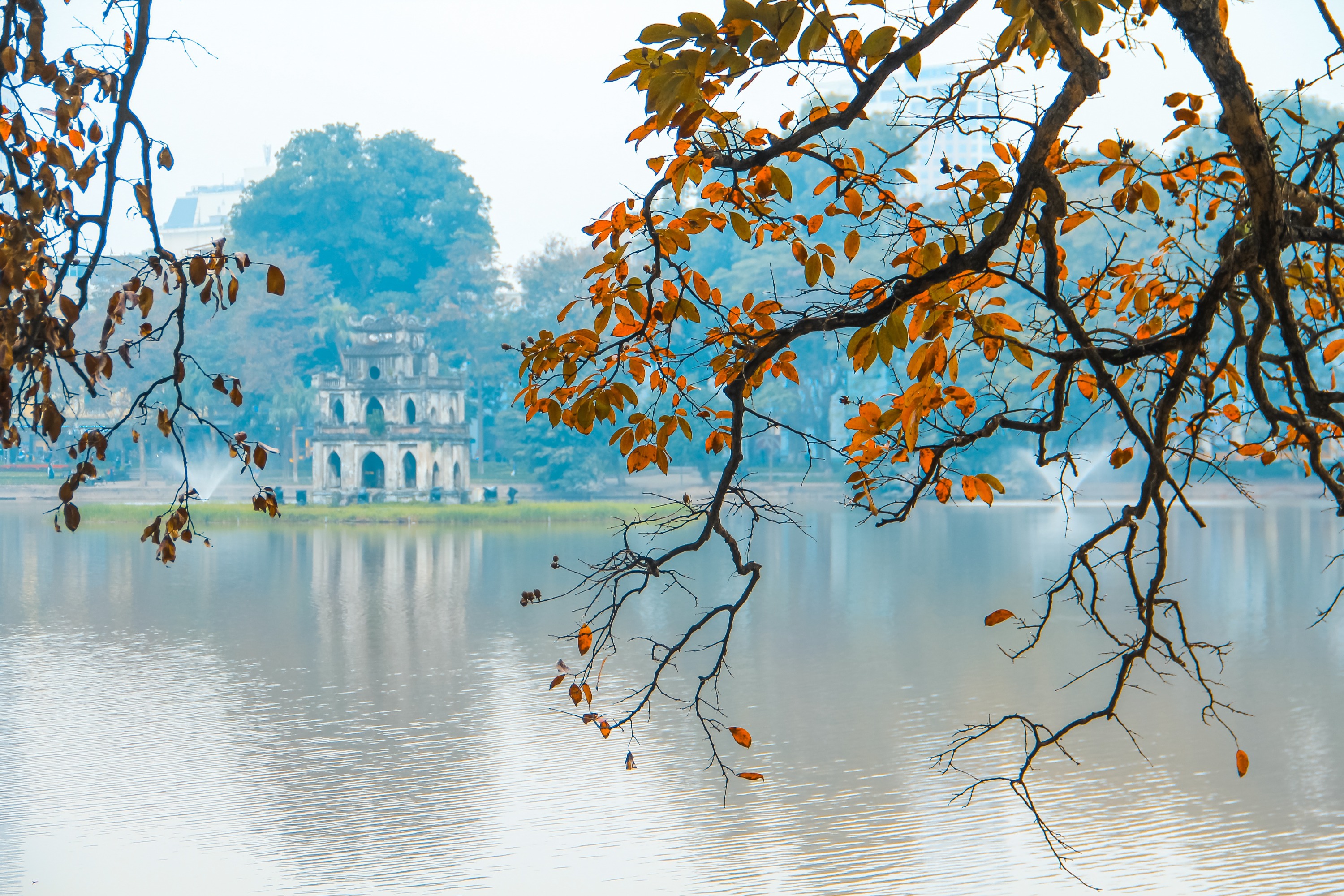
Hoan Kiem Lake
Hoan Kiem Lake is a serene oasis in the heart of Hanoi, surrounded by lush greenery and historical landmarks. The lake is a popular spot for locals and tourists to relax and enjoy the scenery.
Nature
1-2 hours
Free
Hanoi Old Quarter
The Old Quarter is the historic and cultural heart of Hanoi, featuring narrow streets lined with traditional shops, temples, and colonial-era architecture. It's a vibrant area with a rich history and bustling atmosphere.
Historical
Half day to full day
Free to explore, shopping and dining vary
Temple of Literature
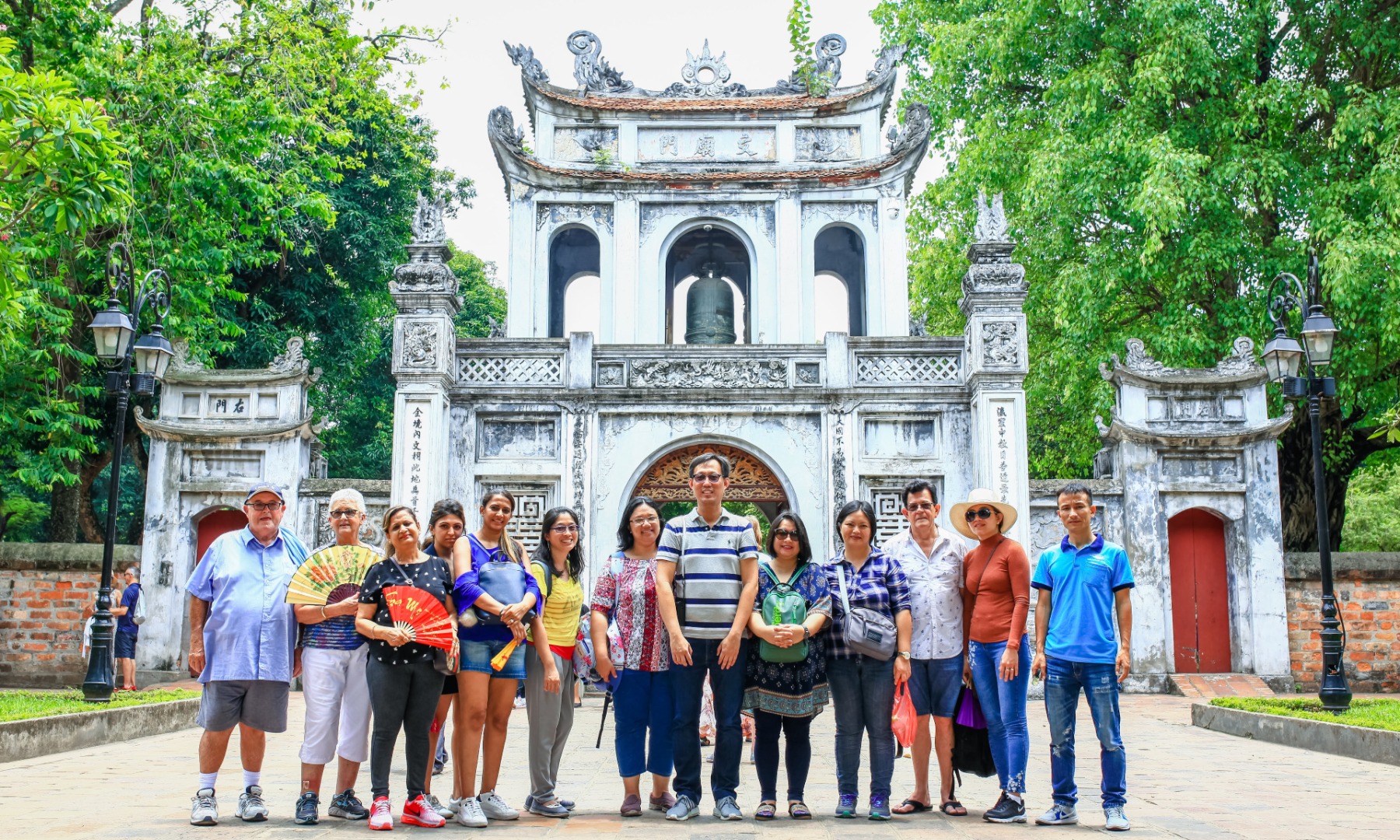
The Temple of Literature is a historic Confucian temple dedicated to education and literature. It's a serene and culturally significant site, featuring beautiful architecture and a peaceful garden.
Historical
1-2 hours
30,000 VND
Ho Chi Minh Mausoleum
The Ho Chi Minh Mausoleum is a significant historical site where the embalmed body of Vietnam's revolutionary leader, Ho Chi Minh, is displayed. The mausoleum is a place of pilgrimage and a symbol of Vietnam's history.
Historical
1-2 hours
Free
Hanoi Opera House
The Hanoi Opera House is a stunning example of French colonial architecture, featuring elegant design and a rich history. It's a popular venue for cultural performances and events.
Architecture
1-2 hours for a performance
Varies by event
Must-Try Local Dishes
Pho
A traditional Vietnamese noodle soup with a flavorful broth, rice noodles, and thinly sliced meat, typically beef or chicken.
Lunch/Dinner
Can be made vegetarian or vegan
Bun Cha
Grilled pork patties served with rice noodles, fresh herbs, and a dipping sauce.
Lunch/Dinner
Contains meat
Banh Mi
A Vietnamese sandwich with a crispy baguette, filled with various ingredients such as grilled meat, pâté, pickled vegetables, and fresh herbs.
Snack/Lunch
Can be made vegetarian or vegan
Egg Coffee
A unique Vietnamese coffee made with strong drip coffee, condensed milk, and a frothy egg yolk mixture.
Drink
Contains eggs and dairy
Popular Activities
Kayaking in Ha Long Bay
Trekking in Sapa
Boat ride in Hoan Kiem Lake
Coffee at a local café
Exploring the Temple of Literature
Visiting the Ho Chi Minh Mausoleum
Swimming and snorkeling in Ha Long Bay
Egg coffee tasting
Best Time to Visit
October to December
This period offers pleasant weather with lower humidity and temperatures, making it ideal for sightseeing and outdoor activities. The city is less crowded compared to the peak tourist season.
15°C to 25°C
59°F to 77°F
Practical Information
Language
- Official: Vietnamese
- Widely spoken: English, French
- English: Moderately spoken in tourist areas, limited in other areas
Currency
Vietnamese Dong (VND)
Time Zone
GMT+7
Electricity
220VV, 50HzHz
Safety Information
Overall Safety Rating: Generally safe
Hanoi is generally safe for travelers, with low crime rates and a welcoming atmosphere. However, petty crime and scams can occur, and travelers should exercise caution and be aware of their surroundings.
Important Precautions:
- • Be cautious of your belongings, particularly in crowded areas and on public transportation.
- • Use reputable taxi companies and insist on using the meter or agree on a price before starting your journey.
- • Be wary of strangers offering help or services, as they may be trying to scam you.
Getting there
By air
- Noi Bai International Airport • 28 km from city center
By train
Hanoi Railway Station
By bus
Giap Bat Bus Station, My Dinh Bus Station
Getting around
Public transport
The bus system in Hanoi is affordable and covers most of the city. However, it can be crowded and confusing for first-time visitors.
Taxis
Available • Apps: Grab, Gojek
Rentals
Car, Bike, Scooter
Neighborhoods
Old Quarter
French Quarter
Ba Dinh District
Tay Ho District
Day trips
Ha Long Bay
165 km from Hanoi • Full day to overnight
Ha Long Bay is a UNESCO World Heritage Site known for its stunning limestone karsts and islets, emerald waters, and scenic beauty. It's a popular destination for cruises, kayaking, and exploring caves.
Ninh Binh
90 km from Hanoi • Full day
Ninh Binh is known as 'Halong Bay on land' due to its stunning limestone karsts, rice paddies, and historic sites. It's a popular destination for cycling, boat rides, and exploring ancient temples.
Sapa
320 km from Hanoi • Overnight to multi-day
Sapa is a mountainous region known for its stunning rice terraces, ethnic minority villages, and trekking opportunities. It's a popular destination for outdoor enthusiasts and cultural experiences.
Festivals
Tet Nguyen Dan (Lunar New Year) • January or February (based on the lunar calendar)
Mid-Autumn Festival • September or October (based on the lunar calendar)
Hanoi International Film Festival • October or November (annual)
Pro tips
- Learn a few basic Vietnamese phrases to enhance your experience and connect with locals.
- Explore the city's hidden gems and lesser-known attractions, such as the Hanoi Ceramic Mosaic Mural and the Temple of Literature.
- Try local street food and visit markets for an authentic and delicious culinary experience.
- Use a navigation app, such as Google Maps or GrabMaps, to help you get around the city and avoid getting lost.
- Be cautious of your belongings, particularly in crowded areas and on public transportation, to avoid petty crime and scams.
From $25
per person
Price varies by option
Secure booking
Free cancellation available
Instant confirmation