Jaipur Short City Tour with Flower Market and Block Printing
Active
5h
For a full refund, cancel at least 24 hours before the scheduled departure time.
Instant confirmation
Mobile or paper ticket accepted
About this experience
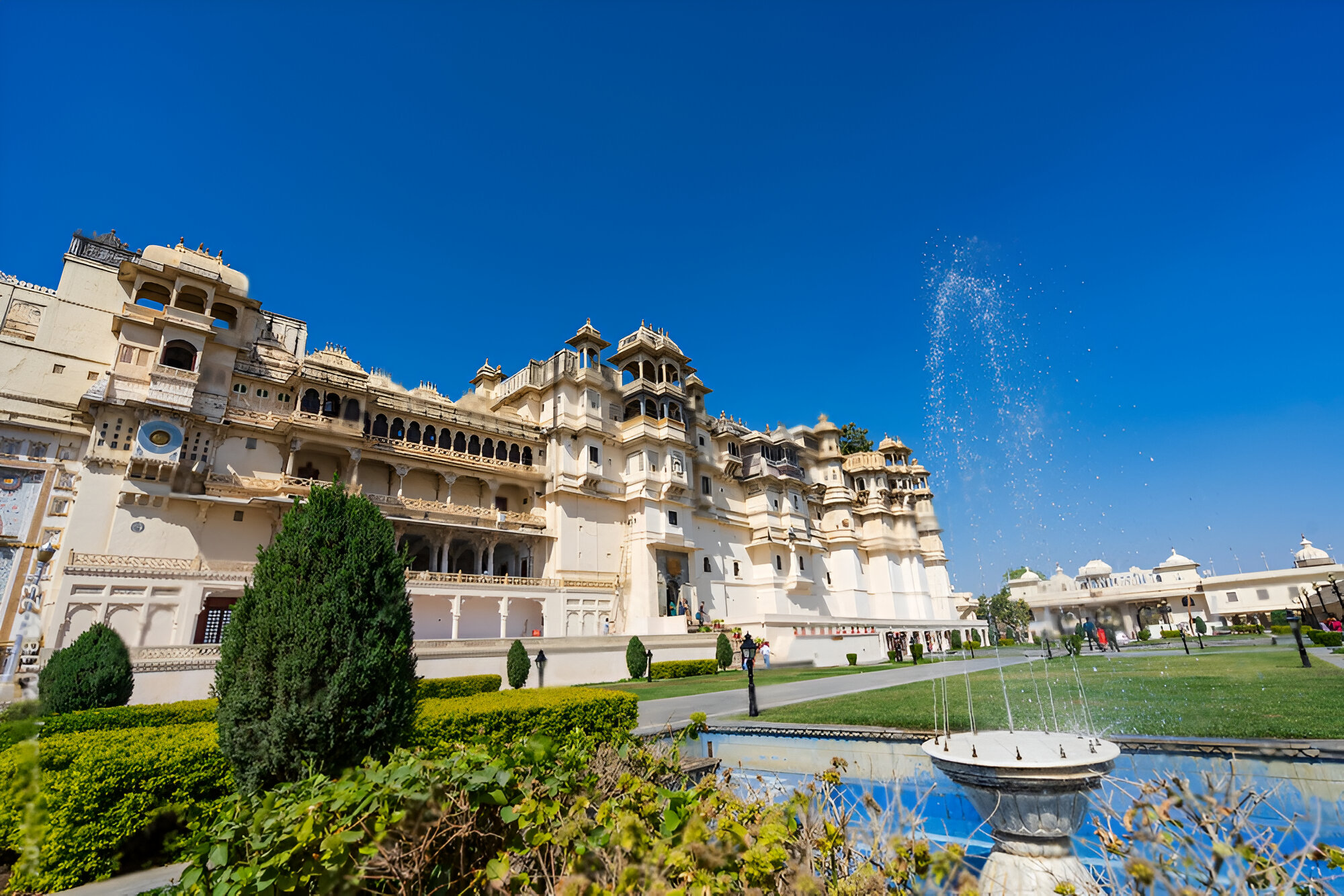
Embark on a private half-day tour of Jaipur, exploring the morning flower market, viewing Hawa Mahal from the outside, walking past old heritage buildings, visiting a Rajput palace, and stopping at Jal Mahal and Panna Meena Stepwell. You’ll also experience the traditional art of hand block printing. Travel in comfort by car or Tuk-Tuk—whichever you prefer.
• Private tour with a Tuk-Tuk or car option available
• Experience Jaipur’s culture, heritage, and history
• Explore the fresh morning blossoms at the flower market
• Enjoy a hands-on block printing experience with local artisans
Available options
Transportation with a guide
Car Sedan Or SUV: Our fleet includes Toyota Etios or Dzire sedans for up to 3 passengers & Toyota Innova or Crysta SUVs for up to 6 passengers.<br/>Includes: Private vehicle with an English-speaking driver and an expert tour guide.<br/>Pickup included
Tour by Tuk-Tuk
Tuk-tuk (3-wheel auto): Private tuk-tuk tour led by an English-speaking storyteller.<br/>Pickup included
Tour by Car with Driver
Sedan Car or SUV Car: We offer Toyota Etios or Dzire sedans for up to 3 passengers, and Toyota Innova or Crysta SUVs for up to 6 passengers.<br/>Includes: Private car with an English-speaking driver who will take you to all the sites.<br/>Pickup included
What's included
Bottled water
Pickup and drop-off from your hotel, airport, or preferred location in Jaipur
All taxes and parking fees
Private transportation in an air-conditioned car or Tuk-Tuk
Block printing experience with artisans
Professional expert guide (if option selected)
Detailed itinerary
1
At the start of the morning tour, you’ll stroll through the flower market, surrounded by fresh blooms, vibrant colors, and the scent of newly cut flowers. You’ll see vendors arranging their stalls, locals buying for the day ahead, and the market coming to life with its lively, authentic atmosphere.
2
Stop 2
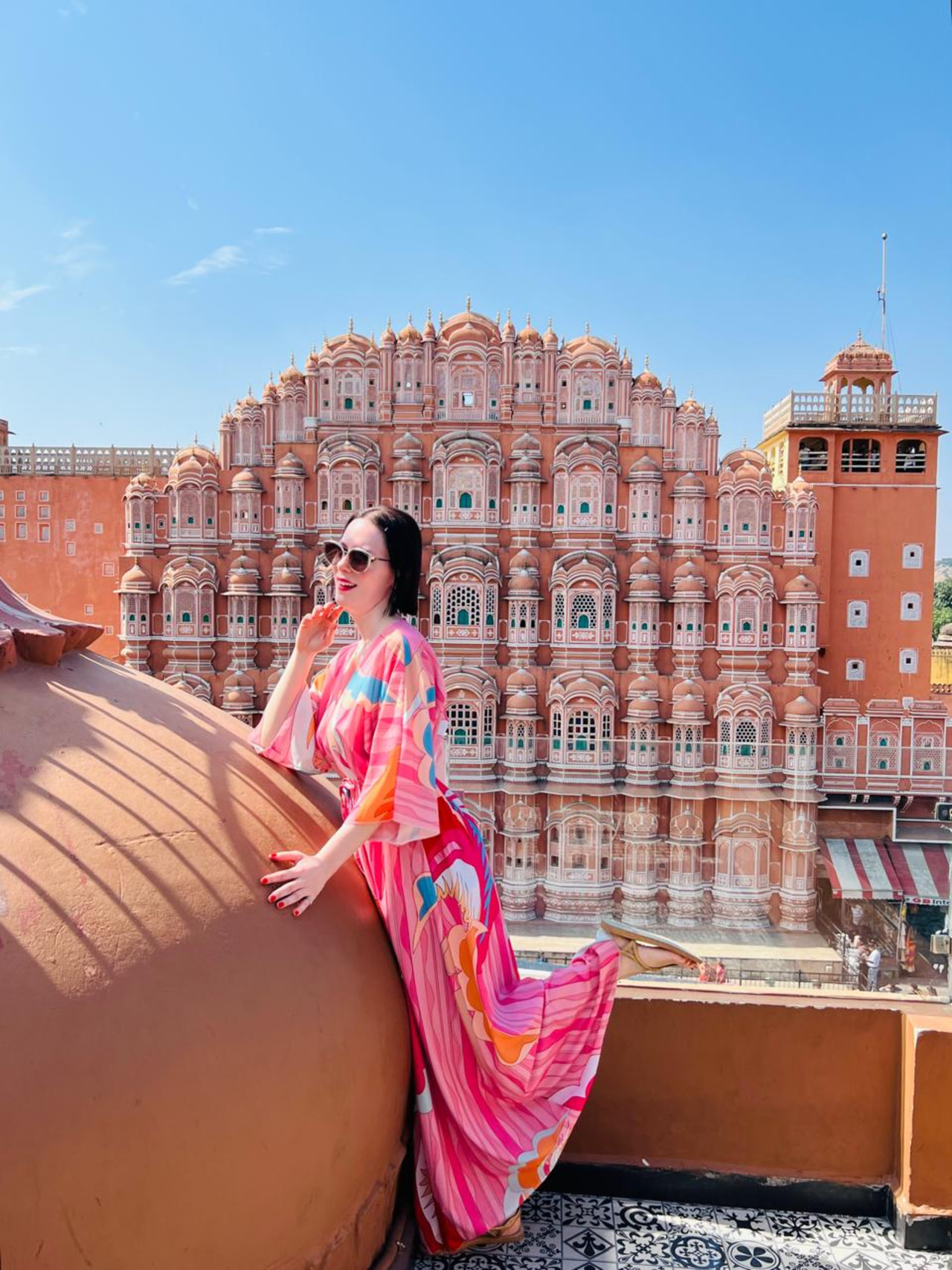
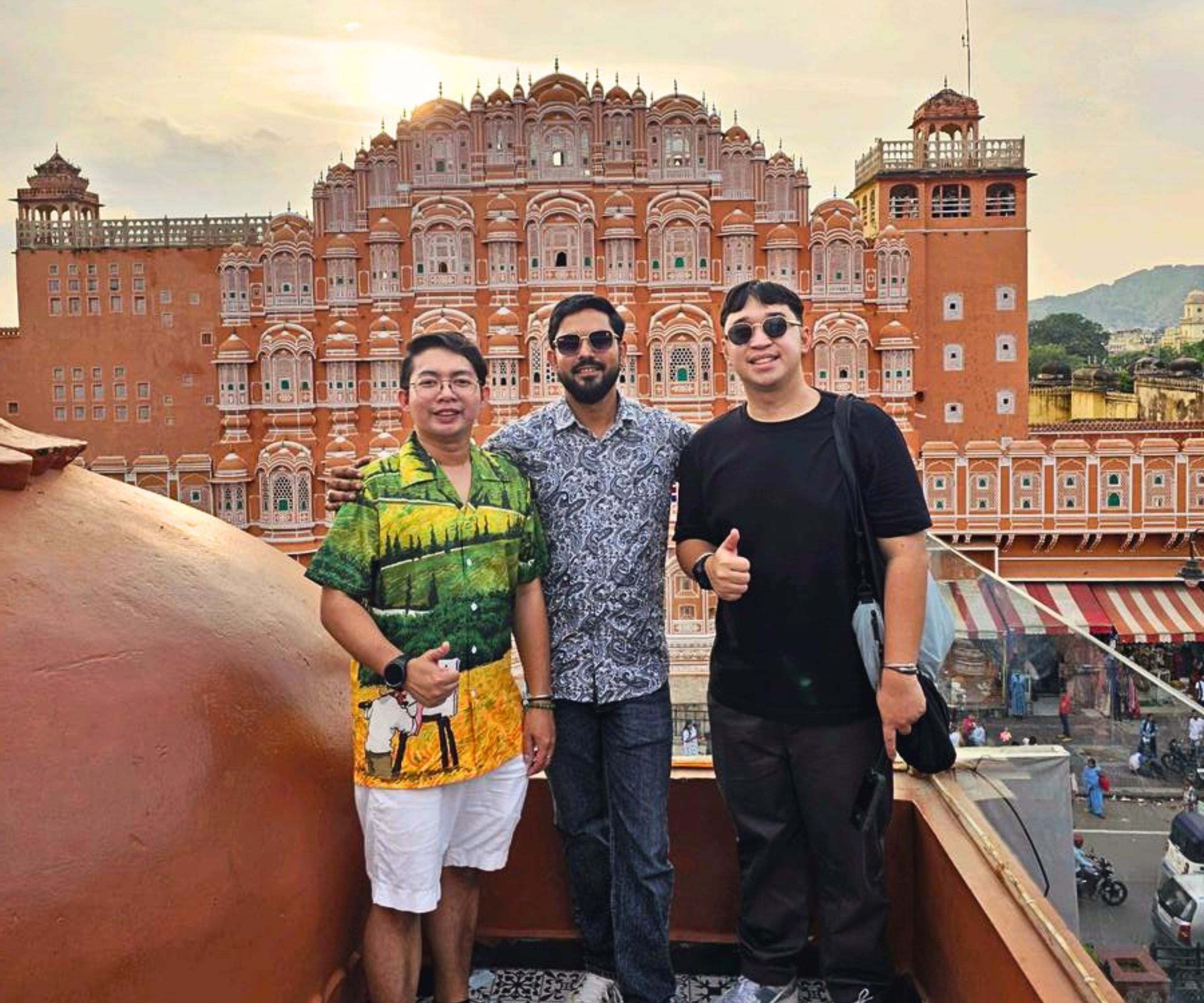
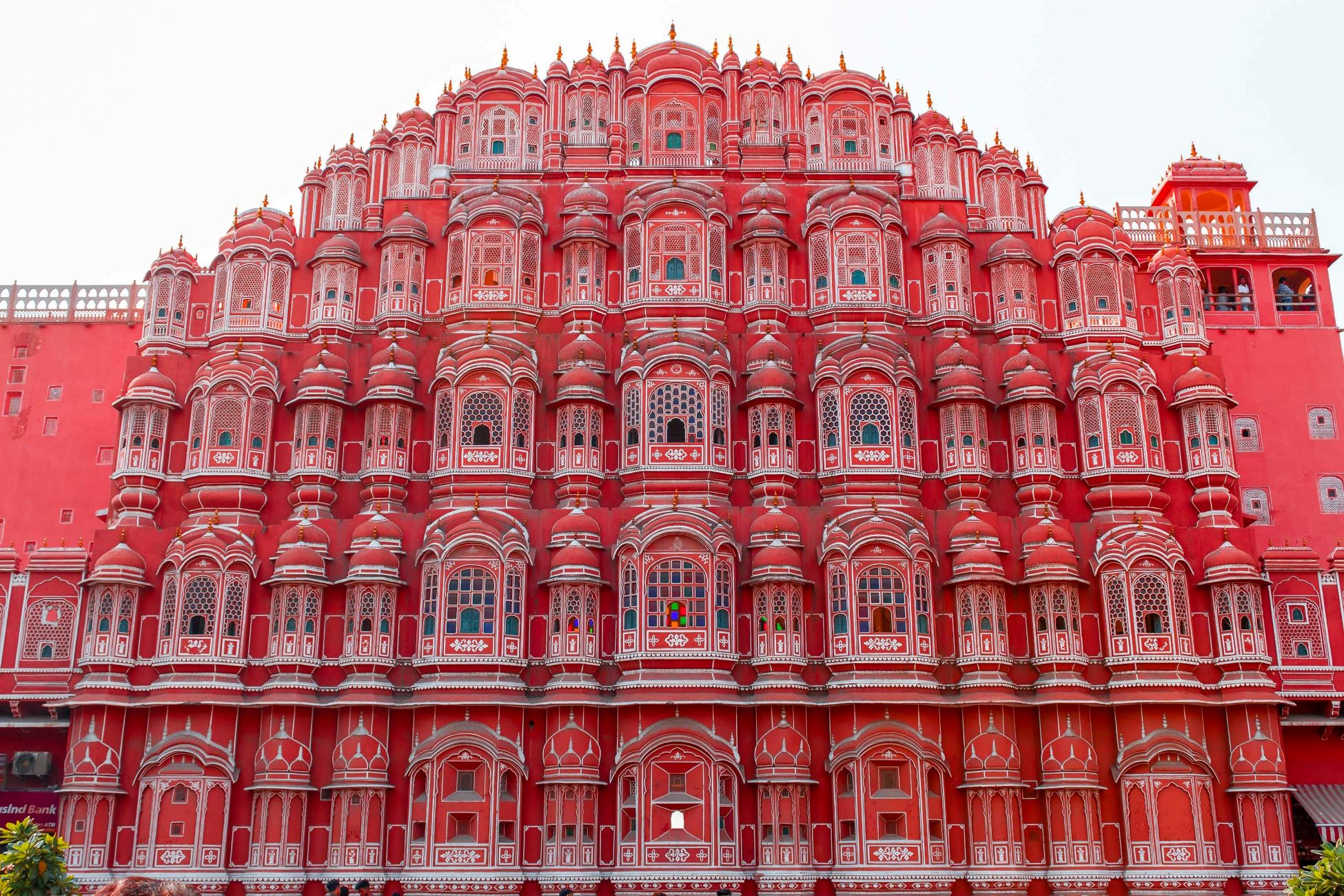
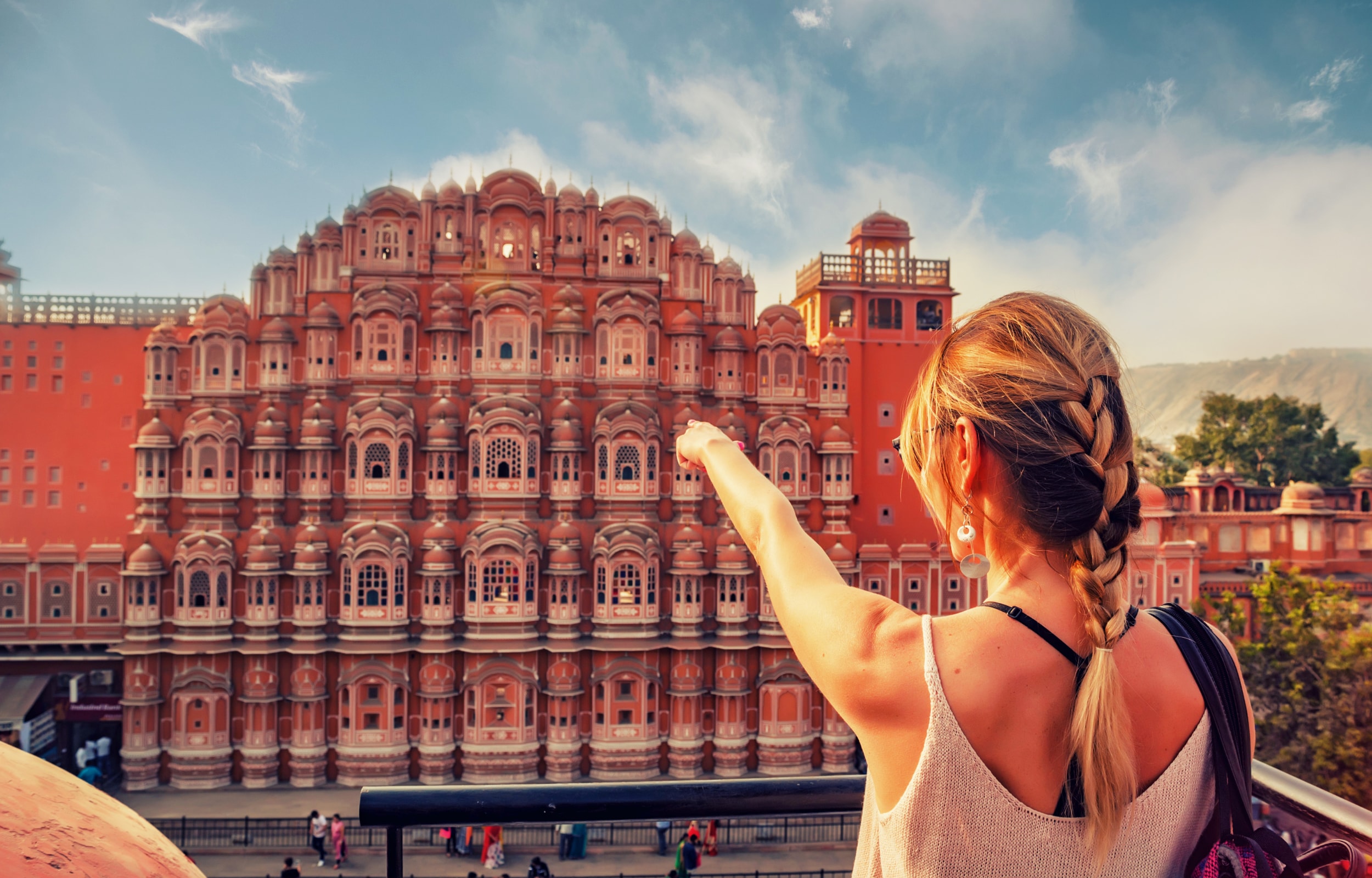
After the flower market, you’ll stop at Hawa Mahal for an outside view, giving you time to take photos and take in its striking façade. The soft morning light highlights its windows and intricate design, making it a perfect moment to admire one of Jaipur’s most iconic sights.
3
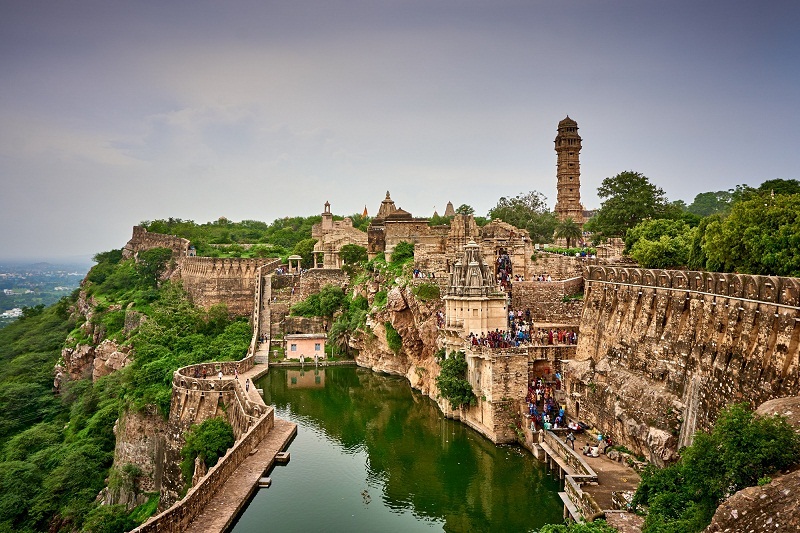
Next, we’ll take you about 11 km outside the city to explore historic sites, ancient temples, and a quiet lakeside area. It’s a scenic part of Jaipur where you can enjoy the landscape and learn more about the region’s heritage.
4
Panna Meena ka Kund is a beautifully preserved 16th-century stepwell known for its symmetrical crisscross staircases and centuries-old water conservation design. This hidden gem is both an architectural wonder and a great photo spot. It once served as a community gathering place where locals collected water, rested, and socialized, reflecting Jaipur’s heritage of sustainable living. Next, admire the hidden beauty of Panna Meena Stepwell.
5
Stop 5
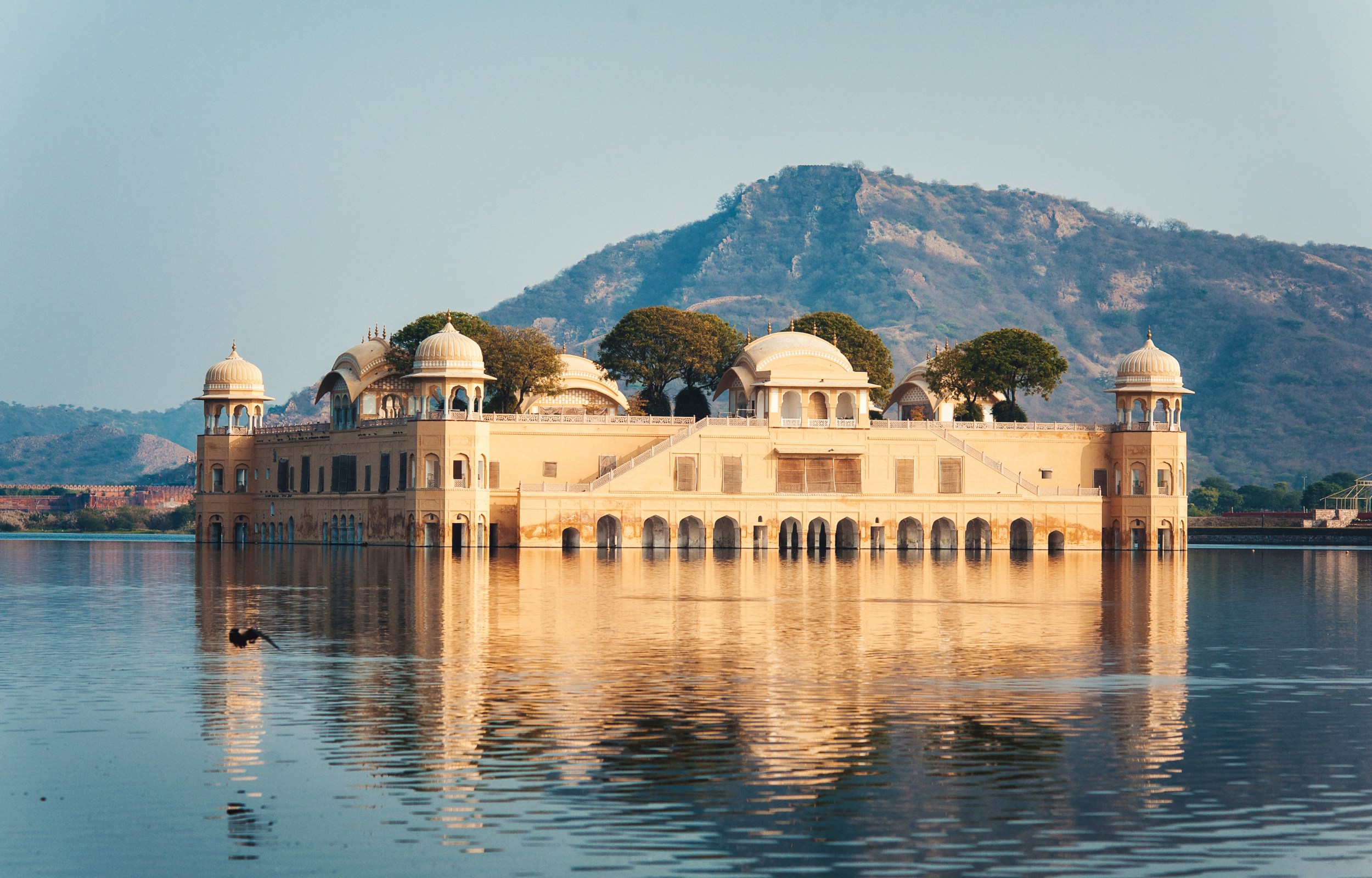
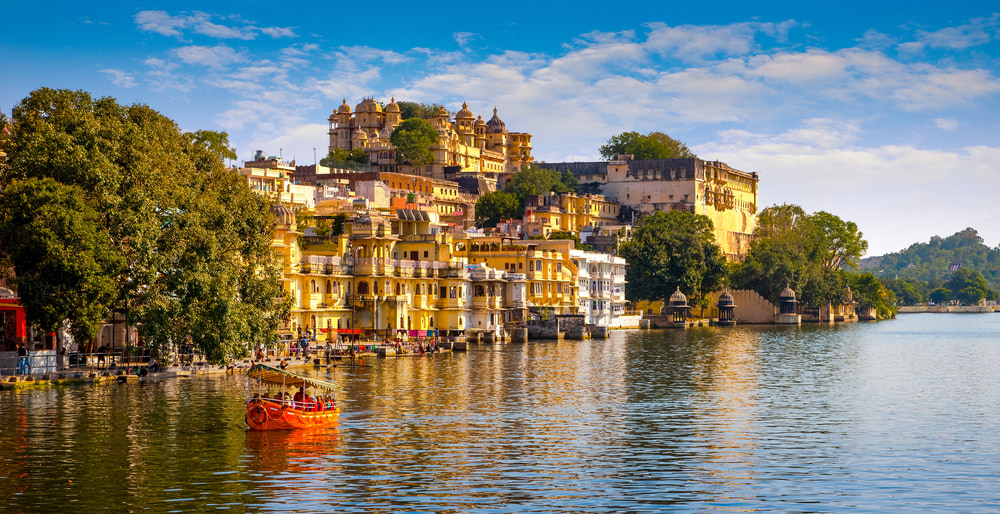
Make a stop at Jal Mahal to take photos of this 18th-century “Water Palace,” which appears to float on Man Sagar Lake. With its mix of Rajput and Mughal design and the Aravalli Hills in the background, it’s one of Jaipur’s most photographed spots.
6
Jaipur is world-famous for its centuries-old tradition of hand block printing. Skilled artisans carve designs onto wooden blocks, dip them in natural dyes, and stamp them onto fabric with careful precision, creating patterns unique to Rajasthan. This craft reflects the city’s rich textile heritage and continues to thrive in local workshops. Now, we’ll take you to a warehouse where you can see the process up close, meet the artisans, and experience block printing for yourself.
What's not included
Meals
Tips for driver or guide
Personal expenses like shopping.
Available languages
Guide guide
EN
Important information
Suitable for all physical fitness levels
About Jaipur
Jaipur, the capital of Rajasthan, is a vibrant city known for its rich history, stunning architecture, and colorful culture. As the first planned city of India, it offers a unique blend of traditional Rajasthani heritage and modern amenities, making it a must-visit destination for travelers.
Top Attractions
Amber Fort
Amber Fort is a majestic fort located on a hilltop overlooking Maota Lake. It is known for its stunning architecture, intricate carvings, and historical significance.
Historical
2-3 hours
INR 250 (foreigners), INR 50 (Indians)
Hawa Mahal
Hawa Mahal, or the Palace of Winds, is a five-story pyramidal structure made of red and pink sandstone. It is famous for its intricate latticework and unique architecture.
Architectural
1 hour
INR 50 (foreigners), INR 10 (Indians)
City Palace
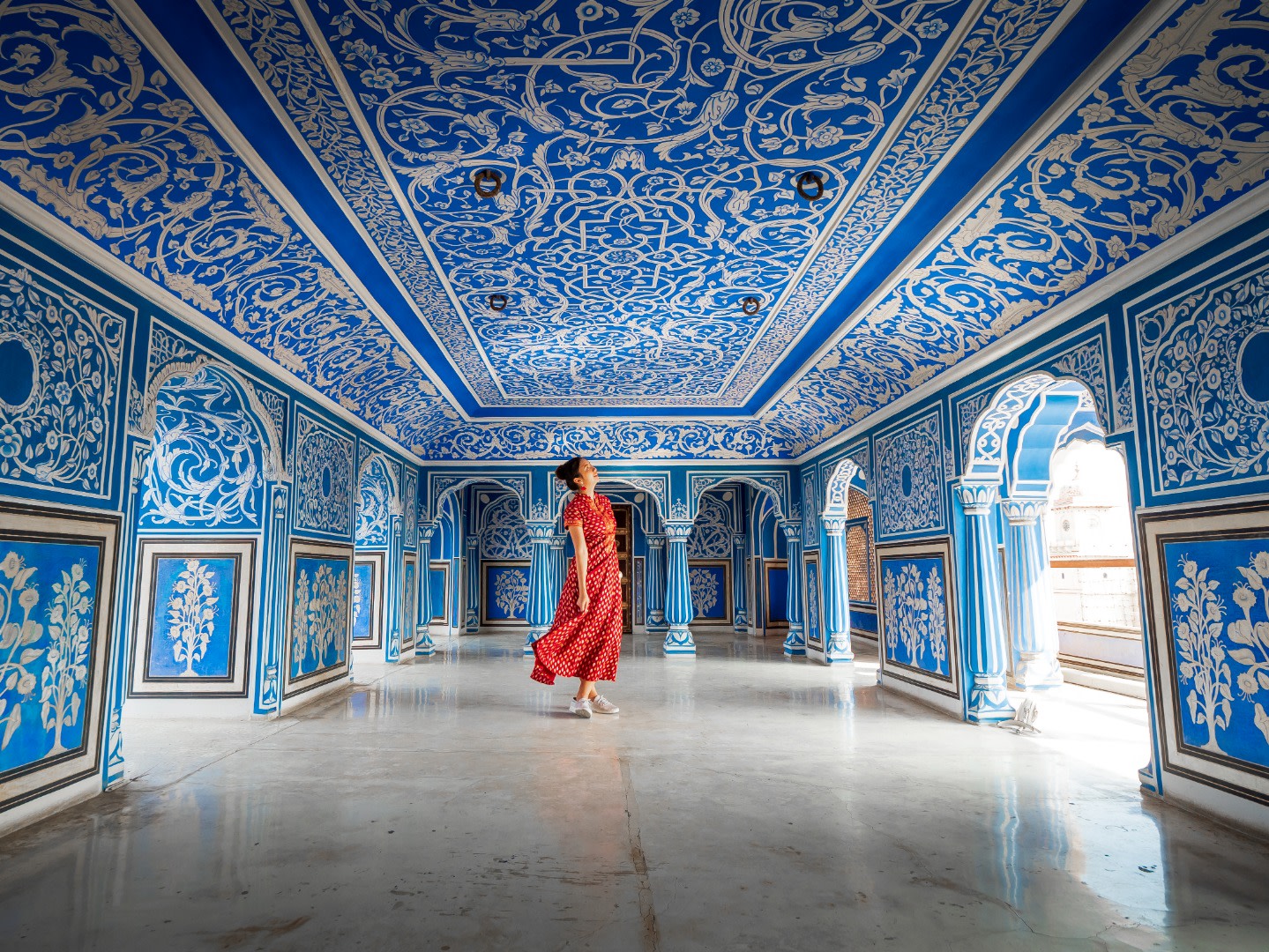
City Palace is a complex of courtyards, gardens, and buildings that served as the seat of the Maharaja of Jaipur. It is known for its stunning architecture and rich history.
Historical
2-3 hours
INR 700 (foreigners), INR 70 (Indians)
Jantar Mantar
Jantar Mantar is a collection of architectural astronomical instruments built by Maharaja Sawai Jai Singh II. It is a UNESCO World Heritage Site and a testament to India's rich scientific heritage.
Historical
1-2 hours
INR 50 (foreigners), INR 10 (Indians)
Nahargarh Fort
Nahargarh Fort is a majestic fort located on the edge of the Aravalli Hills. It offers panoramic views of the city and is known for its historical significance and architectural beauty.
Historical
1-2 hours
INR 50 (foreigners), INR 10 (Indians)
Must-Try Local Dishes
Dal Baati Churma
A traditional Rajasthani dish made of lentils (dal), baked wheat balls (baati), and sweet crumbled wheat (churma).
Main Course
Vegetarian
Laal Maas
A spicy meat curry made with mutton or goat, cooked in a rich gravy made with red chilies and spices.
Main Course
Non-vegetarian
Ghewar
A traditional Rajasthani sweet made of flour, ghee, and sugar, deep-fried to a golden brown color and soaked in sugar syrup.
Dessert
Vegetarian
Popular Activities
Hot air ballooning
Trekking in the Aravalli Mountains
Wildlife safaris in Ranthambore National Park
Spa and wellness treatments
Yoga and meditation retreats
Leisurely walks in the Pink City
Visiting historic forts and palaces
Exploring local markets and bazaars
Best Time to Visit
October to March
This is the best time to visit Jaipur as the weather is pleasant and ideal for sightseeing. The cool temperatures make it comfortable to explore the city's attractions.
15°C to 30°C
59°F to 86°F
Practical Information
Language
- Official: Hindi
- Widely spoken: English, Rajasthani
- English: Moderately spoken
Currency
Indian Rupee (INR)
Time Zone
IST (GMT+5:30)
Electricity
230VV, 50HzHz
Safety Information
Overall Safety Rating: Generally safe
Jaipur is generally safe for travelers, with a low crime rate and friendly locals. However, as with any destination, it is important to take precautions and be aware of your surroundings.
Important Precautions:
- • Use trusted transportation options
- • Be cautious of your belongings in crowded areas
- • Avoid drawing unnecessary attention to yourself
Getting there
By air
- Jaipur International Airport • 13 km from city center
By train
Jaipur Junction
By bus
Sindhi Camp Bus Stand, Narayan Singh Circle Bus Stand
Getting around
Public transport
Buses are the most common mode of public transport in Jaipur. They are affordable but can be crowded.
Taxis
Available • Apps: Ola, Uber
Rentals
Car, Bike, Scooter
Neighborhoods
Pink City
Civil Lines
Bani Park
Day trips
Abu Road
270 km from Jaipur • Full day
Abu Road is a picturesque town nestled in the Aravalli Mountains. It is known for its scenic beauty, lush greenery, and the famous Dilwara Temples.
Ranthambore National Park
180 km from Jaipur • Full day
Ranthambore National Park is a renowned wildlife sanctuary known for its tiger population and diverse flora and fauna. It is a popular destination for wildlife enthusiasts and nature lovers.
Pushkar
150 km from Jaipur • Full day
Pushkar is a sacred town known for its ancient temples, holy lake, and vibrant markets. It is a popular pilgrimage site and a hub for spiritual seekers and travelers.
Festivals
Jaipur Literature Festival • January
Elephant Festival • March
Gangaur Festival • March/April
Pro tips
- Hire a local guide for a more enriching and personalized experience
- Visit major attractions early in the morning or late in the afternoon to avoid crowds and the heat
- Bargain when shopping at local markets and bazaars, but do so respectfully and politely
- Carry small denominations of cash for local shopping and transportation
- Use app-based transportation services for transparency and convenience
From $25
per person
Price varies by option
Secure booking
Free cancellation available
Instant confirmation