Discover Peja and Rugova Half-Day Tour
Active
3h - 6h
For a full refund, cancel at least 24 hours before the scheduled departure time.
Instant_then_manual confirmation
Mobile or paper ticket accepted
About this experience
See many of Peja's most important landmarks and highlights, with informative commentary from your guide, on this half-day walking and driving tour. Learn insider information on the Kosovo city's different eras, stretching from modern times back through the last war 1998, world war 2, and Ottoman Empire time periods.
Other stops on this great guided tour include:Sleeping Beauty Cave,and waterfall,Orthodox Monastery (Patriarchate),Bazaar of Peja and Cheese market,The Bajrakli Mosque ,Museum of Peja and Rugova Canyons!
Available options
Discover Peja and Rugova Half-Day Tour
Pickup included
What's included
Private transportation
Professional guide
Detailed itinerary
1
Peja Long Bazaar & Cheese Market.
Regional Ethnological & Archaeological Museum in Peja.
Orthodox Patriarchate of Peja
2
The White Drin Waterfall,
Sleeping beauty cave.
3
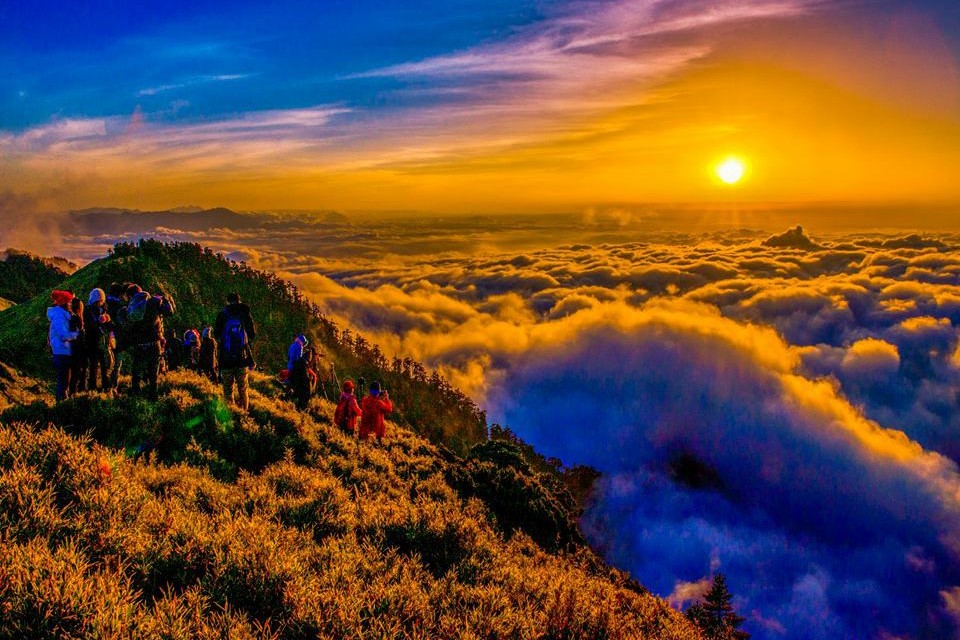
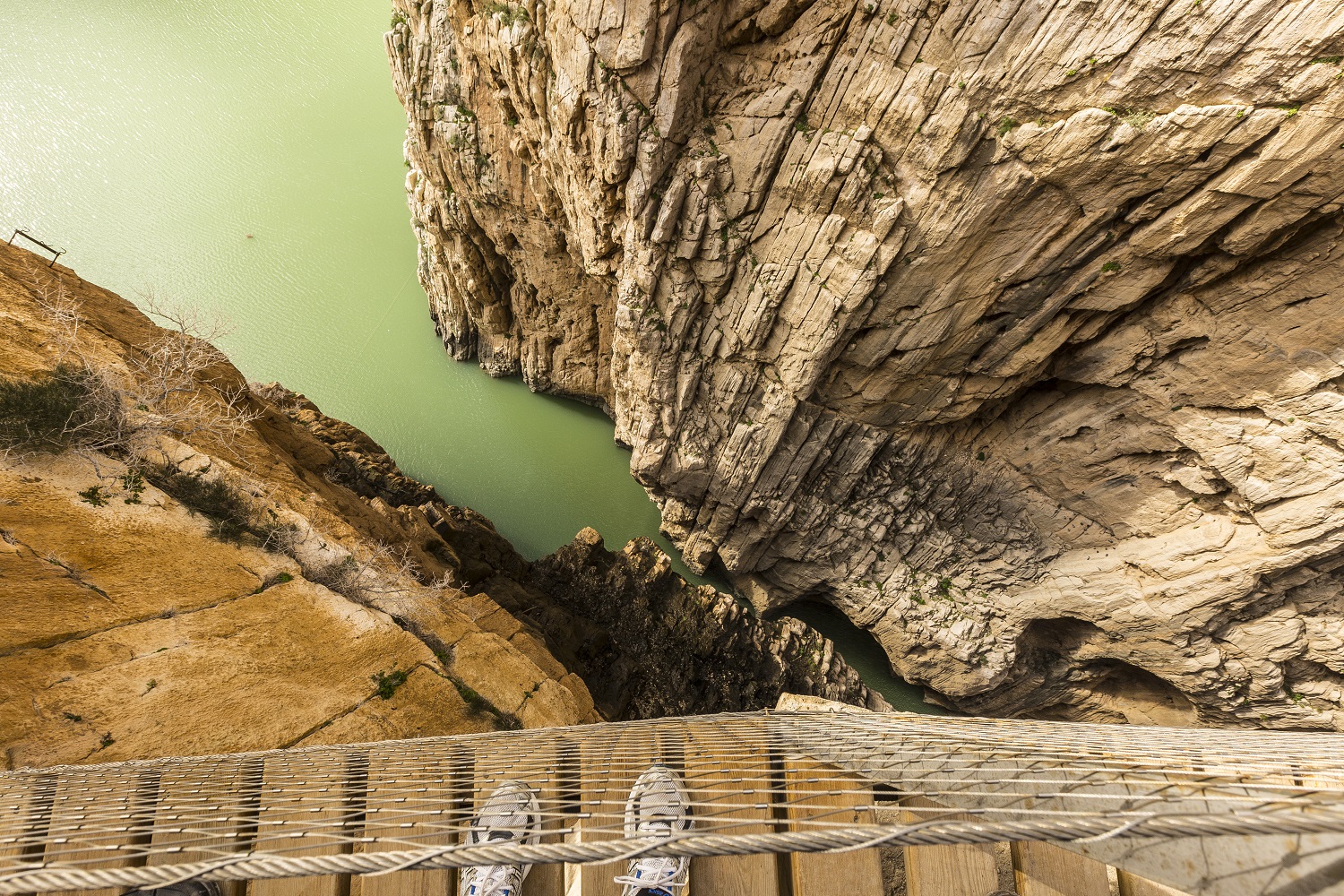
We will visit Rugova George,to see the canyons, a lot waterfalls,tunels,caves and famous bridge!
4
At the entrance of Rugova is the Patriarchate of Peja. The monastery is located at the edges of an old Roman and Byzantine Siperant.The monastery complex, consisting of four churches,of which three churches connected as one whole,was built in the first third of the 13th century, 1321–24, and 1330–37..It has been protected by UNESCO since 2003, and for more than 300 years it was protected by a Rugova family bearing the title “voivode”.
5
The Bajrakli Mosque is the main mosque situated in the center of the Bazaar of Peja. It was built in 1471 by Sultan Fatih Mehmet Hani and is an Ottoman-style single-domed mosque with the oldest and highest dome in the city.
6
Tahir Bey Inn where the Ethnological Museum is located now introduces an old town house which belong to the second part of the 18th century. This house is also quite interesting in terms of preserving the archaic elements, where the interior is almost untouched, and as a result, the house is an object of cultural significance, both in architectural terms, and in ethnological terms. Additionally, in the museum, there are over 120 exhibits exposed that illustrate the culture and traditions of this country.
What's not included
Lunch
Coffee and/or Tea
All Fees and Taxes
Available languages
Guide guide
EN
Reviews breakdown
Viator
4.8
20 reviews
5★
16
4★
3
3★
1
2★
0
1★
0
Tripadvisor
4.9
29 reviews
5★
27
4★
2
3★
0
2★
0
1★
0
Important information
Public transportation options are available nearby
Infants are required to sit on an adult’s lap
Specialized infant seats are available
Suitable for all physical fitness levels
Meeting point
Guide always will wait tourist for those coming from other cities meet them to the main entrance of the bus station in Peja!
About Pristina
Pristina, the vibrant capital of Kosovo, is a city where history and modernity intersect. Known for its youthful energy, rich cultural heritage, and impressive landmarks, it offers a unique blend of Ottoman-era architecture, communist-era buildings, and contemporary structures. The city is also famous for its warm hospitality and bustling café culture.
Top Attractions
Newborn Monument
A symbol of Kosovo's independence, this monument was unveiled in 2008 and is repainted every year with new messages and designs.
Historical
30 minutes
Free
National Library of Kosovo
A striking modern building with a unique design, housing a vast collection of books and historical documents.
Architectural
1-2 hours
Free
Gracanica Monastery
A UNESCO World Heritage Site, this 14th-century Serbian Orthodox monastery is known for its beautiful frescoes and architectural significance.
Religious
2-3 hours
Free (donations appreciated)
Must-Try Local Dishes
Flija
A traditional layered pudding made from milk, sugar, and flour, slow-cooked in a special pot.
Dinner
Vegetarian
Burek
A flaky pastry filled with meat, cheese, or spinach.
Snack
Vegetarian options available
Popular Activities
Hiking
Cycling
Café hopping
Spa visits
Museum visits
Historical tours
Skiing in nearby mountains
Exploring communist-era landmarks
Best Time to Visit
June to August
This is the warmest time of the year with plenty of sunshine and outdoor activities. The city is lively with festivals and events.
18°C to 32°C
64°F to 90°F
Practical Information
Language
- Official: Albanian, Serbian
- Widely spoken: English
- English: Moderately spoken
Currency
Euro (EUR)
Time Zone
CET (UTC +1)
Electricity
220VV, 50HzHz
Safety Information
Overall Safety Rating: Generally safe
Pristina is generally safe for travelers, but standard precautions should be taken to avoid petty crime.
Important Precautions:
- • Keep valuables secure
- • Use licensed taxis
- • Avoid walking alone at night in poorly lit areas
Getting there
By air
- Pristina International Airport • 17 km from city center
By bus
South Bus Terminal, North Bus Terminal
Getting around
Public transport
Affordable and convenient, but can be crowded during peak hours.
Taxis
Available • Apps: Botaore, Yandex.Taxi
Rentals
Car, Bike, Scooter
Neighborhoods
Blloku
Old Bazaar
Day trips
Gračanica Monastery
10 km • Half day
A UNESCO World Heritage Site with beautiful frescoes and significant historical value.
Gjakova
50 km • Full day
A charming town known for its traditional markets and historical sites.
Festivals
Dokufest • August
Sunny Hill Festival • July
Pro tips
- Visit the Newborn Monument during the day for the best photos
- Try local dishes like Flija and Burek
- Explore the Old Bazaar for unique souvenirs
- Use public transport to get around the city
- Book accommodations in advance for popular times
From $25
per person
Price varies by option
Secure booking
Free cancellation available