Walking Tour of Ubud Story by Spanish and English Tour Guide
Active
3h - 4h
For a full refund, cancel at least 24 hours before the scheduled departure time.
Instant confirmation
Mobile or paper ticket accepted
About this experience
On your enjoyable vacation, we'll introduce you to Ubud's world-famous history through a tour of its many historical landmarks. This short 2.5-3 hour tour of Ubud offers a truly unique experience, visiting some of the most popular destinations for both domestic and international tourists.
Participants must be able to climb stairs and walk on sidewalks to reach these historic sites
- Learn more about Ubud story
- Very brief, but designed to be enjoyable and memorable
- Friendly Guides will provide in-depth explanations of Ubud
Available options
Ubud Story Spanish Tour Guide
Ubud Story Walking Street Tour: (Gunung Lebah Temple, Campuhan Ridge Walk, Museum Puri Lukisan, Puri Saren Palace)<br/>Spanish Speaking Tour Guide: Guest come to meeting point by own at 08.30 am or at 02.00 pm. End the tour at Ubud palace<br/>Tour only Saturday and Sunday<br/>Duration: 3 hours<br/>No pick up hotel included
Ubud Story English Tour Guide
Ubud Story Walking Street Tour: (Gunung Lebah Temple, Campuhan Ridge Walk, Museum Puri Lukisan, Puri Saren Palace)<br/>English Speaking Tour Guide: Guest come to meeting point by own at 08.30 am or at 02.00 pm. <br/>Wakling Street Tour<br/>Duration: 3 hours<br/>No pick up hotel included
What's included
English, Indonesian speaking guide (Sunday to Saturday)- option selected
Spanish speaking guide (Satuday and Sunday)- option selected
Entry/Admission - Gunung Lebah Temple, Campuhan Ridge Walk, Museum Puri Lukisan
Entry/Admission - Puri Saren Palace (Ubud palace), Lempad House
Museum Puri Lukisan Entrance Ticket (Rp 95,000)
Detailed itinerary
1
Entance of IBAH Hotel , near of M Minimart The exact tour meeting point will be WhatsApp.
2
Standing outside Ubud's oldest temple, Gunung Lebah Temple was originally founded by Rsi Markandeya, an Indian holy priest in the 8th century. According to the Lontar Markandeya Purana, he is a highly revered Hindu figure and is credited with introducing Hinduism to Bali. During his travels, Rsi Markandeya also founded Besakih Temple and established the Taro village as a destination for migrants from Java
3
Stop 3
The Campuhan Ridge Walk is one of Bali's most popular tourist attractions. This trail offers stunning views from the summit overlooking the green valley below. Many people come here after a day of hiking to relax. It's a popular spot for nature lovers who want to admire the beauty of the plants and observe the variety of local birds and animals.
4
Stop 4
Museum Puri Lukisan, which translates to Palace of Paintings, is Bali’s oldest art museum. Founded in 1956, the museum has 6 buildings displaying traditional Balinese paintings and woodcarvings. It’s a nice place to see and learn about the many styles of Balinese art within a day’s visit.
The museum was a result of the Pita Maha artistic movement in Bali, formed by late Dutch artist Johan Rudolf Bonnet, who fell in love with Bali and settled in Ubud to produce a magnificent body of work, together with other great names such as Walter Spies and Bali’s own Lempad
5
Stop 5
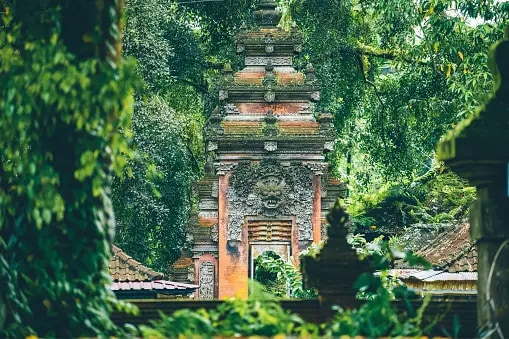
Puri Saren Ubud was built in the 19th century by the King of Ubud, Ida Tjokorda Putu Kandel. This palace served as the center of government and the residence of the Ubud royal family. Although many buildings in Bali have been damaged by natural disasters, Puri Saren Ubud has managed to maintain its authenticity and remains a symbol of the power and culture of the Ubud kingdom
What's not included
We do not provide pickup or drop offs from guest's accommodation
Available languages
Guide guide
EN
ES
Written guide
EN
ES
Important information
Public transportation options are available nearby
Infants are required to sit on an adult’s lap
Not recommended for travelers with spinal injuries
Not recommended for pregnant travelers
Not recommended for travelers with poor cardiovascular health
Travelers should have at least a moderate level of physical fitness
You can come to the location according the google map to the meeting point by motorbike, car or Gojek, Grab
After you have finished the tour, you can enjoy Ubud center at your own leisure.
The supplier will contact by Email or WhatsApp one day before.
On our tours, we limit the group size to 8 guests + 1 guide to encourage interaction and decrease our environmental impact
Spanish Speaking Guide available morning and afternoon schedule (Saturday and Monday)
English and Indonesian Speaking Guide available Morning schedule at 08.30 am and afternoon schedule at 02.00 pm (Sunday to Saturday)
Meeting point
Near Murni’s Warung. Infront of Entrance of IBAH Hotel at Champuhan Street.
About Ubud
Ubud is a picturesque town nestled in the lush highlands of Bali, renowned for its vibrant arts scene, traditional dance, and serene landscapes. Known as the cultural heart of Bali, it offers a perfect blend of nature, spirituality, and Balinese heritage, making it a must-visit destination for travelers seeking a deeper cultural experience.
Top Attractions
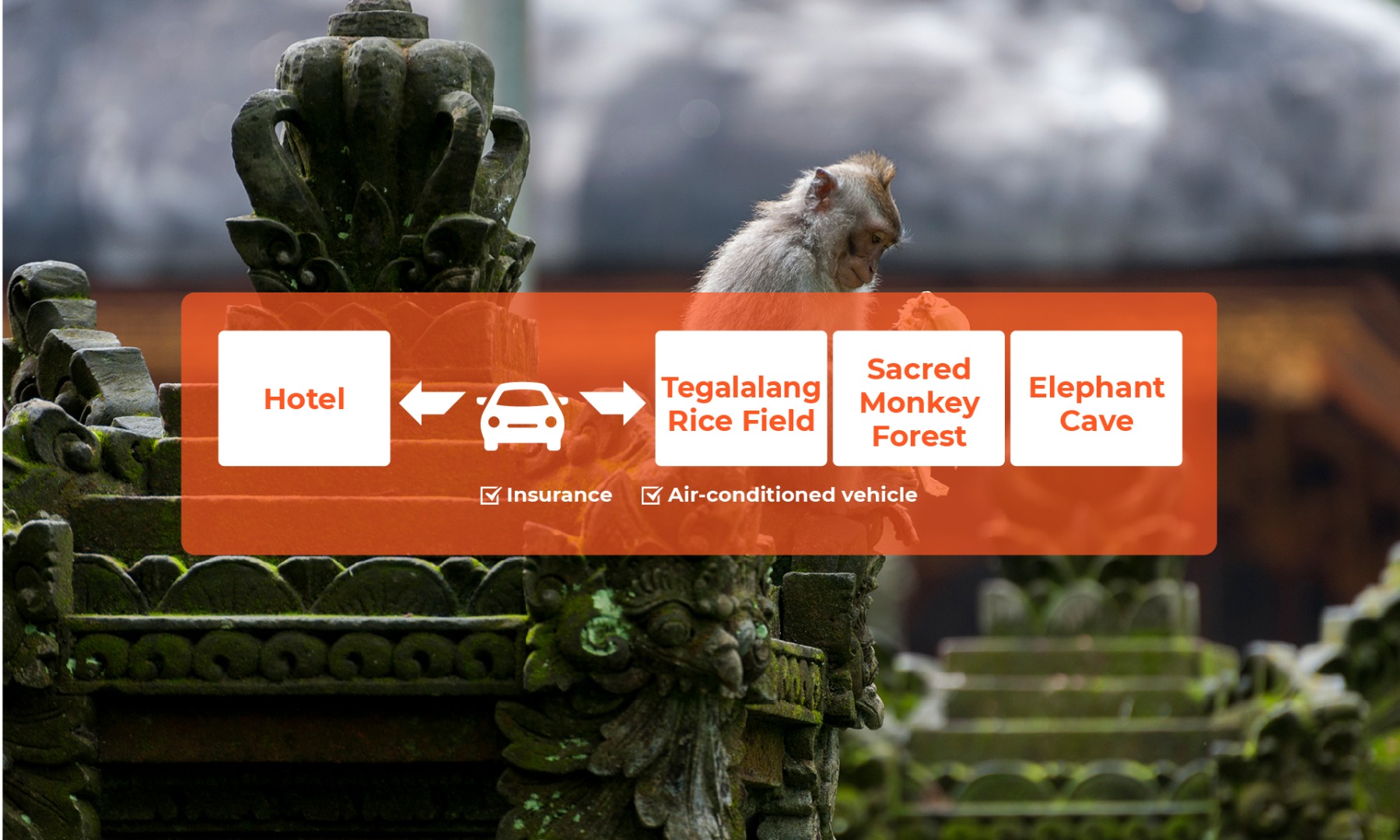
Sacred Monkey Forest Sanctuary
A sacred nature reserve and temple complex that is home to hundreds of long-tailed macaques. The forest is a spiritual and cultural hub, offering a unique blend of nature and spirituality.
Nature
1-2 hours
80,000 IDR
Tegalalang Rice Terrace
Iconic terraced rice fields offering stunning views and a glimpse into traditional Balinese farming. The terraces are a UNESCO World Heritage Site and a popular spot for photography.
Nature
1-2 hours
50,000 IDR (entry fee for some areas)
Ubud Palace (Puri Saren Agung)
The royal palace of Ubud, showcasing traditional Balinese architecture and hosting daily dance performances. The palace is a cultural landmark and a must-visit for history and architecture enthusiasts.
Historical
1 hour
50,000 IDR
Goa Gajah (Elephant Cave)
An archaeological site featuring an ancient cave, baths, and temple ruins. The site is believed to date back to the 9th century and is a significant cultural and historical landmark.
Historical
1-2 hours
50,000 IDR
Campuhan Ridge Walk
A scenic walking trail offering panoramic views of the surrounding countryside. The trail is a popular spot for hiking and enjoying the natural beauty of Ubud.
Nature
1-2 hours
Free
Must-Try Local Dishes
Babi Guling
Suckling pig roasted with traditional Balinese spices, a must-try for meat lovers.
Dinner
Not vegetarian or vegan
Nasi Campur
A mixed rice dish with a variety of side dishes, offering a taste of Balinese flavors.
Lunch
Can be vegetarian or vegan with modifications
Bebek Betutu
Duck cooked with traditional Balinese spices and wrapped in banana leaves, a slow-cooked delicacy.
Dinner
Not vegetarian or vegan
Mie Goreng
Fried noodles with vegetables, meat, and eggs, a popular Indonesian dish.
Lunch
Can be vegetarian or vegan with modifications
Popular Activities
Hiking
Zip-lining
White-water rafting
Mountain biking
Yoga
Meditation
Spa treatments
Beach relaxation
Best Time to Visit
April to September (Dry Season)
The dry season is the best time to visit Ubud, with clear skies and pleasant weather ideal for exploring the outdoors and attending cultural events. This period also sees the highest number of tourists.
24°C to 30°C
75°F to 86°F
Practical Information
Language
- Official: Indonesian
- Widely spoken: Balinese, English
- English: Moderately spoken in tourist areas, limited in rural areas
Currency
Indonesian Rupiah (IDR)
Time Zone
GMT+8
Electricity
230VV, 50HzHz
Safety Information
Overall Safety Rating: Generally safe
Ubud is generally safe for travelers, with a low crime rate and a welcoming local community. However, it's important to be aware of common scams, traffic safety, and cultural norms to ensure a safe and enjoyable trip.
Important Precautions:
- • Be cautious of fake tour operators and always book through reputable companies
- • Use metered taxis or agree on a fare before starting your journey
- • Keep your belongings secure in crowded areas
Getting there
By air
- Ngurah Rai International Airport (DPS) • 1.5 hours by car (30 km)
By bus
Ubud Bus Terminal
Getting around
Public transport
Local bemos (small minivans) are a cheap and common way to get around, but they can be crowded and may not follow a strict schedule.
Taxis
Available • Apps: Grab, Gojek
Rentals
Car, Bike, Scooter
Neighborhoods
Central Ubud
North Ubud
East Ubud
West Ubud
Day trips
Tirta Empul Temple
20 km (1.5 hours by car) • Half day
A sacred water temple known for its holy purification rituals. Visitors can participate in a traditional cleansing ceremony, where they are sprinkled with holy water from the temple's springs.
Tegallalang Rice Terraces
5 km (15 minutes by car) • Half day
Iconic terraced rice fields offering stunning views and a glimpse into traditional Balinese farming. The terraces are a UNESCO World Heritage Site and a popular spot for photography.
Mount Batur
60 km (1.5 hours by car) • Full day
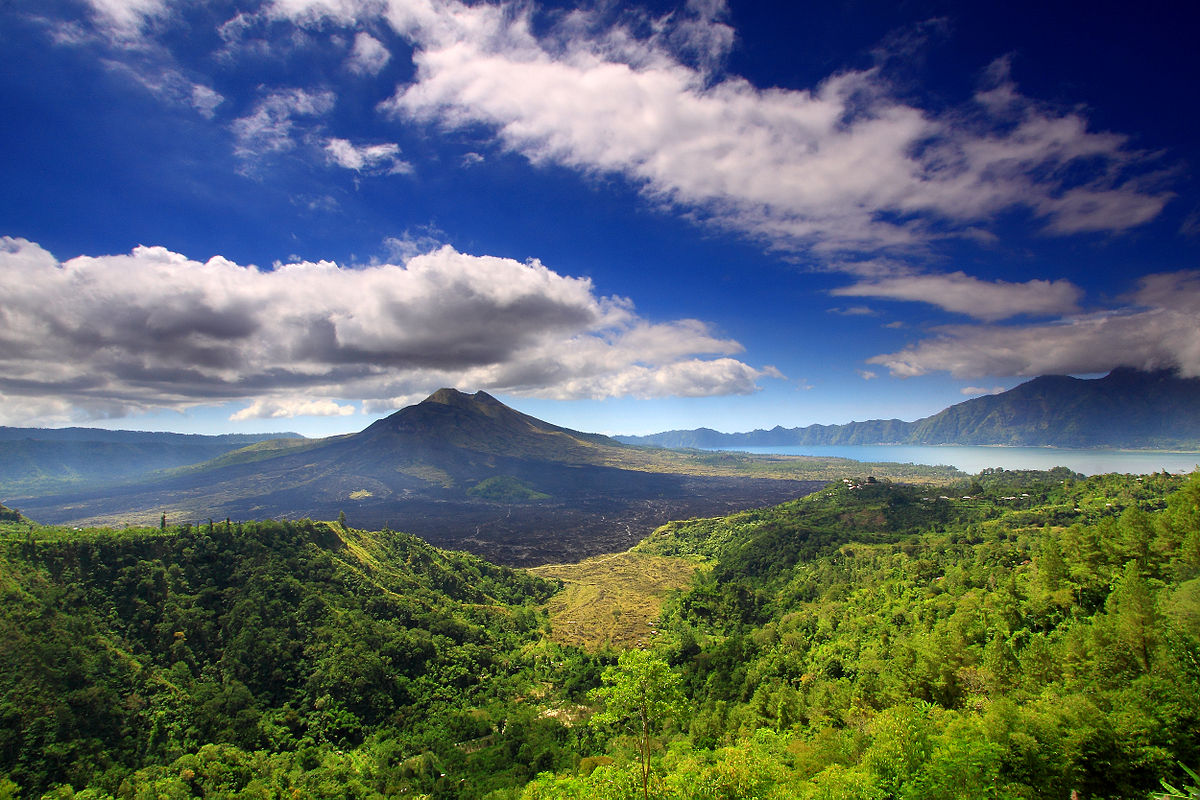
An active volcano offering stunning sunrise views and hiking opportunities. The hike to the summit is challenging but rewarding, with panoramic views of the surrounding landscape.
Festivals
Nyepi (Bali's New Year) • March (date varies based on the Balinese lunar calendar)
Galungan • Every 210 days (date varies based on the Balinese lunar calendar)
Kuningan • 10 days after Galungan (date varies based on the Balinese lunar calendar)
Pro tips
- Hire a local guide for a deeper understanding of Balinese culture and history
- Visit the Sacred Monkey Forest early in the morning to avoid crowds and see the monkeys at their most active
- Try a traditional Balinese cooking class to learn about the local cuisine and spices
- Explore the rice terraces on foot or by bicycle for a unique perspective and a more immersive experience
- Attend a traditional Balinese dance performance at the Ubud Palace for a cultural experience
From $25
per person
Price varies by option
Secure booking
Free cancellation available
Instant confirmation