Soweto Township Tours
Active
8h
For a full refund, cancel at least 24 hours before the scheduled departure time.
Instant confirmation
Mobile or paper ticket accepted
About this experience
What Makes Your Soweto & Johannesburg Tour Unique
1. Real Stories from Real People
We don’t just visit places—you’ll meet people who lived through the history: Walk through Vilakazi Street with a guide who grew up there.
Hear firsthand accounts of life during apartheid from former activists or residents. Visit iconic landmarks like Hector Pieterson Museum or Constitution Hill with storytelling that goes beyond the textbook.
2. Personalized, Inclusive Experiences
Tours designed for all types of travelers—solo adventurers, curious families, and energetic groups.
Flexible itineraries with options to adjust based on interest and pace.
Guides who are not only knowledgeable but make you feel safe, welcome, and inspired.
3. Exclusive Access & Local Impact
A portion of tour fees supports education and skills training in local communities.
Available options
Soweto Township Tours
Pickup included
What's included
Air-conditioned vehicle
Detailed itinerary
1
Stop 1
Pass by
Experience the Heartbeat of South Africa
Discover the vibrant soul of South Africa with our immersive Johannesburg and Soweto Tour — a perfect blend of history, culture, and local life. Join us as we journey through the City of Gold and into the powerful story of Soweto, the township that helped shape a nation.
Johannesburg, often called Joburg or Jozi, is South Africa’s largest city and the beating heart of its economy. Known as the "City of Gold", it was founded in 1886 after the discovery of gold on the Witwatersrand — sparking one of the world’s biggest gold rushes and transforming the city into a thriving metropolis.
Today, Johannesburg is a vibrant blend of contrasts:
o Modern skyscrapers and historic buildings
o Cosmopolitan neighborhoods and culturally rich townships
o A place where art, fashion, music, and history intersect
It’s also a city of resilience and transformation, central to South Africa's political journey, especially during and after apartheid.
2
Stop 2
Constitution Hill – A Symbol of Freedom and Justice
Constitution Hill is one of Johannesburg’s most powerful and important landmarks — a place where South Africa's painful past and hopeful future meet.
Located in the heart of the city, Constitution Hill was once home to a notorious prison complex where political activists, including Nelson Mandela, Mahatma Gandhi, and Winnie Madikizela-Mandela, were incarcerated. Known as the Old Fort Prison Complex, it stood as a brutal reminder of the oppression faced during apartheid and colonial times.
But today, Constitution Hill tells a different story.
It is now the site of South Africa’s Constitutional Court, the highest court in the land, dedicated to protecting the rights and freedoms of all its people. The court building itself is rich in symbolism and built using bricks from the demolished prison — showing how justice has risen from injustice.
3
Stop 3
Pass by
4. Mary Fitzgerald square
A Meeting Place Rooted in History
Originally known as Aaron’s Ground, this open plaza was where early 20th-century labourers and strikers gathered. In 1939, it was officially renamed in honour of Mary "Pickhandle" Fitzgerald, South Africa’s first female trade unionist. A fearless advocate for workers’ rights, she led key mining strikes and later became Johannesburg’s first woman councillor and deputy mayor
4
At 25 Fox Street in Ferreirasdorp, Chancellor House stands as the historic offices of the first black law firm in South Africa, founded by Nelson Mandela and Oliver Tambo in 1952. Directly across from the Magistrate’s Court, the firm served as a beacon of resistance—advocating for black South Africans detained under apartheid laws, often representing them in the very court across the street
5
Stop 5
Historical Exhibits – The museum provides a detailed account of apartheid, from its origins to its eventual dismantling, including the rise of the African National Congress (ANC) and other resistance movements.
1. Personal Stories – It showcases the experiences of individuals affected by apartheid, including victims of forced removals, imprisonment, and violence.
6
FNB Stadium also known as Soccer City is the largest stadium in Africa and one of South Africas most iconic sports, venue. located in Nasrec Johannesburg it played a central role in the 2010 FIFA World Cup hosting the opening and final match.
key facts and features:
o Capacity: 94,736 (Africa’s biggest stadium)
o Architecture: Designed to resemble a traditional African pot (calabash), symbolizing unity.
o Nicknames: Soccer City, The Calabash
o Home Teams: Kaizer Chiefs (PSL), South African national team (Bafana Bafana)
o Major Events Hosted:
2010 FIFA World Cup™ (Opening match & Final – Spain vs Netherlands)
2013 AFCON Final (Nigeria vs Burkina Faso)
2010 & 2023 Nelson Mandela Legacy Cup
Concerts (U2, Coldplay, Ed Sheeran, WWE events)
7
Soweto (short for South Western Townships) is one of South Africa’s most famous and historically significant townships. Located southwest of Johannesburg, it played a crucial role in the anti-apartheid struggle and remains a vibrant symbol of resilience, culture, and urban life.
Origins (Late 19th–Early 20th Century)
o Soweto was created in the 1890s as a settlement for Black laborers working in Johannesburg’s gold mines and industries.
o Under segregation laws, Black South Africans were forced to live outside the city.
home of the freedom Charter
1976 Soweto Uprising
8
Stop 8
The Nelson Mandela National Museum, commonly referred to as Mandela House, is the house on Vilakazi Street, Orlando West, Soweto, South Africa, where Nelson Mandela lived from 1946 to 1962. It is located at number 8115, at the corner of Vilakazi and Ngakane streets, a short distance up the road from Tutu House, the home of Archbishop Emeritus Desmond Tutu.
9
Stop 9
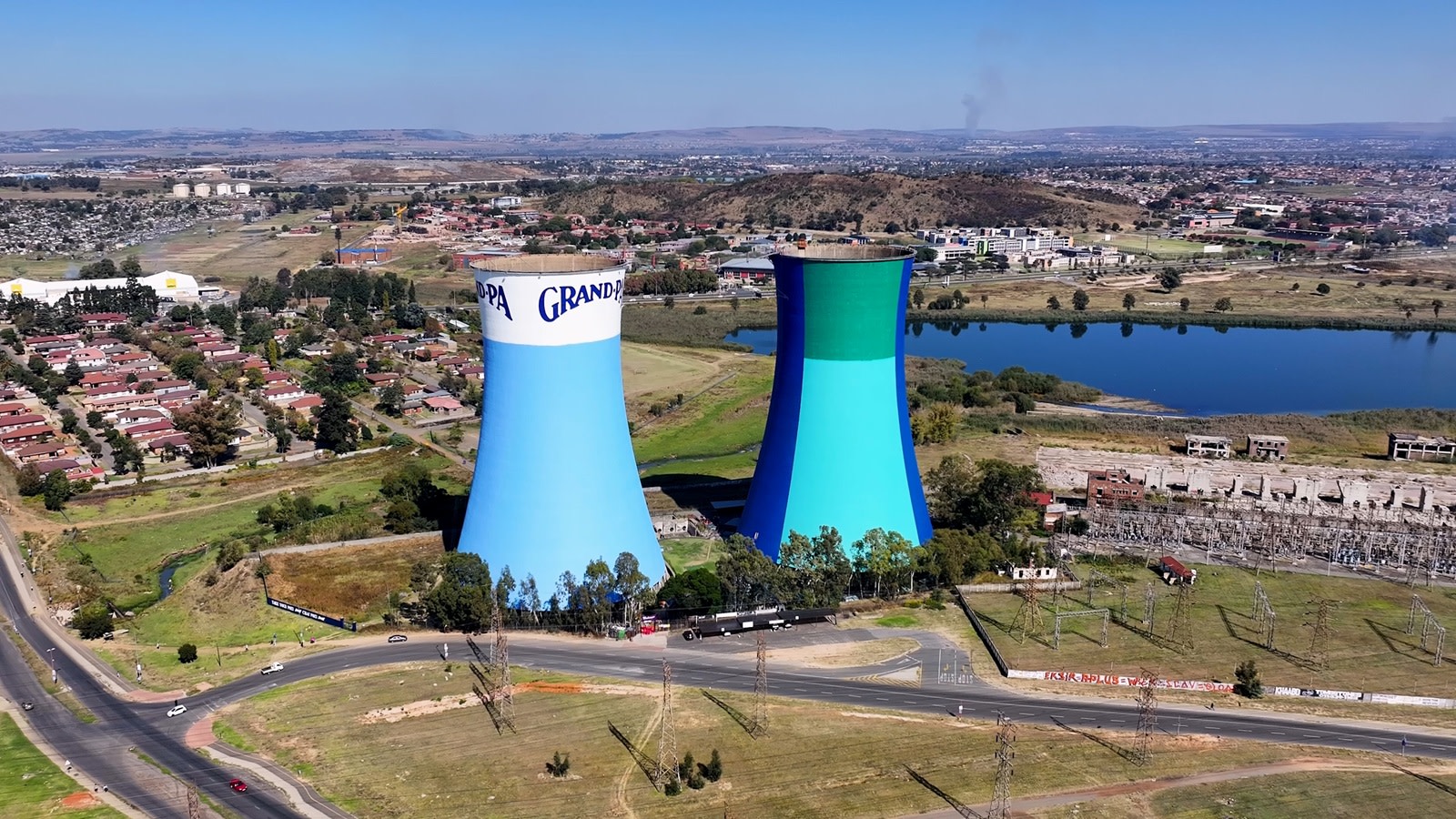
Orlando Power Station is a decommissioned coal-fired power station in Soweto, South Africa. The power station was commissioned at the end of the Second World War and served Johannesburg for over 50 years. In 2006 work was started to transform the site of the power station into an entertainment and business centre.
What's not included
Lunch
All Fees and Taxes
Museum entrances
Available languages
Guide guide
EN
Reviews breakdown
Viator
5.0
4 reviews
5★
4
4★
0
3★
0
2★
0
1★
0
Tripadvisor
3.7
3 reviews
5★
2
4★
0
3★
0
2★
0
1★
1
Important information
Public transportation options are available nearby
Specialized infant seats are available
Suitable for all physical fitness levels
About Johannesburg
Johannesburg, the largest city in South Africa, is a vibrant metropolis known for its rich history, cultural diversity, and bustling urban energy. The city's nickname, 'City of Gold,' originates from its roots in the gold-mining industry, and it offers a unique blend of modern attractions and historical landmarks.
Top Attractions
Apartheid Museum
The Apartheid Museum is a powerful and moving experience that chronicles the history of apartheid in South Africa. It's a must-visit for understanding the country's past.
Historical
2-3 hours
R95 (Adults), R75 (Children)
Gold Reef City
Gold Reef City is a theme park built on the site of a former gold mine. It offers a mix of thrilling rides, historical exhibits, and entertainment.
Entertainment
Full day
R350-R500 (Adults), R250-R350 (Children)
Cradle of Humankind
The Cradle of Humankind is a UNESCO World Heritage Site known for its significant paleontological and archaeological discoveries, including some of the oldest hominid fossils.
Historical
Half day to full day
R200-R300 (Adults), R150-R200 (Children)
Must-Try Local Dishes
Bunny Chow
A hollowed-out loaf of bread filled with curry, originally created by Indian immigrants. It's a popular street food in Johannesburg.
Lunch/Dinner
Vegetarian and non-vegetarian options available
Braai (BBQ)
A traditional South African BBQ, featuring grilled meats like boerewors (sausage), lamb chops, and chicken.
Dinner
Meat-based, vegetarian options limited
Bobotie
A Cape Malay dish made with spiced minced meat and topped with an egg custard. It's a unique and flavorful South African specialty.
Dinner
Meat-based, vegetarian options available
Popular Activities
Hiking in the Cradle of Humankind
Game drives in Pilanesberg National Park
Hot air ballooning over the Magaliesberg
Spa treatments in Sandton
Picnicking at Zoo Lake
Wine tasting in the nearby wine regions
Visiting the Apartheid Museum
Exploring Soweto
Best Time to Visit
September to November and March to May
These months offer the most pleasant weather, with mild temperatures and lower rainfall. It's an ideal time for outdoor activities and exploring the city.
15°C to 28°C
59°F to 82°F
Practical Information
Language
- Official: English, Zulu, Afrikaans, Sotho, Tsonga, Tswana, Venda, Xhosa, Ndebele, Southern Sotho
- Widely spoken: English, Zulu, Afrikaans
- English: Widely spoken
Currency
South African Rand (ZAR)
Time Zone
GMT+2
Electricity
220-240VV, 50HzHz
Safety Information
Overall Safety Rating: Exercise caution
Johannesburg has a reputation for high crime rates, but many visitors enjoy safe and rewarding experiences by taking necessary precautions. Stick to well-populated areas, avoid walking alone at night, and be cautious with valuables.
Important Precautions:
- • Avoid walking alone at night
- • Use licensed taxis or ride-hailing services
- • Keep valuables secure and out of sight
Getting there
By air
- OR Tambo International Airport • 22 km from city center
- Lanseria International Airport • 35 km from city center
By train
Park Station, Johannesburg Station
By bus
Park Station, Ellis Park
Getting around
Public transport
Rea Vaya is the city's public bus system, offering affordable and efficient transport. It has dedicated bus lanes to avoid traffic.
Taxis
Available • Apps: Uber, Bolt
Rentals
Car, Bike
Neighborhoods
Sandbox
Rosebank
Braamfontein
Day trips
Pilanesberg National Park
250 km from Johannesburg • Full day
Pilanesberg National Park is a malaria-free game reserve offering excellent wildlife viewing opportunities, including the Big Five (lion, leopard, rhino, elephant, and buffalo).
Soweto
20 km from Johannesburg • Half day
Soweto is a historic township known for its role in the anti-apartheid movement. It offers a unique glimpse into South Africa's past and present.
Cradle of Humankind
50 km from Johannesburg • Half day to full day
The Cradle of Humankind is a UNESCO World Heritage Site known for its significant paleontological and archaeological discoveries, including some of the oldest hominid fossils.
Festivals
Johannesburg International Film Festival • Late October to early November
Johannesburg International Motor Show • Even years, typically in October
Africa Day Celebrations • May 25
Pro tips
- Explore the city's vibrant markets for unique souvenirs and local flavors
- Visit the Apartheid Museum for a powerful and moving experience
- Take a guided tour of Soweto for a deeper understanding of the city's history
- Discover the Cradle of Humankind for a fascinating journey into human evolution
- Enjoy the city's diverse culinary scene, from street food to fine dining
From $25
per person
Price varies by option
Secure booking
Free cancellation available
Instant confirmation