

Coimbra Historical Highlights | Private Tour
Active
2h
All sales are final. No refund is available for cancellations.
Manual confirmation
Mobile or paper ticket accepted
About this experience
Although Coimbra was only classified as a UNESCO World Heritage Site in 2013 (when both its monuments and academic traditions were recognized by UNESCO, the United Nations agency for Education, Science and Culture), it’s safe to say that this “City of Knowledge” hides unexpected surprises at every corner! With the unique beauty of its historic buildings and the distinctive atmosphere shaped by centuries of student traditions, Coimbra offers an unforgettable sense of place.
During this walking tour through the Historic Center, we will explore the many reasons behind its World Heritage status, moving from Downtown to Uptown while unveiling its role in the History of Portugal and the material and immaterial heritage found within the classified area. Led by a local resident and former student of the country’s oldest university, this visit will make you fall in love with Coimbra.
Available options
Coimbra's Historical Highlights Tour
Pickup included
What's included
All Fees and Taxes
Detailed itinerary
1
Meeting Point where we will introduce you to the History of Coimbra and it's importance
2
The Oldest Private House of the Town!
3
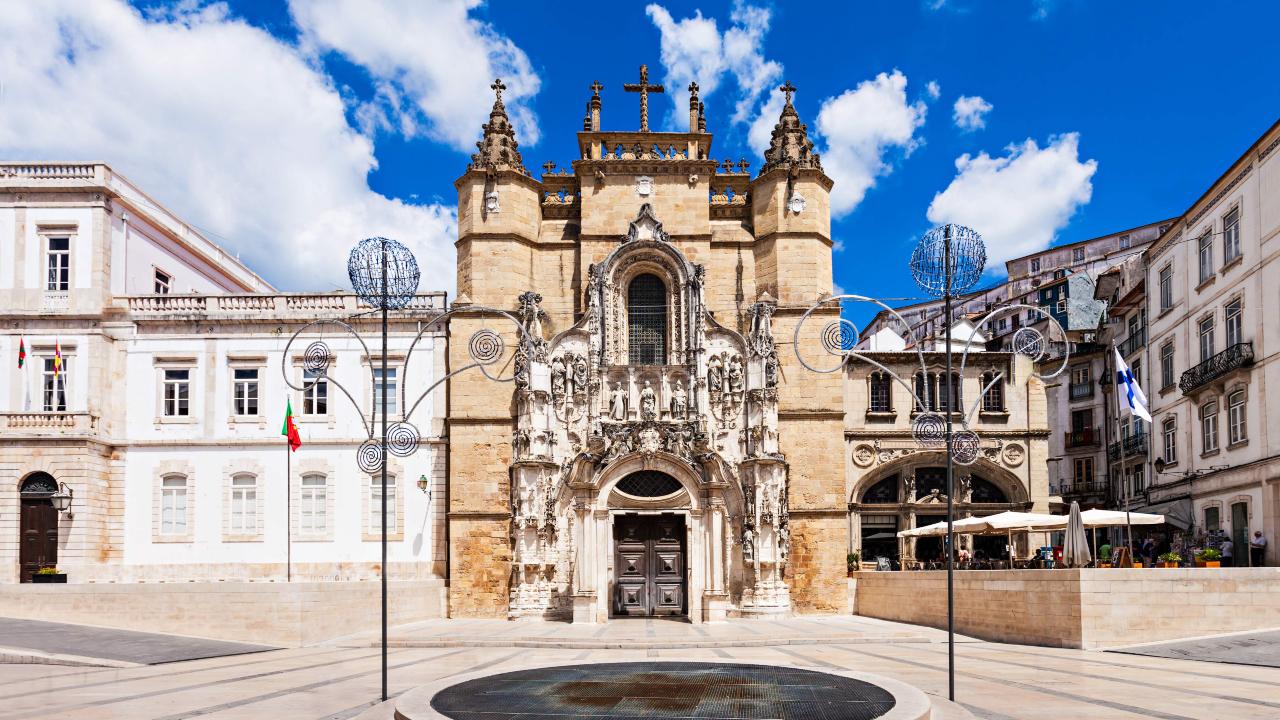
The Commerce Square and its Churches and beautiful buildings
4
Burial place of the 2 first Kings of Portugal
5
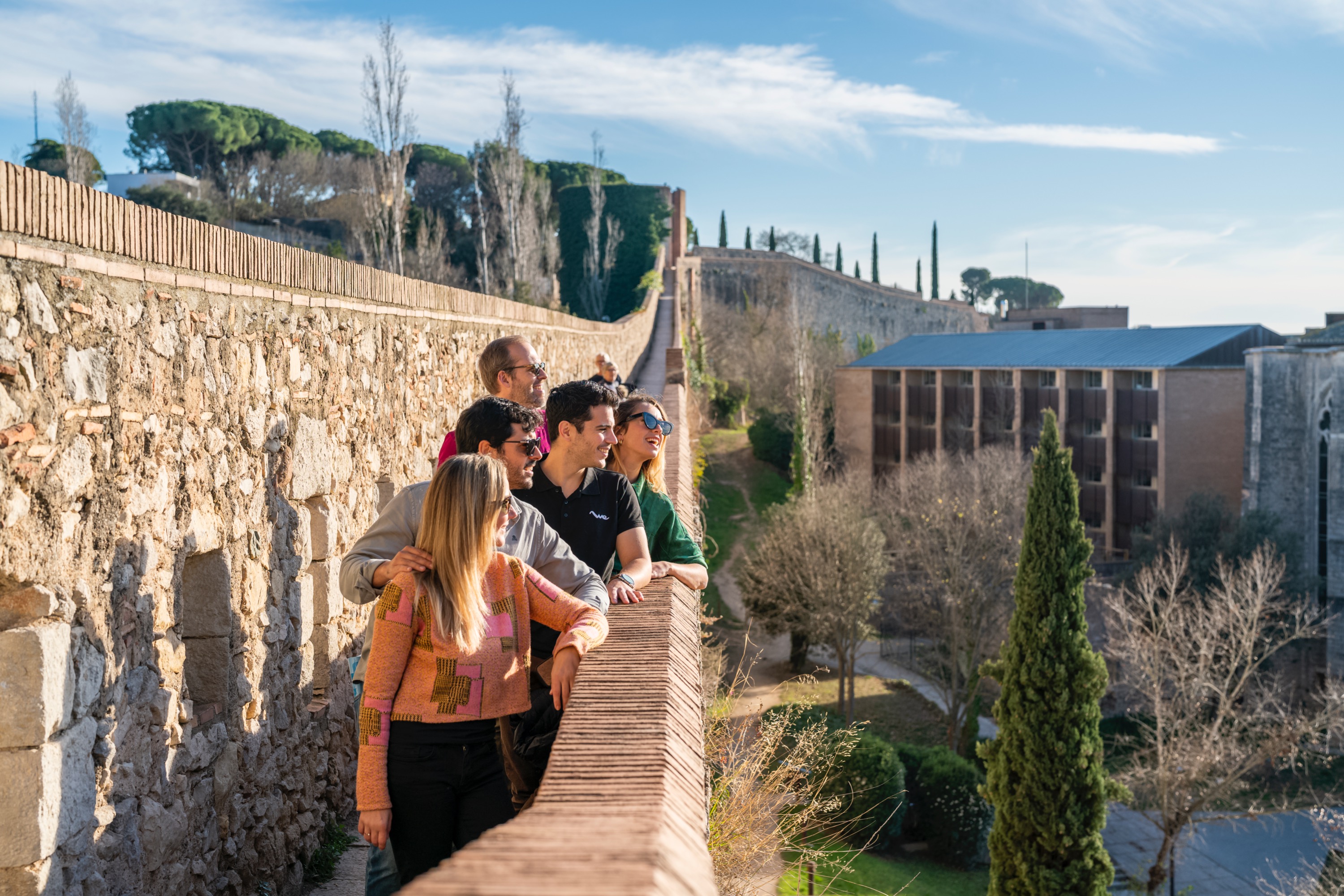
Old Entrance to the Medieval Town
6
Stop 6
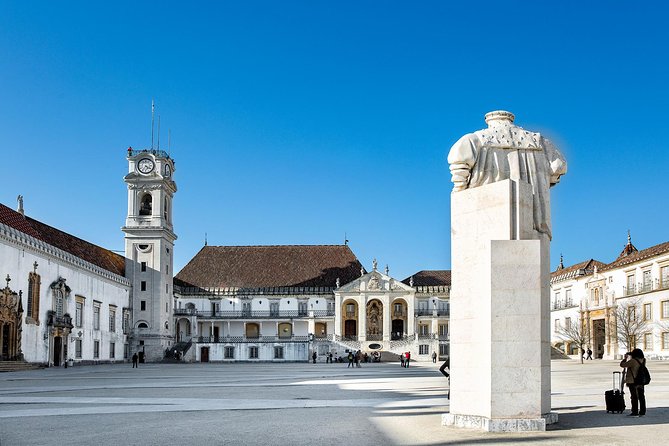
The University Campus and all it's main buildings classified as World Heritage by UNESCO in 2012!
Available languages
Guide guide
PT
EN
ES
Reviews breakdown
Tripadvisor
4.0
2 reviews
5★
1
4★
0
3★
1
2★
0
1★
0
Important information
Public transportation options are available nearby
Not recommended for travelers with poor cardiovascular health
Travelers should have at least a moderate level of physical fitness
Meeting point
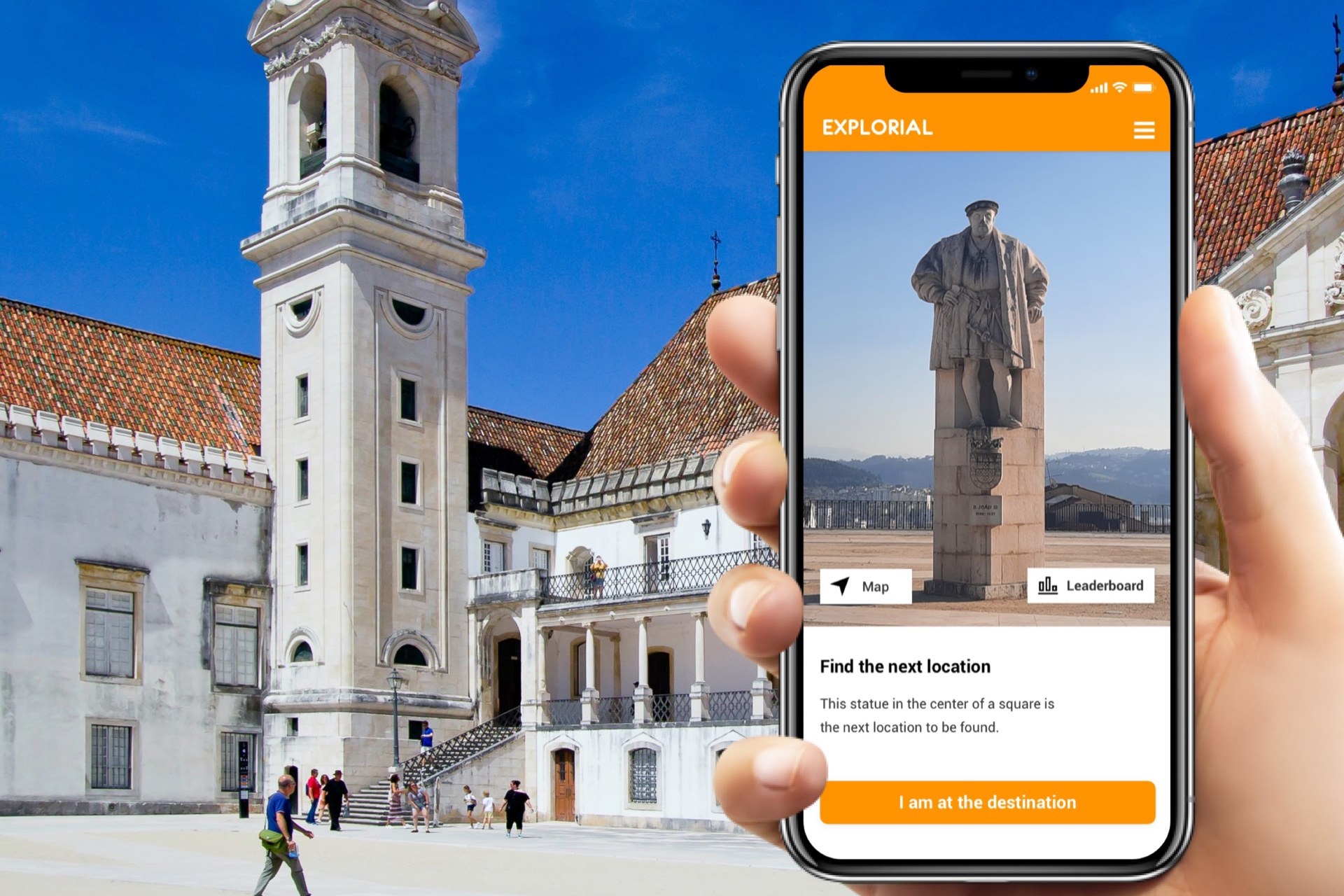
We have a meeting point flag in the garden on the back of the statue, in front of Comur Shop
About Coimbra
Coimbra, known as the City of Students, is a historic city in central Portugal with a rich academic tradition. It's home to one of the oldest universities in the world, the University of Coimbra, and is famous for its well-preserved medieval architecture, vibrant student life, and cultural heritage.
Top Attractions
University of Coimbra
One of the oldest universities in the world, the University of Coimbra is a UNESCO World Heritage site with stunning architecture and a rich history.
Historical
2-3 hours
€12 (general admission)
Coimbra Cathedral (Sé Velha)
This Romanesque cathedral is one of the most important religious buildings in Portugal, featuring beautiful architecture and historical artifacts.
Religious
1-2 hours
€3 (general admission)
Monastery of Santa Clara-a-Velha
A ruined monastery that was once the home of Queen Saint Isabel, offering a glimpse into the city's medieval past.
Historical
1-2 hours
€4 (general admission)
Botanical Garden of the University of Coimbra
A beautiful and serene garden with a diverse collection of plants, perfect for a relaxing stroll.
Nature
1 hour
Free (with University of Coimbra ticket)
Portugal dos Pequenitos
A miniature park featuring scaled-down replicas of famous Portuguese monuments and buildings, ideal for families and children.
Cultural
1-2 hours
€7 (general admission)
Must-Try Local Dishes
Cozido à Portuguesa
A hearty stew made with various meats, vegetables, and beans, cooked slowly in a clay pot.
Dinner
Contains meat and beans
Bacalhau à Brás
A popular dish made with shredded salted cod, onions, potatoes, and eggs.
Dinner
Contains fish and eggs
Leitão à Bairrada
Roast suckling pig, a specialty of the Bairrada region, served with a crispy skin and tender meat.
Dinner
Contains pork
Pastel de Tentúgal
A traditional pastry from the Tentúgal region, filled with sweet cream and topped with cinnamon.
Dessert
Contains dairy and sugar
Popular Activities
Hiking in Bussaco Forest
Kayaking on the Mondego River
Visiting thermal spas in Luso
Strolling along the Mondego River
Exploring the University of Coimbra
Visiting the Coimbra Cathedral (Sé Velha)
Swimming at nearby beaches
Visiting the Festa das Latas (Bottle Caps Festival)
Best Time to Visit
May to September
This is the best time to visit Coimbra for pleasant weather and outdoor activities. The city is lively with students and tourists.
15°C to 30°C
59°F to 86°F
Practical Information
Language
- Official: Portuguese
- Widely spoken: English, French, Spanish
- English: Moderately spoken
Currency
Euro (EUR)
Time Zone
GMT+1 (Western European Time)
Electricity
230VV, 50HzHz
Safety Information
Overall Safety Rating: Generally safe
Coimbra is generally a safe city for travelers, with low crime rates. However, as with any destination, it's important to be aware of your surroundings and take precautions to protect your belongings.
Important Precautions:
- • Keep valuables secure
- • Be cautious of your surroundings, especially at night
- • Use licensed taxis or ride-sharing apps
Getting there
By air
- Francisco de Sa Carneiro Airport • 110 km from Coimbra
By train
Coimbra-B Station, Coimbra A Station
By bus
Coimbra Bus Terminal
Getting around
Public transport
The bus system is efficient and covers most parts of the city.
Taxis
Available • Apps: Bolt, FreeNow
Rentals
Car, Bike, Scooter
Neighborhoods
Alta
Baixa
Sé Nova
Day trips
Conímbriga
15 km from Coimbra • Half day
Conímbriga is a well-preserved Roman settlement with impressive mosaics, ruins, and a museum.
Luso and Bussaco Forest
20 km from Coimbra • Full day
Luso is a charming spa town known for its thermal waters, while Bussaco Forest offers beautiful hiking trails and a historic palace.
Aveiro
60 km from Coimbra • Full day
Aveiro is a charming coastal city known as the 'Venice of Portugal' for its canals and colorful moliceiro boats.
Festivals
Queima das Fitas (Ribbon Burning Festival) • Late May
Festa das Latas (Bottle Caps Festival) • December
Pro tips
- Visit the University of Coimbra early in the morning or late in the afternoon to avoid crowds and enjoy a more peaceful experience
- Try local specialties, such as Cozido à Portuguesa, Bacalhau à Brás, and Pastel de Tentúgal, at iconic eateries like O Sucesso, Zé Manel dos Frangos, and Café Santa Cruz
- Explore the city's neighborhoods, such as Alta, Baixa, and Sé Nova, to discover hidden gems, local shops, and cultural sites
- Take a day trip to Conímbriga, Luso and Bussaco Forest, or Aveiro to experience the region's history, nature, and unique culture
- Attend a Fado performance at the University of Coimbra for a traditional Portuguese music experience
From $25
per person
Price varies by option
Secure booking
Free cancellation available