Private Full Day Tour around Athens
Active
8h - 9h
For a full refund, cancel at least 24 hours before the scheduled departure time.
Instant confirmation
Mobile or paper ticket accepted
About this experience
The biggest advantage of this tour is that you get to choose what you would like to see and do in the city of Athens We know all the best spots to fulfill all of your wishes.
Share with us your favorite locations, tastes, and interests, creating an itinerary just for you. Visit hidden or famous places, admire unique views, and enjoy authentic experiences.
Our local and experienced guide will be at your disposal for as long as you wish. He will drive you to every corner on a flexible VIP tour, tailored to your preferences.
Door-to-door pick-up and drop-off from any location in the city.
This tour has everything you need to make the most of your time in Athens!
Available options
Private Full Day Tour around Athens
Pickup included
What's included
Bottled water
Air-conditioned vehicle
Full Insurance
Detailed itinerary
1
Stop 1
Pass by
Meet your private driver-guide at your accommodation or port, hop inside your comfortable, air-conditioned vehicle, and set off on your custom tour that includes all transport fees, but all meals and entrance fees are at your own expense. Before you head anywhere, chat with your friendly guide about the sights you want to see and visit during your tour. As your tour is private, the itinerary is completely flexible and can be customized to match your interests and preferences. You can also ask your guide for their inside take on what to see and do, and perhaps discover some of the experiences and places that other visitors never get to witness.
2
Stop 2
Right in front of the Greek Parliament building, on Amalias Avenue, is the Monument of the Unknown Soldier. It was built in 1929-1930 and is dedicated to all those who lost their lives fighting for Greece. The monument is guarded by the Presidential Guard (Evzones), who wears the traditional costume of the 19th century, with the characteristic fustanella and the tsarouchia. The change of the guard takes place every hour, while the official change takes place every Sunday morning with a very impressive ritual, gathering a large number of tourists. Then, the Evzones are directed, after the raising and submission of the flag to the Acropolis, with an imposing formation at the Monument of the Unknown Soldier and with strictly "choreographed" movements, they change in pairs in the guarding of the monument.
3
Insightful and keen, the benefactor Evangelos Zappas finances in 1859 the construction of a building to host exhibitions and services on the occasion of the first Olympic Games of 1896. After many adventures and the death of Zappa, the Greek government grants land next to the National Park. The emblematic neoclassical building with a Corinthian-style propylon, impressive gardens, and an overall harmonious structure was inaugurated in 1888 with a study by Theophilos Hansen. The head of Evangelis Zapas was built into the peristyle of the Megaron after his wish.
4
Stop 4
The Acropolis Museum, one of the most important in the world, includes unique masterpieces, mainly original works of archaic and classical Greek art, which are directly connected to the sacred rock of the Acropolis. The visitor can see up close works of reference points, such as the Caryatids of the Erechtheion and the sculptural decoration of the Parthenon. The incorporation of its frieze in the core of the Museum, the placement of the metopes between the columns, the development of the forms of the two pediments of the temple, and the merging of the original sculptures with copies of those found in museums abroad (British, Louvre), gives the possibility for the first time of a complete view of the sculptural decoration of the Parthenon.
5
Stop 5
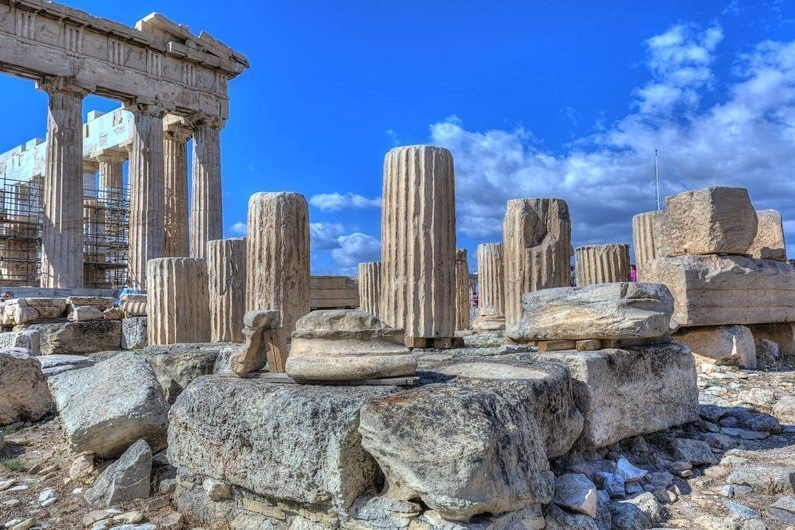
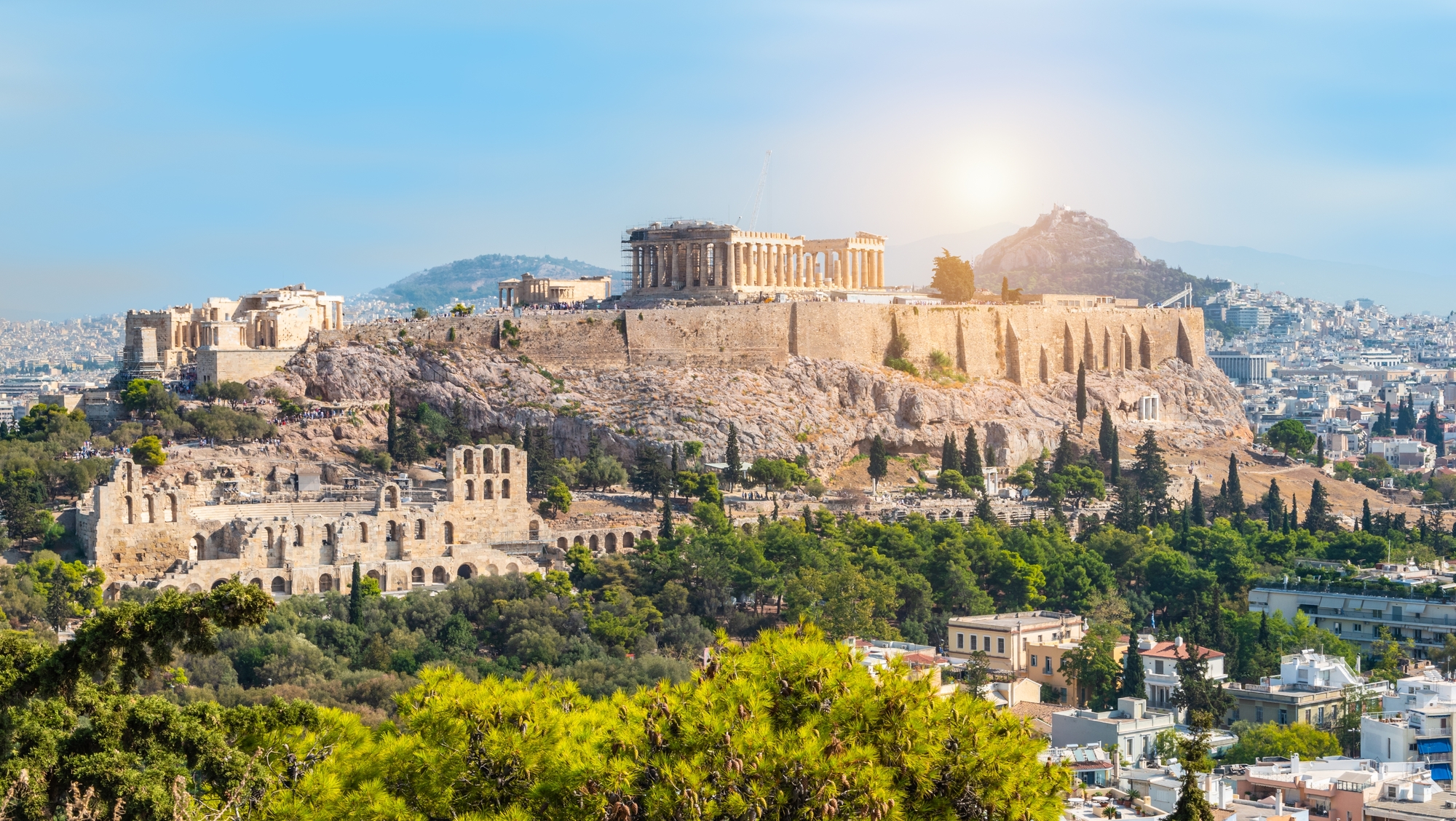
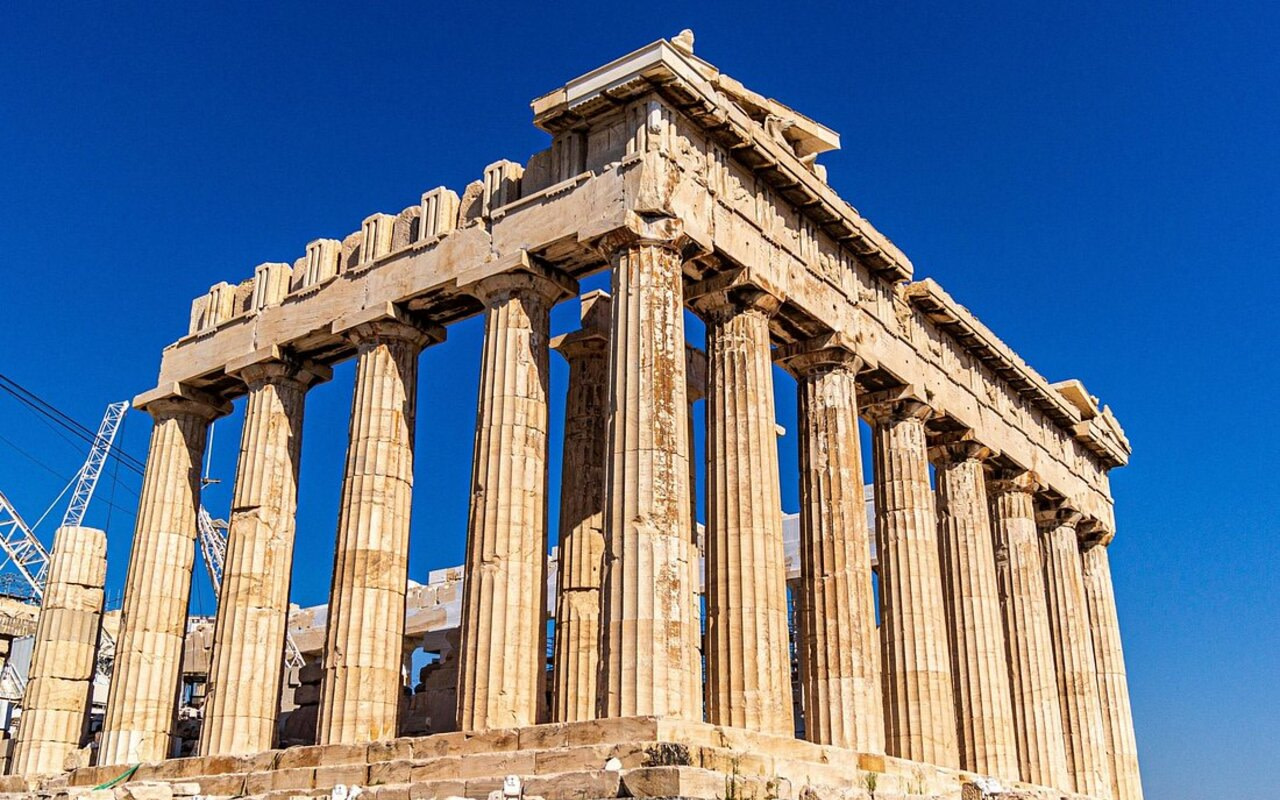
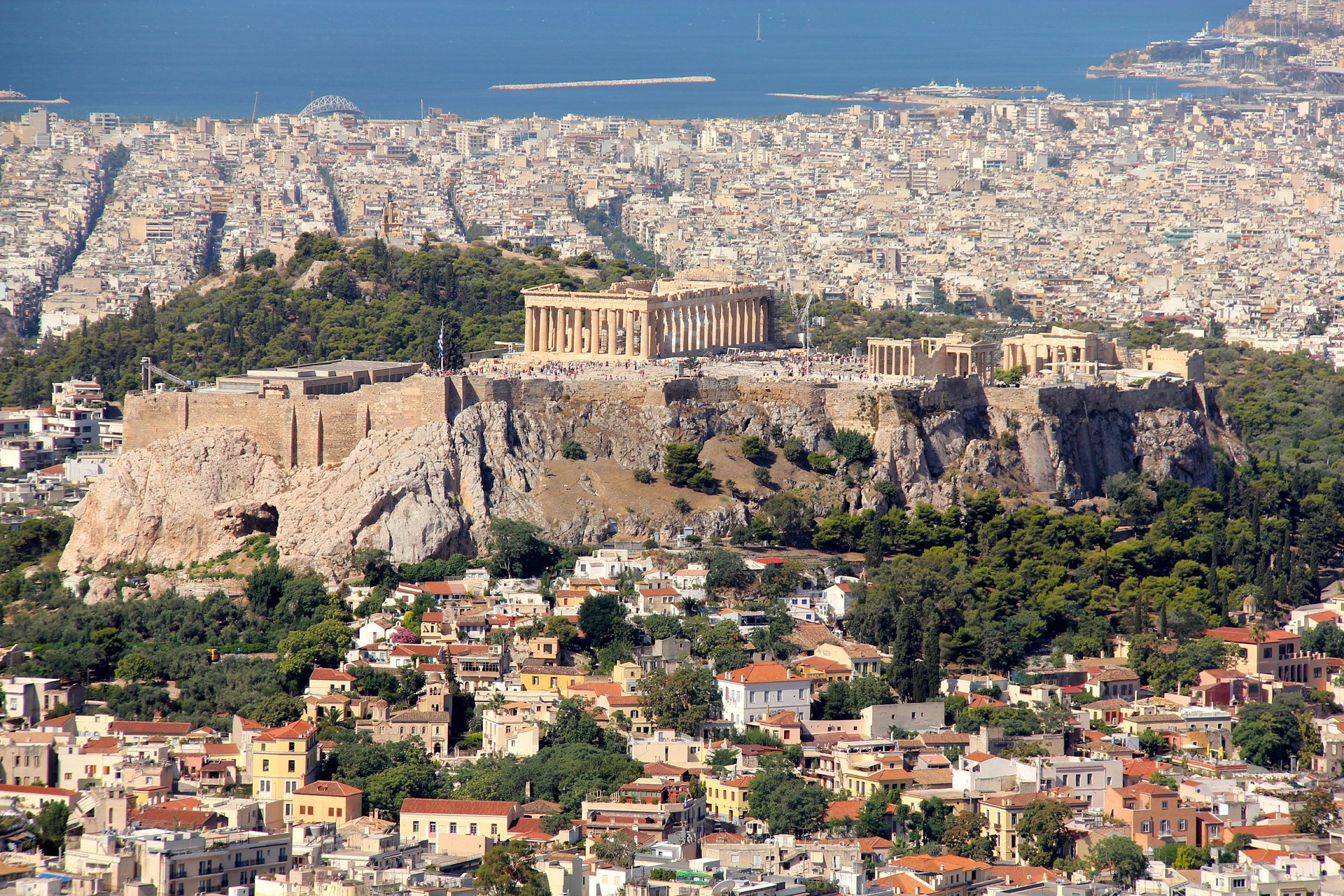
Next, we will move toward the sacred rock of the Acropolis, a symbol of Athens, which dominates the center of the modern city and is visible from every corner. A UNESCO World Heritage Site, it has been inhabited since prehistoric times and was gradually formed in the pre-eminent sanctuary of Athens, dedicated mainly to its patron goddess, Athena. At the top stands the Parthenon, the leading creation of classical architecture, the Propylaea, the Erechtheion, and the temple of Athena Nike. On the slopes of the rock, there are caves, sanctuaries, and monuments of different eras, with the most famous being the ancient theater of Dionysus and the Roman Conservatory of Herodes Atticus.
6
Stop 6
The Ancient Agora, northwest of the Acropolis, was the center of the city in classical and Hellenistic times. The most important public buildings and sanctuaries were erected in it and intense administrative, political, judicial, commercial, social, and religious activity developed. The main monuments of the area are the Stoa of Attalos, which today houses the Museum of the Ancient Agora, the temple of Hephaestus, the Dome, and the Bouleuterion. It is noteworthy that in order to unveil the monuments, more than 400 newer buildings had to be demolished.
7
Stop 7
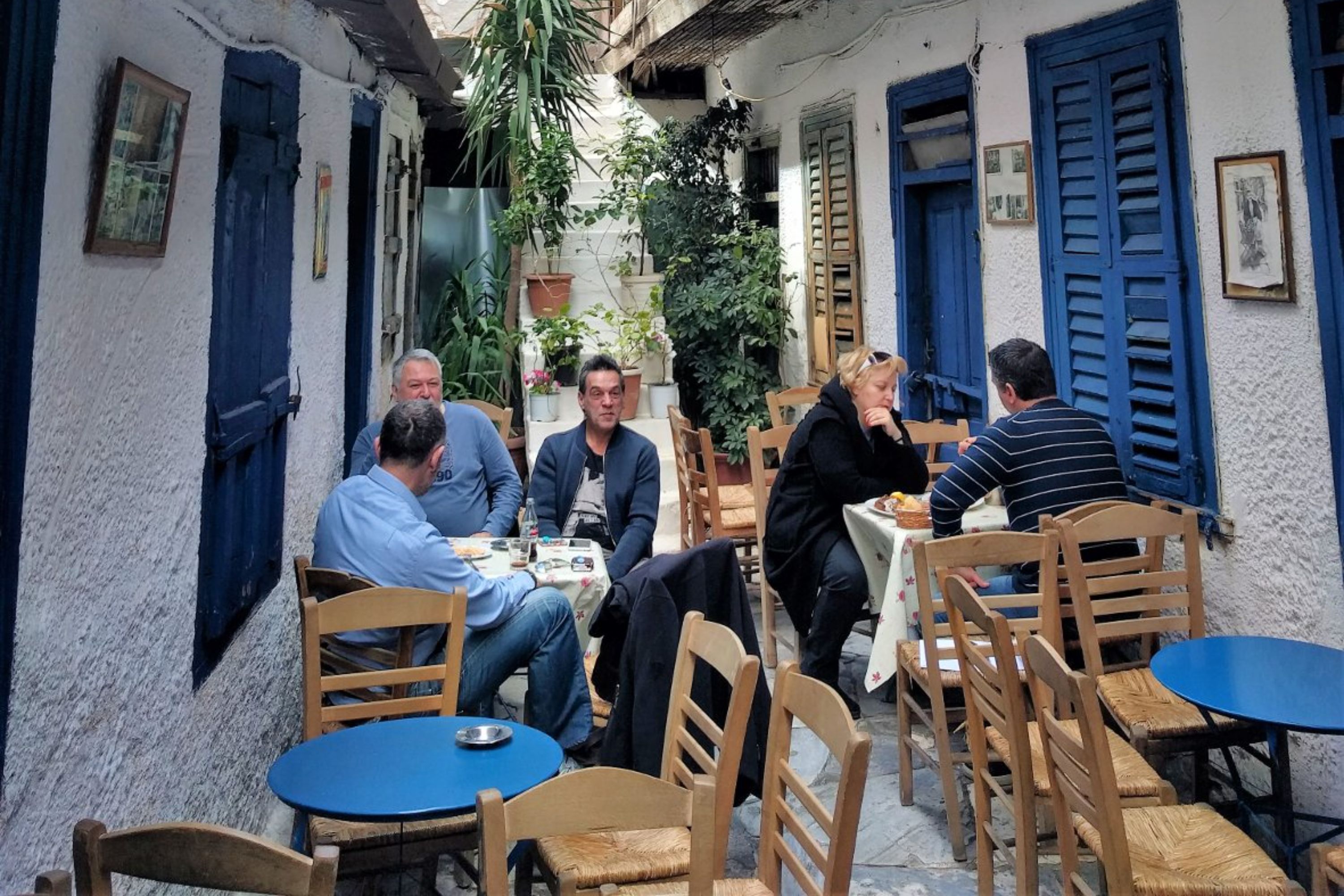
Plaka and Monastiraki, the most tourist areas of Athens, fascinate with their picturesque corners while giving history lessons. The alleys of Plaka that reach the rock of the Acropolis, the island neighborhood of Anafiotika, the blooming bougainvillea, the taverns, and the shops with tourist items create the perfect setting for endless walks. And Monastiraki is offered for walks in the innumerable small shops and in the counters of the small sellers. The traffic peaks every Sunday, when the big open-air market, Yusurum, is set up here.
8
The hill of Philopappos or the hill of the Muses, as it was called in antiquity, is located opposite the Acropolis. At the top dominates the burial monument built by the Athenians in 114-116 AD, to honor their benefactor, exiled ruler of Syria, Gaius Julius Antiochus Philopappus, who settled in Athens and became an Athenian citizen taking public and religious axioms.
9
The hill was a rock that the goddess Athena was carrying in her hands and it fell to her in Athens when she heard the bad news that a crow carried to her. We will take a ride with the cable car up to the top of Lycabettus, adorned with the church of Agios Georgios, see the whole Basin and if the weather is good even the Saronic Gulf. . At the foot of the rock is carved the small church of Agios Isidoros.
If you use the teleferic the fee is 10 euros both ways.
10
Stop 10
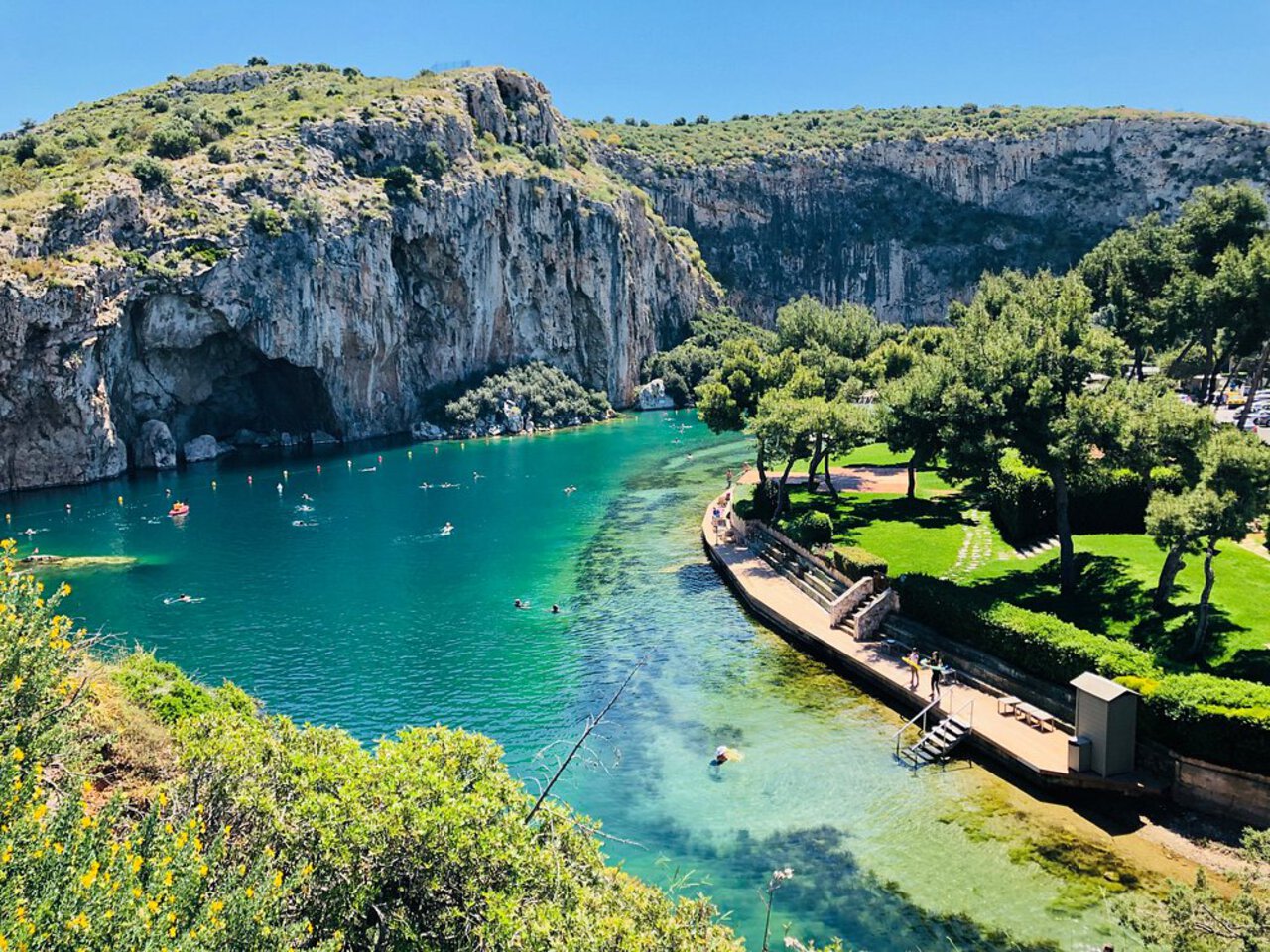
The magnificent lake of Vouliagmeni, a place of special natural beauty is one of the recognized thermal springs of Greece. Its brackish waters have a constant temperature all year round (22-29 degrees Celsius) and are constantly renewed, both by the sea and by the underground thermal springs, creating ideal conditions for a natural and unique thermal spa experience.
The admission fee for 0-5 years old is free, and for adults is about 15-18 euros.
11
Stop 11
We are heading now to Cape Sounion which is located on the Southern end of the Attic Peninsula. According to Greek Mythology, King Aegeus would have thrown himself from the cliffs here, thinking his son Theseus was dead. Theseus went to fight the Minotaur and promised to change the black sails of his ship to white in case of victory.
Full of joy from his victory, Theseus forgot to change the sails of his ship. When his father saw the black sails, he thought his son was dead and committed suicide. From this time, the Aegean Sea is named after him!
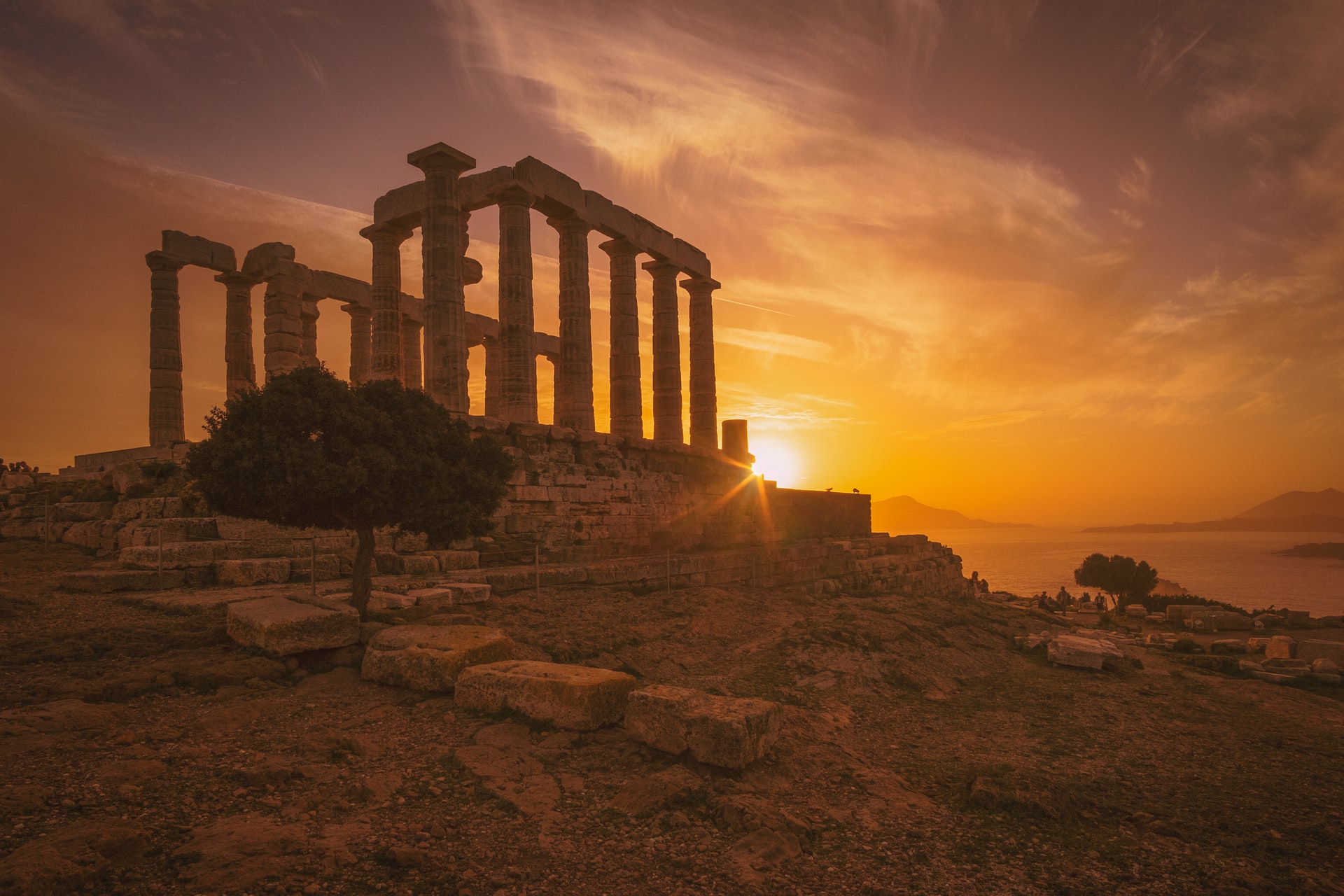
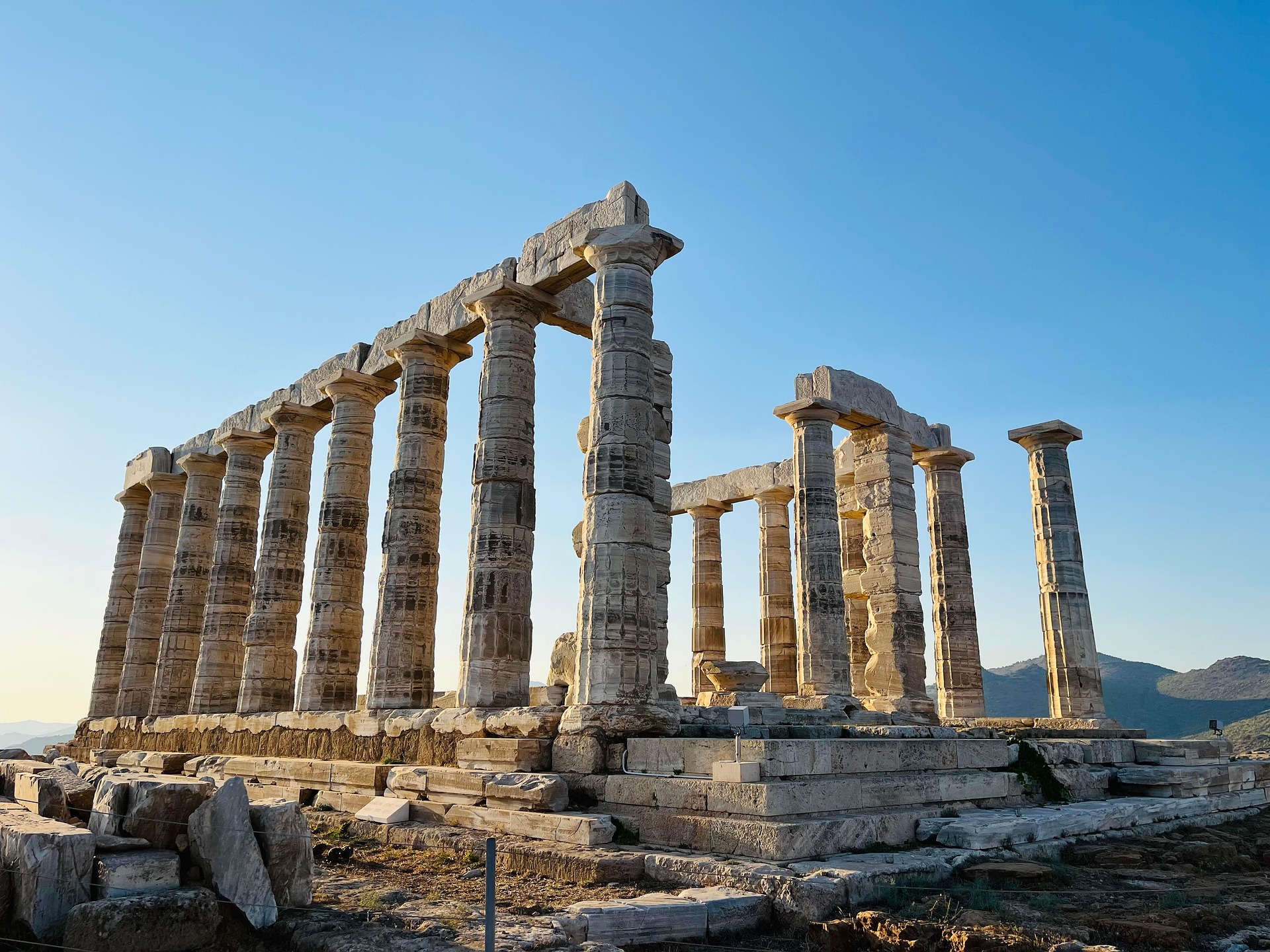
At Cape Sounion, you’ll admire a temple dedicated to Poseidon, the god of the Sea and protector of the sailors. We will admire the most breathtaking panoramic view of the Saronic Gulf when the sunlight illuminates the temple’s marble columns!
The admission fee for 0-25 years old European Citizens is free, for 65 and up years old European Citizens is 5 euros and for the 26-64 years old is 10 euros.
What's not included
Admission tickets to Acropolis Rock, Museum etc 30€ - 70€ per person
Admission tickets to Temple of Poseidon Sounio 10 Euros
Lunch
Available languages
Audio guide
EL
EN
Guide guide
EL
EN
Written guide
EL
EN
Important information
Service animals allowed
Public transportation options are available nearby
Specialized infant seats are available
Suitable for all physical fitness levels
About Athens
Athens, the capital of Greece, is a city rich in history and culture, often considered the cradle of Western civilization. It is home to iconic ancient landmarks, vibrant neighborhoods, and a thriving modern scene.
Top Attractions
Acropolis of Athens
The Acropolis is the most iconic landmark in Athens, featuring ancient ruins and temples, including the Parthenon.
Historical
2-3 hours
€20 (combined ticket for multiple sites)
Ancient Agora of Athens
The heart of ancient Athens, featuring the Temple of Hephaestus and the Stoa of Attalos.
Historical
1-2 hours
€8 (included in the combined ticket)
Plaka
A charming, historic neighborhood with narrow streets, neoclassical houses, and vibrant nightlife.
Cultural
2-3 hours
Free to explore
Acropolis Museum
A modern museum showcasing artifacts from the Acropolis and its surroundings.
Museum
1-2 hours
€10
Temple of Olympian Zeus
An ancient temple dedicated to Zeus, once the largest temple in Greece.
Historical
30 minutes to 1 hour
€6 (included in the combined ticket)
Must-Try Local Dishes
Moussaka
A baked dish with layers of eggplant, minced meat, and béchamel sauce.
Dinner
Vegetarian versions available
Souvlaki
Grilled meat skewers, often served with pita bread and tzatziki.
Snack
Can be made with chicken, pork, or vegetarian options
Tzatziki
A yogurt-based dip with cucumber, garlic, and herbs.
Snack
Vegetarian and vegan options available
Baklava
A sweet pastry made with layers of filo, nuts, and honey syrup.
Dessert
Vegetarian
Popular Activities
Hiking in the mountains
Rock climbing
Scuba diving
Beach visits
Spa treatments
Café hopping
Museum visits
Theater performances
Best Time to Visit
April to June, September to October
The best time to visit Athens is during the spring and autumn months when the weather is pleasant and the tourist crowds are smaller.
18°C to 32°C
64°F to 90°F
Practical Information
Language
- Official: Greek
- Widely spoken: English, French, German
- English: Moderately spoken
Currency
Euro (EUR)
Time Zone
GMT+2 (EET)
Electricity
230VV, 50HzHz
Safety Information
Overall Safety Rating: Generally safe
Athens is generally safe for travelers, but petty crime and pickpocketing can occur in tourist areas. Be cautious with your belongings and avoid poorly lit areas at night.
Important Precautions:
- • Keep valuables secure
- • Use licensed taxis or ride-sharing apps
- • Be cautious with ATMs and credit cards
Getting there
By air
- Eleftherios Venizelos International Airport • 30 km from city center
By train
Athens Central Railway Station
By bus
KTEL Bus Station
Getting around
Public transport
Clean, efficient, and air-conditioned. Easy to navigate with clear signage in English.
Taxis
Available • Apps: Beat, Uber
Rentals
Car, Bike, Scooter
Neighborhoods
Plaka
Monastiraki
Psiri
Koukaki
Kolonaki
Day trips
Cape Sounion
65 km from Athens • Half day to full day
A scenic coastal area featuring the Temple of Poseidon with stunning views of the Aegean Sea.
Delphi
180 km from Athens • Full day
An ancient archaeological site and home to the famous Oracle of Delphi.
Meteora
350 km from Athens • Overnight
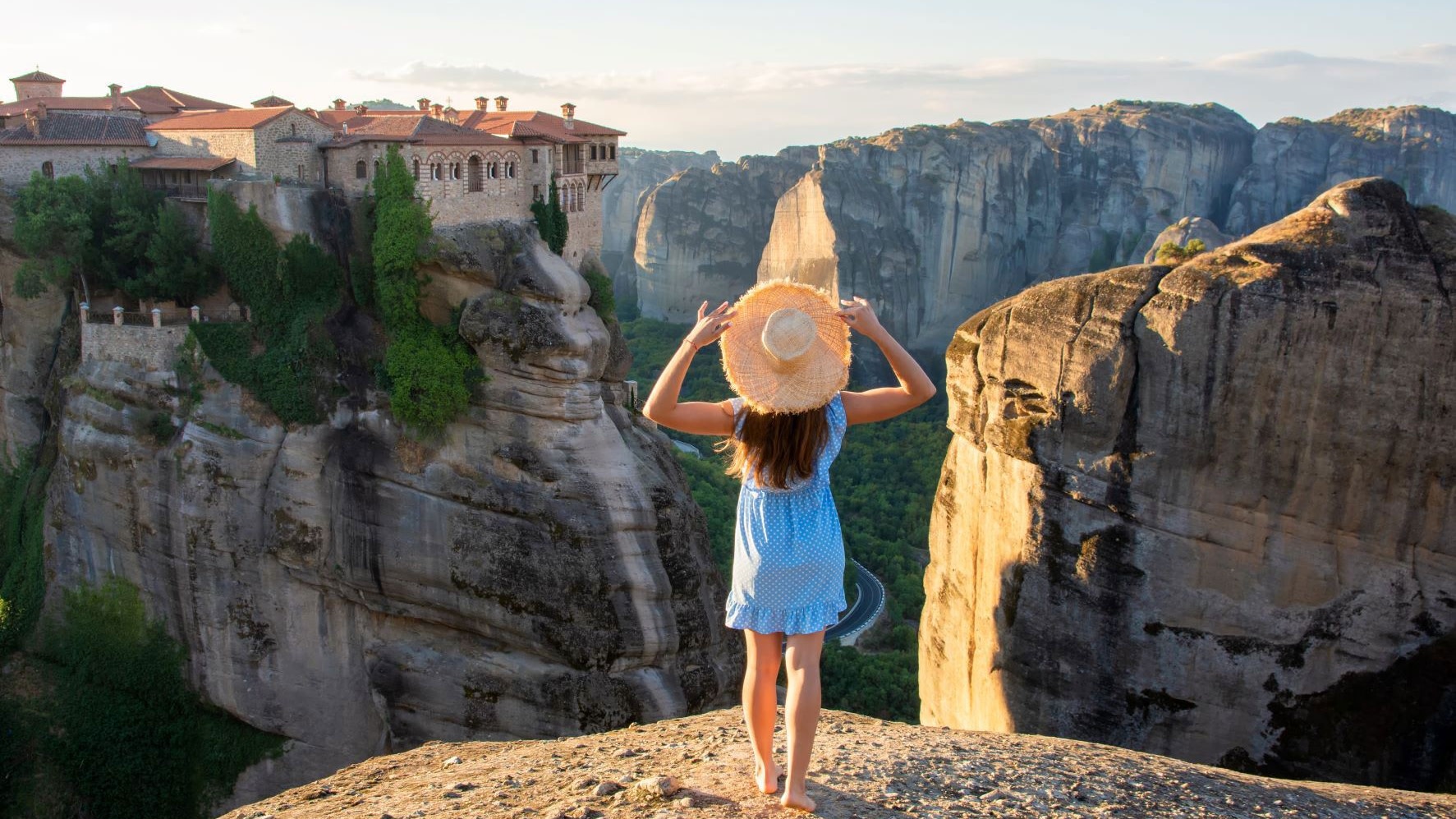
A unique landscape featuring rock formations and medieval monasteries perched atop cliffs.
Festivals
Athens Festival • May to October
Athens Epidaurus Festival • June to August
Athens International Film Festival • October
Pro tips
- Visit major attractions early in the morning or late in the afternoon to avoid crowds and heat
- Use the metro for easy and efficient travel around the city
- Explore local neighborhoods for an authentic Greek experience
- Try local street food for a quick and delicious meal
- Learn a few basic Greek phrases to enhance your experience and connect with locals
From $25
per person
Price varies by option
Secure booking
Free cancellation available
Instant confirmation