East River Secrets: NYC's Infrastructure by Ferry - Private
Active
2h
For a full refund, cancel at least 24 hours before the scheduled departure time.
Instant confirmation
Mobile or paper ticket accepted
About this experience
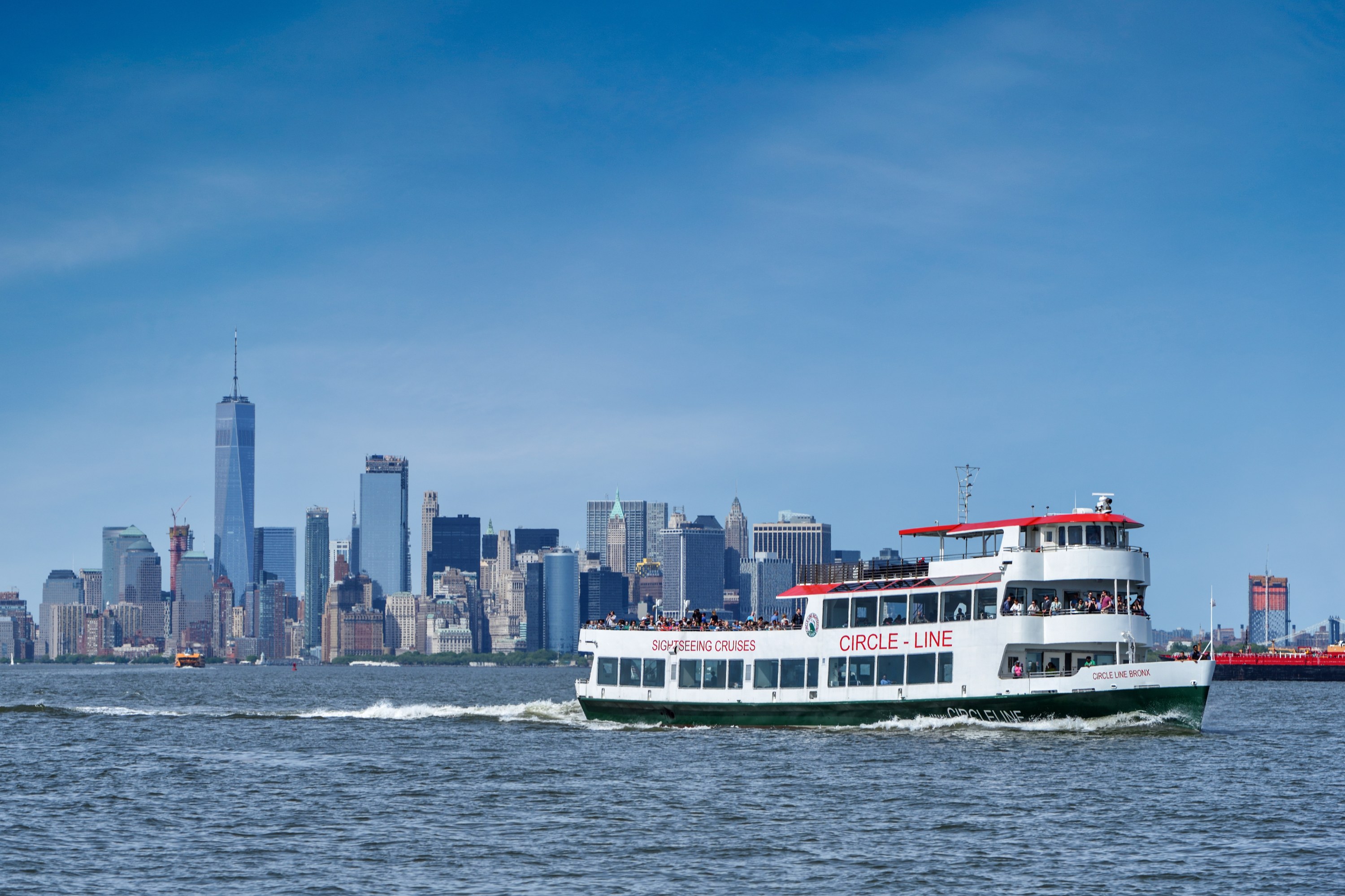
This is not a sightseeing cruise -- it’s a guided look at how New York City’s core infrastructure actually works. Led by a transportation planner and licensed NYC guide, the tour uses the East River as a moving classroom to explain the systems most people never see: trash movement by barge, wastewater and sewer outfalls, landfills that expanded the shoreline, rail and subway tunnels beneath the river, and the bridges that knit the city together.
Rather than focusing on landmarks alone, the tour connects everyday infrastructure to history and public health -- from Dutch-era dumping in Lower Manhattan to modern shoreline rebuilding, from working waterfronts and rat-shaping waste patterns to stacked train tunnels under the river. Guests experience rare, water-level views while learning how engineering decisions beneath and above the East River shaped New York as a city.
The result is an expert-led experience that reveals the hidden systems behind the skyline.
Available options
East River Secrets: NYC's Infrastructure by Ferry - Private
What's included
Ear pieces to hear perfectly
Restrooms on board the ferry
Round-trip ferry tickets included
Detailed itinerary
1
Stop 1
Learn how Dutch New Amsterdam expanded Manhattan using landfill, garbage, and debris, shaping today’s shoreline and Financial District. Hear how the Fulton Fish Market and riverfront trade generated waste, smells, rats, and early sanitation systems along the East River.
2
Stop 2
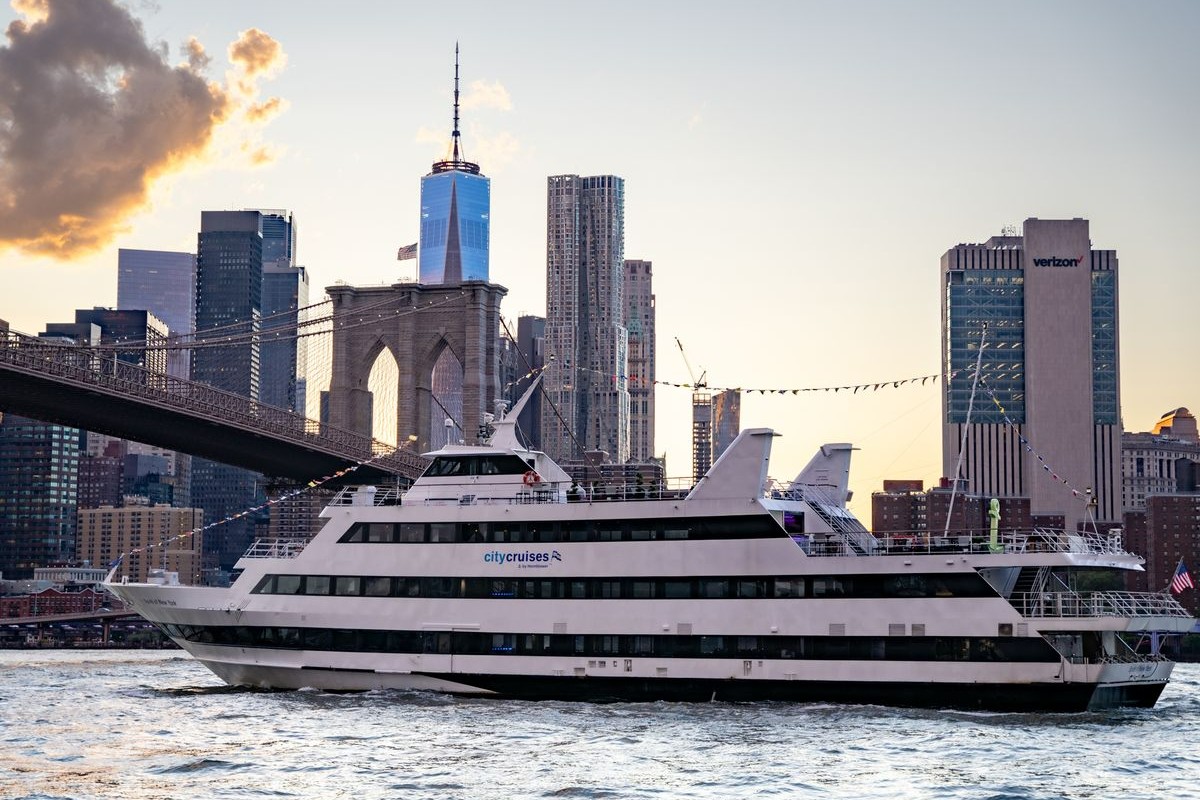
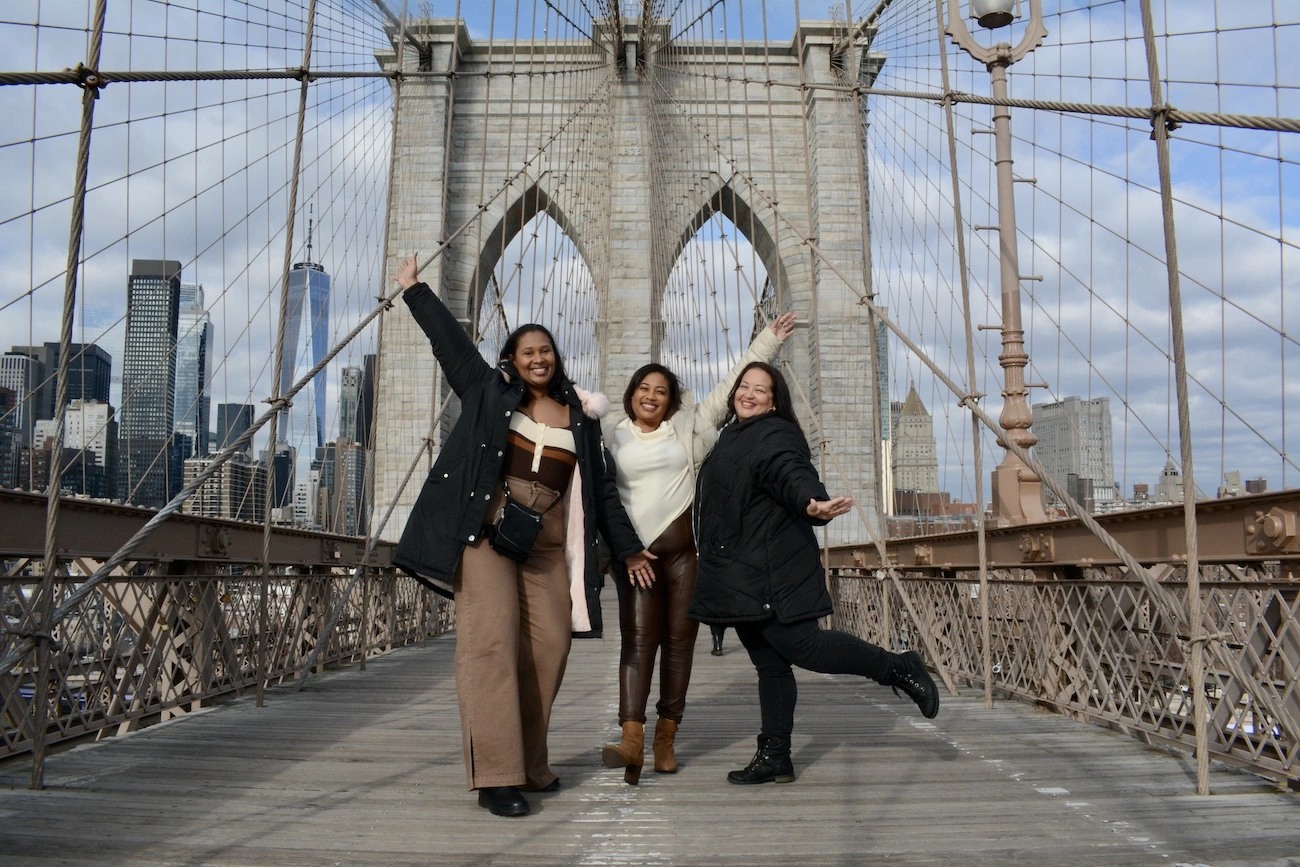
View the Brooklyn Bridge and learn how nearby dumping grounds later became today’s barge-based restaurants.
3
Stop 3
View the Manhattan Bridge while discussing historic DUMBO photos, rail traffic, and the industrial waterfront below.
4
Stop 4
Learn how the Williamsburg Bridge connects to subway culture, the L-train shutdown, and once-proposed gondola plans.
5
Stop 5
Learn how the East Side Coastal Resiliency project is rebuilding the shoreline to protect Lower Manhattan from flooding, including new land creation and rapid bridge construction over the FDR Drive.
6
Stop 6
Pass the United Nations while learning how landfill, trash barges, helipads, and modern shoreline projects shaped this stretch of the East River.
7
Stop 7
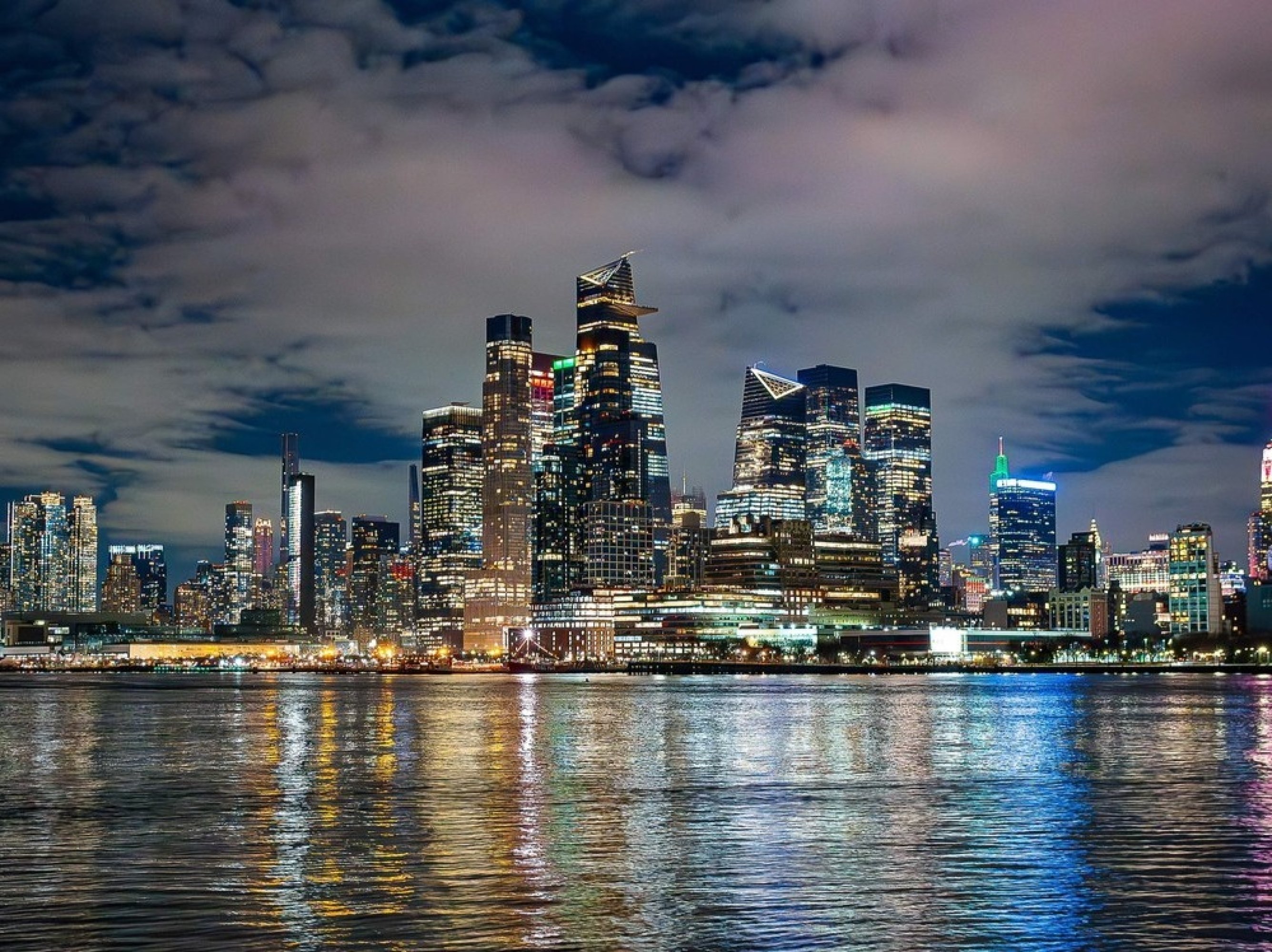
Take in the Manhattan skyline from the water while learning how landfills, bridges, tunnels, and utilities shaped the city’s growth along the East River.
8
Stop 8
See the Queensboro Bridge while learning about its former streetcar service to Roosevelt Island, subway tunnels stacked beneath the river, and historic utility tunnels linking Queens and Manhattan.
9
See Rikers Island and learn how it was built on landfill, its relationship to surrounding waterways, and its proximity to major aviation and waste infrastructure. Watch aircraft approach LaGuardia Airport and learn how flight paths intersect with islands, landfills, and the East River. View the Long Island City skyline from the water and learn about the area’s industrial past, including rail yards and Long Island Rail Road waterfront operations.
10
See the Bronx River and learn how it was polluted and later restored as it meets the tidal waters of the East River. View the New Fulton Fish Market at Hunts Point and learn how seafood distribution, refrigeration, waste handling, and river access sustain the Bronx’s working waterfront. Learn about Hart Island, New York City’s potter’s field, and how ferry access, isolation, and public health shaped its history. As the river opens toward Long Island Sound, view the Whitestone and Throgs Neck Bridges and experience rare water-level views of Manhattan, Queens, and the Bronx.
11
Stop 11
View Roosevelt Island from the river while learning about the Roosevelt Island Tramway, the island’s former trolley service, Delacorte’s Fountain and early sewage infrastructure, and its underground pneumatic trash tube system.
Available languages
Guide guide
EN
Reviews breakdown
Tripadvisor
5.0
4 reviews
5★
4
4★
0
3★
0
2★
0
1★
0
Important information
Service animals allowed
Public transportation options are available nearby
Infants are required to sit on an adult’s lap
Suitable for all physical fitness levels
Meeting point
Please meet at the corner of Hanover Square and Pearl Street outside Starbucks. We will then walk together to the ferry terminal to board.
About New York City
New York City, often referred to as the cultural capital of the world, is a sprawling metropolis that never sleeps. With its iconic skyline, world-class museums, Broadway shows, and diverse neighborhoods, NYC offers an unparalleled urban experience that blends the historic with the modern.
Top Attractions
Statue of Liberty
A symbol of freedom and democracy, the Statue of Liberty is a must-visit. Take a ferry to Liberty Island for close-up views and a visit to the museum.
Historical
3-4 hours
$18.50 (grounds access), $21.70 (pedestal access), $24.10 (crown access)
Central Park
A vast urban park offering a green escape in the heart of the city. Enjoy walking paths, boat rentals, and various attractions.
Nature
2-4 hours
Free (some attractions have fees)
Times Square
The bustling heart of NYC, known for its bright lights, Broadway theaters, and vibrant atmosphere.
Entertainment
1-2 hours
Free (shows and shopping have separate costs)
Empire State Building
An iconic Art Deco skyscraper offering panoramic views of the city from its observation decks.
Architecture
1-2 hours
$44 (Main Deck), $74 (Top Deck)
Metropolitan Museum of Art
One of the world's largest and finest art museums, housing over 2 million works of art.
Museum
3-5 hours
$25 (suggested admission)
Brooklyn Bridge
An iconic suspension bridge offering stunning views of the Manhattan skyline and East River.
Architecture
1-2 hours
Free
Must-Try Local Dishes
New York-style Pizza
Thin-crust pizza with a wide, foldable slice. Toppings vary but often include pepperoni, mushrooms, and sausage.
Dinner
Can be made vegetarian or vegan.
Bagel with Lox
A classic NYC breakfast consisting of a toasted bagel topped with smoked salmon, cream cheese, and often capers or red onion.
Breakfast
Contains dairy and fish.
Cheesecake
Creamy, rich cheesecake, often served with fruit toppings or chocolate sauce.
Dessert
Contains dairy.
Pastrami on Rye
Thinly sliced pastrami piled high on rye bread, often served with mustard.
Lunch
Contains meat.
Popular Activities
Hiking in Central Park
Kayaking in the Hudson River
Rock climbing in the Bronx
Spas and wellness centers
Yoga and meditation classes
Strolling through botanical gardens
Museum visits
Broadway shows
Best Time to Visit
May to September
This period offers warm weather, outdoor festivals, and all attractions in full swing. However, it's also the busiest and most expensive time to visit.
15°C to 30°C
59°F to 86°F
Practical Information
Language
- Official: English
- Widely spoken: Spanish, Chinese (Cantonese and Mandarin), Russian, Hindi
- English: Widely spoken
Currency
US Dollar (USD)
Time Zone
EST (GMT-5) / EDT (GMT-4) (Daylight Saving Time)
Electricity
120VV, 60HzHz
Safety Information
Overall Safety Rating: Generally safe
NYC is generally safe, but like any major city, it's important to be aware of your surroundings and take precautions.
Important Precautions:
- • Be aware of your surroundings, especially at night
- • Keep valuables secure and out of sight
- • Use common sense and trust your instincts
Getting there
By air
- John F. Kennedy International Airport • 24 km (15 miles) from downtown
- LaGuardia Airport • 13 km (8 miles) from downtown
By train
Penn Station, Grand Central Terminal
By bus
Port Authority Bus Terminal, Greyhound Terminal
Getting around
Public transport
The subway is the most efficient way to get around NYC. It operates 24/7 but can be crowded during peak hours.
Taxis
Available • Apps: Uber, Lyft
Rentals
Car, Bike, Scooter
Neighborhoods
Manhattan
Brooklyn
Queens
Bronx
Staten Island
Day trips
Niagara Falls
650 km (400 miles) • Overnight
A breathtaking natural wonder featuring three waterfalls: Horseshoe Falls, American Falls, and Bridal Veil Falls.
Washington D.C.
370 km (230 miles) • Full day
The capital of the United States, offering iconic landmarks, museums, and government buildings.
Philadelphia
150 km (93 miles) • Full day
A historic city known for its role in the American Revolution and its vibrant cultural scene.
Festivals
New Year's Eve in Times Square • December 31
Macy's Thanksgiving Day Parade • Fourth Thursday in November
NYC Pride • Late June
Pro tips
- Use a MetroCard for easy and discounted subway and bus rides
- Walk as much as possible to explore the city and its neighborhoods
- Try street food for a quick and delicious meal on the go
- Visit popular attractions early in the morning or late in the afternoon to avoid crowds
- Use apps like Google Maps or Citymapper for real-time navigation and transit information
From $25
per person
Price varies by option
Secure booking
Free cancellation available
Instant confirmation