Day trek to Simien Mountains
Active
6h - 8h
For a full refund, cancel at least 24 hours before the scheduled departure time.
Instant confirmation
Mobile or paper ticket accepted
About this experience
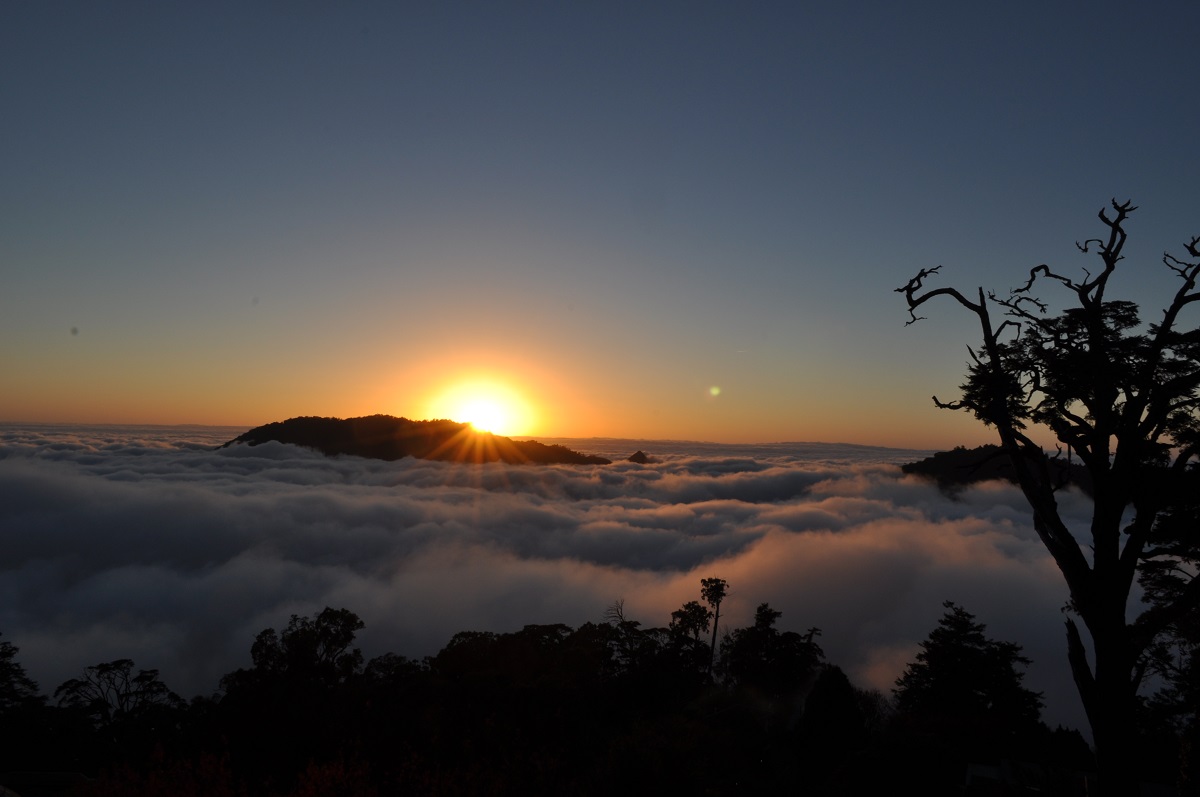
The chasmic valleys and towering peaks of Simien Mountains National Park are a beacon of wildlife conservation, sheltering rare species such as the Walia ibex and Simien fox. Though UNESCO-listed in 1978, the park remains off the beaten track, providing active sightseers an authentic glimpse of Ethiopia’s natural heritage.
Available options
Day trek to Simien Mountains
Pickup included
What's included
All Fees and Taxes
Bottled water
Lunch
Air-conditioned vehicle
Professional Guide
Scout fee
Detailed itinerary
1
Stop 1
We will meet you in the morning at Gondar Airport or your hotel in Gondar. Drive from Gondar to Debark, which is the headquarter town for the national park. We will stop here to get a permission to enter to the park and meet the scout. We will have tea and coffee break and visit the local market if we have time. The local market is open every day, and every Wednesday and Saturday is the big market day. From Debark town, we will drive to the park gate, which is about 16km from the town. Then, we are heading about 10km to Sankaber camp, which is the first camping site in the national park. From Sankaber camp, we will trek for about 3 hours. You will trek along the edge with stunning views over the foothills 800m below. The trail passes most vegetated area in the park through a low bush of Giant Heather, Abyssinian Rose, Oliveria, and Globe Thistle. You will most certainly encounter troops of the endemic gelada baboons and see them up-close. You may also see Klipspringer, bushbuck, rock hyrax in the steep rocky and wooded slopes. Leopards live around here and you may have a chance to spot a leopard. The highlight of the trek is Jinba waterfalls, an incredible 500m sheer drop, the longest fall in Ethiopia. From the viewpoint opposite, you will see the different voltures such as Griffen Volture, Hooded Volture, Whitebacked Volture, Lappet-faced vulture and Lammergeyer along the cliff. Lammergeyer is one of the biggest bird prey in the world and feeds bone marrow. This area is the best place for lammergeyer to break the bone. This area is also good to see different small birds such as one of the Ethiopian endemic bird- Abyssinian Catbird. After the sightseeing, we get back to the main road (the place called Kavamesk) where the car stops to drive us to Gondar or Axum.
What's not included
Services which are not listed on the inclusion
Available languages
Guide guide
DE
EN
IT
FR
ES
Reviews breakdown
Tripadvisor
3.0
2 reviews
5★
1
4★
0
3★
0
2★
0
1★
1
Important information
Service animals allowed
Public transportation options are available nearby
Infants are required to sit on an adult’s lap
Not recommended for travelers with spinal injuries
Not recommended for pregnant travelers
Not recommended for travelers with poor cardiovascular health
Travelers should have at least a moderate level of physical fitness
About Gondar
Gondar, known as the 'Camelot of Africa,' is a historic city in Ethiopia renowned for its medieval castles and palaces. It served as the capital of the Ethiopian Empire in the 17th and 18th centuries and is a UNESCO World Heritage Site, offering a unique blend of history, culture, and natural beauty.
Top Attractions
Fasiledes Castle
A UNESCO World Heritage Site, Fasiledes Castle is a complex of buildings that served as the royal palace during the 17th and 18th centuries. It is known for its unique architectural style and historical significance.
Historical
2-3 hours
Moderate (Entry fee around 250 ETB)
Debre Berhan Selassie Church
This beautifully painted church is famous for its intricate ceiling murals depicting angels and biblical scenes. It is one of the most iconic religious sites in Ethiopia.
Religious
1-2 hours
Moderate (Entry fee around 100 ETB)
Qwara Mountains
The Qwara Mountains offer stunning landscapes and hiking opportunities. The area is known for its unique rock formations and scenic views.
Nature
Half-day to full-day
Free to moderate (Guided tours available)
Must-Try Local Dishes
Doro Wat
A spicy chicken stew made with berbere spice, onions, and garlic, typically served with injera.
Lunch/Dinner
Contains meat and spicy ingredients.
Injera
A sourdough flatbread made from teff flour, used as both a plate and utensil in Ethiopian cuisine.
Breakfast/Lunch/Dinner
Vegan and gluten-free options available.
Tibs
Sautéed meat, usually beef or lamb, cooked with spices and vegetables.
Lunch/Dinner
Contains meat and may include spicy ingredients.
Popular Activities
Hiking in the Qwara Mountains
Trekking in Simien Mountains
Boat tours on Lake Tana
Visiting local spas
Attending traditional coffee ceremonies
Exploring historic sites
Participating in the Timket festival
Visiting the ancient monasteries on Lake Tana
Best Time to Visit
October to February
This period offers pleasant weather with mild temperatures and minimal rainfall, making it ideal for sightseeing and outdoor activities.
15°C to 25°C
59°F to 77°F
Practical Information
Language
- Official: Amharic
- Widely spoken: English, Tigrinya
- English: Moderately spoken in tourist areas
Currency
Ethiopian Birr (ETB)
Time Zone
GMT+3
Electricity
220VV, 50HzHz
Safety Information
Overall Safety Rating: Generally safe
Gondar is generally safe for travelers, but standard precautions should be taken to avoid petty crime and scams.
Important Precautions:
- • Avoid walking alone at night
- • Use reputable tour operators
- • Keep valuables secure
Getting there
By air
- Atse Tewodros Airport • 5 km from city center
By bus
Gondar Bus Station
Getting around
Public transport
Buses are the primary mode of public transport in Gondar. They are affordable but can be crowded.
Taxis
Available • Apps:
Rentals
Car, Bike, Scooter
Neighborhoods
City Center
Azezo
Day trips
Lake Tana
30 km • Half-day to full-day
Lake Tana is the largest lake in Ethiopia and is known for its beautiful landscapes, monasteries, and birdlife.
Simien Mountains National Park
120 km • Full-day to overnight
A UNESCO World Heritage Site, the Simien Mountains offer stunning landscapes, hiking trails, and unique wildlife.
Festivals
Timket • January 19th
Gondar Cultural Festival • Annual (Date varies)
Pro tips
- Hire a local guide for a more informative and enriching experience
- Visit the historic sites early in the morning to avoid crowds
- Try traditional Ethiopian coffee at a local coffee ceremony
- Bargain politely when shopping at local markets
- Carry small denominations of Ethiopian Birr for local purchases
From $25
per person
Price varies by option
Secure booking
Free cancellation available
Instant confirmation



![[Kyoto's Top 3 Attractions] Amanohashidate Cable Car & Ine Boathouse Cruise & Miyama Thatched Village Day Trip (Includes Shrimp Chips for Feeding Seagulls)](https://res.klook.com/image/upload/activities/eckrryuvzw4o1ycyd8iy.jpg)