Private Tour Ephesus Ancient City , Virgin Marys House , More
Active
7h
For a full refund, cancel at least 24 hours before the scheduled departure time.
Instant confirmation
Mobile or paper ticket accepted
About this experience
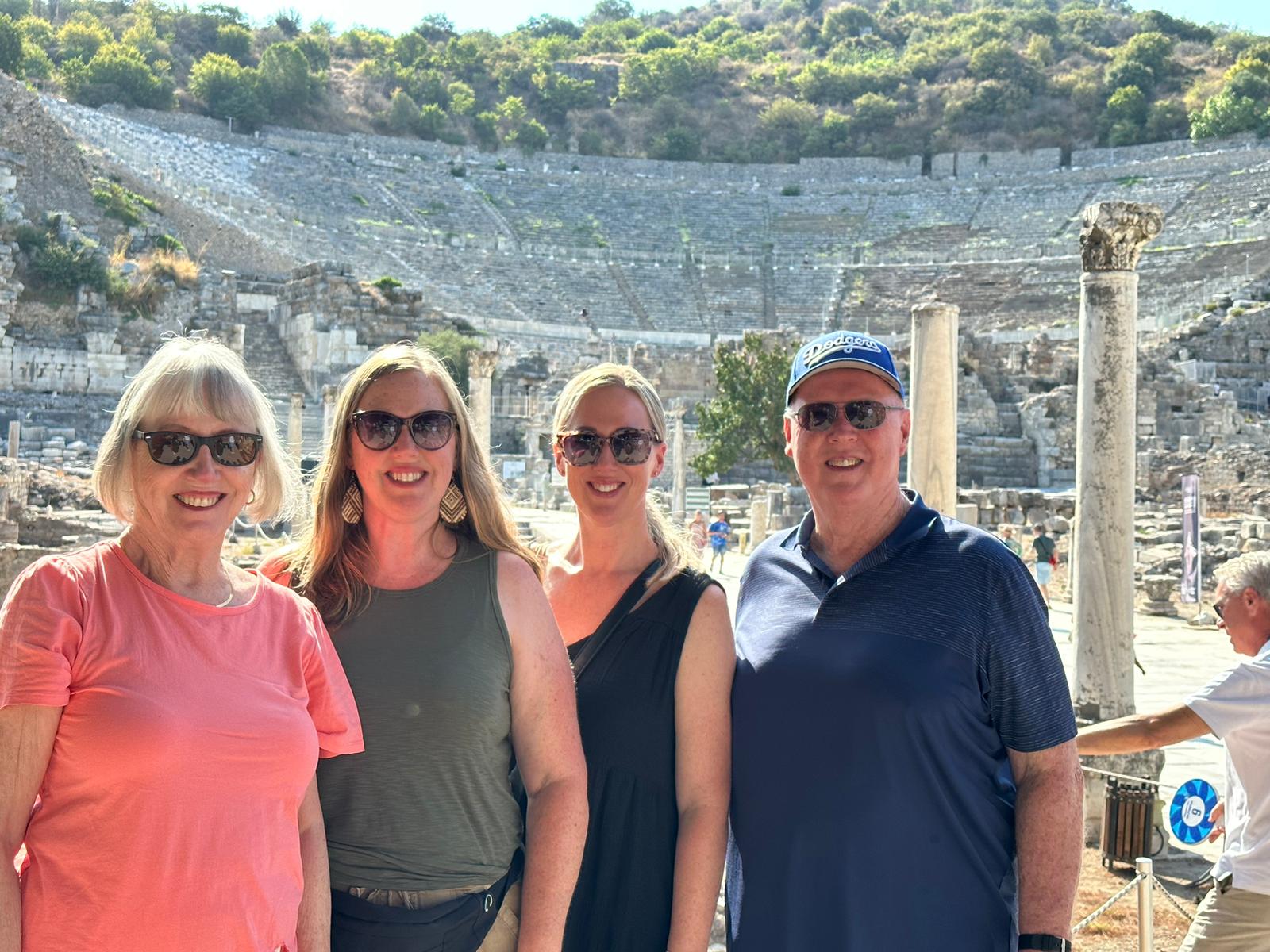
Stand in the ruins of one of the largest theatres of the ancient world
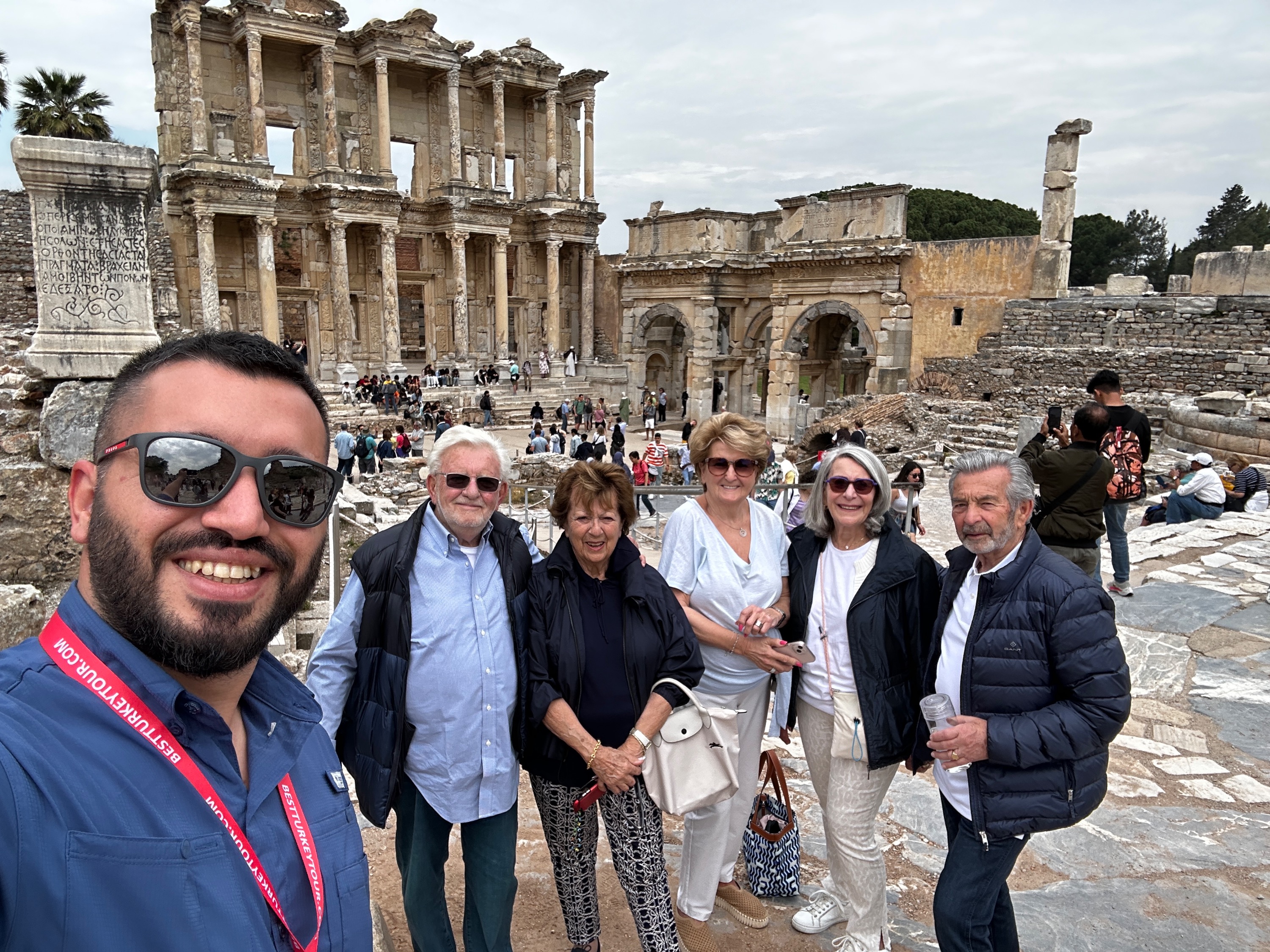
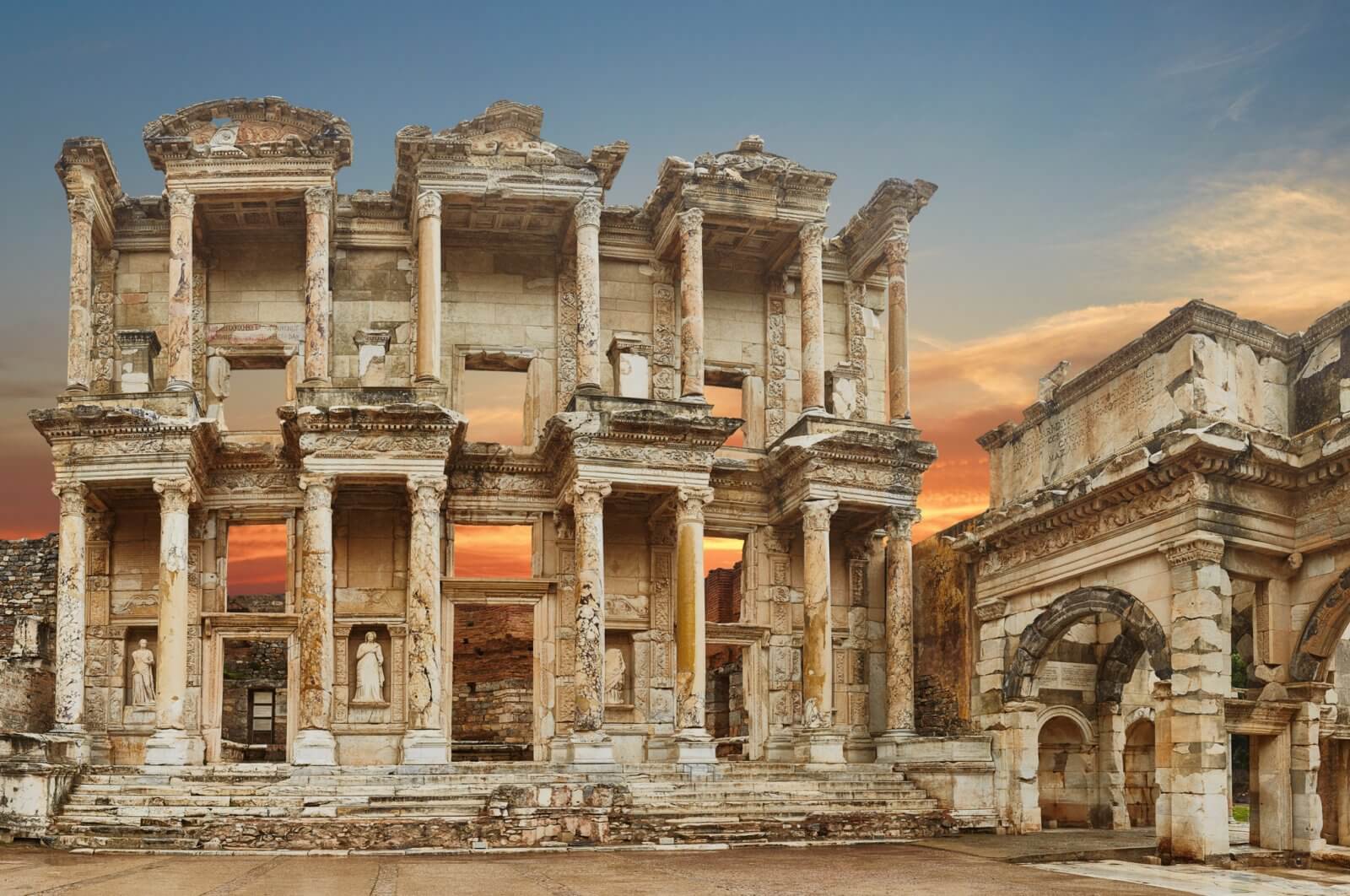
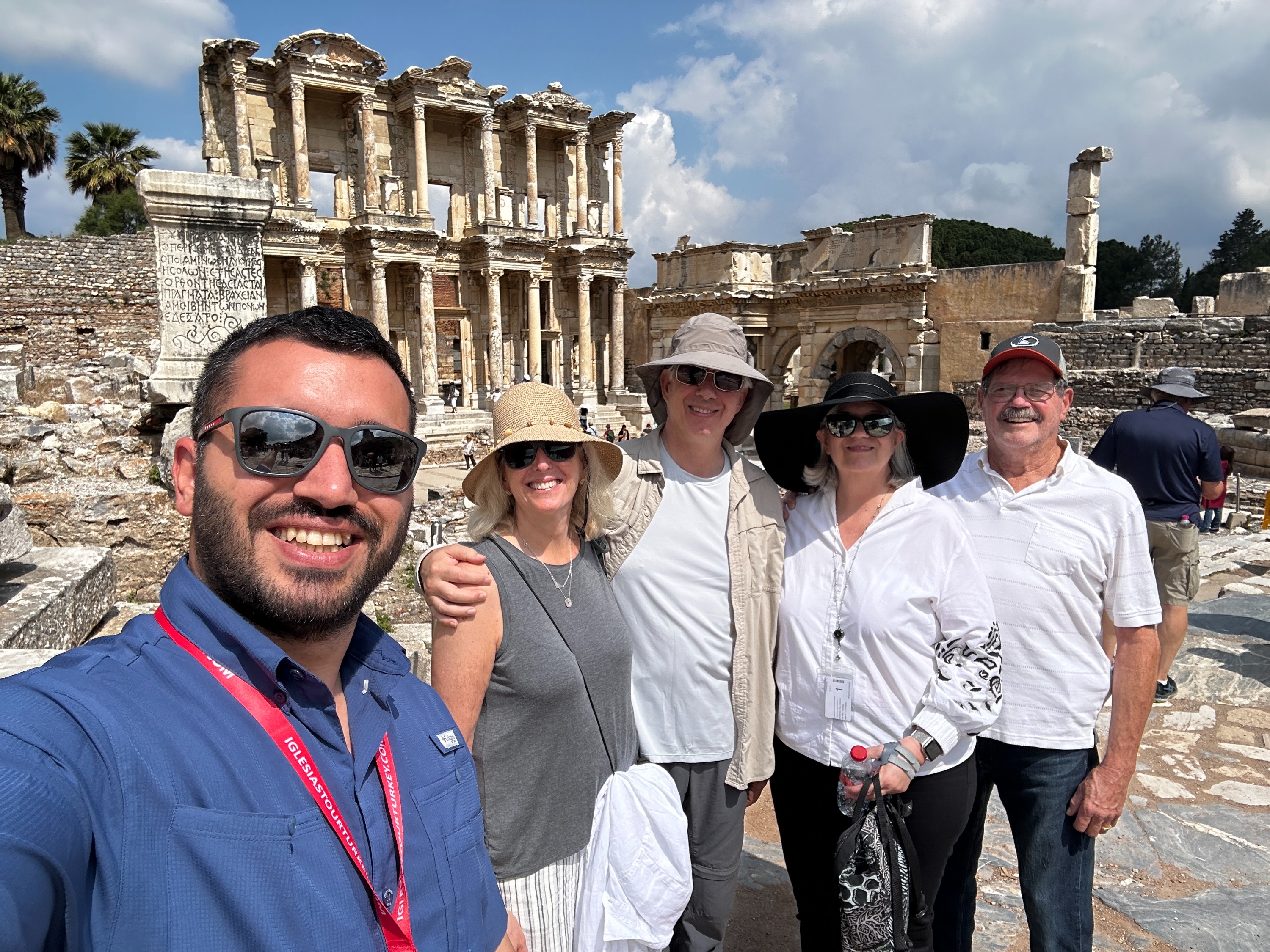
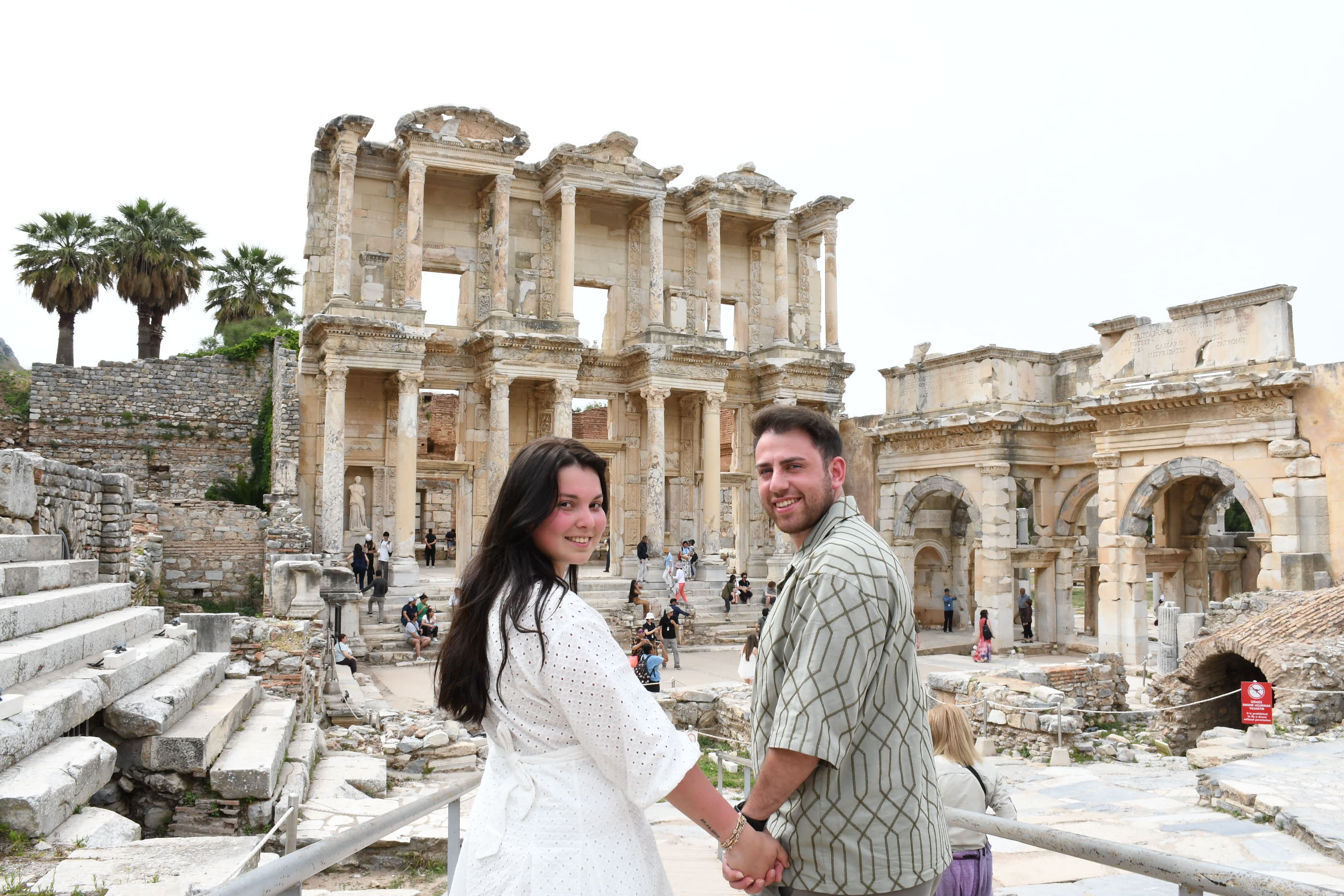
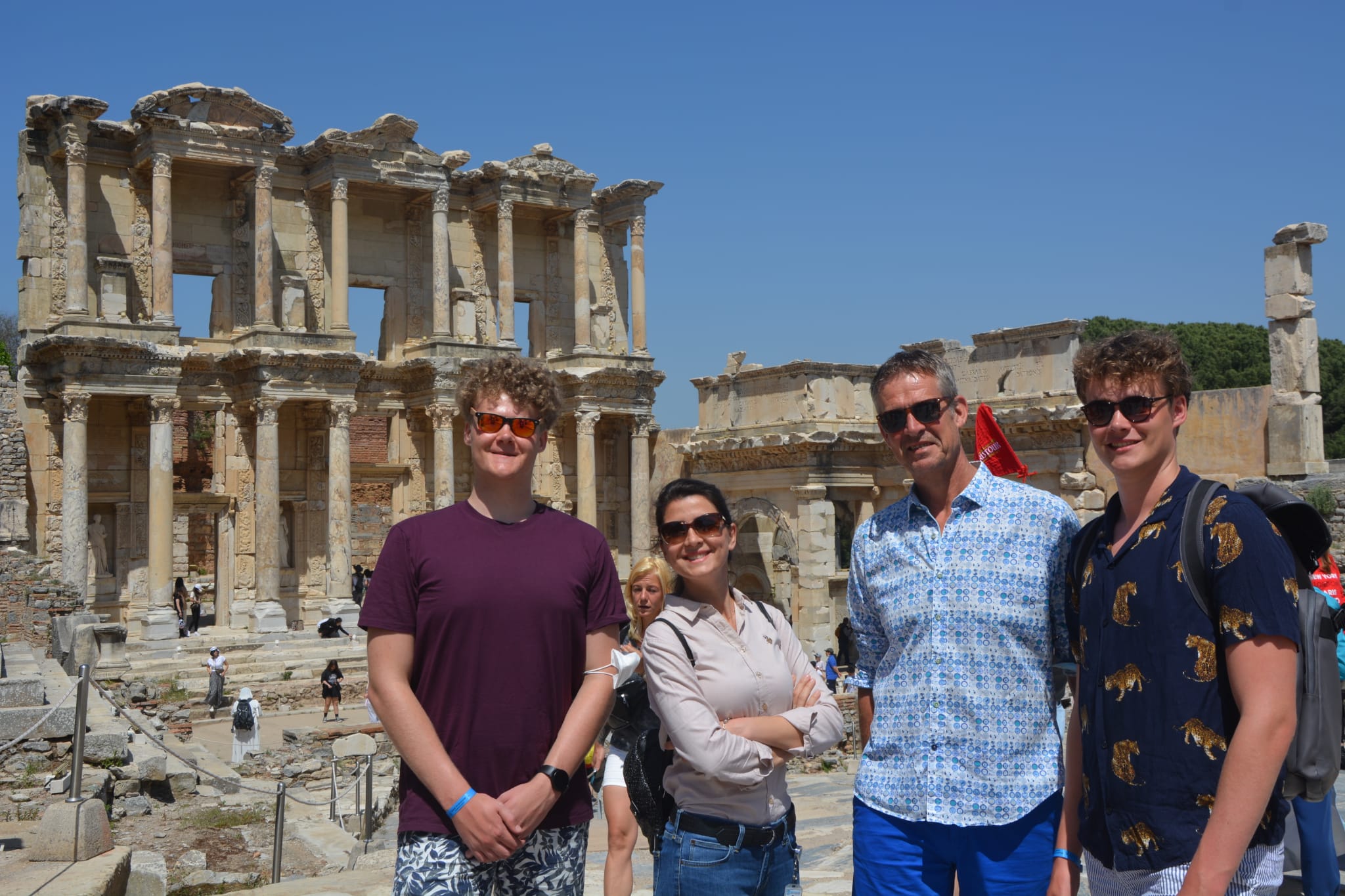
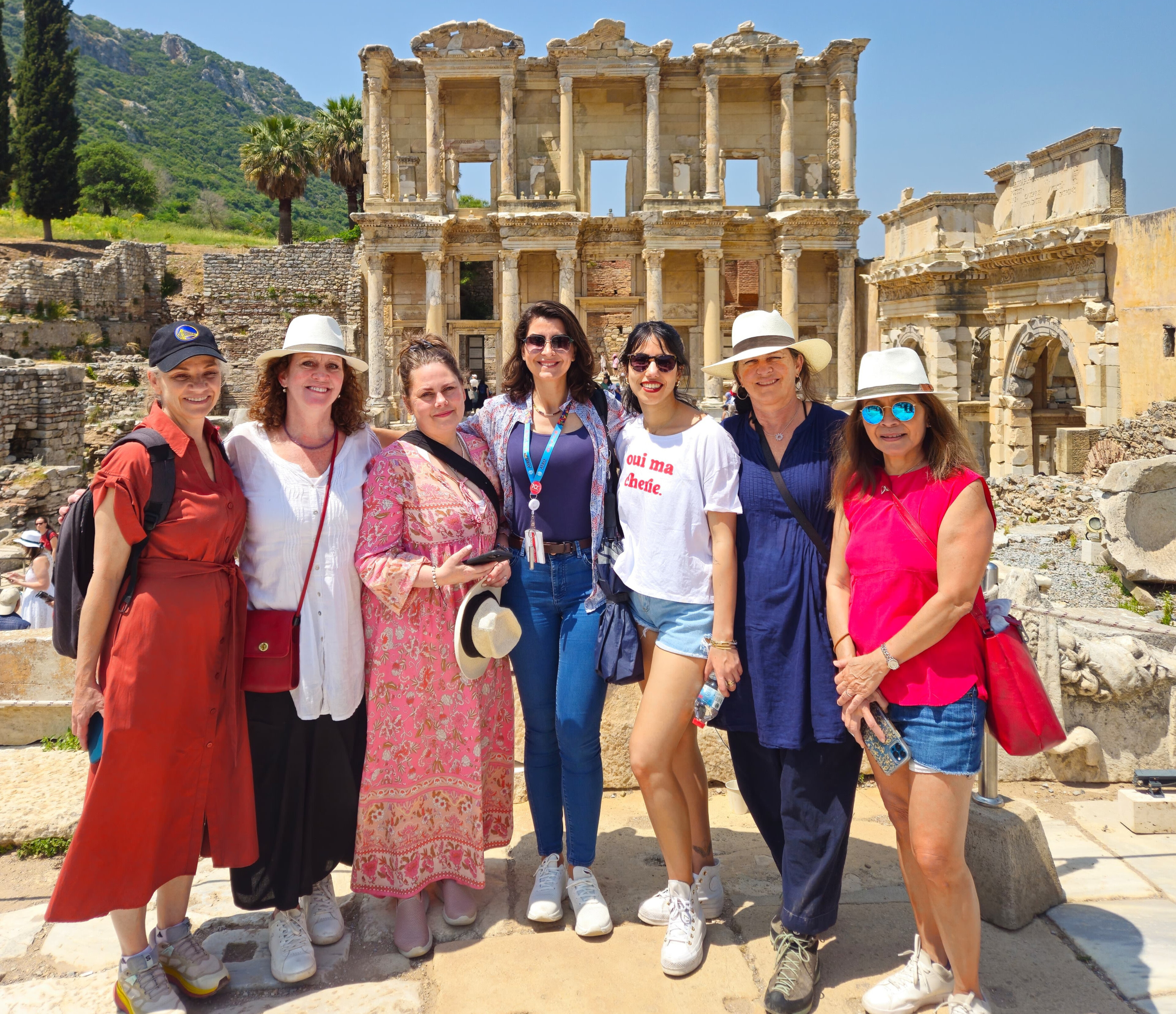
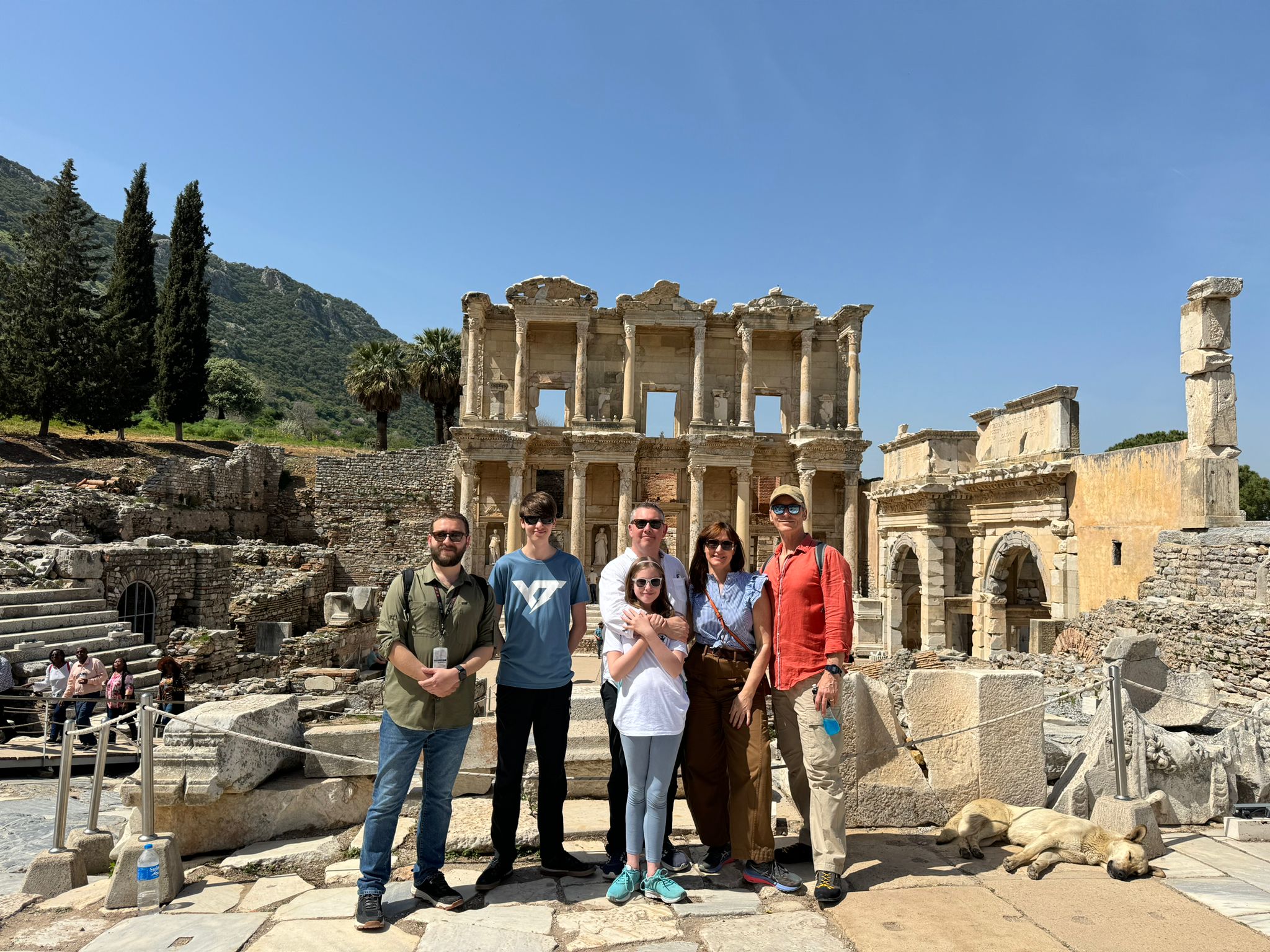
Walk down the Marble Road towards the stunning Library of Celsus
Visit the famous Temple of Artemis as well as the House of the Virgin Mary
Stroll the streets that Socrates once walked
Available options
all year
Pickup included
What's included
Hotel pickup and drop-off
Professional guide
All taxes, fees and handling charges
Air-conditioned vehicle
Port pickup and drop-off
Detailed itinerary
1
Stop 1
According legend, Ephesus (also Ephesos) was founded by the tribe of the Amazons, great female warriors. The name of the city is thought to have been derived from "Apasas", the name of a city in the "Kingdom of Arzawa" meaning the "city of the Mother Goddess" and some scholars maintain that the sign of the labrys, the double-axe of the mother goddess which adorned the palace at Knossos, Crete, originated in Ephesus. Ephesus was inhabited from the end of the Bronze Age onwards, but the location was changed owing to floods and the whims of various rulers. While Carians and Lelegians were among the city's first inhabitants, Ionian migrations began around 1200 BCE and Ephesus is chiefly known as a Ionian Greek city.
Greek Ephesus
The city was founded for the second time by the Ionian Androclus, son of Codrus, and the cities that were established after the Ionian migrations joined in a confederacy under the leadership of the city of Ephesus. The region was devastated during the Cimmerian invasion at the beginning of the 7th century BCE but, under the rule of the Lydian kings, Ephesus became one of the wealthiest cities in the Mediterranean world. Ephesus was a center of learning and the birthplace and home of the great Pre-Socratic philosopher Heraclitus. Women enjoyed rights and privileges equal to men and there are records of female artists, sculptors, painters and teachers. At night the streets of the city were brightly lit with oil lamps, a luxury not many cities could afford. Under the rule of King Croesus of Lydia, construction of the great Temple of Artemis at Ephesus was begun, one of the Seven Wonders of the Ancient World (destroyed, the first time, by fire in 356 BCE, the same night Alexander the Great was born). The defeat of Croesus by Cyrus, the King of Persia, brought the whole of Anatolia under Persian rule but Ephesus continued to prosper as an important port of trade. When the Ionian city-states rebelled against Persian rule in the 5th century BCE, Ephesus remained neutral and thus escaped the destruction suffered by so many other cities at the hands of the Persians.
2
Stop 2
The House of Virgin Mary - The belief that the Virgin Mary had spent her last days in the vicinity of Ephesus and that she had died there, focused attention on a nun named Anna Katherina Emmerich who had livid in the late 18th century (1774-1820). The efforts to find the house were greatly influenced by her detailed description of the Virgin Mary's coming to Ephesus, her life and her last home there and the characteristics of the city although she had never been to Ephesus.
In 1811, Emmerich, who had dedicated her life to God, was taken ill in the nunnery and had to keep her bed. She was hearing voices no one else did, and was having religious visions. On 29 December 1812, as Emmerich was praying in her bed with her hands stretched out, she was suddenly shaken by a divine force; and seized by a high fever, she became deep red in the face. Just at that moment, a bright light coming from above descended towards her and when it reached her the hands and the feet of the sick woman were suddenly covered with blood as if pierced by nails. The people around the bed were stunned with amazement. It was as if she had partaken of Christs agony during the Crucifixion and had become a stigmatized nun. The doctors examining her were greatly astonished. They could not explain this within the science of medicine. A writer named C. Brentano began putting into writing the narrations that Emmerich, who getting gradually worse had become bedridden, revealed in trance after loosing consciousness in 1811.
3
Stop 3
he Temple of Artemis at Ephesus was a great building belonging to the Seven Wonders of the Ancient World. Unfortunately, nowadays a visit to Ephesus Artemision brings a big disappointment, comparable to trying to see the Great Altar of Zeus in Pergamon. It is because a single column and a bit of rubble remained of the Temple of Artemis to our times.
The Temple of Artemis certainly deserved the reputation as one of the wonders of the world. It was the largest building in the Hellenistic world, surpassing even the Athenian Parthenon, and the first monumental structure built entirely of marble.
What's not included
Lunch
Gratuities
Airport pick up - Drop off
Entrance of Museums
Available languages
Guide guide
EN
ES
Important information
Wheelchair accessible
Infants are required to sit on an adult’s lap
Specialized infant seats are available
Suitable for all physical fitness levels
Dress code is smart casual
Wheelchair accessible, please advise at time of booking if wheelchair assistance is required ( please ask to avalibility and supplement)
ıf airport pick up deop off necesseary ( please ask to avalibility and supplement)
Important notes
• Dress code is smart casual
Tour departs within walking distance of the cruise port
About Kusadasi
Kusadasi is a vibrant coastal city on the Turkish Riviera, known for its stunning beaches, rich history, and proximity to ancient ruins. It offers a blend of modern resort amenities and traditional Turkish culture, making it a popular destination for both relaxation and exploration.
Top Attractions
Lady Mary's Bath
A historic hamam (Turkish bath) built in 1640, offering traditional Turkish bath experiences and spa treatments.
Historical
2-3 hours
Moderate
Kusadasi Castle
A medieval castle with a rich history, offering panoramic views of the city and harbor.
Historical
1-2 hours
Free
Long Beach (Long Beach)
A popular beach with golden sand, clear waters, and a variety of water sports and activities.
Beach
Half day to full day
Free to Moderate (for amenities and water sports)
Ephesus Ancient City
One of the most famous ancient cities in the world, featuring well-preserved ruins and significant historical sites.
Historical
Half day to full day
Moderate (entry fee applies)
Pigeon Island (Kusadasi Castle)
A small island connected to the mainland by a causeway, featuring a historic castle and beautiful views.
Historical
2-3 hours
Free to enter, moderate for activities
Must-Try Local Dishes
Gözleme
A traditional Turkish flatbread filled with various ingredients like cheese, spinach, or potatoes
Breakfast/Snack
Vegetarian options available
Kusadasi Köfte
Spicy meatballs made with ground beef, onions, and spices, often served with rice or bread
Main Course
Contains meat, not suitable for vegetarians
Baklava
A sweet pastry made with layers of filo dough, nuts, and honey syrup
Dessert
Vegetarian, contains nuts
Popular Activities
Scuba diving
Parasailing
Jet skiing
Hiking in nearby nature parks
Beach lounging
Spa treatments
Yoga on the beach
Boat tours
Best Time to Visit
June to September
This is the peak tourist season with warm weather, clear skies, and vibrant nightlife. The sea is at its warmest, perfect for swimming and water sports.
25°C to 35°C
77°F to 95°F
Practical Information
Language
- Official: Turkish
- Widely spoken: English, German, Russian
- English: Moderately spoken in tourist areas, limited elsewhere
Currency
Turkish Lira (TRY)
Time Zone
GMT+3
Electricity
220VV, 50HzHz
Safety Information
Overall Safety Rating: Generally safe
Kusadasi is generally safe for tourists, but standard precautions should be taken to avoid petty crime and scams.
Important Precautions:
- • Keep valuables secure
- • Use reputable tour operators
- • Be cautious of strangers offering services
Getting there
By air
- Adnan Menderes Airport • 75 km south of Kusadasi
By bus
Kusadasi Bus Station
Getting around
Public transport
Affordable and frequent minibuses that follow set routes. Easy to use but can get crowded.
Taxis
Available • Apps: BiTaksi, Gett
Rentals
Car, Bike, Scooter
Neighborhoods
City Center
Kadınlar Denizi
Davutlar
Day trips
Ephesus
20 km • Half day to full day
One of the most famous ancient cities in the world, featuring well-preserved ruins and significant historical sites.
Pamukkale
160 km • Full day
A natural wonder featuring terraces of white travertine pools filled with thermal water.
Sirince
30 km • Half day
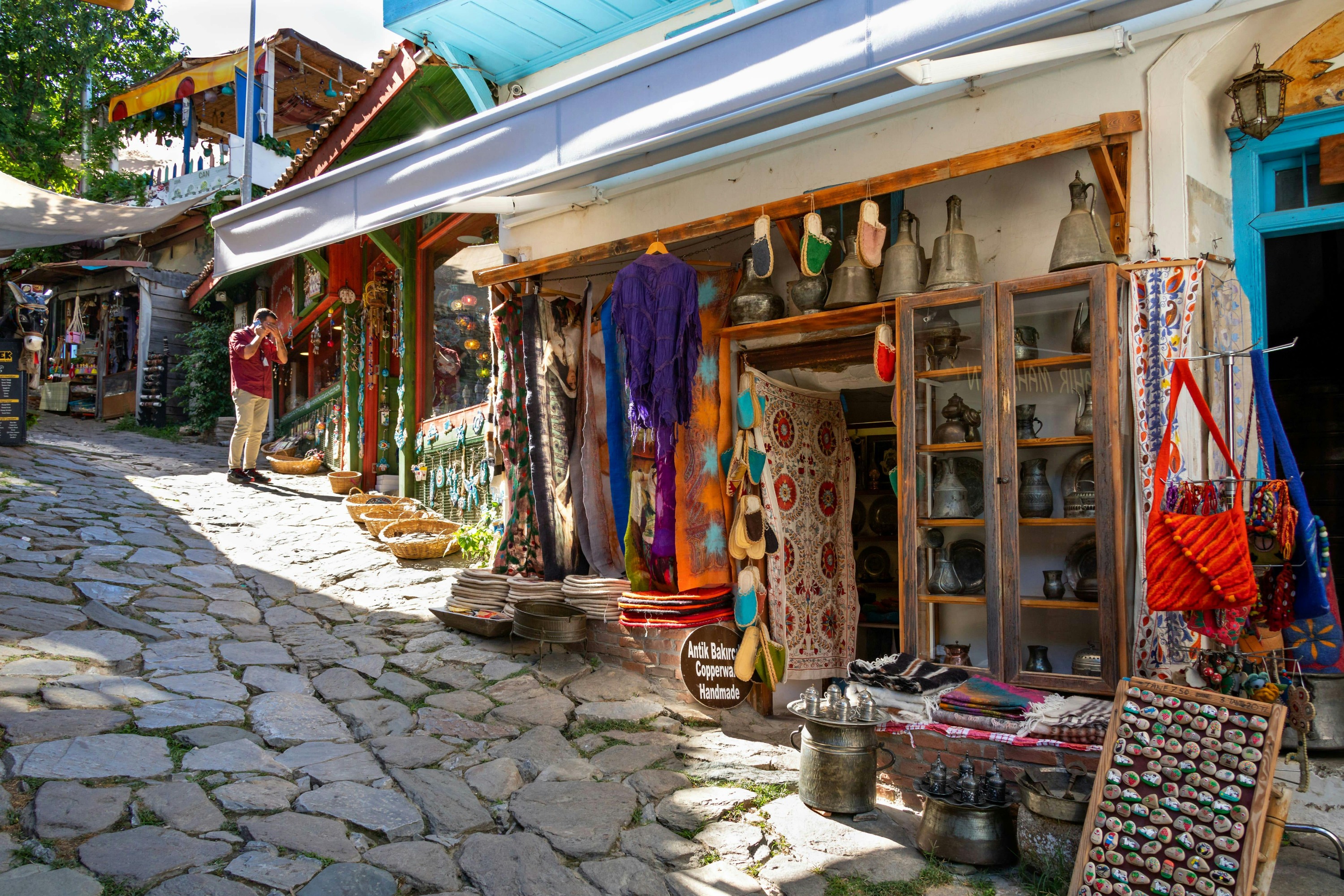
A charming village known for its wine production, fruit wines, and traditional architecture.
Festivals
Kusadasi International Music Festival • July
Kusadasi International Kite Festival • May
Pro tips
- Visit Ephesus early in the morning to avoid crowds and the heat
- Try the local street food, especially simit and kebabs
- Bargain politely when shopping in bazaars
- Learn a few basic Turkish phrases to enhance your experience and interact with locals
- Use dolmuş (shared taxis) for affordable and convenient transport within the city
From $25
per person
Price varies by option
Secure booking
Free cancellation available
Instant confirmation