Private Half Day Bologna Food and Art Walking Tour
Active
3h
All sales are final. No refund is available for cancellations.
Manual confirmation
Mobile or paper ticket accepted
About this experience
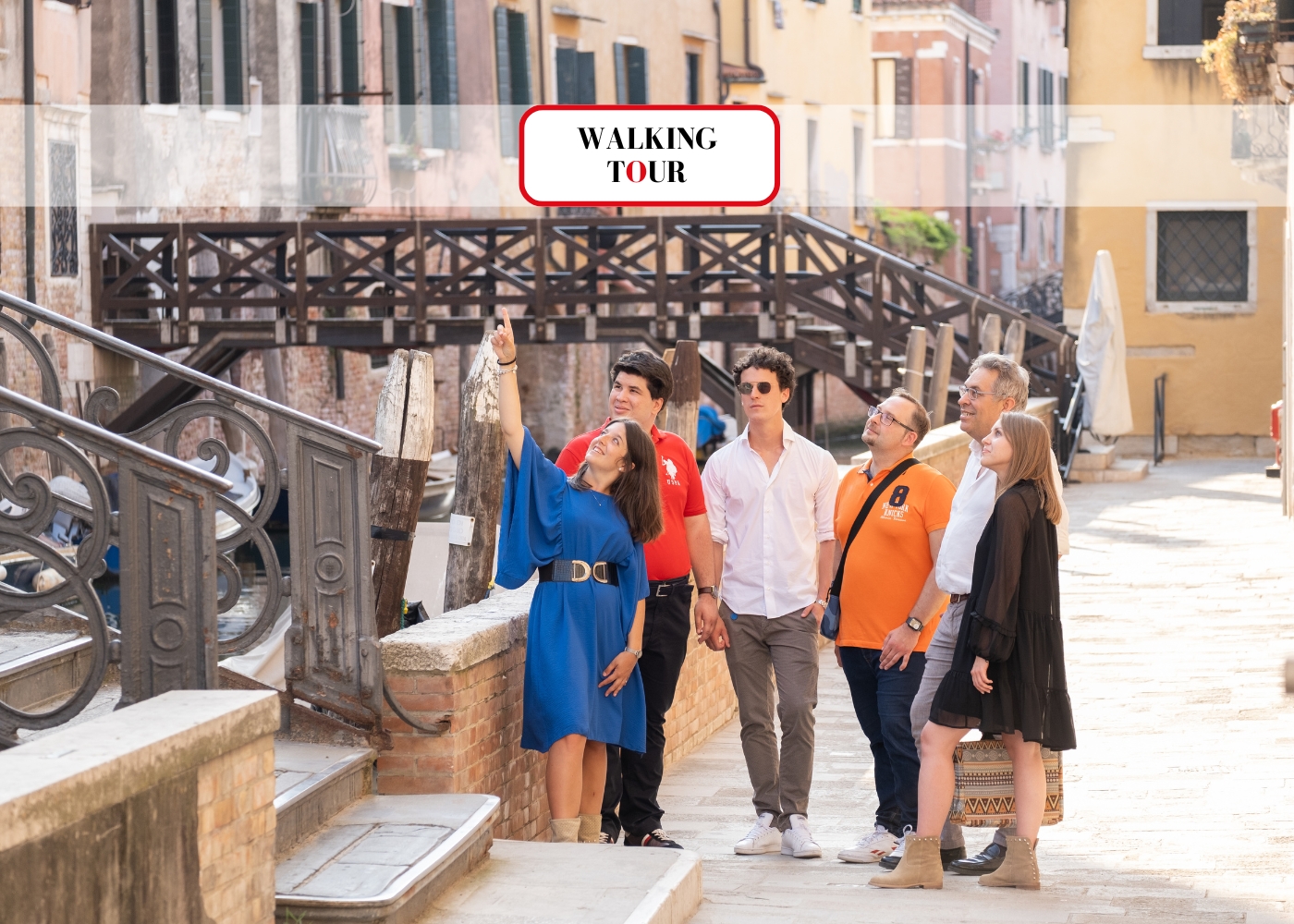
Of all the cities in Emilia Romagna, Bologna is perhaps the most open and convivial. It’s hard not to fall in love with its porticoes, its main square and alleys dense with trattorias and restaurants. Strolling through the center with your guide, you’ll discover why Bologna has deserved recognition as a "fat" city as well as a "learned" one since the Middle Ages. You’ll see some of Bologna's most important historical buildings. You’ll discover the history and legends of the Bolognese tortellino, the versions of the broth, the variants of the filling. There will be plenty of curiosities and anecdotes about local street food, tigelle, fried crescentine, mortadella, cured meats and traditional desserts. After a delicious tasting of the finest chocolate produced by the oldest Italian chocolate house and artisanal gelato, you’ll have a clearer understanding of what has made Bologna a gastronomic capital, a motherly and welcoming city, a crossroads of excellently elaborated experiences.
Available options
Private Half Day Bologna Food and Art Walking Tour
What's included
Professional local guide
Bottled Water
6 Food and Wine Tastings / 5 Stops
Bologna Hills Wine
Traditional Fresh Homemade Pasta (2 types): Tagliatelle and Tortellini
Rice pudding
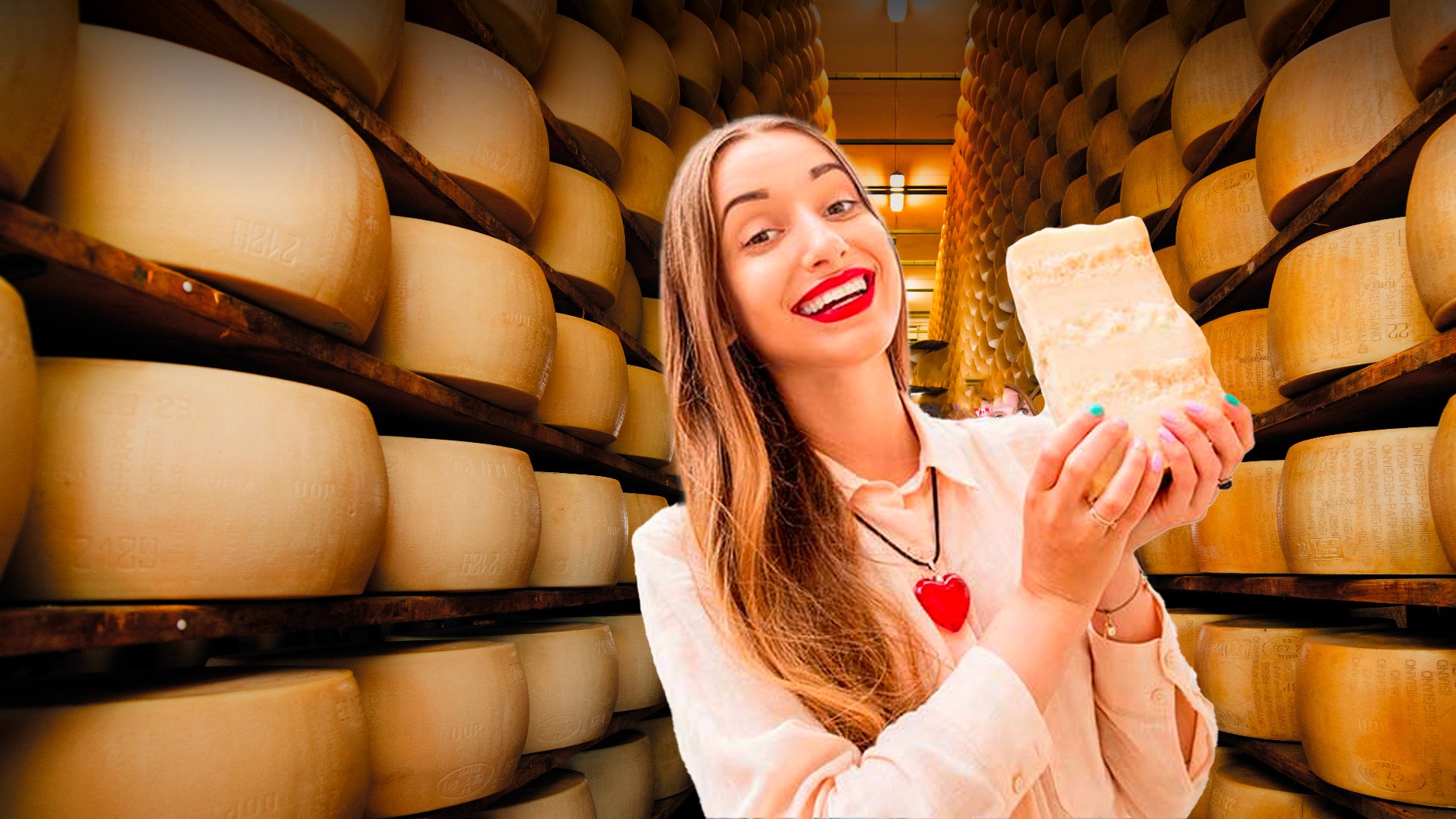
Chopping board of cold cuts: Mortadella, Salame, Prosciutto di Parma, Caciotta, Parmigiano Reggiano
Artisanal Gelato
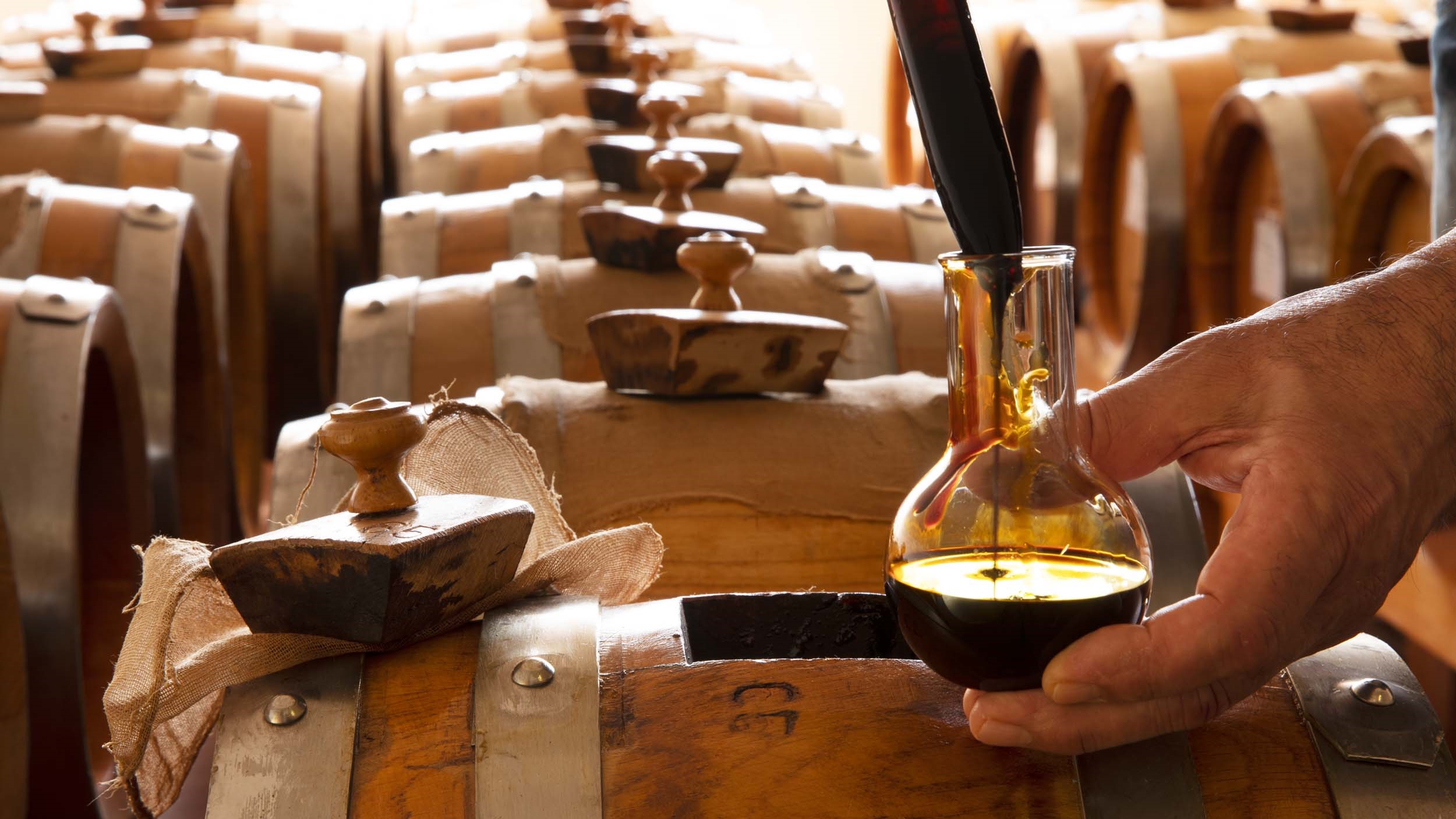
Traditional Balsamic Vinegar
Tasting of Artisanal Chocolate
Detailed itinerary
1
Stop 1
This guided tour will take you on a discovery of art, history and food and wine traditions. You will see some of Bologna’s most important buildings. You will visit Piazza Maggiore, the city’s main gathering place, inaugurated in the 13th century with its famous statue of Neptune, the Basilica of San Petronio, the medieval market, the Two Towers and the Archiginnasio, the first permanent home of the University.
2
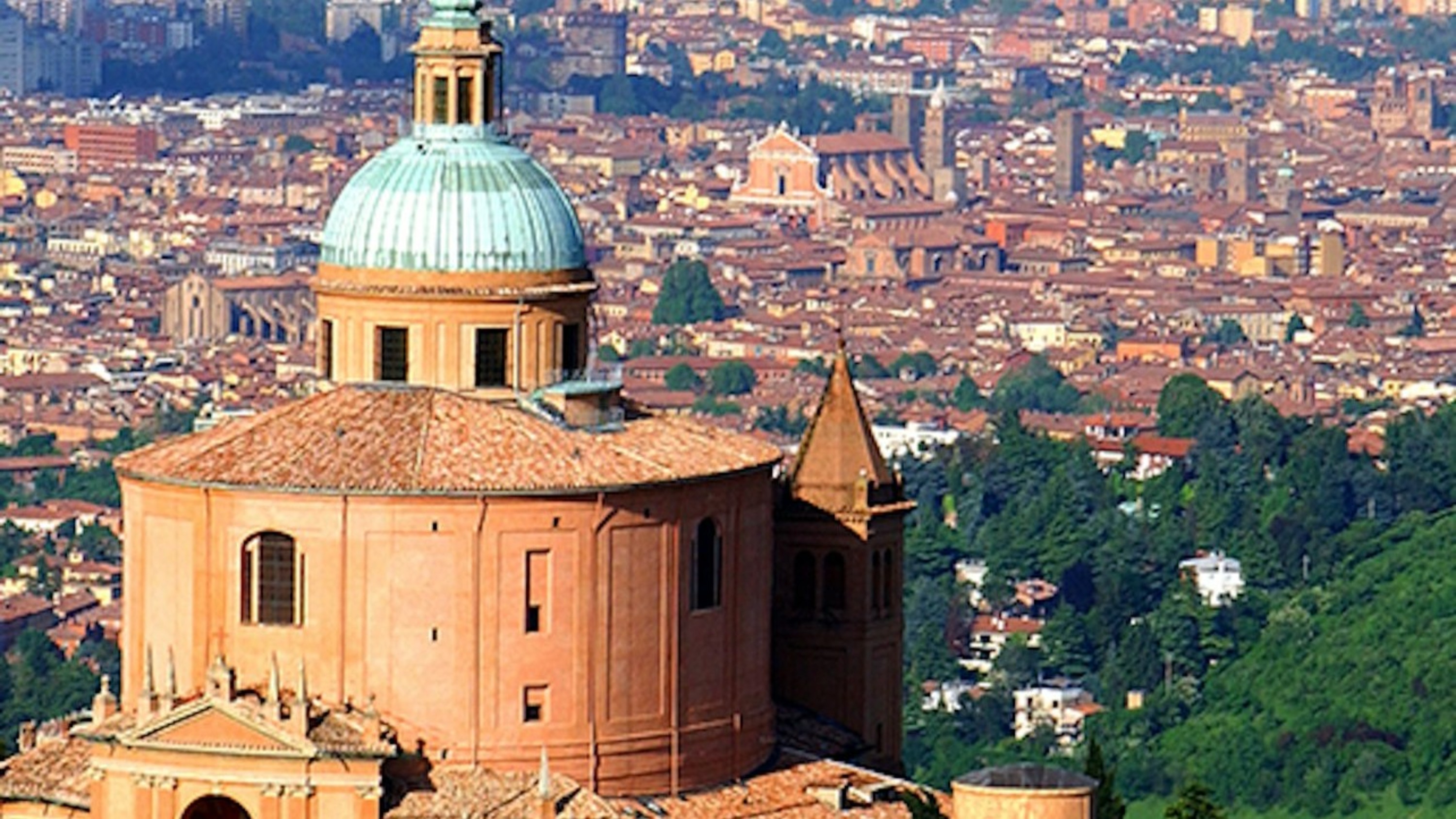
You will see the exterior of Santa Maria della Vita.
3
Stop 3
You will visit a chocolate shop to learn about the first solid chocolate, the “black tree bark” dark crumbly chocolate, and enjoy its specialties. You will learn about the history of the oldest Italian chocolate house still in business in Bologna. After a delicious tasting of finest chocolate you will have a clearer understanding of what has made Bologna a gastronomic capital, a motherly and welcoming city, a crossroads of excellently elaborated experiences.
4
Stop 4
You will visit the oldest bakery in Bologna where you will taste the delicious “rice pudding”. There will be plenty of curiosities and anecdotes about local street food, tigelle and fried crescentine, cured meats and traditional Bolognese desserts such as pinza, certosino, raviole con la mostarda and torta di riso.
5
Stop 5
Pass by
You will see the Archiginnasio, the first permanent home of the University. Strolling through the center with your guide, you will discover why Bologna has deserved recognition on a European scale as a “fat” city, as well as a “learned” one, since the Middle Ages and how the city owes this qualification not so much to specific foods as to a marked disposition to hospitality and to its function as a major commercial hub where food, goods and people of all origins have always crossed paths.
6
You will pass by Lucio Dalla's House.
7
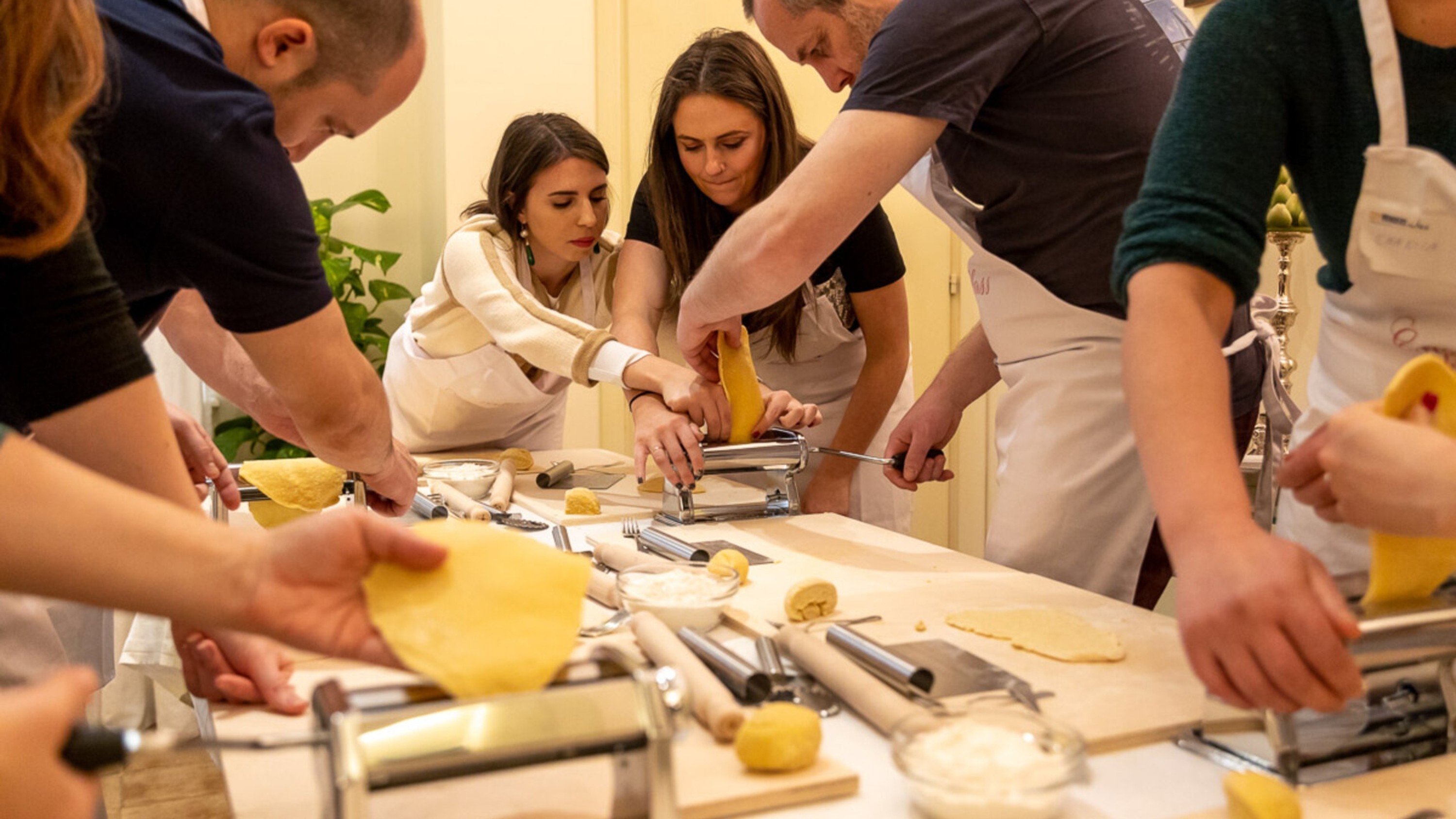
You will visit a fresh egg pasta workshop to taste home-made egg pasta and make tortellini. You will discover the history and legends of the Bolognese tortellini, the versions of the broth, the variants of the filling, the possible wine pairings which depend on the tortellini variation. You will discover how there is actually no “pure” tradition, an original and unchanging recipe, and how the hallmark of Bolognese cuisine is the mix of elements from different cultures.
8
You will visit an old delicatessen shop where you will be served cold cuts and cheeses (Mortadella, Salame, Prosciutto di Parma, Caciotta, Parmigiano Reggiano) with typical bread and local wine.
9
You will visit a Traditional Balsamic Vinegar boutique, to learn about Traditional Balsamic Vinegar of Modena and taste it.
10
Stop 10
Pass by
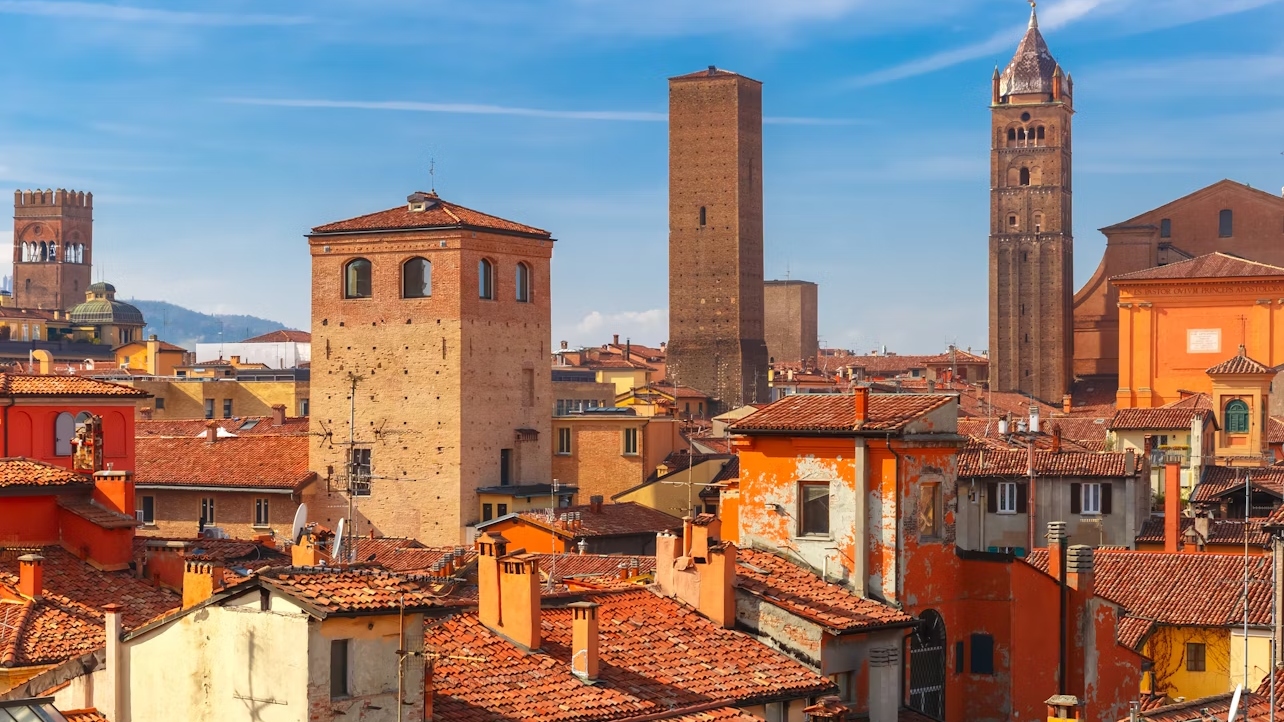
You will see the Two Towers. Thanks to tortellini and mortadella, among the city’s most iconic products, not to mention lasagna, tagliatelle and other delicacies, Bologna has earned international fame as a place of delights for centuries. This is confirmed by the accounts of many foreign travelers who stopped in Bologna between the 16th and 20th centuries. They all praised the city of the Two Towers as the kingdom of earthly paradise.
11
Stop 11
Pass by
You will see Palazzo della Mercanzia. Of all the cities in Emilia Romagna, Bologna is perhaps the most open and convivial. It is hard not to fall in love with its porticoes, its main square and its alleys dense with trattorias and restaurants.
12
You will visit an ice cream parlor to savor artisanal gelato.
Available languages
Guide guide
EN
IT
Reviews breakdown
Tripadvisor
5.0
3 reviews
5★
3
4★
0
3★
0
2★
0
1★
0
Important information
Infants and small children can ride in a pram or stroller
Service animals allowed
Public transportation options are available nearby
Infants are required to sit on an adult’s lap
Suitable for all physical fitness levels
Minimum drinking age is 18 years
Please advise of any specific dietary requirements at time of booking
Vegetarian options available with prior notice, please advise when booking
A moderate amount of walking is involved (2,5 km)
It is recommended to wear comfortable shoes without high heels
Meeting point
We will meet at Fontana del Nettuno, Piazza del Nettuno, 40124 Bologna BO
About Bologna
Bologna, the capital of the Emilia-Romagna region in Italy, is renowned for its rich history, vibrant culture, and exceptional cuisine. Known as 'La Dotta' for its university, 'La Grassa' for its food, and 'La Rossa' for its red-tiled roofs, Bologna offers a unique blend of medieval charm and modern sophistication.
Top Attractions
Two Towers (Due Torri)
The Two Towers, Garisenda and Asinelli, are iconic symbols of Bologna. Built in the 12th century, they offer panoramic views of the city from the top.
Architecture
1-2 hours
€5 for the Asinelli Tower, €2 for the Garisenda Tower
Piazza Maggiore
Piazza Maggiore is the heart of Bologna, surrounded by stunning medieval buildings, including the Basilica di San Petronio and the Palazzo d'Accursio.
Historical
30 minutes to a few hours
Free
Basilica di San Petronio
This massive basilica is one of the largest churches in the world. Built in the 14th century, it features a stunning interior with beautiful art and architecture.
Religious
1 hour
Free, €3 for the museum and crypt
Piazza Santo Stefano
Known as 'Piazza dei Guai' (Square of Troubles), this charming square is surrounded by medieval buildings and features the Basilica di Santo Stefano.
Historical
30 minutes to 1 hour
Free
Piazza del Nettuno
This square is home to the Fontana del Nettuno, a stunning fountain featuring a statue of Neptune. The square is also surrounded by beautiful Renaissance buildings.
Historical
30 minutes
Free
Archiginnasio
The Archiginnasio was the main building of the University of Bologna from 1563 to 1803. Today, it houses the Anatomical Theatre and the Historical Library.
Historical
1 hour
€5
Must-Try Local Dishes
Tortellini in Brodo
Tortellini pasta filled with a mixture of meats, served in a rich broth. A classic Bolognese dish, perfect for a comforting meal.
Main Dish
Contains meat and gluten
Ragù alla Bolognese
A rich meat-based sauce served with tagliatelle pasta. This iconic dish is a must-try for any visitor to Bologna.
Main Dish
Contains meat and gluten
Lasagne alla Bolognese
Layered pasta with ragù sauce and béchamel, baked to perfection. A hearty and delicious dish that showcases Bolognese cuisine.
Main Dish
Contains meat and gluten
Mortadella
A type of large Italian sausage made from finely ground heat-cured pork, flavored with spices. Often served in thin slices as an antipasto.
Snack
Contains pork and may contain other meats
Popular Activities
Cycling tours
Hiking in the nearby Apennine Mountains
Visiting spas and wellness centers
Strolling through the city's parks and gardens
Attending concerts and performances at Teatro Comunale
Visiting museums and art galleries
Boating on the Reno River
Ice skating in Piazza Maggiore
Best Time to Visit
April to June, September to October
The best time to visit Bologna is during the spring and autumn months when the weather is mild, and the tourist crowds are smaller. These seasons offer pleasant temperatures and fewer crowds, making it ideal for sightseeing and outdoor activities.
15-28°C
59-82°F
Practical Information
Language
- Official: Italian
- Widely spoken: English, French, Spanish
- English: Moderately spoken in tourist areas, limited elsewhere
Currency
Euro (EUR)
Time Zone
GMT+1 (CET), GMT+2 (CEST) during daylight saving time
Electricity
230VV, 50HzHz
Safety Information
Overall Safety Rating: Generally safe
Bologna is generally a safe city for travelers, with low crime rates and a welcoming atmosphere. However, as with any destination, it's important to be aware of your surroundings and take precautions to protect yourself and your belongings.
Important Precautions:
- • Keep valuables secure and out of sight
- • Be cautious of pickpockets and bag snatchers, especially in crowded areas
- • Avoid walking alone at night in isolated areas
Getting there
By air
- Bologna Guglielmo Marconi Airport • 6 km from city center
By train
Bologna Centrale
By bus
Bologna Autostazione
Getting around
Public transport
Bologna's public bus network is efficient and covers most of the city. Buses are a convenient way to get around, especially for reaching areas not served by the tram.
Taxis
Available • Apps: FreeNow, MyTaxi
Rentals
Car, Bike, Scooter
Neighborhoods
Centro Storico
Saragozza
San Vitale
Sant'Agostino
San Donato
Day trips
Modena
45 km from Bologna • Half day to full day
Modena is a charming city known for its rich history, beautiful architecture, and world-famous balsamic vinegar. It's a great day trip from Bologna, offering a mix of culture, history, and gastronomy.
Parma
100 km from Bologna • Full day
Parma is a beautiful city known for its rich cultural heritage, stunning architecture, and delicious food. It's a great day trip from Bologna, offering a mix of art, history, and gastronomy.
Ferrara
50 km from Bologna • Full day
Ferrara is a charming city known for its well-preserved Renaissance architecture, rich history, and vibrant cultural scene. It's a great day trip from Bologna, offering a mix of history, art, and local traditions.
Festivals
Bologna Jazz Festival • July
Bologna Children's Book Fair • March
Bologna Film Festival • June
Pro tips
- Explore the city's historic center on foot, as it's compact and pedestrian-friendly
- Try local specialties like tortellini, ragù alla Bolognese, and mortadella
- Visit the Two Towers for a panoramic view of the city
- Take a food tour to discover the city's rich culinary heritage
- Use public transportation or walk to get around, as driving in the city center can be challenging
From $25
per person
Price varies by option
Secure booking
Free cancellation available