Lalbagh Botanical Garden Early Morning Walk + Breakfast at MTR
Active
2h - 3h
For a full refund, cancel at least 24 hours before the scheduled departure time.
Instant confirmation
Mobile or paper ticket accepted
About this experience
Lalbagh Botanical Gardens present an oasis of fresh air in the midst of chaotic traffic of Bangalore. It is a 240-acre garden which serves as a major lung space, promptly contributing to the pseudonym that Bangalore has earned - The Garden City of India.
Lalbagh hosts more than 2100 species of tropical & sub-tropical plants. Other highlights of Lalbagh are - A 3 billion year old rock; A 16-century Watch Tower built by Kempegowda II; A 300-year old White Silk Cotton tree; A 20-million year fossil; A 270-year old Mango tree planted by Hyder Ali in 1760; A 19th century iconic Glass House built by the British; A 150-year old tallest tree of the Garden (of Bangalore too!); A 19 CE British Musical Band stand; and so on.
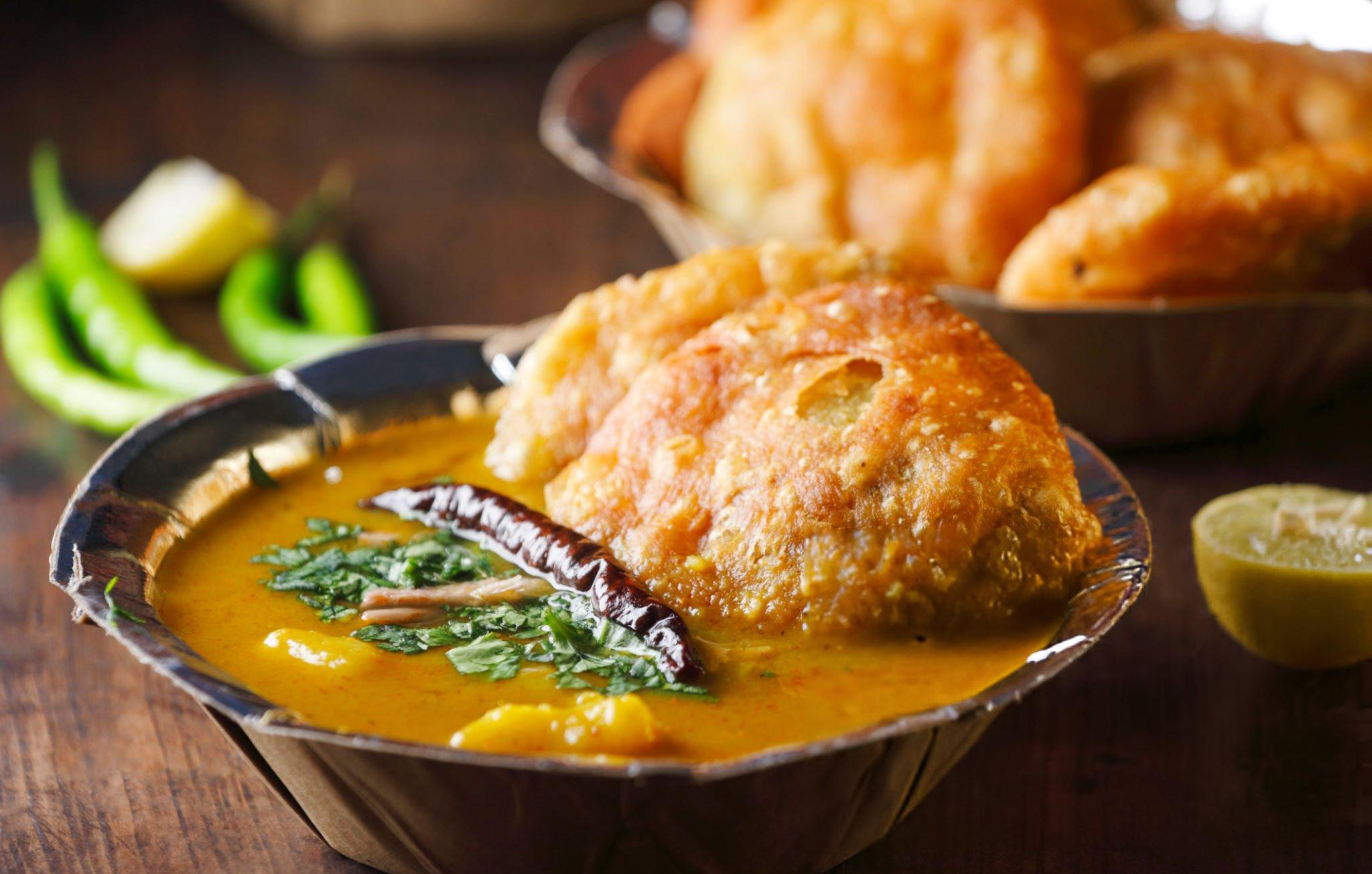
Apart from these, there is a beautiful lake, a lotus pond, a topiary, coffee plants, amazing wood sculptures, flowering trees, etc. The tour ends with a sumptuous breakfast at Mavalli Tiffin Room (except on Monday), a renowned eatery of Bangalore.
Come let's go for a Walk!
Available options
Lalbagh Botanical Garden Early
What's included
Breakfast on all days of the week, except Monday, is at MTR. On Monday, the breakfast will be at Lalbagh Grand hotel.
All Fees and Taxes
Detailed itinerary
1
The Govt. Approved Guide will meet and greet you at the entrance of the West Gate in front of the Ticket Counter. Lalbagh has four gates - East, West, North and South. The West Gate is on the R V Road and near to the Lalbagh Metro station.
2
Lalbagh, literally meaning 'Red Garden', was laid down by Hyder Ali in 1760 and further expanded to 240 acres by succeeding British and Indian horticulturists. This Garden is host to more than 2000 species of tropical and sub-tropical plants and trees. The Lake itself is an artificial lake giving the morning walkers a beautiful path around it to walk.
3
As we move from the lake we pass by many types of trees - the Copper pod, Jacaranda, Royal palm, Rain trees, Tulip trees, bamboo, gooseberry tree, coffee plants, etc. Undoubtedly the tree that is the star attraction of Lalbagh is the Ceiba Pentendra, or the White Silk-Cotton Tree, which is about 300 years old and the biggest of 'em all. From here we move towards Glass house passing by a Topiary, Frangipanis, a 20-million year old fossil of a tree, band stand, etc before arriving at the Glass House. This structure was built during the closing years of the 19th century by the British on a style similar to the Crystal Palace in London. Every year, two extraordinary Flower Shows are organized here coinciding with the Indian Independence Day and the Republic Day.
4
As we move from the Glass house, we cannot but appreciate the cool effect of the Ficus Benjamina trees which forms a boulevard. Around the same area we see a number of Wooden Sculptures made by local artists from trees which had fallen in the Garden in the last 10 years. The Kempegowda tower on top of the Stone Hill was built by the grandson of Kempegowda I who founded Bangalore in the 16th Century. The Stone hill itself is of great geological importance and is estimated to be 3000 million years old. Its a type of granite and is called the Peninsular Gneiss.
5
From the Glass house, we move towards the Lalbagh main gate or the Northern entrance. We pass by a Japanese Bonsai Garden, beautiful Boganvilla flowers, the tallest Aurocaria tree in the garden, a 270-year old mango tree, a statue of King Chamarajendra Wodeyar the Xth, a floral clock with the theme of Snow white, before arriving at the exit. From here, MTR, is about a five minute walk
6
Mavalli Tiffin Room or MTR was established in 1924 is an iconic eatery and one of the most popular vegetarian food joints in Bangalore. If you are a visitor to Bangalore, you are expected to have visited MTR and tasted its food. Even if we have to wait for our breakfast due to early morning rush, the wait would be worth it!
After a sumptuous breakfast, the guide would say goodbye to the visitors.
What's not included
Tips/gratuity to guide
Available languages
Guide guide
EN
Reviews breakdown
Viator
5.0
1 reviews
5★
1
4★
0
3★
0
2★
0
1★
0
Tripadvisor
4.8
4 reviews
5★
3
4★
1
3★
0
2★
0
1★
0
Important information
Not recommended for pregnant travelers
Public transportation options are available nearby
Suitable for all physical fitness levels
Foreign languages Guiding in French, Italian, or German is subject to availability
Meeting point
At the ticket counter
About Bangalore
Bangalore, the capital of Karnataka, is renowned for its pleasant climate, vibrant tech scene, and lush greenery. Known as the 'Garden City of India' and the 'Silicon Valley of India,' it offers a unique blend of modern IT hubs, historic landmarks, and serene parks.
Top Attractions
Lalbagh Botanical Garden
A historic botanical garden established in 1760, featuring a wide variety of plants, trees, and a beautiful glasshouse.
Nature
2-3 hours
₹20 (Indian), ₹250 (Foreigner)
Vidhana Soudha
The seat of the Karnataka Legislature, this impressive building is a fine example of Indo-Saracenic architecture.
Architecture
1 hour
Free
Bangalore Palace
Built in the late 19th century, this palace showcases Tudor-style architecture and houses a museum with royal artifacts.
Historical
2 hours
₹230 (Indian), ₹460 (Foreigner)
Cubbon Park
A lush green park in the heart of the city, perfect for a leisurely stroll, picnic, or bird-watching.
Nature
1-2 hours
Free
ISKCON Temple
A beautiful temple dedicated to Lord Krishna, known for its spiritual ambiance and architectural grandeur.
Religious
1-2 hours
Free
Must-Try Local Dishes
Dosa
A thin, crispy crepe made from fermented rice and lentil batter, often served with sambar and chutney.
Breakfast/Lunch
Vegetarian, can be vegan if made without ghee
Idli-Sambar
Soft, steamed rice cakes served with a tangy lentil-based stew.
Breakfast/Lunch
Vegetarian, can be vegan if made without ghee
Bisi Bele Bath
A flavorful rice dish cooked with lentils, vegetables, and a special spice blend.
Lunch/Dinner
Vegetarian, can be vegan if made without ghee
Filter Coffee
A strong, aromatic coffee brewed using a traditional filter.
Beverage
Vegan
Popular Activities
Trekking in Ramohalli
White-water rafting in Shivanasamudra
Camping in Savandurga
Spa and wellness treatments
Yoga and meditation classes
Picnics in Cubbon Park
Visiting temples and historical sites
Attending cultural festivals
Best Time to Visit
October to February
This is the best time to visit Bangalore due to its cool and pleasant weather, making it ideal for outdoor activities and sightseeing.
15°C to 28°C
59°F to 82°F
Practical Information
Language
- Official: Kannada
- Widely spoken: English, Hindi, Tamil, Telugu
- English: Widely spoken
Currency
Indian Rupee (INR)
Time Zone
IST (UTC+5:30)
Electricity
230VV, 50HzHz
Safety Information
Overall Safety Rating: Generally safe
Bangalore is generally safe for travelers, but petty crimes like pickpocketing and scams can occur. Exercise caution in crowded areas and at night.
Important Precautions:
- • Use trusted transportation services like Ola and Uber.
- • Be cautious of strangers offering unsolicited help or services.
- • Keep valuables secure and out of sight.
Getting there
By air
- Kempegowda International Airport • 40 km from city center
By train
Bangalore City Railway Station, Yesvantpur Junction
By bus
Kempegowda Bus Station, Shantigram Bus Stand
Getting around
Public transport
The metro system is efficient, clean, and air-conditioned, making it a popular choice for commuters.
Taxis
Available • Apps: Ola, Uber
Rentals
Car, Bike, Scooter
Neighborhoods
MG Road
Indiranagar
Koramangala
Whitefield
Day trips
Mysore
140 km from Bangalore • Full day
A historic city known for its stunning palace, rich cultural heritage, and beautiful gardens.
Shivanasamudra Falls
130 km from Bangalore • Full day
A stunning waterfall on the Kaveri River, offering scenic views and adventure activities.
Hampi
350 km from Bangalore • Overnight
A UNESCO World Heritage Site featuring ancient ruins, temples, and a unique landscape.
Festivals
Bangalore Karaga • March/April (during the full moon night of Chaitra)
Bangalore International Film Festival • November/December
Diwali • October/November (dates vary each year)
Pro tips
- Visit Bangalore during the peak season (October to February) for the best weather and experience.
- Use the Namma Metro for efficient and affordable travel within the city.
- Explore the city's vibrant street food scene, but be cautious of food hygiene and safety.
- Visit the city's many parks and gardens for a peaceful escape from the urban hustle and bustle.
- Attend local festivals and events for a unique cultural experience.
From $25
per person
Price varies by option
Secure booking
Free cancellation available
Instant confirmation