St Marks Church + Cubbon Park + Vidhana Soudha + Museum = Bangalore Royal Walk
Active
2h - 3h
For a full refund, cancel at least 24 hours before the scheduled departure time.
Instant confirmation
Mobile or paper ticket accepted
About this experience
This walking tour connects many dots from the colonial history of Bangalore. It provides a glimpse of the British presence and discusses their contribution to the evolution of Modern Bangalore. The tour also showcases two of the most prominent public buildings of Bangalore, built in different eras, but presently overlooking each other. A walk through the Cubbon park can be very refreshing and has promptly contributed to Bangalore earning the sobriquet "Garden City of India". The variety of flora adds to the charm of the walk through the Cubbon park. A visit to the Government Museum brings to life the artistic achievements from the ancient dynasties of Hoysala, Vijayanagara, Chalukya, Gangas, Cholas, etc. The museum is also home to many relics from the neolithic and megalithic remains from Karnataka. If you are not really going to visit the temples of Belur, Halebid, Hampi, Mysore, etc., a visit to this museum can be a good replacement.
Available options
St Marks Church + Cubbon Park + Vidhana Soudha + Museum = Bangalore Royal Walk
What's included
All Fees and Taxes
Detailed itinerary
1
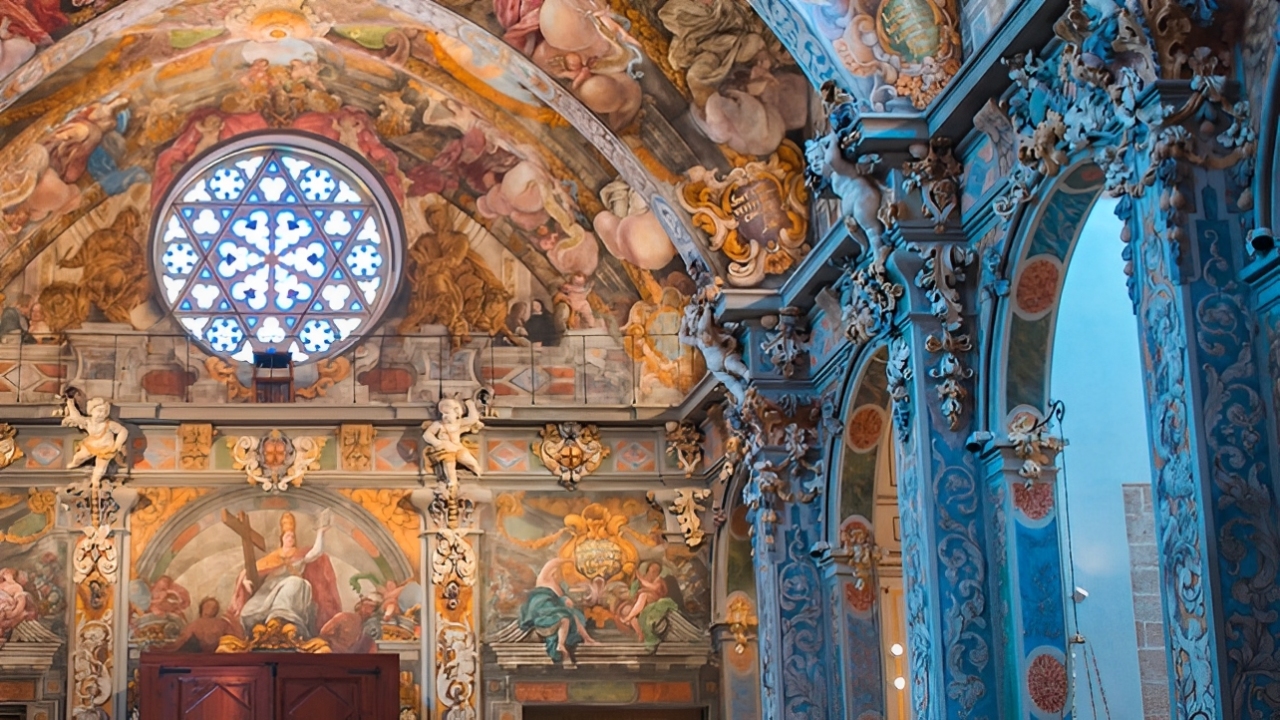
From the meeting point, which is the Bible Society of India, we walk and visit the St. Mark's Cathedral which is a hop away. St. Mark's Cathedral, dedicated to Saint Mark the Evangelist, is noted for its English Baroque architecture and inspired by the 17th century St Paul's Cathedral of London. Built initially in 1812 but went through massive reconstruction 1927 because of a major fire which broke out in 1923. One of the important possessions of the Cathedral is the pipe organ which was installed as a gift by Avis F Cowdrey of the Cowdrey family (father of former English Cricket Captain Colin Cowdrey), in memory of his parents in 1929. If entry to the Church is not possible for some reason, we see it from outside.
From here, we walk to the Statue of Queen Victoria which takes around 5 minutes.
2
The Statue of Queen Victoria is located at one of the entrances of Cubbon Park. The statue was unveiled on 5 February 1906 by the then Prince of Wales, the future King George V. The statue was raised out of funds raised by the residents of the Bangalore Civil and Military Station and contributions made by Krishna Raja Wadiyar IV, the Maharaja of Mysore. This Statue of Queen Victoria is one of the five of the original 50 statues of Queen Victoria which were installed in British India, to still stand at its original location.
From here we walk inside the Cubbon park, parallel to the Queen's road for about 10 minutes.
3
Edward VII reigned as the King of the United Kingdom and the British Dominions and Emperor of India between 1901 and 1910, following his mother Queen Victoria's death in 1901. The statue was unveiled on November 1919 by the then Viceroy and Governor-General of India, Frederic John Napier, Baron Chelmsford.
4
Vidhana Soudha is the most important landmark of Bangalore. It is the Parliament of the State of Karnataka and the seat of power. It was built in 1956 by Kengal Hanumanthayya, the then Chief Minister. It is very interesting to note that a critical remark made by a Russian delegation member in 1950 prompted the CM to initiate this building. And he chose to build it right about the British vestige in a way to dominate it. Built in neo-dravidian architecture, Vidhana Soudh can be considered as one of the Top 10 parliament buildings in the World. This building can only be seen from the outside since entry is not allowed.
5
Attara Kacheri represents the Colonial past of India. This building was built by the British in 1864 to house their Administrative machinery in South India. After the Indian Independence, Attara Kacheri served as the Legislature of Mysore State until the construction of Vidhana Soudha. Presently this building houses the High Court of Karnataka. Again this building can be seen only from the outside. After this, a 20 minute walk through the Cubbon Park takes us to the Bangalore Archaeological Museum which is located on other edge of the park.
6
This 300 acre park serves as the lung space in Central Bangalore. It contributes to Bangalore being called the Garden City of India. The park was created by Major General R. H. Sankey and was called the Meade Park originally after Sir John Meade, the acting Commissioner of Mysore State in 1870. Later it was renamed as Cubbon Park in honor of the longest serving British Commissioner of British Bangalore. The park was further renamed as Sri Chamarajendra Park after the 23rd ruler of Wodeyar dynasty in Mysore. But the park is still popular under the older name "Cubbon Park". Walking through this park, one passes by the statue of Sir Mark Cubbon, Band stand, Sheshadri Iyer memorial library, statue of Chamarajendra Wodeyar the Xth, etc before arriving at the Bangalore Archeological Museum.
7
Government Museum of Bangalore was established in 1865 by the Mysore State with the guidance of Surgeon Edward Balfour. It is one of the oldest museums in India and the second oldest museum in South India after the Egmore museum in Chennai. It is now an archaeological museum and has a rare collection of archaeological and geological artifacts including old jewellery, sculpture, coins and inscriptions. The museum is also home to the Halmidi inscription, the earliest known Kannada inscription dated to 450 AD.
The Walk ends after the visit of this Museum.
What's not included
Tips/gratuity to guide
Available languages
Guide guide
EN
Important information
Not recommended for pregnant travelers
Public transportation options are available nearby
Suitable for all physical fitness levels
Foreign languages Guiding in French, Italian, or German is subject to availability
For any reason if the church or the museum is closed, we visit them from the outside only
About Bangalore
Bangalore, the capital of Karnataka, is renowned for its pleasant climate, vibrant tech scene, and lush greenery. Known as the 'Garden City of India' and the 'Silicon Valley of India,' it offers a unique blend of modern IT hubs, historic landmarks, and serene parks.
Top Attractions
Lalbagh Botanical Garden
A historic botanical garden established in 1760, featuring a wide variety of plants, trees, and a beautiful glasshouse.
Nature
2-3 hours
₹20 (Indian), ₹250 (Foreigner)
Vidhana Soudha
The seat of the Karnataka Legislature, this impressive building is a fine example of Indo-Saracenic architecture.
Architecture
1 hour
Free
Bangalore Palace
Built in the late 19th century, this palace showcases Tudor-style architecture and houses a museum with royal artifacts.
Historical
2 hours
₹230 (Indian), ₹460 (Foreigner)
Cubbon Park
A lush green park in the heart of the city, perfect for a leisurely stroll, picnic, or bird-watching.
Nature
1-2 hours
Free
ISKCON Temple
A beautiful temple dedicated to Lord Krishna, known for its spiritual ambiance and architectural grandeur.
Religious
1-2 hours
Free
Must-Try Local Dishes
Dosa
A thin, crispy crepe made from fermented rice and lentil batter, often served with sambar and chutney.
Breakfast/Lunch
Vegetarian, can be vegan if made without ghee
Idli-Sambar
Soft, steamed rice cakes served with a tangy lentil-based stew.
Breakfast/Lunch
Vegetarian, can be vegan if made without ghee
Bisi Bele Bath
A flavorful rice dish cooked with lentils, vegetables, and a special spice blend.
Lunch/Dinner
Vegetarian, can be vegan if made without ghee
Filter Coffee
A strong, aromatic coffee brewed using a traditional filter.
Beverage
Vegan
Popular Activities
Trekking in Ramohalli
White-water rafting in Shivanasamudra
Camping in Savandurga
Spa and wellness treatments
Yoga and meditation classes
Picnics in Cubbon Park
Visiting temples and historical sites
Attending cultural festivals
Best Time to Visit
October to February
This is the best time to visit Bangalore due to its cool and pleasant weather, making it ideal for outdoor activities and sightseeing.
15°C to 28°C
59°F to 82°F
Practical Information
Language
- Official: Kannada
- Widely spoken: English, Hindi, Tamil, Telugu
- English: Widely spoken
Currency
Indian Rupee (INR)
Time Zone
IST (UTC+5:30)
Electricity
230VV, 50HzHz
Safety Information
Overall Safety Rating: Generally safe
Bangalore is generally safe for travelers, but petty crimes like pickpocketing and scams can occur. Exercise caution in crowded areas and at night.
Important Precautions:
- • Use trusted transportation services like Ola and Uber.
- • Be cautious of strangers offering unsolicited help or services.
- • Keep valuables secure and out of sight.
Getting there
By air
- Kempegowda International Airport • 40 km from city center
By train
Bangalore City Railway Station, Yesvantpur Junction
By bus
Kempegowda Bus Station, Shantigram Bus Stand
Getting around
Public transport
The metro system is efficient, clean, and air-conditioned, making it a popular choice for commuters.
Taxis
Available • Apps: Ola, Uber
Rentals
Car, Bike, Scooter
Neighborhoods
MG Road
Indiranagar
Koramangala
Whitefield
Day trips
Mysore
140 km from Bangalore • Full day
A historic city known for its stunning palace, rich cultural heritage, and beautiful gardens.
Shivanasamudra Falls
130 km from Bangalore • Full day
A stunning waterfall on the Kaveri River, offering scenic views and adventure activities.
Hampi
350 km from Bangalore • Overnight
A UNESCO World Heritage Site featuring ancient ruins, temples, and a unique landscape.
Festivals
Bangalore Karaga • March/April (during the full moon night of Chaitra)
Bangalore International Film Festival • November/December
Diwali • October/November (dates vary each year)
Pro tips
- Visit Bangalore during the peak season (October to February) for the best weather and experience.
- Use the Namma Metro for efficient and affordable travel within the city.
- Explore the city's vibrant street food scene, but be cautious of food hygiene and safety.
- Visit the city's many parks and gardens for a peaceful escape from the urban hustle and bustle.
- Attend local festivals and events for a unique cultural experience.
From $25
per person
Price varies by option
Secure booking
Free cancellation available
Instant confirmation