Guba - Khinalug Tour
Active
10h - 12h
For a full refund, cancel at least 24 hours before the scheduled departure time.
Instant confirmation
Mobile or paper ticket accepted
About this experience
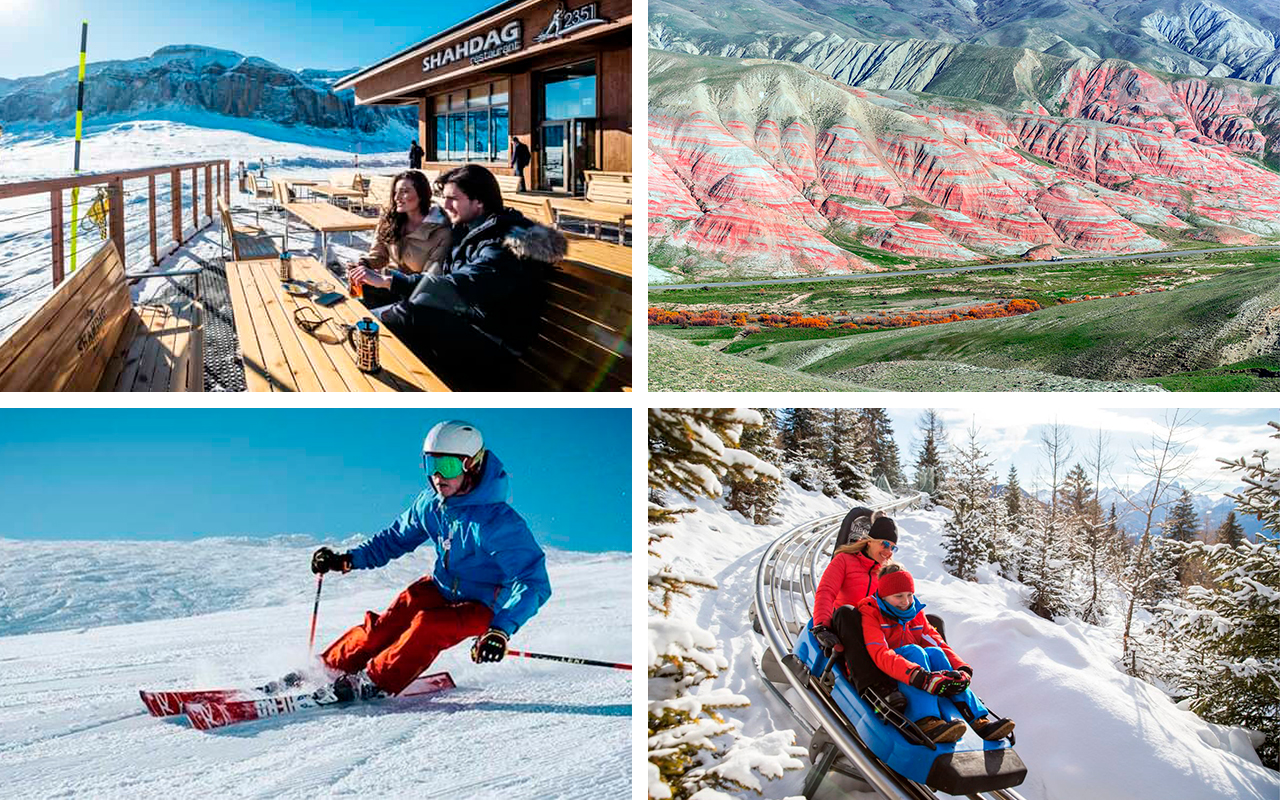
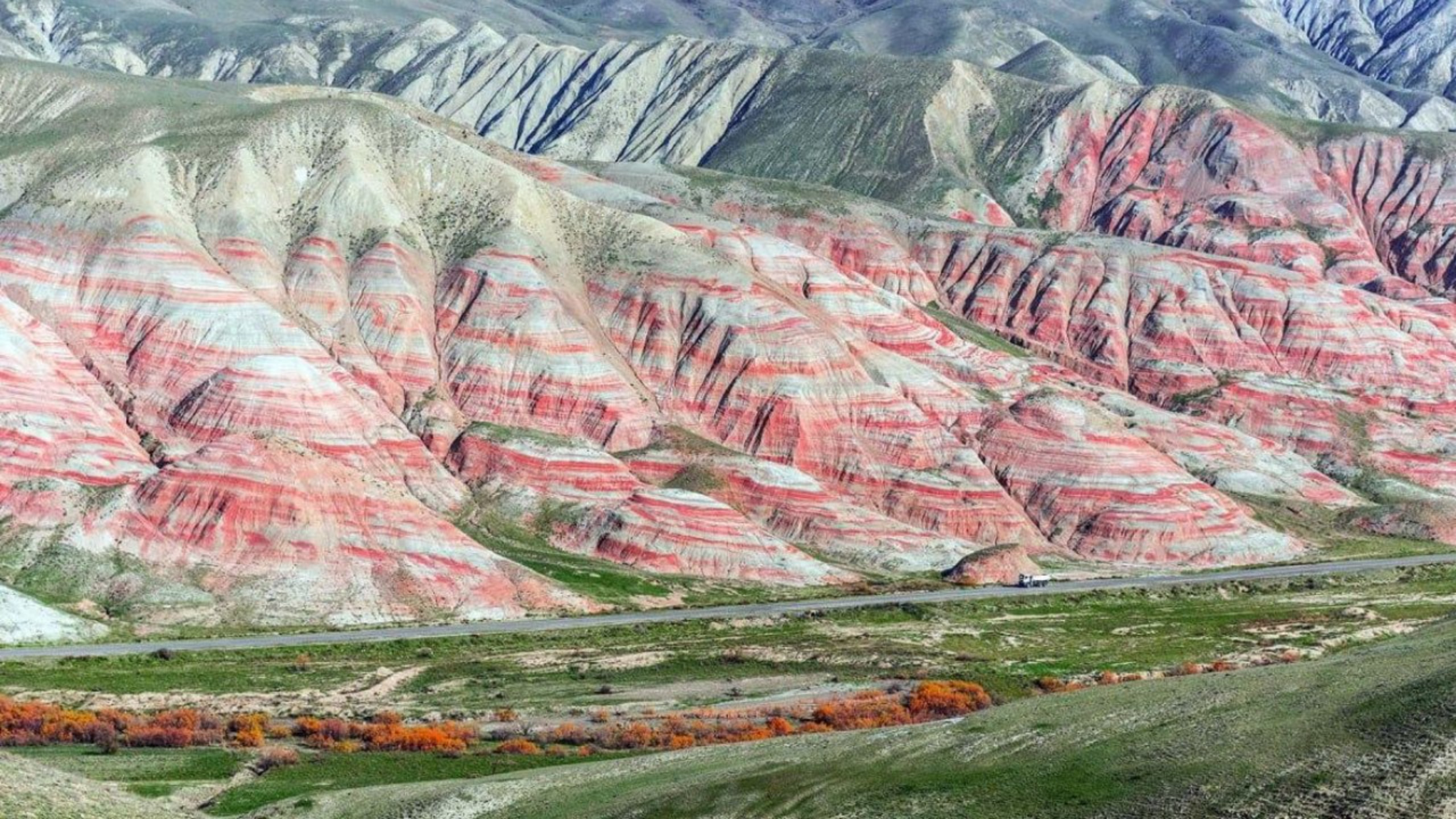
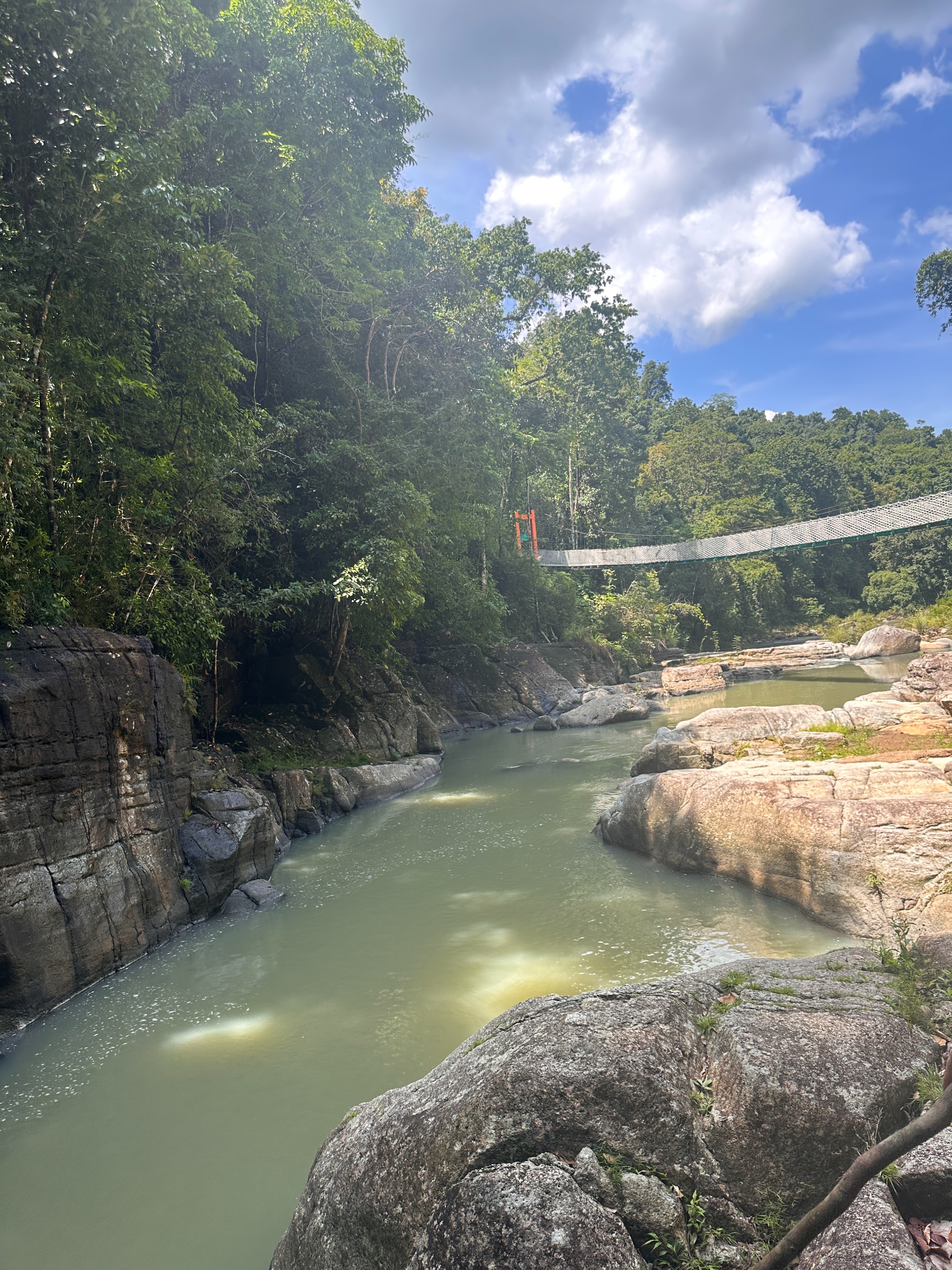
Enjoy breathtaking views of the landscape. Khinalug is one of most ancient settlements in the country where people have been continuously living for more than 5,000 years. Travelling here will allow you to discover this intriguing place and experience its breathtaking scenery and ancient traditions for yourself.
Available options
Guba - Khinalug Tour
Pickup included
What's included
Hotel pickup and drop-off
Professional Personal Driver
Private Transportation
Taxi fees to Khinalug village
Professional English Speaking Tour Guide
Detailed itinerary
1
First stop in Guba will be the ancient Handmade Carpet Factory called “Qadim Quba” which you will see the process of vowing carpets by the women of the city. You will have the opportunity to see how carpets, the copies of which are kept in the best world museums, are woven.
2
Sakina-Khanum Mosque was built in 1854 by the widow of Abbasgulu Bakikhanov. The mosque was built from red bricks and is similar to faceted cylinder. Each facet has a window in the form of a semicircular arch. The top of the facade is surrounded by an original eaves made from small bricks. From top this stately building is crowned with a big white metal dome in the shape of a multi-faceted helmet. The top of the dome is decorated by a graceful thin spike.
3
Juma Mosque was erected in the 19th century and constructed in typical Quba province style mosques. Inside of the mosque there is a big hall crowned with a huge 16 m diameter dome.
4
Red Town is located across the Qudiyalçay River (or Kudyal River) from the larger town of Quba. It is the primary settlement of Azerbaijan's population of highland, or mountain Jews who make up the population of approximately 4,000. The most widely spoken language in Red town is Juhuri. Red town is considered to be the world's last surviving shtetl. The settlement is sometimes referred to as the Red Town or the Red Village, possibly because of the red tiling used on many of the roofs. Other sources attribute the name to the protected status the town received during the Soviet period, when it was shielded from persecution during World War II.
5
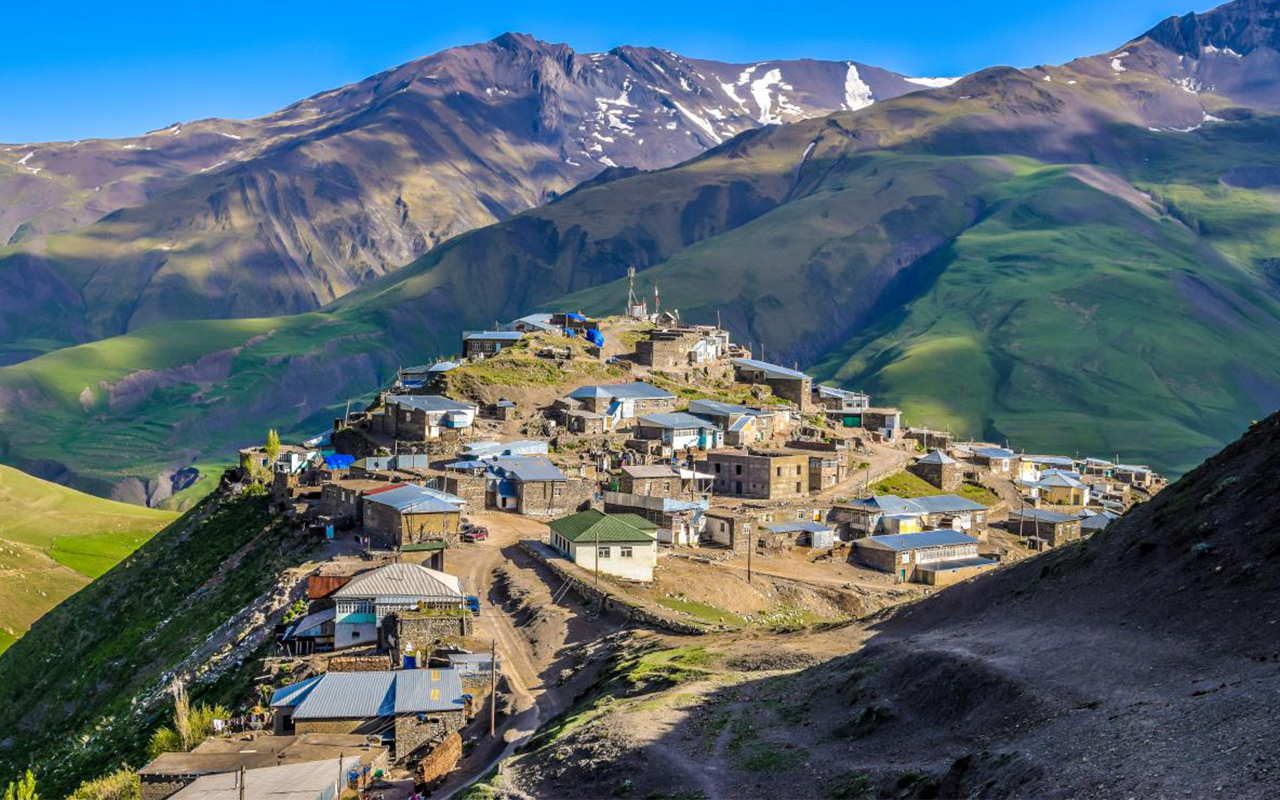
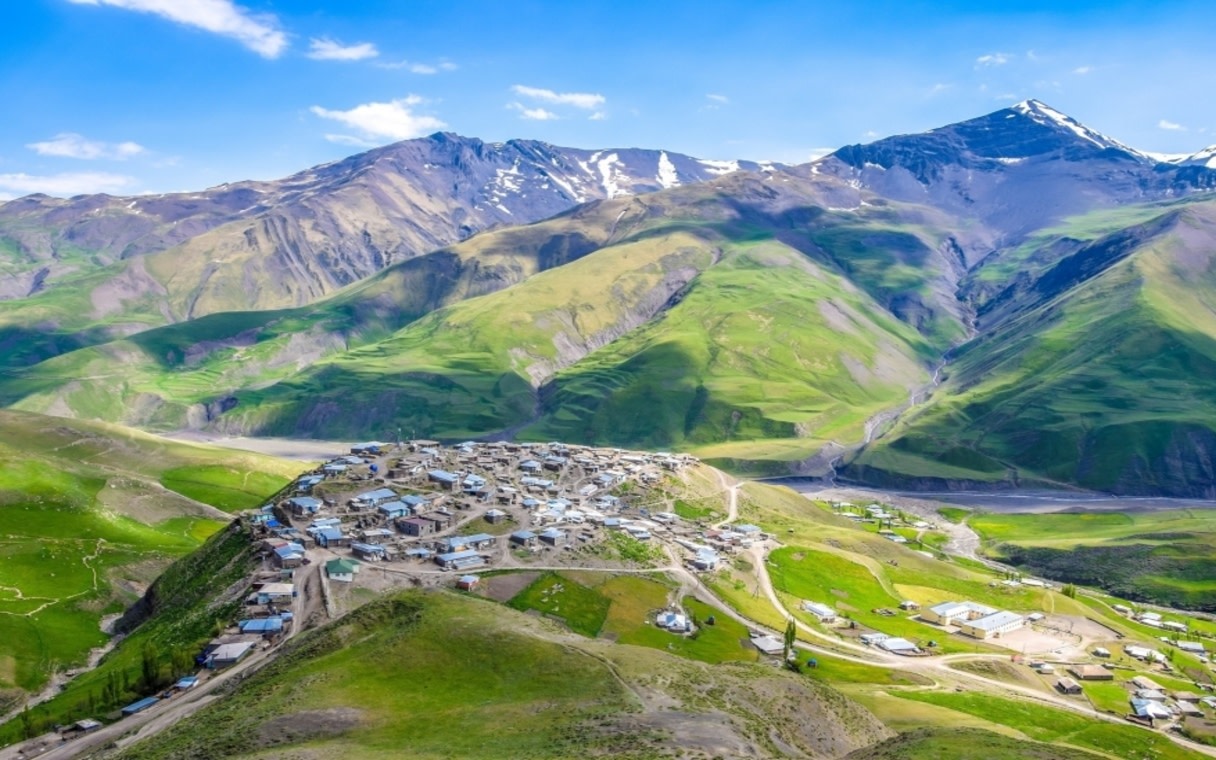
Finally, you’ll head up to Khinalug which is not only one of the world’s oldest inhabited regions (dating back to more than 5000 years) but also one of the Europe’s highest settlements at an altitude of over 2,350 meters. This picturesque village has a population of not more than 2000 people.In the Khinalug you will be invited to the one local house to drink tea and eat the local pastries. The inhabitants of Khinalug have preserved their traditional way of life.
6
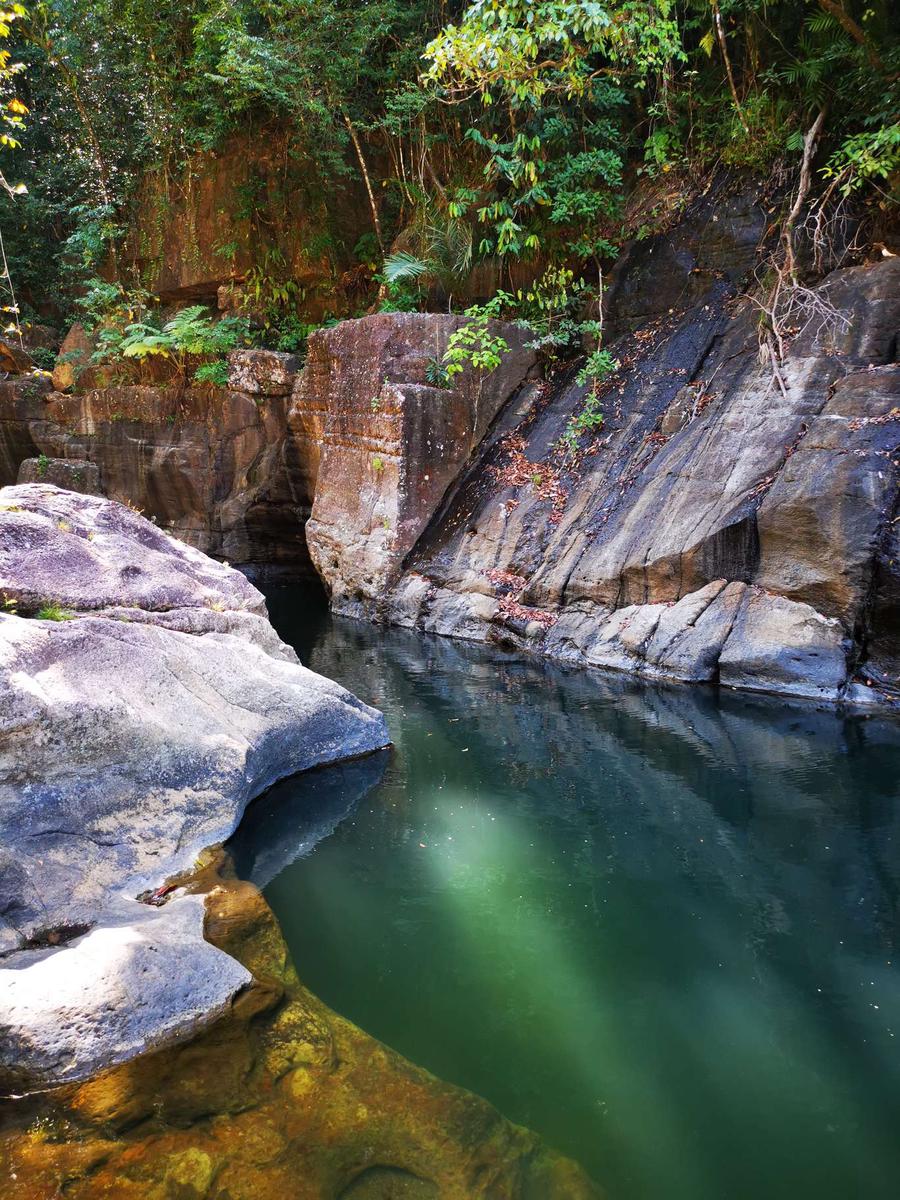
After the Khinalig Village you will visit to Mastargah Waterfall. This waterfall is not big. Anyway, you can visit and take some pictures on there. In waterfall area - they have restaurant, if you want you can eat some meals or you can do tea break.
7
On the way to Khinalug village we will stopover at the beautiful Qechresh Forest - one of the most visited forest, road cuts through the trees and offering panoramic way to enjoy.
What's not included
Personal Expenses
Meals
Available languages
Guide guide
EN
Important information
Suitable for all physical fitness levels
About Baku
Baku, the capital of Azerbaijan, is a vibrant city where modernity meets tradition. Situated on the Caspian Sea, it's known for its futuristic skyline, historic sites, and rich cultural heritage, including the ancient Maiden Tower and the iconic Flame Towers.
Top Attractions
Maiden Tower
A 12th-century monument that is a symbol of Baku. Its exact purpose remains a mystery.
Historical
1-2 hours
Moderate (5 AZN)
Flame Towers
Three futuristic skyscrapers that are landmarks of modern Baku. The towers are designed to resemble flames, a reference to Baku's ancient history as a center of the fire-worshipping Zoroastrian religion.
Architecture
30 minutes to 1 hour
Free to view from outside
Old City (Icheri Sheher)
The historic core of Baku, a UNESCO World Heritage site with ancient walls, narrow streets, and historic buildings.
Historical
2-3 hours
Free to explore, attractions within have varying costs
Baku Boulevard
A scenic park along the Caspian Sea with walking paths, cafes, and entertainment options.
Nature
1-2 hours
Free to enter, activities have varying costs
Heydar Aliyev Center
A stunning piece of modern architecture designed by Zaha Hadid. The center hosts exhibitions, concerts, and conferences.
Architecture
1-2 hours
Moderate (depends on the event)
Must-Try Local Dishes
Plov
A fragrant rice dish cooked with saffron, meat, and vegetables. It's often served at special occasions and is considered a national dish.
Main course
Contains meat, can be made vegetarian upon request
Dushbara
Tiny dumplings filled with minced meat and served in a broth. It's a popular street food in Baku.
Soup
Contains meat, can be made vegetarian upon request
Baku Piti
A traditional soup made with lamb, chickpeas, and noodles, served in a clay pot.
Soup
Contains meat, can be made vegetarian upon request
Baku Dolma
Grapes leaves or vegetables stuffed with a mixture of minced meat and rice, cooked in a spicy tomato sauce.
Appetizer
Contains meat, can be made vegetarian upon request
Popular Activities
Hiking in Gobustan National Park
Exploring mud volcanoes
Visiting the Shamakhi Astrophysical Observatory
Strolling along Baku Boulevard
Enjoying a cup of tea in a traditional teahouse
Relaxing at a local hammam (bathhouse)
Exploring the Old City
Visiting museums and historic sites
Best Time to Visit
April to June, September to October
This is the best time to visit Baku with pleasant weather, ideal for sightseeing and outdoor activities. Crowds are moderate, and the city hosts several festivals during these months.
18°C to 28°C
64°F to 82°F
Practical Information
Language
- Official: Azerbaijani
- Widely spoken: Russian, English (in tourist areas)
- English: Moderately spoken in tourist areas, limited elsewhere
Currency
Azerbaijani Manat (AZN)
Time Zone
GMT+4
Electricity
220VV, 50HzHz
Safety Information
Overall Safety Rating: Generally safe
Baku is generally safe for travelers, with low crime rates. However, petty crime like pickpocketing can occur in crowded areas. Exercise caution at night, especially in less touristy areas.
Important Precautions:
- • Keep valuables secure
- • Use official taxis or ride-hailing apps
- • Be cautious of strangers offering help or services
Getting there
By air
- Heydar Aliyev International Airport • 20 km from city center
By train
Baku Railway Station
By bus
Baku International Bus Terminal
Getting around
Public transport
The metro is efficient, clean, and affordable. It's the best way to get around the city quickly.
Taxis
Available • Apps: Bina Taxi, Yandex.Taxi
Rentals
Car, Bike
Neighborhoods
Old City (Icheri Sheher)
Nizami District
Khatai District
Day trips
Gobustan National Park
60 km from Baku • Full day
A UNESCO World Heritage site featuring ancient rock carvings, mud volcanoes, and a unique desert landscape. It's a great place for hiking and exploring.
Lankaran
220 km from Baku • Full day or overnight
A city in southern Azerbaijan known for its lush greenery, historic sites, and the nearby Hirkan National Park. It's a great place for nature lovers and history buffs.
Shamakhi
120 km from Baku • Full day
A historic city known for its ancient Juma Mosque, the Yeddi Gumbaz mausoleums, and the nearby Shamakhi Astrophysical Observatory. It's a great place for history lovers and those interested in astronomy.
Festivals
Baku International Jazz Festival • October
Baku International Film Festival (BAFTA) • October
Novruz Bayrami • March 20-21 (or around the spring equinox)
Pro tips
- Visit the Flame Fountain in Baku Boulevard, a unique attraction where natural gas flames continuously burn from a stone fountain
- Try traditional Azerbaijani tea in a local teahouse, such as Sazaghan Teahouse or Chaykhana #1
- Explore the Old City on foot, taking in the narrow streets, historic sites, and local markets
- Take a day trip to Gobustan National Park to see ancient rock carvings and mud volcanoes
- Visit the Heydar Aliyev Center, a stunning piece of modern architecture designed by Zaha Hadid
From $25
per person
Price varies by option
Secure booking
Free cancellation available
Instant confirmation