Private Tour from Castellammare, to Segesta, Erice, Trapani Salt Pans
Active
10h
For a full refund, cancel at least 24 hours before the scheduled departure time.
Instant confirmation
Mobile or paper ticket accepted
About this experience
As already mentioned, guests will be picked up at the agreed time and address, they will spend a day dedicated to the historical-cultural and food and wine discovery of this part of Western Sicily.
They will be able to enjoy the testimonies of ancient peoples who lived in these lands for years, from the ancient Elymians, to the Phoenicians, to the Romans, Byzantines, Arabs, Normans, Angevins, Aragonese, Spanish, Bourbons and Piedmontese. Each of these historical passages has left evidence of the era lived, making the whole of Sicily and in particular this area, a territory rich in archaeological parks, ancient castles, historic villages and splendid noble residences, all of this enriched by the pastry-making, culinary traditions and good wine, which make this territory unique in the modern world.
Available options
Private Tour from Castellammare, to Segesta, Erice, Trapani Salt Pans
Pickup included
What's included
Private transportation
Bottled water
In-car charging for mobile phones
Air-conditioned vehicle
Child seat and seat
Expenses; diesel, highway, parking, food and accommodation for the driver
Breakfast in Castellammare del Golfo, Bar La Sorgente "cassatelle and cappuccino"
Detailed itinerary
1
after having picked up the guests at the time and address indicated with vans (up to 8 pax), we will continue our journey in the direction of Catellammare del Golfo, we will stop at the La Fonte bar and all guests will be offered a breakfast based on of cassatele (a local dessert made with ricotta), coffee and cappuccino.
2
we will leave Castellammare del Golfo and head towards the archaeological park of Segesta.
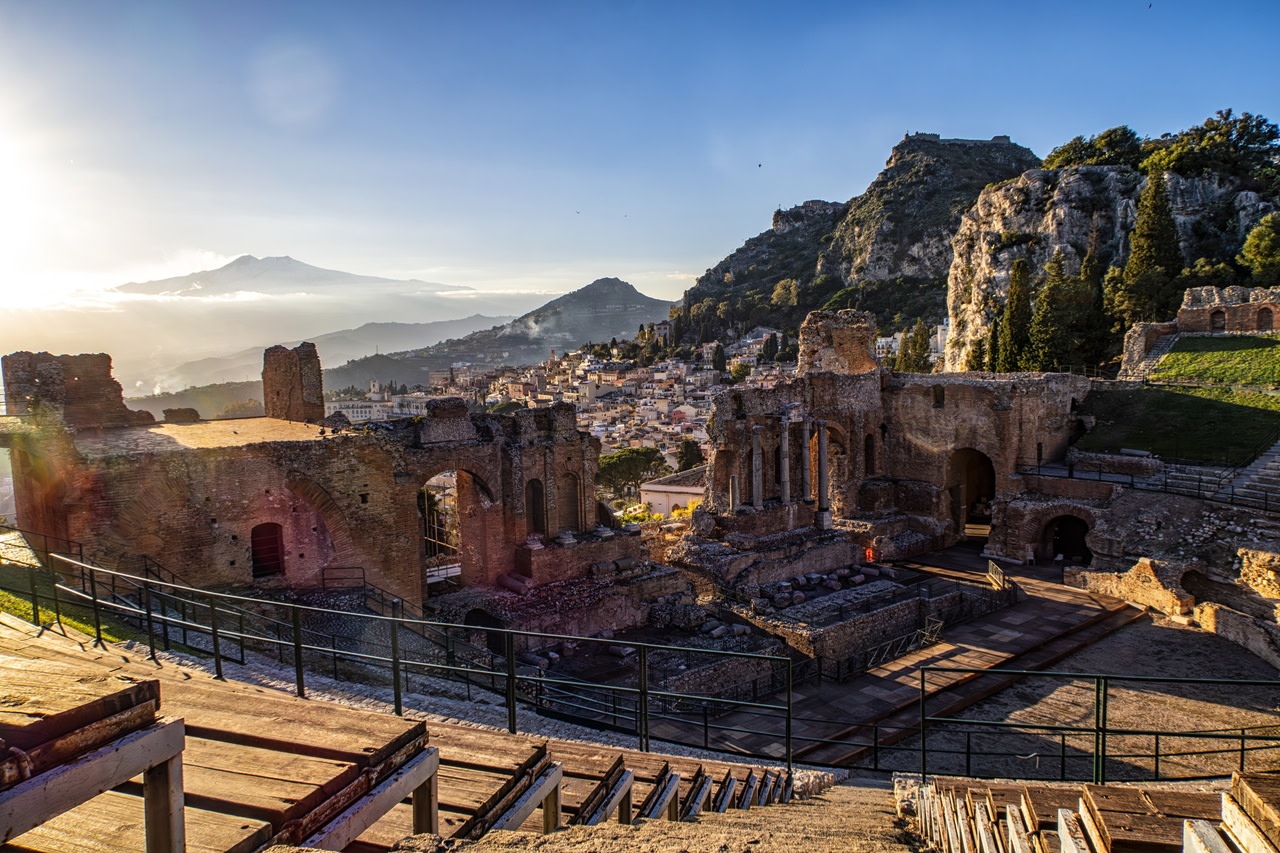
The ancient city of Segesta was built around the 7th century BC. from the Elemi, you can admire the ancient Doric temples, the agora and the theater on the top of the Barbarian mountain.
3
after leaving Segesta, our journey continues in the direction of Erice, this ancient city was also founded by the Elimi.
The name Erice was given in the Mussolini era, in fact in ancient times the city was called Monte Sangiuliano, the ancient village was built at around 750 meters above sea level. and it is a real fortress, with crenellated walls, guard towers, castles and access gates.
In addition to enjoying the splendid panorama of the Egadi islands, you can walk through the ancient streets of the village, where you can stop to eat in some ancient trattoria, taste the mandarla sweets and the Genoese sweets. If you want you can visit the ancient cathedral of Erice (Arab-Norman art), Castello di Venere and the Torre di Ligny.
4
Stop 4
we will leave Erice around 3.30pm and head towards the salt pans of Trapani and Paceco.
The salt pans of Trapani and Paceco represent a remnant of nature removed from urban expansion 26 years ago thanks to the establishment of the Reserve; in addition to being among the last remaining productive salt pans in Sicily, they are also a treasure chest of biodiversity, in which productive activities and nature conservation coexist.
Thanks to a guided tour, guests of the museum retrace the stages and events of a history spanning centuries and centuries.
Visiting these places allows you to discover the harmonies of a territory, which unites sea and land. Furthermore, the excursion helps to understand the high cultural value of an ancient industry, still current, which is that of salt cultivation.
After visiting the museum, you can walk in the surrounding salt pans. Among the canals that divide the various salt pans, visitors stroll immersed in a suggestive and colorful atmosphere.
What's not included
Entrance to museums and archaeological parks
Available languages
Written guide
DE
EN
IT
FR
ES
Reviews breakdown
Viator
5.0
1 reviews
5★
1
4★
0
3★
0
2★
0
1★
0
Important information
Specialized infant seats are available
Public transportation options are available nearby
Infants and small children can ride in a pram or stroller
Suitable for all physical fitness levels
meet and greet service
door to door service
About Trapani
Trapani is a charming coastal city in western Sicily, known for its stunning sea views, historic architecture, and rich cultural heritage. The city's unique blend of Mediterranean and Baroque influences, along with its proximity to the Egadi Islands, makes it a captivating destination for travelers.
Top Attractions
Erice
A medieval hilltop town with stunning views, historic churches, and narrow streets. Erice is known for its rich history and charming atmosphere.
Historical
Half day
Free to explore, fees for some sites
Egadi Islands
A group of islands known for their beautiful beaches, crystal-clear waters, and excellent snorkeling and diving opportunities.
Nature
Full day
Ferry tickets and accommodation vary
Trapani Cathedral
A beautiful Baroque-style cathedral with a striking facade and historic interior. The cathedral is a significant religious and cultural landmark.
Religious
1-2 hours
Free entry, fees for the crypt
Saline di Trapani e Paceco
A historic saltworks area with windmills and salt pans. The area is known for its unique landscape and traditional salt production methods.
Nature
Half day
Free to explore, fees for guided tours
Museo Regional d'Arte Moderna e Contemporanea di Trapani
A museum showcasing modern and contemporary art from Sicilian and international artists. The museum is housed in a historic building with a beautiful courtyard.
Museum
1-2 hours
Moderate entry fee
Must-Try Local Dishes
Pasta con le Sarde
A traditional Sicilian pasta dish with sardines, fennel, and wild fennel.
Main Course
Contains fish and shellfish
Couscous alla Trapanese
A local variation of couscous with fish, vegetables, and spices.
Main Course
Vegetarian options available
Cannoli
A classic Sicilian dessert with sweet ricotta filling in a crispy pastry shell.
Dessert
Contains dairy and gluten
Granita
A semi-frozen dessert made with sugar, water, and various flavors.
Dessert
Vegetarian and vegan options available
Popular Activities
Hiking in Erice
Snorkeling in the Egadi Islands
Boat tours to nearby islands
Sunbathing on the beach
Evening strolls along the Lungomare Dante
Coffee and pastry at local cafes
Visiting historic sites and museums
Attending local festivals and events
Best Time to Visit
June to August
This is the busiest time in Trapani, with warm weather and numerous festivals. The sea is perfect for swimming, and the city comes alive with cultural events.
22°C to 32°C
72°F to 90°F
Practical Information
Language
- Official: Italian
- Widely spoken: English, Sicilian dialect
- English: Moderately spoken in tourist areas
Currency
Euro (EUR)
Time Zone
GMT+1 (Central European Time)
Electricity
220VV, 50HzHz
Safety Information
Overall Safety Rating: Generally safe
Trapani is generally safe for travelers, with low crime rates and a welcoming atmosphere. However, it's important to take standard precautions to ensure a safe and enjoyable trip.
Important Precautions:
- • Keep valuables secure
- • Use licensed taxis
- • Be cautious of strangers offering unsolicited help
Getting there
By air
- Trapani-Birgi Airport • 15 km from city center
By train
Trapani Centrale
By bus
Trapani Bus Terminal
Getting around
Public transport
Buses are the primary mode of public transport in Trapani. The system is affordable and covers most areas of the city.
Taxis
Available • Apps: No widely used apps, hail on the street or at taxi stands
Rentals
Car, Bike, Scooter
Neighborhoods
Centro Storico
Lungomare Dante
San Giuliano
Day trips
Marsala
30 km from Trapani • Half day to full day
A town known for its historic sites, including the Lilybeo Archaeological Museum and the Church of San Giovanni Battista.
Segesta
50 km from Trapani • Half day
An ancient Greek site with well-preserved ruins, including a temple and a theater.
Mozia
10 km from Trapani (ferry ride) • Half day
A small island with ancient ruins, including a Punic port and a museum showcasing local artifacts.
Festivals
Festival of the Precious Blood • Mid-August
Infiorata di San Giovanni • Late June
Sagra del Couscous • September
Pro tips
- Visit the saltworks early in the morning for the best light and fewer crowds
- Try local dishes like Pasta con le Sarde and Couscous alla Trapanese
- Explore the historic center on foot to discover hidden gems and local shops
- Take a boat tour to the Egadi Islands for a unique perspective of the coast
- Attend local festivals and events for an immersive cultural experience
From $25
per person
Price varies by option
Secure booking
Free cancellation available
Instant confirmation