Travnik Jajce tour
Active
7h - 10h
All sales are final. No refund is available for cancellations.
Manual confirmation
Mobile or paper ticket accepted
About this experience
All our tours are made for our guests, so they are the ones who create and customize the tours as they wish.
Available options
Travnik Jajce tour
Pickup included
What's included
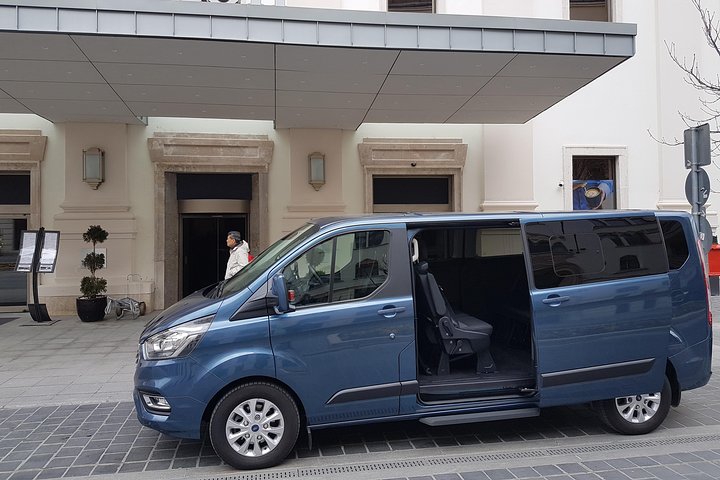
Private transportation
Air-conditioned vehicle
Fuel surcharge
Parking Fees
Detailed itinerary
1
Travnik Castle, locally known as old town castle, is a medieval town-fortress complex in the city of Travnik, Central Bosnia. Dating back to pre-Ottoman Bosnia when the former Christian Kingdom ruled the region, there is no historical data as to the construction date of the Medieval fortress. However, the construction type and other characteristics indicate that it was built sometime in the second half of the 14th century or in the first half of the 15th century. As a result It was probably built during the time of the Bosnian Kings Tvrtko II or Ostoja, and then rebuilt and expanded during the time of Stephen Thomas. The Travnik fortress was erected before the arrival of the Ottoman Turks for the purpose of defense, as the Ottomans penetrated deeper into Bosnia. Travnik itself was one of a number of fortified towns in the region built for this purpose, but was built too late to stem the Ottoman advance.
2
The colorful mosque, or Suleimaniya, is a mosque located in Travnik, in a section called the Lower Čaršija, and is assumed to have been built in the second half of the 16th century. The mosque of the mosque's first renovator is said to have been built by Gazi-aga. In 1757, vizier Camil Ahmed-aga erected a mosque called by the inhabitants of Camili. It was burned in a fire in 1815, and in its place a new mosque was erected by Bosnian vizier Sulejman Pasha Skopljak.
She was named Colorful because of her unusual interior and exterior wall decorations. The ground floor of the mosque is stateless. Suleimania is a unique example in Ottoman architecture where the same building is used for sacral and secular purposes.
3
Ivan Andrić; 9 October 1892 – 13 March 1975 was a Yugoslav novelist, poet and short story writer who won the Nobel Prize in Literature in 1961. His writings dealt mainly with life in his native Bosnia under Ottoman rule.
4
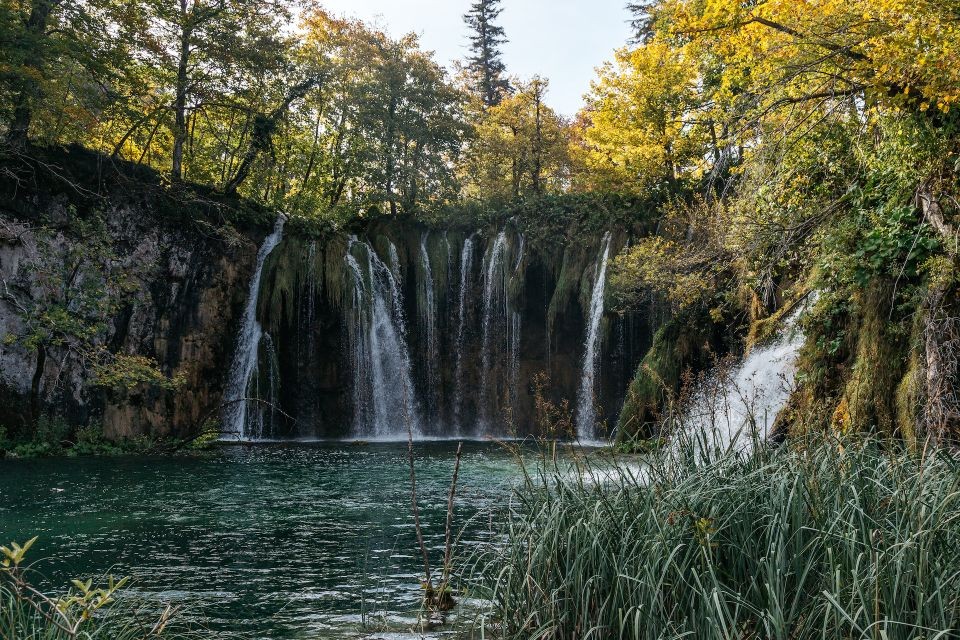
The Pliva Waterfall is located by the town of Jajce, in central Bosnia and Herzegovina, where the river Pliva meets the river Vrbas. It was 30 meters high, but after an earthquake during the Bosnian war and attacks on the power plant further up the river, the area was flooded and now the waterfall is 22 meters high.
5
The Walled City of Jajce is a medieval fortified nucleus of Jajce in Bosnia and Herzegovina, with citadel high above town on top of pyramidal-shaped steep hill, enclosed with approximately 1,300 metres (4,300 ft) long defensive walls,. It is one of the best preserved fortified capitals of the Bosnian Kingdom, the last stronghold before to kingdom dissolved under the pressure of military advancement at the onset of Ottoman Empire takeover.
6
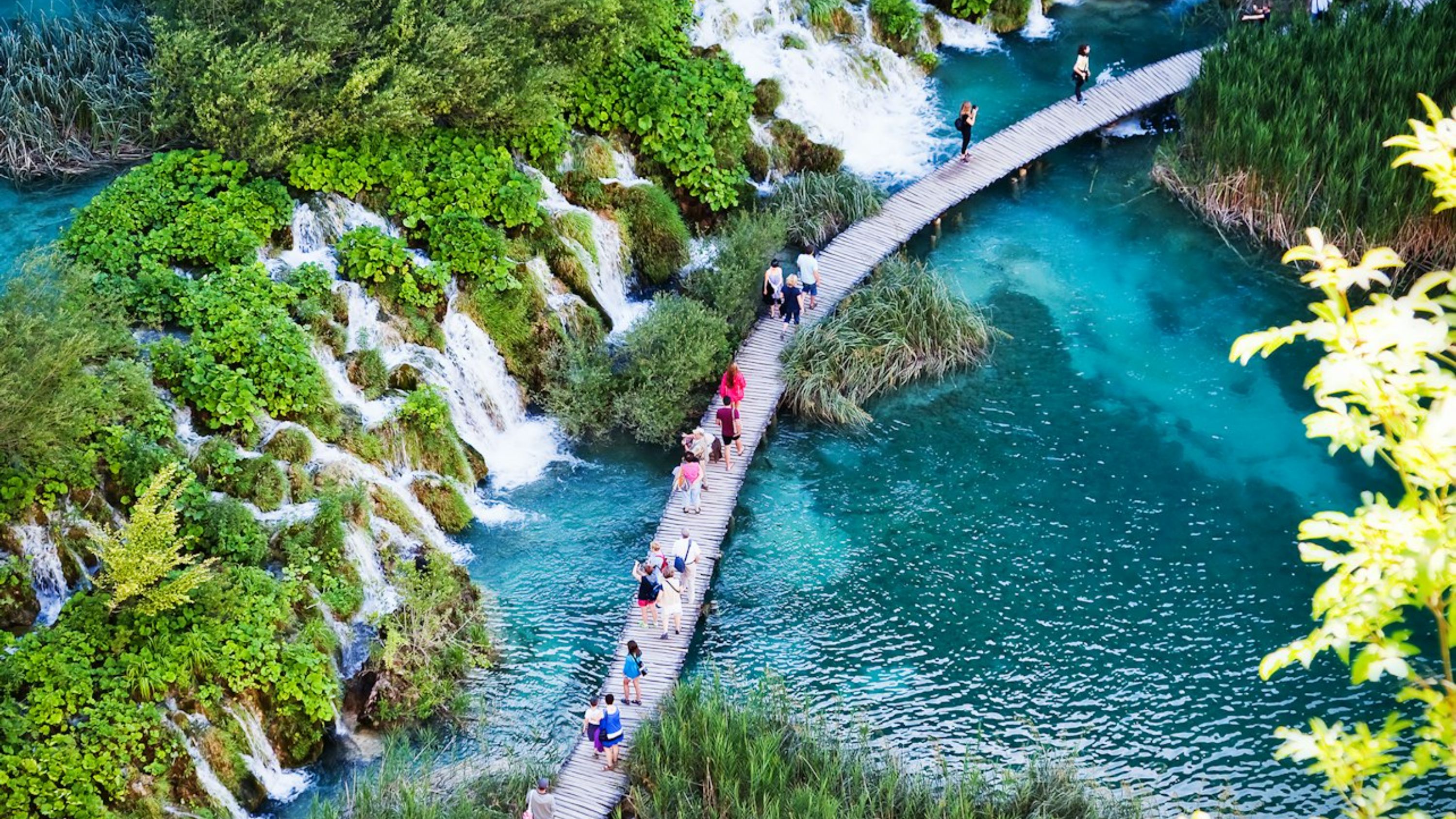
The Pliva lakes, which include the Great and the Small lakes, originated on the Pliva River, the left tributary of the Vrbas in Jajce. The lakes are located in the Pliva Valley, between Jajce and the settlement Jezero.
The Great Lake lies at an altitude of 424 m. It is about 3.3 km long, with an average width of about 400 and a maximum of about 700 m. The maximum depth of the lake is about 36 m. It originated at the point where Pliva ends its course, downstream of the settlement Jezero, and ends at the settlement Zaskoplje.
What's not included
Lunch
Dinner
Available languages
Guide guide
EN
Important information
Infants and small children can ride in a pram or stroller
Public transportation options are available nearby
Infants are required to sit on an adult’s lap
Specialized infant seats are available
Suitable for all physical fitness levels
About Sarajevo
Sarajevo, the capital of Bosnia and Herzegovina, is a city of rich history, cultural diversity, and stunning architecture. Known for its Ottoman, Austro-Hungarian, and Yugoslav heritage, Sarajevo offers a unique blend of Eastern and Western influences, making it a fascinating destination for travelers.
Top Attractions
Baščaršija
The old bazaar and cultural heart of Sarajevo, Baščaršija is a must-visit for its historic charm and traditional crafts.
Historical
1-2 hours
Free to explore, but shopping and dining costs vary
Sarajevo War Tunnel Museum
This museum showcases the tunnel that was used to supply the city during the Siege of Sarajevo.
Historical
1-2 hours
Moderate (around 10 EUR)
Yellow Fortress (Žuta Tabija)
A historic fortress offering panoramic views of the city and the Miljacka River.
Historical
1 hour
Free
Must-Try Local Dishes
Ćevapi
Grilled minced meat sausages, typically served with somun (flatbread) and onions.
Main Dish
Contains meat, gluten (from bread)
Burek
A flaky pastry filled with meat, cheese, or spinach.
Snack
Contains gluten, can be vegetarian (cheese or spinach versions)
Begova Čorba
A rich and flavorful beef and vegetable soup, often served with noodles or rice.
Soup
Contains meat, gluten (from noodles or rice)
Popular Activities
Skiing
Hiking
Mountain biking
Coffee tasting
Spa treatments
Strolling through Baščaršija
Visiting museums
Attending festivals
Best Time to Visit
May to September
This is the best time to visit Sarajevo due to the pleasant weather and numerous outdoor activities and festivals.
15°C to 30°C
59°F to 86°F
Practical Information
Language
- Official: Bosnian
- Widely spoken: English, Serbian, Croatian
- English: Moderately spoken
Currency
Bosnia and Herzegovina Convertible Mark (BAM)
Time Zone
CET (GMT+1), CST (GMT+2) during daylight saving time
Electricity
220VV, 50HzHz
Safety Information
Overall Safety Rating: Generally safe
Sarajevo is generally safe for travelers, but petty crime and scams can occur, especially in tourist areas. Be cautious of your surroundings and take standard precautions.
Important Precautions:
- • Be cautious of your belongings in crowded areas
- • Use official taxis and ensure the meter is used
- • Avoid walking alone at night, especially in poorly lit areas
Getting there
By air
- Sarajevo International Airport • 10 km from city center
By train
Sarajevo Central Station
By bus
Sarajevo Bus Terminal
Getting around
Public transport
The tram system is efficient and affordable, connecting key areas of the city.
Taxis
Available • Apps: Yutong
Rentals
Car, Bike
Neighborhoods
Old Town (Stari Grad)
Marijin Dvor
Grbavica
Day trips
Mostar
130 km • Full day
Mostar is famous for its iconic Stari Most (Old Bridge) and rich Ottoman heritage.
Travnik
90 km • Full day
Travnik is known for its Ottoman architecture and as the former residence of Bosnian governors.
Jahorina Mountain
30 km • Half day to full day
Jahorina is a popular destination for skiing, hiking, and enjoying nature.
Festivals
Sarajevo Film Festival • August
Sarajevo Winter Festival • December to February
Sarajevo Jazz Festival • November
Pro tips
- Visit the Yellow Fortress at sunset for the best views of the city
- Try traditional Bosnian coffee at a local café for an authentic experience
- Explore the city's street art and murals, which tell stories of its history and culture
- Take a day trip to Mostar to see the iconic Stari Most and experience another side of Bosnia
- Learn a few basic phrases in Bosnian to enhance your interactions with locals
From $25
per person
Price varies by option
Secure booking
Free cancellation available