Chauffeured Private Tour of Rome
Active
8h
For a full refund, cancel at least 24 hours before the scheduled departure time.
Instant confirmation
Mobile or paper ticket accepted
About this experience
Discover the Eternal City in unparalleled comfort and style with our Chauffeured Private Tour of Rome. Perfect for travelers who value flexibility, privacy, and luxury, this tour offers an exclusive way to explore the most iconic landmarks and hidden gems of the Italian capital.
Tour Highlights
Customizable Itinerary
Your journey begins with a personalized itinerary tailored to your interests and schedule. Whether you want to immerse yourself in ancient history, marvel at Renaissance art, or enjoy a leisurely stroll through Rome’s piazzas, our expert drivers will ensure a seamless experience.
Luxury Transportation
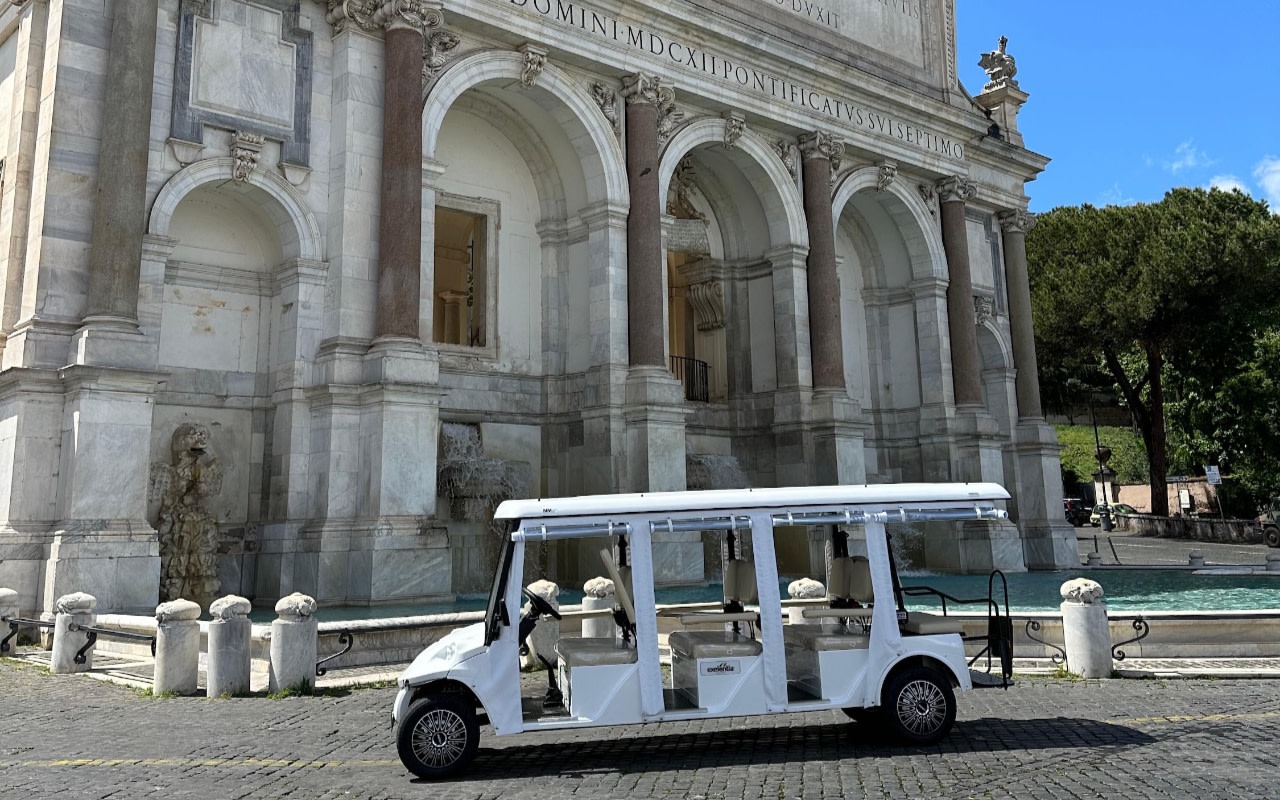
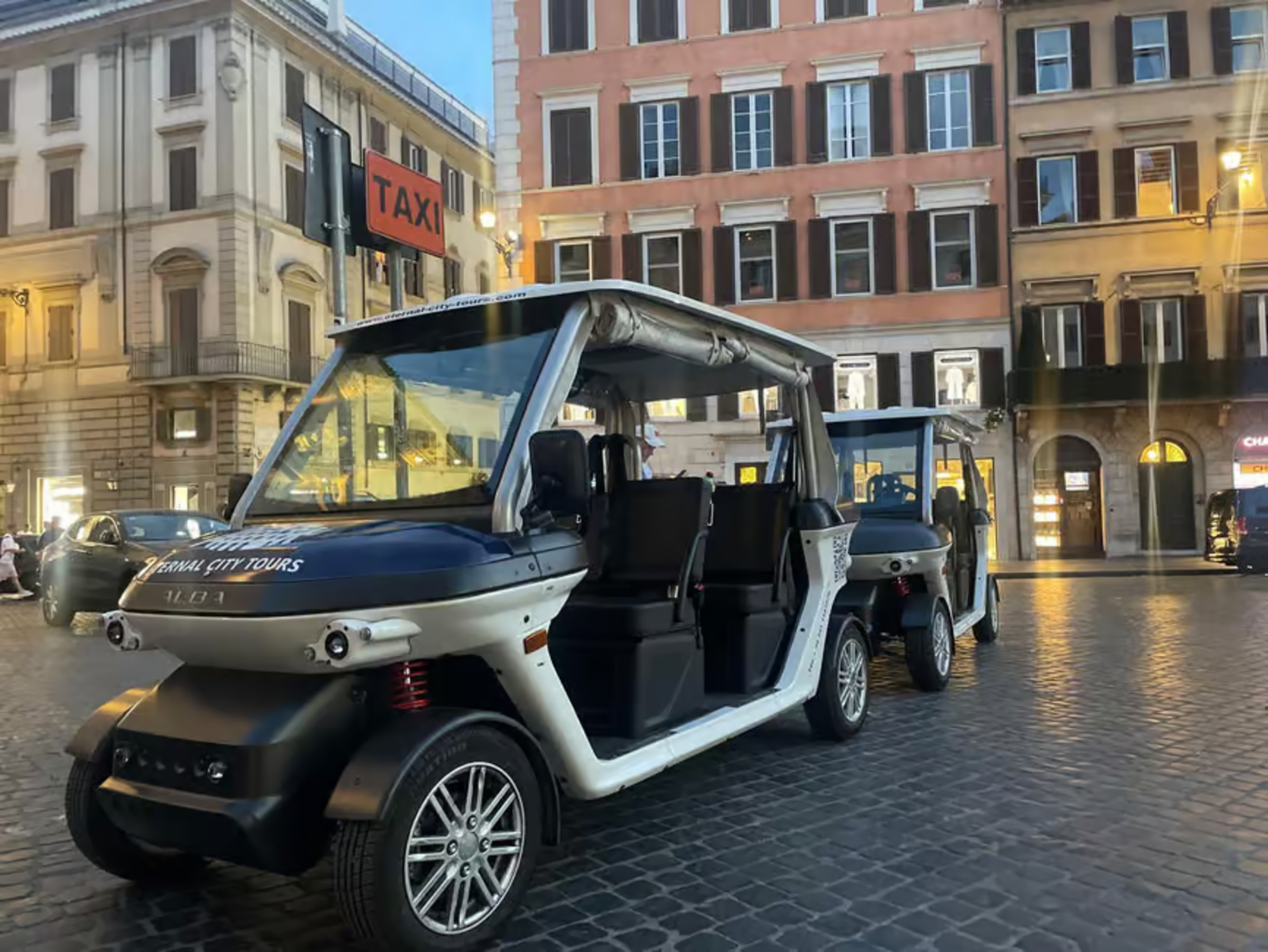
Travel in a spacious, air-conditioned Mercedes-Benz vehicle, providing you with the utmost comfort and style. Your professional, English-speaking chauffeur will share local insights and stories to enhance your journey.
Available options
Rome Hotel Pick Up
Pickup included
Civitavecchia Port Pick up
Civitacecchia Cruise Port Pick<br/>Pickup included
Fiumicino apt-hotel pick up
Fiumicino Hotel or airport pic<br/>Duration: 8 hours: 8 hours plus transfer to Rome<br/>Fiumicino to Rome tour<br/>Pickup included
What's included
Hotel pickup and drop-off
English-speaking driver
Full-day private tour of Rome 8 hours
Transport by air-conditioned sedan /minivan
Detailed itinerary
1
Stop 1
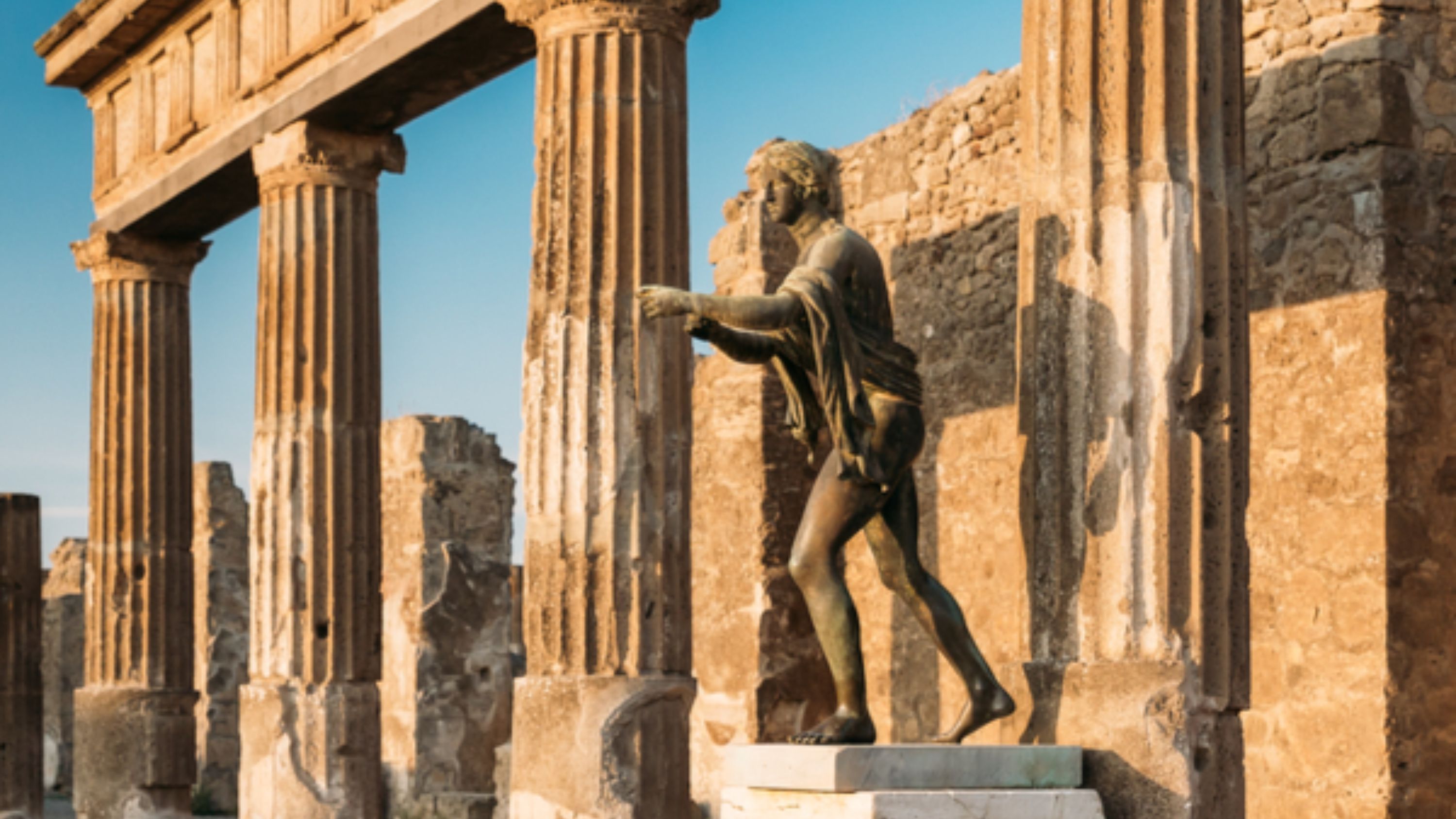
The Roman Forum, also known by its Latin name Forum Romanum (Italian: Foro Romano), is a rectangular forum (plaza) surrounded by the ruins of several important ancient government buildings at the center of the city of Rome. Citizens of the ancient city referred to this space, originally a marketplace, as the Forum Magnum, or simply the Forum.
2
Stop 2
The Circus Maximus (Latin for greatest or largest circus; Italian: Circo Massimo) is an ancient Roman chariot-racing stadium and mass entertainment venue located in Rome, Italy. Situated in the valley between the Aventine and Palatine Hills, it was the first and largest stadium in ancient Rome and its later Empire. It measured 621 m (2,037 ft) in length and 118 m (387 ft) in width and could accommodate over 150,000 spectators.[1] In its fully developed form, it became the model for circuses throughout the Roman Empire. The site is now a public park.
3
Stop 3
The Papal Basilica of St. Paul Outside the Walls (Italian: Basilica Papale di San Paolo fuori le Mura), commonly known as St. Paul's Outside the Walls, is one of Rome's four ancient, papal, major basilicas,[a] along with the basilicas of St. John in the Lateran, St. Peter's, and St. Mary Major.
4
Stop 4
The Trevi Fountain (Italian: Fontana di Trevi) is a fountain in the Trevi district in Rome, Italy, designed by Italian architect Nicola Salvi and completed by Giuseppe Pannini and several others. Standing 26.3 metres (86 ft) high and 49.15 metres (161.3 ft) wide,[1] it is the largest Baroque fountain in the city and one of the most famous fountains in the world. The fountain has appeared in several notable films, including Roman Holiday, Federico Fellini's La Dolce Vita, the eponymous Three Coins in the Fountain, The Lizzie McGuire Movie, and Sabrina Goes to Rome.
5
Stop 5
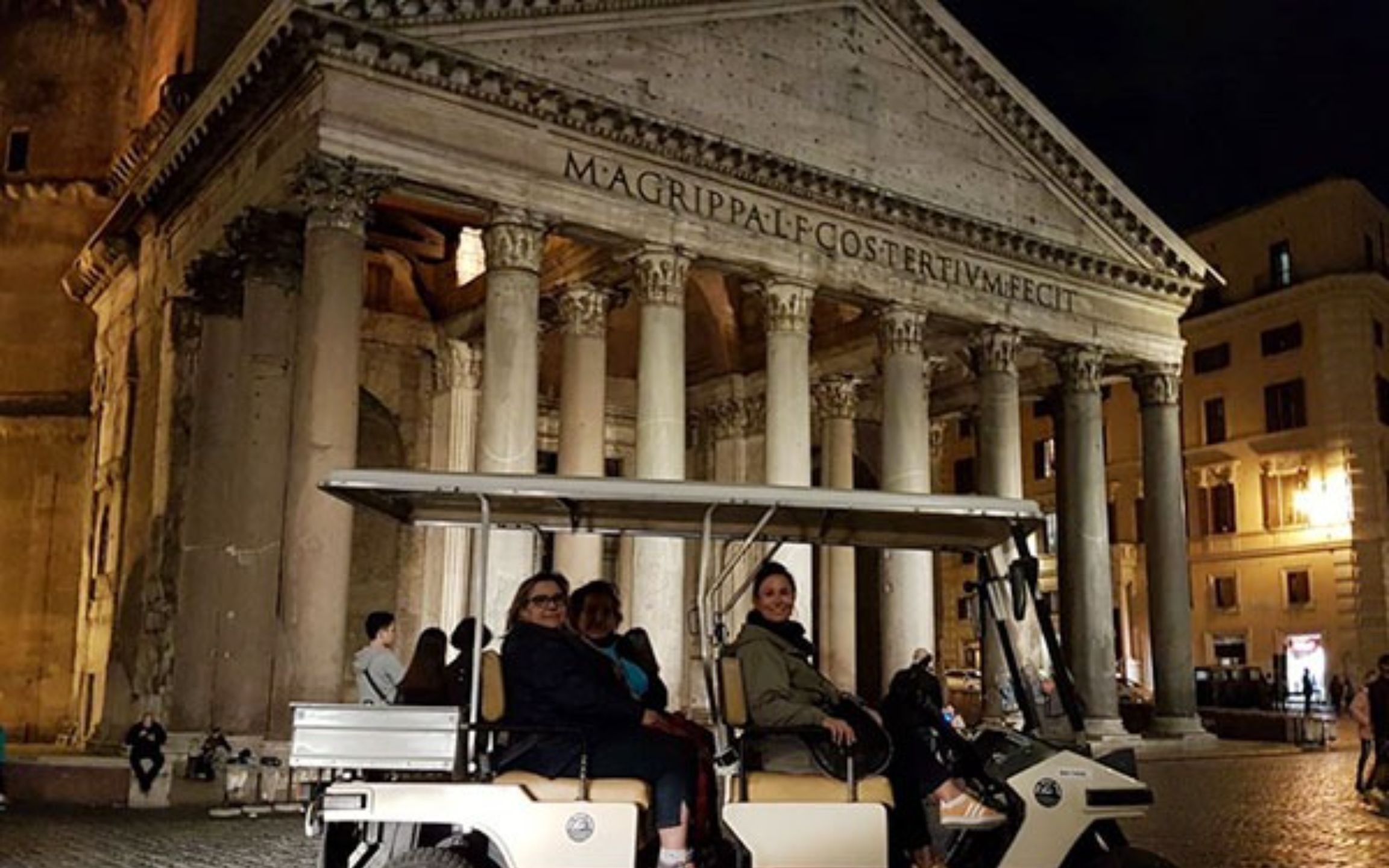
The Pantheon (UK: /ˈpænθiən/, US: /-ɒn/;[1] Latin: Pantheum,[nb 1] from Greek Πάνθειον Pantheion, "[temple] of all the gods") is a former Roman temple, now a church, in Rome, Italy, on the site of an earlier temple commissioned by Marcus Agrippa during the reign of Augustus (27 BC – 14 AD). It was completed by the emperor Hadrian and probably dedicated about 126 AD. Its date of construction is uncertain, because Hadrian chose not to inscribe the new temple but rather to retain the inscription of Agrippa's older temple, which had burned down.[2]
6
Stop 6
Piazza Navona (pronounced [ˈpjattsa naˈvoːna]) is a square in Rome, Italy. It is built on the site of the Stadium of Domitian, built in the 1st century AD, and follows the form of the open space of the stadium.[1] The ancient Romans went there to watch the agones ("games"), and hence it was known as "Circus Agonalis" ("competition arena"). It is believed that over time the name changed to in avone to navone and eventually to navona.
7
Stop 7
Pass by
Vittorio Emanuele II Monument (Italian: "Monumento Nazionale a Vittorio Emanuele II"), also known as the (Mole del) Vittoriano, Il Vittoriano, or Altare della Patria (English: "Altar of the Fatherland"), is a monument built in honor of Victor Emmanuel II, the first king of a unified Italy, located in Rome, Italy.[1] It occupies a site between the Piazza Venezia and the Capitoline Hill. It's currently managed by the Polo Museale del Lazio, the Italian Ministry of Defense and the Museo Centrale del Risorgimento Italiano (Museo centrale del Risorgimento al Vittoriano).
8
Stop 8
The Capitolium or Capitoline Hill (/ˈkæpɪtəˌlaɪn, kəˈpɪ-/;[1][2] Italian: Campidoglio [kampiˈdɔʎʎo]; Latin: Mōns Capitōlīnus [ˈmoːns kapɪtoːˈliːnʊs]; ), between the Forum and the Campus Martius, is one of the Seven Hills of Rome.
9
Stop 9
The Appian Way (Latin and Italian: Via Appia) is one of the earliest and strategically most important Roman roads of the ancient republic. It connected Rome to Brindisi, in southeast Italy.[1] Its importance is indicated by its common name, recorded by Statius:[2]
10
Stop 10
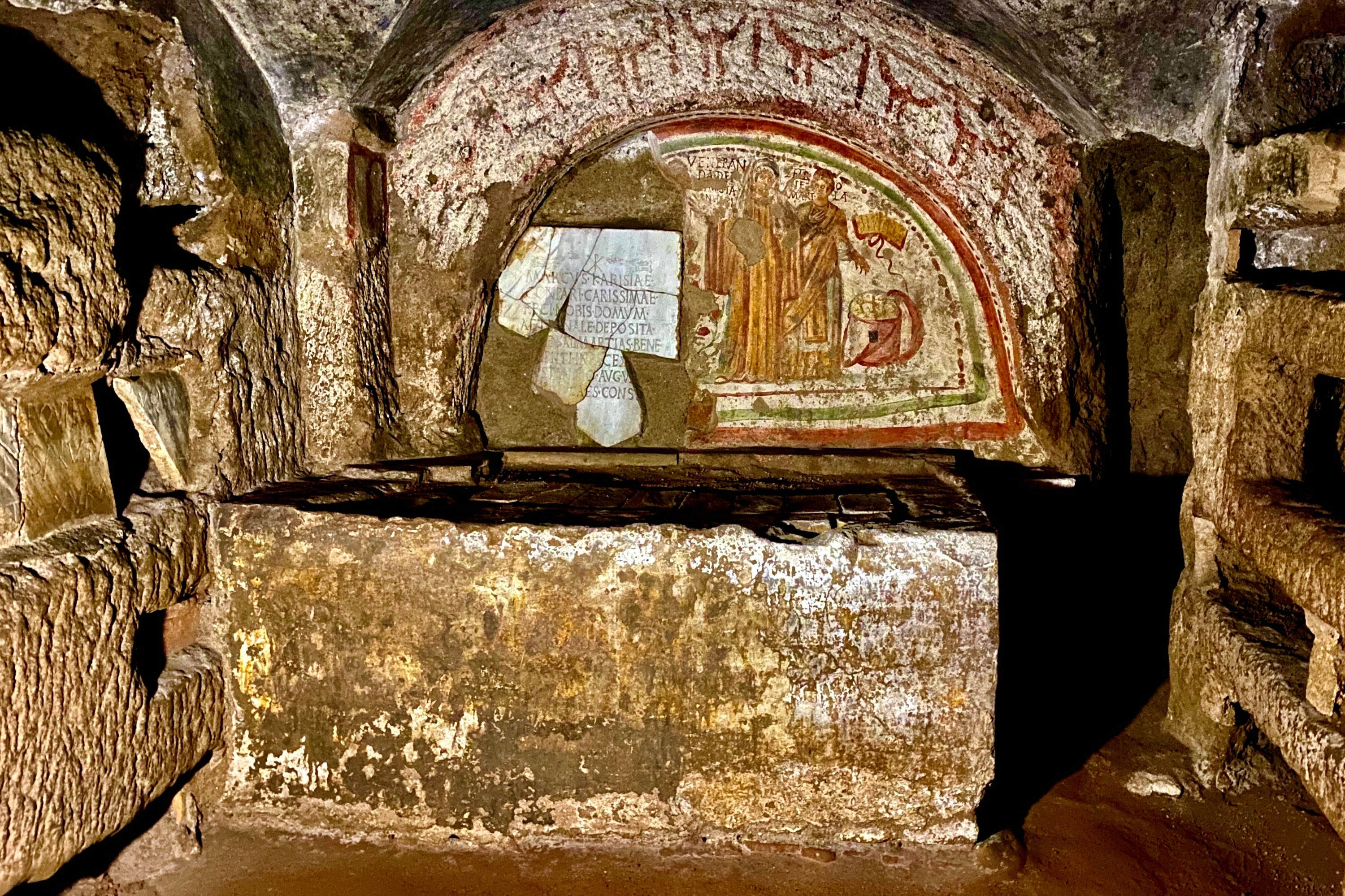
The Catacomb(s) of Callixtus (also known as the Cemetery of Callixtus) is one of the Catacombs of Rome on the Appian Way, most notable for containing the Crypt of the Popes (Italian: Cappella dei Papi), which once contained the tombs of several popes from the 2nd to 4th centuries
What's not included
Food and drinks
Gratuities
Official guide at listed destinations
Entrance fees at the museums and historical sites
Available languages
Guide guide
EN
Reviews breakdown
Viator
4.9
12 reviews
5★
11
4★
1
3★
0
2★
0
1★
0
Tripadvisor
5.0
25 reviews
5★
25
4★
0
3★
0
2★
0
1★
0
Important information
Infants and small children can ride in a pram or stroller
Public transportation options are available nearby
Infants are required to sit on an adult’s lap
Specialized infant seats are available
Suitable for all physical fitness levels
Your driver is not a licensed tour guide. Due to strict Italian laws and regulations in place to protect officially licensed guides, drivers can comment and explain attractions only from inside the vehicle. Drivers cannot elaborate on the attractions when they are outside of the vehicle.
A maximum of 8 people per booking
A dress code is required to enter places of worship and selected museums. No shorts or sleeveless tops allowed. Knees and shoulders MUST be covered for both men and women. You may risk refused entry if you fail to comply with these dress requirements
Important notes
• A dress code is required to enter places of worship and selected museums.
Your driver is not a licensed tour guide. Due to strict Italian laws and regulations in place to protect officially licensed guides
About Rome
Rome, the capital of Italy, is a city of ancient ruins, artistic masterpieces, and vibrant culture. Known as the Eternal City, it is a living museum where every corner tells a story of its rich history spanning over 2,500 years.
Top Attractions
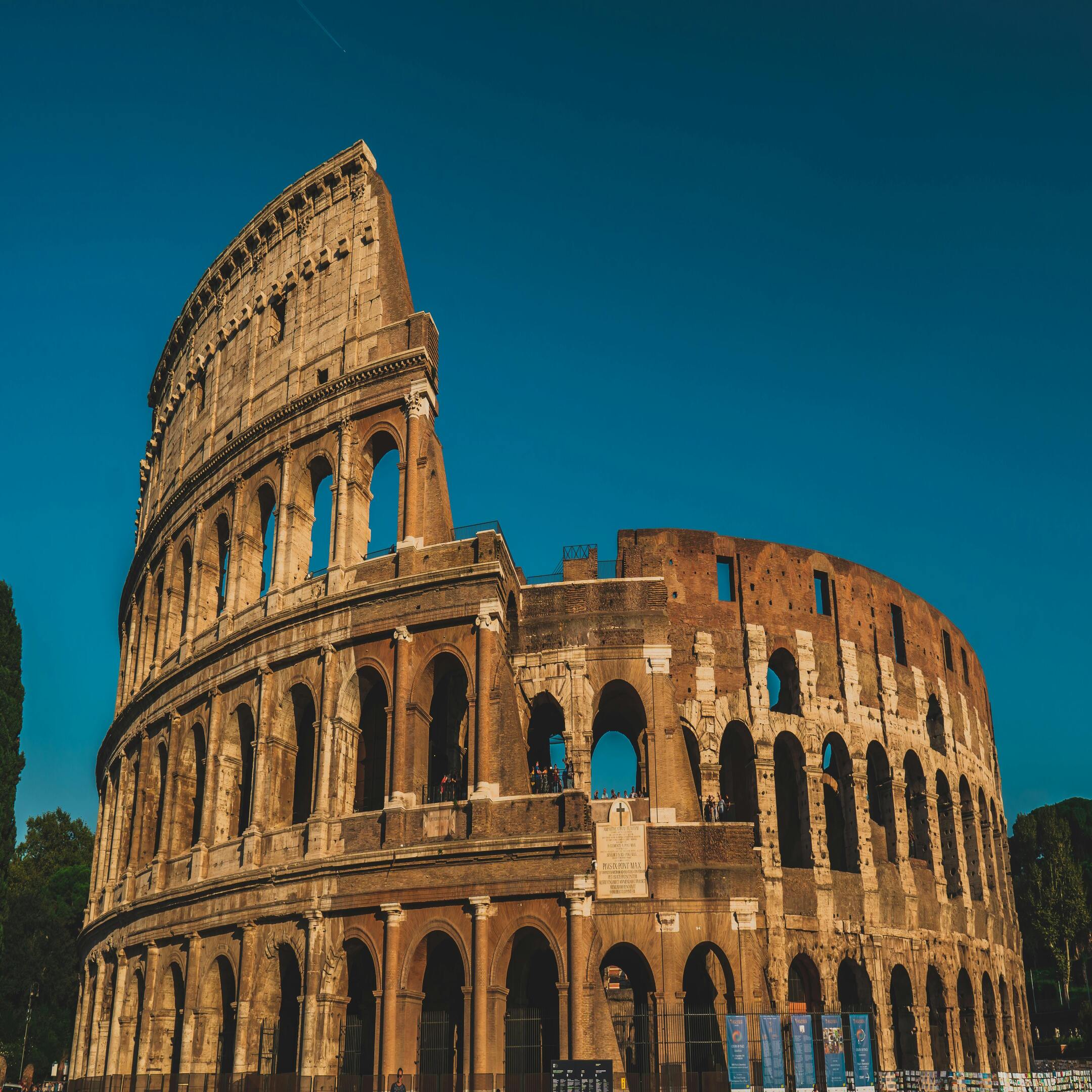
Colosseum
The Colosseum is an iconic symbol of Rome and one of the most famous ancient amphitheaters in the world. It was used for gladiatorial contests and public spectacles.
Historical
1-2 hours
€16 (combined ticket with Roman Forum and Palatine Hill)
Vatican City
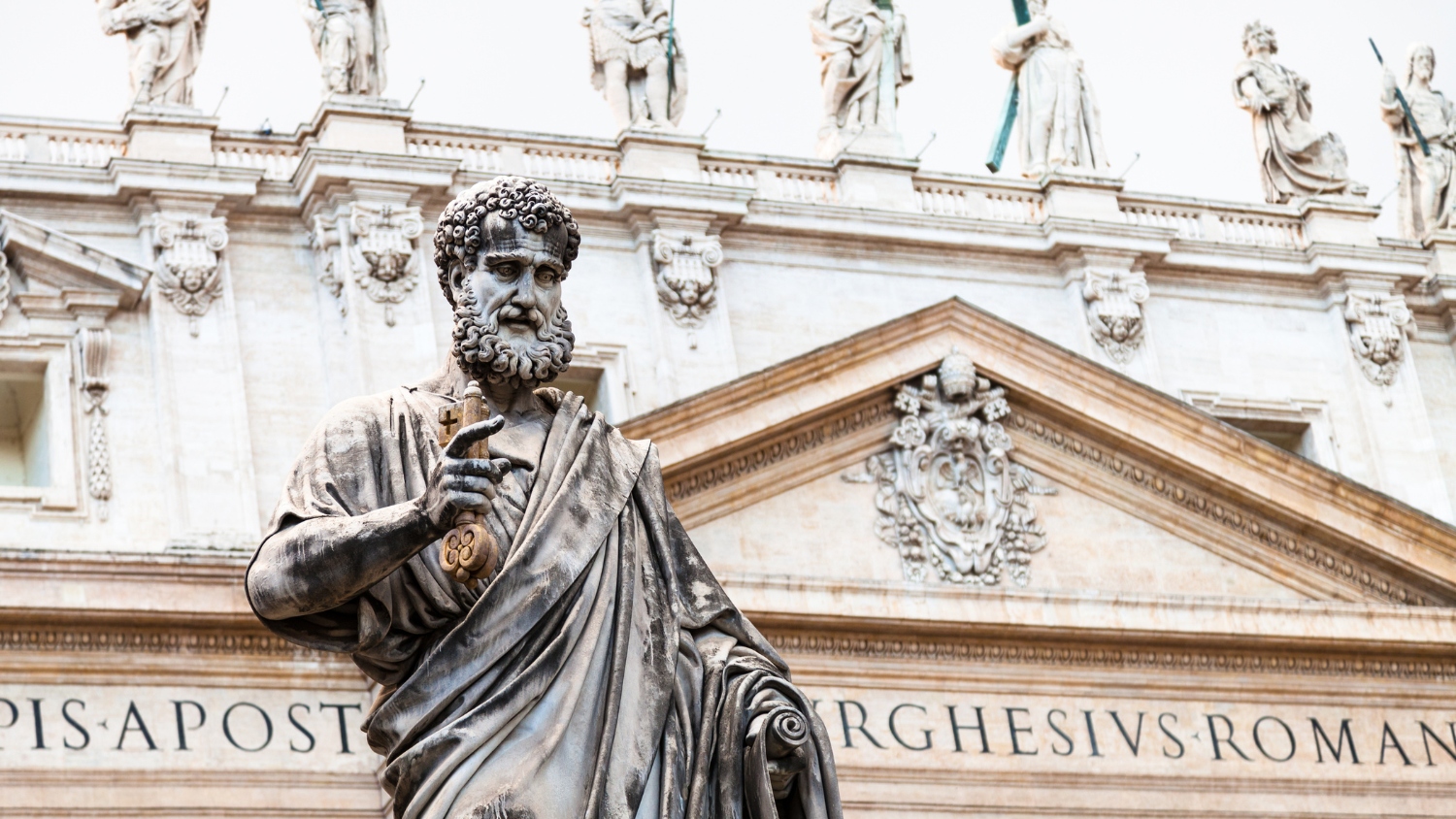
Vatican City is an independent city-state enclaved within Rome. It is the spiritual and administrative center of the Roman Catholic Church.
Religious
Half day
€17 (Vatican Museums and Sistine Chapel), Free (St. Peter's Basilica)
Roman Forum
The Roman Forum was the political, commercial, and legal hub of the Roman Republic and Empire. It is a sprawling ruin of temples, basilicas, and arches.
Historical
1-2 hours
€16 (combined ticket with Colosseum and Palatine Hill)
Pantheon
The Pantheon is a former Roman temple, now a church, known for its large dome and oculus. It is one of the best-preserved ancient buildings in Rome.
Historical
30 minutes to 1 hour
Free
Trevi Fountain
The Trevi Fountain is a Baroque masterpiece and the largest fountain in Rome. It is a popular spot for visitors to throw coins and make wishes.
Architecture
15-30 minutes
Free
Must-Try Local Dishes
Cacio e Pepe
A simple yet delicious pasta dish made with Pecorino Romano cheese and black pepper.
Pasta
Vegetarian
Carbonara
A rich pasta dish made with eggs, Pecorino Romano, guanciale (cured pork cheek), and black pepper.
Pasta
Contains pork and eggs
Supplì
Fried rice balls filled with mozzarella and tomato sauce.
Snack
Vegetarian (some variations may contain meat)
Carciofi alla Romana
Artichokes braised with garlic, mint, and olive oil.
Vegetable
Vegetarian
Popular Activities
Hiking in the Appian Way Regional Park
Biking along the Tiber River
Rock climbing in the nearby mountains
Picnicking in Villa Borghese Gardens
Boating on Lake Albano
Enjoying a spa day at a luxury hotel
Visiting the Vatican Museums
Attending an opera at the Teatro dell'Opera di Roma
Best Time to Visit
April to June, September to October
Spring and fall offer pleasant weather and fewer crowds compared to the summer peak. Ideal for sightseeing and outdoor activities.
15-30°C
59-86°F
Practical Information
Language
- Official: Italian
- Widely spoken: English, Spanish, French
- English: Moderately spoken
Currency
Euro (EUR)
Time Zone
GMT+1 (CET), GMT+2 (CEST during daylight saving time)
Electricity
230VV, 50HzHz
Safety Information
Overall Safety Rating: Generally safe
Rome is generally safe for tourists, but pickpocketing and scams can be a problem in crowded areas. Be aware of your surroundings and take precautions to protect your belongings.
Important Precautions:
- • Keep valuables secure and out of sight
- • Use official taxis or ride-sharing services
- • Be cautious of strangers approaching you with petitions or bracelets
Getting there
By air
- Leonardo da Vinci International Airport • 35 km from city center
- Ciampino Airport • 15 km from city center
By train
Roma Termini, Roma Tiburtina
By bus
Tiburtina Bus Station, Roma Termini
Getting around
Public transport
The metro system is efficient and covers major tourist areas. It operates from 5:30 AM to 11:30 PM.
Taxis
Available • Apps: Uber, FreeNow
Rentals
Car, Bike, Scooter
Neighborhoods
Trastevere
Monti
Prancipio
Testaccio
Day trips
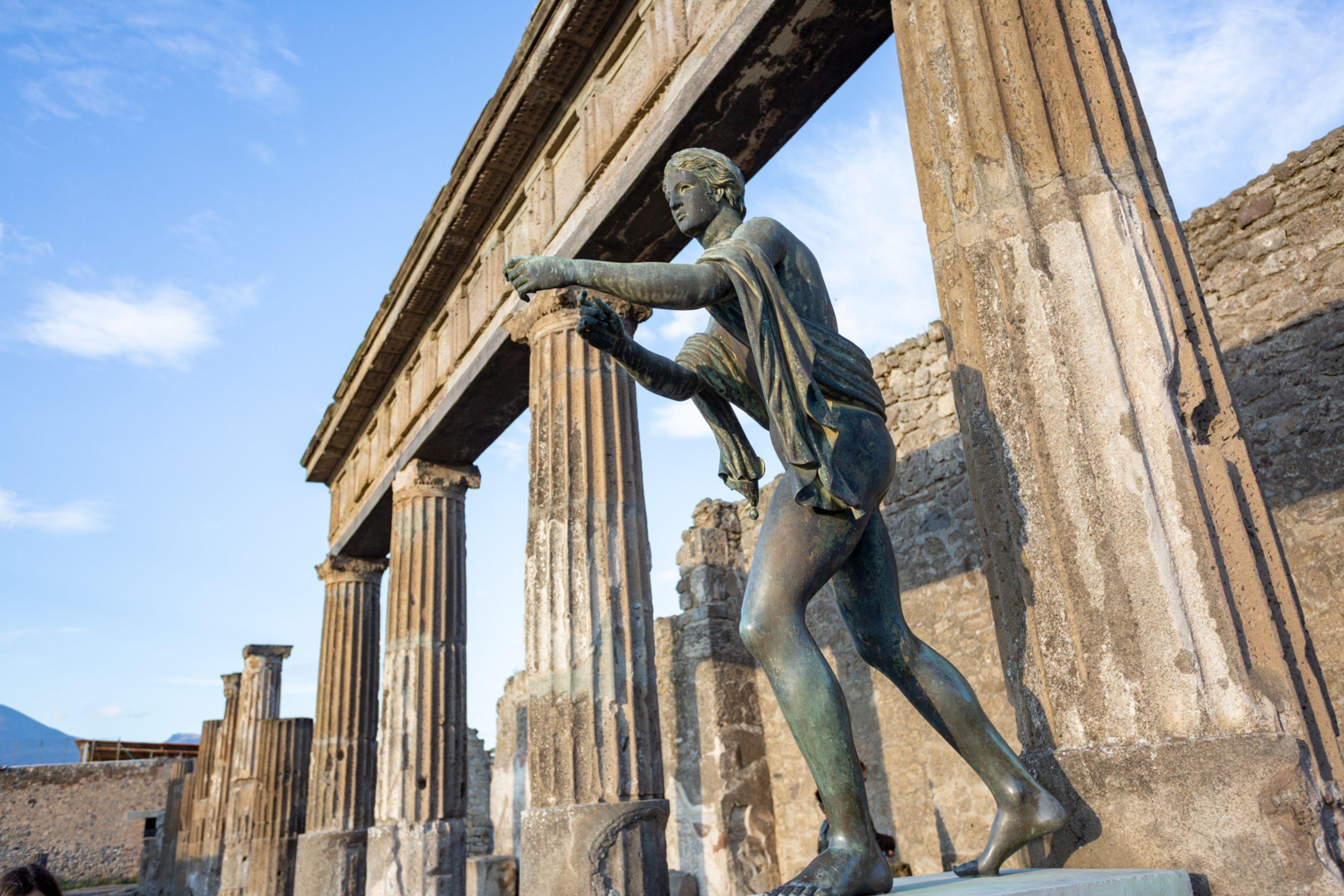
Ostia Antica
30 km from Rome • Half day
An ancient Roman port city with well-preserved ruins, including a theater, baths, and mosaics. It offers a glimpse into daily life in ancient Rome.
Tivoli
30 km from Rome • Full day
A picturesque town known for its stunning villas and gardens, including the famous Villa d'Este with its elaborate fountains and gardens.
Orvieto
120 km from Rome • Full day
A charming hilltop town known for its stunning cathedral, underground caves, and local wine. It offers a mix of history, culture, and scenic views.
Festivals
Natale di Roma • April 21
Festa de' Noantri • July
Rome Film Festival • October
Pro tips
- Visit major attractions early in the morning or late in the afternoon to avoid crowds
- Use public transport or walk instead of taking taxis to save money and experience the city like a local
- Try local specialties and ask for recommendations from locals and restaurant staff
- Dress modestly when visiting religious sites and be respectful of local customs and traditions
- Be aware of pickpockets and scams, especially in crowded areas and tourist hotspots
From $25
per person
Price varies by option
Secure booking
Free cancellation available
Instant confirmation