Pompeii, Herculaneum Winery Drive p/u Amalfi
Active
8h
For a full refund, cancel at least 24 hours before the scheduled departure time.
Instant confirmation
Mobile or paper ticket accepted
About this experience
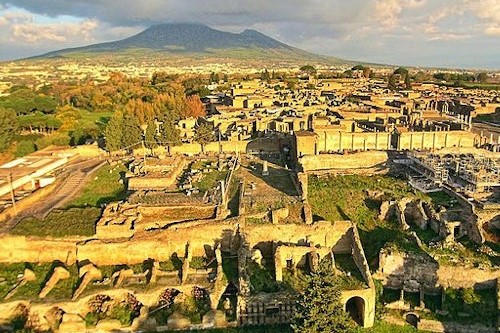
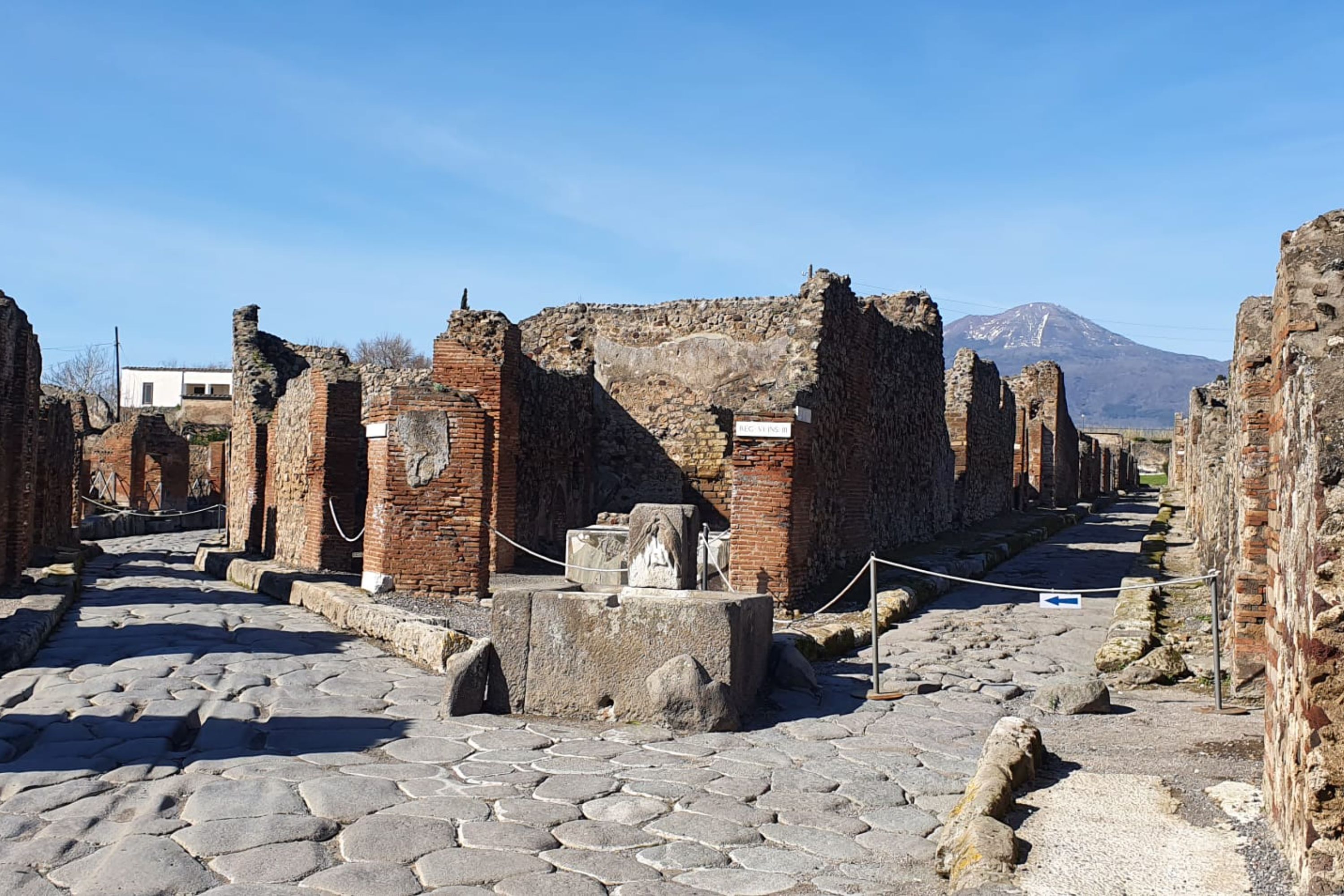
A tour of Pompeii Herculaneum and a visit to the winery can be interesting combining History, archaeology and wine culture. Pompeii excavations:
You will be able to explore the remains of the temple buildings, houses, and streets admiring the details that tell the daily life of the ancient Romans. Herculaneum:
Another archaeological site that although less known is equally fascinating.
Herculaneum was buried by the eruption of Vesuvius but unlike Pompeii it was covered mainly by ash and lapilli, it was buried by a very hot and fast pyroclastic flow, which preserved the buildings in an incredible way with details such as furniture and frescoes intact. During this tour if you prefer at your own choice you can also visit some winery.
You will discover how the vineyards are cultivated, taste local wines accompanied by typical products of the Campania cuisine.
Available options
Pompeii Herculaneum and Winery
Pompeii Herculaneum and Winery Tour<br/>Pickup included
What's included
Pick-up and drop-off from designated meeting points
Live commentary on board
All tolls, parking, petrol (gas) and taxes
Deluxe air-conditioned vehicle,English speaking driver/guide
Detailed itinerary
1
Stop 1
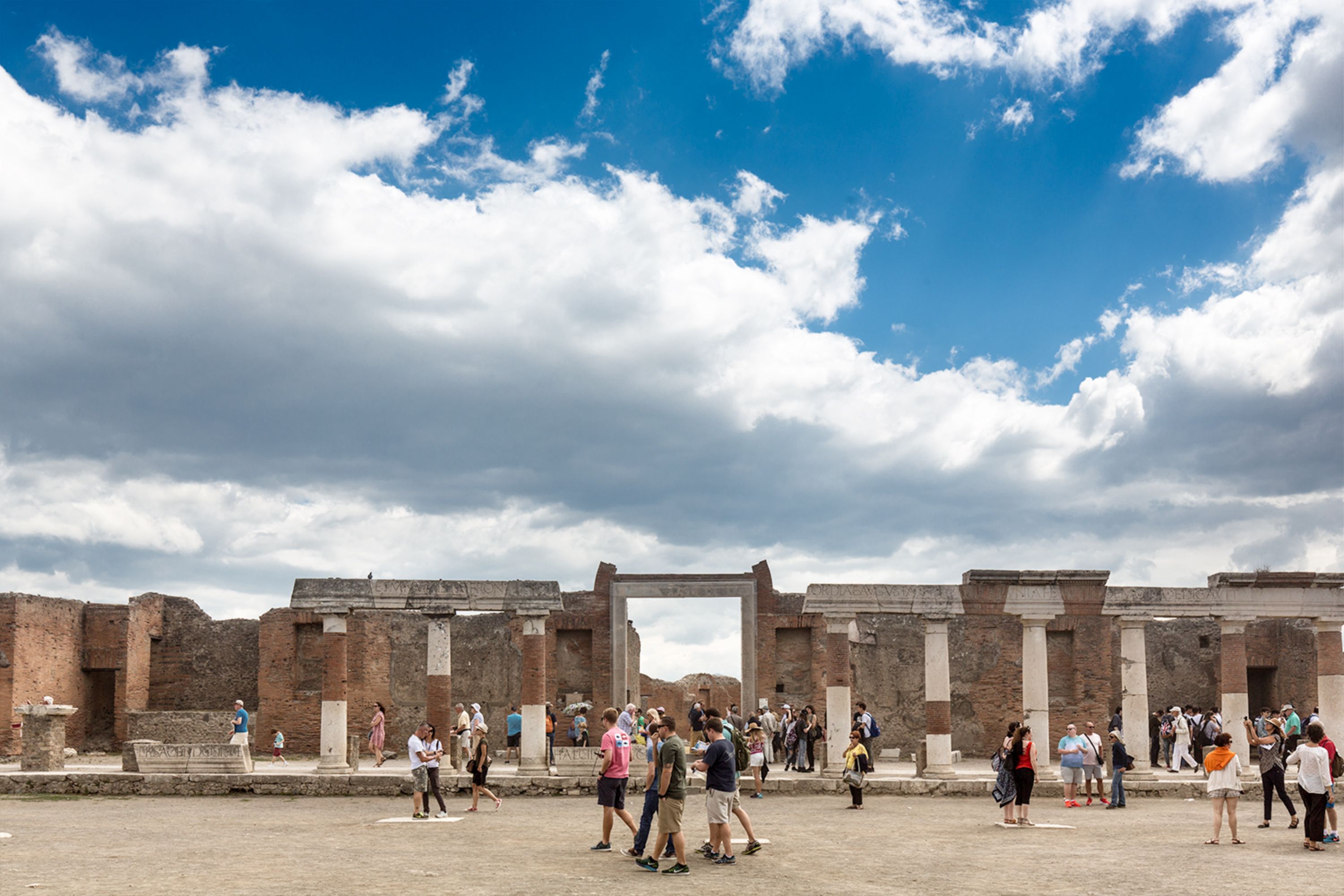
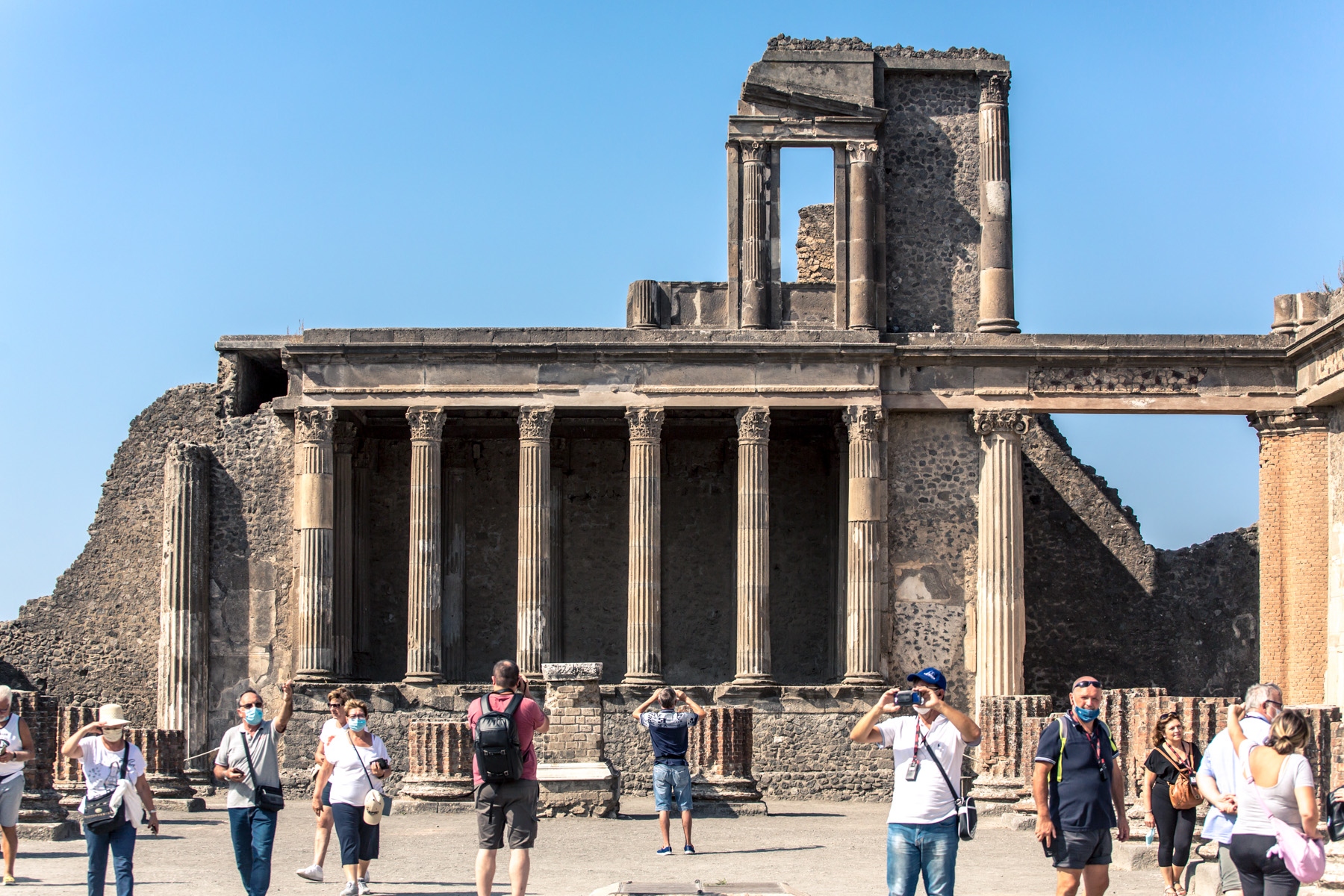
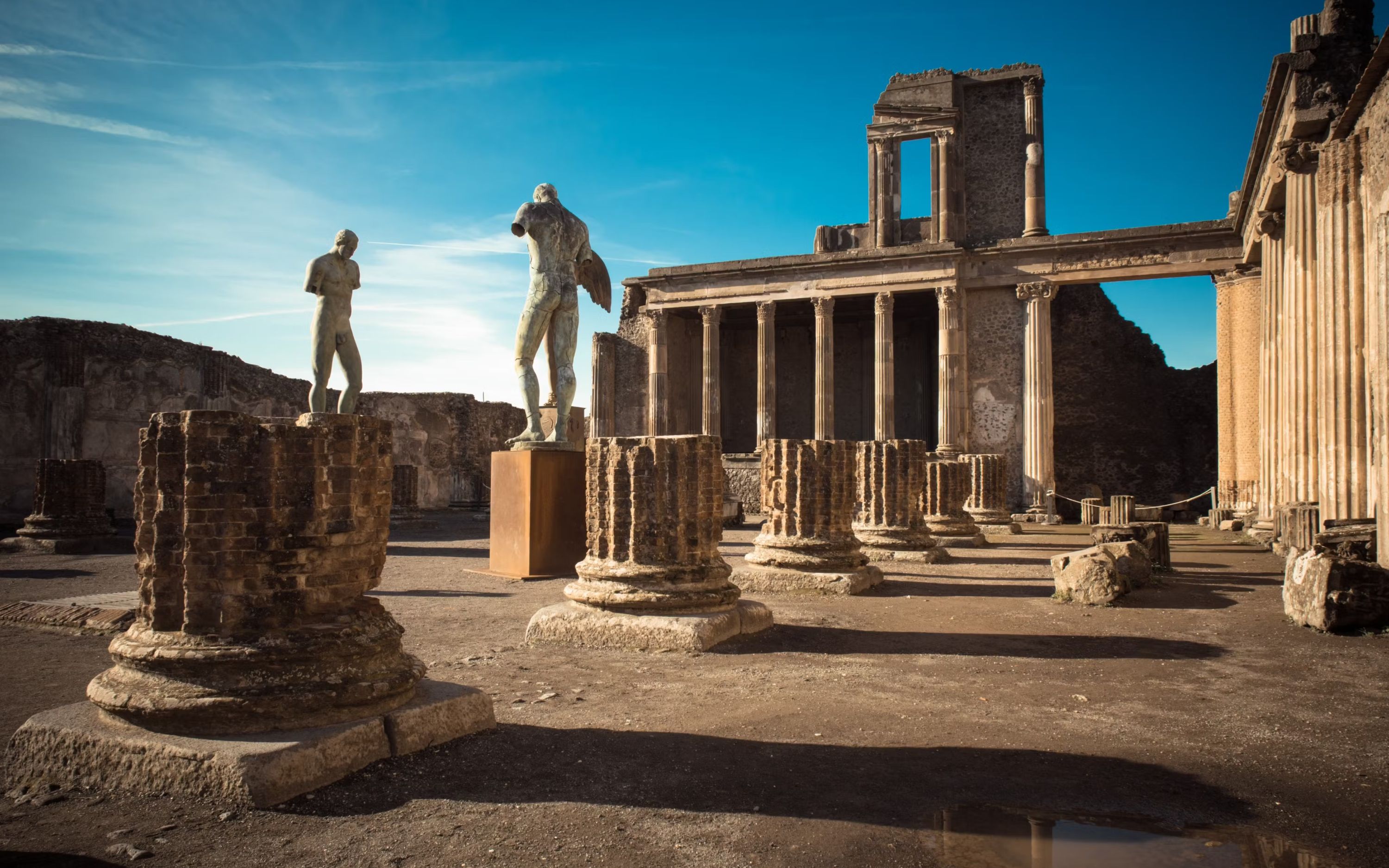
Pompeii is an incredible archaeological site, full of history and wonders to discover. Here are the main places to see: Pompeii Forum:
The political, economic and religious heart of the city, surrounded by important buildings such as the Temple of Jupiter and the Basilica.
House of the Vettii:
One of the best preserved homes, famous for its refined frescoes and luxurious decorations.
Pompeii Amphitheater:
One of the oldest in the world (dated to 70 BC), where gladiator fights took place.
Lupanar:
An ancient brothel with erotic frescoes, evidence of daily life in Pompeii.
Stabian Baths:
Ancient public baths with pools and rooms for hot and cold baths.
Teatro Grande and Teatro Piccolo:
The first was used for theatrical performances, the second for musical performances and oratories.
2
Stop 2
The Archaeological Park of Herculaneum is one of the most fascinating sites of antiquity, less famous than Pompeii but extraordinarily well preserved thanks to the volcanic mud flow that sealed the city in 79 AD.
The House of Neptune and Amphitrite:
Famous for its wonderful mosaics, including the one depicting Neptune and Amphitrite, and for the luxurious nymphaeum decorated with shells and colored glass tiles. The Central Baths:
Well-preserved public baths with changing rooms, tubs and mosaics that testify to the importance of the baths in the daily life of the ancient Romans.
The House of the Deer:
One of the most sumptuous residences in Herculaneum, with a large garden and sculptures depicting deer attacked by dogs.
The College of the Augustales:
A building dedicated to the cult of the emperor Augustus, with well-preserved frescoes depicting mythological scenes related to Hercules.
3
Wine stop is about 2h
What's not included
Entrance fees where applicable
pompeii guide can be hired on the site
Lunch
Identity card is REQUIRED to enter the site so BRING your ID the day of the tour.
Remember to coordinate with our office entrance time in Pompeii before to buy tickets.
Available languages
Guide guide
EN
IT
Reviews breakdown
Viator
5.0
2 reviews
5★
2
4★
0
3★
0
2★
0
1★
0
Tripadvisor
5.0
5 reviews
5★
5
4★
0
3★
0
2★
0
1★
0
Important information
Wheelchair accessible
Infants and small children can ride in a pram or stroller
Public transportation options are available nearby
Specialized infant seats are available
Suitable for all physical fitness levels
Dress code is casual
Operates in all weather conditions, please dress appropriately
Driver only, no guide to escort you during visits to attractions
We will ensure your timely return to your port for this activity
NOTICE we are NOT responsible for loss of personal items or valuables left in vehicles due to fire or theft while in our possession during the transportation service or during your free time visiting places.
Important notes
• Dress code is smart (we suggest you to wear casual clothes, comfortable shoes, hat and just in case rain Jacket)
• Comfortable walking shoes are recommended
• Duration 9 hours (approx.)
About Amalfi
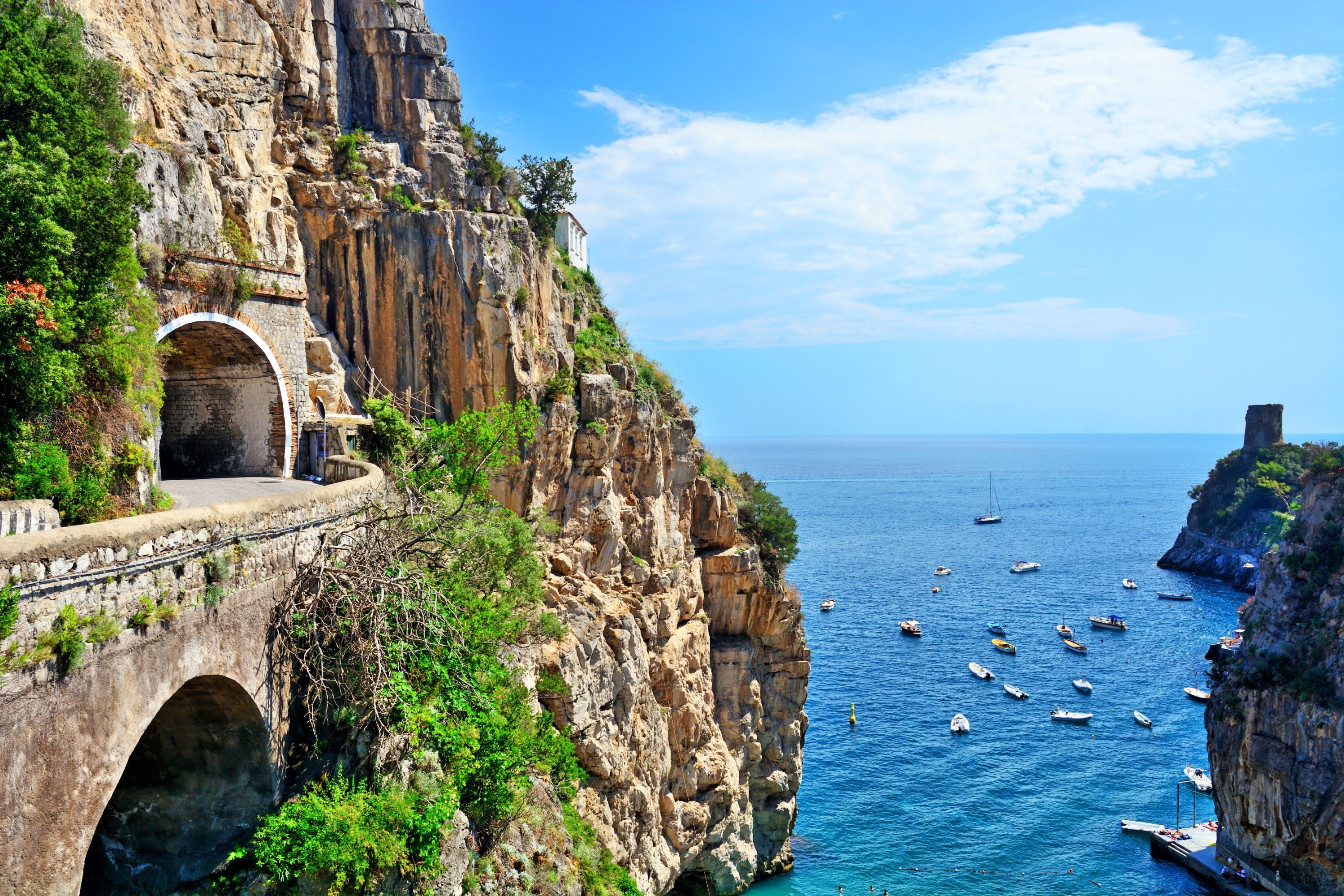
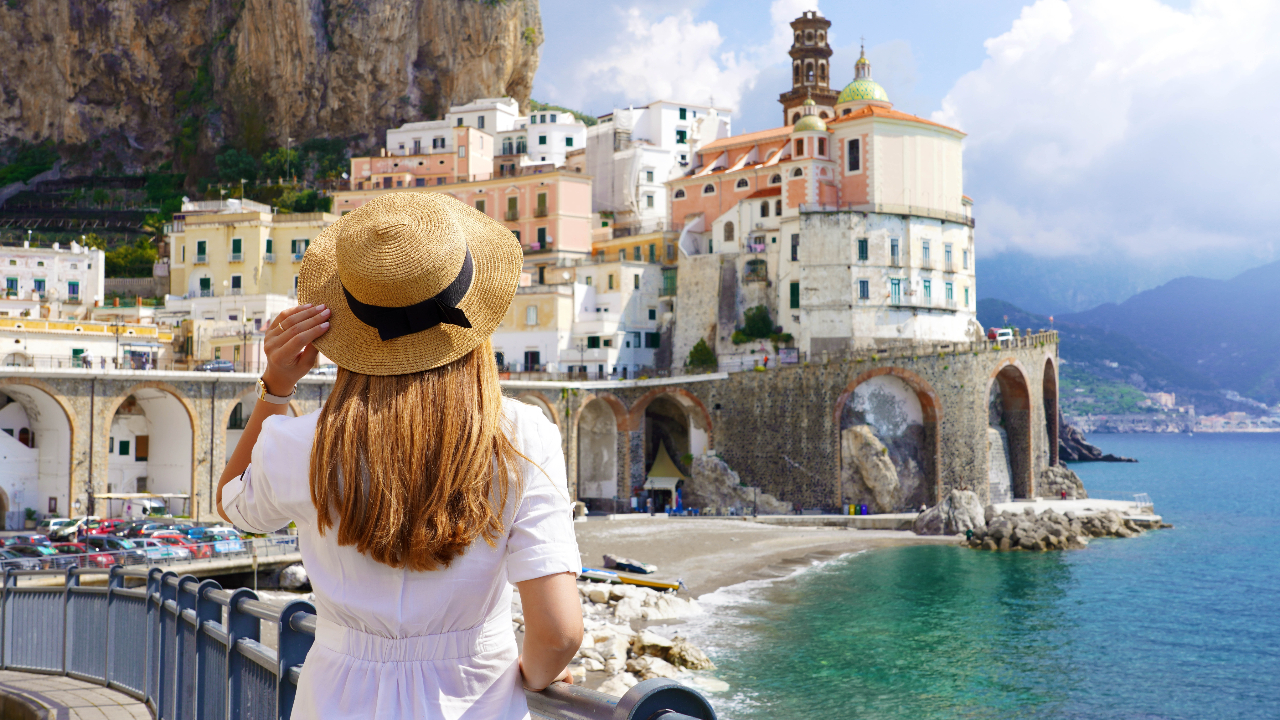
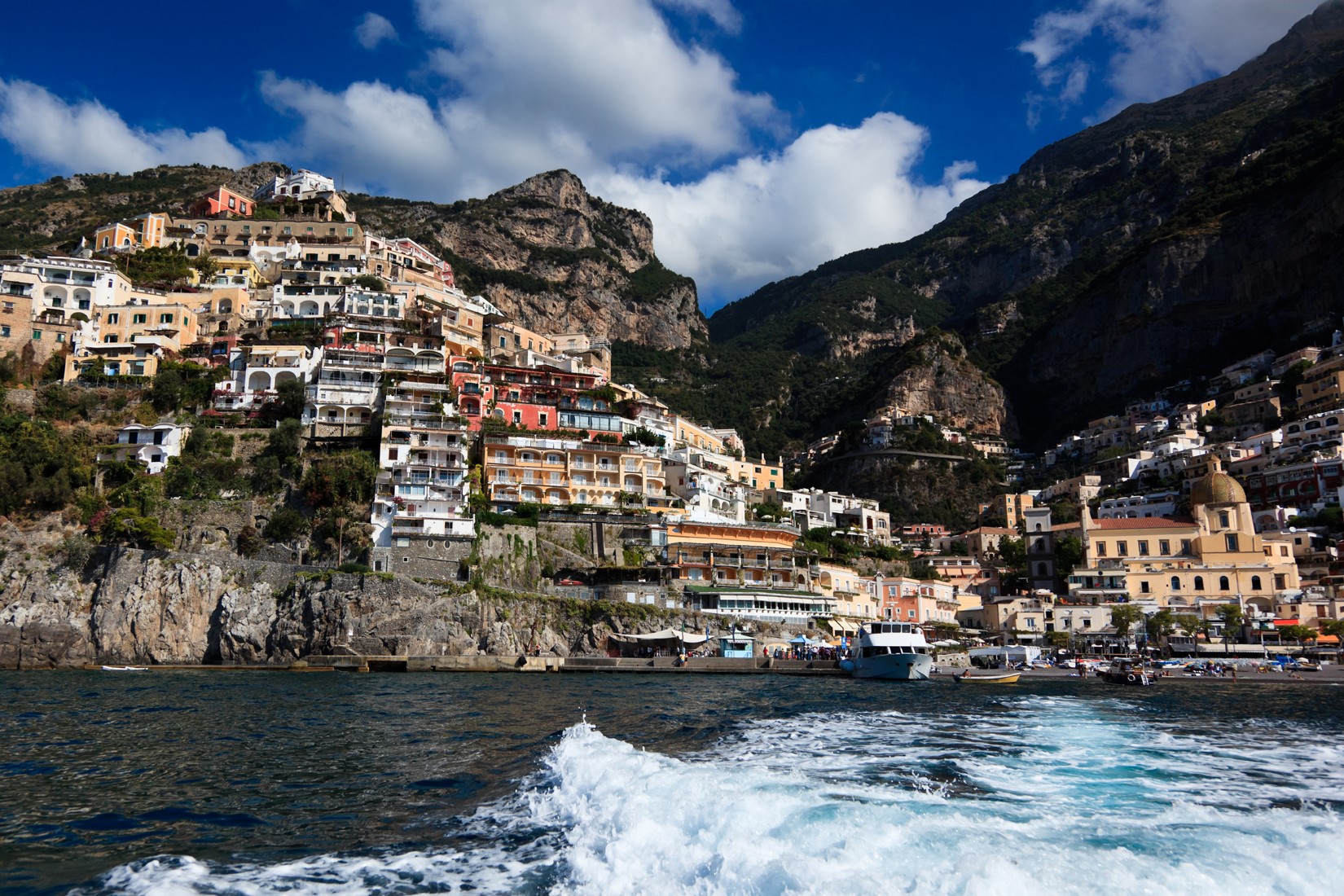
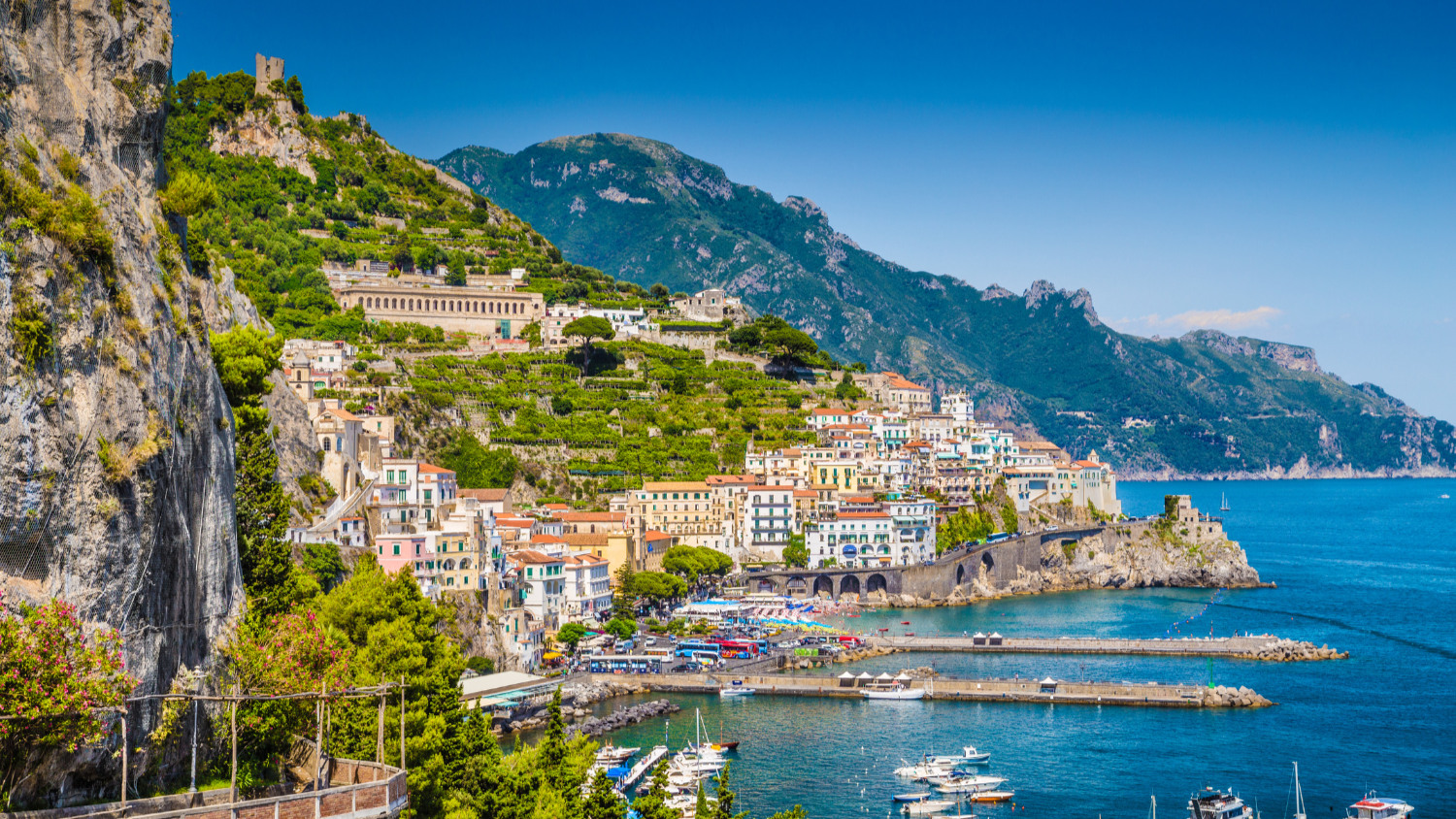
Amalfi is a picturesque coastal town on the Amalfi Coast in southern Italy. Known for its stunning cliffside views, colorful buildings, and rich history, it's a dream destination for travelers seeking romance, culture, and natural beauty.
Top Attractions
Amalfi Cathedral
A stunning cathedral dedicated to St. Andrew, featuring a mix of Byzantine, Moorish, and Romanesque architecture. The cathedral's cloister is a highlight.
Historical
1-2 hours
Free to enter, donations welcome
Valle delle Ferriere
A beautiful nature reserve with hiking trails leading to waterfalls and ancient ruins. It's a great place for nature lovers and hikers.
Nature
Half-day to full day
Free
Villa Cimbrone
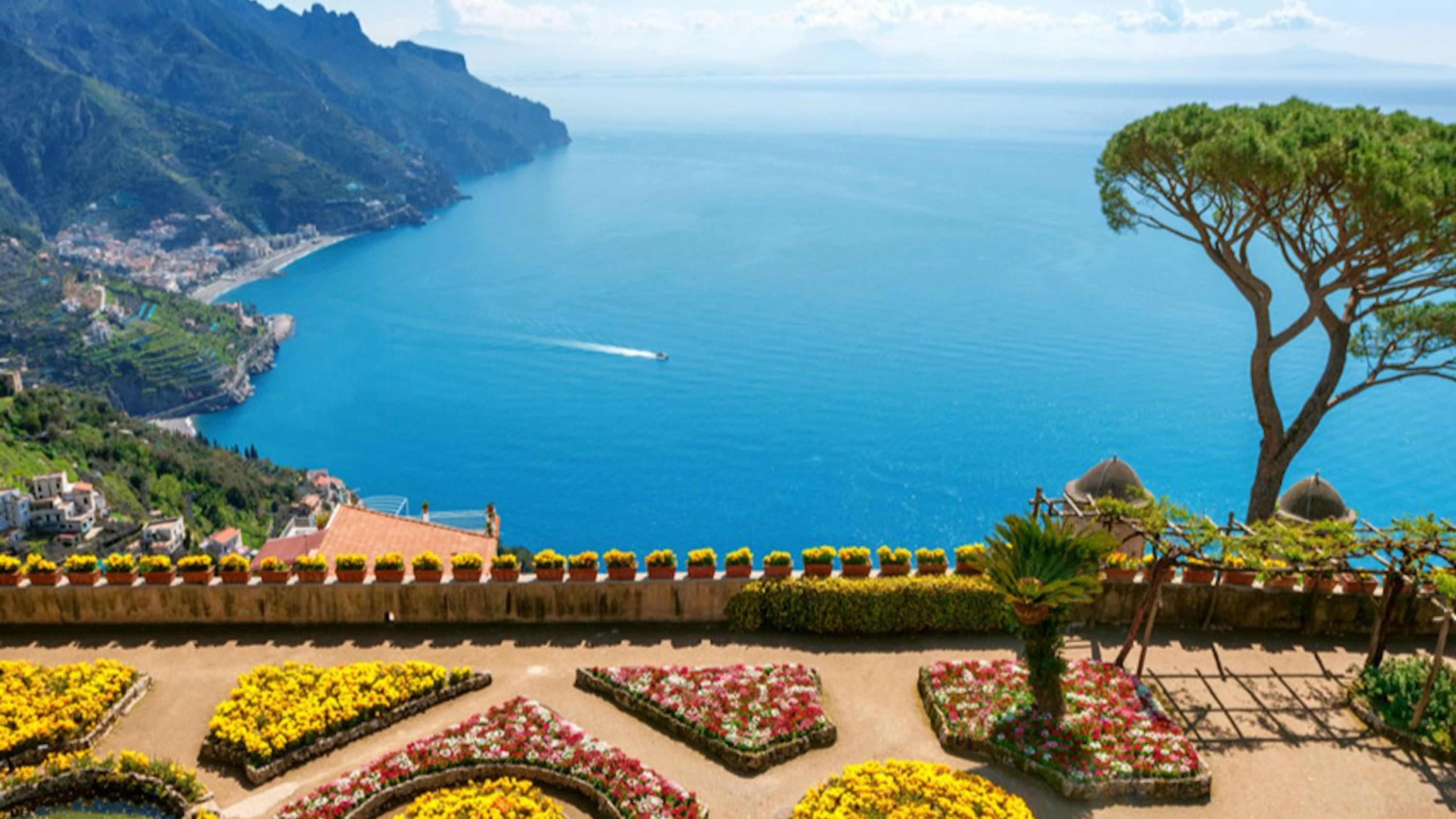
A historic villa with breathtaking gardens and panoramic views of the coast. The Terrace of Infinity is a must-see.
Historical
2-3 hours
€7-€10
Amalfi Beach
A beautiful pebble beach with clear blue waters, perfect for swimming and sunbathing. The beach is small but charming.
Beach
Half-day
Free, sunbeds and umbrellas for rent
Must-Try Local Dishes
Scialatielli
A handmade pasta from Amalfi, often served with clams and lemon.
Pasta
Contains gluten, seafood
Spaghetti alle Vongole
Spaghetti with clams, garlic, and olive oil, a classic coastal dish.
Pasta
Contains gluten, seafood
Delizia al Limone
A lemon-flavored sponge cake filled with lemon cream and covered in chocolate.
Dessert
Contains gluten, dairy, eggs
Limoncello
A traditional lemon liqueur made from Amalfi lemons.
Drink
Contains alcohol
Popular Activities
Hiking in Valle delle Ferriere
Boat tours to Capri and the Blue Grotto
Scuba diving and snorkeling
Sunbathing at Amalfi Beach
Spa treatments at luxury hotels
Strolling through the historic center
Visiting Amalfi Cathedral and its cloister
Exploring the historic villas of Ravello
Best Time to Visit
May to September
This is the best time to visit for warm weather, clear skies, and vibrant atmosphere. The sea is perfect for swimming, and all attractions are open.
20°C to 30°C
68°F to 86°F
Practical Information
Language
- Official: Italian
- Widely spoken: English, German, French
- English: Moderately spoken in tourist areas, limited in rural areas
Currency
Euro (EUR)
Time Zone
GMT+1 (CET), GMT+2 (CEST) during daylight saving time
Electricity
230VV, 50HzHz
Safety Information
Overall Safety Rating: Generally safe
Amalfi is generally safe for travelers, with low crime rates. However, petty theft and pickpocketing can occur in crowded areas.
Important Precautions:
- • Keep valuables secure and out of sight.
- • Use licensed taxis and agree on a fare before starting the journey.
- • Be cautious of strangers offering help or services.
Getting there
By air
- Naples International Airport • 60 km
- Salerno Costa d'Amalfi Airport • 30 km
By train
Salerno Station
By bus
Salerno, Sorrento
Getting around
Public transport
Buses are the primary mode of public transport, connecting all major towns. They can be crowded but offer affordable fares.
Taxis
Available • Apps: None specific to the region, but apps like Uber are not widely available
Rentals
Car, Bike, Scooter
Neighborhoods
Amalfi Town
Ravello
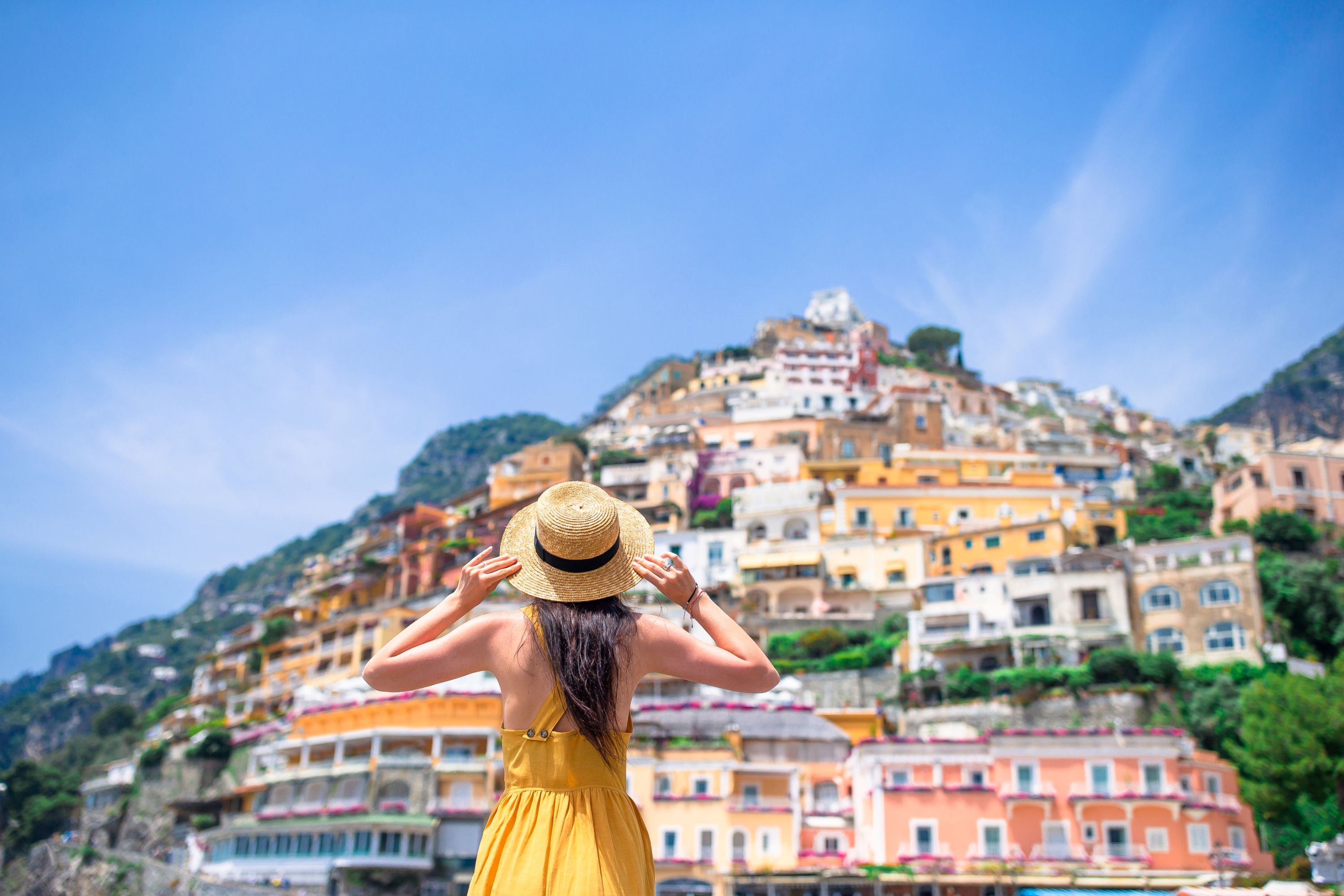
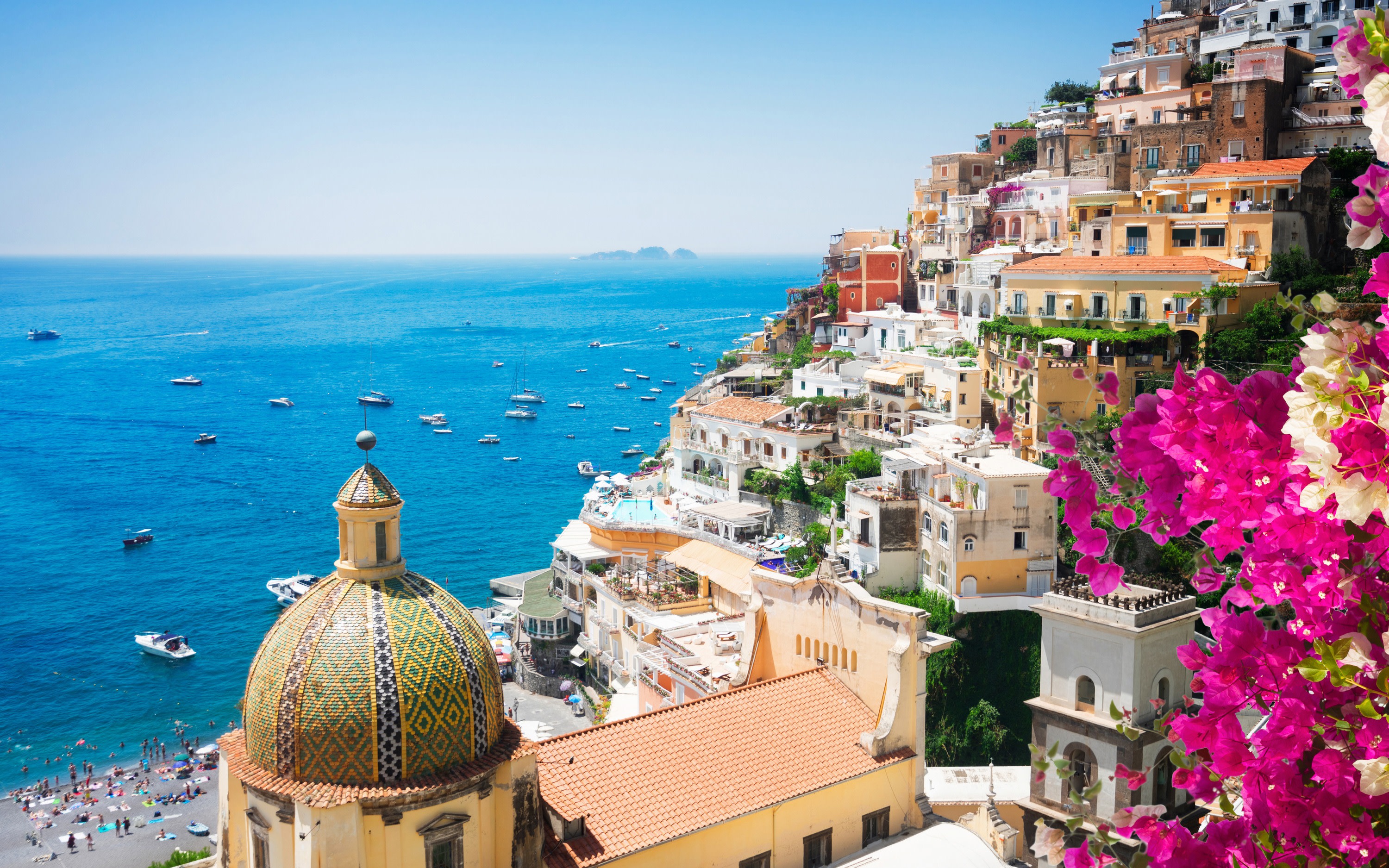
Positano
Day trips
Capri
20 km • Full day
A beautiful island known for its luxury shopping, stunning views, and the famous Blue Grotto.
Pompeii
50 km • Full day
An ancient Roman city preserved by volcanic ash from Mount Vesuvius. A UNESCO World Heritage Site.
Sorrento
30 km • Half day to full day
A charming coastal town known for its lemon groves, historic center, and as the gateway to the Amalfi Coast.
Festivals
Semaforo Festival • July
Limoncello Festival • July
Pro tips
- Visit early in the morning or late in the afternoon to avoid crowds and enjoy the best views.
- Take the SITA bus for a scenic and affordable way to travel along the coast.
- Try local specialties like scialatielli, spaghetti alle vongole, and delizia al limone.
- Bring comfortable walking shoes, as the streets are steep and uneven.
- Consider staying in smaller towns like Ravello or Positano for a quieter and more authentic experience.
From $25
per person
Price varies by option
Secure booking
Free cancellation available
Instant confirmation