A Local's Private French Quarter Walking or Biking Tour
Active
3h - 4h
For a full refund, cancel at least 24 hours before the scheduled departure time.
Instant confirmation
Mobile or paper ticket accepted
About this experience
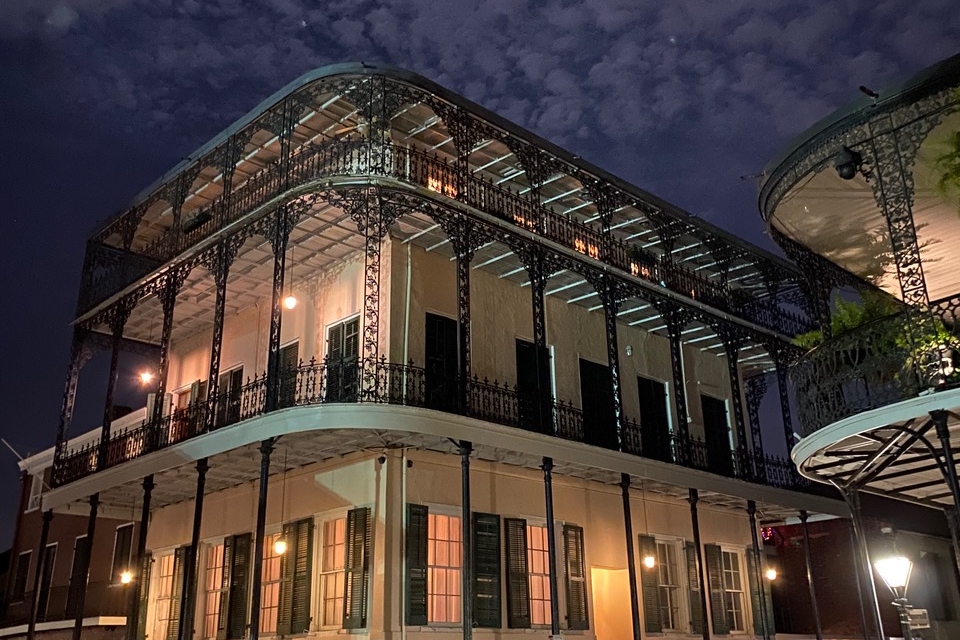
We will be touring all around the Historic French Quarter and 2 historic surrounding neighborhoods of the Marigny and Treme.
We will talk about the rich cultures, people and traditions of these neighborhoods that date back to the 1700's. From our beginnings as a Native American trading post to a raughty French penal colony to the rich African culture of music and Mardi Gras revelry, we will cover it all!
300 years of Creole history from a 6th generation New Orleanian!
We start at the Mississippi river and take our time strolling through the French Quarter and chronologically move from the Quarter to the Treme and Marigny.
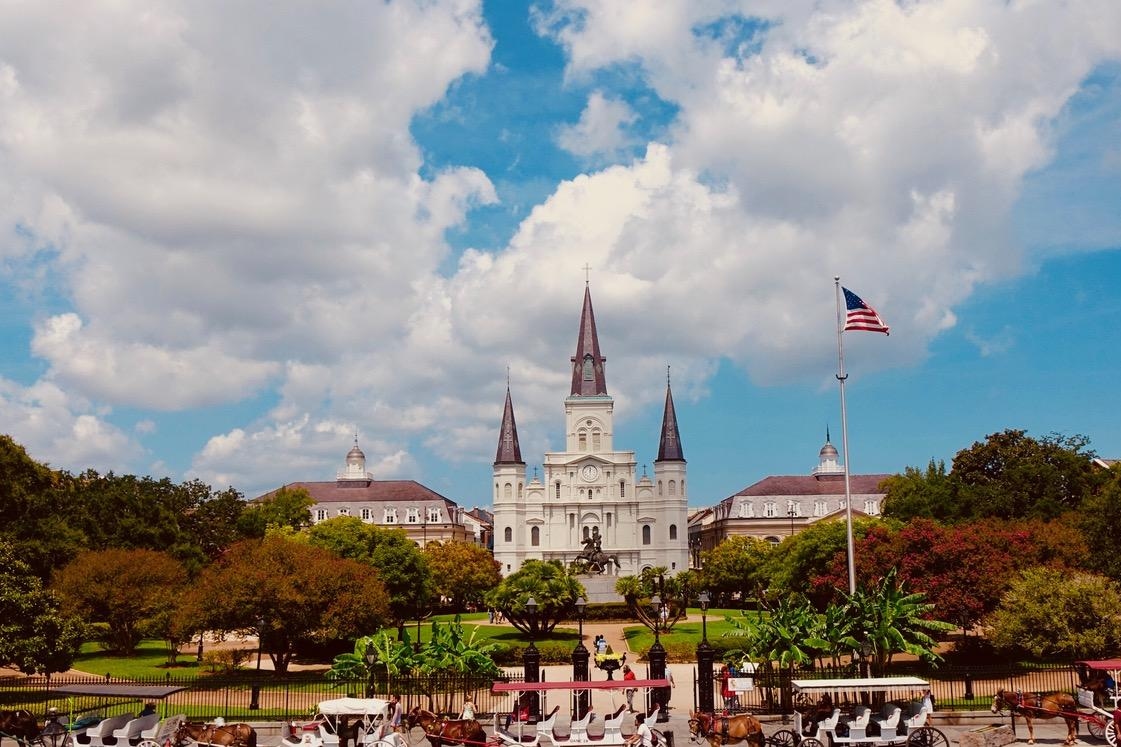
Stops such as Jackson square, Congo square, St. Augustine Church and Frenchmen street and on to the French Market.
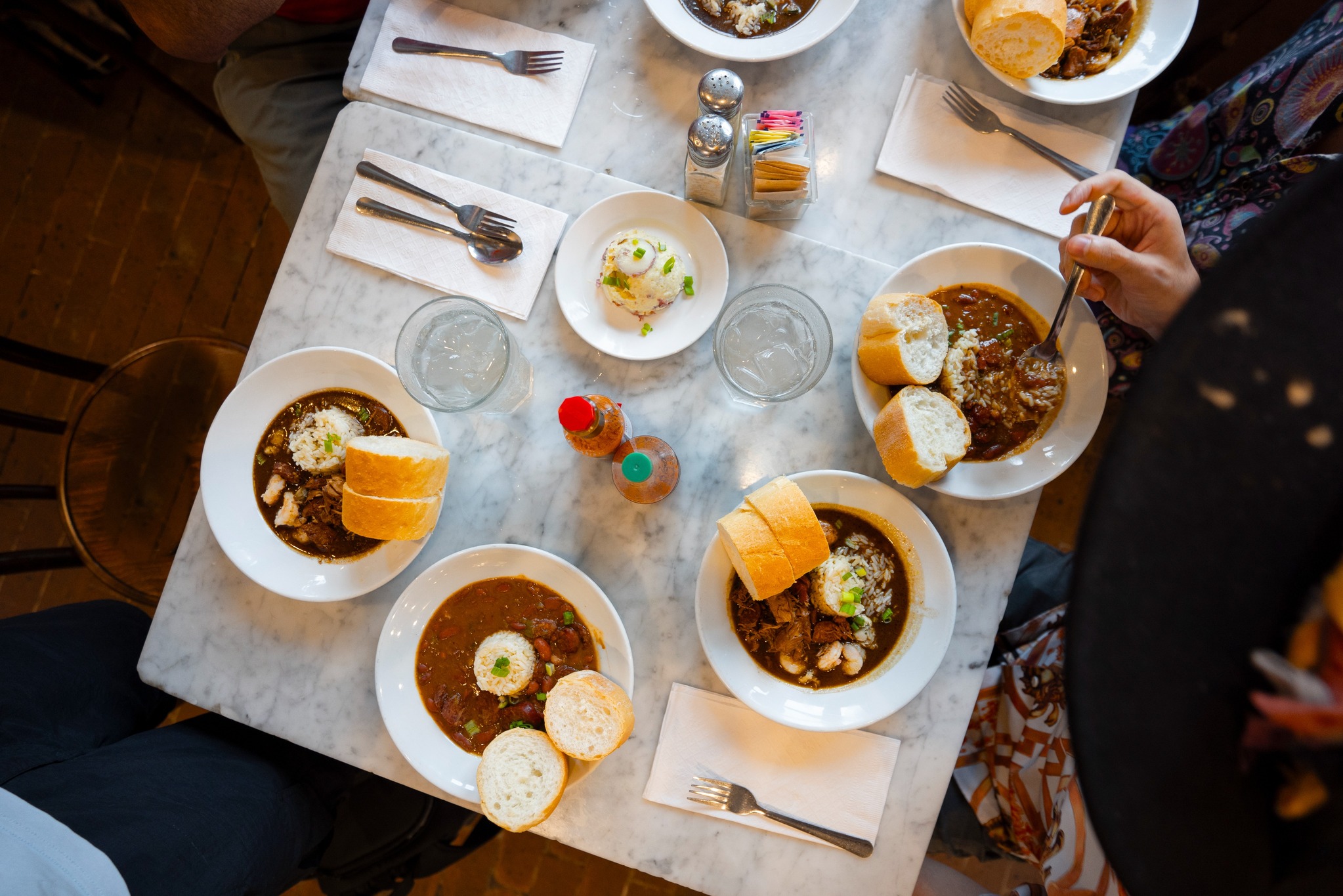
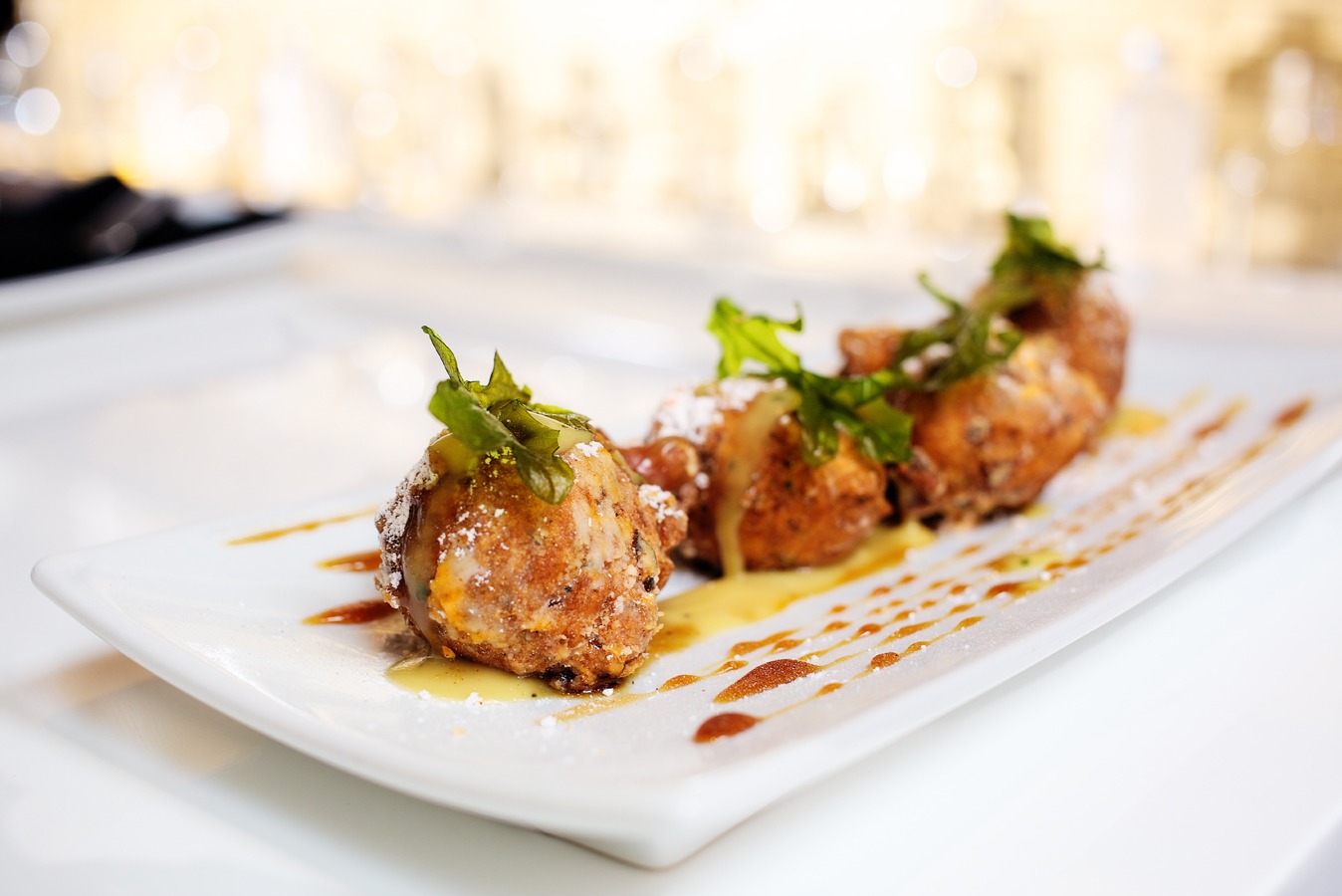
Mid tour we will grab a bite to eat at a local restaurant and continue on to the most historically significant stops in the French quarter and surrounding neighborhoods.
Available options
A Local's Private French Quarter Walking or Biking Tour
What's included
Private Guided Tour
Detailed itinerary
1
Stop 1
We will hit the historical hotspots in the French quarter and surrounding neighborhoods
2
Stop 2
We will tour the park and talk about the Treme the first integrated neighborhood in the country and the prominent free people of color that have shaped and help create the diverse and deep musical roots and African roots of New Orleans.
3
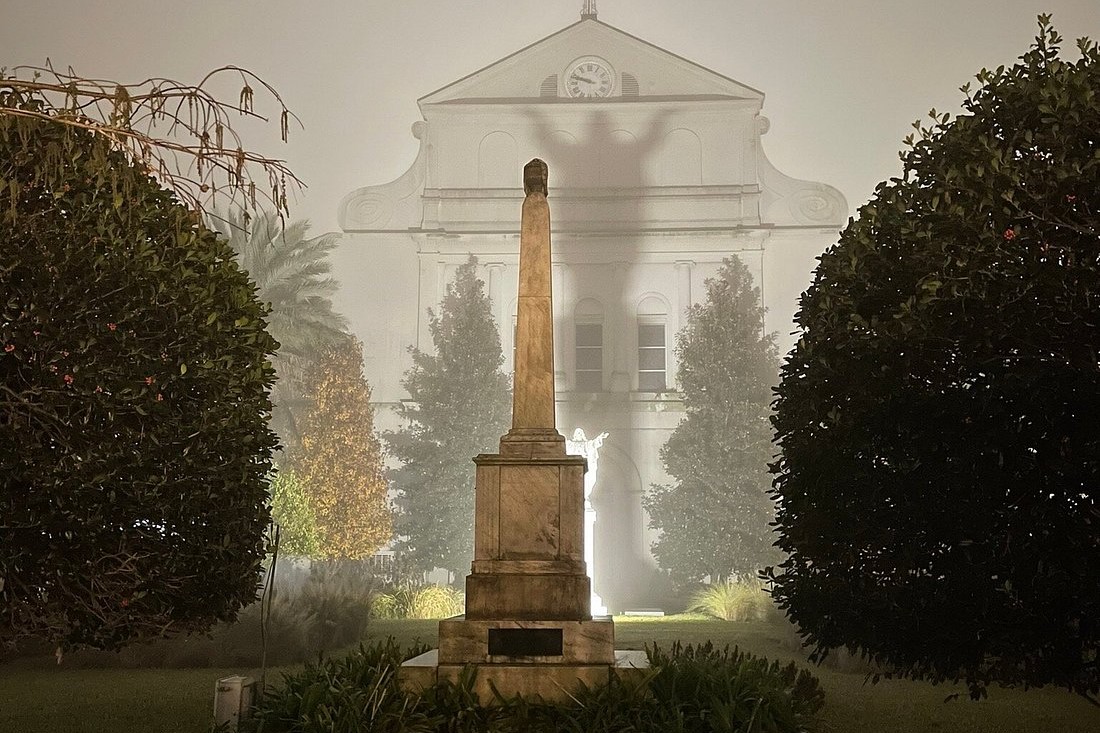
Tomb of the unknown slave
4
Stop 4
Starting and ending at the Mississippi river this is the major waterway that brought explorers, natives and immigrants to this swampy land and actually built the land starting 10,000 years ago!
5
Stop 5
Live music and local bars galore
6
Stop 6
Where my great great great grandpa got his first job! Where Native Then French and Spanish and so many layers of immigrants merchants sold their fares for many centuries.
What's not included
Alcoholic Beverages
Snacks
Bike rentals (optional)
Available languages
Guide guide
EN
ES
Reviews breakdown
Viator
5.0
2 reviews
5★
2
4★
0
3★
0
2★
0
1★
0
Tripadvisor
5.0
2 reviews
5★
2
4★
0
3★
0
2★
0
1★
0
Important information
Wheelchair accessible
Infants and small children can ride in a pram or stroller
Service animals allowed
Public transportation options are available nearby
Not recommended for travelers with spinal injuries
Not recommended for travelers with poor cardiovascular health
Travelers should have at least a moderate level of physical fitness
Meeting point
We meet all travelers at the Mississippi River near the statue of The immigrant. A pinpoint link location will be sent to travelers before the tour.
About New Orleans
New Orleans is a vibrant city known for its rich cultural heritage, vibrant music scene, and unique Creole and Cajun cuisine. It's famous for its annual Mardi Gras festival, historic French Quarter, and the lively atmosphere of Bourbon Street.
Top Attractions
French Quarter
The heart of New Orleans, the French Quarter is known for its vibrant nightlife, historic architecture, and cultural landmarks.
Historical
Half day to full day
Free to explore, attractions vary
Garden District
A picturesque neighborhood known for its antebellum mansions, oak-lined streets, and historic cemeteries.
Historical
Half day
Free to explore, tours available
National WWII Museum
A world-class museum dedicated to the history of World War II, featuring immersive exhibits and personal stories.
Museum
2-3 hours
Moderate to expensive
City Park
A vast urban park featuring lush gardens, walking paths, and cultural attractions.
Nature
Half day
Free to enter, attractions vary
Frenchmen Street
A lively street known for its live music venues, art galleries, and vibrant nightlife.
Entertainment
Evening
Varies by venue
Must-Try Local Dishes
Gumbo
A rich and flavorful stew made with a dark roux, meat or seafood, and the 'holy trinity' of vegetables (onions, bell peppers, and celery).
Main Course
Can be made with chicken, sausage, or seafood, and may contain gluten and dairy.
Jambalaya
A one-pot dish made with rice, meat or seafood, and the 'holy trinity' of vegetables, seasoned with a variety of spices.
Main Course
Can be made with chicken, sausage, or seafood, and may contain gluten and dairy.
Beignets
A deep-fried pastry dusted with powdered sugar, often served with café au lait.
Dessert
Contains gluten and dairy.
Po' Boy
A classic New Orleans sandwich made with French bread, filled with fried seafood, meat, or vegetables, and topped with lettuce, tomatoes, and mayo.
Sandwich
Can be made with various fillings, and may contain gluten and dairy.
Popular Activities
Swamp tours
Kayaking
Biking
Spa treatments
Park picnics
Café hopping
Museum visits
Historic site tours
Best Time to Visit
February to April
This is the best time to visit New Orleans, with pleasant weather and major events like Mardi Gras. The city is lively, but also more crowded and expensive.
15-25°C
60-77°F
Practical Information
Language
- Official: English
- Widely spoken: French, Spanish, Vietnamese
- English: Widely spoken
Currency
United States Dollar (USD)
Time Zone
Central Time Zone (CT) (GMT-6)
Electricity
120VV, 60HzHz
Safety Information
Overall Safety Rating: Exercise caution
New Orleans is generally safe for tourists, but visitors should be aware of their surroundings and take precautions to avoid theft and other crimes.
Important Precautions:
- • Keep valuables secure and out of sight
- • Use licensed taxis and rideshare services
- • Be cautious of strangers offering services or assistance
Getting there
By air
- Louis Armstrong New Orleans International Airport • 15 miles (24 km) from downtown
By train
New Orleans Union Passenger Terminal
By bus
Greyhound Bus Station, Megabus Stop
Getting around
Public transport
The bus system is affordable and covers most of the city, but can be slow due to traffic.
Taxis
Available • Apps: Uber, Lyft
Rentals
Car, Bike, Scooter
Neighborhoods
French Quarter
Garden District
Warehouse District
Faubourg Marigny
Mid-City
Day trips
Plantation Country
30-40 miles (48-64 km) • Full day
Explore the historic plantations of Louisiana, with tours and exhibits showcasing the region's complex history.
Swamp and Bayou Tours
30-50 miles (48-80 km) • Half day to full day
Take a boat tour through the Louisiana swamps and bayous, with opportunities to see alligators, birds, and other wildlife.
Baton Rouge
80 miles (129 km) • Full day
Explore the capital of Louisiana, with its historic sites, museums, and universities.
Festivals
Mardi Gras • February or March (varies by year)
Jazz & Heritage Festival • Late April to early May (two weekends)
French Quarter Festival • April (four days)
Pro tips
- Visit during the off-peak season for fewer crowds and lower prices
- Explore the city's diverse neighborhoods, each with its own unique character and attractions
- Try local cuisine and support local businesses and restaurants
- Use public transportation, such as buses and streetcars, to get around the city and save money
- Be cautious of your surroundings and take precautions to avoid theft and other crimes
From $25
per person
Price varies by option
Secure booking
Free cancellation available
Instant confirmation