Private Tour with your Driver in Rome
Active
5h
For a full refund, cancel at least 24 hours before the scheduled departure time.
Instant confirmation
Mobile or paper ticket accepted
About this experience
Embark on an unforgettable journey through the heart of Rome. This personalized and enriching experience promises to unveil the lesser-known gems of the Eternal City, ensuring you discover Rome's hidden treasures in comfort and style.
Enjoy the flexibility of a private tour tailored to your preferences and interests. Relax in the comfort of a private vehicle with your dedicated driver, ensuring a seamless and stress-free exploration of Rome's hidden gems. Benefit from insightful commentary from your knowledgeable driver, providing historical context and local anecdotes that bring each site to life.
Escape the crowds and uncover the authentic side of Rome with exclusive access to lesser-explored landmarks. Embark on a journey beyond the ordinary, delving into the enchanting corners of Rome that most tourists never see. Book our Hidden Rome Private Tour with Your Driver for a truly immersive and personalized experience that will create lasting memories of the Eternal City.
Available options
Private Tour with your Driver in Rome
Pickup included
What's included
Private transportation
Bottled water
WiFi on board
Catacombs tickets
Air-conditioned vehicle
Baths of Caracalla tickets
Detailed itinerary
1
Stop 1
The Catacombs of San Callisto are one of the largest and most important catacomb complexes in Rome. They are situated along the ancient Appian Way, a few kilometers southeast of the center of Rome. They are part of a network of underground burial sites that served as cemeteries for early Christians.
Visiting the Catacombs of San Callisto provides a unique opportunity to explore the underground world of early Christianity and to witness the art and history preserved within these subterranean passages.
2
The Appian Way, or Via Appia, is one of the most famous ancient Roman roads, and it played a crucial role in the transportation and communication network of the Roman Empire. It was originally built in 312 B.C. by the Roman censor Appius Claudius Caecus. It connected Rome to the southern regions of Italy, extending all the way to the port city of Brindisi. The road was essential for military purposes, commerce, and the transportation of goods and people.
Visiting the Appian Way offers a fascinating journey through Roman history, showcasing the engineering marvels of ancient Rome and providing insight into the daily life and culture of the Roman people.
3
Stop 3
This park is a public green space located in the southeastern part of Rome and is known for its impressive ancient Roman aqueducts. These aqueducts were crucial in supplying Rome with water during the Roman Empire. The most notable aqueducts in the park include the Aqua Claudia and the Aqua Marcia. It is situated along the ancient Appian Way, one of the most important Roman roads. The park covers a considerable area and offers a picturesque setting with grassy areas, walking paths, and the backdrop of the ancient aqueducts. It's a popular destination for both locals and tourists seeking a peaceful escape from the urban hustle and bustle.
Visiting the Parco degli Acquedotti provides a blend of history, nature, and relaxation, making it a delightful destination for those interested in Roman engineering and architecture.
4
Stop 4
The Baths of Caracalla are one of the most impressive and well-preserved ancient Roman public baths.
They were constructed between AD 212 and 216 during the reign of the Roman Emperor Caracalla (officially Marcus Aurelius Antoninus). The bath complex was one of the largest of its kind, capable of accommodating thousands of bathers.
The baths were known for their grand architectural design and opulent decorations. The complex covered a vast area, featuring not only bathing facilities but also libraries, gymnasiums, gardens, and various recreational spaces.
The bathing facilities included hot, warm, and cold rooms, as well as a series of pools for different purposes. The central hall, called the frigidarium, contained a large cold-water pool, and the caldarium had hot water baths.
Visiting the Baths of Caracalla is a remarkable experience for those interested in Roman history and architecture, as it offers a tangible connection to the engineering achievements of ancient Rome.
5
The Aventine Hill is one of the seven hills of Rome and is known for its picturesque views, historical sites, and a peaceful atmosphere.
It includes the beautiful park of the garden of orange trees that offers panoramic views of Rome. The garden is known for its rows of bitter orange trees and is a popular spot for both tourists and locals. It also includes Keyhole of Rome that provides a unique view through the doorway of the Priory of the Knights of Malta, aligning perfectly with St. Peter's Basilica in the distance.
The Aventine Hill is also a residential area, and it offers a peaceful escape from the bustling city. It's a great place for a leisurely stroll, and its historical sites and scenic views make it a charming destination. Additionally, the area has seen a resurgence in popularity due to its quaint atmosphere and the unique attractions it offers.
6
Stop 6
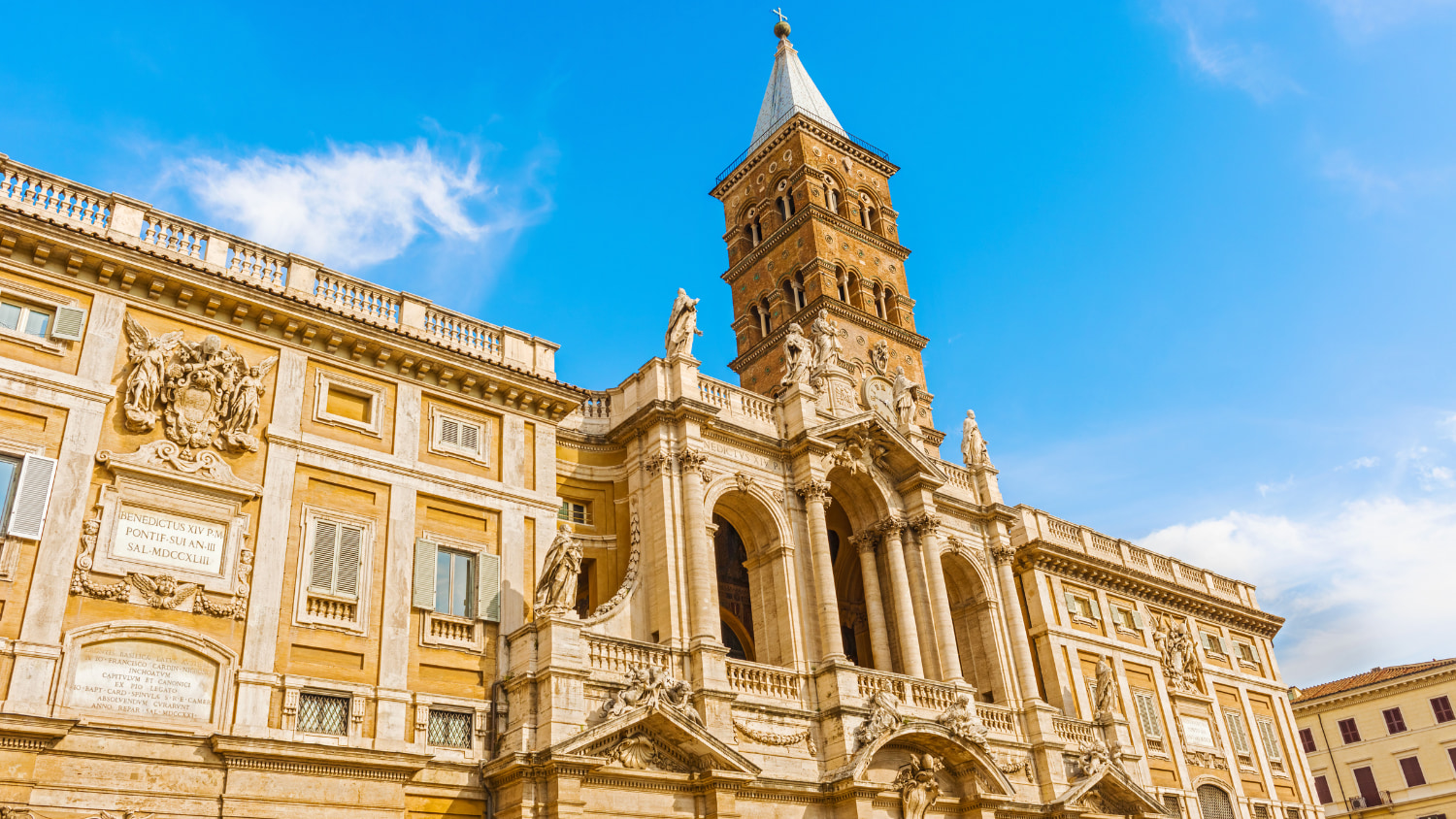
Santa Maria in Trastevere is one of the oldest churches in Rome and holds historical and artistic significance.
It is located in the Trastevere district, on the west bank of the Tiber River. Trastevere is known for its narrow winding streets and lively atmosphere, making it a popular area for both locals and visitors.
The church's origins date back to the 3rd century AD. Tradition holds that it was founded by Pope Callixtus I on the site where a spring miraculously appeared. The current church was rebuilt during the 12th century.
Visiting Santa Maria in Trastevere allows you to appreciate not only the religious and historical aspects of the church but also the vibrant atmosphere of the surrounding Trastevere district. The church stands as a testament to the rich cultural and artistic heritage of Rome.
7
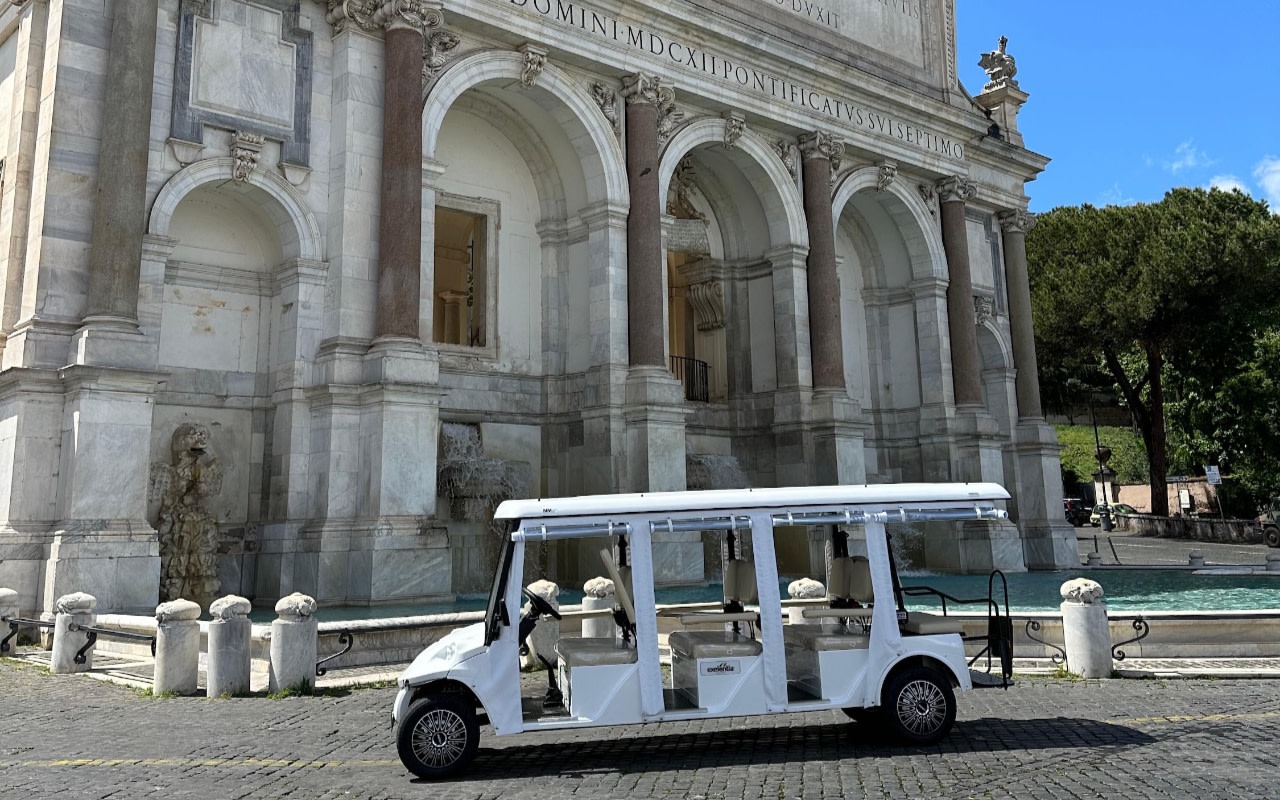
The Gianicolo, also known as Janiculum Hill, is a hill in Rome that offers panoramic views of the city. The Gianicolo Terrace is a popular vantage point located at the top of the hill, providing breathtaking views of Rome including St. Peter's Basilica, the Vatican City, the Roman Forum, and the Colosseum, the pantheon, piazza Navona etc. etc.
Whether you're interested in photography, enjoying a leisurely walk, or simply taking in the beauty of Rome from above, the Gianicolo Terrace offers a memorable experience and is a must-visit destination in the Eternal City.
What's not included
Gratuities
Lunch
Available languages
Guide guide
EN
Important information
Public transportation options are available nearby
Travelers should have at least a moderate level of physical fitness
Due to the Jubilee, some monuments may be under restoration. Please pay attention to any messages we may send regarding potential changes.
About Rome
Rome, the capital of Italy, is a city of ancient ruins, artistic masterpieces, and vibrant culture. Known as the Eternal City, it is a living museum where every corner tells a story of its rich history spanning over 2,500 years.
Top Attractions
Colosseum
The Colosseum is an iconic symbol of Rome and one of the most famous ancient amphitheaters in the world. It was used for gladiatorial contests and public spectacles.
Historical
1-2 hours
€16 (combined ticket with Roman Forum and Palatine Hill)
Vatican City
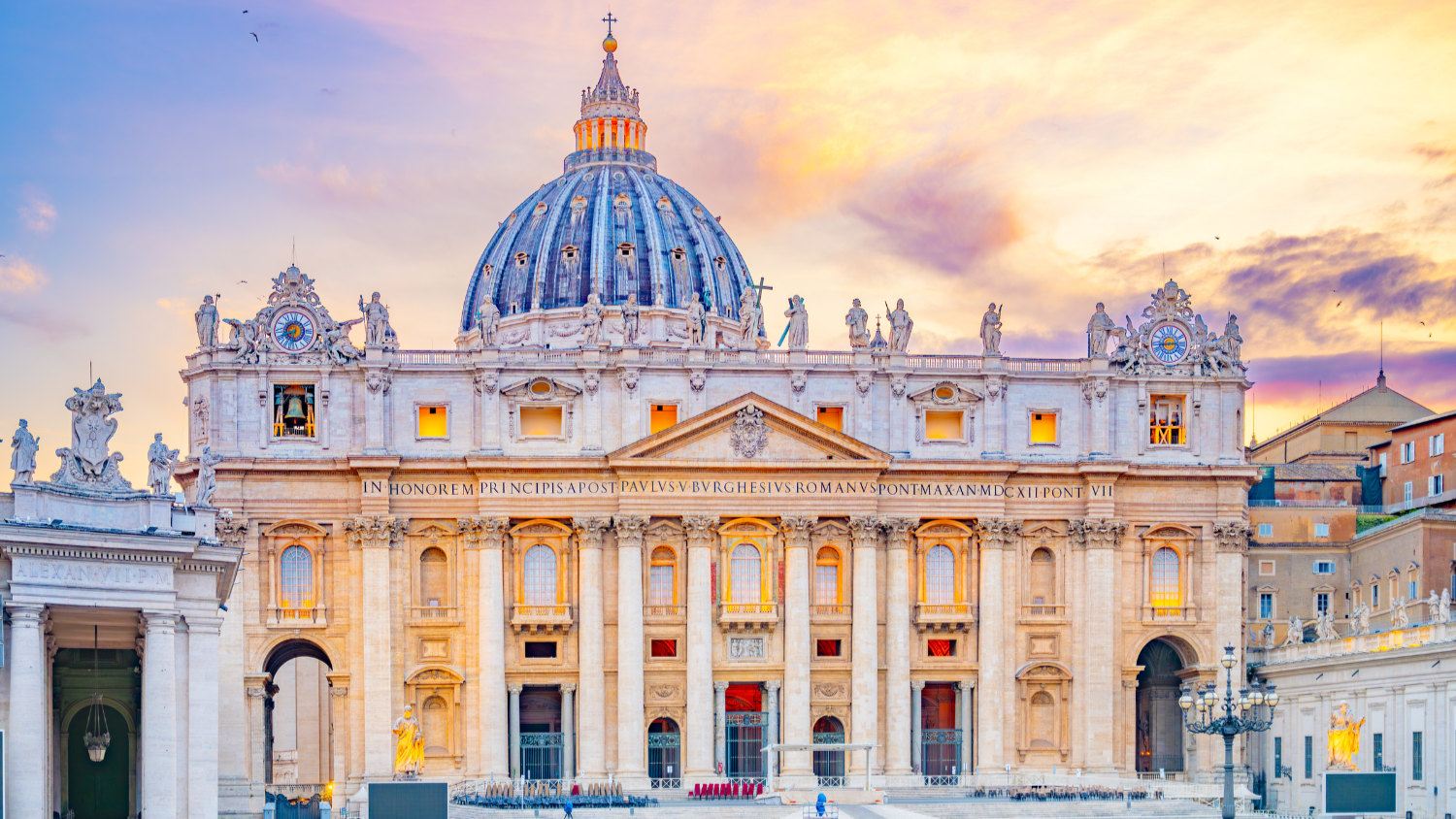
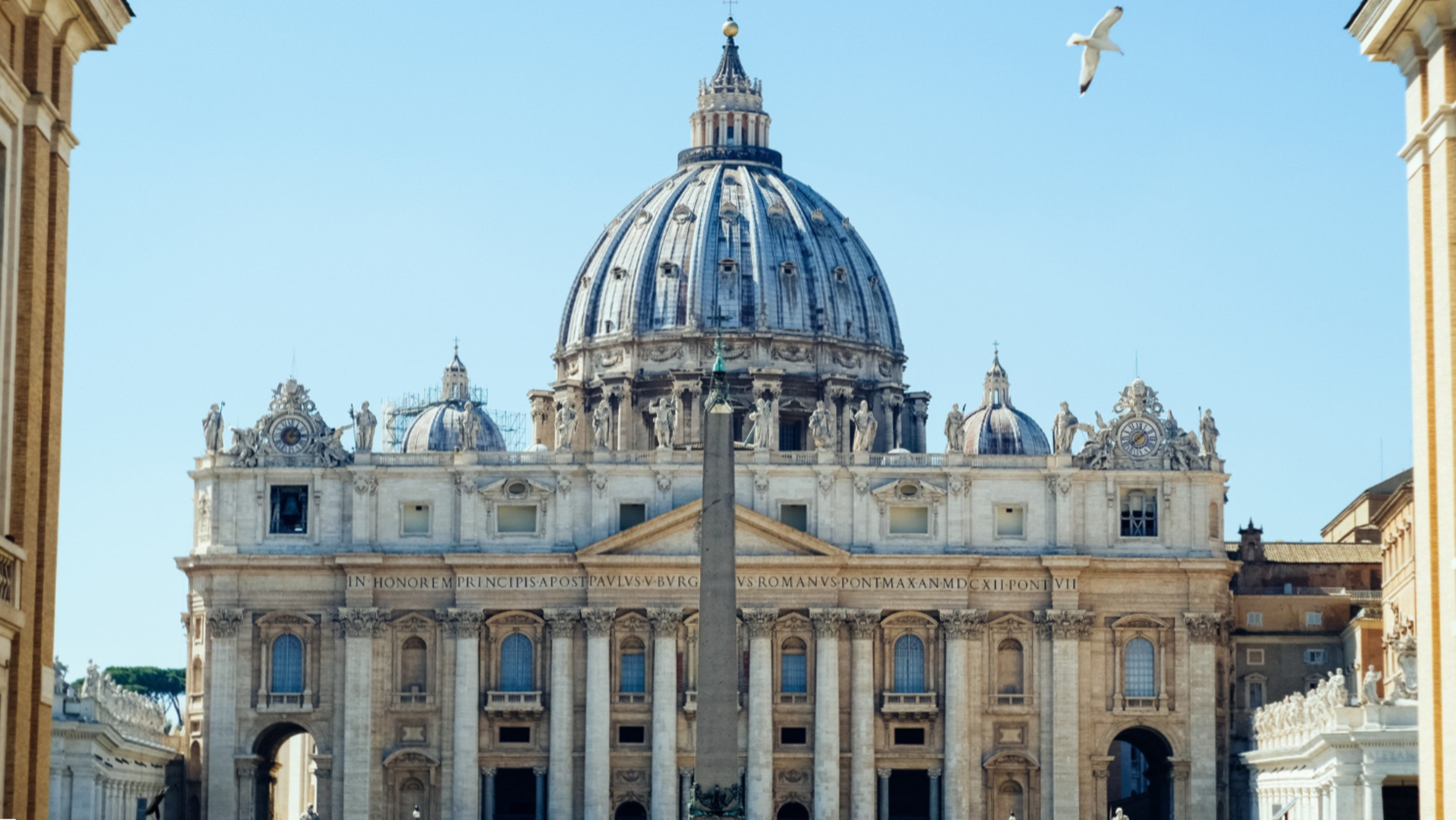
Vatican City is an independent city-state enclaved within Rome. It is the spiritual and administrative center of the Roman Catholic Church.
Religious
Half day
€17 (Vatican Museums and Sistine Chapel), Free (St. Peter's Basilica)
Roman Forum
The Roman Forum was the political, commercial, and legal hub of the Roman Republic and Empire. It is a sprawling ruin of temples, basilicas, and arches.
Historical
1-2 hours
€16 (combined ticket with Colosseum and Palatine Hill)
Pantheon
The Pantheon is a former Roman temple, now a church, known for its large dome and oculus. It is one of the best-preserved ancient buildings in Rome.
Historical
30 minutes to 1 hour
Free
Trevi Fountain
The Trevi Fountain is a Baroque masterpiece and the largest fountain in Rome. It is a popular spot for visitors to throw coins and make wishes.
Architecture
15-30 minutes
Free
Must-Try Local Dishes
Cacio e Pepe
A simple yet delicious pasta dish made with Pecorino Romano cheese and black pepper.
Pasta
Vegetarian
Carbonara
A rich pasta dish made with eggs, Pecorino Romano, guanciale (cured pork cheek), and black pepper.
Pasta
Contains pork and eggs
Supplì
Fried rice balls filled with mozzarella and tomato sauce.
Snack
Vegetarian (some variations may contain meat)
Carciofi alla Romana
Artichokes braised with garlic, mint, and olive oil.
Vegetable
Vegetarian
Popular Activities
Hiking in the Appian Way Regional Park
Biking along the Tiber River
Rock climbing in the nearby mountains
Picnicking in Villa Borghese Gardens
Boating on Lake Albano
Enjoying a spa day at a luxury hotel
Visiting the Vatican Museums
Attending an opera at the Teatro dell'Opera di Roma
Best Time to Visit
April to June, September to October
Spring and fall offer pleasant weather and fewer crowds compared to the summer peak. Ideal for sightseeing and outdoor activities.
15-30°C
59-86°F
Practical Information
Language
- Official: Italian
- Widely spoken: English, Spanish, French
- English: Moderately spoken
Currency
Euro (EUR)
Time Zone
GMT+1 (CET), GMT+2 (CEST during daylight saving time)
Electricity
230VV, 50HzHz
Safety Information
Overall Safety Rating: Generally safe
Rome is generally safe for tourists, but pickpocketing and scams can be a problem in crowded areas. Be aware of your surroundings and take precautions to protect your belongings.
Important Precautions:
- • Keep valuables secure and out of sight
- • Use official taxis or ride-sharing services
- • Be cautious of strangers approaching you with petitions or bracelets
Getting there
By air
- Leonardo da Vinci International Airport • 35 km from city center
- Ciampino Airport • 15 km from city center
By train
Roma Termini, Roma Tiburtina
By bus
Tiburtina Bus Station, Roma Termini
Getting around
Public transport
The metro system is efficient and covers major tourist areas. It operates from 5:30 AM to 11:30 PM.
Taxis
Available • Apps: Uber, FreeNow
Rentals
Car, Bike, Scooter
Neighborhoods
Trastevere
Monti
Prancipio
Testaccio
Day trips
Ostia Antica
30 km from Rome • Half day
An ancient Roman port city with well-preserved ruins, including a theater, baths, and mosaics. It offers a glimpse into daily life in ancient Rome.
Tivoli
30 km from Rome • Full day
A picturesque town known for its stunning villas and gardens, including the famous Villa d'Este with its elaborate fountains and gardens.
Orvieto
120 km from Rome • Full day
A charming hilltop town known for its stunning cathedral, underground caves, and local wine. It offers a mix of history, culture, and scenic views.
Festivals
Natale di Roma • April 21
Festa de' Noantri • July
Rome Film Festival • October
Pro tips
- Visit major attractions early in the morning or late in the afternoon to avoid crowds
- Use public transport or walk instead of taking taxis to save money and experience the city like a local
- Try local specialties and ask for recommendations from locals and restaurant staff
- Dress modestly when visiting religious sites and be respectful of local customs and traditions
- Be aware of pickpockets and scams, especially in crowded areas and tourist hotspots
From $25
per person
Price varies by option
Secure booking
Free cancellation available
Instant confirmation