Private Tour: São Paulo's Top Attractions–6 Hours, Hotel/Airport
Active
6h
For a full refund, cancel at least 24 hours before the scheduled departure time.
Instant confirmation
Mobile or paper ticket accepted
About this experience
Explore São Paulo in comfort and safety, accompanied by an exclusive tour guide! On this private tour, you'll experience the best of the city with an itinerary that blends history, culture, art, and unforgettable flavors.
Visit iconic landmarks such as Sé Cathedral, the Municipal Market (Mercadão), Paulista Avenue, Ibirapuera Park, Batman Alley, the Liberdade district (Japantown), and much more. Discover local insights, admire Niemeyer's architecture, try exotic fruits, and capture incredible photos at every stop.
The experience is fully personalized, tailored to your pace and preferences. Ideal for couples, families, groups, or solo travelers.
Book your tour now and experience São Paulo in a unique way!
Available options
Airport Pick-up/Drop-off
Pickup included
Your choice of hotel for pickup.
Pickup included
What's included
Bottled water
Pickup from Hotels and Airports
Air-conditioned vehicle
Detailed itinerary
1
Stop 1
Discover the charm and importance of Ibirapuera Park. You'll experience a bit of what makes this place one of São Paulo's most beloved spots—a space where nature, culture, and modern architecture meet.
Our tour offers a light and pleasant walk through the park's highlights:
Connection with Nature: We'll stroll along tree-lined paths, overlooking the lakes and gardens designed by Burle Marx—an invitation to contemplation in the midst of the city.
Iconic Architecture: An external presentation of the Oca and the Ibirapuera Auditorium, two masterpieces by Oscar Niemeyer.
Photo Opportunities: Strategic stops for photos in Instagrammable settings, such as reflecting pools, sculptures, and areas of lush greenery.
Facts and History: Learn more about the park's origin, its public artworks, and its cultural significance for São Paulo.
2
The Monument to the Bandeiras, created by sculptor Victor Brecheret, is one of São Paulo's most iconic works. Inaugurated in 1953, it is located opposite Ibirapuera Park, in Armando de Salles Oliveira Square, right next to the Legislative Assembly.
The sculpture, made of granite, is approximately 50 meters long and depicts the bandeirantes, who were explorers and pioneers of Brazil's interior during the 17th and 18th centuries.
What does the work represent?
It shows a diverse group of people — Portuguese, Indigenous people, and Africans — pulling a stone canoe. This scene symbolizes the collective effort of the expeditions into the country's interior, often driven by the search for riches and territorial expansion.
Style and visual impact:
The physical strength, movement, and expressions of the sculpted figures convey a sense of heroic effort, but today the monument also prompts critical reflections on the violent and colonizing role of these expeditions.
3
MAC USP – Museum of Contemporary Art
Located opposite Ibirapuera Park, MAC USP houses one of the largest collections of modern and contemporary art in Latin America. The building, designed by Oscar Niemeyer, also offers one of the most beautiful views of the city from its panoramic rooftop terrace.
Among the artists in the collection are names like Picasso, Tarsila do Amaral, and Anita Malfatti.
4
Stop 4
⛪ Sé Cathedral
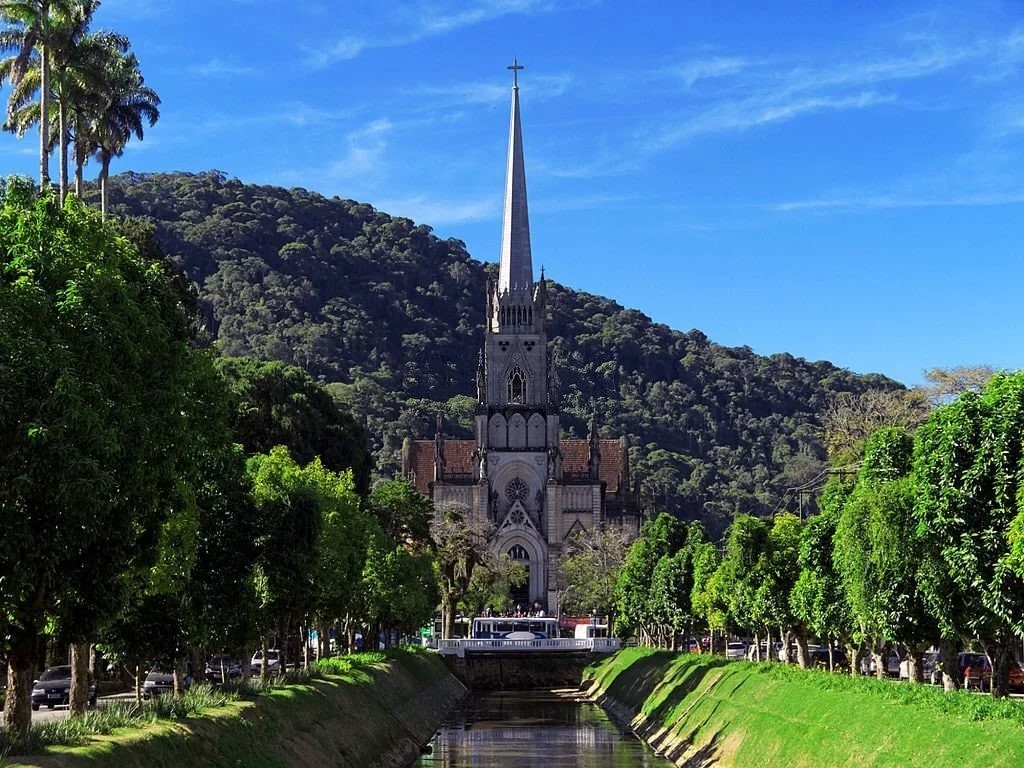
Located in the heart of São Paulo, Sé Cathedral is one of the largest Neo-Gothic churches in the world. Inaugurated in 1954, it impresses with its grandeur, colorful stained-glass windows, and stone-carved details.
The dome, in Renaissance style, is one of the building's highlights, as is the city's "marco zero" (zero milestone), located right in front of its main staircase.
5
Stop 5
Here is the English translation of the description for the Liberdade Neighborhood:
Liberdade Neighborhood
Liberdade is one of São Paulo's most traditional and unique neighborhoods, known for its strong Japanese cultural influence and that of other Asian communities. When walking (or driving) through its streets, it's easy to spot the red lanterns, signs in Kanji, and distinctive architecture that give the place a special charm.
The neighborhood's strong Asian identity began with Japanese immigration in the early 20th century. Today, it is a hub for commerce, gastronomy, and cultural events, such as the well-known Chinese New Year Festival.
Despite its predominantly East Asian atmosphere, Liberdade also holds historical landmarks from earlier periods, such as old churches and the former "Cemitério dos Enforcados" (Cemetery of the Hanged), giving the neighborhood a unique blend of past and present.
6
Stop 6
São Paulo Municipal Market (Mercadão)
Inaugurated in 1933, the Municipal Market is a true gastronomic icon of the city. With its historic building featuring colorful stained-glass windows and imposing architecture, it captures attention as much for its beauty as for its aromas and flavors.
It's the ideal place to try exotic fruits, spices, cheeses, cured meats, and the famous mortadella sandwiches and codfish pasties (pastéis de bacalhau), which have become tourist attractions in themselves.
Beyond the gastronomy, the Mercadão also reveals much about São Paulo's cultural and culinary diversity—all gathered under one roof.
7
Stop 7
Pass by
Here's the English translation of the description for Avenida Paulista:
Paulista Avenue
Paulista Avenue is one of São Paulo's most emblematic landmarks. Inaugurated in 1891 and originally lined with mansions of coffee barons, today it is a vibrant financial, cultural, and urban center of the city.
Along its nearly 3 km stretch, Paulista Avenue brings together museums, cultural centers, shopping malls, restaurants, and modern architecture—as well as being a stage for demonstrations, fairs, and popular events.
Highlights such as MASP (with its famous open space beneath), the Conjunto Nacional (a historic multi-purpose complex), and modern glass-facade buildings coexist with street artists, cyclists, and residents who transform the avenue into a dynamic and lively space, especially on Sundays, when it is open to pedestrians.
8
Batman Alley
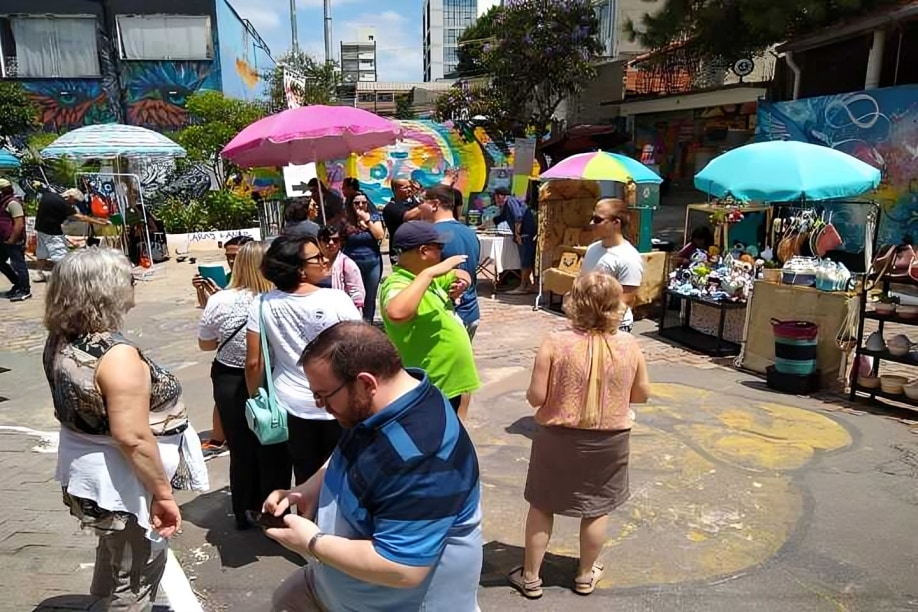
Tucked away in the narrow streets of the Vila Madalena neighborhood, Batman Alley is one of São Paulo's most creative and colorful spots. The place is a true open-air museum of urban art, with walls entirely covered in graffiti murals that are constantly changing.
The name originated in the 1980s when a drawing of Batman appeared on one of the walls—since then, artists from Brazil and around the world have transformed the alley into a vibrant and democratic gallery.
Beyond the visual arts, the atmosphere also reflects the area's laid-back vibe, surrounded by cafes, alternative shops, and cool bars, making it one of the most "Instagrammable" spots in the city.
What's not included
Meals
Available languages
Guide guide
DE
PT
EN
IT
FR
ES
Reviews breakdown
Viator
4.8
9 reviews
5★
7
4★
2
3★
0
2★
0
1★
0
Tripadvisor
5.0
41 reviews
5★
40
4★
1
3★
0
2★
0
1★
0
Important information
Infants are required to sit on an adult’s lap
Suitable for all physical fitness levels
About São Paulo
São Paulo is a vibrant, cosmopolitan city known for its dynamic culture, diverse cuisine, and bustling urban life. As Brazil's financial and cultural hub, it offers a unique blend of modern skyscrapers, historic landmarks, and lush parks, making it a must-visit destination for travelers seeking a mix of excitement and relaxation.
Top Attractions
Ibirapuera Park
Ibirapuera Park is São Paulo's most famous green space, offering a vast area for recreation, cultural events, and relaxation. It's a great place for picnics, jogging, and enjoying outdoor activities.
Nature
2-4 hours
Free (some attractions may have entry fees)
São Paulo Museum of Art (MASP)
MASP is one of the most important art museums in Brazil, housing a vast collection of European and Brazilian art. The museum's iconic modernist building is a landmark in itself.
Museum
2-3 hours
R$ 70 (USD 14) for general admission
São Paulo Cathedral
The São Paulo Cathedral is a stunning example of Neo-Gothic architecture and one of the city's most iconic landmarks. The cathedral's towering spires and intricate details make it a must-visit for architecture enthusiasts.
Historical
1-2 hours
Free (donations welcome)
Mercado Municipal
Mercado Municipal is a bustling market offering a wide variety of fresh produce, meats, cheeses, and local delicacies. It's a great place to sample São Paulo's diverse culinary scene and shop for souvenirs.
Market
1-2 hours
Free entry, prices vary by item
Jardim Botânico
Jardim Botânico is a beautiful botanical garden featuring a diverse collection of plants, trees, and flowers. The garden's peaceful atmosphere and scenic paths make it a perfect escape from the city's hustle and bustle.
Nature
1-2 hours
R$ 7 (USD 1.40) for general admission
Must-Try Local Dishes
Pão de Queijo
Delicious cheese bread made with tapioca flour, originating from Minas Gerais but popular throughout Brazil.
Snack
Gluten-free, contains dairy
Feijoada
A hearty stew made with black beans, pork, and sausages, often served with rice, collard greens, and orange slices.
Dinner
Contains pork and beans, can be made vegetarian
Acarajé
Deep-fried black-eyed pea fritters stuffed with shrimp, vatapá (a spicy paste), and salad, originating from Bahia but popular in São Paulo.
Snack
Contains shrimp and peanuts, gluten-free
Pastel
Crispy fried pastry pockets filled with various savory ingredients, such as cheese, meat, or hearts of palm.
Snack
Can be made vegetarian or vegan
Popular Activities
Hiking in nearby nature reserves
Water sports at Santos Beach
Exploring the city's street art and graffiti scene
Relaxing in Ibirapuera Park
Enjoying a traditional Brazilian massage
Visiting a local café or spa
Visiting museums and galleries
Attending local festivals and events
Best Time to Visit
April to June and September to November
These months offer pleasant weather with lower humidity and less rain, making it ideal for outdoor activities and sightseeing.
18-28°C (64-82°F)
64-82°F
Practical Information
Language
- Official: Portuguese
- Widely spoken: English, Spanish, Italian, Japanese
- English: Moderately spoken in tourist areas, limited in other parts of the city
Currency
Brazilian Real (BRL)
Time Zone
GMT-3 (Brasília Time, BRT)
Electricity
110-127V and 220V (varies by region and establishment)V, 60HzHz
Safety Information
Overall Safety Rating: Exercise caution
São Paulo is a vibrant and exciting city, but it also has its share of safety concerns. Petty crime, such as pickpocketing and bag snatching, is common in crowded areas and on public transport. Violent crime, including robbery and assault, can occur, especially in certain neighborhoods and at night. Exercise caution and be aware of your surroundings, especially when traveling alone or at night.
Important Precautions:
- • Be aware of your surroundings and keep your valuables secure and out of sight
- • Avoid walking alone in isolated or unfamiliar neighborhoods, especially at night
- • Use reputable taxi services or ride-sharing apps like Uber, and avoid unmarked or unlicensed taxis
Getting there
By air
- São Paulo/Guarulhos International Airport • 25 km (15.5 miles) from city center
- São Paulo/Congonhas Airport • 10 km (6.2 miles) from city center
By train
Estação da Luz, Estação da Sé
By bus
Terminal Tietê, Terminal Jabaquara
Getting around
Public transport
The metro is efficient, clean, and air-conditioned, making it the preferred mode of transport for locals and tourists alike.
Taxis
Available • Apps: Uber, 99 Taxis
Rentals
Car, Bike, Scooter
Neighborhoods
Jardins
Vila Madalena
Liberdade
Pinheiros
Santa Cecilia
Day trips
Campinas
95 km (59 miles) from São Paulo • Full day
Campinas is a vibrant city known for its universities, cultural attractions, and proximity to nature. It's a great destination for a day trip from São Paulo, offering a mix of urban and outdoor activities.
Santos
75 km (47 miles) from São Paulo • Full day
Santos is a popular beach destination known for its beautiful coastline, historic landmarks, and vibrant cultural scene. It's a great escape from the city for a relaxing day by the sea.
Paraty
250 km (155 miles) from São Paulo • Overnight
Paraty is a charming colonial town known for its historic architecture, beautiful beaches, and lush rainforests. It's a great destination for a longer day trip or overnight stay from São Paulo.
Festivals
Carnival • February or March (varies by year)
São Paulo Fashion Week • July and October
Virada Cultural • May (specific dates vary by year)
Pro tips
- Use the metro or bus to get around the city, as traffic can be heavy and unpredictable
- Be cautious of pickpockets and bag snatchers, especially in crowded areas and on public transport
- Learn a few basic Portuguese phrases, as this will be appreciated by locals and can enhance your travel experience
- Try the local street food and cuisine, as São Paulo is known for its diverse and flavorful food scene
- Visit the city's museums and cultural attractions, as São Paulo has a rich and vibrant artistic scene
From $25
per person
Price varies by option
Secure booking
Free cancellation available
Instant confirmation