Souks and Hidden Gems In Marrakech
Active
3h - 4h
For a full refund, cancel at least 24 hours before the scheduled departure time.
Instant confirmation
Mobile or paper ticket accepted
About this experience
The Uniqueness: Going Beyond the Surface
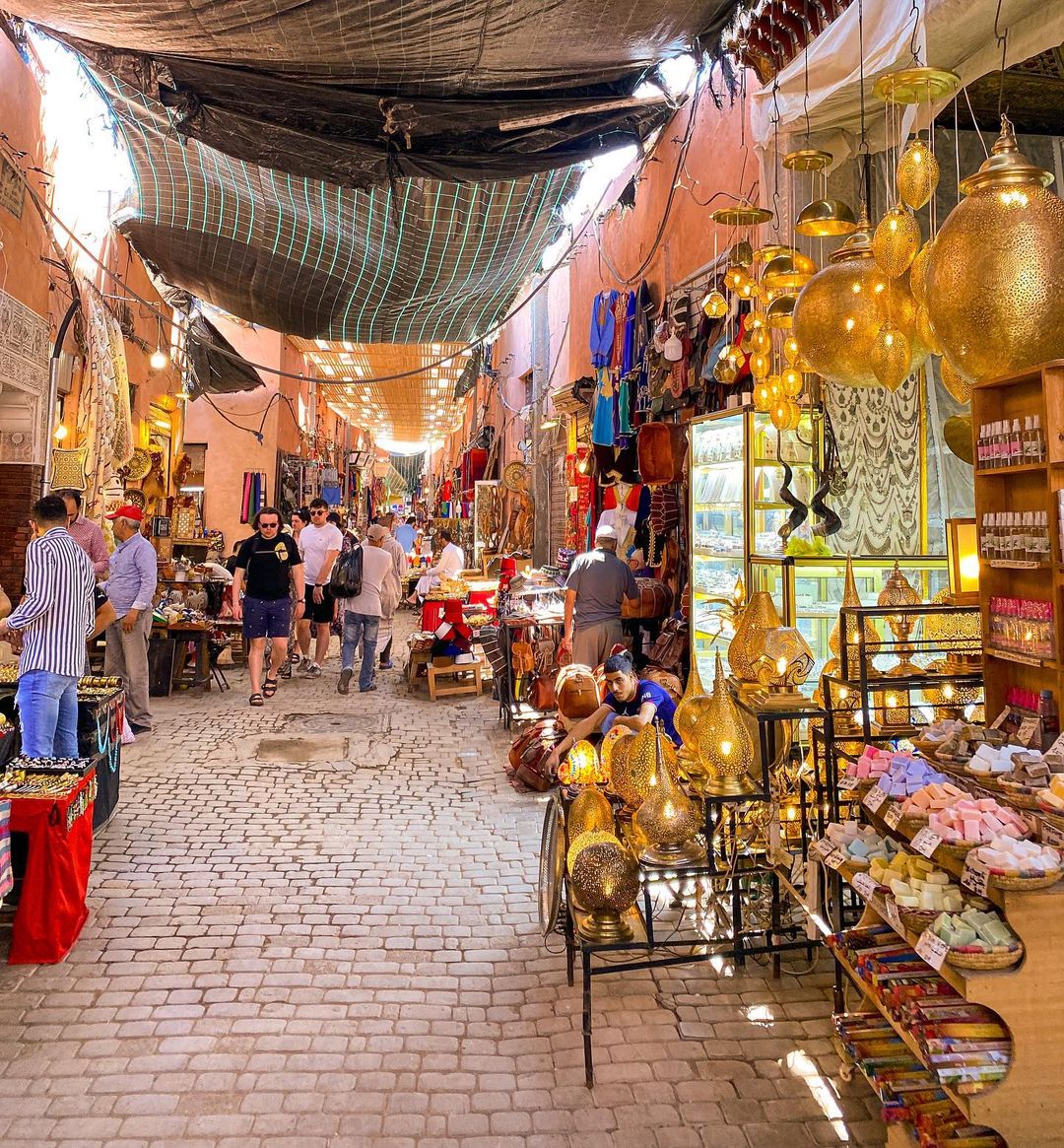
Behind-the-Scenes: Instead of just shopping in the main retail souks (like Souk Semmarine), the guide takes you down winding, unmarked alleys to working artisan quarters. You'll see crafts being made—like watching a metalsmith hammer patterns onto a lantern, observing leather being dyed, or seeing weavers at their loom.
Connection to Craft: This offers a profound appreciation for the centuries-old traditional methods that still underpin Moroccan craftsmanship, providing a genuine cultural moment rather than just a transaction.
The Local Rhythm: You get a glimpse into the daily life of the Medina residents, seeing where locals shop, eat, and socialize—places you could never find on your own.
3. The Local Guide's Expertise
Navigation of the Maze: The souks are a labyrinth. Your guide acts as a vital compass, navigating the complex, unnamed alleyways with ease, eliminating the stress of getting lost.
Available options
Souks and Hidden Gems In Marrakech
What's included
Drink a mint tea at the highest roof top to admir Marrakech beauty.
Detailed itinerary
1
The Dyers' Souk is a lively, sensory experience defined by a rainbow of colors. As you enter, often through an archway near the historic Mouassine fountain, you'll find yourself surrounded by the workspace of the dyers, an art form that has remained largely unchanged for centuries.
A Feast for the Eyes: The most iconic sight is the wool and fabrics hanging to dry. Skeins of freshly dyed wool, fabric, and sometimes leather, are suspended on bamboo poles strung across the narrow alleyways, creating a canopy of dazzling colors overhead. The sight transforms daily based on which colors the artisans are working with.
The Artisanal Process: The souk is a working environment where you can observe the dyers in action. They gather around large metal pots or cauldron-like vats, using charcoal fires to boil water and set the dyes. The dye vats contain vibrant pigments extracted from natural sources, such as:
Plant-based dyes: woad, saffron, poppy flowers.
Mineral dyes: indigo, cochineal.
2
The tanneries of Marrakesh are one of the city's most ancient and visceral sights, offering a direct view into
The Traditional Tanning Process
The methods used in the Marrakesh tanneries have remained largely unchanged since the medieval era, dating back to the time of the Almoravid Dynasty. The process has several traditional steps:
Preparation (Soaking and De-hairing):
Raw hides, which arrive usually via donkey cart, are first soaked in a solution of water and lime to clean and soften them, and to loosen the hair.
Next, the hides are submerged in the fermentation pits—the notorious mixture containing pigeon droppings, water, and lime. This solution helps to make the leather supple and flexible.
Workers then manually scrape the skins with sharp tools to remove any remaining hair, fat, and flesh.
Tanning and Coloring:
The cleaned and prepared hides are washed again, and then placed into the vibrant dye pits.
3
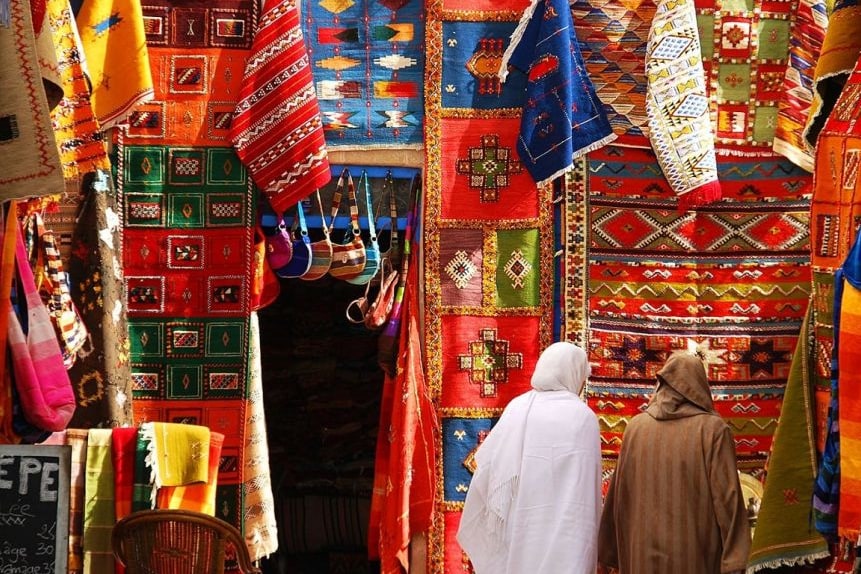
Handmade Craftsmanship: Almost all traditional Moroccan rugs are meticulously hand-woven by Berber women, a skill passed down through generations from mother to daughter. This tradition often means that each rug is a unique, one-of-a-kind piece.
Materials: They are typically made from 100% natural materials, most commonly high-quality, hand-spun wool from the sheep of the Atlas Mountains, prized for its softness and durability. Other materials like cotton, silk, or even recycled textiles (in Boucherouite rugs) can be used.
Weaving & Climate: The style and thickness of the rug often reflect the climate of its region of origin:
Thick, High-Pile: Found in the cold, snowy Atlas Mountains (e.g., Beni Ourain) for warmth and insulation.
Flat-Woven (Kilim): Made for the hotter, more nomadic regions as they are lightweight, durable, and easy to transport.
4
Stop 4
A UNESCO Cultural Space
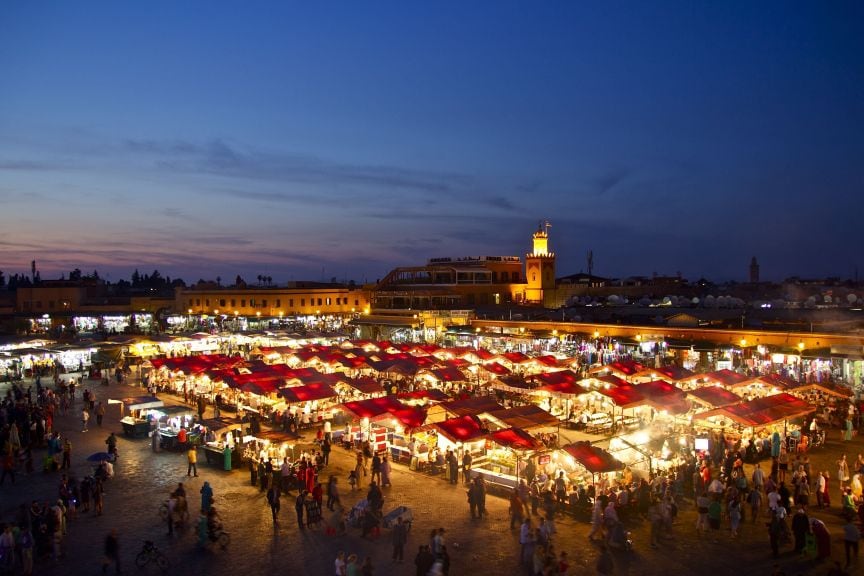
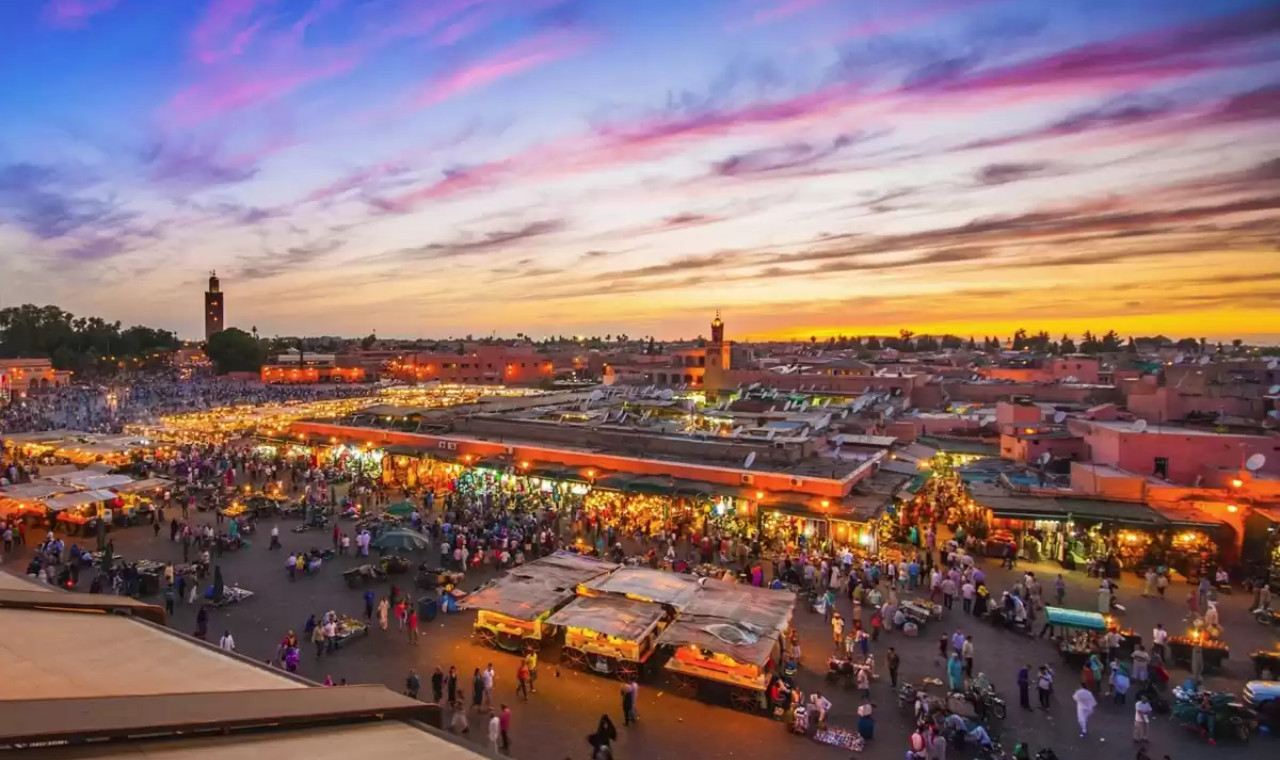
The square was proclaimed a site of Intangible Cultural Heritage of Humanity by UNESCO in 2001 (and inscribed in 2008). It is recognized for representing a unique concentration of popular Moroccan cultural traditions performed through musical, religious, and artistic expressions.
Meaning of the Name
The translation of "Jemaa el-Fnaa" has several interpretations:
"The Last Square" or "The Place Where Everything Ends"
"The Mosque of the Square"
Poetic, though likely false, interpretations include the "Assembly of the Dead" or "Place of the Vanished Mosque."
History and Function
Historical Hub: Dating back to the 11th century, the square was originally a trading post for caravans that crossed the Sahara Desert, carrying items such as gold, spices, and medicines.
Judicial Center: In ancient times, it was also a place of justice, historically hosting public executions of criminals.
Available languages
Guide guide
EN
FR
Reviews breakdown
Tripadvisor
4.6
9 reviews
5★
8
4★
0
3★
0
2★
0
1★
1
Important information
Public transportation options are available nearby
Suitable for all physical fitness levels
Meeting point
I will waiting for you in front of cafe France.
About Marrakech
Marrakech is a vibrant city known for its rich history, bustling souks, and stunning architecture. It offers a blend of traditional Moroccan culture and modern amenities, making it a captivating destination for travelers.
Top Attractions
Jemaa El-Fnaa
Jemaa El-Fnaa is the heart of Marrakech, a bustling square filled with food stalls, entertainers, and souvenir vendors. It's a must-visit for its vibrant atmosphere and cultural experiences.
Cultural
2-3 hours
Free (food and souvenirs cost extra)
Koutoubia Mosque
The Koutoubia Mosque is one of the most iconic landmarks in Marrakech. Its minaret is a symbol of the city and can be seen from many parts of the medina.
Historical
1 hour
Free (non-Muslims cannot enter the mosque)
Bahia Palace
The Bahia Palace is a stunning example of Moroccan architecture, featuring intricate tile work, lush gardens, and beautiful courtyards. It offers a glimpse into the opulent lifestyle of the past.
Historical
1-2 hours
70 MAD
Majorelle Garden
The Majorelle Garden is a beautiful botanical garden designed by French painter Jacques Majorelle. It features a variety of plants, a striking blue villa, and a museum dedicated to Yves Saint Laurent.
Nature
2-3 hours
70 MAD
Saadian Tombs
The Saadian Tombs are a collection of mausoleums dating back to the 16th and 17th centuries. They were discovered in 1917 and offer a fascinating look into the history of Marrakech.
Historical
1 hour
70 MAD
Must-Try Local Dishes
Tagine
A slow-cooked stew made with meat, vegetables, and spices, named after the earthenware pot it's cooked in.
Main course
Vegetarian options available
Couscous
A dish made with steamed semolina grains, often served with vegetables and meat.
Main course
Vegetarian options available
Pastilla
A savory-sweet pie made with layers of filo pastry, filled with spiced pigeon or chicken, almonds, and powdered sugar.
Main course
Contains nuts
Mint Tea
A traditional Moroccan tea made with green tea and fresh mint leaves, sweetened with sugar.
Drink
Contains caffeine
Popular Activities
Hiking in the Atlas Mountains
Surfing in Essaouira
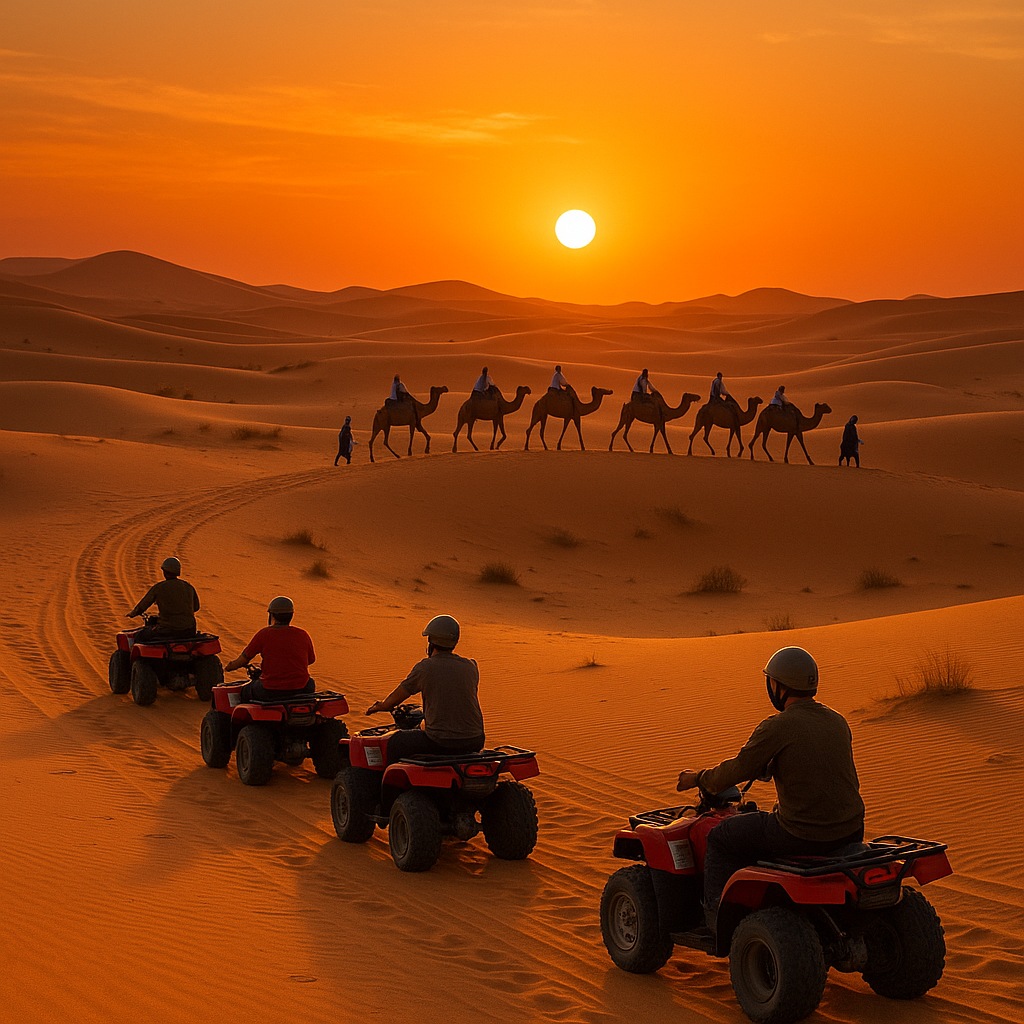
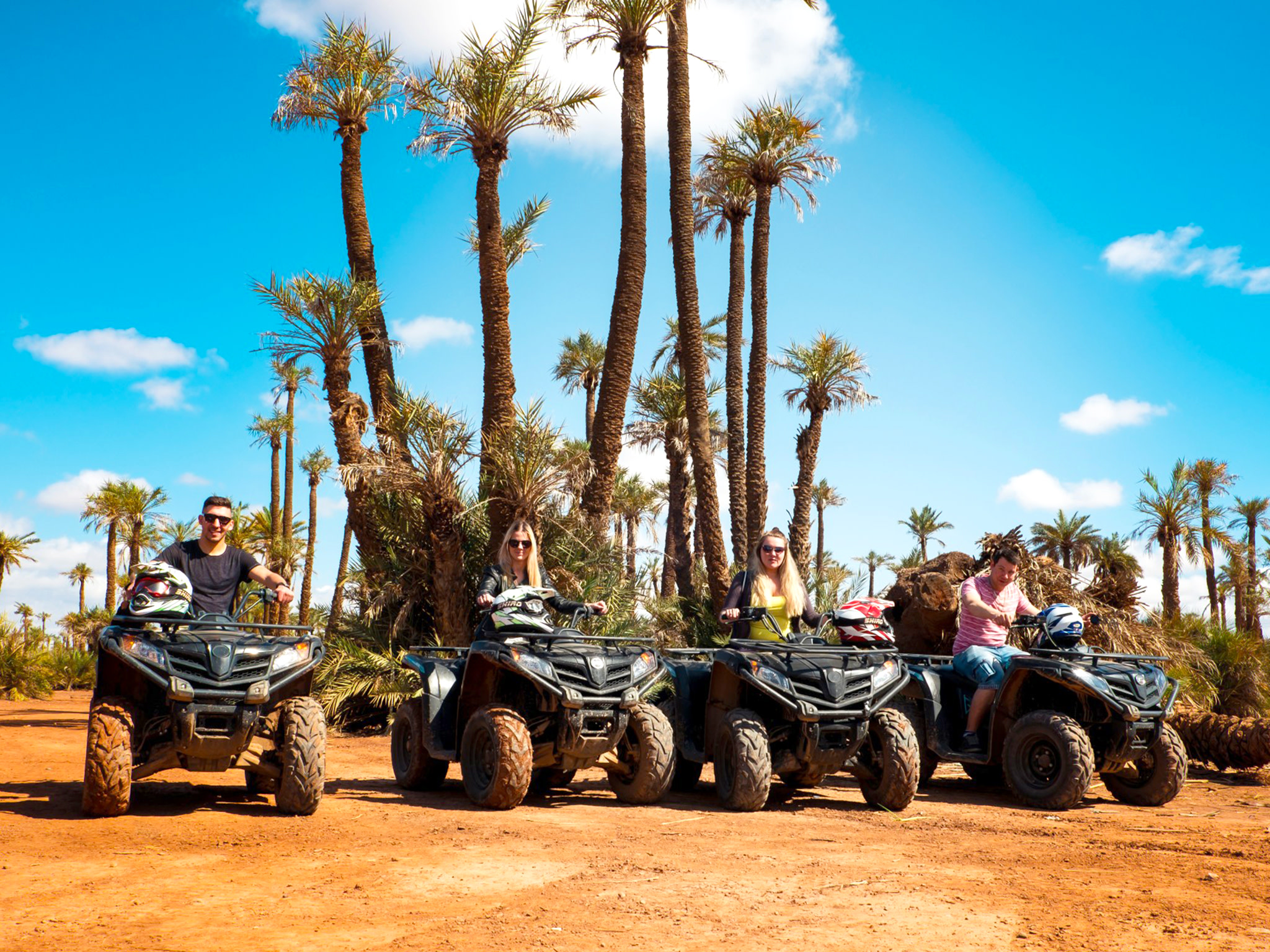
Quad biking in the desert
Spa treatments
Yoga retreats
Relaxing in a hammam
Exploring the medina
Visiting museums
Best Time to Visit
Spring (March to May) and Fall (September to November)
The best time to visit Marrakech is during spring and fall when the weather is pleasant and ideal for exploring the city. The temperatures are mild, and the crowds are manageable.
15°C to 25°C
59°F to 77°F
Practical Information
Language
- Official: Arabic
- Widely spoken: French, Berber languages
- English: Moderately spoken in tourist areas
Currency
Moroccan Dirham (MAD)
Time Zone
GMT+0
Electricity
220VV, 50HzHz
Safety Information
Overall Safety Rating: Exercise caution
Marrakech is generally safe for tourists, but petty crime and scams can occur. Be cautious of your surroundings, especially in crowded areas.
Important Precautions:
- • Be cautious of your belongings in crowded areas.
- • Use reputable taxi services and agree on the fare before starting your journey.
- • Avoid walking alone at night in less crowded areas.
Getting there
By air
- Menara International Airport • 4 km from city center
By train
Marrakech Railway Station
By bus
Marrakech Central Bus Station
Getting around
Public transport
Buses are the most common form of public transport in Marrakech. They are affordable and cover most areas of the city.
Taxis
Available • Apps: Careem, Heetch
Rentals
Car, Bike, Scooter
Neighborhoods
Medina
Gueliz
Hivernage
Day trips
Atlas Mountains
60 km from Marrakech • Full day
The Atlas Mountains offer stunning landscapes, hiking trails, and traditional Berber villages. It's a great escape from the city for nature lovers.
Ourika Valley
30 km from Marrakech • Half day to full day
The Ourika Valley is known for its beautiful landscapes, traditional Berber houses, and waterfalls. It's a popular destination for day trips from Marrakech.
Essaouira
180 km from Marrakech • Full day to overnight
Essaouira is a charming coastal town known for its beautiful beaches, historic medina, and vibrant arts scene. It's a popular destination for surfing, windsurfing, and relaxation.
Festivals
Marrakech Popular Arts Festival • Every July
Marrakech International Film Festival • Every November/December
Ramadan • Dates vary (Islamic calendar)
Pro tips
- Hire a local guide for a more immersive and informative experience.
- Learn a few basic phrases in Arabic or French to enhance your interactions with locals.
- Visit the medina early in the morning or late in the afternoon to avoid the heat and crowds.
- Bargain politely when shopping in the souks, as prices are often negotiable.
- Try local street food for an authentic culinary experience, but choose stalls with high turnover.
From $25
per person
Price varies by option
Secure booking
Free cancellation available
Instant confirmation