Belfast City History and Titanic birthplace private tour
Active
8h
All sales are final. No refund is available for cancellations.
Instant confirmation
Mobile or paper ticket accepted
About this experience
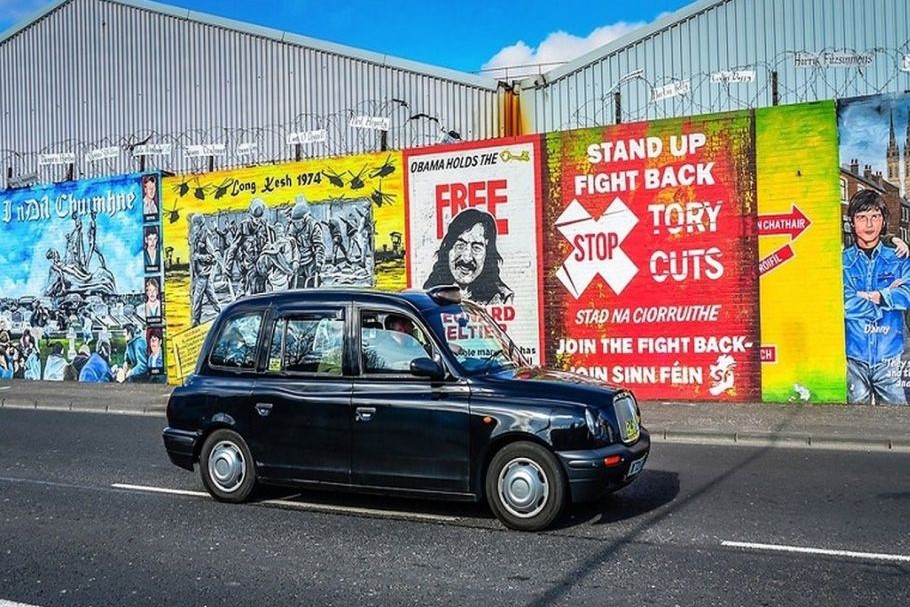
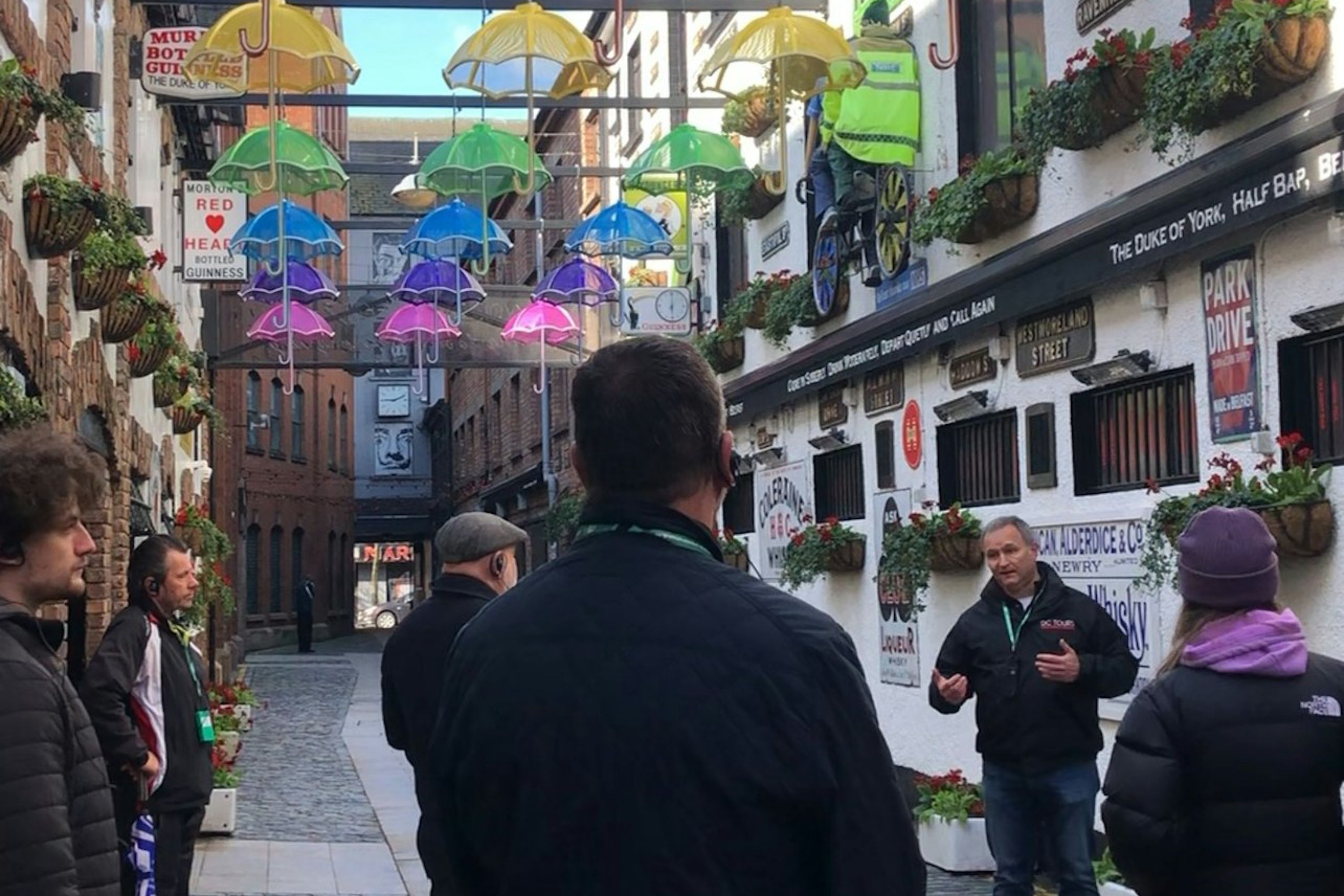
Book this tour and learn all about Belfast City history - its conflict, murals, Peace Walls, and Gates. Both Catholic and Protestant areas. Your guide will drive you through the streets of Belfast visiting all the famous attractions: Victorian buildings, Belfast Castle, Stormont and all parts of the city from the Cathedral Quarter to the Titanic Quarter.
Available options
Belfast City History and Titanic birthplace private tour
Pickup included
What's included
All fees and taxes
Transportation in a private vehicle
Pick-up and drop-off
Professional licensed guide
Detailed itinerary
1
Stop 1
Your guide will pick you up at Cruise Ship Port or at your hotel in Belfast.
The route of the tour depends on the start time of the tour and the options selected.
Whether you are cruising as a large group or a smaller family group your guide will plan a perfect itinerary so you can make the most of your visit to Belfast and Northern Ireland.
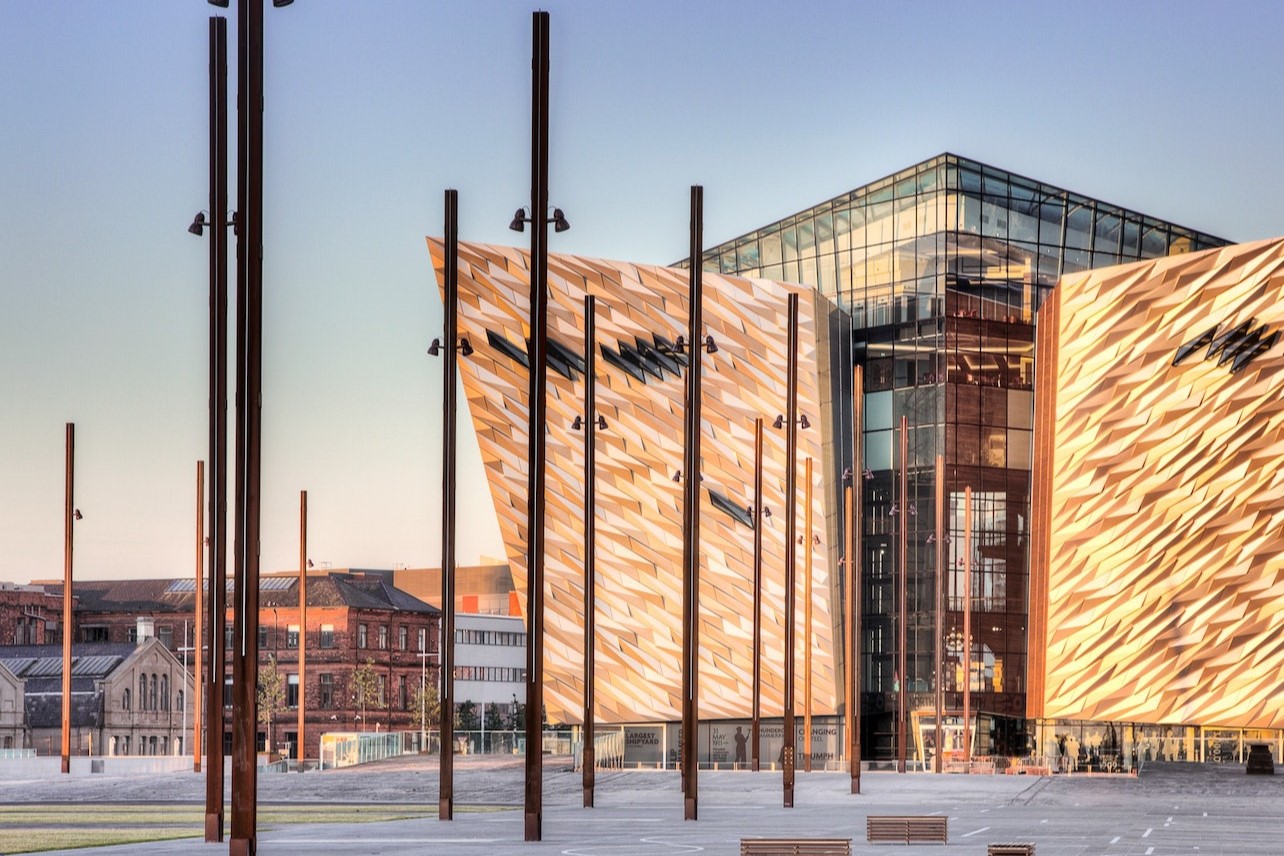
You will visit the Titanic Quarter, which celebrates the city’s once prosperous shipbuilding industry.
2
Stop 2
HMS Caroline is a decommissioned C-class light cruiser of the Royal Navy that saw combat service in the First World War and served as an administrative center in the Second World War. Caroline was launched and commissioned in 1914. At the time of her decommissioning in 2011, she was the second-oldest ship in Royal Navy service, after HMS Victory. She was converted into a museum ship. From October 2016 she underwent inspection and repairs to her hull at Harland and Wolff and opened to the public on 1 July 2017 at Alexandra Dock in the Titanic Quarter in Belfast.
3
Stop 3
Parliament Buildings, often referred to as Stormont because of its location in the Stormont Estate area of Belfast, is the seat of the Northern Ireland Assembly, the devolved legislature for the region. The Executive or government is located at Stormont Castle. In March 1987, the main Parliament Building became a Grade A Listed building.
4
Stop 4
As the tour returns to the City center you will pass the Albert clock.
The Albert Memorial Clock (more commonly referred to as the Albert Clock) is a clock tower situated at Queen's Square in Belfast, Northern Ireland. It was completed in 1869 and is one of the best known landmarks of Belfast.
5
Stop 5
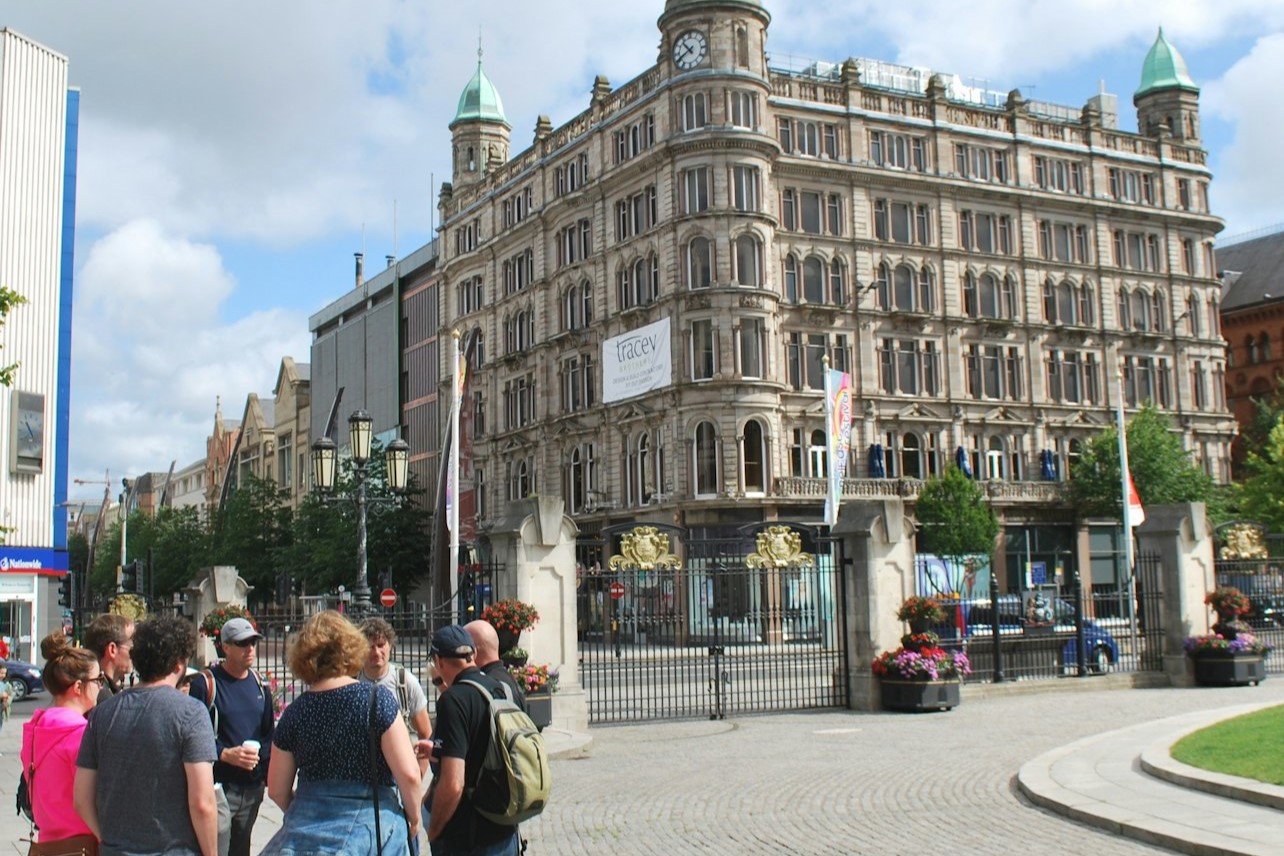
Belfast City Hall is another government building that should be visited. Located in the city center, this handsome structure was built in 1906 and remains one of the most distinctive landmarks in Belfast's downtown core. Tourists are welcome to explore the building as part of a guided tour, so popular that they've become one of the top free things to do in Belfast (tours are available on a first-come, first-served basis, so allow plenty of time in your schedule). Highlights of these one-hour tours include seeing a good-sized art display and historic stained-glass windows and an exhibit outlining the city's history. Afterwards, you can browse the gift shop or visit the café.
6
No Belfast itinerary is complete without allocating time to do a little shopping, especially if it includes St. George's Market. The oldest covered market in the city, St. George's Market was completed in 1896 and now provides a place to do business for some 300 vendors selling everything from food to art and crafts. It has also become an important venue for activities other than shopping, including food festivals, art shows, dancing, and even pop and rock concerts.
7
Stop 7
Then heading south to see the stunning Queen’s University.
Queen's University Belfast (informally Queen's or QUB) is a public research university in Belfast, Northern Ireland. The university received its charter in 1845 as "Queen's College, Belfast" and opened four years later. Queen's University Belfast is ranked in the top 200 universities in the world (QS World Rankings 2020), with the second-highest ranking on the island of Ireland. Queen's offers academic degrees at various levels and across a broad subject range, with more than 300 degree programmes available. The current president and vice-chancellor is Ian Greer. Queen's is a member of the Russell Group of leading research-intensive universities, the Association of Commonwealth Universities, the European University Association, Universities UK and Universities Ireland. The university is associated with two Nobel laureates and one Turing Award laureate.
8
Stop 8
Botanic Gardens is a public garden in Belfast, Northern Ireland. Occupying 28 acres (110,000 m2) of south Belfast, the gardens are popular with office workers, students, and tourists. They are located on Stranmillis Road in Queen's Quarter, with Queen's University nearby. The Ulster Museum is located at the main entrance. The gardens opened in 1828 as the private Royal Belfast Botanical Gardens. It continued as a private park for many years, only opening to members of the public on Sundays prior to 1895. Then it became a public park in 1895 when the Belfast Corporation bought the gardens from the Belfast Botanical and Horticultural Society. The Belfast Corporation was the predecessor of Belfast City Council, the present owner.
9
Stop 9
The Ulster Museum, located in the Botanic Gardens in Belfast, has around 8,000 square meters of public display space, featuring material from the collections of fine art and applied art, archaeology, ethnography, treasures from the Spanish Armada, local history, numismatics, industrial archaeology, botany, zoology and geology. It is the largest museum in Northern Ireland, and one of the components of National Museums Northern Ireland.
10
Stop 10
The Grand Opera House is a theatre in Belfast, Northern Ireland, designed by the most prolific theatre architect of the period, Frank Matcham. It opened on 23 December 1895. According to the Theatres Trust, the "magnificent auditorium is probably the best surviving example in the United Kingdom of the oriental style applied to theatre architecture".
11
Stop 11
After that head to the north of the city passing St Ann’s Cathedral.
St Anne's Cathedral, also known as Belfast Cathedral, is a Church of Ireland cathedral in Donegall Street, Belfast, Northern Ireland. It is unusual in serving two separate dioceses (Connor and Down and Dromore). A cathedral is a place where a bishop has a seat but Belfast Cathedral is unusual in having the seats of two bishops – the Bishop of Connor and the Bishop of Down & Dromore. It is the focal point of the Cathedral Quarter, Belfast.
12
The Gothic Revival St Patrick's was designed by Timonthy Hevey and Mortimer Thomspon and consecrated in 1877. The first Church was built on this site in 1815 and was the second Catholic Church built since the Reformation in the city of Belfast.
13
Stop 13
Stopping at Belfast Castle where you can have lunch.
Around four miles from the city centre along the A2/A6-Antrim Road is Belfast Castle. There are plenty of events here year-round, and it's a popular wedding venue due to its scenic location and beautiful historic building. A castle has existed on this site since the 12th century in many different incarnations. The current structure dates from 1870, although additions and embellishments have taken place since then.
14
Stop 14
After lunch, you will visit North of the City and walk around Both Catholic and Protestant areas, continue with the international Peace wall.
The peace lines or peace walls are a series of separation barriers in Northern Ireland that separate predominantly republican and nationalist Catholic neighbourhoods from predominantly loyalist and unionist Protestant neighbourhoods. They have been built at urban interface areas in Belfast, Derry, Portadown and elsewhere. The stated purpose of the peace lines is to minimise inter-communal violence between Catholics (most of whom are nationalists who self-identify as Irish) and Protestants (most of whom are unionists who self-identify as British).
15
Stop 15
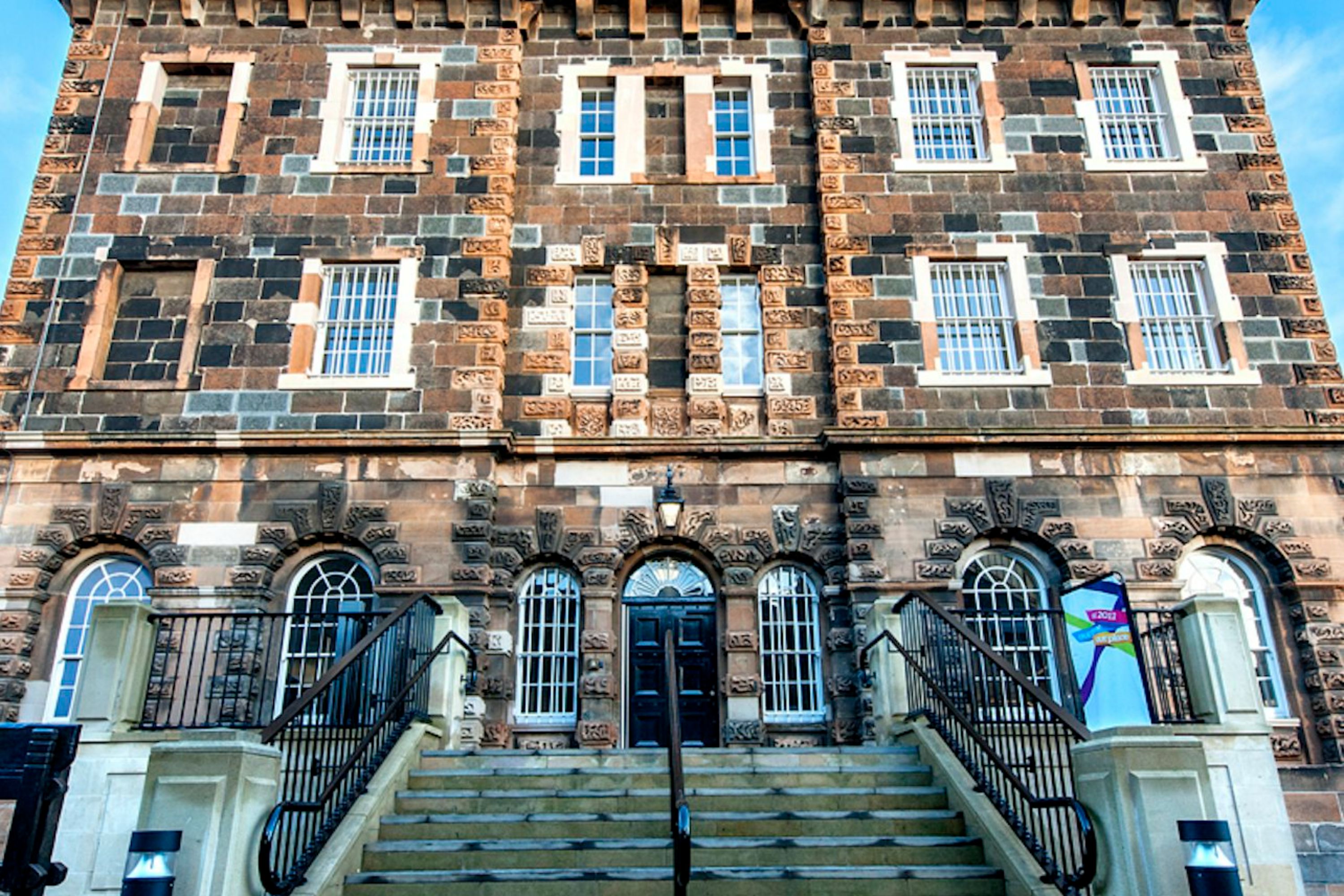
Crumlin Road Gaol is a former prison situated on the Crumlin Road in north Belfast, Northern Ireland. Since 1996 it is the only remaining Victorian-era prison in Northern Ireland. It is colloquially known as the Crum. The Northern Ireland Environment Agency has given it a grade A listed building status because of its architectural and historical significance. The Crumlin Road Courthouse, derelict since its closure, stands opposite the Gaol with a tunnel under the main road connecting the two buildings and used previously to transport the prisoners between both buildings.
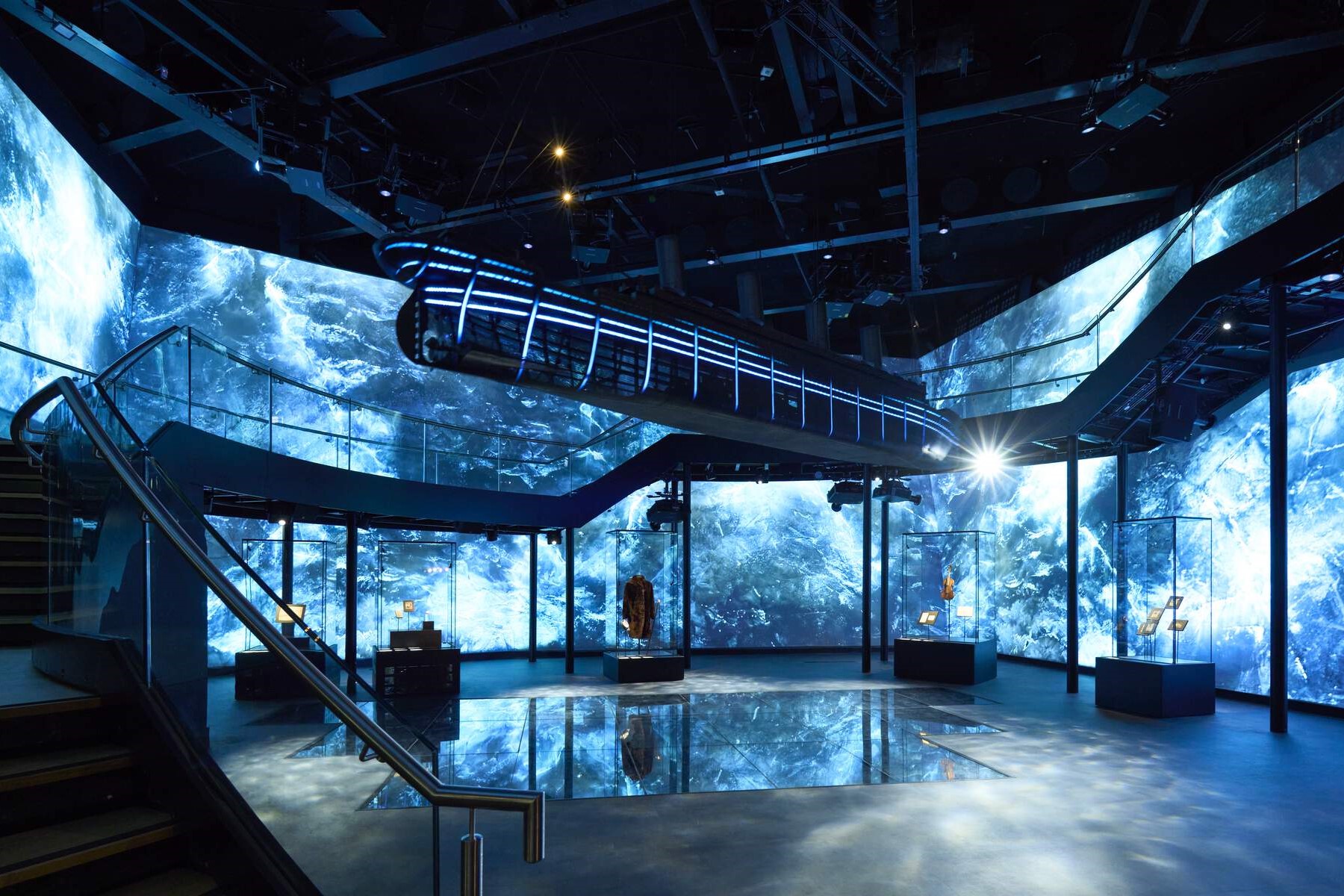
At the end of the tour, the guide will take you back to the port or your hotel or, if you selected the option with tickets, the guide will take you to Titanic Belfast and SS Nomadic where you will have self-guided Titanic Belfast tour.
What's not included
Food and drinks
Entrance tickets
Available languages
Guide guide
EN
ES
Important information
Public transportation options are available nearby
Suitable for all physical fitness levels
About Belfast
Belfast, the capital of Northern Ireland, is a vibrant city with a rich maritime, industrial, and political history. Known for its Titanic heritage, friendly locals, and dynamic cultural scene, it offers a unique blend of historical sites, modern attractions, and stunning natural beauty.
Top Attractions
Titanic Belfast
A world-class museum dedicated to the Titanic, offering interactive exhibits and a fascinating insight into Belfast's shipbuilding heritage.
Historical
2-3 hours
£22-£26
Belfast Castle
A beautiful 19th-century castle set in the Cave Hill Country Park, offering stunning views of the city and surrounding countryside.
Historical
1-2 hours
Free
St. George's Market
A historic market offering a variety of food, crafts, and entertainment. It's one of the few remaining Victorian markets in the UK.
Cultural
1-2 hours
Free entry, food and crafts for purchase
Crumlin Road Gaol
A former Victorian prison that has been restored to its original condition, offering guided tours and insights into Belfast's criminal history.
Historical
1-2 hours
£12-£15
Botanic Gardens
A beautiful public park featuring a variety of plants, trees, and flowers, as well as the Palm House and Tropical Ravine House.
Nature
1-2 hours
Free
Must-Try Local Dishes
Ulster Fry
A hearty breakfast consisting of soda bread, potato bread, bacon, sausage, black and white pudding, eggs, and tomato.
Breakfast
Contains meat and gluten
Irish Stew
A traditional stew made with lamb, potatoes, carrots, and onions.
Lunch/Dinner
Contains meat and gluten
Chippey
A traditional fish and chip shop serving battered fish, chips, and various sides.
Dinner
Contains fish and gluten
Belfast Bap
A soft, white bread roll filled with a sausage, bacon, or egg.
Breakfast/Lunch
Contains meat and gluten
Popular Activities
Hiking in Cave Hill Country Park
Crossing the Carrick-a-Rede Rope Bridge
Kayaking on Lough Neagh
Strolling through Botanic Gardens
Enjoying a spa day
Sipping coffee in a trendy cafe
Exploring the Ulster Museum
Attending a performance at the Grand Opera House
Best Time to Visit
June to August
This is the warmest and sunniest time of the year, perfect for outdoor activities and festivals. However, it's also the busiest tourist season.
15°C to 20°C
59°F to 68°F
Practical Information
Language
- Official: English
- Widely spoken: Irish (Gaelic)
- English: Widely spoken
Currency
Pound Sterling (GBP)
Time Zone
GMT (UTC+0) in winter, BST (UTC+1) in summer
Electricity
230VV, 50HzHz
Safety Information
Overall Safety Rating: Generally safe
Belfast is generally safe, but like any city, it's important to be aware of your surroundings and take precautions to ensure a safe and enjoyable trip.
Important Precautions:
- • Be aware of your surroundings, especially at night.
- • Keep valuables secure and out of sight.
- • Use licensed taxis and check the fare before starting your journey.
Getting there
By air
- Belfast International Airport • 20 km (12 miles) northwest of the city center
- George Best Belfast City Airport • 3 km (2 miles) east of the city center
By train
Belfast Central Station, Belfast Lanyon Place Station
By bus
Belfast Europa Buscentre
Getting around
Public transport
Buses are the most common form of public transport in Belfast, with a comprehensive network covering the city and surrounding areas.
Taxis
Available • Apps: Free Now, Uber
Rentals
Car, Bike, Scooter
Neighborhoods
Cathedral Quarter
Titanic Quarter
Belfast City Centre
Stranmillis
The Ormeau Road
Day trips
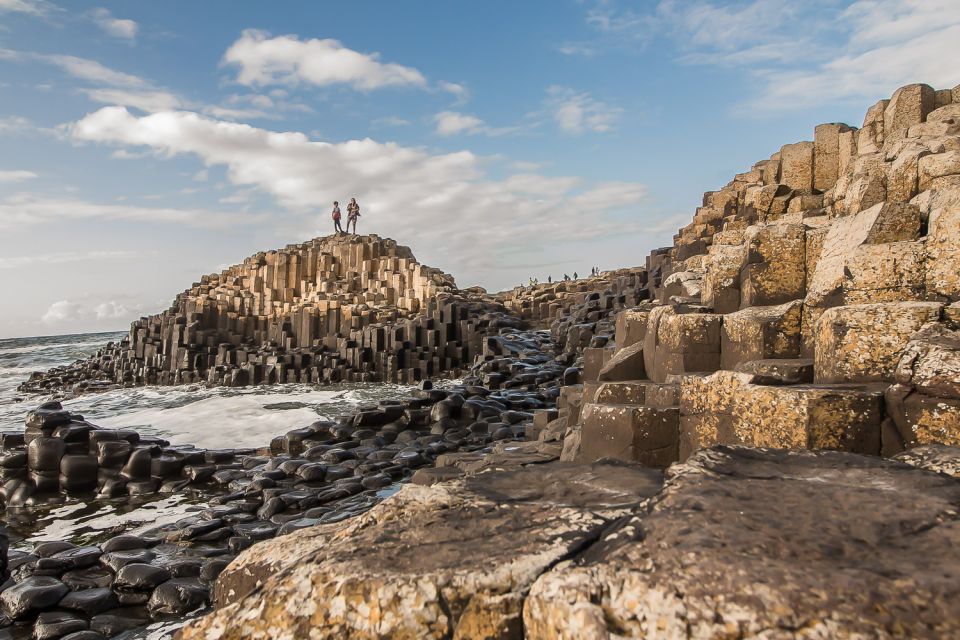
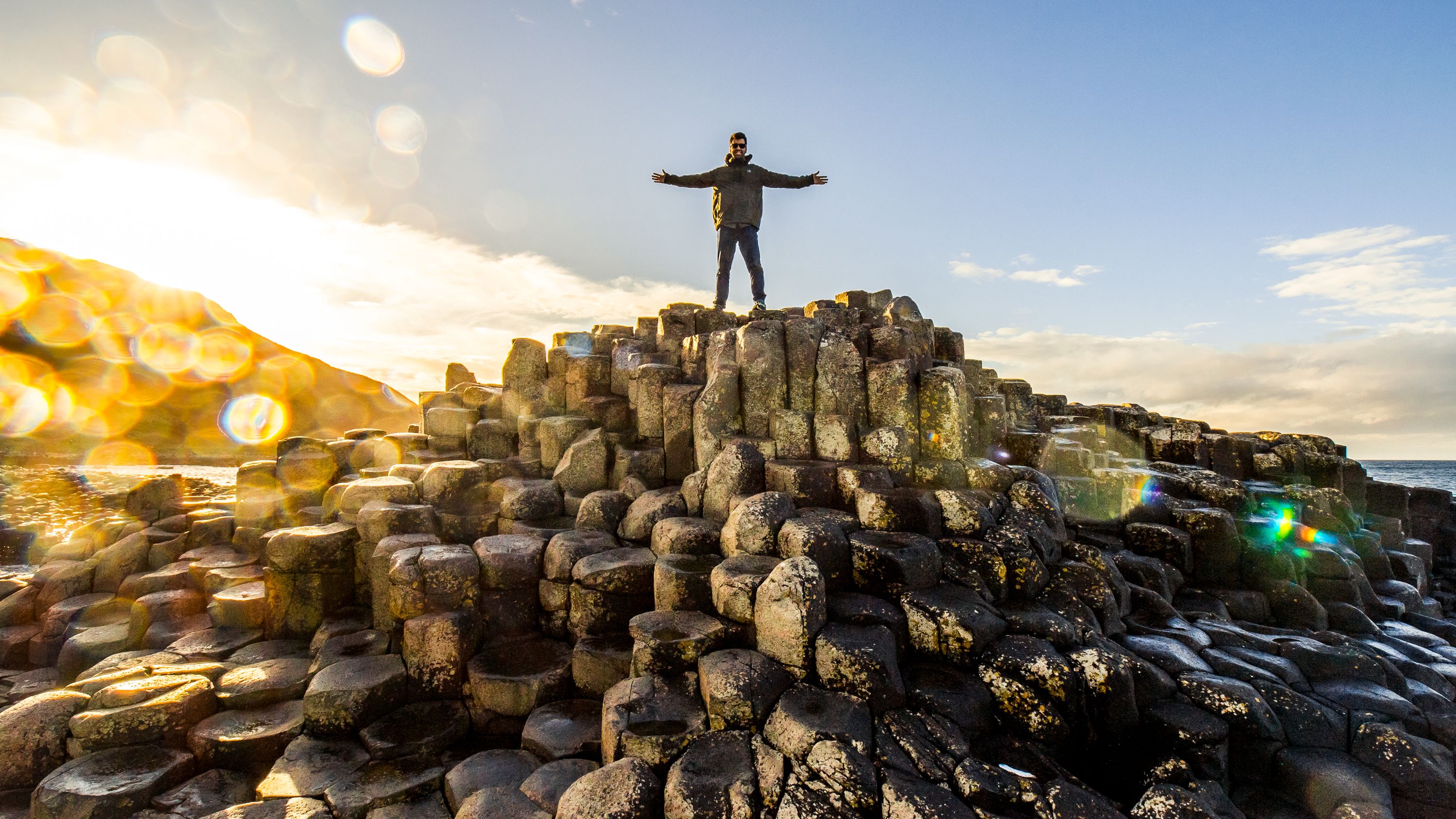
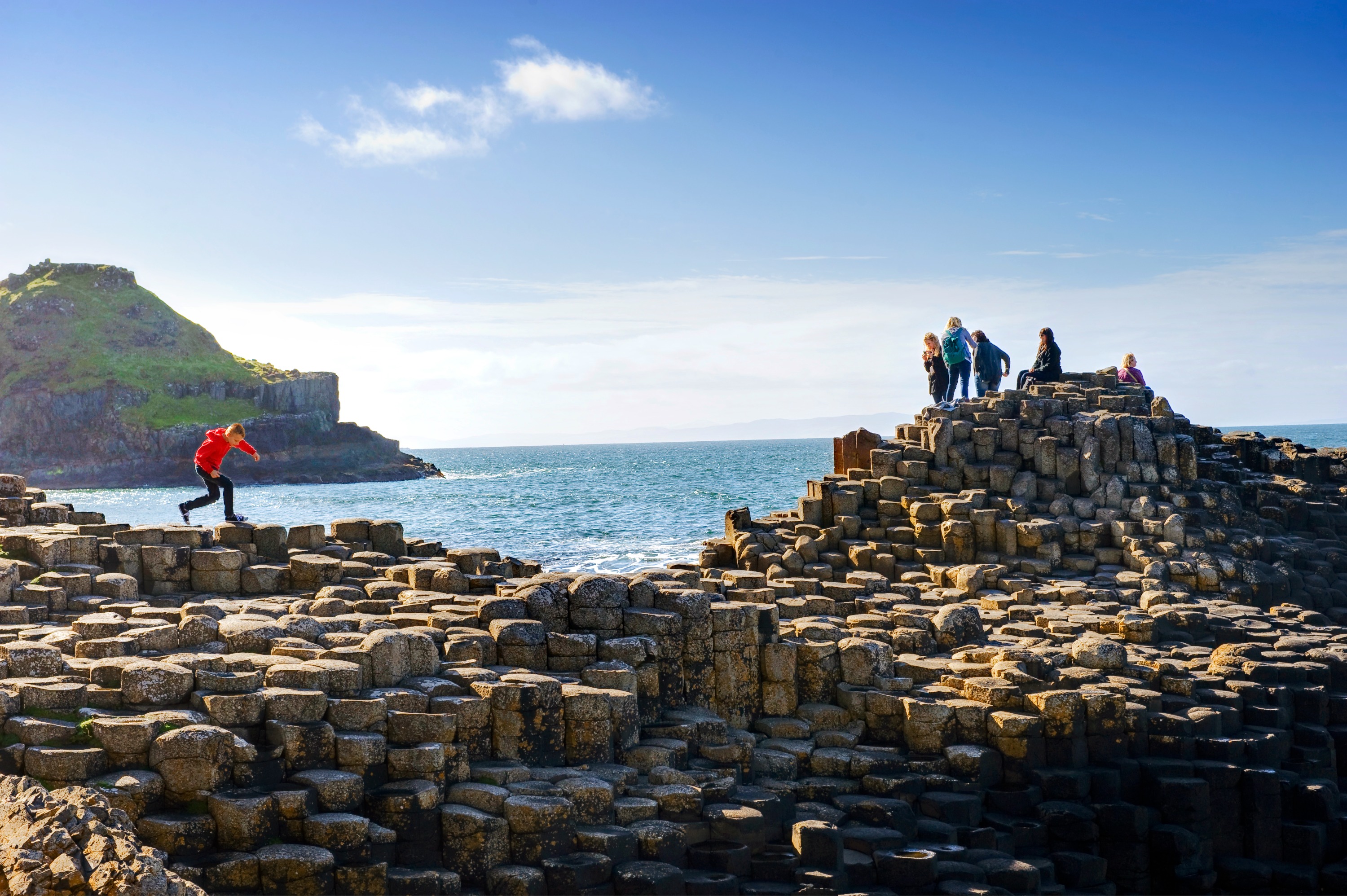
Giant's Causeway
90 km (56 miles) • Full day
A UNESCO World Heritage Site featuring a unique natural formation of interlocking basalt columns.
Carrick-a-Rede Rope Bridge
70 km (43 miles) • Half day
A thrilling rope bridge spanning a 23-meter (75-foot) chasm, offering stunning views of the coastline.
Dunluce Castle
80 km (50 miles) • Half day
A dramatic medieval castle perched on a cliff, offering a glimpse into Northern Ireland's past.
Festivals
Belfast International Arts Festival • October
Cathedral Quarter Arts Festival • May
Belfast Mela • August
Pro tips
- Take a black cab tour to learn about Belfast's history and political landscape from a local perspective.
- Visit the Cathedral Quarter for a vibrant mix of bars, restaurants, and cultural venues.
- Explore the Titanic Quarter, home to the Titanic Belfast museum and a variety of attractions.
- Stroll through Botanic Gardens and visit the nearby Ulster Museum and Palm House.
- Try local delicacies like the Ulster Fry and Belfast Bap at St. George's Market.
From $25
per person
Price varies by option
Secure booking
Free cancellation available
Instant confirmation