Main sites of the US landing in Normandy private tour
Active
9h
All sales are final. No refund is available for cancellations.
Instant confirmation
Mobile or paper ticket accepted
About this experience
The D-Day Landings were the most vital part of the greater Operation Overlord to liberate Europe from years of German military occupation. Then the major D-Day Landings began in the early morning of 6 June. The Allies had divided the 60-mile coastal stretch chosen for the invasion into five sectors, codenamed Sword, Juno, Gold, Omaha and Utah. Follow your guide for the day in the steps of the American soldiers from June 5, 1944, to June 6, 1944!
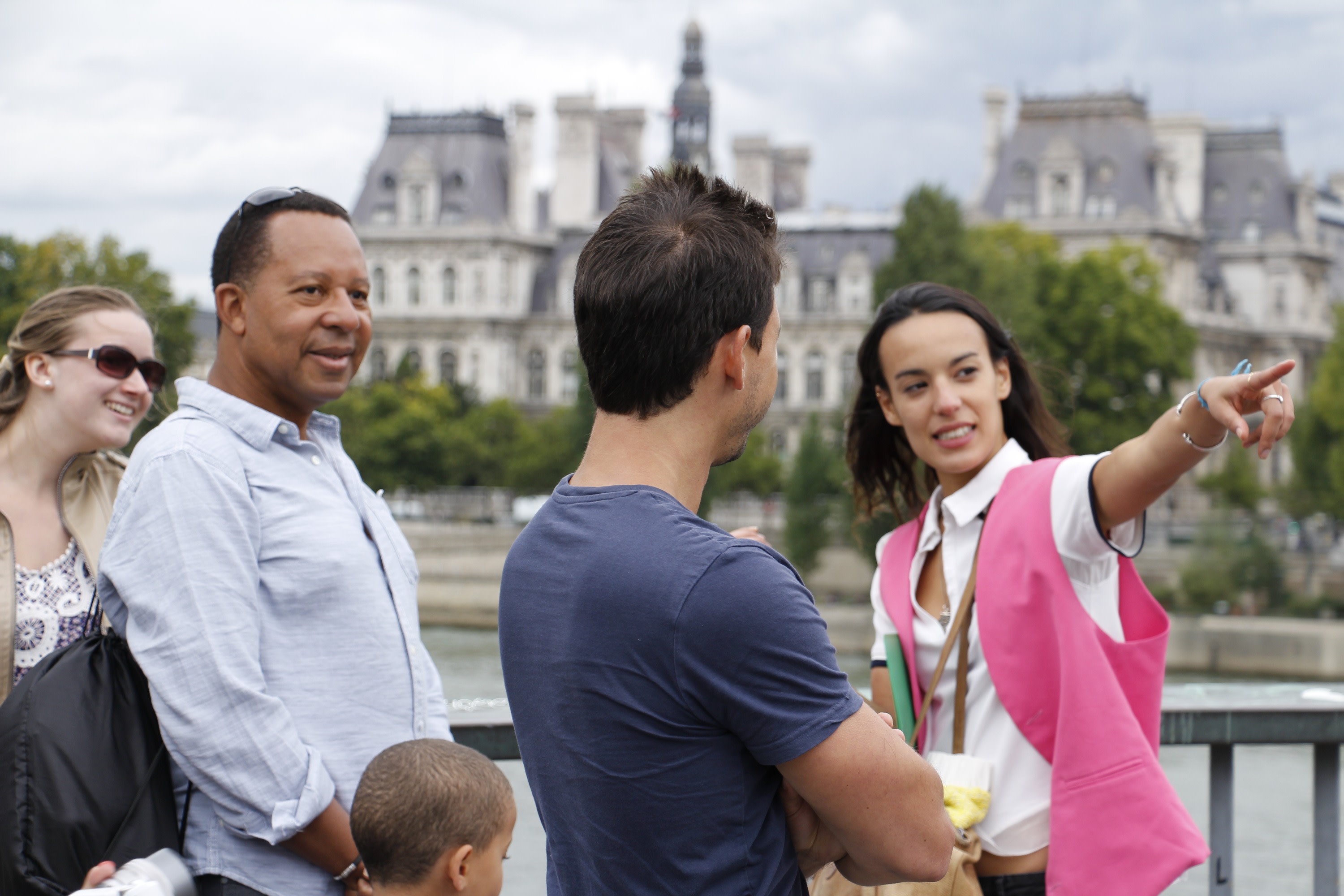
Your guide will pick you up from your hotel or from your cruise ship.
You will have the drive to discover the famous places of the USA B-day: Omaha Beach, Normandy American Cemetary, Pointe du Hoc, Utah Beach Sainte Marie du Mont.
During the day you will have 1 hour to have lunch.
In the end of the day your driver will take you back.
Available options
Main sites of the US landing in Normandy private tour
Pickup included
What's included
All fees and taxes
Transportation in a private vehicle
Pick-up and drop-off
Professional licensed guide
Detailed itinerary
1
Stop 1
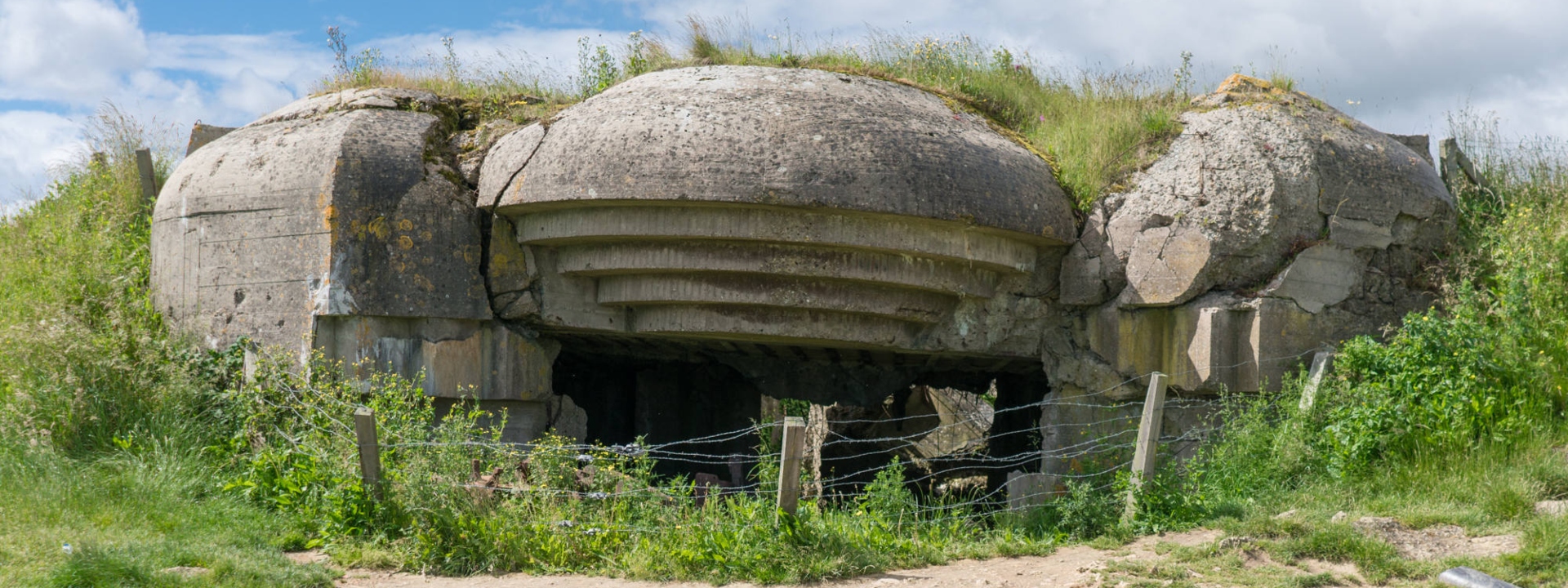
Omaha Beach is a landing area in Normandy, northern France, used by Allied forces in the WWII D-Day invasion. Today, the beach is dotted with the remains of German bunkers. On the shore, the stainless-steel sculpture Les Braves commemorates American soldiers. Behind the beach is the Musée Mémorial d'Omaha Beach, also documenting the invasion. Nearby, the Overlord Museum displays WWII tanks, artillery and dioramas.
2
Stop 2
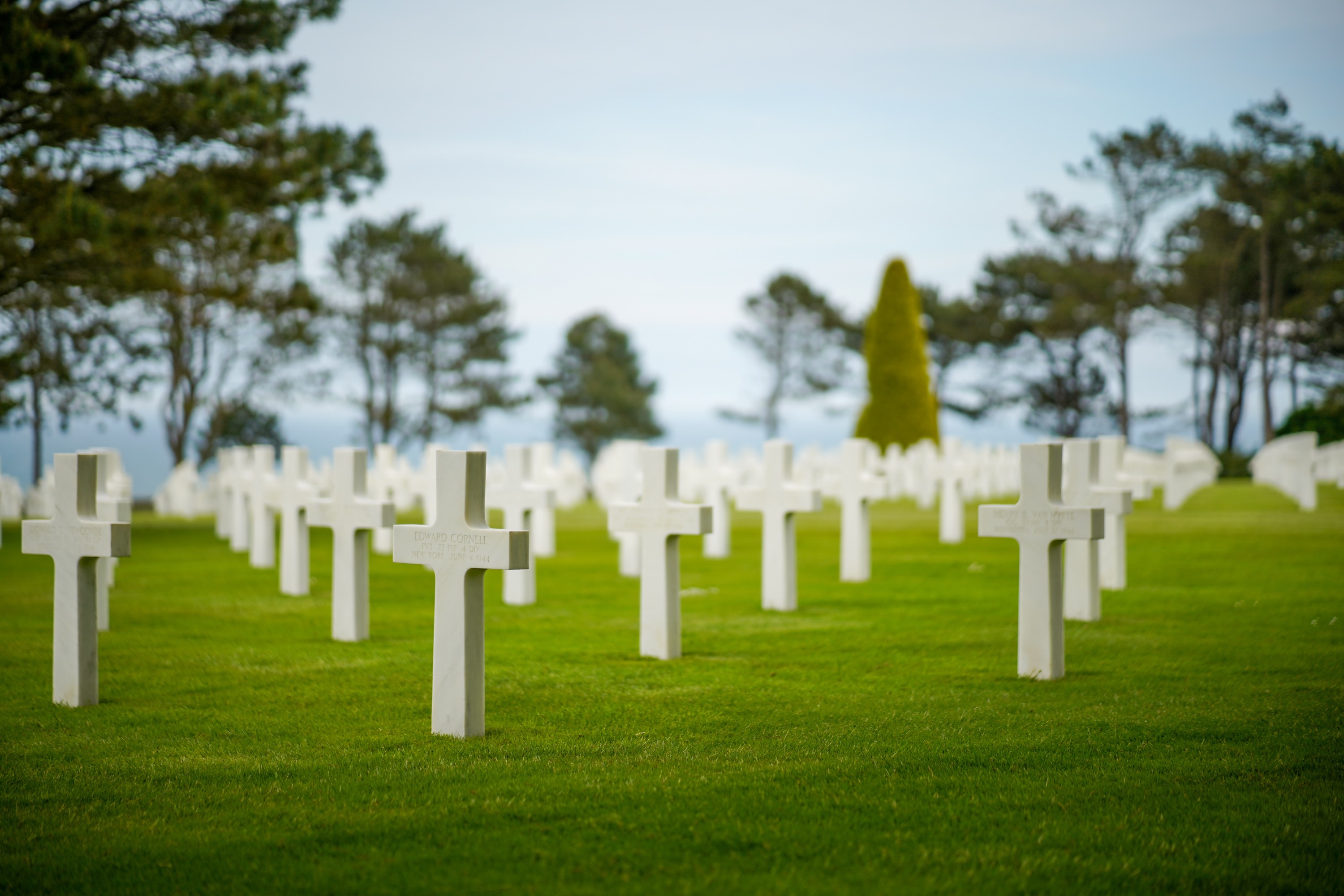
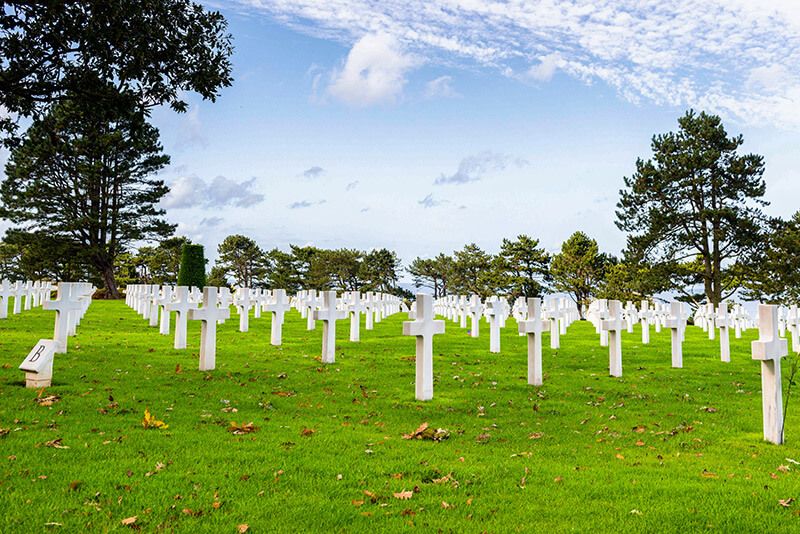
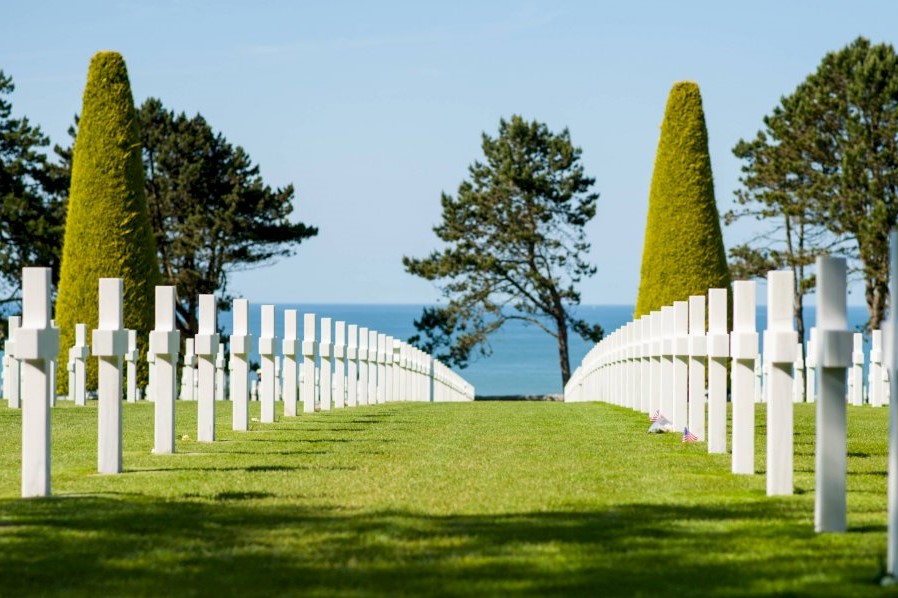
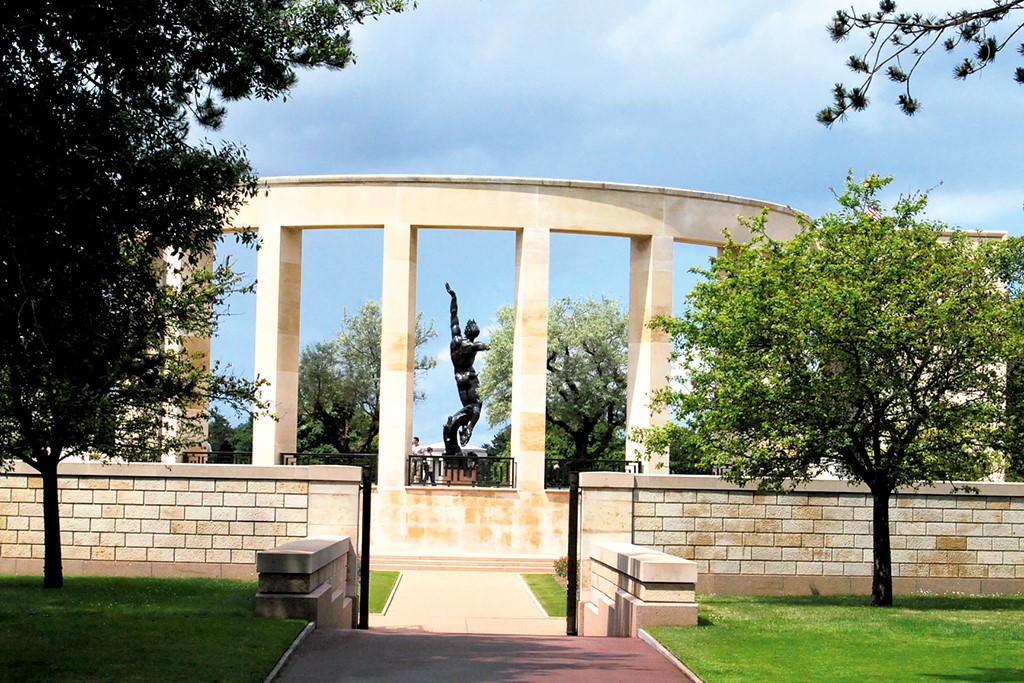
The Normandy American Cemetery and Memorial is a World War II cemetery and memorial in Colleville-sur-Mer, Normandy, France, that honors American troops who died in Europe during World War II.
3
Stop 3
La Pointe du Hoc is a promontory with a 100-foot cliff overlooking the English Channel on the northwestern coast of Normandy in the Calvados department, France. During World War II it was the highest point between the American sector landings at Utah Beach to the west and Omaha Beach to the east.
4
Utah, commonly known as Utah Beach, was the code name for one of the five sectors of the Allied invasion of German-occupied France in the Normandy landings on June 6, 1944, during World War II.
What's not included
Food and drinks
Available languages
Guide guide
EN
FR
Important information
Suitable for all physical fitness levels
About Le Havre
Le Havre is a vibrant port city in Normandy, known for its modernist architecture, rich maritime history, and stunning coastal views. Rebuilt after World War II, it offers a unique blend of contemporary design and traditional French charm.
Top Attractions
André Malraux Museum of Modern Art
This museum houses an impressive collection of modern and contemporary art, including works by Picasso and Matisse.
Museum
2-3 hours
€7
Le Volcan
A striking modern building designed by architect Oscar Niemeyer, serving as a cultural center and concert hall.
Architecture
1-2 hours
Free to explore, event tickets vary
Jardin des Plantes
A beautiful botanical garden with a variety of plant species, greenhouses, and a small zoo.
Nature
1-2 hours
Free
Saint-Joseph Church
A unique church with a distinctive modern design, featuring a concrete facade and a tall spire.
Historical
30-45 minutes
Free
Le Havre Beach
A long sandy beach with clear waters, perfect for swimming, sunbathing, and water sports.
Beach
Half day
Free
Must-Try Local Dishes
Moules à la Crème
Mussels cooked in a creamy sauce with butter and white wine.
Main dish
Contains seafood and dairy.
Tarte Normande
A traditional apple tart with a caramelized top, often served with crème fraîche.
Dessert
Contains dairy and gluten.
Camembert
A famous Norman cheese made from cow's milk, with a creamy texture and strong flavor.
Dairy
Contains dairy.
Popular Activities
Hiking along the coast
Water sports at Le Havre Beach
Sunbathing at Le Havre Beach
Strolling through Jardin des Plantes
Visiting museums and historic sites
Attending local festivals and events
Swimming
Sailing
Best Time to Visit
June to August
This is the warmest and driest period, ideal for outdoor activities and beach visits. The city is lively with festivals and events.
15-25°C
59-77°F
Practical Information
Language
- Official: French
- Widely spoken: English
- English: Moderately spoken
Currency
Euro (EUR)
Time Zone
GMT+1 (CET), GMT+2 (CEST during daylight saving time)
Electricity
230VV, 50HzHz
Safety Information
Overall Safety Rating: Generally safe
Le Havre is generally safe, with low crime rates. However, as with any city, it's important to stay aware of your surroundings and take basic precautions.
Important Precautions:
- • Keep valuables secure
- • Use licensed taxis
- • Be cautious of strangers offering help
Getting there
By air
- Le Havre Octeville Airport • 5 km from city center
- Paris Charles de Gaulle Airport • 200 km from Le Havre
By train
Le Havre Train Station
By bus
Le Havre Bus Station
Getting around
Public transport
The bus network covers the entire city and is efficient and affordable.
Taxis
Available • Apps: G7, Uber
Rentals
Car, Bike, Scooter
Neighborhoods
City Center
Caucriauville
Montivilliers
Day trips
Rouen
50 km • Full day
A historic city known for its medieval architecture, cathedral, and association with Joan of Arc.
Étretat
40 km • Half day
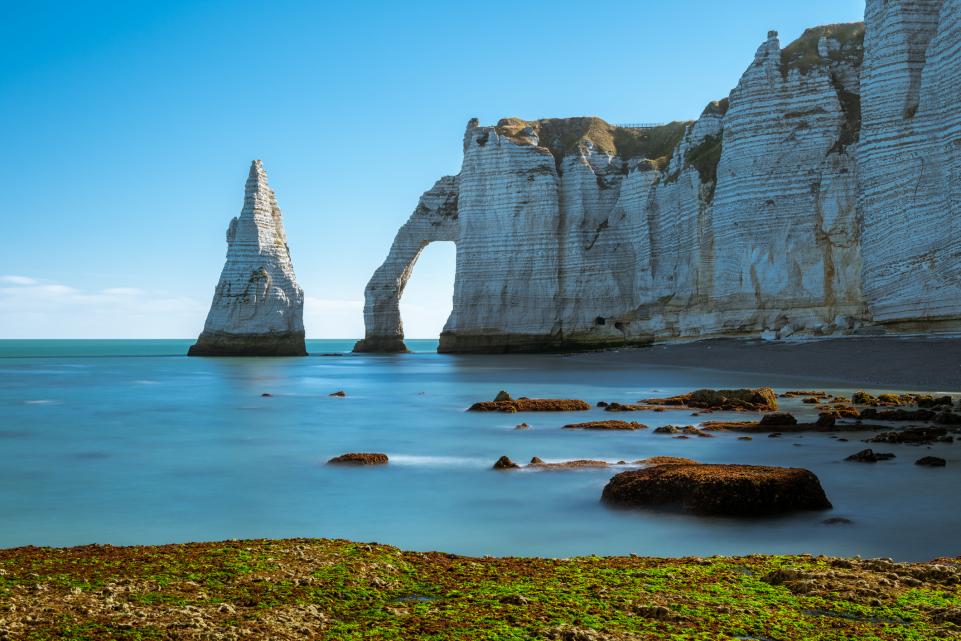
A picturesque coastal town famous for its dramatic white cliffs and stunning views.
Honfleur
30 km • Half day
A charming fishing town with a rich artistic history and beautiful harbor.
Festivals
Le Havre Film Festival • October
Fête de la Musique • June 21st
Le Havre Maritime Festival • August
Pro tips
- Visit the André Malraux Museum of Modern Art for a unique collection of modern and contemporary art.
- Explore the Jardin des Plantes for a peaceful retreat in the heart of the city.
- Take a day trip to Étretat to see the stunning white cliffs and enjoy the coastal scenery.
- Try local Norman specialties like moules à la crème and tarte Normande.
- Use the Twisto app for real-time bus information and to plan your routes.
From $25
per person
Price varies by option
Secure booking
Free cancellation available
Instant confirmation