Oslo Highlights with a visit to the Viking Museum
Active
4h
All sales are final. No refund is available for cancellations.
Instant confirmation
Mobile or paper ticket accepted
About this experience
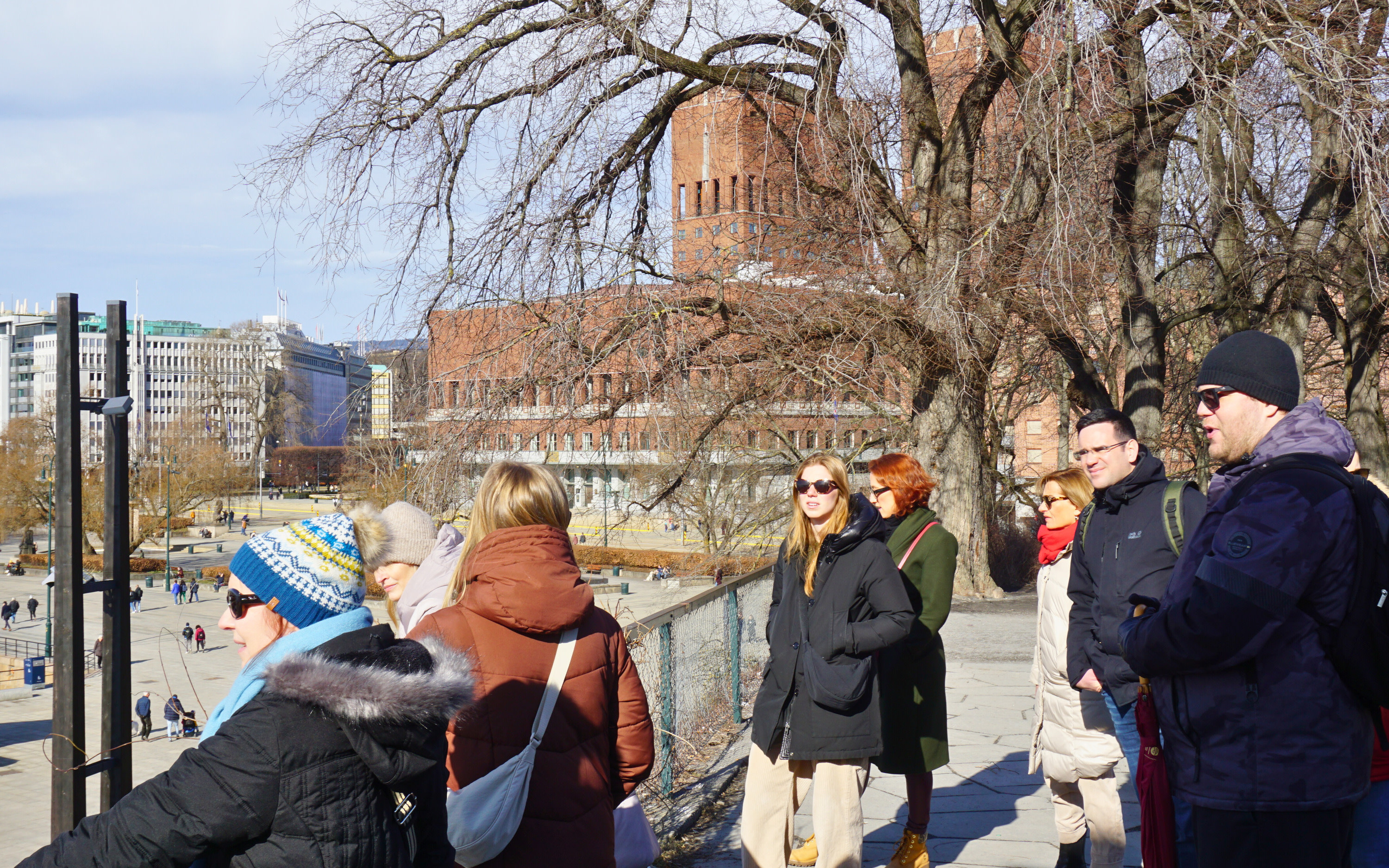
Sightseeing tour by car (2 hours) and a walking tour (2 hours) in the city of Oslo with a visit to the Viking Museum. You will see Karl Johansgt street, the old Akershus fortress, the National Theater, the Parliament Building, Oslo Cathedral, the Royal Palace, Vigeland Park, the Viking Museum, the Oslo City Hall, etc. Then you will be taken back to the hotel or you can stay in the city center and continue the walk.
Available options
Oslo Highlights with a visit to the Viking Museum
Pickup included
What's included
Admission to Viking Ship Museum
Guided walking City center tour 2 hrs
Pick-up from port by comfortable a/c bus appropriate for the group size
Panoramic Oslo driving tour for 2 hrs
Professional English-speaking tour guide for 4 hrs
Skip-the-line entrance
Detailed itinerary
1
Stop 1
The Viking Ship Museum is part of the Museum of Cultural History of the University of Oslo, and houses archaeological finds from different areas of Scandinavia. The main attractions are the Oseberg ship, Gokstad ship and Tune ship. Additionally, the Viking Age display includes sledges, beds, a horse cart, wood carving, tent components, buckets and other grave goods.
2
Stop 2
Frogner Park is a public park, historically a part of Frogner Manor. The manor house is located in the south of the park, and houses the Oslo City Museum. Frogner Park contains, in its present centre, the well-known Gustav Vigeland installation of 212 bronze and granite sculptures. The Monolith Plateau is a platform in the north of Frogner Park made of steps that houses the Monolith totem itself. 36 figure groups reside on the elevation, representing a “circle of life” theme.
3
Stop 3
Akershus Castle and Fortress is a medieval complex that was built to protect Oslo. It has also been used as a prison. The main building now is used for official events and dinners for the foreign heads of state. Akershus fortress is still a military area, but is open to the public daily until 21:00.
4
Stop 4
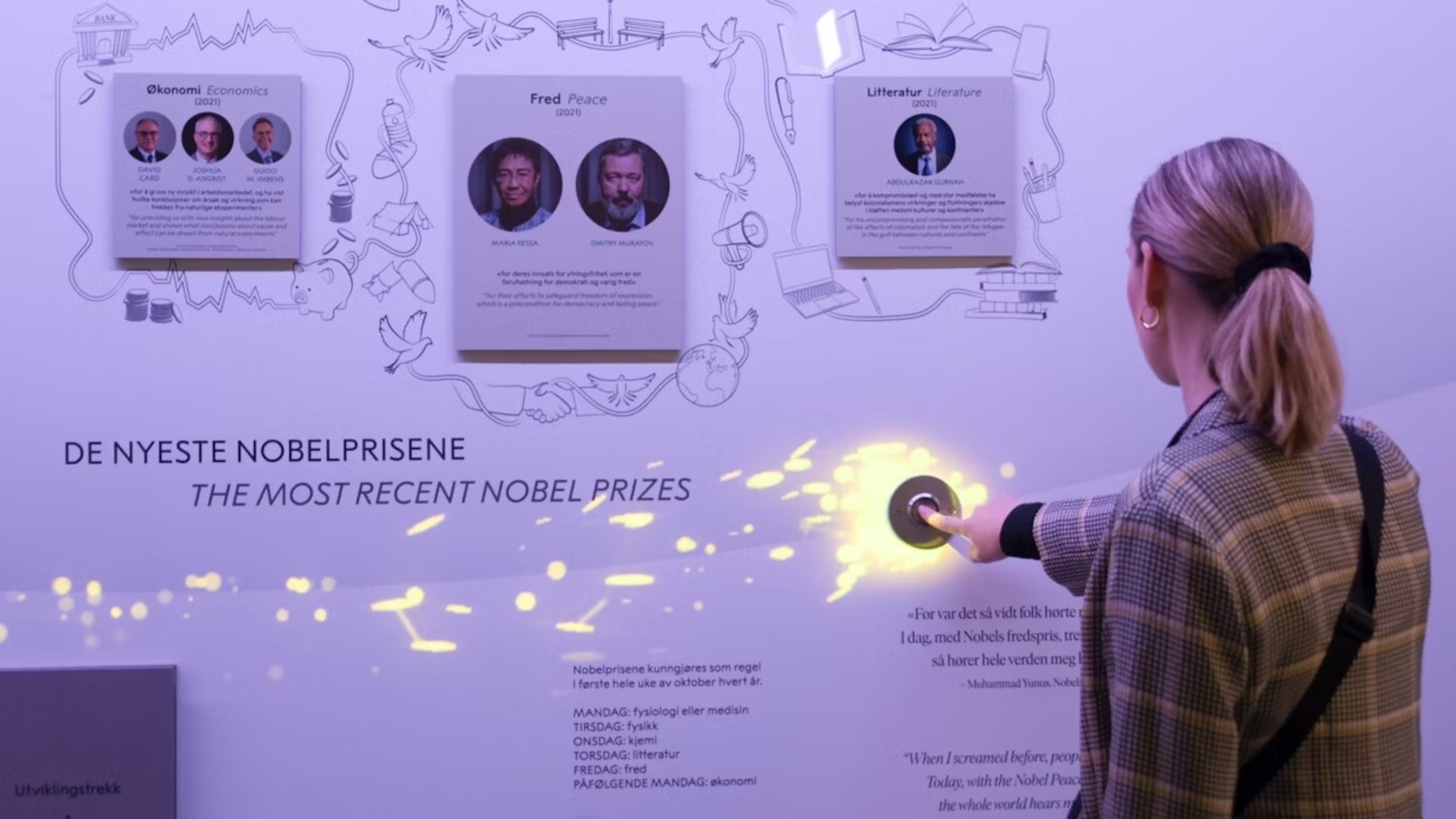
Oslo Town Hall is one of the well-recognized architectural monuments of the Norwegian capital. The Oslo City Hall becomes the main building of the planet for one day a year - the Nobel Peace Prize ceremony is held here.
5
Stop 5
Karl Johans gate is Oslo’s main boulevard leading from the Central Station through the central shopping district and up to the Royal Palace. The street is famous for its trading shops and shops, artists and musicians.
6
Stop 6
The Royal Palace was constructed for the new French-born king of unified Norway and Sweden. It has been the official royal residence since then. The palace is open for visitors with the advance appointment late June to mid August. The beautiful baroque park of the palace is open for visitors every day.
7
Stop 7
Oslo cathedral is a very old church, dating to the 17th century. The Norwegian Royal Family and the Norwegian Government use the Cathedral for public events. In 2001, Oslo Cathedral was the site of the wedding of Haakon, Crown Prince of Norway, and Mette-Marit Tjessem Høiby.
8
Built in 1866, Norway's yellow-brick parliament building is one of Europe's more charming parliaments. If you find yourself really hooked on Norwegian political debate, you can tune into the live action through the Stortinget website.
9
Oslo's National Theatre was inaugurated in 1899. The building is designed by architect Henrik Bull, and has served Norway's main arena for stage artists, theatre productions and large celebrations for over 100 years. Statues of the great Norwegian writers Henrik Ibsen and Bjørnstjerne Bjørnson guard the theater's main entrance. They also have their names engraved on the theater's facade, along with the Dano-Norwegian playwright Ludvig Holberg.
What's not included
Tips/Gratuity
Any other admissions/donations
Available languages
Guide guide
EN
Important information
Public transportation options are available nearby
Travelers should have at least a moderate level of physical fitness
About Oslo
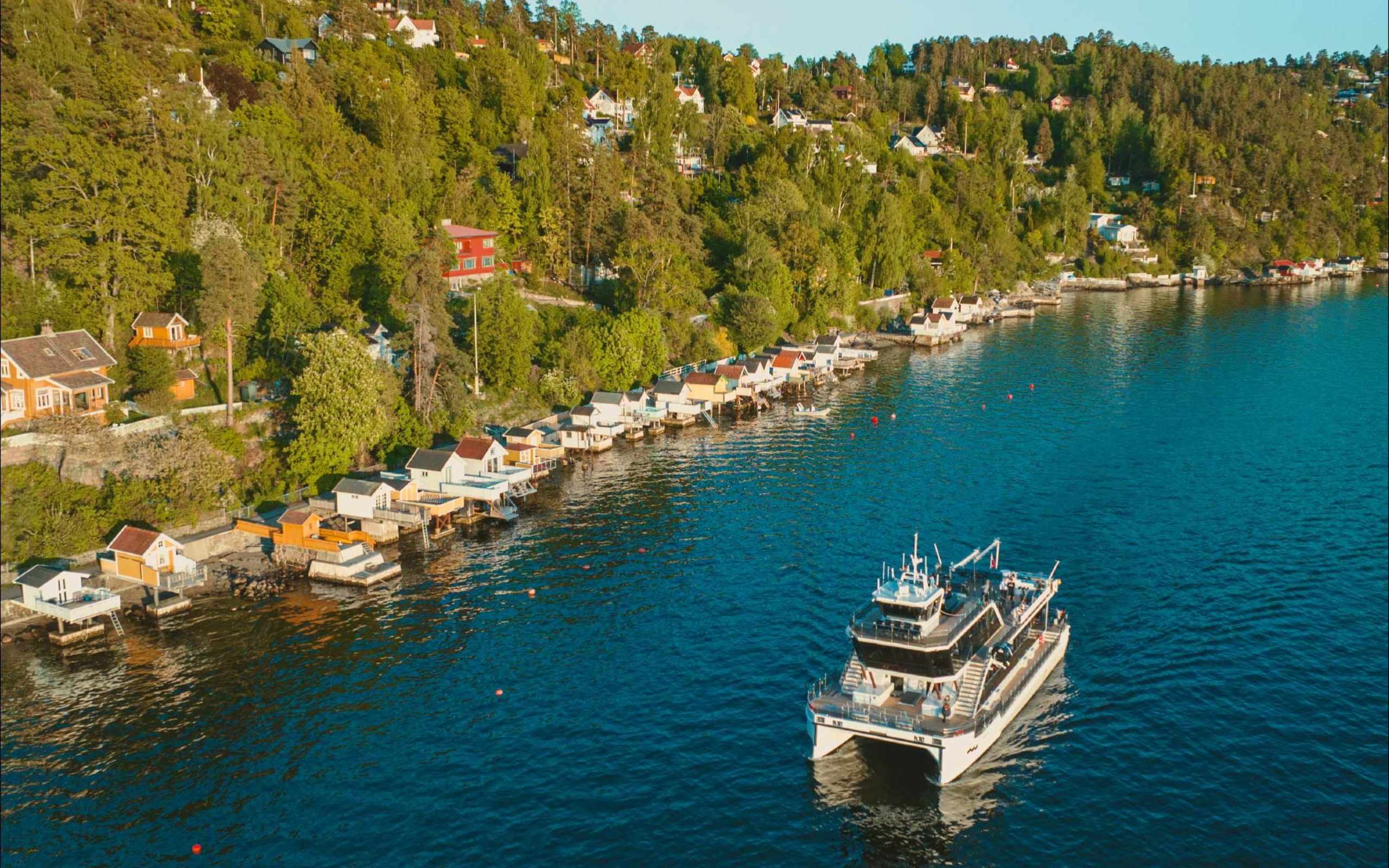
Oslo, the capital of Norway, is a vibrant city nestled between the Oslofjord and lush green forests. Known for its stunning architecture, rich cultural scene, and commitment to sustainability, Oslo offers a unique blend of urban and natural experiences.
Top Attractions
Vigeland Sculpture Park
The world's largest sculpture park made by a single artist, Gustav Vigeland. It features over 200 sculptures in bronze and granite.
Art
1-2 hours
Free
The Viking Ship Museum
Showcases well-preserved Viking ships and artifacts from the Viking Age, offering a glimpse into Norway's maritime history.
Historical
1-2 hours
NOK 160
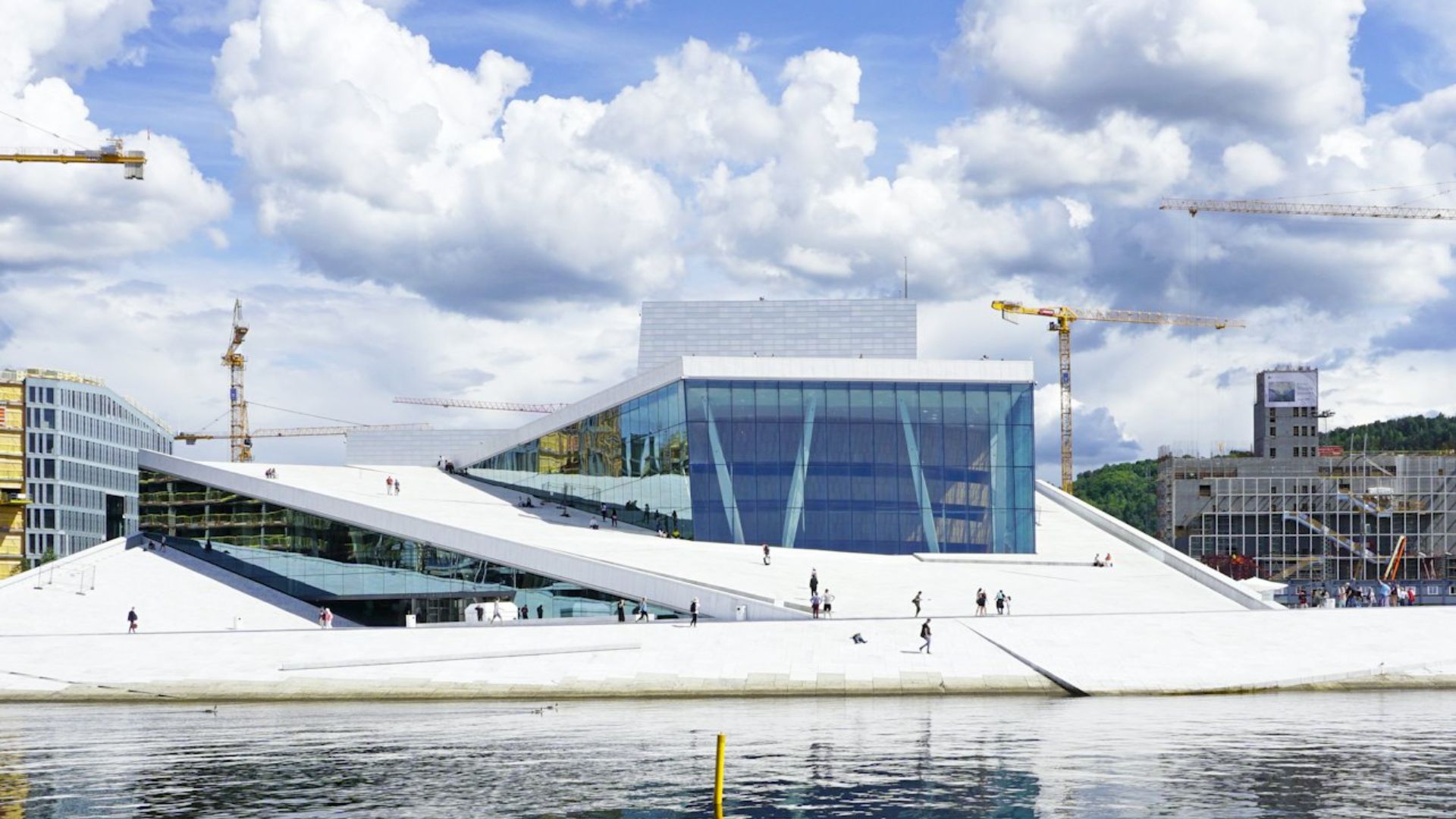
The Oslo Opera House
A stunning example of modern architecture, designed by Snøhetta. Visitors can walk on its sloping roof for panoramic views of the city and fjord.
Architecture
30 minutes to 2 hours
Free to walk on the roof, performance tickets vary
The Munch Museum
Dedicated to the works of Edvard Munch, featuring iconic pieces like 'The Scream' and 'Madonna'.
Museum
1-2 hours
NOK 160
The Norwegian Museum of Cultural History
An open-air museum with over 150 historic buildings from different periods and regions of Norway.
Historical
2-3 hours
NOK 160
The Royal Palace
The official residence of the Norwegian monarchs, offering guided tours of the lavishly decorated rooms.
Historical
1-2 hours
NOK 140
Must-Try Local Dishes
Fårikål
A traditional Norwegian stew made with lamb, cabbage, and spices, often considered the national dish of Norway.
Main Course
Contains meat and gluten (if served with bread)
Lutefisk
A traditional Christmas dish made from dried fish treated with lye, served with boiled potatoes, bacon, and mustard sauce.
Main Course
Contains fish and gluten (if served with bread)
Rakfisk
Fermented fish, typically trout or char, served with flatbread, sour cream, and onions.
Appetizer
Contains fish and gluten (if served with flatbread)
Kjøttkaker
Norwegian meatballs, often served with potatoes, gravy, and lingonberry jam.
Main Course
Contains meat and gluten (if served with bread or gravy)
Popular Activities
Hiking
Skiing
Kayaking
Rock Climbing
Spa Treatments
Beach Lounging
Coffee Shop Hopping
Museum Visits
Best Time to Visit
June to August
Summer is the peak tourist season with long daylight hours, making it ideal for outdoor activities and festivals. The weather is warm, and all attractions are open.
15°C to 25°C
59°F to 77°F
Practical Information
Language
- Official: Norwegian
- Widely spoken: English, Swedish, Danish
- English: Widely spoken
Currency
Norwegian Krone (NOK)
Time Zone
GMT+1 (CET), GMT+2 (CEST during daylight saving time)
Electricity
230VV, 50HzHz
Safety Information
Overall Safety Rating: Very safe
Oslo is generally very safe, with low crime rates and a high level of security. However, as with any city, it's important to stay aware of your surroundings and take basic precautions.
Important Precautions:
- • Keep valuables secure and out of sight
- • Be cautious of pickpockets in crowded areas
- • Use licensed taxis or ride-sharing services
Getting there
By air
- Oslo Airport, Gardermoen • 47 km from city center
By train
Oslo Central Station
By bus
Oslo Bus Terminal
Getting around
Public transport
The metro system is efficient and user-friendly, with frequent services.
Taxis
Available • Apps: Oslo Taxi, Uber
Rentals
Car, Bike, Scooter
Neighborhoods
Aker Brygge
Grünerløkka
Kvadraturen
Frogner
Day trips
Drøbak
30 km from Oslo • Half day to full day
A charming coastal town known for its beautiful beaches, historic buildings, and the famous Christmas house of Santa Claus.
Holmenkollen
10 km from Oslo • Half day
A famous ski jump and museum offering panoramic views of Oslo, as well as hiking trails and a ski museum.
Tønsberg
65 km from Oslo • Full day
Norway's oldest town, known for its rich history, medieval ruins, and beautiful coastal scenery.
Festivals
Oslo Jazz Festival • August
Oslo International Church Music Festival • June
Oslo Pride • June
Pro tips
- Use the Ruter app for public transport tickets and schedules
- Book popular attractions and restaurants in advance, especially during peak season
- Take advantage of free attractions and activities, such as the Vigeland Sculpture Park and hiking trails
- Dress in layers to accommodate variable weather conditions
- Explore the city on foot or by bike to discover hidden gems and local neighborhoods
From $25
per person
Price varies by option
Secure booking
Free cancellation available
Instant confirmation