Private Panoramic Tour of Tallinn
Active
4h
All sales are final. No refund is available for cancellations.
Instant confirmation
Mobile or paper ticket accepted
About this experience
This experience will provide you a 4-hours tour of Talin with a professional guide and driver.
You will see the city wall with defense towers, the Houses of Parliament, the Fat Margaret Tower, the Cathedral of Saint Mary the Virgin, the Alexander Nevsky Cathedral, the Freedom Square, the Presidential Palace, the Kadriorg Park, the Estonian National Opera, the Song Festival Grounds, the KUMU Estonian Art Museum, and other Talin's monuments.
Available options
Private Panoramic Tour of Tallinn
Pickup included
What's included
Coffee break (tea/coffee and a pastry)
Comfortable A/C vehicle suitable for your private party’s size for 4 hrs
Professional English-speaking tour guide for 4 hrs
Detailed itinerary
1
Stop 1
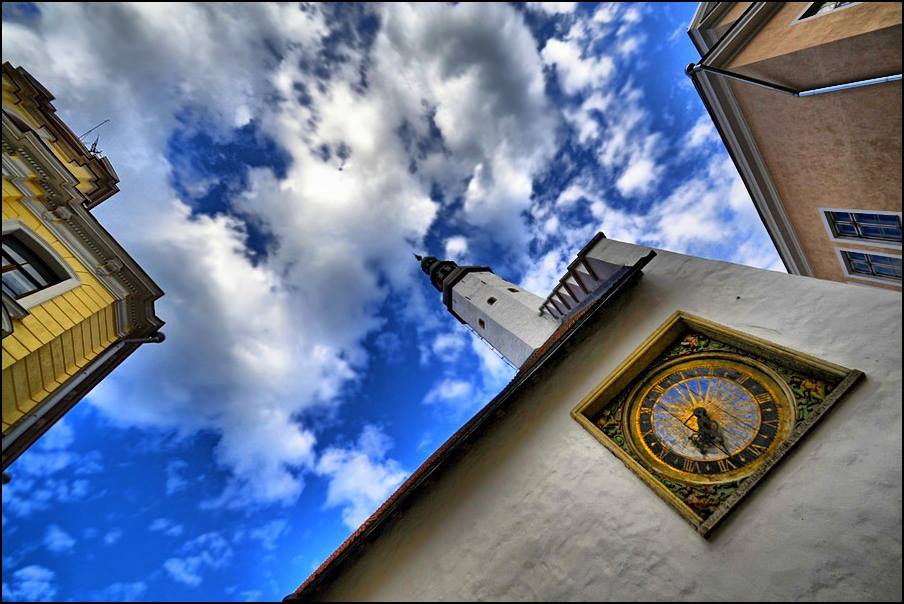
The old lower town in Tallinn preserves to a remarkable extent the medieval urban fabric of narrow winding streets, many of which retain their medieval names, and fine public and burgher buildings, including town wall, Town Hall, pharmacy, churches, monasteries, merchants’ and craftsmen’ guilds, and the domestic architecture of the merchants' houses, which have survived to a remarkable degree.
2
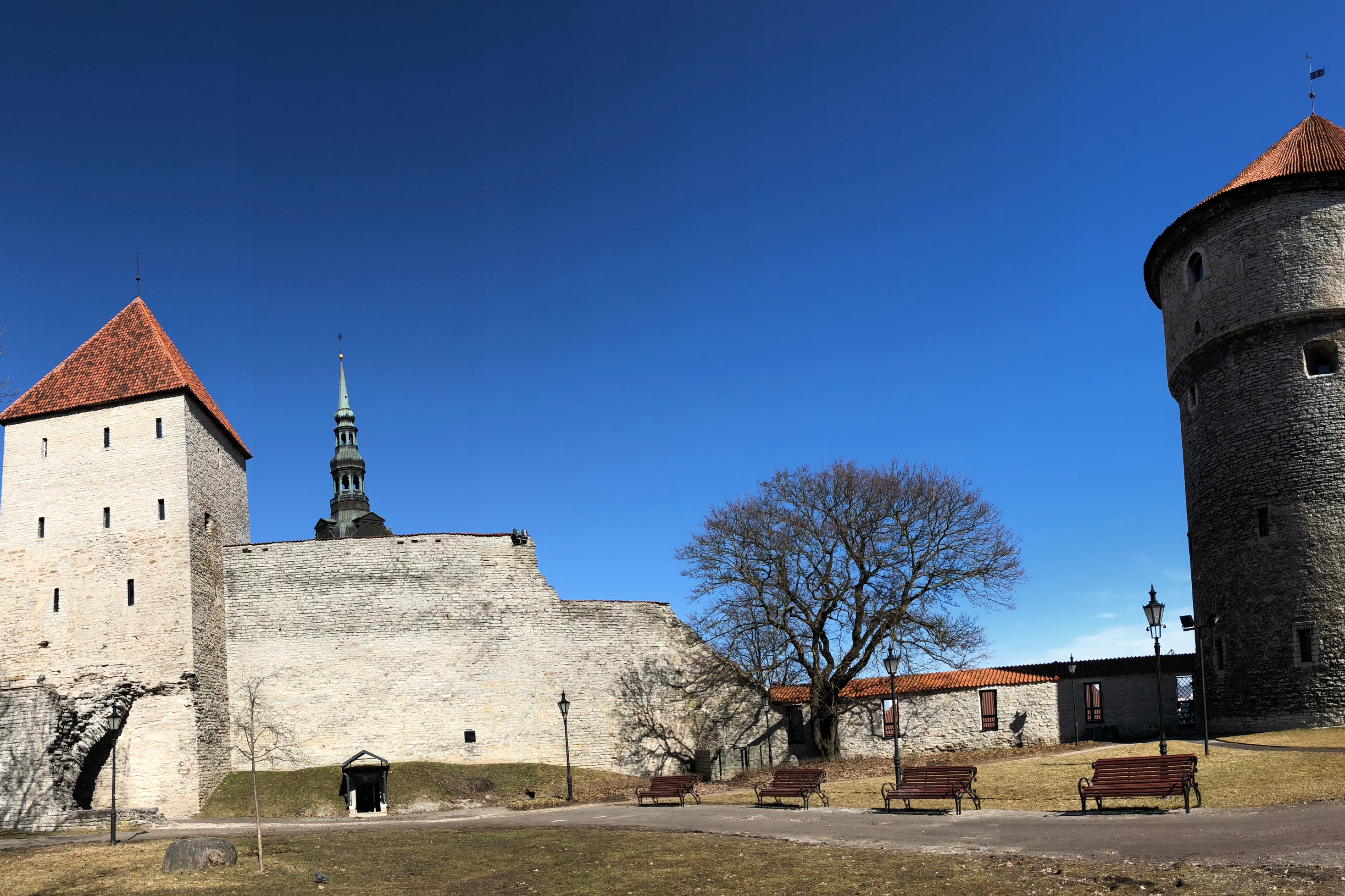
The fascinating walls of the old town remind us of the middle ages. The numerous towers each have their own history and the unique name. The most famous of those are "Paks Margareeta" (Fat Margaret), Kiek in de Kök (look into the kitchen), Tower behind the tower and many others. Tallinn is one of the very few towns with that large number of the middle age constructions preserved.
3
Toompea is the highest hill in the Tallinn area, so it was selected for the construction of the fort. The first constructions in the Toompea castle dates back to 1219. Many of the walls and towers have survived, thus making it one of the oldest forts of Europe. Tall Hermann tower of the Toompea castle with the Estonian flag on top is one of main national symbols.
4
Fat Margareth (Paks Margareeta) reminds us of the romantic legend of "Estonian Romeo and Juliet" - the story of a pesant boy Herman and firsheman's daughter Margareth. The Tall Herman tower is on the opposite part of the old town, sadly separated from his love for centuries.
5
Stop 5
Alexander Nevsky Cathedral stands out from the old town buildings with it's bright color and Byzantine architecture. It's one of the latest constructions of the old city, the Russian Orthodox church, build by the request of Russian Emperor Alexander the 3rd in the 1900. It's located on the high point of the Toompea Hill in front of the Parlament building.
6
The Dome Church is one of the oldest churches of Tallinn. The church looks very plain and simple with the white walls and small dome, but it has the very long history. It was first mentioned in 1233 and since than it has been one of town's main temples. It's dedicated to Virgin Mary. It has the graves of the prominent people of 13th-19th centuries.
7
Stop 7
The nation's largest and most cutting-edge art museum, Kumu displays Estonian-created works from the 18th-21st centuries. KUMU Art museum, the winner of the "European Museum of the Year Awards" (2008), has received plentiful praise over the years.
8
The theater plays the operas, ballets and musicals, including the world famous performances like "Rigoletto", "Toska", "Swan Lake", "My fair lady". It's the most popular theater of Estonia. The building was designed by the Finnish architect in the beginning of the 20th century.
9
Stop 9
This square on the edge of the Old Town (the former Sennaya Market and Petrovskaya Square) is a popular venue for public events. The monument to the War of Independence is also located there.
10
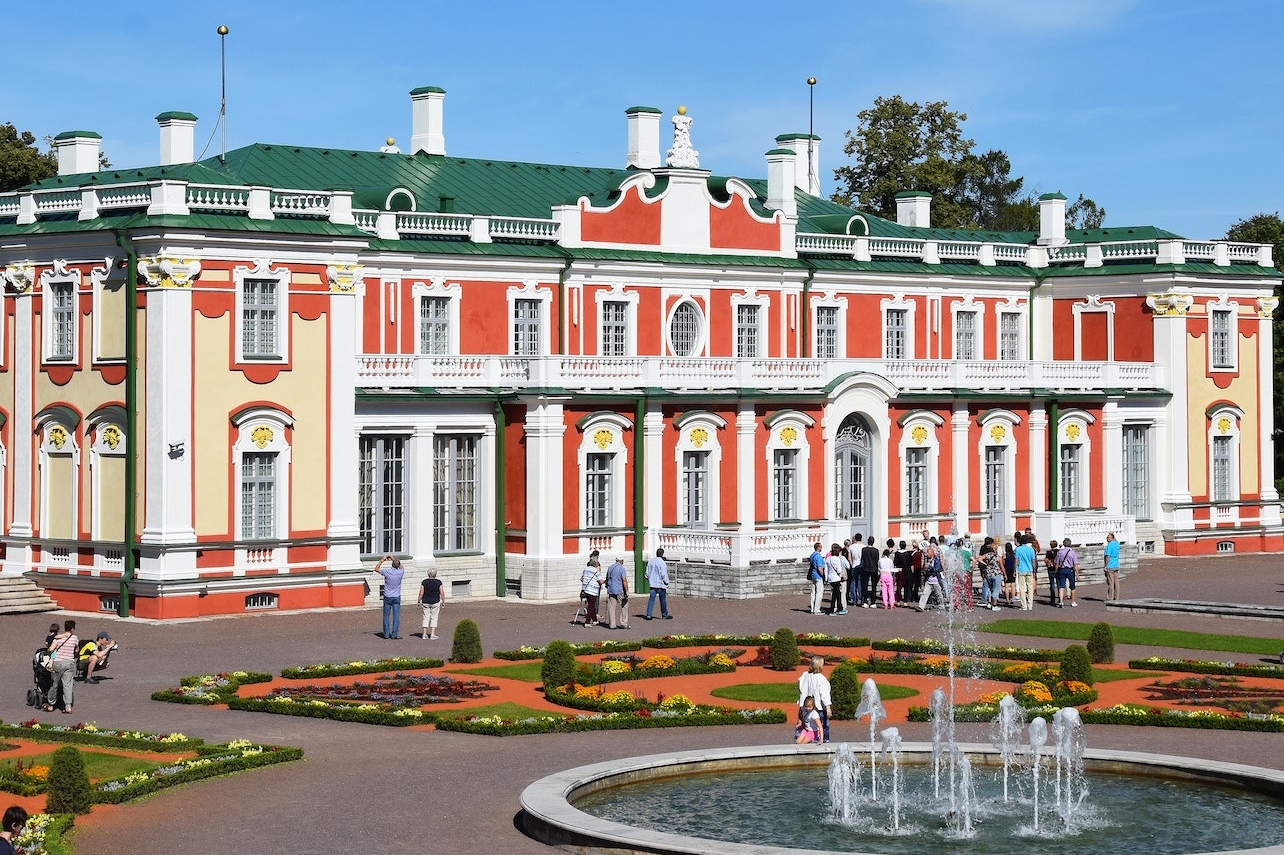
For the long time the office of Estonian president was located in the Kadriorg palace. Later the special building was constructed next door to Kadriorg, repeating the design of the old palace.
11
Stop 11
Kadriorg Park is the most outstanding palatial and urban park in Estonia, covering around 70 hectares. Its construction began in 1718 on the orders of Russian tsar Peter I. Elements of park design from the 18th, 19th and 20th centuries can be seen here.
12
Stop 12
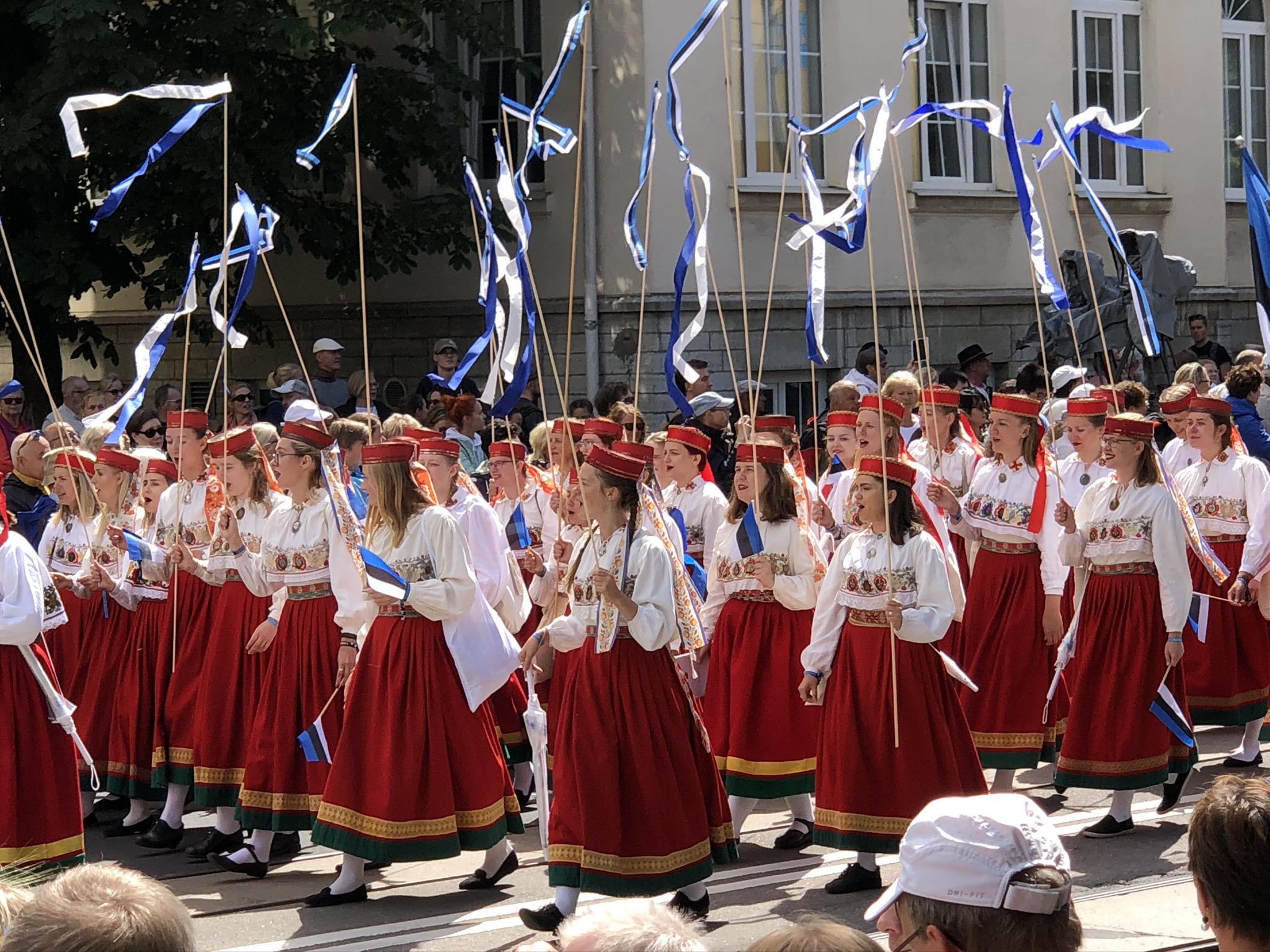
The song festival grounds is a tradition of the Scandinavia countries. The national singing has been a large part of the national culture for centuries. The Grounds in Tallinn were re-designed in 1959 with the unique arch shaped stage which enhances the voices of the singers. It is used on the regular basis for full scale of performances from the rock concerts to the folk festivals.
What's not included
Tips/Gratuity
Any admissions/donations
Lunch
Dinner
Available languages
Guide guide
EN
Important information
Public transportation options are available nearby
Suitable for all physical fitness levels
About Tallinn
Tallinn is a charming city that beautifully blends medieval history with modern urban life. Known for its well-preserved Old Town, a UNESCO World Heritage site, Tallinn offers a unique mix of cobblestone streets, Gothic architecture, and vibrant tech culture. The city's strategic location on the Baltic Sea adds to its appeal as a gateway to Northern Europe.
Top Attractions
Tallinn Old Town
The heart of Tallinn, the Old Town is a UNESCO World Heritage site with medieval architecture, cobblestone streets, and historic landmarks.
Historical
Half day to full day
Free to explore, individual attractions may have fees
Kadriorg Palace
A beautiful Baroque palace built by Peter the Great, surrounded by a lush park and home to the Kadriorg Art Museum.
Historical
2-3 hours
€10 for the palace and museum
Telliskivi Creative City
A vibrant creative hub with street art, indie shops, and trendy cafes, offering a glimpse into Tallinn's modern culture.
Cultural
2-3 hours
Free to explore, costs vary by venue
Must-Try Local Dishes
Mulgipuder
A traditional Estonian dish made from barley and potatoes, often served with pork.
Main Dish
Vegetarian option available without pork
Kama
A traditional Estonian dish made from a mix of roasted barley, rye, oat, and pea flour, often mixed with yogurt or kefir.
Snack
Vegetarian and vegan options available
Black Bread
A dark, dense rye bread that is a staple in Estonian cuisine.
Bread
Vegetarian
Popular Activities
Hiking in Lahemaa National Park
Biking along the coast
Spa treatments in Haapsalu
Walking in Kadriorg Park
Visiting museums in Tallinn
Exploring the Old Town
Boat tours in the Baltic Sea
Swimming at beaches
Best Time to Visit
June to August
This is the warmest and most popular time to visit Tallinn, with long daylight hours and plenty of festivals and outdoor activities.
15°C to 25°C
59°F to 77°F
Practical Information
Language
- Official: Estonian
- Widely spoken: English, Russian
- English: Widely spoken
Currency
Euro (EUR)
Time Zone
GMT+2 (EET)
Electricity
230VV, 50HzHz
Safety Information
Overall Safety Rating: Very safe
Tallinn is generally very safe for tourists, with low crime rates and a welcoming atmosphere. However, as with any destination, it's important to take basic precautions.
Important Precautions:
- • Keep valuables secure
- • Use licensed taxis or ride-sharing apps
- • Be cautious of strangers approaching you with offers that seem too good to be true
Getting there
By air
- Tallinn Airport • 4 km from city center
By bus
Tallinn Bus Station
Getting around
Public transport
The bus network is efficient and covers most of the city. Buses are a convenient way to get around.
Taxis
Available • Apps: Bolt, Taksi Tallinn
Rentals
Car, Bike, Scooter
Neighborhoods
Old Town
Kalamaja
Kadriorg
Day trips
Helsinki
80 km • Full day
The capital of Finland, Helsinki offers a mix of modern architecture, historic sites, and beautiful coastal views.
Lahemaa National Park
80 km • Full day
A beautiful national park with forests, bogs, and coastal areas, offering a variety of outdoor activities.
Haapsalu
100 km • Full day
A charming coastal town known for its medieval castle, spa, and relaxed atmosphere.
Festivals
Tallinn Music Week • Late March to early April
Tallinn Old Town Days • Early May
Christmas Market • Late November to early January
Pro tips
- Visit the Old Town early in the morning or late in the evening to avoid crowds
- Use the Tallinn Card for free public transport and discounts at attractions
- Try traditional Estonian dishes like mulgipuder and kama
- Explore the city's creative scene in areas like Telliskivi and Kalamaja
- Take a day trip to nearby attractions like Lahemaa National Park or Helsinki
From $25
per person
Price varies by option
Secure booking
Free cancellation available
Instant confirmation