Dracula's Tomb and Mogosoaia Palace, Private Tour from Bucharest
Active
4h - 5h
For a full refund, cancel at least 24 hours before the scheduled departure time.
Instant confirmation
Mobile or paper ticket accepted
About this experience
Vlad III, the Prince of Wallachia, was born sometime between 1428 and 1431, probably in Sighişaora, Transylvania. His patronymic, ‘Dracul’, means Dragon, derived from the membership of his father, Vlad II Dracul, in the Order of the Dragon, an order of chivalry for the defence of Christianity in Eastern Europe against the Ottomans, so the young Vlad became known as Dracula, or “son of Dragon”. The exact date, cause, and location of Vlad’s death is unknown, but is believed to have taken place between October and December 1476, when he disappeared in battle. It is known, however, that his head was taken to Constantinople as a trophy. His daughter Maria was meanwhile brought to the Neapolitan court, whose ruling family was allied with her own family, where she was adopted and eventually married to a Neapolitan nobleman.
Available options
Dracula's Tomb and Mogosoaia Palace, Private Tour from Bucharest
Pickup included
What's included
Entrence fees to Snagov Monastery
Photo sesion
Tour Guide
Premium car transport
Detailed itinerary
1
Stop 1
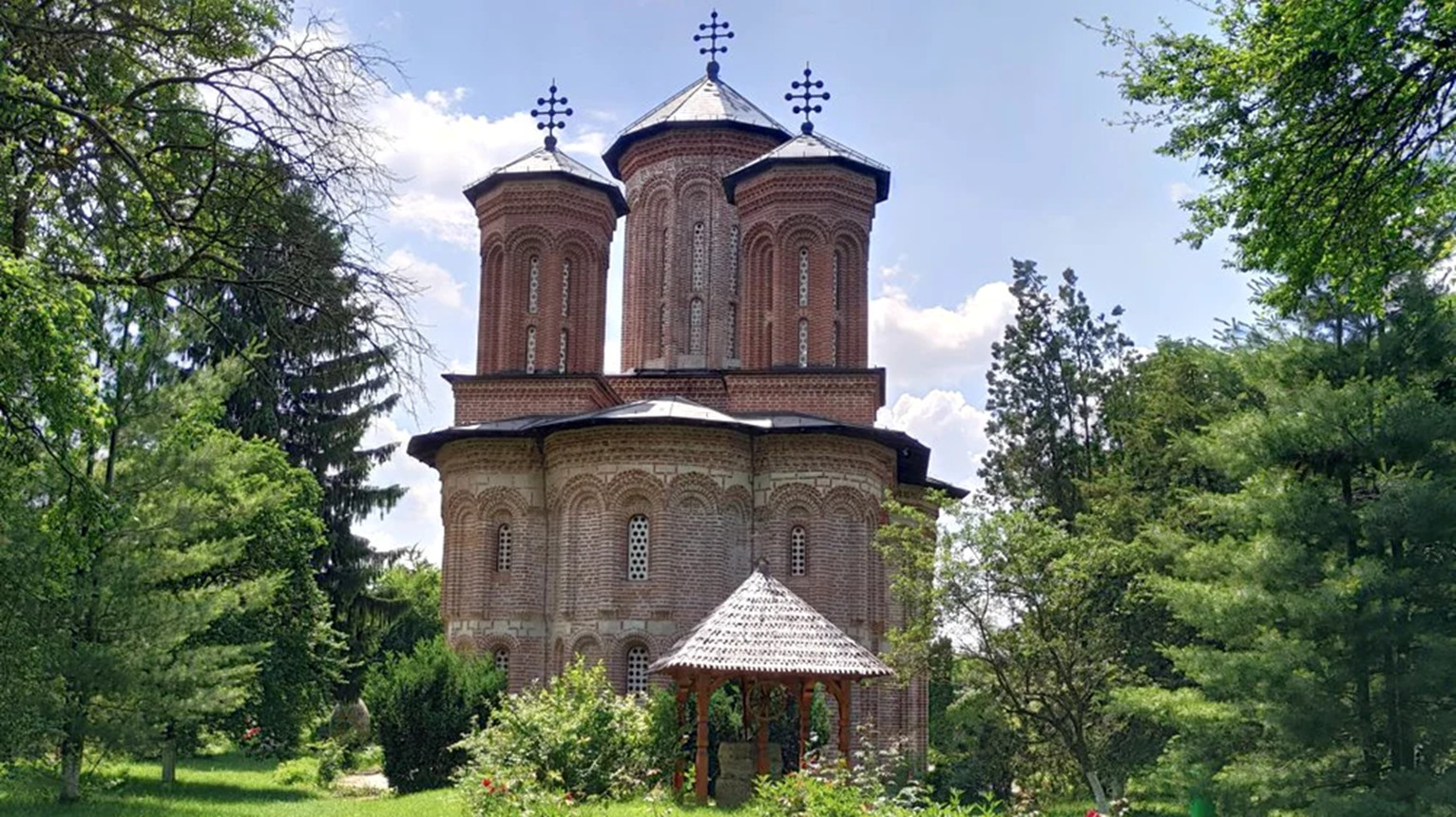
Hidden by woods and surrounded by the waters of the Lake Snagov, the Snagov Monastery was the most important spiritual and cultural centre of Wallachia in the feudal period. Built on an ancient place - where the archaeological finds have discovered clay pots of the Bronze Age and Iron Age, as well Roman and Byzantine coins - the monastery is one of the oldest monastic settlements in the vicinity of Bucharest.
Some legends say that after the ruler was murdered in 1476 by the Wallachian boyars in the forest at Balteni, the monks of the monastery would have taken the body and bury it in secret in the church. Inside the monastery there is a plaque showing that under a stone slab, right in front of the church altar, there is the grave of the great ruler.
2
Stop 2
Mogosoaia Palace is one of the most important historical buildings, representing a symbol of the Romanian architecture. Located about 15 kilometers from the center of Bucharest, Ilfov County, Mogosoaia Palace is a real honor for our country, being registered on the national list of historical monuments. It was built between 1698 and 1702 by Constantin Brancoveanu in the so called the Romanian Renaissance style or Brancovenesc style, a combination of Venetian and Ottoman elements. The palace bears the name of the widow of the Romanian boyar Mogos, who owned the land where the palace was built on.
After 1714, when Constantin Brancoveanu, together with his entire family, was executed in Constantinople, all the family’s wealth was confiscated by the Ottomans and the palace was converted into an inn. It was redeemed on the reign of Serban Cantacuzino, and then returned into the possession of his nephew, Constantin Brancoveanu until the early nineteenth century. But the construction has witnessed many disagreeable events over time. The palace was devastated during the Russian-Turkish war between the years 1768 and 1774 and also during the revolution of 1821, when the last descendant of the family, Grigore Brancoveanu, took refuge in Brasov, the building being occupied by the revolutionaries.
3
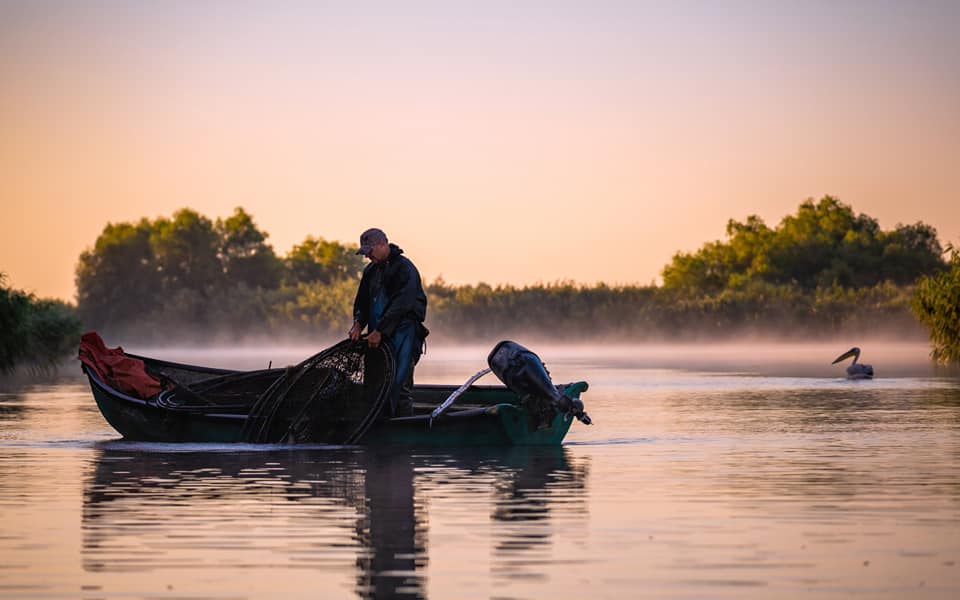
Located 25-30 km outside Bucharest, occupying an area of approx. 600 ha and with a length of 16 km, Lake Snagov is a river edge, the most important one on the lower Ialomița course. Due to its maximum depth of 9 metres, this is the deepest lake in the Romanian Plain area.
The shape of the lake is elongated and very sinuous, with many bays. The downstream area features the island that hosts the Snagov Monastery. The biodiversity of the area is formed of 4,200 species of fauna and flora, of which approximately 1,200 species are protected by law and 42 of them are even red listed.
The fish fauna, which attracts numerous amateur fishermen, is remarkable enough by the existence of 16 fish species: bleak, rudd, roach, bream, carp, Crucian carp, Prussian carp, tench, two species of gobies, eel, European perch, pumpkinseed, pike, zander, catfish. Sport fishing is allowed on Lake Snagov only outside the protected area (at a minimum distance of 500 metres upstream and downstream from it).
Available languages
Guide guide
EN
Reviews breakdown
Tripadvisor
5.0
7 reviews
5★
7
4★
0
3★
0
2★
0
1★
0
Important information
Public transportation options are available nearby
Specialized infant seats are available
Suitable for all physical fitness levels
About Bucharest
Bucharest, the capital of Romania, is a vibrant city known for its blend of historic architecture and modern development. With a rich cultural scene, lively nightlife, and significant historical landmarks, it offers a unique experience for travelers.
Top Attractions
Palace of the Parliament
One of the largest administrative buildings in the world, a symbol of communist architecture and power.
Historical/Architecture
2-3 hours
€7-10
Old Town (Lipscani)
The historic center of Bucharest, filled with charming streets, cafes, restaurants, and nightlife.
Historical/Cultural
Half-day
Free to explore
Village Museum (Muzeul Satului)
An open-air museum showcasing traditional Romanian village life with authentic houses and buildings.
Cultural
2-3 hours
€3-5
Must-Try Local Dishes
Sarmale
Cabbage rolls stuffed with minced meat, rice, and spices, usually served with polenta and sour cream
Main Course
Contains meat and gluten
Mămăligă
Polenta made from cornmeal, often served with cheese, sour cream, or meat dishes
Side Dish
Vegetarian, gluten-free
Ciorbă
A sour soup made with various ingredients such as meat, vegetables, or fish, often served with a boiled egg and sour cream
Soup
Can be vegetarian or with meat
Popular Activities
Hiking in the Carpathian Mountains
Skiing in Poiana Brașov
Spa treatments
Strolling through Herăstrău Park
Visiting museums and art galleries
Attending classical concerts at the Romanian Athenaeum
Boating on Lake Herăstrău
Skiing
Best Time to Visit
June to August
This is the warmest time of the year with the most outdoor activities and festivals. However, it can be crowded with tourists.
20°C to 30°C
68°F to 86°F
Practical Information
Language
- Official: Romanian
- Widely spoken: English, French
- English: Moderately spoken
Currency
Romanian Leu (RON)
Time Zone
GMT+2 (EET), GMT+3 (EEST) during daylight saving time
Electricity
230VV, 50HzHz
Safety Information
Overall Safety Rating: Generally safe, but exercise caution in certain areas
Bucharest is generally safe for tourists, but petty crime such as pickpocketing and scams can occur, especially in crowded areas. Be cautious at night and avoid poorly lit streets.
Important Precautions:
- • Keep valuables secure and out of sight
- • Use licensed taxis or ride-sharing apps
- • Be cautious of strangers approaching you with unsolicited offers or requests
Getting there
By air
- Henri Coandă International Airport • 16.7 km (10.4 miles) from city center
- Aurel Vlaicu International Airport • 8 km (5 miles) from city center
By train
Gara de Nord, Băneasa
By bus
Autogara Nord, Autogara Sud
Getting around
Public transport
Clean, efficient, and affordable. The metro system is the fastest way to get around Bucharest.
Taxis
Available • Apps: Bolt, Uber
Rentals
Car, Bike, Scooter
Neighborhoods
Old Town (Lipscani)
Dorobanți
Cotroceni
Day trips
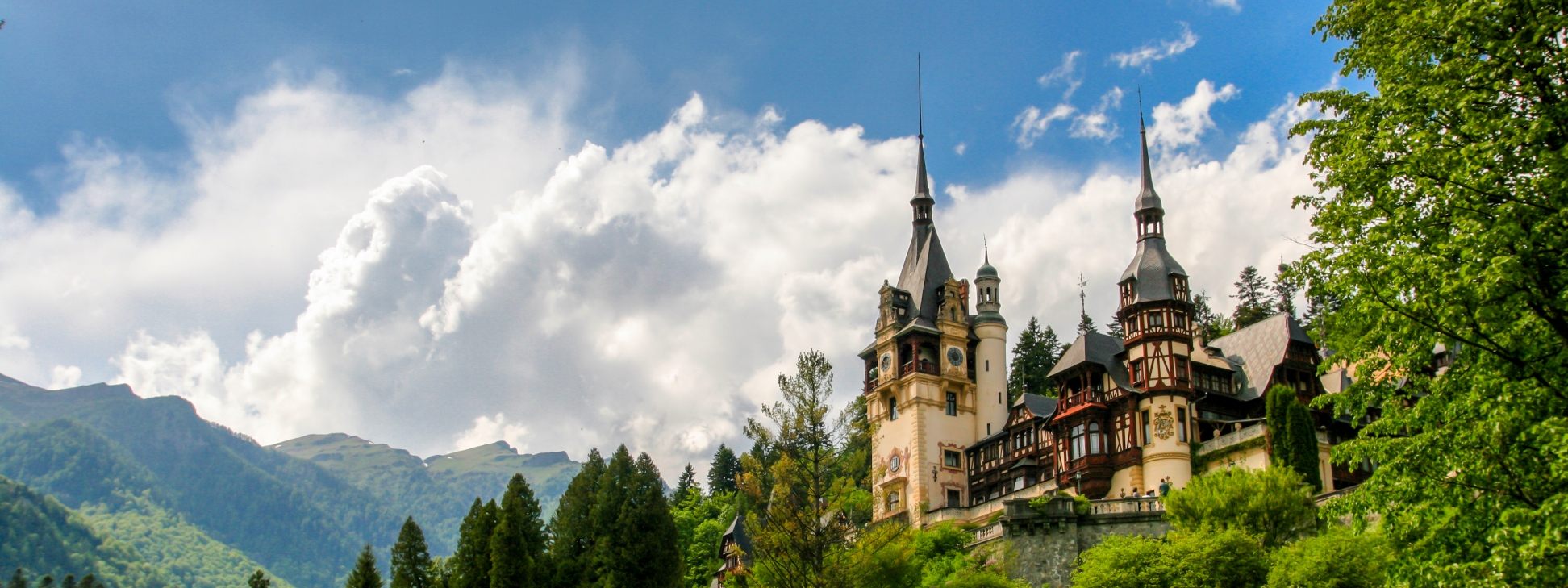
Peleș Castle
120 km (75 miles) • Full day
A stunning neo-Renaissance castle nestled in the Carpathian Mountains, once the summer residence of the Romanian royal family.
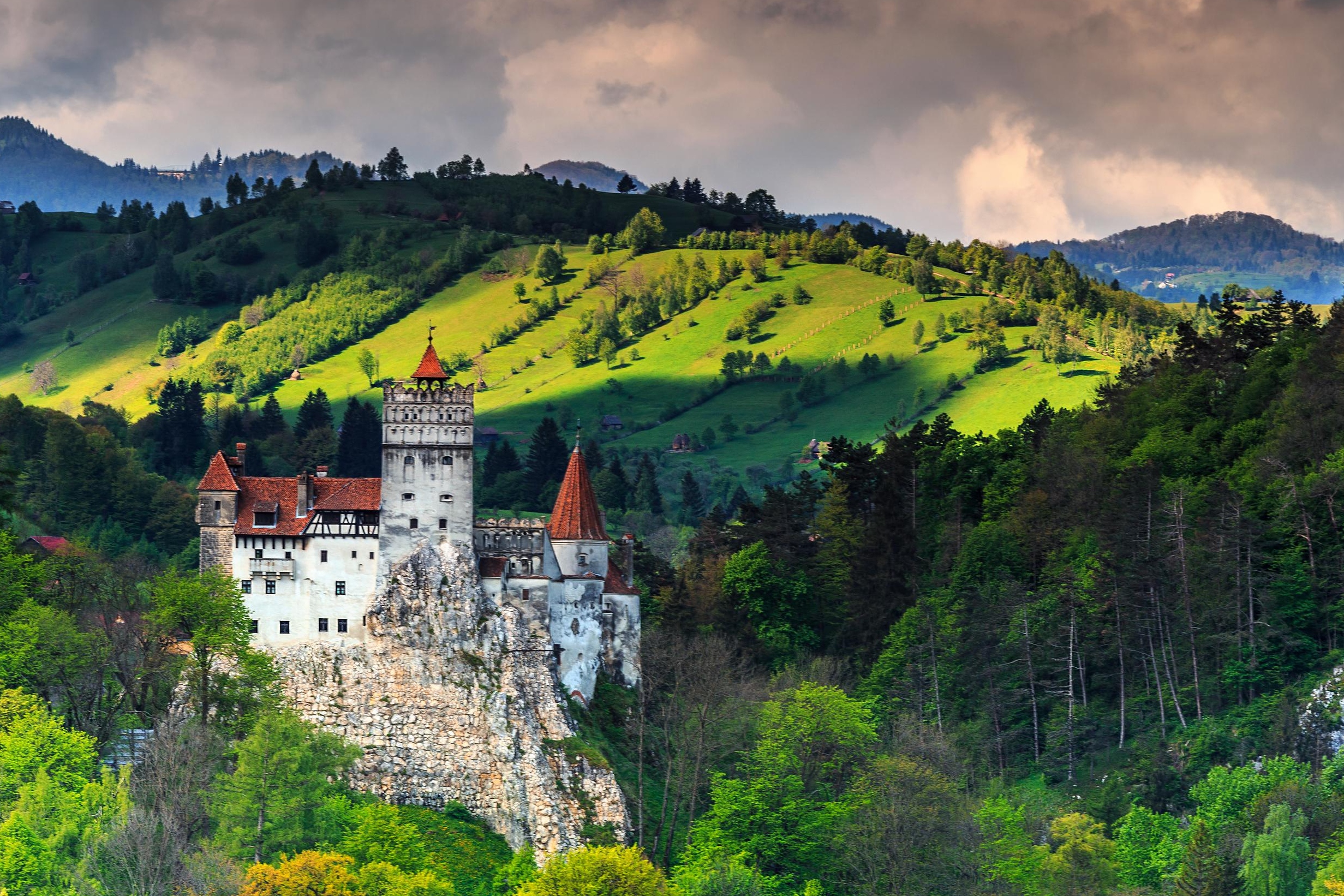
Bran Castle
160 km (100 miles) • Full day
A medieval fortress often associated with Dracula, offering a glimpse into Romania's rich history and folklore.
Sinaia
120 km (75 miles) • Full day
A beautiful mountain town known for its stunning landscapes, historic sites, and outdoor activities.
Festivals
Bucharest International Film Festival (BIFF) • April
George Enescu Festival • September
Bucharest Pride • June
Pro tips
- Learn a few basic Romanian phrases to enhance your experience and interact with locals
- Explore beyond the tourist hotspots to discover hidden gems and local culture
- Use public transport or walk to get a sense of the city's rhythm and avoid traffic
- Try local street food for an authentic and affordable culinary experience
- Visit major attractions early in the morning or late in the afternoon to avoid crowds
From $25
per person
Price varies by option
Secure booking
Free cancellation available
Instant confirmation