Half-Day Jeep Tour Top Sights Wadi Rum Desert
Active
4h
For a full refund, cancel at least 24 hours before the scheduled departure time.
Instant confirmation
Mobile or paper ticket accepted
About this experience
Escape the busy city life for a while and enjoy the brilliance of the barren lands of the Wadi Rum desert with our half-day jeep tour.
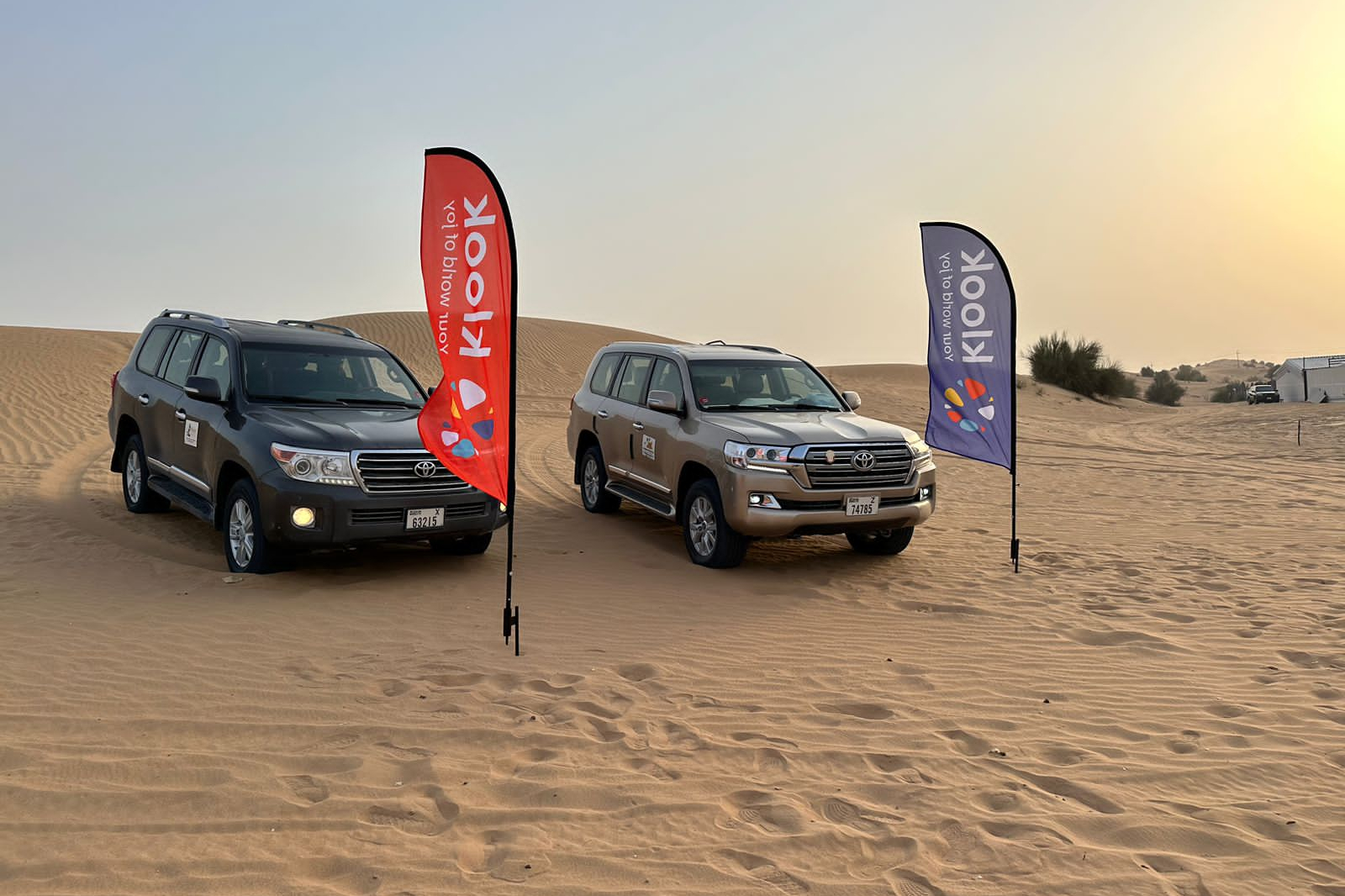
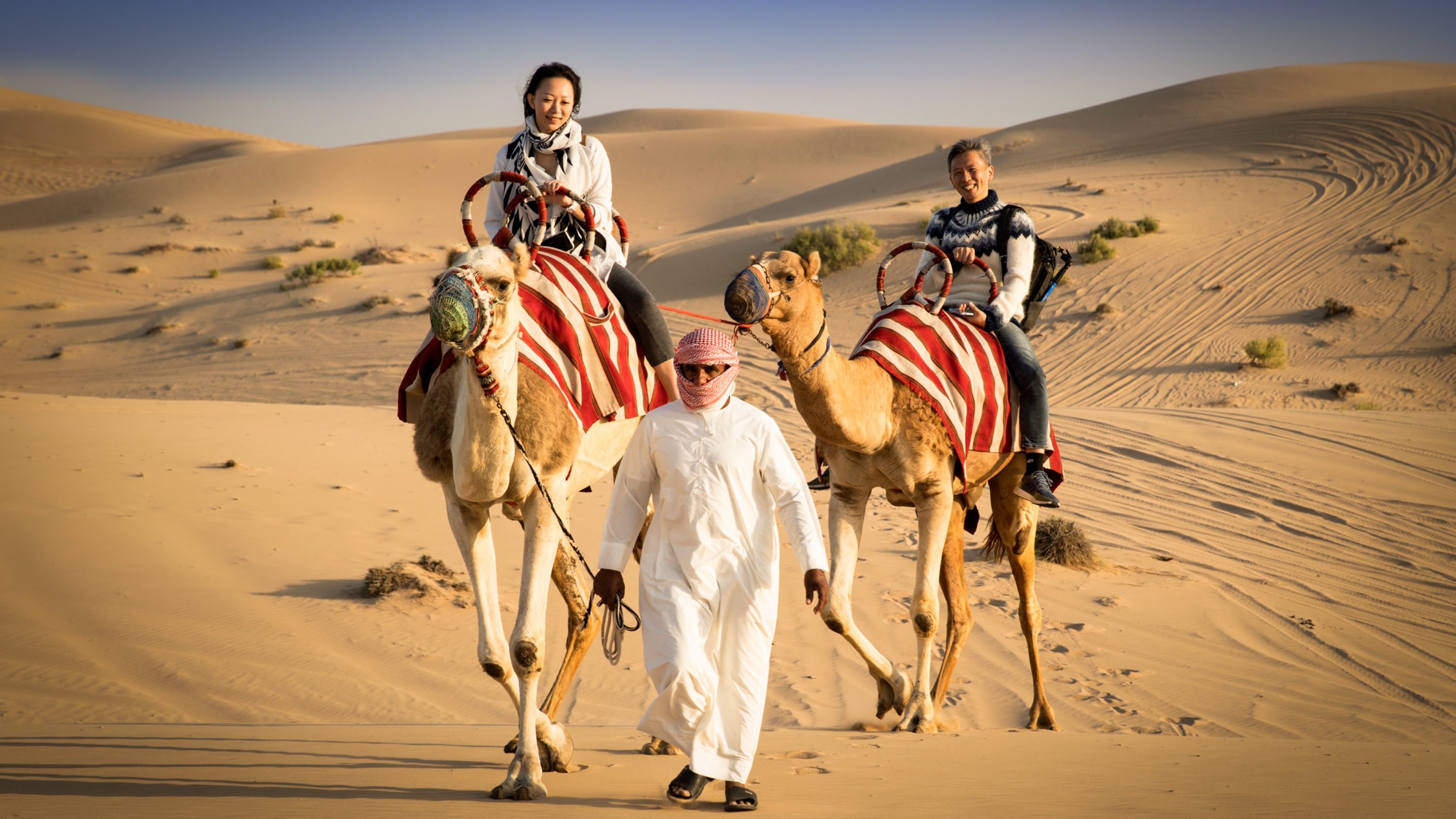
Climb aboard a 4x4 vehicle and head to the red sand dunes of the Wadi Rum desert, which is definitely once in a lifetime experience! You’ll get the chance to stop at the top and admire the sweeping desert views. Afterwards, Take the opportunity to try Sand-Boarding for free.
During this 4-hour jeep tour, you will visit and explore all the most popular sites, take amazing photos and learn more about the local Bedouins’ life.
Available options
2 Hours Jeep Tours - Wadi Rum
What's included
Sandboarding
Bedouin guide who speaks English
Bottled Water & Bedouin Tea
Detailed itinerary
1
Stop 1
The Spring is at the top of a short scramble - head to the Fig Tree. It is located 2 km southwest of Wadi Rum village. The spring is named in honor of Lawrence's evocative description in The Seven Pillars of Wisdom: "in front of us a path, pale with use, zigzagged up the cliff-plinth... Among the trees, in the hidden crannies of the rock, issued strange cries, the echoes, turned into music, of the Arabs watering the camels at the springs which flowed out three hundred feet above the ground." Although the pool itself is largely unimpressive, being a stagnant puddle, the views across the desert are truly stunning.
2
Stop 2
Among the vast expanses of rust-coloured sand in the Wadi Rum desert, the RED SAND DUNE, or “Al Hasany” in Arabic, is the most famous one. Officially named "Al Ramal", it has become better known by its descriptive name. It stands out against a cliff side, as if it was part of the mountain. Coloured red by the presence of iron oxide, this dune is smooth and soft underfoot making it perfect to walk up barefoot!
3
Khazali Canyon is the site of the petroglyphs etched into the caves walls depicting humans and antelopes dating back to the Thamudic era. This narrow valley contains many Nabataean rock carvings of humans and animals.
Jebel Khazali, a peak located in the middle of the Wadi Rum Reserve opens up into a narrow crevice about 100 meters long. Its inner walls are covered with Thamudic, Nabataean, and Islamic inscriptions, as well as rock carvings depicting humans and animals. Remarkable are the soles of feet petroglyphs, which might have had religious significance.
4
Stop 4
LITTLE ROCK BRIDGE - Easy to climb, the Little Rock Bridge offers great views across a wide expanse of desert. Accessible and non-hazardous, it's perfect for families with children and people who feel less comfortable with heights under their feet.
5
Nobody is certain this was Lawrence's home, although there are stories that he resided and/or stored weapons here. However, the current structure is built upon the ruins of a Nabataean building, which is another beautiful spot in the desert. There is little left of this building, which was erected on the Nabataean ruins of a water reservoir. Nonetheless, legend has it that Lawrence stayed here during the Arab Revolt and that's what makes it a must on the regular 4x4 circuits of the area. Near the building is a Nabataean inscription which mentions the area's ancient name, Iram. The remote location and uninterrupted view of the red sand dunes are the main attractions.
6
Stop 6
UM FROUTH ROCK BRIDGE - A lower rock bridge which is features on many tours and can be easily scrambled onto. The climbing takes 5-15 minutes and the view of the surrounding area is stunning.
What's not included
Camel Ride JD15,00 (per person)
Overnight with Dinner & Breakfast (Bedouin Camp) JD10,00 Per/Person
Overnight with Dinner & Breakfast (Bedouin Cave) JD25,00 Per/Person
Available languages
Guide guide
AR
EN
Important information
Not recommended for travelers with spinal injuries
Not recommended for travelers with poor cardiovascular health
Not recommended for pregnant travelers
Service animals allowed
Public transportation options are available nearby
Infants and small children can ride in a pram or stroller
Travelers should have at least a moderate level of physical fitness
Meeting point
The tour starts from the Wadi Rum Parking or point on maps ( wadi rum nights ) in the Wadi Rum Village which is located about 7 km from Visitor Center.
Alternatively, you can take bus (from Petra) or taxi to the Wadi Rum Parking.
About Aqaba
Aqaba is Jordan's only coastal city and a vibrant hub for diving, snorkeling, and beach relaxation. Situated at the northern tip of the Red Sea, it offers a unique blend of modern resort facilities and ancient history, with the famous Nabatean city of Petra just a short drive away.
Top Attractions
Aqaba Marine Park
Aqaba Marine Park is a protected area known for its stunning coral reefs and diverse marine life. It's a top spot for snorkeling and diving.
Nature
Half day to full day
Moderate (Entry fees and diving/snorkeling tours)
The Aqaba Fort (Mamluk Castle)
This 16th-century Ottoman castle offers panoramic views of the Red Sea and Aqaba city. It's a significant historical site with a rich past.
Historical
1-2 hours
Budget (Entry fee around 2 JOD)
Aqaba Archaeological Museum
This museum showcases the rich history and archaeological findings of the Aqaba region, including artifacts from the Nabatean and Islamic periods.
Museum
1-2 hours
Budget (Entry fee around 1 JOD)
Must-Try Local Dishes
Sayadieh
A traditional fish dish made with white fish, caramelized onions, and spices, often served with rice.
Main Dish
Contains fish and gluten (rice)
Mansaf
Jordan's national dish, made with lamb cooked in a yogurt sauce and served with rice and almonds.
Main Dish
Contains lamb and dairy
Fresh Seafood
A variety of fresh seafood, including grilled fish, shrimp, and lobster, commonly found in coastal restaurants.
Main Dish
Contains seafood
Popular Activities
Diving
Snorkeling
Jeep tours in Wadi Rum
Hiking
Beach relaxation
Spa treatments
Yoga by the sea
Visiting historical sites
Best Time to Visit
March to May, October to November
The best time to visit Aqaba is during the spring and fall when the weather is warm but not excessively hot. These months are ideal for outdoor activities, diving, and exploring the city.
20°C to 35°C
68°F to 95°F
Practical Information
Language
- Official: Arabic
- Widely spoken: English
- English: Moderately spoken
Currency
Jordanian Dinar (JOD)
Time Zone
GMT+3
Electricity
230VV, 50HzHz
Safety Information
Overall Safety Rating: Generally safe
Aqaba is generally safe for tourists, with low crime rates. However, petty theft and scams can occur, so it's important to stay vigilant.
Important Precautions:
- • Keep valuables secure
- • Use licensed taxis
- • Be cautious of strangers offering unsolicited help
Getting there
By air
- King Hussein International Airport • 20 km from city center
By bus
Aqaba Bus Station
Getting around
Public transport
Buses are the primary form of public transport in Aqaba. They are affordable but can be crowded during peak times.
Taxis
Available • Apps: None widely used
Rentals
Car, Bike, Scooter
Neighborhoods
Downtown Aqaba
South Beach Area
Day trips
Wadi Rum
60 km (37 miles) • Full day
Wadi Rum is a stunning desert landscape known for its dramatic rock formations, sand dunes, and ancient petroglyphs. It's a popular spot for jeep tours, hiking, and camping.
Petra
240 km (150 miles) • Full day
Petra is an ancient Nabatean city carved into the rose-red cliffs. It's one of the New Seven Wonders of the World and a UNESCO World Heritage Site.
Festivals
Aqaba International Dive Festival • Annual, usually in April
Pro tips
- Visit the Aqaba Marine Park for the best snorkeling and diving experiences
- Explore the Aqaba Fort for panoramic views of the city and the Red Sea
- Try traditional Jordanian dishes like Sayadieh and Mansaf
- Book accommodations and tours in advance during peak seasons
- Respect local customs and traditions, especially when visiting religious sites
From $25
per person
Price varies by option
Secure booking
Free cancellation available
Instant confirmation