Maputo Art Walking Tour
Active
3h
For a full refund, cancel at least 24 hours before the scheduled departure time.
Instant confirmation
Mobile or paper ticket accepted
About this experience
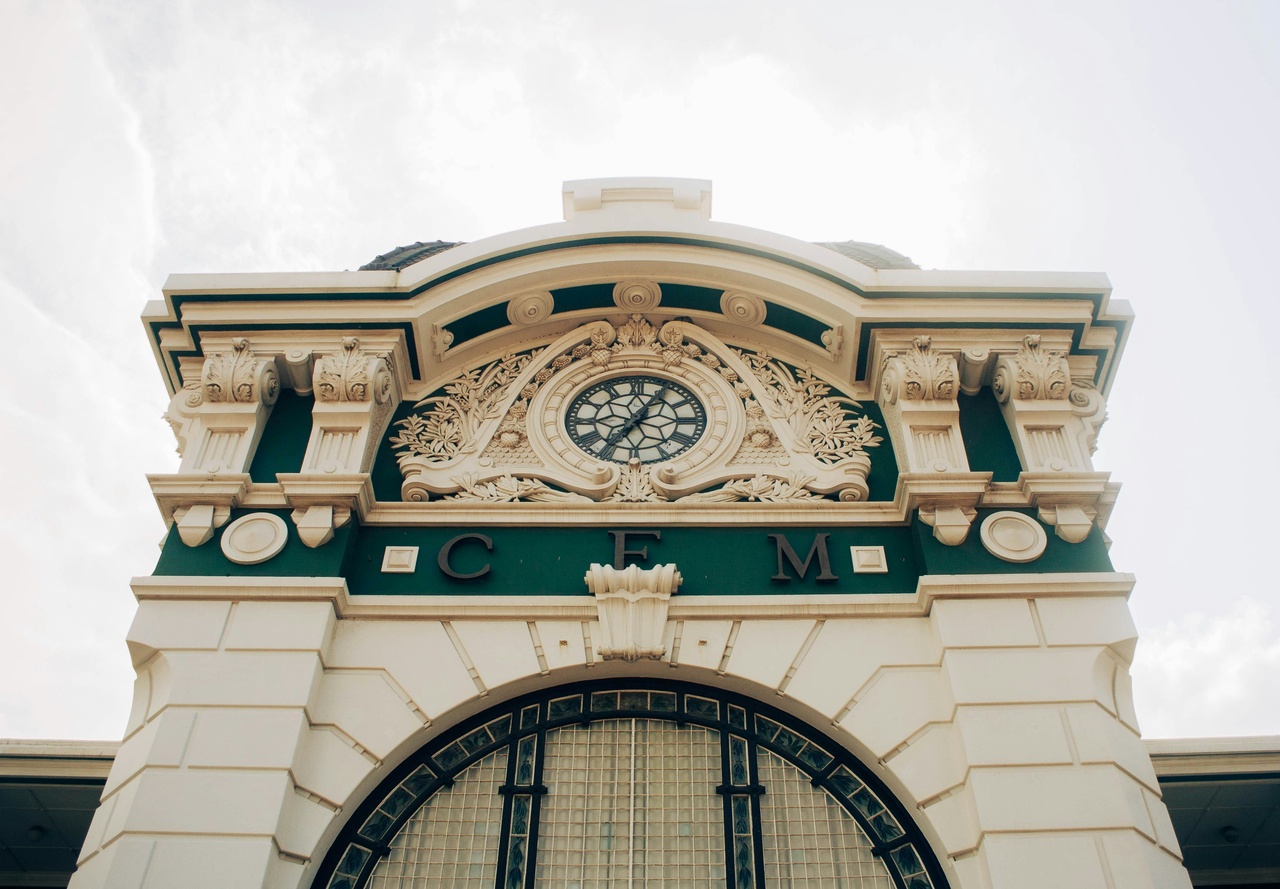
Maputo Art & Architecture Tour it’s a tour for those who are most interested in art and architecture the best option is the Art & architecture walking tour, where we can see the best of Maputo’s art and architecture – from Art deco buildings to the ones of Pancho Guedes; from chairs and planes made out of guns and bullets by Gonçalo Mabunda to the artesans in FEIMA.
Available options
Maputo Art Walking Tour
What's included
All Fees and Taxes
Bottled water
Detailed itinerary
1
1- Natural history Museum (starting point): located in the Praça Travessia do Zambeze, the museum used to be called Museu Álvaro de Castro and was built in 1931 – 1933 in neo – Manueline (a kind of Portuguese gothic style ) by the municipal engineer António Ribeiro de Mendonça. The original idea had been to build a school. Worth mentioning are the collection of elephant fetuses aged 1 month to 20 months and realistic wildlife scenes (e.g. lioness tearing a zebra carcass), both are to be found in the big room downstairs. Taxidermist Peão Lopes made them, and nowadays they seem a bit dusty and not the state of the art. The elephant fetuses are said to be result of land clearance south of Maputo in the early 20th century during which around 2000 elephants were killed. There are also two rooms of traditional African art. Around the building threre are the annexes, built by architect João José Tinoco, in 1965. They are decorated with two mural paintings by Malangatana, one was painted in 1977/79 in two phases and depicts yhe fight of man in nature; the other was painted in 1989. In the workshop annex (onto which the first mural is painted) is the atelier of famous Makonde pottery artist Reinata Sadimba who works here weekdays. It is one of the most exciting and authentic experiences in Maputo to see her at work. The prime minister of the time Pascoal Mocumbi and many others invited her to come to Maputo and work in the Museum.
2
Nucleo De arte: Artists association, school for many Mozambican artists. There is a really nice gallery and ateliers of the artists working there. The artists are always happy to let people see them working on their paintings and sculptures. Eugenio Mucavele, always calm and concentrated, is one of the most if not the most experienced artist we always meet when we go to Nucleo.
3
Vila Algarve: built in 1934 by architect Augusto da Silva Pinto and engineer Alfredo F. Soares in the “português suave” style for Joé dos Santos Rutino who was a photographer and had a stationary shop but more lucratively also held the lottery concession. He came from the Algarve region in Portugal. The elaborate hand painted tiles (azulejos) were produced by the Aleluia company. In 1952 the Portuguese secret police PIDE took over the building . in the basement was the interrogation chamber called Kula, which in Shangaan means, “where one us eaten up”. Franciso Langa or “Chico Feio” was the main torturer here. Langa suffered a violent death after independence in 1975 – he was cut to pieces in his house
4
7- Wedding palace:The Palácio de Casamentos, the marriage palace was built in 1931 – 1934 by Agapus Nicolau and Nicolas Kassimatis as the “ateneu Grego”, the community center of the Greek colony. It was open to all, one of the favorite events being its well-known dance matinees. Inside it is possible to see how civil marriages are performed with style and singing. There are a few high quality artworks, a huge painting by Malangatana of 1979/80”the long passage towards marriage”, a carved pilar by Alberto Chissano and in the basement two painted concrete reliefs.
5
11- Polana: was commissioned by the Delagoa Bay Lands Syndicate, whose local representative was Leo Cohen. The building was completed in 1922. It is said to have been designed by Sir Herbert Baker (who also designed the Union Buildings in Pretoria), but the responsible architect was actually Walter Reid, the contractor was Hugh Le May. Polana was the name of the African Chief who had lived near the site, whose lands had been sold to sommerschield without compensation and whose descendants were finally evicted from the area in 1946. The tramway at that time came up to the hotel. There were tennis courts and a golf course (the golf club had been laid out in 1914 in the area where the “lemon squeezer” church is today). The hope was that Maputo would become the preferred holiday destination for wealthy people from Transvaal. Prior to independence around a million tourists came to Lourenço Marques from South Africa alone every year. They came for the latin atmosphere, the fado, the nightlife, the beaches, the Portuguese wines, the good beer, the famous shrimps and also for big-game hunting further north. At the time the Polana was one of the most modern hotels in the hemisphere and seemed quite out of place in the still rather backward Lourenço Marques. In 1936 the hotel was sold to I. W. Schlesinger. His son in turn sold it to a Portuguese group in 1963. The hotel was a center of espionage during the Second World War. Portugal was neutral and it was here that spies both of the Axis and Allies met with their sources. The British spy Malcolm Muggeridge was pitched against Italian Consul Umberto Campani and Lutpold Werz of the German Consulate. This were supplying information to German submarines lying in wait in the waters between Mozambique and Madagascar, preying on allied ships supplying the battle theaters of Russia, Egypt and India.
6
Lemon squeezer: the lemon squeezer or Polana Church was built in 1962 by Nuno Craveiro Lopes (son of the former Portuguese president). There is a miniature replica in the garden on the corner. It is also impressive inside. Sociedad Mauméjean Hermanos in Madrid produced the stained glass.it is commonly called lemon squeezer or inverted flower because of its shape.
7
FEIMA: handicraft market with nice restaurants. This is the ideal place to buy souvenirs to take back home. From fridge magnets to capulanas,
What's not included
Alcoholic Beverages
Available languages
Guide guide
PT
EN
ES
Reviews breakdown
Viator
4.0
4 reviews
5★
3
4★
0
3★
0
2★
0
1★
1
Tripadvisor
5.0
14 reviews
5★
14
4★
0
3★
0
2★
0
1★
0
Important information
Wheelchair accessible
Public transportation options are available nearby
Infants are required to sit on an adult’s lap
Specialized infant seats are available
Suitable for all physical fitness levels
Meeting point
In front Office the Natural History Museum
About Maputo
Maputo, the vibrant capital of Mozambique, is a city of contrasts where colonial architecture meets modern development. Known for its beautiful bay, rich cultural heritage, and bustling markets, it offers a unique blend of African and Portuguese influences. The city is a gateway to stunning beaches and wildlife reserves, making it an appealing destination for both city explorers and nature enthusiasts.
Top Attractions
Maputo Cathedral
This iconic cathedral is a prominent landmark in Maputo, showcasing a unique blend of architectural styles. Its distinctive facade and towering presence make it a must-visit for architecture enthusiasts.
Historical/Architecture
30 minutes
Free
Maputo Central Market
This bustling market is a hub of local life, offering a vibrant array of fresh produce, spices, crafts, and souvenirs. It's a great place to experience the local culture and interact with friendly vendors.
Cultural/Market
1-2 hours
Free to enter, prices vary for purchases
Tribunal District
This district is known for its well-preserved colonial architecture, including the iconic Tribunal Palace. It's a great area for a leisurely stroll, offering a glimpse into the city's colonial past.
Historical/Architecture
1-2 hours
Free
Maputo Elephant Reserve
Just a short drive from the city, this wildlife reserve offers a unique opportunity to see elephants and other wildlife in their natural habitat. The reserve also features beautiful landscapes and hiking trails.
Nature/Adventure
Half day
Moderate
Costa do Sol
This popular beach is a great spot to relax and enjoy the sun. It's lined with restaurants and bars, making it a perfect place to spend a day by the sea.
Beach/Relaxation
Half day
Free
Must-Try Local Dishes
Matapa
A traditional dish made with cassava leaves, shrimp, and peanut sauce. It's often served with rice or bread.
Main Dish
Contains seafood and nuts.
Piri-Piri Chicken
Grilled chicken marinated in a spicy piri-piri sauce made from African bird's eye chili peppers.
Main Dish
Spicy, contains chicken.
Prego Roll
A popular street food consisting of a steak sandwich with a spicy peri-peri sauce, served in a baguette-style roll.
Sandwich
Contains beef and spicy sauce.
Xima
A staple food made from cornmeal, similar to polenta, often served with meat or fish stews.
Side Dish
Vegetarian, gluten-free.
Popular Activities
Snorkeling and diving in Inhaca Island
Hiking in Santuario do Marmeleiro
Beach relaxation in Costa do Sol
Spa and wellness treatments in luxury hotels
Exploring the Maputo Central Market
Visiting the Maputo Cathedral and Tribunal District
Beach relaxation in Ponta do Ouro
Experiencing the vibrant nightlife in Ponta do Ouro
Best Time to Visit
May to October
The dry season offers pleasant weather with lower humidity and temperatures, making it ideal for outdoor activities and sightseeing. This is the peak tourist season with vibrant festivals and events.
18°C to 28°C
64°F to 82°F
Practical Information
Language
- Official: Portuguese
- Widely spoken: English, Local languages like Xitsonga and Xichangana
- English: Moderately spoken in tourist areas, limited in other areas
Currency
Mozambican Metical (MZN)
Time Zone
GMT+2
Electricity
220VV, 50HzHz
Safety Information
Overall Safety Rating: Exercise caution
Maputo is generally safe for tourists, but petty crime and scams can occur. Exercise caution, especially in crowded areas and at night. Avoid walking alone in poorly lit or deserted areas.
Important Precautions:
- • Exercise caution in crowded areas and at night.
- • Avoid walking alone in poorly lit or deserted areas.
- • Use reputable taxi services and agree on the fare before starting your journey.
Getting there
By air
- Maputo International Airport • 3 km from city center
By bus
Maputo Central Bus Station
Getting around
Public transport
Buses are the primary mode of public transport. They are affordable but can be crowded and unreliable. Route information is limited, so planning ahead is recommended.
Taxis
Available • Apps: Bolt, Uber
Rentals
Car, Bike, Scooter
Neighborhoods
Polana
Somora Machel
Alto Maé
Day trips
Inhaca Island
30 km from Maputo • Full day
Inhaca Island offers stunning beaches, coral reefs, and a variety of wildlife. It's a great place for snorkeling, diving, and relaxing in a tropical paradise.
Santuario do Marmeleiro
50 km from Maputo • Full day
This nature reserve offers a variety of hiking trails, wildlife spotting opportunities, and beautiful landscapes. It's a great place to escape the city and enjoy the outdoors.
Ponta do Ouro
100 km from Maputo • Full day or overnight
This coastal town is known for its beautiful beaches, clear waters, and vibrant nightlife. It's a popular destination for both relaxation and adventure activities.
Festivals
Maputo International Music Festival • March
Independence Day • June 25
Festival de Maputo • July
Pro tips
- Learn a few basic phrases in Portuguese to enhance your interactions with locals.
- Visit the Maputo Central Market early in the morning for the best selection and prices.
- Explore the city's colonial architecture and historic sites to gain a deeper understanding of its rich history.
- Try local dishes like Matapa and Piri-Piri Chicken for an authentic culinary experience.
- Use reputable taxi services and agree on the fare before starting your journey to avoid overcharging.
From $25
per person
Price varies by option
Secure booking
Free cancellation available
Instant confirmation