Private Day Trip of Taroudant & Tiout from Agadir
Active
8h - 10h
For a full refund, cancel at least 24 hours before the scheduled departure time.
Instant confirmation
Mobile or paper ticket accepted
About this experience
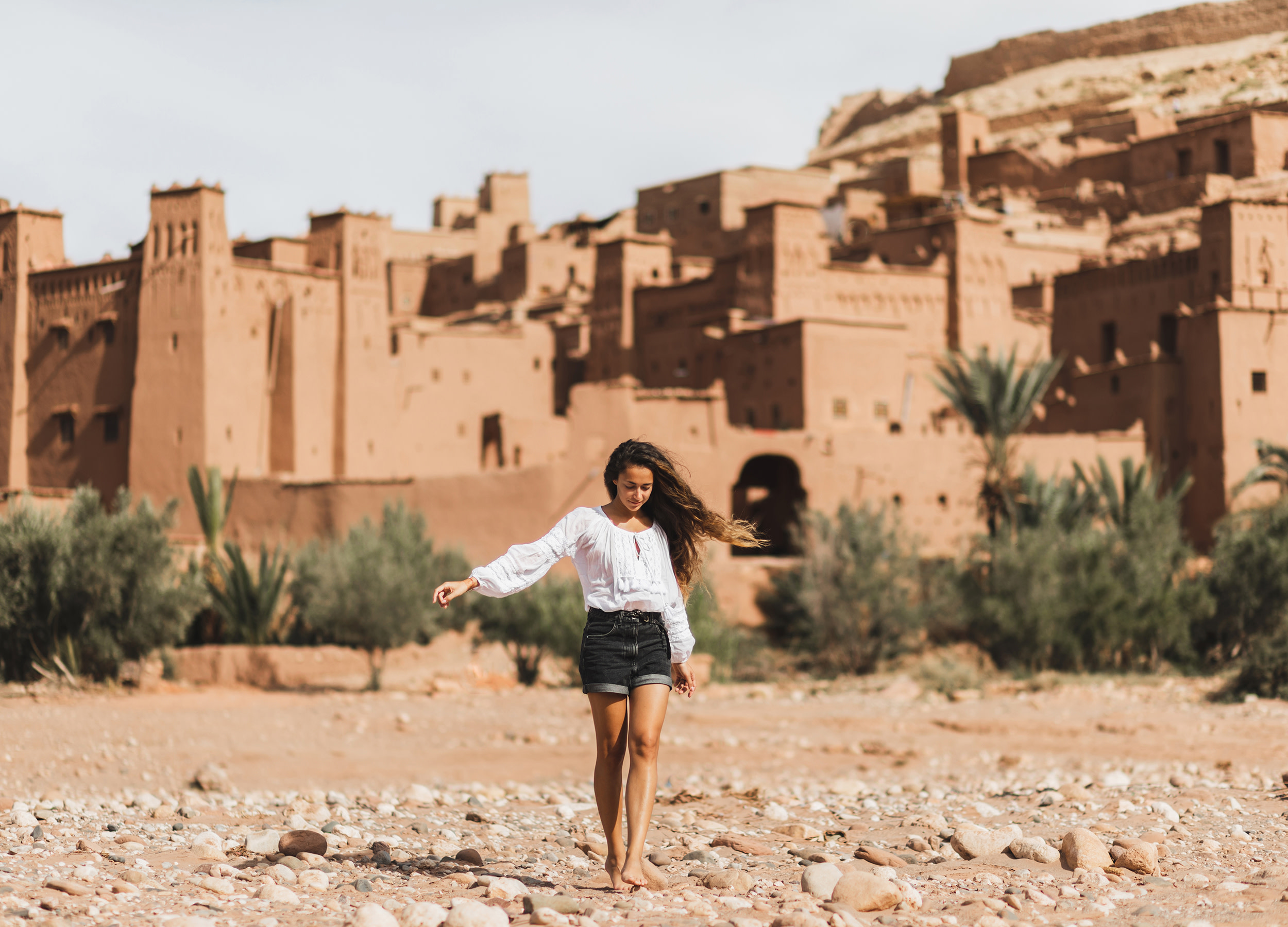
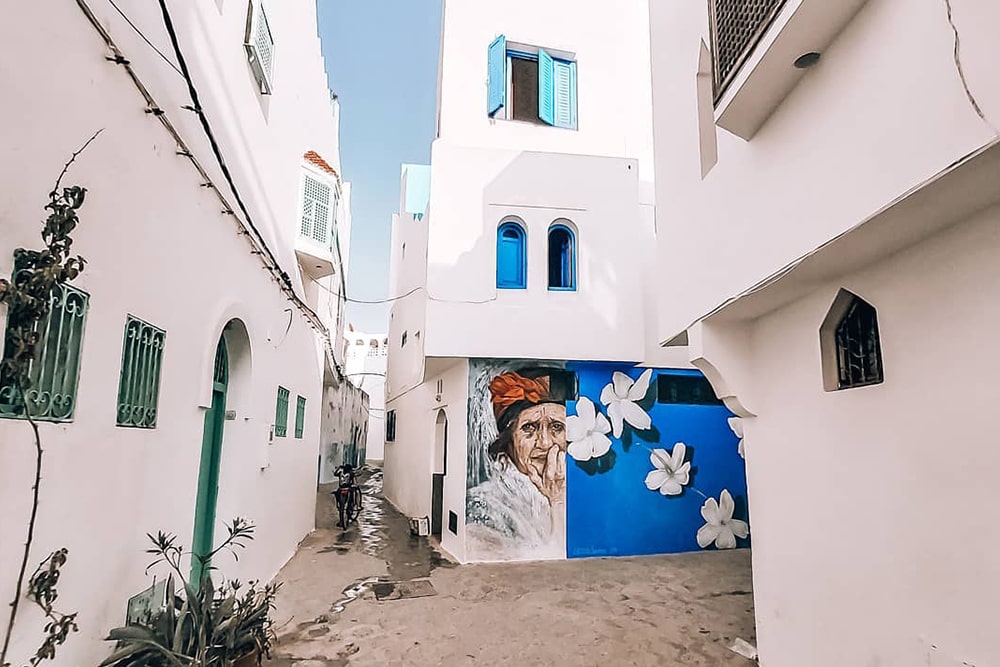
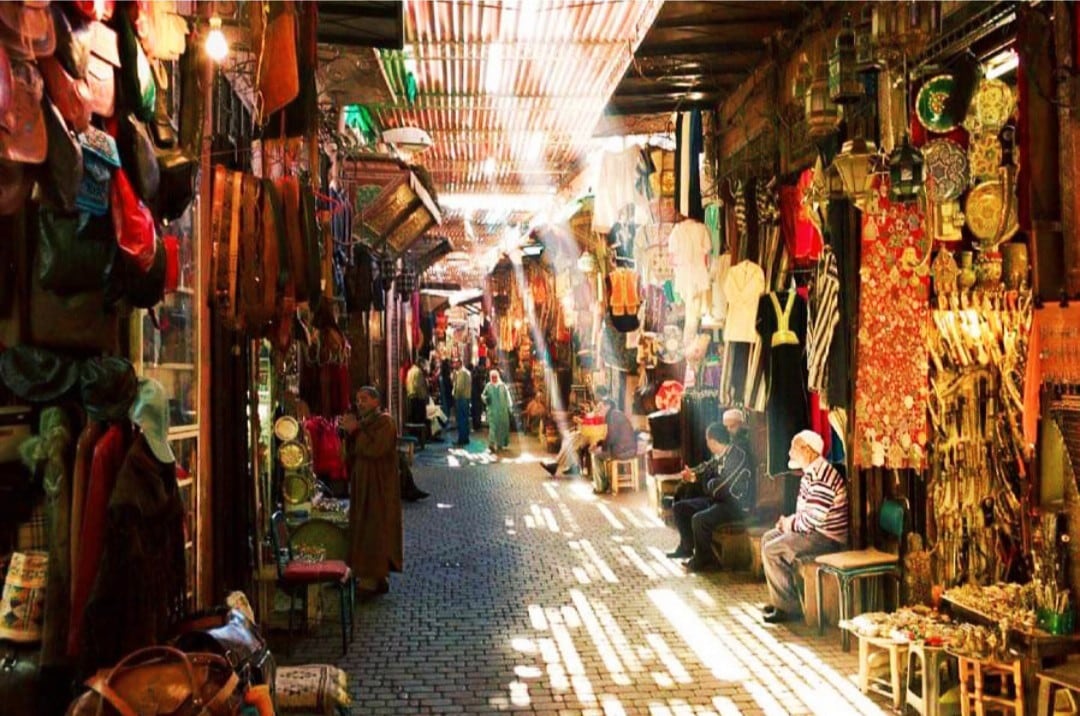
Taroudant is a Berber city, formerly the capital of the Saadian dynasty before Marrakech. Once in Taroudant, we visit the Berber Souk to discover the activities of local artisans. We continue to discover, too, the city and its 8 km ramparts. Then we go to the village of Tiout for lunch with a local. After lunch, we leave, on foot or on the back of donkeys, for a hike to discover a palm grove sheltering more than twenty thousand date palms. We also visit the Kasbah of Tiout where part of Ali Baba and the 40 Thieves was filmed, directed by Fenandel in 1954.
Available options
Private Day Trip of Taroudant & Tiout from Agadir
Pickup included
What's included
Private transportation
Air-conditioned vehicle
Addition of a supplement of 20 Euro/vehicle for any departure from Taghazout village
Detailed itinerary
1
Departure from your hotel at 08:30, direction Taroudant, southeast of Agadir at 80km. Medieval town, nicknamed "the little Marrakech"; surprises by the tawny color of its ramparts, the picturesque of its souks, and the agitation continues in the small cafes under the arcades of the large Assarag Square.
2
We go to the oasis of Tiout about thirty kilometers from Taroudant; a Berber village at the foot of the Anti-Atlas. A magnificent palm grove extends between several villages with red ocher houses offering a sublime landscape. On the height of a hill, the kasbah Tiout offers a panorama both green and desert.
What's not included
Lunch
Alcoholic Beverages
Gratuities
Walk on Anne's back
Available languages
Guide guide
DE
EN
FR
Reviews breakdown
Viator
5.0
3 reviews
5★
3
4★
0
3★
0
2★
0
1★
0
Tripadvisor
4.8
30 reviews
5★
28
4★
1
3★
0
2★
0
1★
1
Important information
Infants and small children can ride in a pram or stroller
Service animals allowed
Public transportation options are available nearby
Infants are required to sit on an adult’s lap
Suitable for all physical fitness levels
About Agadir
Agadir is a vibrant coastal city on Morocco's Atlantic coast, known for its beautiful beaches, historic sites, and modern amenities. It's a popular destination for both relaxation and adventure, offering a blend of Moroccan culture and Mediterranean charm.
Top Attractions
Agadir Beach
Agadir Beach is one of the most famous beaches in Morocco, known for its long stretch of golden sand and calm waters. It's perfect for swimming, sunbathing, and water sports.
Beach
Half day to full day
Free
Kasbah Agadir Oufella
The ruins of Kasbah Agadir Oufella sit atop a hill overlooking the city, offering panoramic views and a glimpse into Agadir's history. The kasbah was originally built in the 16th century and was destroyed in the 1960 earthquake.
Historical
1-2 hours
Free
Valley of the Birds
Valley of the Birds is a beautiful park and aviary located near the beach. It's home to a variety of bird species and offers a peaceful escape from the bustling city.
Nature
1-2 hours
Free
Agadir Oufella Museum
The Agadir Oufella Museum is located within the ruins of the old kasbah and offers exhibits on the history and culture of Agadir, including traditional crafts, photography, and artifacts.
Museum
1 hour
Moderate (around 20-30 MAD)
Souk El Had
Souk El Had is the main market in Agadir, offering a vibrant and colorful shopping experience. Visitors can find everything from fresh produce and spices to traditional crafts and souvenirs.
Market
1-2 hours
Budget to Moderate (depends on what you buy)
Must-Try Local Dishes
Tagine
A traditional Moroccan stew cooked and served in a clay pot, with various ingredients like meat, vegetables, and spices.
Dinner
Can be vegetarian or vegan with plant-based ingredients.
Couscous
Steamed semolina grains served with vegetables and meat, often seasoned with spices and sauces.
Lunch or Dinner
Can be vegetarian or vegan with plant-based ingredients.
Harira
A hearty soup made with tomatoes, lentils, chickpeas, and lamb or beef, often served during Ramadan.
Soup
Contains meat, but vegetarian versions are available.
M'semen
A type of Moroccan pancake made with flour, water, and yeast, often served with honey or jam.
Breakfast
Vegetarian.
Popular Activities
Surfing
Hiking
Quad biking
Paragliding
Beach relaxation
Spa treatments
Yoga and meditation
Exploring the medina
Best Time to Visit
March to May, and September to November
The best time to visit Agadir is during the spring and fall when the weather is pleasant, and the crowds are manageable. These months offer ideal conditions for beach activities and sightseeing.
20°C to 28°C
68°F to 82°F
Practical Information
Language
- Official: Arabic
- Widely spoken: French, Berber (Tamazight), Spanish
- English: Moderately spoken in tourist areas, limited elsewhere
Currency
Moroccan Dirham (MAD)
Time Zone
GMT+1
Electricity
220VV, 50HzHz
Safety Information
Overall Safety Rating: Generally safe
Agadir is generally safe for travelers, with a low crime rate and a welcoming atmosphere. However, as with any destination, it's important to take basic precautions to ensure a safe and enjoyable trip.
Important Precautions:
- • Keep valuables secure and out of sight
- • Use reputable tour operators and taxis
- • Be cautious when withdrawing money from ATMs
Getting there
By air
- Al Massira Airport • 25 km from city center
By train
Available
By bus
Agadir Bus Station
Getting around
Public transport
The Alsa bus system is the primary public transport in Agadir. Buses are affordable and connect major areas of the city.
Taxis
Available • Apps: Careem
Rentals
Car, Bike, Scooter
Neighborhoods
Anza
Talborjt
Founti
Day trips
Paradise Valley
25 km • Half day
A stunning valley with palm trees, waterfalls, and natural pools, offering a peaceful escape from the city.
Taghazout
20 km • Half day to full day
A charming surf town with beautiful beaches, offering a range of water sports and a relaxed atmosphere.
Immouzer des Ida Outanane
50 km • Full day
A picturesque mountain village known for its waterfalls, hikes, and stunning views.
Festivals
Timitar Festival • July
Agadir International Film Festival • December
Moussem of Agadir • August
Pro tips
- Visit the beach early in the morning or late in the afternoon to avoid the heat and crowds
- Bargain politely in markets and shops, but be prepared to walk away if the price is too high
- Try local street food for an authentic and affordable culinary experience
- Explore the medina and local neighborhoods for a more authentic and less touristy experience
- Learn a few basic phrases in Arabic or French to enhance your interactions with locals
From $25
per person
Price varies by option
Secure booking
Free cancellation available
Instant confirmation