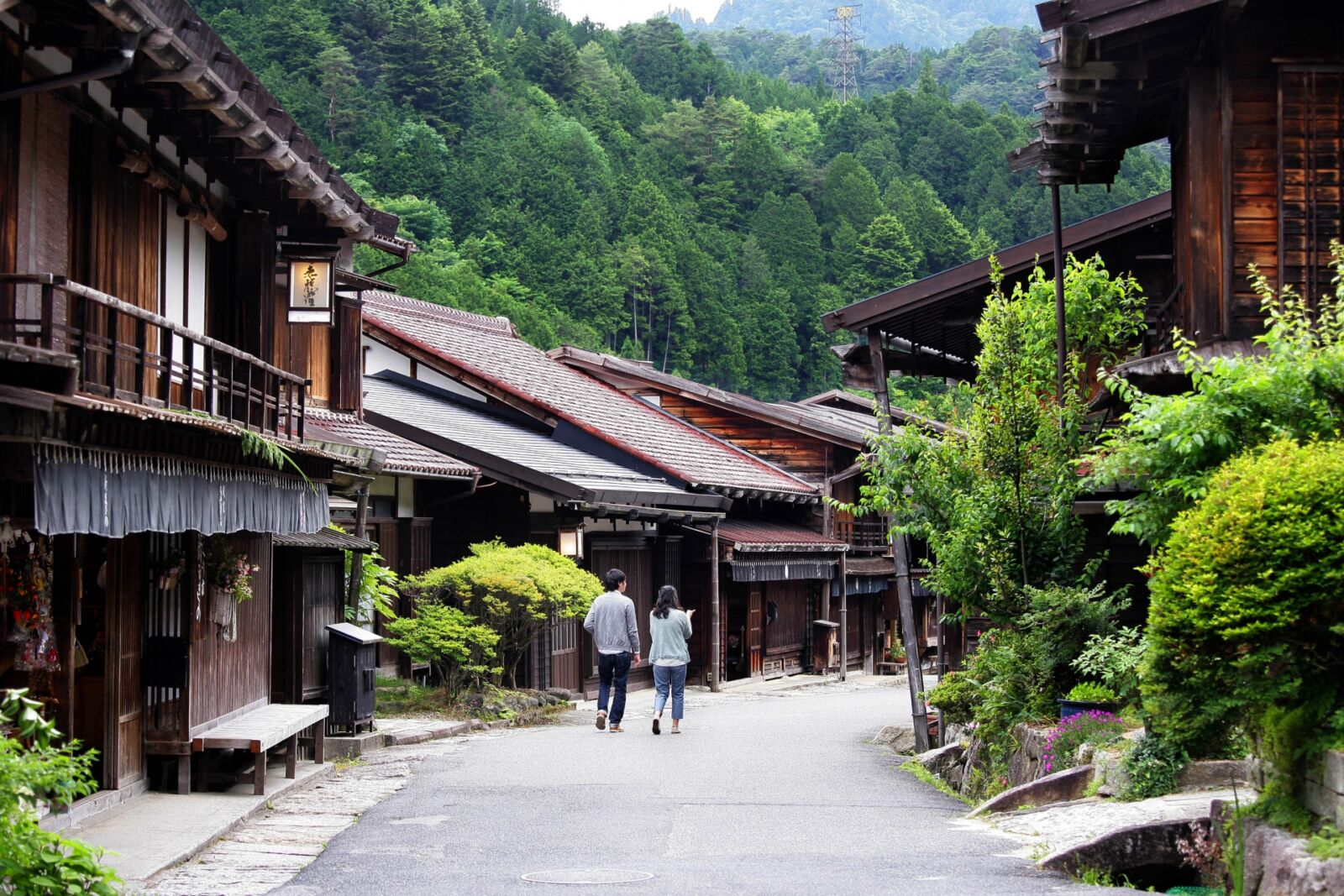
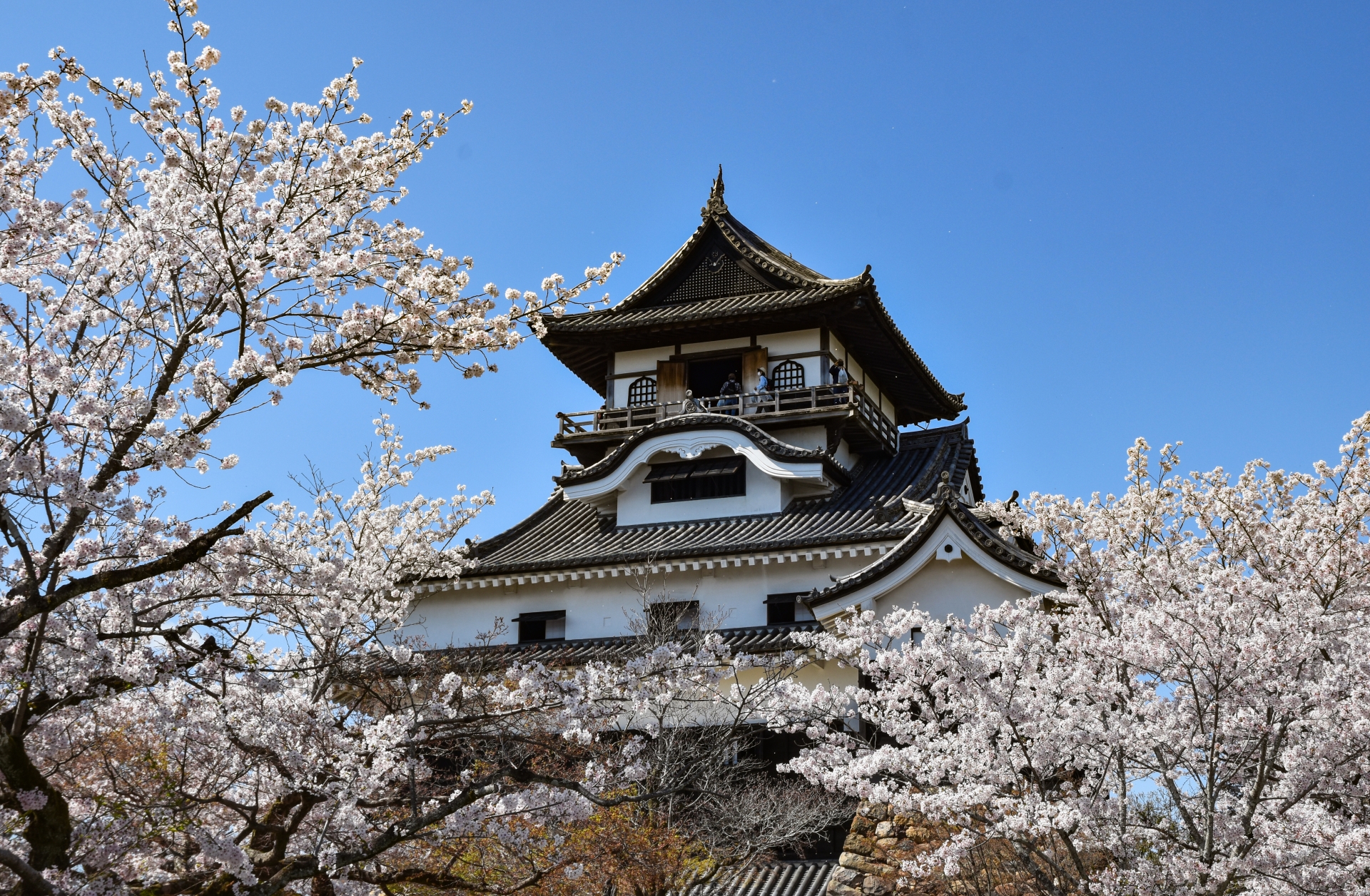
Explore Kiso Valley : Magome - Tsumago Mountain Trail Walk
Active
7h
For a full refund, cancel at least 24 hours before the scheduled departure time.
Instant confirmation
Mobile or paper ticket accepted
About this experience
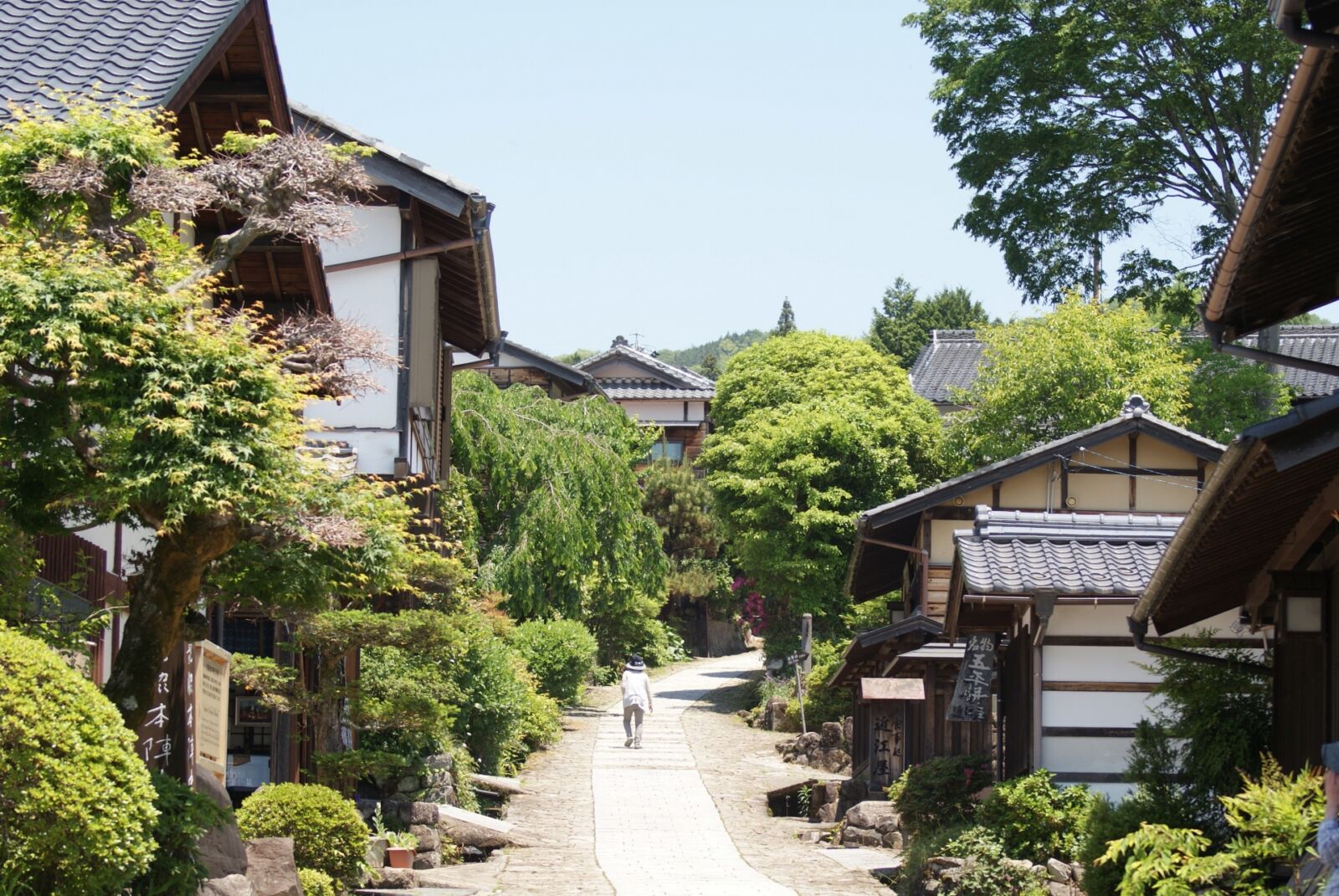
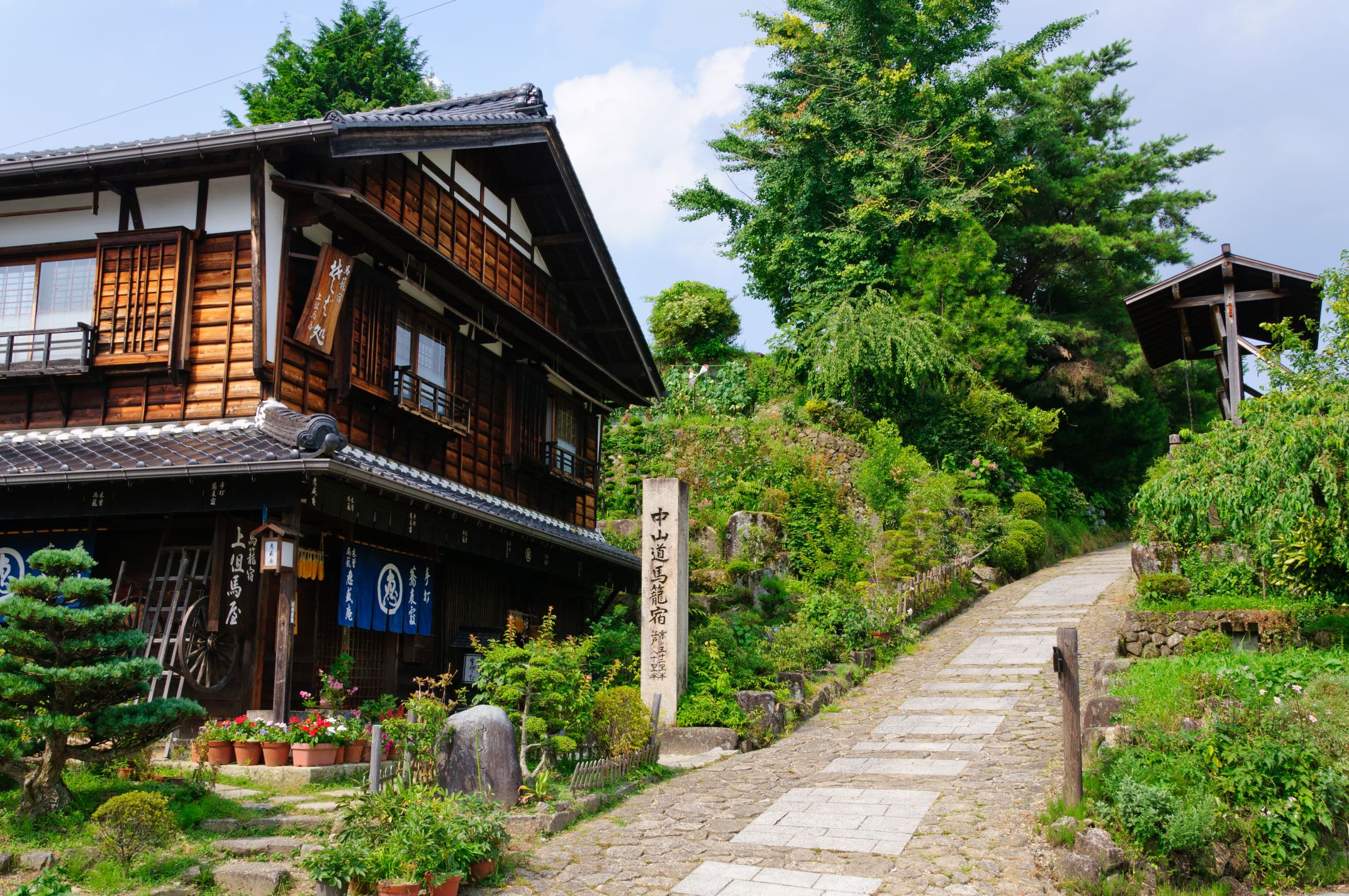
Nakasendo Trail winds through the picturesque Kiso Valley, connecting the beautifully preserved villages of Magome and Tsumago places that feel frozen in time.
Experience authentic traditional landscapes, immerse yourself in stunning nature, and enjoy a hike that’s as rewarding for the body as it is for the soul.
・Hike along the scenic Nakasendo Trail, surrounded by Japan’s rural beauty and history
・Explore the charming post towns of Magome and Tsumago, rich in old-world atmosphere
・Savor a traditional Japanese-style lunch featuring regional delicacies, and connect with locals preserving the spirit of old Japa
Available options
Explore Kiso Valley : Magome - Tsumago Mountain Trail Walk
What's included
English Guide
Bus Ticket
Entrance Fee
Detailed itinerary
1
Stop 1
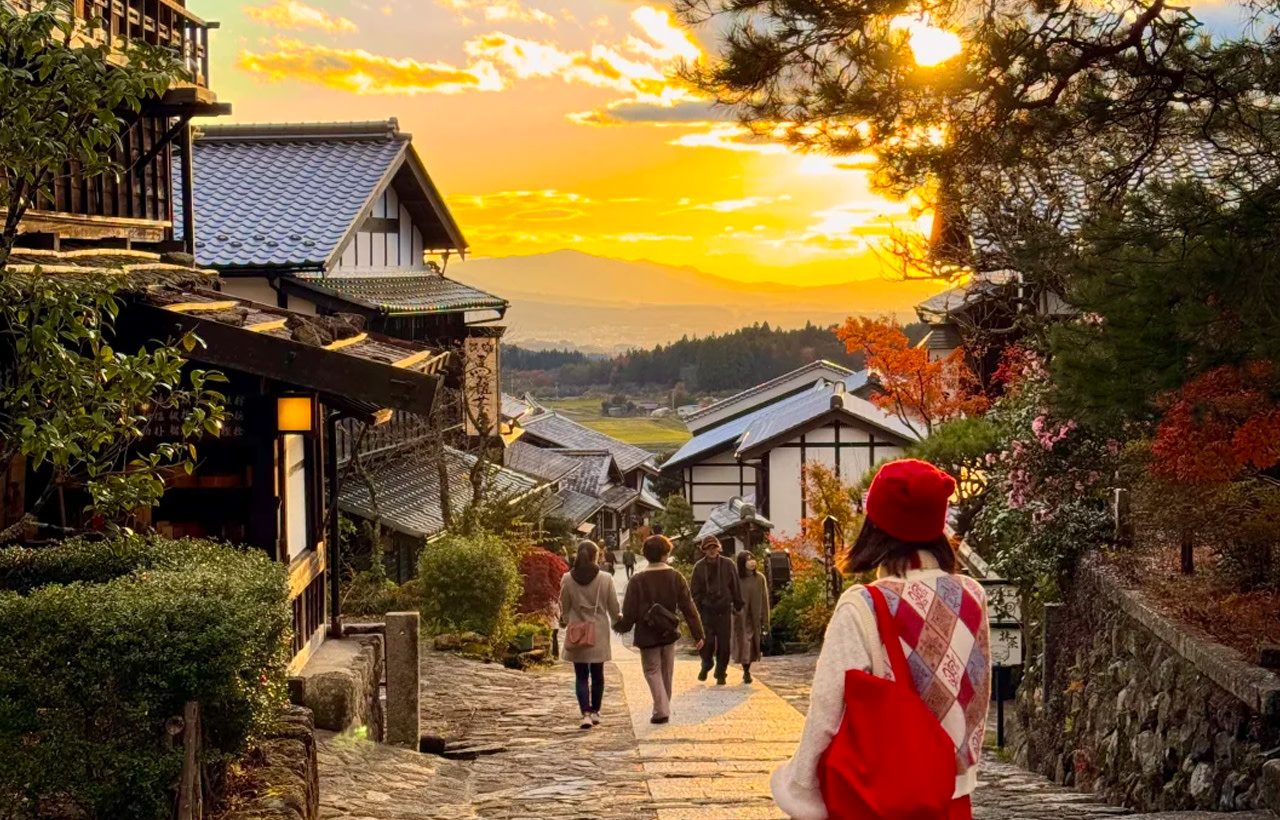
Meet your guide at Nakatsugawa Station’s ticket gate at 9:00am before heading off to your first destination of Magome-Juku via bus. Magome-Juku is a post town on this ancient highway where many samurai passed through on their journey to and from the capital of Edo (present day Tokyo) between the 17th and mid-19th centuries. Located at an altitude of 600m, you can take in the vast cityscape of Nakatsugawa and Mt. Ena (one of Japan's 100 greatest mountains) in the southeast. Magome-Juku's highway runs along a steep slope along the ridge of the mountain, and is characterized by "hill houses" because the inns had to be built on steep slopes, and are therefore supported with stone walls at the base.
2
This observatory located just up the slope of Magome-Juku has a great view from an altitude of 801m. Placed at the highest point of the Magome-Juku-Tsumago-juku hiking course, you can see not only Magome, but also a beautiful view of Mt. Ena. The sunset as seen from the observatory is ranked one of the top 100 sunsets in Japan.
3
On the left side of the waterfall is Odaki (man waterfall), and on the right side is Medaki (woman waterfall). Since the highway opened in Kiso, it has been a popular place for travelers to refresh themselves. It is also the setting of Eiji Yoshikawa's novel "Miyamoto Musashi", and is the place of the passionate love of Musashi and Otsu.
4
Otsumago is a district in the Tsumago-Juku Preservation Area where houses built in the Hon-Udatsu and Dashibari Zukuri styles line the streets. Even though the surrounding area is becoming a tourist destination, this location lies hidden away from major development putting it off the beaten path. The road winding its way along the mountain stream conjures up rustic imagery of rural Japan.
5
Stop 5
Tsumago-juku used to have one Honjin inn, one Waki-Honjin inn, and 31 Hatago inns. Here is where the commoners would stay when they journeyed on the highway. It is one of the most famous towns along the Nakasendo. Even now, the 17th and 18th century Edo-era townscapes, including the restored Honjin and Waki-Honjin as well as the streets of Terashita and Masugata, are designated important cultural properties of Japan. It is also called a living museum.
6
This museum sits inside a Waki-honjin Okuya residence (Hayashiya House and a Designated Important Cultural Property). the house has been restored based on late Edo period floor plans. The museum consists of three reinforced concrete and wooden structures. Experience an authentic Tsumago-Juku Honjin, which allows you to immerse yourself in Kiso’s history with visuals, films, and artifacts. Deepen your understanding of Tsumago-juku at this interactive museum.
7
This 1877 residence served as a waki-honjin and provision store for generations, and is built from fragrant Japanese cypress which had only recently been legalized as a building material when it was constructed. Using the best of building technology at the time, the Waka-honjin Okuya is designated as an Important Cultural Property. In 1880, Emperor Meiji also stayed here. After visiting Waki-honjin Okuya, head to Nagiso Station to end your journey.
What's not included
Food & Drink
Taxi / Private Car or Bus
Available languages
Guide guide
JA
EN
Reviews breakdown
Viator
5.0
7 reviews
5★
7
4★
0
3★
0
2★
0
1★
0
Tripadvisor
5.0
26 reviews
5★
25
4★
1
3★
0
2★
0
1★
0
Important information
Public transportation options are available nearby
Not recommended for travelers with spinal injuries
Not recommended for pregnant travelers
Not recommended for travelers with poor cardiovascular health
Travelers should have a high level of physical fitness
Meeting point
Nakatsugawa Station
About Gifu Prefecture
Gifu Prefecture, located in the Chubu region of Japan, is renowned for its stunning natural landscapes, rich history, and traditional crafts. From the iconic Mount Kinka to the serene Gifu Castle, this destination offers a unique blend of cultural heritage and outdoor adventures, making it a must-visit for travelers seeking an authentic Japanese experience.
Top Attractions
Gifu Castle
Gifu Castle, also known as Inabayama Castle, is a reconstructed castle with a rich history dating back to the 13th century. It offers panoramic views of the city and the surrounding mountains.
Historical
1-2 hours
¥350
Mount Kinka
Mount Kinka is a scenic mountain located in the heart of Gifu City. It is home to Gifu Castle and offers hiking trails with beautiful views of the city and the surrounding landscape.
Nature
2-3 hours
Free (except for castle entry fee)
Shirakawa-go
Shirakawa-go is a UNESCO World Heritage Site known for its traditional gassho-zukuri farmhouses. This picturesque village offers a glimpse into rural Japanese life and is especially beautiful during the winter when the thatched roofs are covered in snow.
Cultural
Half day to full day
Free to explore, ¥800 for the Shirakawa-go Gassho Style Houses Museum
Takayama
Takayama is a charming town known for its well-preserved Edo-period streets, traditional architecture, and rich cultural heritage. It is also famous for its annual Takayama Festival, one of Japan's most important festivals.
Historical
Full day to overnight
Free to explore, ¥600 for the Hida Folk Village
Gujo Hachiman Castle
Gujo Hachiman Castle is a beautifully preserved castle with a rich history dating back to the 16th century. It is known for its unique architecture and stunning views of the surrounding countryside.
Historical
2-3 hours
¥500
Must-Try Local Dishes
Hida Beef
Hida beef is a high-quality, tender beef from the Hida region, known for its marbling and rich flavor. It is often served as sushi, steak, or hot pot.
Main Dish
Contains meat
Gifu Crab
Gifu crab, particularly snow crab and horsehair crab, is a delicacy in the region. It is often served steamed, grilled, or in hot pot dishes.
Main Dish
Contains shellfish
Takayama Ramen
Takayama ramen is a local specialty featuring a rich, miso-based broth with noodles, topped with ingredients like Hida beef, green onions, and bamboo shoots.
Main Dish
Contains meat and soy
Gohei Mochi
Gohei mochi is a traditional Gifu sweet made from glutinous rice dough grilled over an open flame and topped with sweet soy glaze and bonito flakes.
Snack
Vegetarian (without bonito flakes)
Popular Activities
Hiking in the Japanese Alps
White-water rafting on the Nagara River
Mountain biking in the countryside
Onsen (hot spring) visits
Picnicking by the Nagara River
Tea ceremonies in traditional settings
Visiting historic castles and temples
Participating in traditional festivals
Best Time to Visit
April to May (Spring), October to November (Autumn)
Spring offers cherry blossoms and mild weather, while autumn provides vibrant foliage and comfortable temperatures. These seasons are ideal for outdoor activities and sightseeing.
10°C to 25°C
50°F to 77°F
Practical Information
Language
- Official: Japanese
- Widely spoken: English (limited)
- English: Limited
Currency
Japanese Yen (JPY)
Time Zone
JST (UTC+9)
Electricity
100VV, 50/60HzHz
Safety Information
Overall Safety Rating: Very safe
Gifu Prefecture is generally very safe, with low crime rates and a friendly local population. However, as with any destination, it is important to take basic precautions to ensure a safe and enjoyable trip.
Important Precautions:
- • Keep valuables secure and out of sight
- • Be cautious when using ATMs, especially at night
- • Avoid unlicensed taxis or tour guides
Getting there
By air
- Chubu Centrair International Airport • 60 km from Gifu City
- Gifu Airport • 10 km from Gifu City
By train
Gifu Station, Nagoya Station
By bus
Gifu Bus Center, Meitetsu Bus Center
Getting around
Public transport
Buses are the primary mode of public transport in Gifu, connecting major attractions and neighborhoods. The system is efficient and affordable.
Taxis
Available • Apps: JapanTaxi, DiDi
Rentals
Car, Bike, Scooter
Neighborhoods
Gifu City
Takayama
Shirakawa-go
Gujo Hachiman
Day trips
Shirakawa-go
60 km from Gifu City • Full day
Shirakawa-go is a UNESCO World Heritage Site known for its traditional gassho-zukuri farmhouses. This picturesque village offers a glimpse into rural Japanese life and is especially beautiful during the winter when the thatched roofs are covered in snow.
Takayama
100 km from Gifu City • Full day to overnight
Takayama is a charming town known for its well-preserved Edo-period streets, traditional architecture, and rich cultural heritage. It is also famous for its annual Takayama Festival, one of Japan's most important festivals.
Gujo Hachiman
50 km from Gifu City • Half day to full day
Gujo Hachiman is a charming town known for its well-preserved castle, historic streets, and the famous Gujo Odori Dance Festival. It offers a mix of traditional and modern attractions, making it a great day trip destination.
Festivals
Takayama Festival • April 14-15 (Spring Festival) and October 9-10 (Autumn Festival)
Gujo Odori Dance Festival • July 31 - August 1 (Main festival) and throughout the summer (Evening dances)
Shirakawa-go Winter Light-Up • January 15 - February 15 (Dates may vary)
Pro tips
- Visit Gifu Castle early in the morning or late in the afternoon to avoid crowds and enjoy the best views.
- Try Hida beef, a local delicacy, at one of the many specialty restaurants in Takayama or Gifu City.
- Explore the historic streets of Takayama on foot, and don't miss the morning markets for fresh local produce and street food.
- Experience the magical winter light-up event in Shirakawa-go, where the traditional gassho-zukuri farmhouses are illuminated at night.
- Participate in a traditional tea ceremony or onsen (hot spring) experience for a unique and relaxing cultural activity.
From $25
per person
Price varies by option
Secure booking
Free cancellation available
Instant confirmation


![[Nagoya Kamikochi Hiking Tour] One-Day Nature Forest Hiking Tour of Kamikochi & Taisho Pond & Tashiro Pond & Kappa Bridge & Myojin Pond & Hotaka Mountain Range & Hotaka Shrine Okumiya (Departure from Nagoya)](https://res.klook.com/image/upload/activities/qsf8xvw21lpfzjy2e2zb.jpg)
![[Kamikochi Light Hiking Day Trip] Highland Valley Route: Taisho Pond, Kappa Bridge | Departure from Nagoya](https://res.klook.com/image/upload/activities/enzzeu1vfxjzqkonut2q.jpg)