Full-Day Accessible Tour of Tokyo for Wheelchair Users
Active
7h
For a full refund, cancel at least 24 hours before the scheduled departure time.
Instant confirmation
Mobile or paper ticket accepted
About this experience
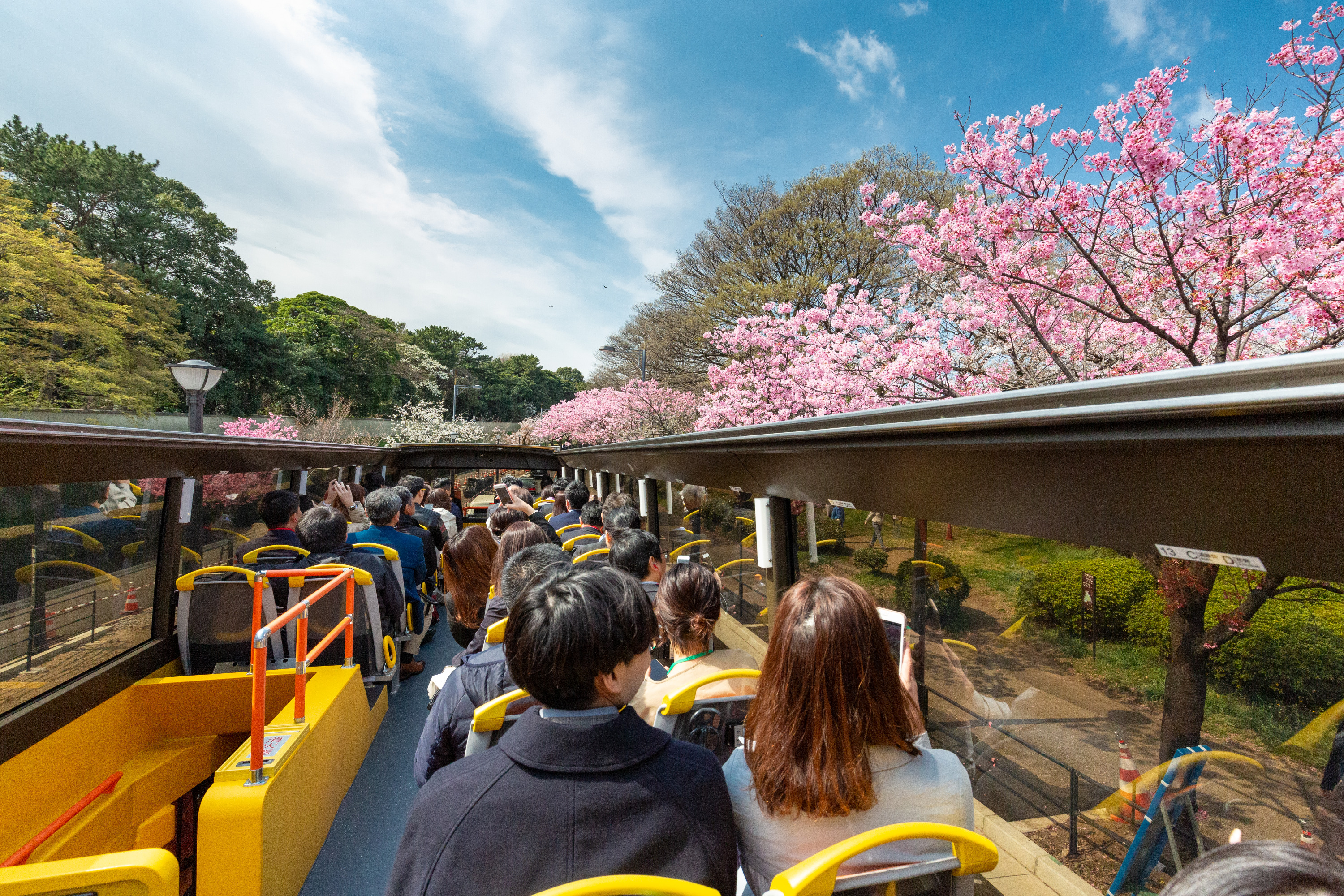
Designed with wheelchair users in mind, this tour lets you discover Tokyo’s best spots comfortably and effortlessly. From the historic charm of Asakusa to the modern energy of Shibuya, experience the city’s unique blend of tradition and urban life.
Explore vibrant fashion streets and peaceful green spaces, all with accessibility and comfort as a priority.
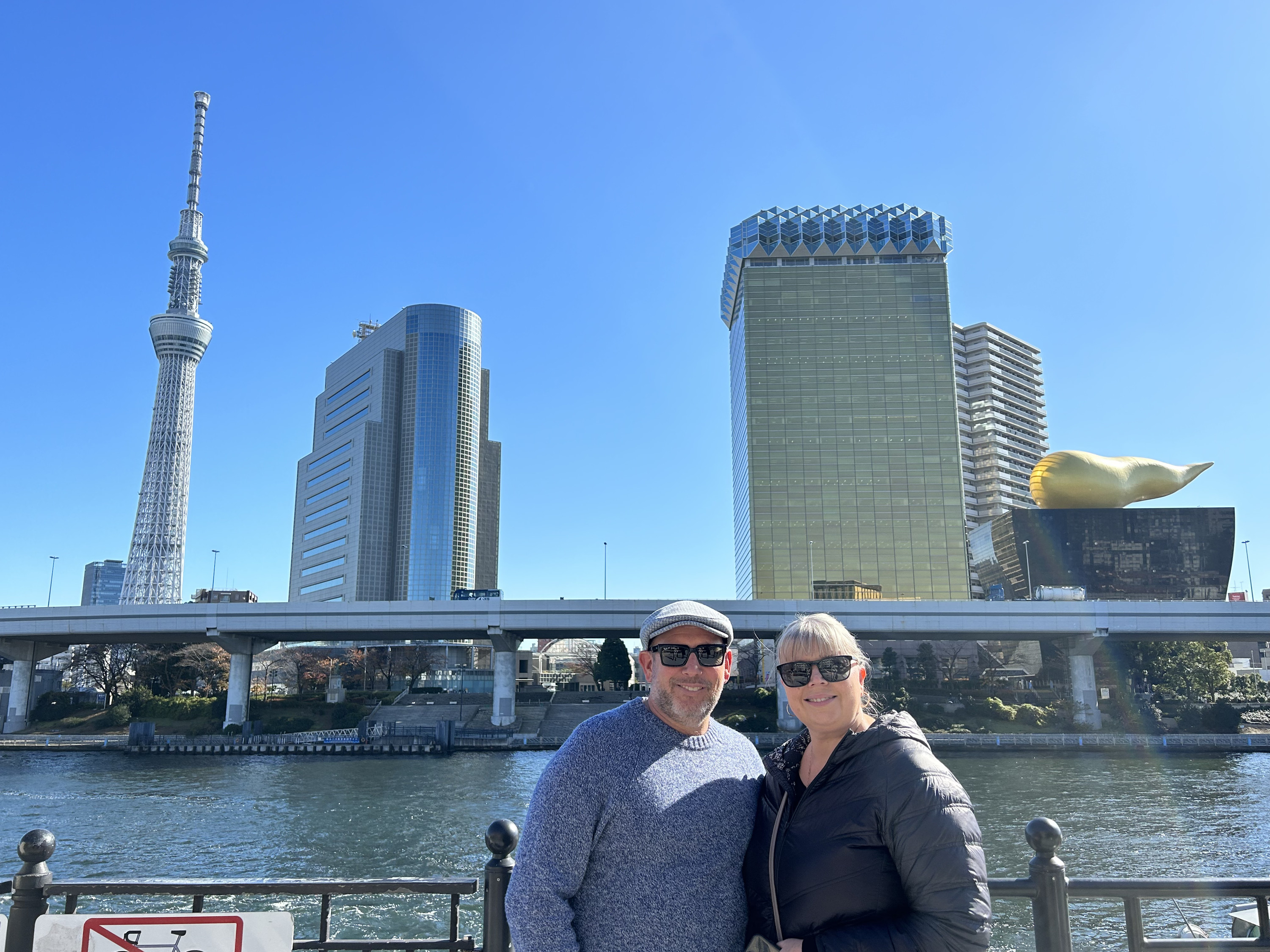
・Visit Asakusa, where traditional atmosphere meets stunning views of the Tokyo Skytree
・Experience the bustling Shibuya Crossing and trendy fashion streets of Takeshita and Omotesando
・Relax in the serene gardens and temple grounds of Meiji Jingu Shrine
Available options
Full-Day Accessible Tour of Tokyo for Wheelchair Users
Pickup included
What's included
Private tour
Professional guide
Train tickets
Hotel pickup and drop-off (within the 23 wards of Tokyo)
Local taxes
Detailed itinerary
1
This tourist center designed by Kengo Kuma is not just a valuable source of sightseeing information, but one of Asakusa’s newest sightseeing attractions. This 8-story building, designed by a world famous Japanese architect, has a very striking structure with the appearance of a stack of separate wooden buildings that seem piled up on top of each other at different angles. From the open terrace Observation Deck on the 8th floor of the Center, we will have a preview of the entire tour course: not just Tokyo Sky Tree and Asahi Flame we have just seen but the landmarks we are going to see including Kaminarimon gate, Nakamise shopping street, Hozomon gate, Sensoji Temple, and more.
2
Stop 2
When approaching Sensoji temple, visitors first enter through the Kaminarimon (Thunder Gate), the outer gate of Sensoji Temple and the symbol of Asakusa and the entire city of Tokyo.
A shopping street of over 200 meters, called Nakamise, leads from the outer gate to the temple's second gate, the Hozomon. Alongside typical Japanese souvenirs such as yukata and folding fans, various traditional local snacks from the Asakusa area are sold along the Nakamise. The shopping street has a history of several centuries.
3
Stop 3
Sensoji (浅草寺, Sensōji, also known as Asakusa Kannon Temple) is a Buddhist temple located in Asakusa. It is one of Tokyo's most colorful and popular temples.
The legend says that in the year 628, two brothers fished a statue of Kannon, the goddess of mercy, out of the Sumida River, and even though they put the statue back into the river, it always returned to them. Consequently, Sensoji was built nearby for the goddess of Kannon. The temple was completed in 645, making it Tokyo's oldest temple.
4
Sumida Park is located near Asakusa station and along the Sumida River where you can see amazing views such as Tokyo Skytree. Especially you can see beautiful scenery at the season of cherry blossoms. The park is open space and it is very fun to walk around. It has landing places for popular waterbuses that tour the Sumida River and Tokyo Bay. The park is a part of Sumida River Terrace that is a promenade built along the Sumida River.
5
Stop 5
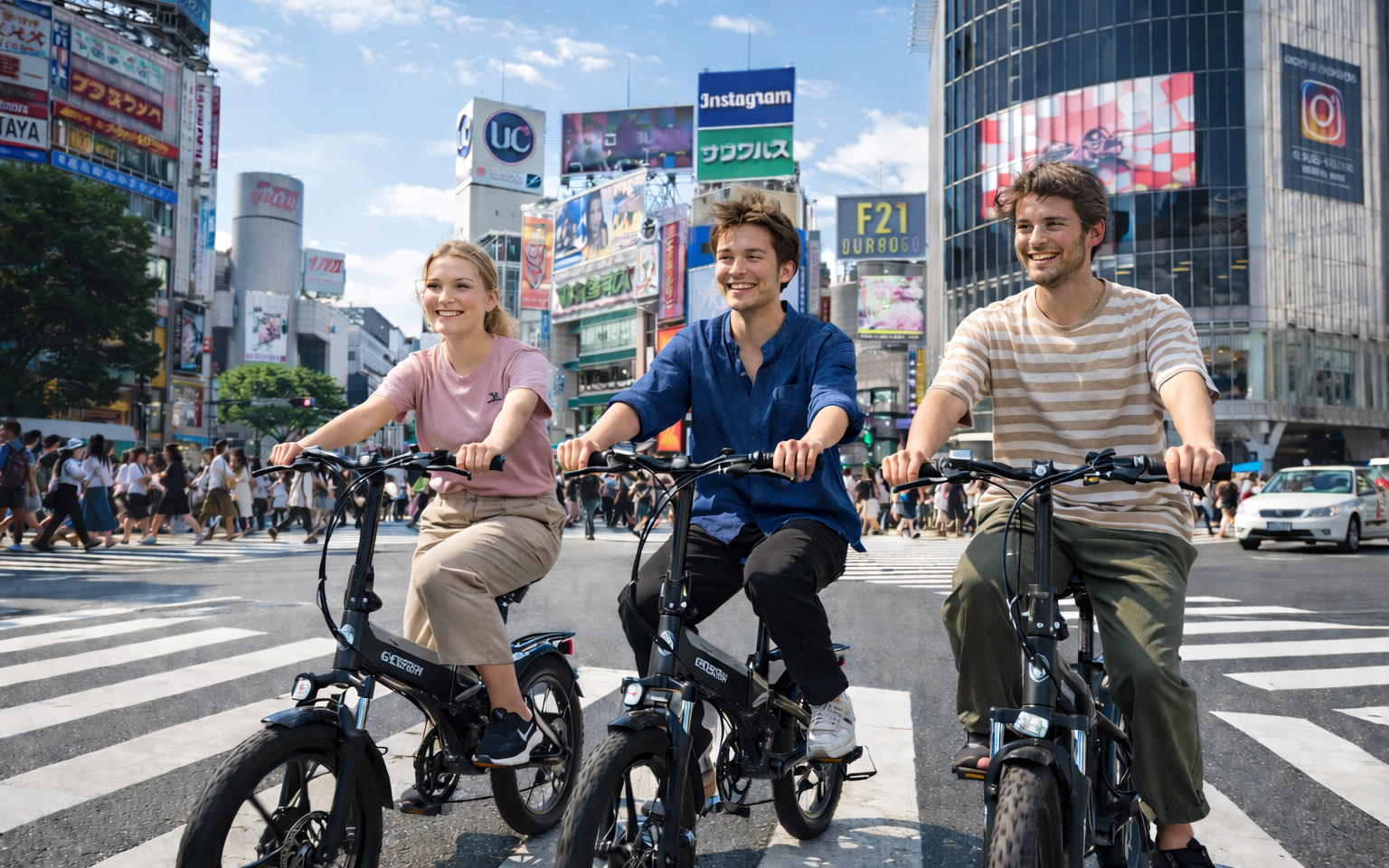
Shibuya Crossing near the Shibuya Station is crossed by as many as 500,000 people per day, and at a peak time, as many as 3,000 people cross at one green light! For Japanese who are used to seeing this view is nothing to be surprised about, but tourists seem to be marveled that everyone manages to cross without bumping into each other. There are always people going to the spot just to see this crossing. Along with New York’s Times Square, Shibuya Crossing is one of the “most famous crossings in the world.”
6
Stop 6
Its location between two of Tokyo’s biggest shopping districts, Harajuku and Shibuya, makes it an ideal catwalk for fabulous 20- and 30-something trendsetters. The half-mile long street is lined with stores ranging from vintage shops and local designer clothing to upscale boutiques and high-end international brands.
7
Stop 7
Meiji Shrine (明治神宮, Meiji Jingū) is a shrine dedicated to the deified spirits of Emperor Meiji and his consort, Empress Shoken. Located just beside the JR Yamanote Line's busy Harajuku Station, Meiji Shrine and the adjacent Yoyogi Park make up a large forested area within the densely built-up city. The spacious shrine grounds offer walking paths that are great for a relaxing stroll.
8
Stop 8
Omotesando is a sloping tree-lined boulevard in Tokyo's fashionable Aoyama district that goes through parts of both Shibuya and Minato wards. The Harajuku area, which Omotesando is often considered a part of, has its own distinctive brand of youth fashion. On the other hand, Omotesando itself caters to the haute couture end of the spectrum, with plenty of places to sit back and relax over good food and drink, and take in the cutting edge architecture that typifies many of the establishments here.
What's not included
Food and drinks
Taxi / Private Car or Bus (Available for an extra fee)
Available languages
Guide guide
JA
EN
Reviews breakdown
Viator
5.0
12 reviews
5★
12
4★
0
3★
0
2★
0
1★
0
Tripadvisor
4.9
20 reviews
5★
18
4★
2
3★
0
2★
0
1★
0
Important information
Wheelchair accessible
Infants and small children can ride in a pram or stroller
Service animals allowed
Public transportation options are available nearby
Specialized infant seats are available
Transportation options are wheelchair accessible
All areas and surfaces are wheelchair accessible
Not recommended for travelers with poor cardiovascular health
Travelers should have at least a moderate level of physical fitness
A minimum of 2 people(Includes caregivers) per booking is required.
Minimum age is 6 years.
Meeting point
Culture Tourist Information Center
Important notes
• Minimum age is 6 years
Times are subject to change due to local traffic conditions.
About Tokyo
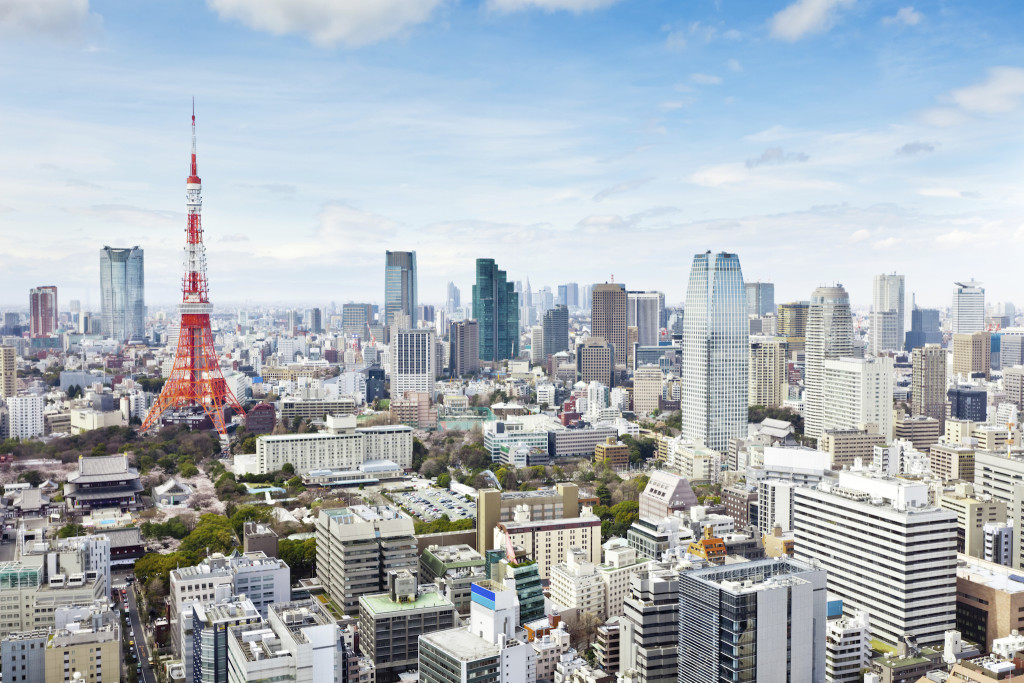
Tokyo, the capital of Japan, is a bustling metropolis that beautifully blends traditional culture with cutting-edge technology. Known for its neon-lit streets, historic temples, and world-class cuisine, Tokyo offers a unique experience that caters to every type of traveler.
Top Attractions
Senso-ji Temple
Senso-ji is Tokyo's oldest temple and one of its most significant. The temple's massive lantern and five-story pagoda are iconic landmarks.
Historical/Religious
1-2 hours
Free (small fee for some areas)
Meiji Shrine
Meiji Shrine is a Shinto shrine dedicated to the deified spirits of Emperor Meiji and his wife, Empress Shoken. It is surrounded by a beautiful forest.
Historical/Religious
1-2 hours
Free
Shibuya Crossing
Shibuya Crossing is the world's busiest pedestrian crossing and a symbol of Tokyo's bustling urban life. It's a must-see for its chaotic yet orderly nature.
Cultural
30 minutes to 1 hour
Free (¥2,200 for Shibuya Sky)
Tokyo Skytree
Tokyo Skytree is the tallest tower in Japan and the second tallest freestanding structure in the world. It offers breathtaking views of the city.
Architecture
2-3 hours
¥2,100 to ¥3,100 (USD $15 to $22)
Odaiba
Odaiba is a man-made island in Tokyo Bay known for its shopping, dining, and entertainment options. It's a great place for families and tech enthusiasts.
Entertainment
Half day to full day
Varies by attraction
Must-Try Local Dishes
Sushi
Fresh raw fish served on vinegared rice, a staple of Japanese cuisine.
Dinner
Contains fish, can be vegetarian with substitutes.
Ramen
Noodle soup with various broths and toppings, a popular comfort food.
Lunch/Dinner
Vegan and vegetarian options available.
Tempura
Deep-fried seafood and vegetables, known for its crispy texture.
Lunch/Dinner
Contains seafood and deep-fried ingredients.
Okonomiyaki
Savory pancake with various ingredients, often topped with sauce and bonito flakes.
Lunch/Dinner
Contains seafood and can be made vegetarian.
Popular Activities
Hiking in the nearby mountains
Parasailing at Odaiba
Onsen (hot spring) visits
Tea ceremonies
Traditional tea ceremonies
Kimono rentals and photo shoots
Boat tours on the Sumida River
Beach activities at Odaiba
Best Time to Visit
March to May (Spring) and September to November (Autumn)
These seasons offer comfortable temperatures and beautiful scenery, with cherry blossoms in spring and vibrant foliage in autumn. However, these are also the busiest times for tourism.
10°C to 25°C (50°F to 77°F)
50°F to 77°F
Practical Information
Language
- Official: Japanese
- Widely spoken: English, Chinese, Korean
- English: Moderately spoken in tourist areas, limited elsewhere
Currency
Japanese Yen (JPY)
Time Zone
GMT+9
Electricity
100VV, 50/60HzHz
Safety Information
Overall Safety Rating: Very safe
Tokyo is generally very safe, with low crime rates and a strong emphasis on public order. However, petty crimes like pickpocketing can occur in crowded areas.
Important Precautions:
- • Be cautious of your belongings in crowded areas.
- • Use licensed taxis and check fares before getting in.
- • Be aware of your surroundings, especially at night.
Getting there
By air
- Narita International Airport • 60 km (37 miles) from city center
- Haneda Airport • 15 km (9 miles) from city center
By train
Tokyo Station, Shinjuku Station
By bus
Tokyo Station Bus Terminal, Shinjuku Expressway Bus Terminal
Getting around
Public transport
Tokyo's subway system is efficient, clean, and punctual. It consists of multiple lines operated by Tokyo Metro and Toei Subway.
Taxis
Available • Apps: JapanTaxi, DiDi
Rentals
Car, Bike, Scooter
Neighborhoods
Shibuya
Shinjuku
Asakusa
Ginza
Akihabara
Day trips
Nikko
120 km (75 miles) from Tokyo • Full day
Nikko is a city known for its beautiful shrines, temples, and natural scenery. It's a UNESCO World Heritage site and offers a peaceful retreat from the bustling city.
Kamakura
50 km (31 miles) from Tokyo • Half day to full day
Kamakura is a coastal town known for its historic temples, shrines, and the Great Buddha statue. It's a great place to experience traditional Japanese culture.
Hakone
90 km (56 miles) from Tokyo • Full day or overnight
Hakone is a hot spring resort town known for its onsen (hot springs), scenic views of Mount Fuji, and the Open-Air Museum. It's a popular destination for relaxation and nature.
Festivals
Sannō Matsuri • Mid-June (every 2 years)
Kanda Matsuri • Mid-May (every 2 years)
Sumida River Fireworks Festival • Last Saturday of July
Pro tips
- Use IC cards like Suica or Pasmo for convenient and discounted public transport.
- Download useful apps like Google Maps, Japan Transit Planner, and Japan Travel by Navitime.
- Learn a few basic Japanese phrases to enhance your experience and show respect for the local culture.
- Carry cash, as some smaller shops and restaurants may not accept credit cards.
- Visit popular attractions early in the morning or late in the afternoon to avoid crowds.
From $25
per person
Price varies by option
Secure booking
Free cancellation available
Instant confirmation