Kamakura Private Half-Day Vegetarian & Muslim-Friendly Tour
Active
5h
For a full refund, cancel at least 24 hours before the scheduled departure time.
Manual confirmation
Mobile or paper ticket accepted
About this experience
Kamakura is a popular tourist city in Japan for Muslim travelers around the world. Kamakura is surrounded by an open sea and has lush mountains surrounding its three sides. “Minamotono Yoritomo” constructed this area at the end of the 12th Century. This is known as the Kamakura Shogunate. There are many tourists around the many historic sites, temples, and shrines.
Available options
Kamakura Private Half-Day Vegetarian & Muslim-Friendly Tour
What's included
Private tour
Professional guide
Detailed itinerary
1
Zen philosophy will be explored at this peaceful temple. You can enjoy a beautiful pebbled garden and enjoy listening to the birds and nature in peace as Jomyoji is slightly off the beaten path.
2
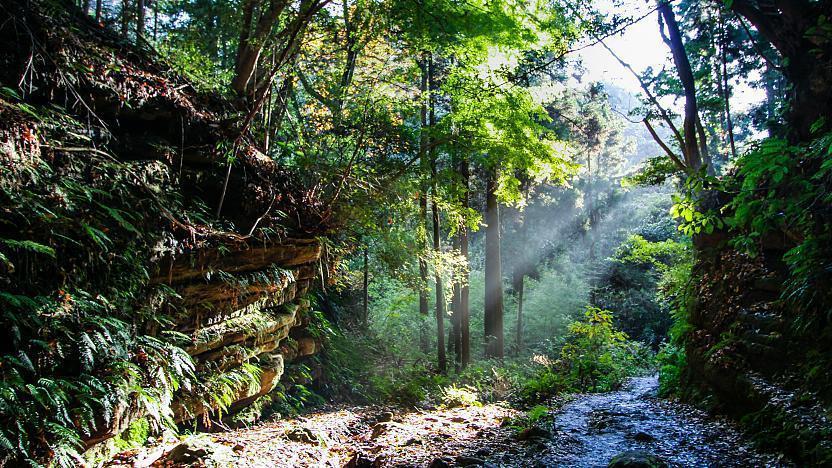
Hokokuji is most famous for a stunning bamboo forest of over 2000 trees, reminiscent of Arashiyama in Kyoto. Make your way through narrow paths in the bamboo forest to a teahouse where you will enjoy refreshing green tea.
3
Tsurugaoka Hachiman Shrine is the biggest and most impressive shrine in the area and is known widely as the guardian deity of the warrior (samurai). At the shrine of Yukari Yoritomo you learn about the Kamakura shogunate during Japan's first samurai regime. Around the approach at Genpei pond in the spring you can find stunning cherry blossoms in full bloom. There is also a very impressive as well as festive display of traditional samurai known as "Yabusame (Horseback archery)." The area is said to be spiritually strong, and a large ginkgo tree that fell due to strong winds now has elongating shoots. This has gained popularity as a symbol of regeneration. Under the savvy of your guide, enjoy to your heart's content the ancient capital of Kamakura.
4
Komachi Street is a vibrant shopping street filled with trendy boutiques, cute cafes and lots of souvenirs. Explore the street and all the alleys alongside it which contain hidden quirky shops and historic buildings.
What's not included
Food and drinks
Hotel pickup and drop-off
Transportation to/from attractions
Available languages
Guide guide
JA
EN
Reviews breakdown
Viator
5.0
1 reviews
5★
1
4★
0
3★
0
2★
0
1★
0
Tripadvisor
5.0
2 reviews
5★
2
4★
0
3★
0
2★
0
1★
0
Important information
Suitable for all physical fitness levels
Not recommended for pregnant travelers
Not recommended for travelers with poor cardiovascular health
Children must be accompanied by an adult
A maximum of 10 people per booking
A minimum of 2 people per booking is required
Important notes
• Comfortable walking shoes are recommended
• Minimum numbers apply. There is a possibility of cancellation after confirmation if there is not enough passengers to meet requirements. In the event of this occurring, you will be offered an alternative or full refund
Times are subject to change due to local traffic conditions.
About Kamakura
Kamakura is a historic city known as the ancient capital of Japan, rich in Buddhist temples, Shinto shrines, and traditional architecture. Its coastal location and scenic beauty make it a popular destination for both cultural and nature lovers.
Top Attractions
Tsuruoka Hachimangu Shrine
A significant Shinto shrine dedicated to the deity Hachiman, known for its beautiful architecture and cultural significance.
Religious
1-2 hours
Free (donations appreciated)
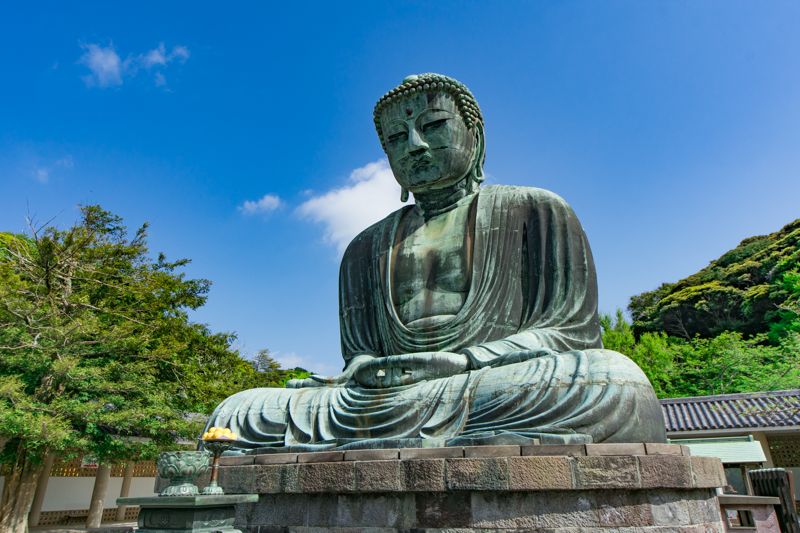
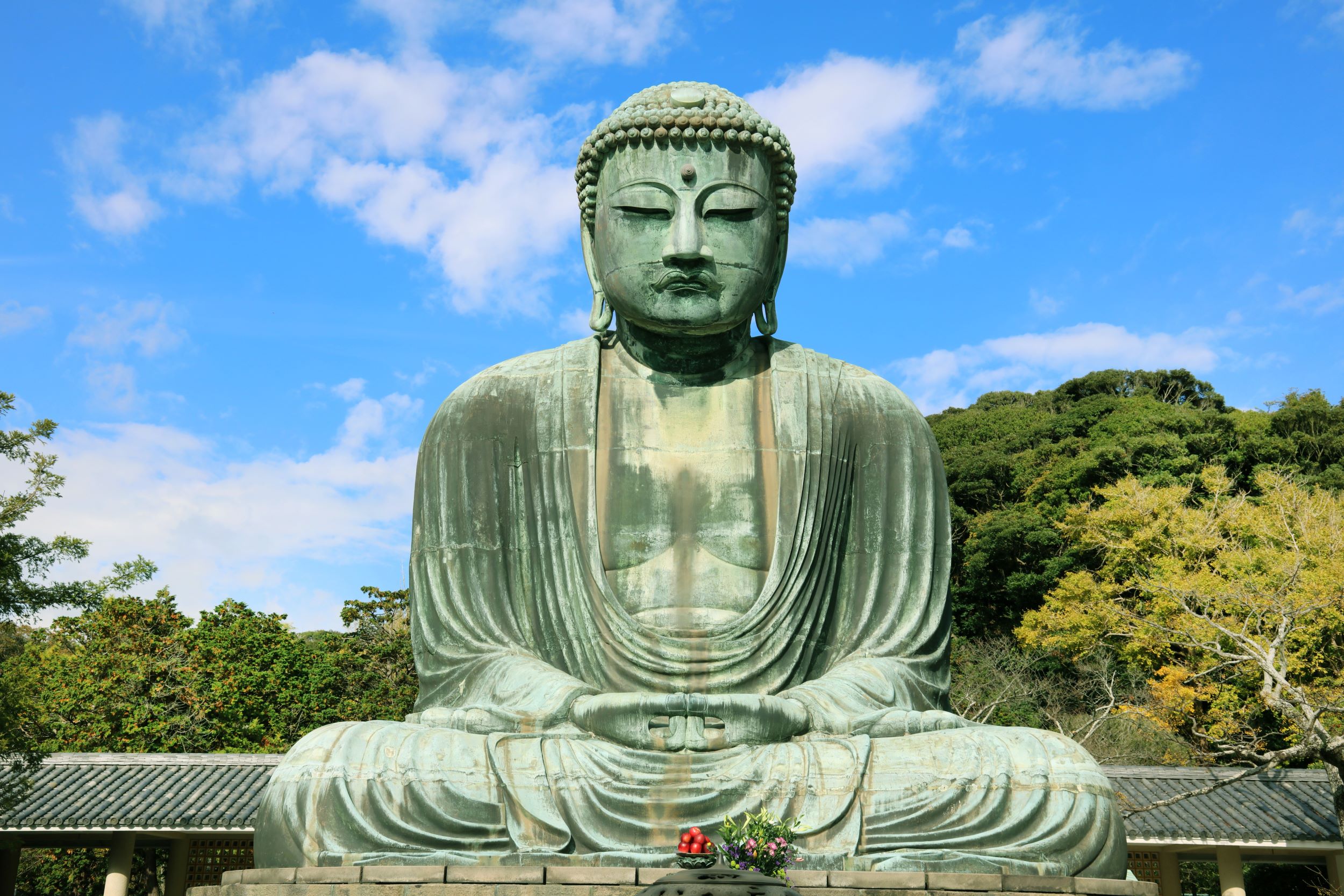
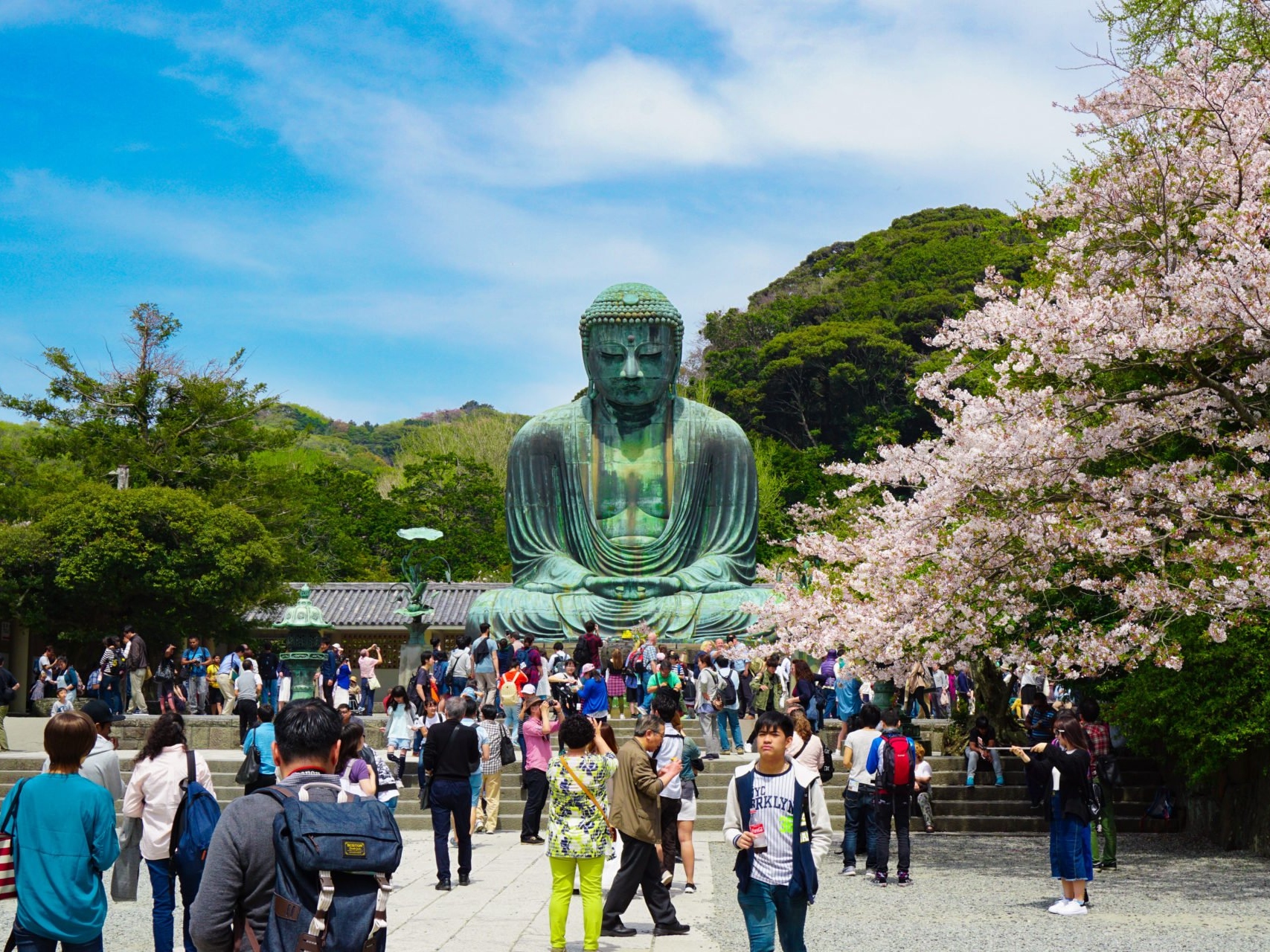
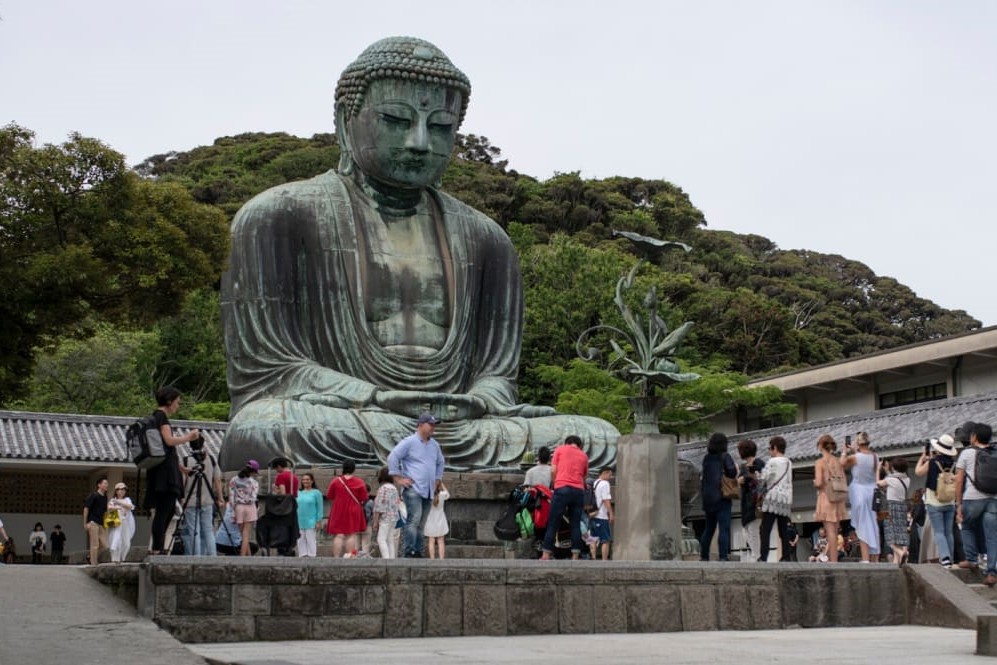
Kotoku-in (Great Buddha of Kamakura)
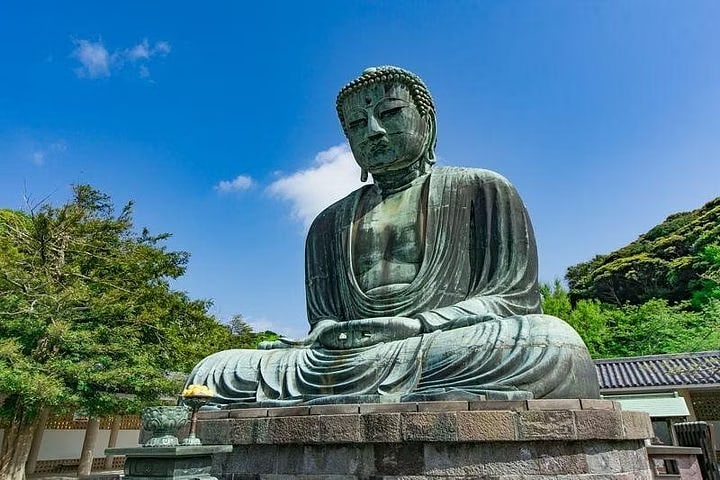
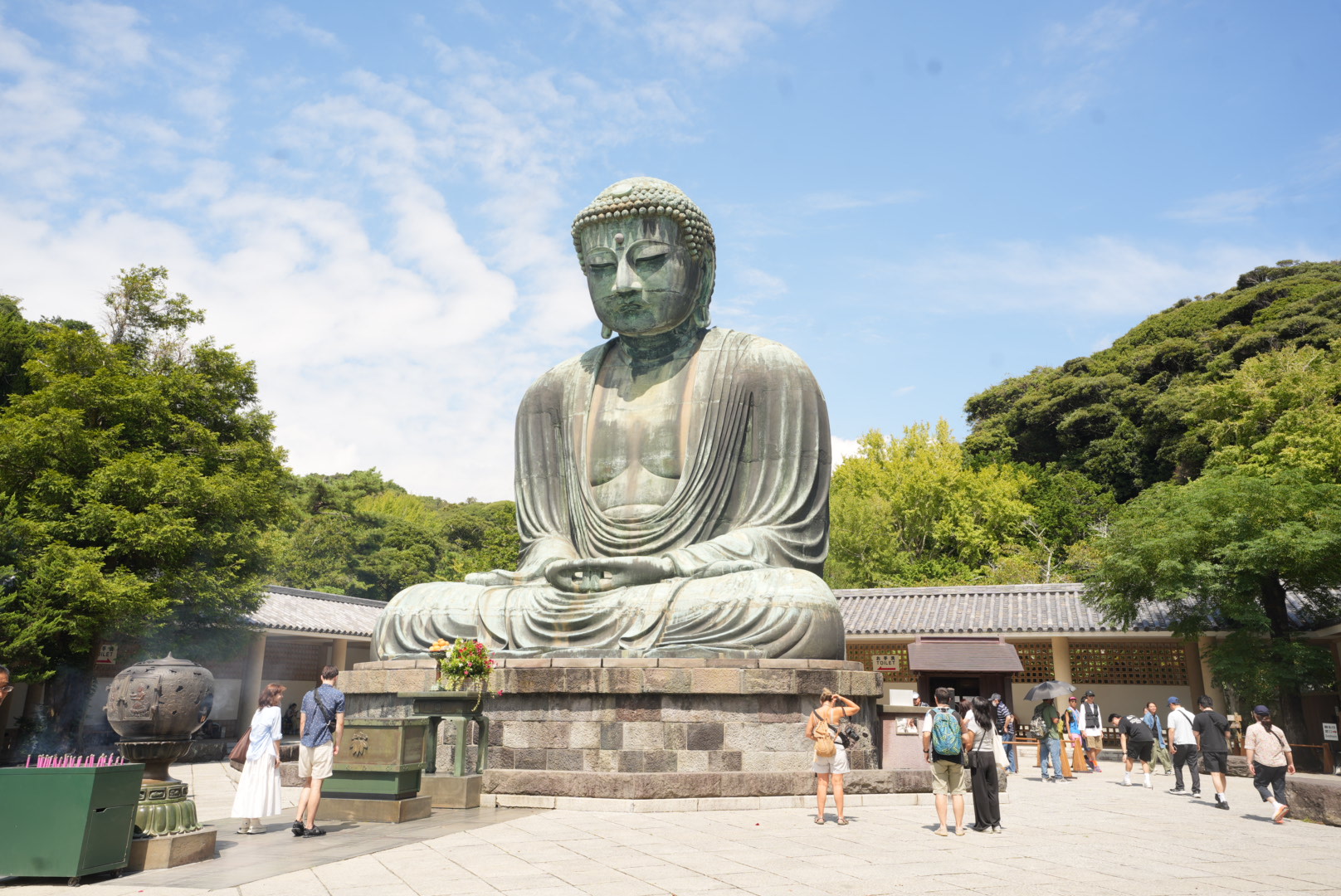
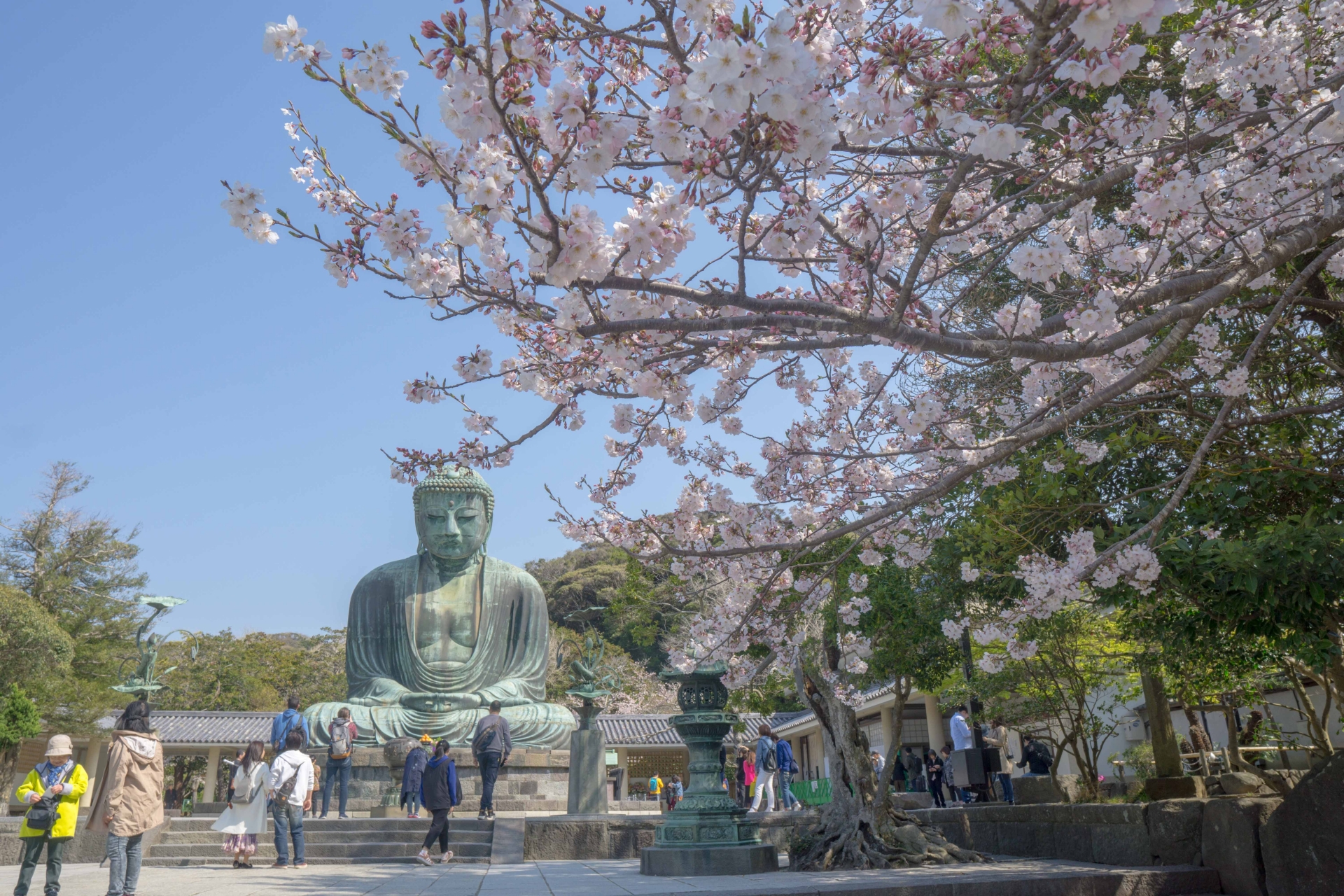
Home to a massive bronze statue of Amida Buddha, one of Kamakura's most iconic landmarks.
Historical
1-2 hours
Free (donations appreciated)
Komachi-dori
A bustling street filled with traditional shops, restaurants, and souvenir stalls.
Cultural
1-2 hours
Free to explore
Hasedera Temple
A beautiful temple complex with stunning ocean views and a history dating back to the 8th century.
Religious
1-2 hours
Free (donations appreciated)
Zeniarai Benten Shrine
A unique shrine where visitors can wash money for good fortune, located in a serene forested area.
Religious
30-60 minutes
Free (donations appreciated)
Kamakura Beach
A popular beach for swimming, sunbathing, and water sports, offering beautiful ocean views.
Nature
2-3 hours
Free (rentals available)
Must-Try Local Dishes
Shirasu Don
A bowl of rice topped with fresh whitebait, a local delicacy.
Lunch/Dinner
Contains fish
Kamaboko
Fish cakes with various shapes and flavors, often served as a snack or part of a larger meal.
Snack
Contains fish
Houtou
A hearty vegetable and noodle soup, often made with local produce.
Dinner
Vegetarian options available
Matcha Sweets
Traditional sweets made with matcha (green tea), a specialty of the region.
Dessert
Vegetarian
Popular Activities
Hiking in the surrounding hills
Beach activities
Onsen (hot spring) visits
Scenic walks
Temple and shrine visits
Traditional crafts workshops
Swimming
Surfing
Best Time to Visit
April (cherry blossom season), November (autumn foliage)
These periods offer the most pleasant weather and stunning natural scenery, attracting large crowds of tourists.
15-25°C (April), 10-20°C (November)
59-77°F (April), 50-68°F (November)
Practical Information
Language
- Official: Japanese
- Widely spoken: English (limited)
- English: Limited
Currency
Japanese Yen (JPY)
Time Zone
JST (GMT+9)
Electricity
100VV, 50/60HzHz
Safety Information
Overall Safety Rating: Very safe
Kamakura is a very safe destination with low crime rates. However, standard precautions should be taken to ensure a safe and enjoyable trip.
Important Precautions:
- • Keep valuables secure in crowded areas.
- • Use licensed taxis or ride-sharing services.
- • Be cautious of your surroundings at night, especially in less touristy areas.
Getting there
By air
- Haneda Airport • 50 km from Kamakura
- Narita Airport • 100 km from Kamakura
By train
Kamakura Station
By bus
Kamakura Station Bus Terminal
Getting around
Public transport
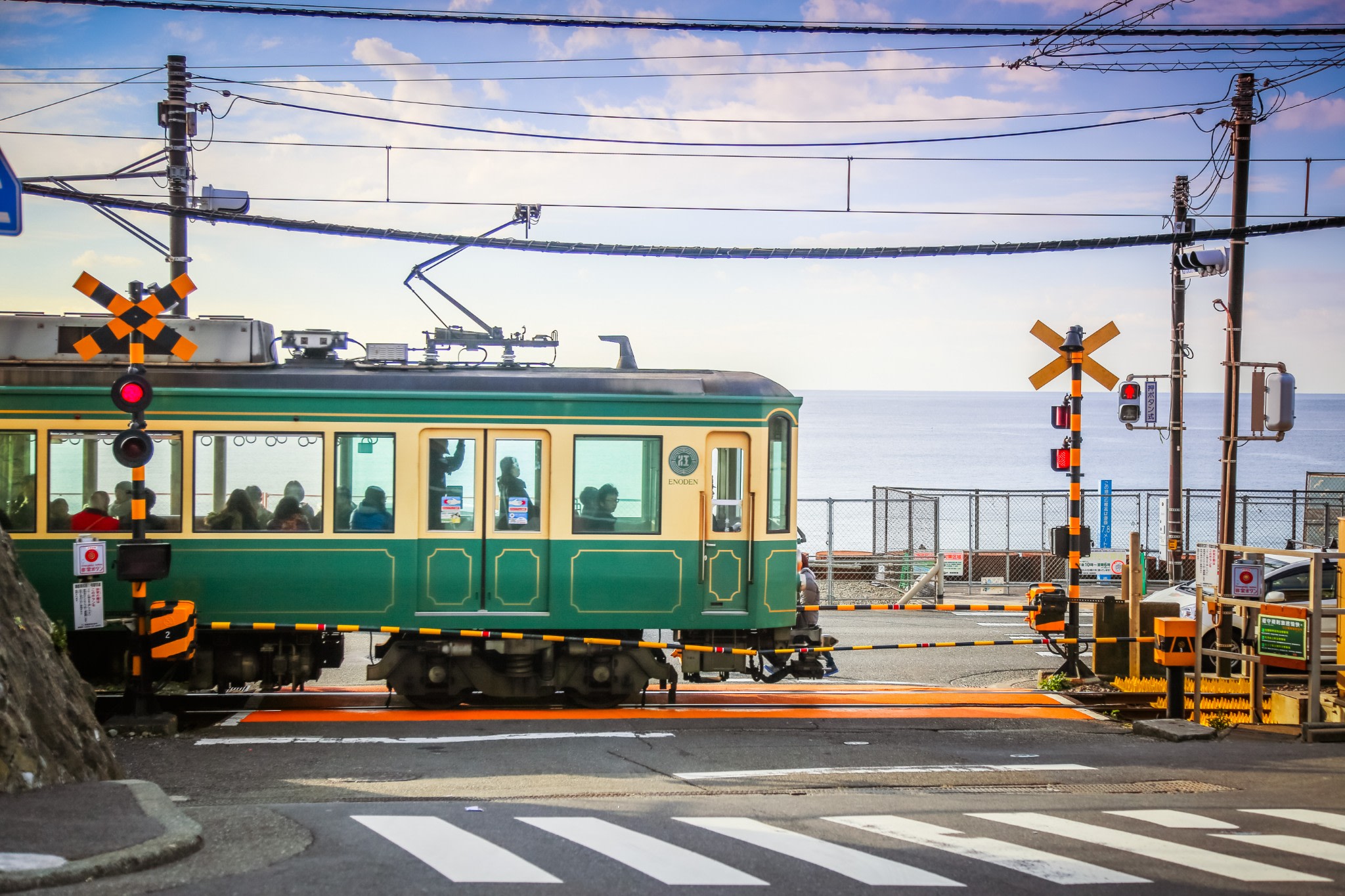
The JR Yokosuka Line connects Kamakura to Tokyo and Yokohama, while the Enoden Line offers a scenic route along the coast.
Taxis
Available • Apps: JapanTaxi, Uber
Rentals
Car, Bike, Scooter
Neighborhoods
Komachi-dori
Hase
Yuigahama
Zaimokuza
Day trips
Enoshima Island
10 km from Kamakura • Half day
A small island known for its scenic views, shrines, and caves, offering a mix of nature and culture.
Yokohama
30 km from Kamakura • Full day
A major city with a rich history, known for its Chinatown, museums, and waterfront attractions.
Hakone
50 km from Kamakura • Full day or overnight
A scenic onsen (hot spring) town known for its views of Mount Fuji, traditional ryokan (inns), and hot springs.
Festivals
Kamakura Festival • April (specific dates vary)
Tsurugaoka Hachimangu Reitaisai • September 14-15
Great Buddha Festival • December (specific dates vary)
Pro tips
- Visit the Great Buddha early in the morning to avoid crowds.
- Explore the Enoden Line for a scenic and historic tram ride along the coast.
- Try local specialties like shirasu (whitebait) and kamaboko (fish cakes).
- Combine a visit to Kamakura with a day trip to nearby Enoshima or Hakone.
- Carry cash for small purchases and local markets, as not all places accept cards.
From $25
per person
Price varies by option
Secure booking
Free cancellation available


![[Kamakura | Tram Experience] Kamakura Great Buddha & Kamakura Tram Experience & Kamakura High School & Enoshima & Tsurugaoka Hachimangu Shrine & Komachi Street Tokyo-Kamakura Day Trip (From Tokyo)](https://res.klook.com/image/upload/activities/zkjn1owdsbswo6geschc.jpg)
![[Kamakura Day Trip] Kamakura High School & Kamakura Great Buddha & Enoshima (Including Enoden Experience) | Departure from Tokyo](https://res.klook.com/image/upload/activities/qx0r21r2yooekgv8uf8m.jpg)