Private Day Trip to Luxor from Hurghada
Active
15h - 17h
For a full refund, cancel at least 24 hours before the scheduled departure time.
Instant confirmation
Mobile or paper ticket accepted
About this experience
Travel through the desert from Hurghada to the ancient city of Luxor that's often called the world's greatest open-air museum. On this comprehensive 1-day private tour, you'll visit Karnak Temple, the Colossi of Memnon, the Temple of Hatshepsut, and, of course, the Valley of the Kings. Lunch is included.
Available options
Luxor Tour With Entrance
Luxor Tour : Including entrance fees to the mentioned sightseeing in Luxor
<br/>Pickup included
Luxor Tour Without Entrance
Luxor Tour: Without entrance fees to the mentioned sightseeing in Luxor
(KARNAK: 600LE - HATSHEPSUT: 440LE - VALLY OF THE KING: 750LE)<br/>Pickup included
What's included
Sightseeing mentioned guided by licensed historical guide
Hotel pickup and drop-off
Lunch
All service charges and taxes
Multilingual escort throughout tour
All transfers by a private air-conditioned vehicle.
Detailed itinerary
1
Stop 1
You'll be picked up super early from your hotel in Hurghada. You'll travel in a cool, air-conditioned car to check out some amazing temples in Luxor. (You'll find out the exact pickup time for your hotel the day before the trip.)
Around 7:00 a.m., we'll take a 20-minute break along the way. You can use the bathroom for a small fee or enjoy the breakfast you brought from your hotel. After that, we'll keep driving to Luxor.
2
Stop 2
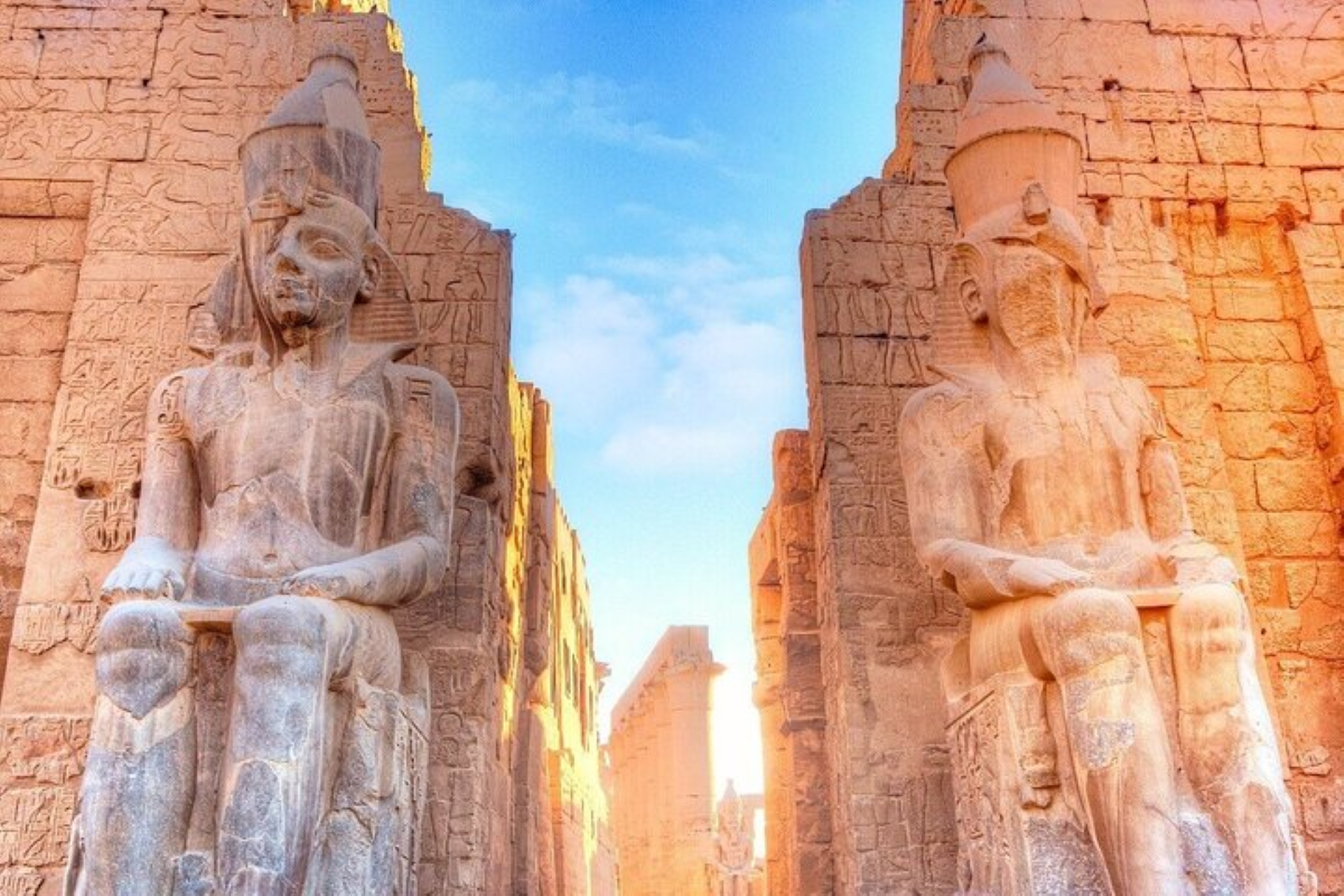
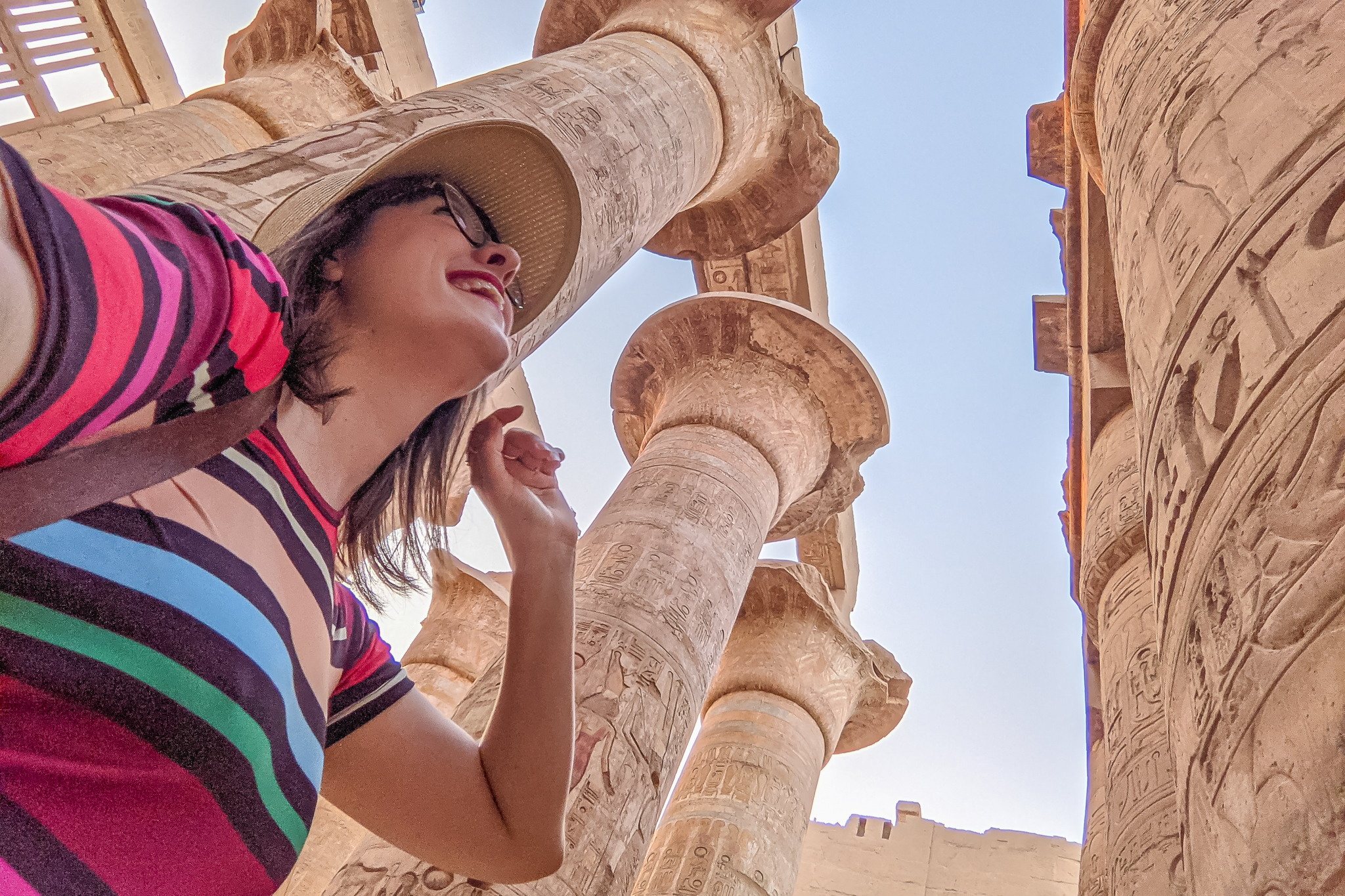
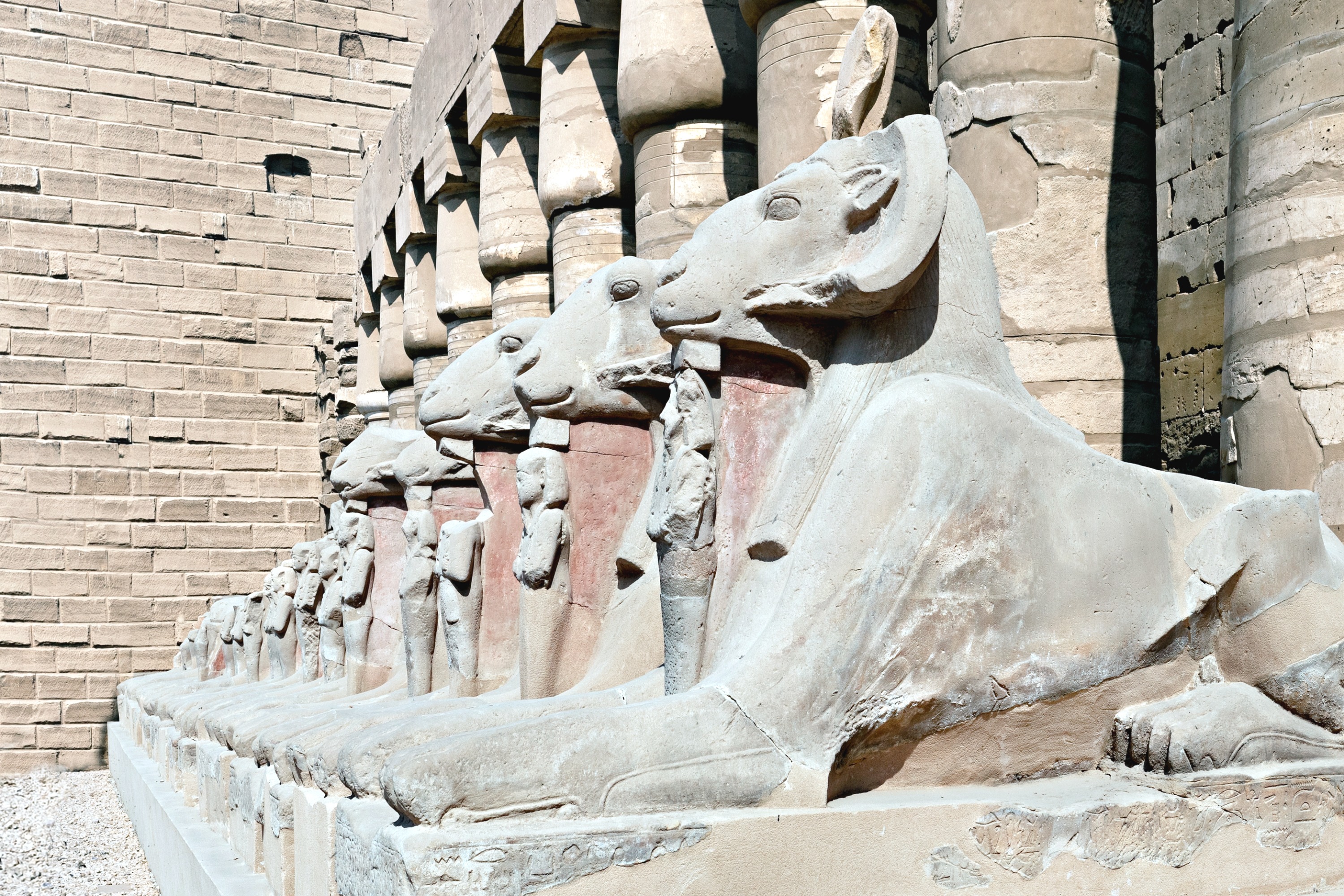
The Karnak Temple Complex consists of a number of temples, chapels, and other buildings in the form of a village, and is for that reason that the name Karnak was given to this complex as in Arabic Karnak means ‘fortified village’.
The Karnak temple is located in Karnak, in Luxor Governorate, in the south of Egypt on the east side of the Nile River bank.
The Karnak Temple dates back from around 2055 BC to around 100 AD. It was built as a cult temple and was dedicated to the gods Amun, Mut, and khonsu. Being the largest building for religious purposes ever to be constructed, the Karnak Temple was known as “most select of places” by ancient Egyptians.
3
After visiting Karnak temple, we will continue to the restaurant located on the Nile to enjoy buffet lunch.
Aftar visiting Hatshepsut Temple will see factory for alabaster stone you will see how they do alabaster. You can buy some gifts and you can use the bathroom for free and have also free soft drink
4
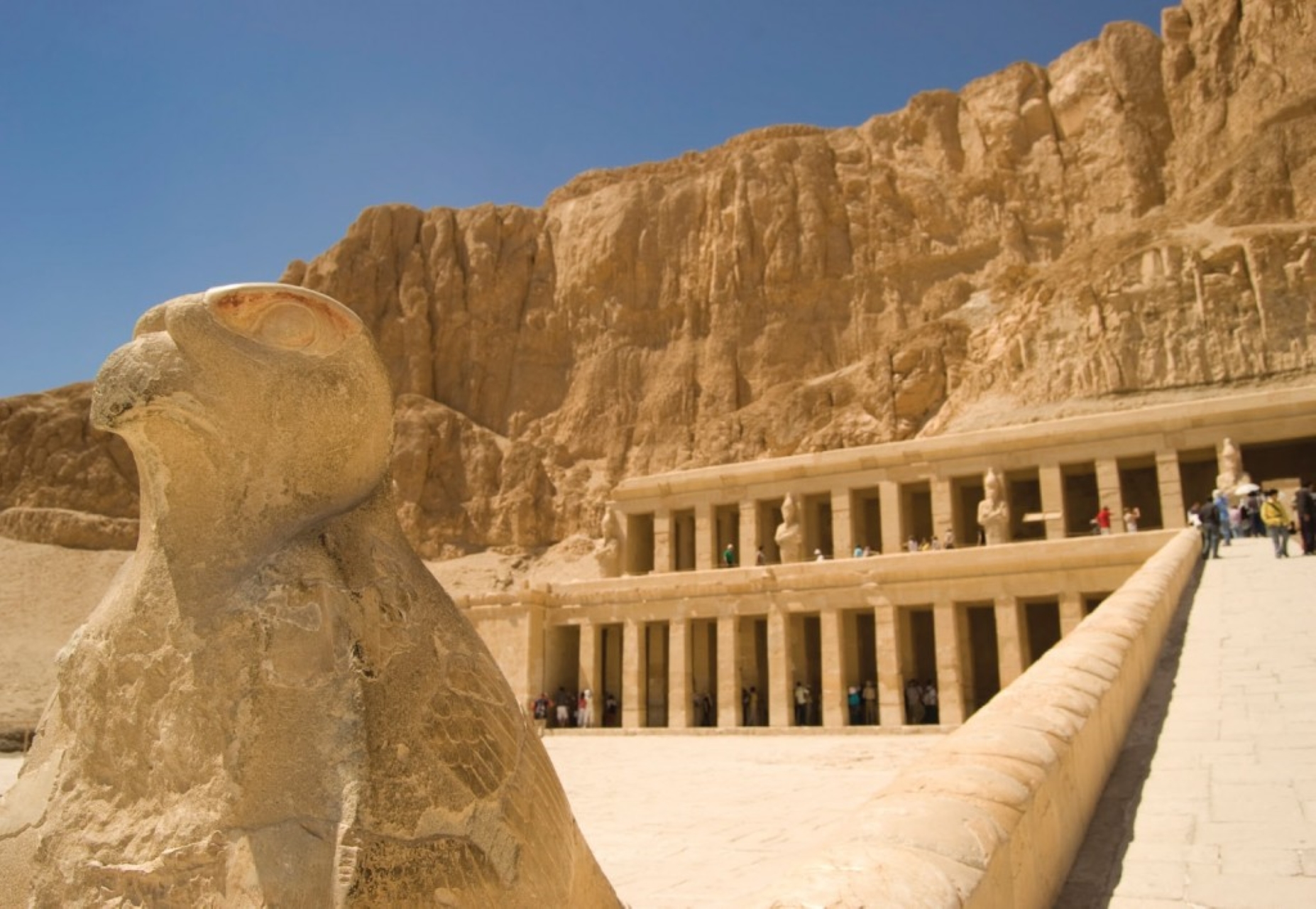
The Temple of Hatshepsut at Deir El-Bahri is one of the most distinctive temples in all of Egypt. It was built of limestone, not sandstone like most of the other funerary temples of the New Kingdom period. The Temple was built to commemorate the achievements of the great Queen Hatshepsut (18th Dynasty), and as a funerary Temple for her, as well as a sanctuary of the god, Amon Ra. This unique temple describes the conflict between Hatshepsut, and her nephew and son in law, Tuthmosis III, since many of her statues were destroyed, and the followers of Tuthmosis III damaged most of her Cartouches, after the mysterious death of the queen. The celebrated temple of Hatshepsut (c.1473–1458 BC), the queen who became pharaoh, is located here, in Deir al-Bahari, on the west bank of Luxor. Composed of three man-made terraces that gradually rise up toward the sheer cliff face, this structure is truly a sight to behold.
5
Valley of the Kings, Arabic Wādī Al-Mulūk, also called Valley of the Tombs of the Kings or Arabic Wādī Bībān al-Mulūk, long narrow defile just west of the Nile River in Upper Egypt. It was part of the ancient city of Thebes and was the burial site of almost all the kings (pharaohs) of the 18th, 19th, and 20th dynasties (1539–1075 BCE), from Thutmose I to Ramses X. Located in the hills behind Dayr al-Baḥrī, the 62 known tombs exhibit variety both in plan and in decoration.
The plan of the tombs varies considerably but consists essentially of a descending corridor interrupted by deep shafts to baffle robbers and by pillared chambers or vestibules. At the farther end of the corridor is a burial chamber with a stone sarcophagus in which the royal mummy was laid and store chambers around which furniture and equipment were stacked for the king’s use in the next world.
6
Stop 6
The Colossi of Memnon are two enormous statues of 18th Dynasty Pharaoh Amenhotep III originally designed to guard his mortuary temple, located on the western bank of the Nile, opposite Luxor.
These two faceless colossi (the plural of colossus, which just means larger-than-life statue) are the first thing visitors see when they reach the west bank of the Nile opposite Luxor. This isn't surprising when you hear their dimensions: they tower 60 feet (18 m) above the plains and are estimated to weigh an enormous 720 tons each.
What's not included
Gratuities
There is an extra charge for transfers from El Gouna, Sahl Hasheesh, Makadi Bay or Soma Bay 15$.
Breakfast (please order a Breakfast box from your hotel)
Available languages
Guide guide
DE
RU
EN
FR
Reviews breakdown
Viator
4.0
1 reviews
5★
0
4★
1
3★
0
2★
0
1★
0
Tripadvisor
5.0
1 reviews
5★
1
4★
0
3★
0
2★
0
1★
0
Important information
Suitable for all physical fitness levels
Operated by a multilingual guide
Vegetarian option is available, please advise at time of booking if required
Please dress appropriately
About Hurghada
Hurghada is a vibrant coastal city on the Red Sea known for its stunning beaches, world-class diving, and lively nightlife. It's a popular destination for water sports, relaxation, and exploring the rich marine life of the Red Sea.
Top Attractions
Giftun Islands
A group of islands known for their pristine beaches, clear waters, and excellent snorkeling opportunities. The islands are part of a protected marine park.
Nature/Beach
Full day
Moderate
Hurghada Marina
A vibrant area with restaurants, cafes, and shops. It's a great place to stroll, dine, and enjoy the marina views.
Entertainment/Shopping
A few hours
Free to explore
Red Sea Divers Association
A renowned diving center offering courses and excursions for divers of all levels. The Red Sea is famous for its coral reefs and diverse marine life.
Adventure
Half day to full day
Moderate to Expensive
Must-Try Local Dishes
Ful Medames
A traditional dish made from mashed fava beans, often served with olive oil, lemon, and spices.
Breakfast
Vegetarian
Grilled Seafood
Freshly caught seafood grilled to perfection, often served with rice or salads.
Dinner
Contains seafood
Popular Activities
Scuba diving
Snorkeling
Desert safaris
Beach relaxation
Spa treatments
Visiting historical sites
Exploring local markets
Boat tours
Best Time to Visit
October to April
The peak season offers pleasant weather with warm days and cool nights, perfect for beach activities and water sports. The city is lively with many tourists.
20°C to 30°C
68°F to 86°F
Practical Information
Language
- Official: Arabic
- Widely spoken: English, Russian
- English: Moderately spoken
Currency
Egyptian Pound (EGP)
Time Zone
EET (GMT+2)
Electricity
220VV, 50HzHz
Safety Information
Overall Safety Rating: Generally safe
Hurghada is generally safe for tourists, but standard precautions should be taken to avoid petty crime and scams.
Important Precautions:
- • Use reputable tour operators
- • Be cautious with street vendors
- • Keep valuables secure
Getting there
By air
- Hurghada International Airport • 10 km from city center
By bus
Hurghada Bus Station
Getting around
Public transport
Affordable and widely used, but can be crowded. Routes cover most of the city and nearby areas.
Taxis
Available • Apps: Uber, Careem
Rentals
Car, Bike, Scooter
Neighborhoods
El Dahar
Sahl Hasheesh
Day trips
Luxor
450 km • Full day
Home to ancient Egyptian monuments, including the Valley of the Kings and Karnak Temple.
Sinai Mountains
300 km • Overnight
Offers stunning landscapes and hiking opportunities, including Mount Sinai.
Festivals
Hurghada International Diving Festival • Annual, typically in June
Pro tips
- Visit the Giftun Islands for the best snorkeling
- Try local street food for an authentic experience
- Learn basic Arabic phrases to enhance interactions
- Use sun protection at all times due to intense sun
- Book diving tours in advance for popular sites
From $25
per person
Price varies by option
Secure booking
Free cancellation available
Instant confirmation