Top Day Tour To Luxor From Aswan
Active
13h
For a full refund, cancel at least 24 hours before the scheduled departure time.
Instant confirmation
Mobile or paper ticket accepted
About this experience
See Luxor’s top attractions in one day on a guided day trip from Aswan. After a drive through the lush Nile Valley, tour the key sites of what was ancient Thebes as a qualified Egyptologist guide recounts their stories and secrets. Travel to the West Bank to visit age-old pharaonic tombs at the Valley of the Kings, and see the stunning Temple of Hatshepsut and Colossi of Memnon. After lunch, switch to the East Bank to explore awe-inspiring Karnak and beautiful Luxor Temple. Hotel pickups and drop-offs included.
Available options
Tour + Lunch
Tour + Lunch<br/>Pickup included
Tour without Lunch
Tour without Lunch <br/>Pickup included
What's included
Tour guide
Hotel pickup and drop-off
All Transfers by Private A/C latest Model Vehicle
Lunch at local restaurants(Local Egyptian Food) ( If Option Selected )
Entry Fees
Bottle of water
Detailed itinerary
1
At 7:00 Pm Pickup from your Hotel or Nile Cruise in Aswan by Tour guide then you will be transferred by Private A/C Vehicle to Luxor where it is 280 K/M North Aswan arrive Luxor at 10:00 am Start your day Tour Visiting the West Bank of the Nile where you visit the Valley Of The Kings, the magnificence of the grandeur of architecture which was used for burial, there are many kings buried in this valley.The most known tombs are King Tutmosis I, Tutmosis III, Tut-Ankh-Amon, King Ramssess VI, King Mrenptah and AmonhotepII.
2
Stop 2
Followed by a visit to the Temple of Queen Hatshepsut that known as El Dir El Bahari which was built by Queen Hatshepsut the daughter of Thutmosis I, who ruled Egypt about 20 years during the 18th Dynasty (approximately 1490-1469 B.C), the only pharaonic woman who reigned ancient Egypt. Then Continue your day Tour to The Colossi of Memnon which are remains of the mortuary temple of Amenhotep III
3
Stop 3
The Colossi of Memnon (Arabic: el-Colossat or es-Salamat) are two massive stone statues of the Pharaoh Amenhotep III, which stand at the front of the ruined Mortuary Temple of Amenhotep III, the largest temple in the Theban Necropolis. They have stood since 1350 BC, and were well known to ancient Greeks and Romans, as well as early modern travelers and Egyptologists. The statues contain 107 Roman-era inscriptions in Greek and Latin, dated to between AD 20 and 250; many of these inscriptions on the northernmost statue make reference to the Greek mythological king Memnon, whom the statue was then – erroneously – thought to represent.
Scholars have debated how the identification of the northern colossus as "Memnon" is connected to the Greek name for the entire Theban Necropolis as the Memnonium.
4
Stop 4
The Karnak Temple Complex, commonly known as Karnak (/ˈkɑːr.næk/), comprises a vast mix of temples, pylons, chapels, and other buildings near Luxor, Egypt. Construction at the complex began during the reign of Senusret I (reigned 1971–1926 BCE) in the Middle Kingdom (c. 2000–1700 BCE) and continued into the Ptolemaic Kingdom (305–30 BCE), although most of the extant buildings date from the New Kingdom. The area around Karnak was the ancient Egyptian Ipet-isut ("The Most Selected of Places") and the main place of worship of the 18th Dynastic Theban Triad, with the god Amun as its head. It is part of the monumental city of Thebes, and in 1979 it was added to the UNESCO World Heritage List along with the rest of the city. The Karnak complex gives its name to the nearby, and partly surrounded, modern village of El-Karnak, 2.5 kilometres (1.6 miles) north of Luxor.
5
Stop 5
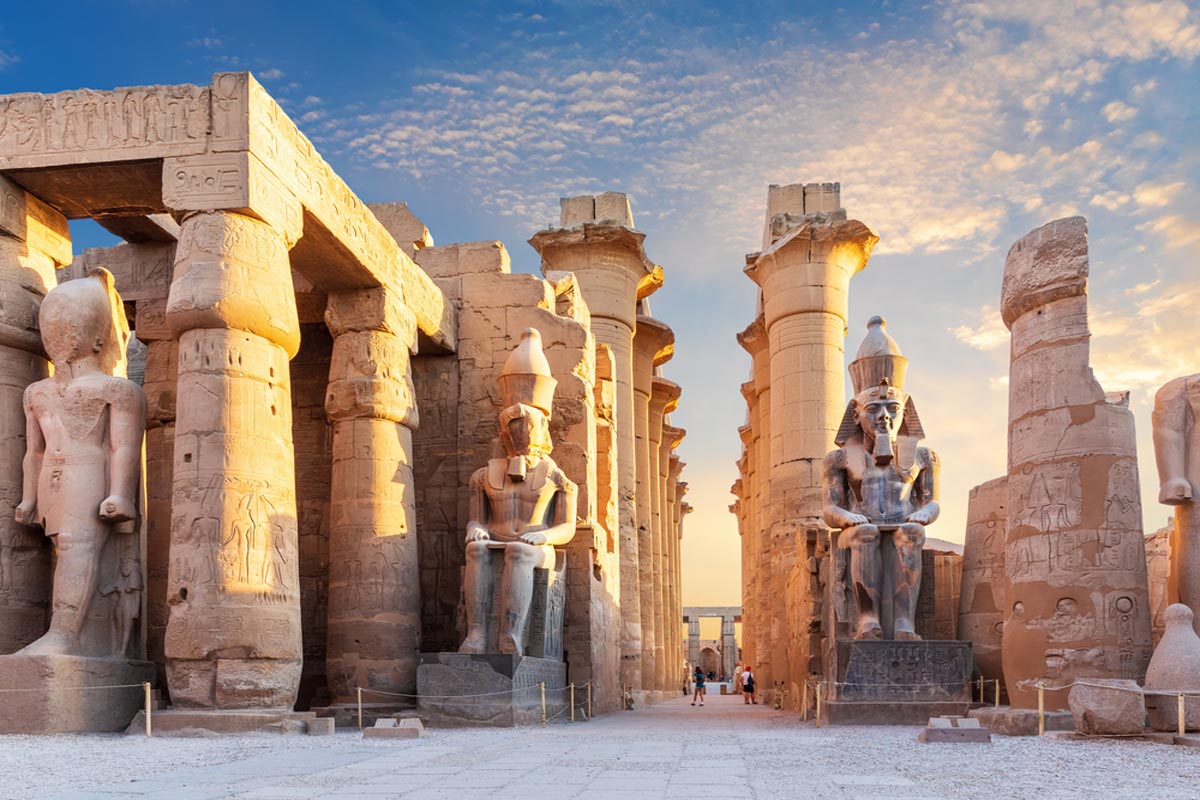
The Luxor Temple (Arabic: معبد الأقصر) is a large Ancient Egyptian temple complex located on the east bank of the Nile River in the city today known as Luxor (ancient Thebes) and was constructed approximately 1400 BCE. In the Egyptian language it was known as ipet resyt, "the southern sanctuary". It was one of the two primary temples on the east bank, the other being Karnak.[1] Unlike the other temples in Thebes, Luxor temple is not dedicated to a cult god or a deified version of the pharaoh in death. Instead, Luxor temple is dedicated to the rejuvenation of kingship; it may have been where many of the pharaohs of Egypt were crowned in reality or conceptually (as in the case of Alexander the Great, who claimed he was crowned at Luxor but may never have traveled south of Memphis, near modern Cairo).
after tour transfer back to your hotel
What's not included
Tipping
Personal Items
Available languages
Audio guide
AR
DE
RU
EN
IT
FR
ES
Guide guide
AR
DE
EN
ES
Reviews breakdown
Viator
4.5
8 reviews
5★
5
4★
2
3★
1
2★
0
1★
0
Tripadvisor
4.9
25 reviews
5★
23
4★
2
3★
0
2★
0
1★
0
Important information
Public transportation options are available nearby
Specialized infant seats are available
Not recommended for travelers with spinal injuries
Not recommended for pregnant travelers
Not recommended for travelers with poor cardiovascular health
Suitable for all physical fitness levels
Entry fees includes basic area only
Meeting point
Aswan
Important notes
Emo tours egypt
About Aswan
Aswan is a charming city on the Nile River, known for its rich history, ancient temples, and stunning Nile landscapes. It offers a more relaxed and authentic Egyptian experience compared to the bustling cities of Cairo and Luxor.
Top Attractions
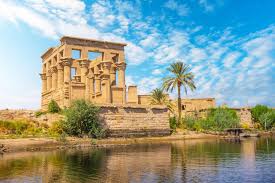
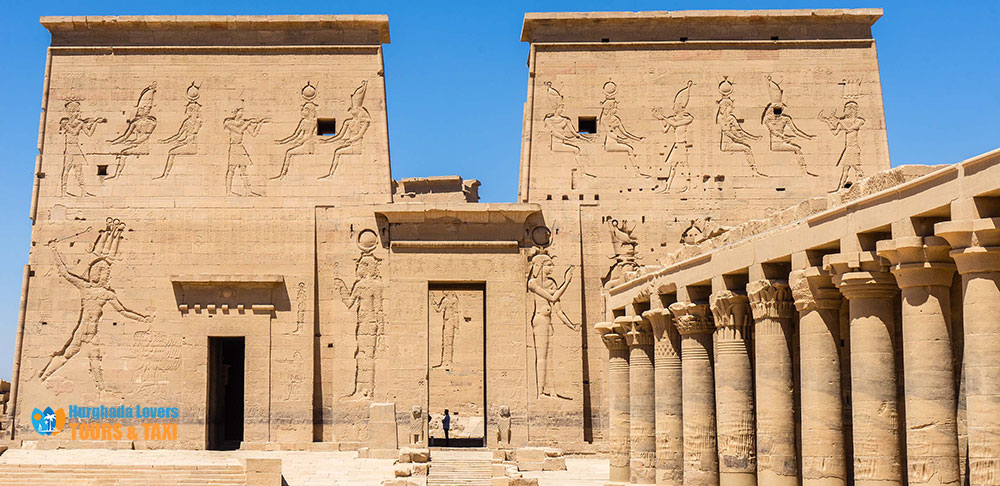
Philae Temple
A stunning temple complex dedicated to the goddess Isis, relocated to Agilkia Island due to the Aswan High Dam.
Historical
2-3 hours
EGP 180
Aswan High Dam
A massive dam on the Nile River, built to control flooding and generate hydroelectric power.
Historical
1-2 hours
EGP 10
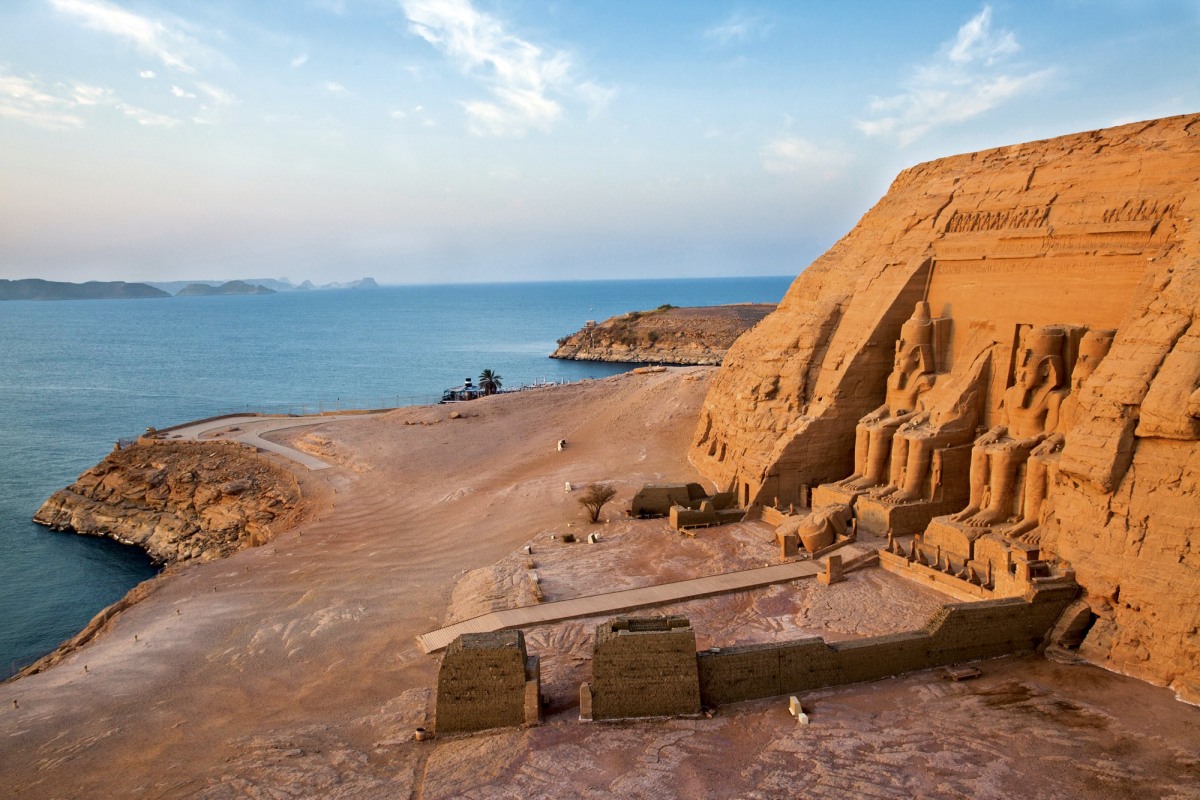
Abu Simbel
A magnificent temple complex built by Ramses II, featuring colossal statues of the pharaoh.
Historical
Full day
EGP 300 (including transport)
Elephantine Island
An island in the Nile River with ancient ruins and a rich history dating back to the Old Kingdom.
Historical
2-3 hours
EGP 100
Nubian Museum
A museum dedicated to the history and culture of the Nubian people, featuring artifacts and exhibits.
Museum
1-2 hours
EGP 100
Must-Try Local Dishes
Ful Medames
A traditional fava bean dish, often served with falafel and tahini.
Breakfast
Vegetarian
Grilled Nile Fish
Fresh Nile fish grilled and served with garlic sauce and vegetables.
Dinner
Gluten-free
Koshari
A popular street food made with rice, lentils, pasta, and crispy onions, topped with tomato sauce.
Lunch
Vegetarian
Basbousa
A sweet semolina cake soaked in syrup, often flavored with coconut or rosewater.
Dessert
Vegetarian
Popular Activities
Nile cruises
Fishing on Lake Nasser
Quad biking in the desert
Boat trips on the Nile
Spa treatments
Sunset cruises
Visiting Philae Temple
Exploring the Nubian Museum
Best Time to Visit
October to April
This period offers pleasant weather with cooler temperatures, making it ideal for sightseeing and outdoor activities.
18°C to 30°C
64°F to 86°F
Practical Information
Language
- Official: Arabic
- Widely spoken: English, French
- English: Moderately spoken
Currency
Egyptian Pound (EGP)
Time Zone
EET (GMT+2)
Electricity
220VV, 50HzHz
Safety Information
Overall Safety Rating: Generally safe
Aswan is generally safe for tourists, but standard precautions should be taken to avoid scams and petty theft.
Important Precautions:
- • Bargain for prices in markets and taxis.
- • Be cautious of strangers offering unsolicited help or tours.
- • Keep valuables secure and be aware of your surroundings.
Getting there
By air
- Aswan International Airport • 10 km from city center
By train
Aswan Railway Station
By bus
Aswan Bus Station
Getting around
Public transport
Buses are the most common form of public transport, connecting major areas within the city.
Taxis
Available • Apps: Uber, Careem
Rentals
Car, Bike, Scooter
Neighborhoods
Corniche El-Nil
Souq Area
West Aswan
Day trips
Abu Simbel
280 km • Full day
A stunning temple complex built by Ramses II, featuring colossal statues of the pharaoh.
Lake Nasser
50 km • Half day to full day
A vast artificial lake created by the Aswan High Dam, offering scenic views and water activities.
Kom Ombo
50 km • Half day
A temple complex dedicated to the crocodile god Sobek, offering insights into ancient Egyptian history.
Festivals
Aswan International Festival of Nubian Arts • February
Aswan Film Festival for Nubian Arts • October
Ramadan • Varies (Islamic calendar)
Pro tips
- Visit the Nubian villages for an authentic cultural experience.
- Take a felucca sailboat ride on the Nile at sunset for stunning views.
- Bargain for prices in markets and taxis to get the best deals.
- Carry small denominations of Egyptian pounds for tips and small purchases.
- Dress modestly and respect local customs, especially in religious sites.
From $25
per person
Price varies by option
Secure booking
Free cancellation available
Instant confirmation