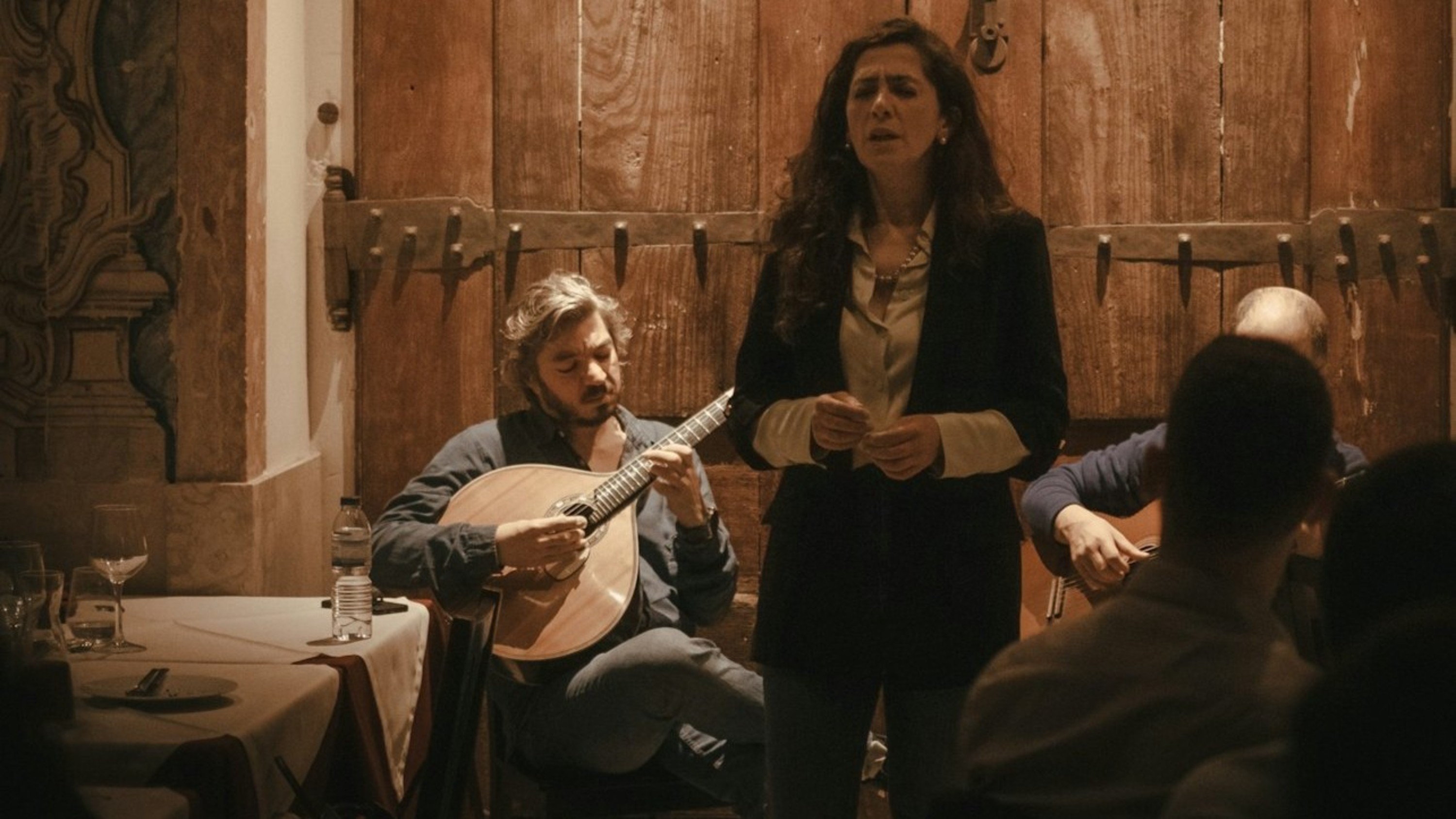
Cordoba Flamenco Show at Tablao El Cardenal with a Drink
Active
1h
For a full refund, cancel at least 24 hours before the scheduled departure time.
Instant_then_manual confirmation
Mobile or paper ticket accepted
About this experience
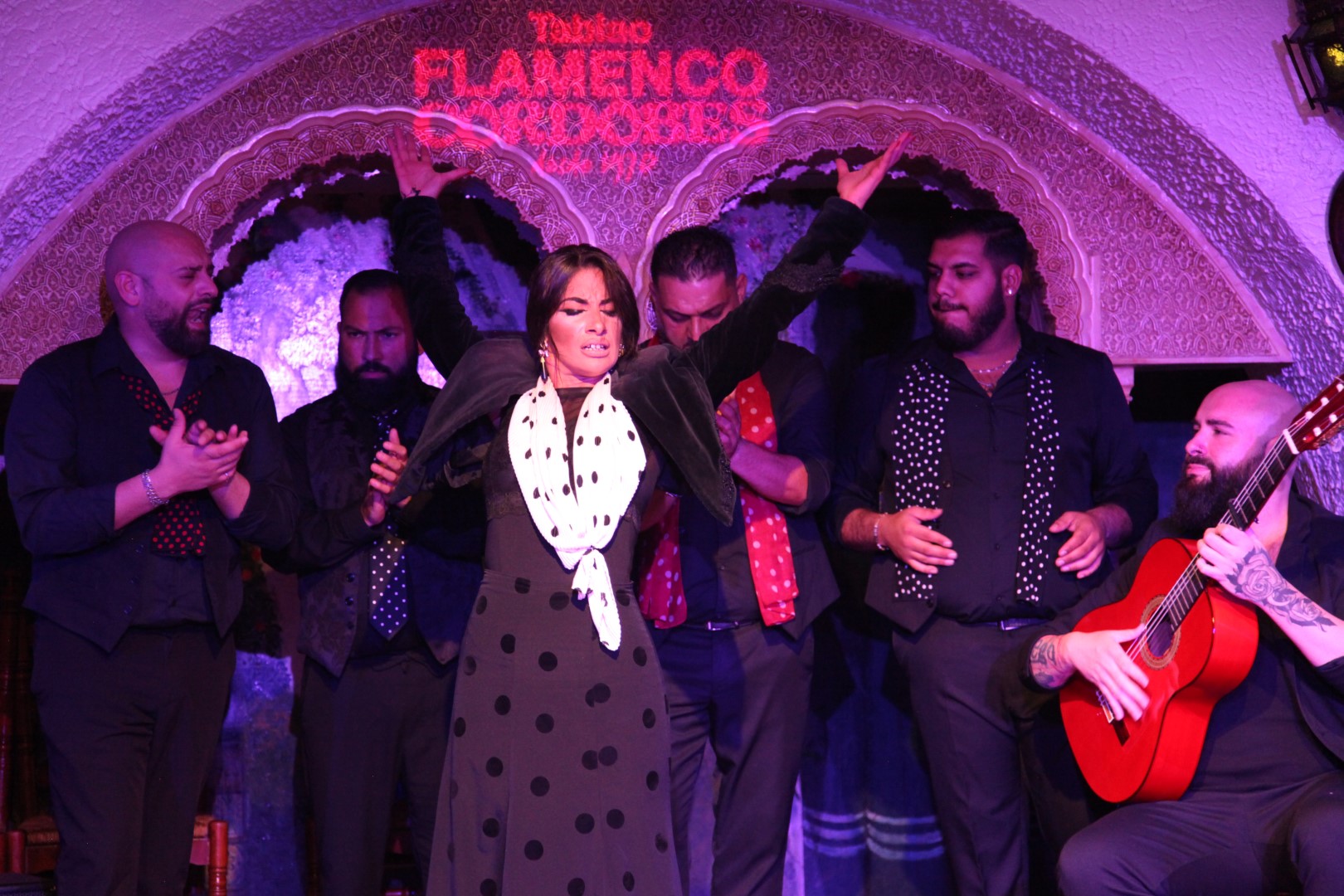
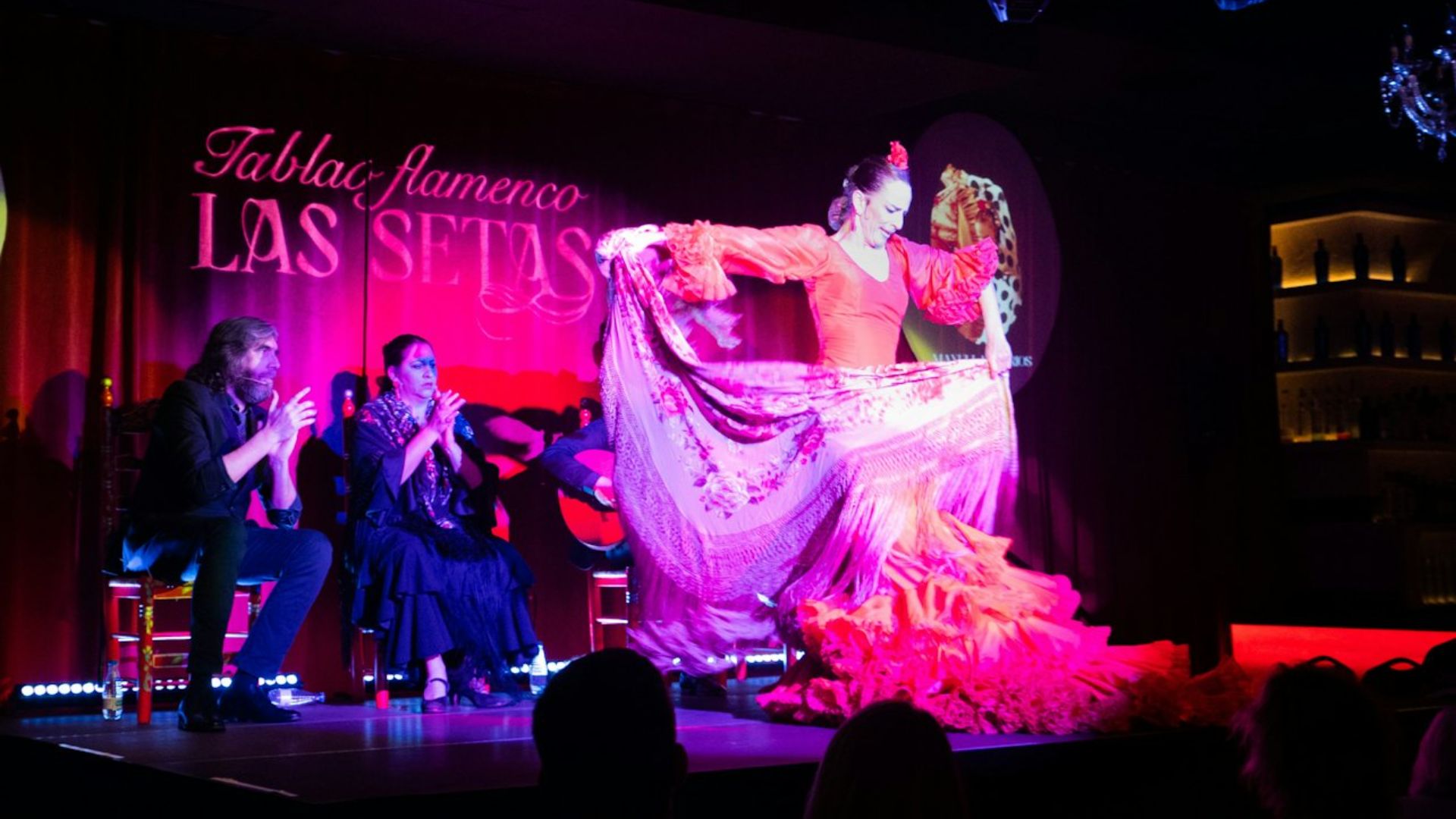
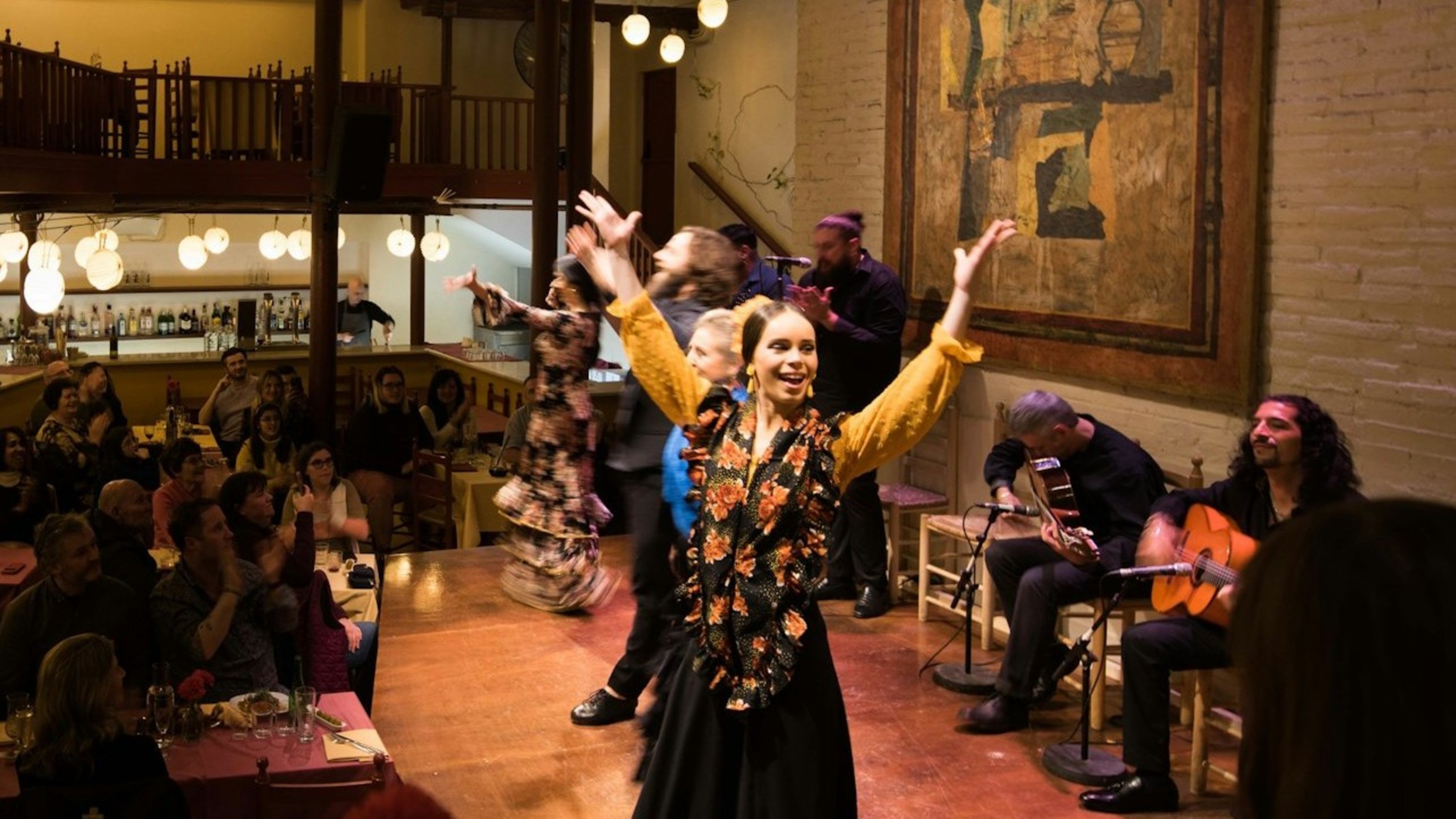
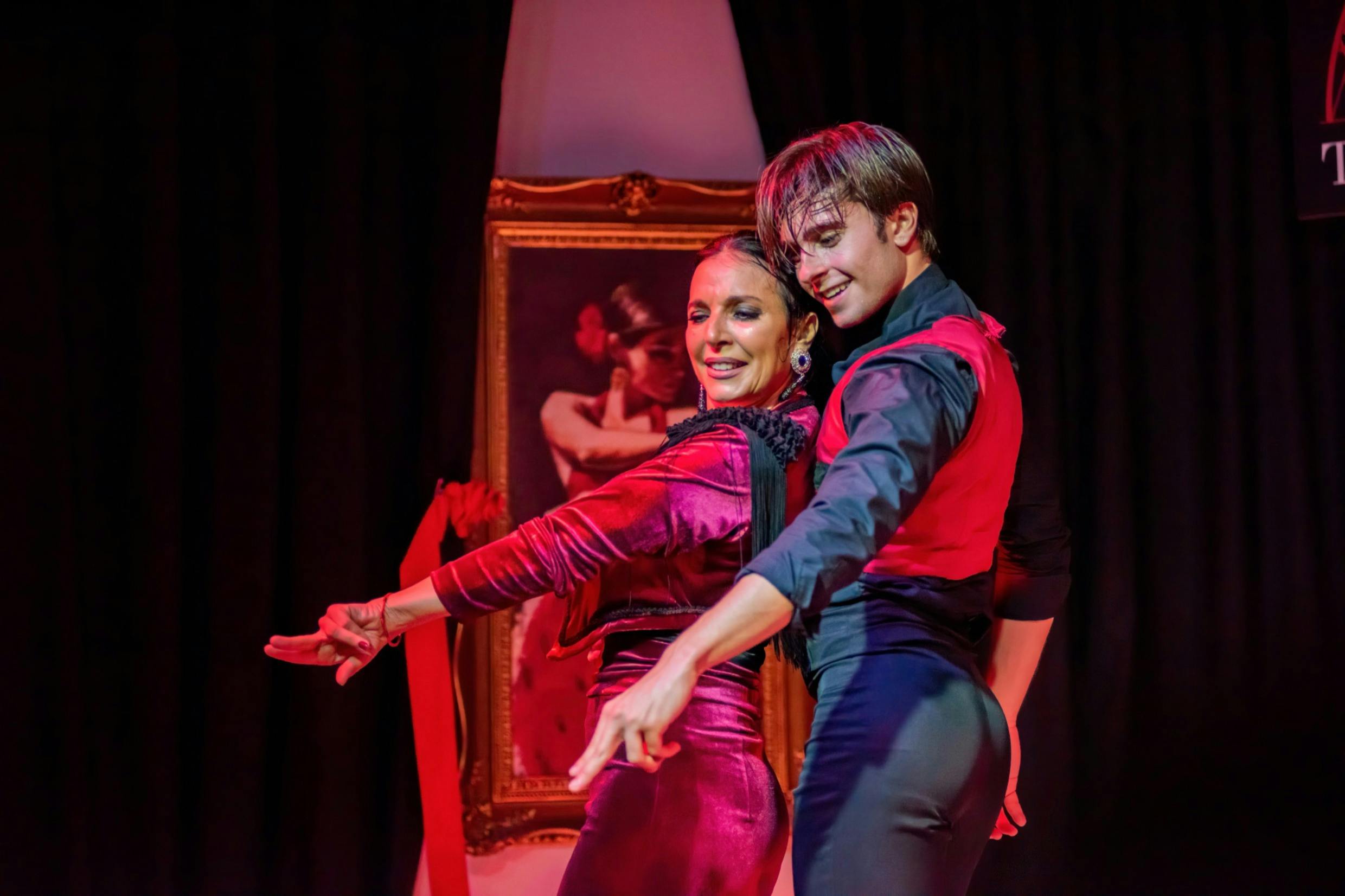
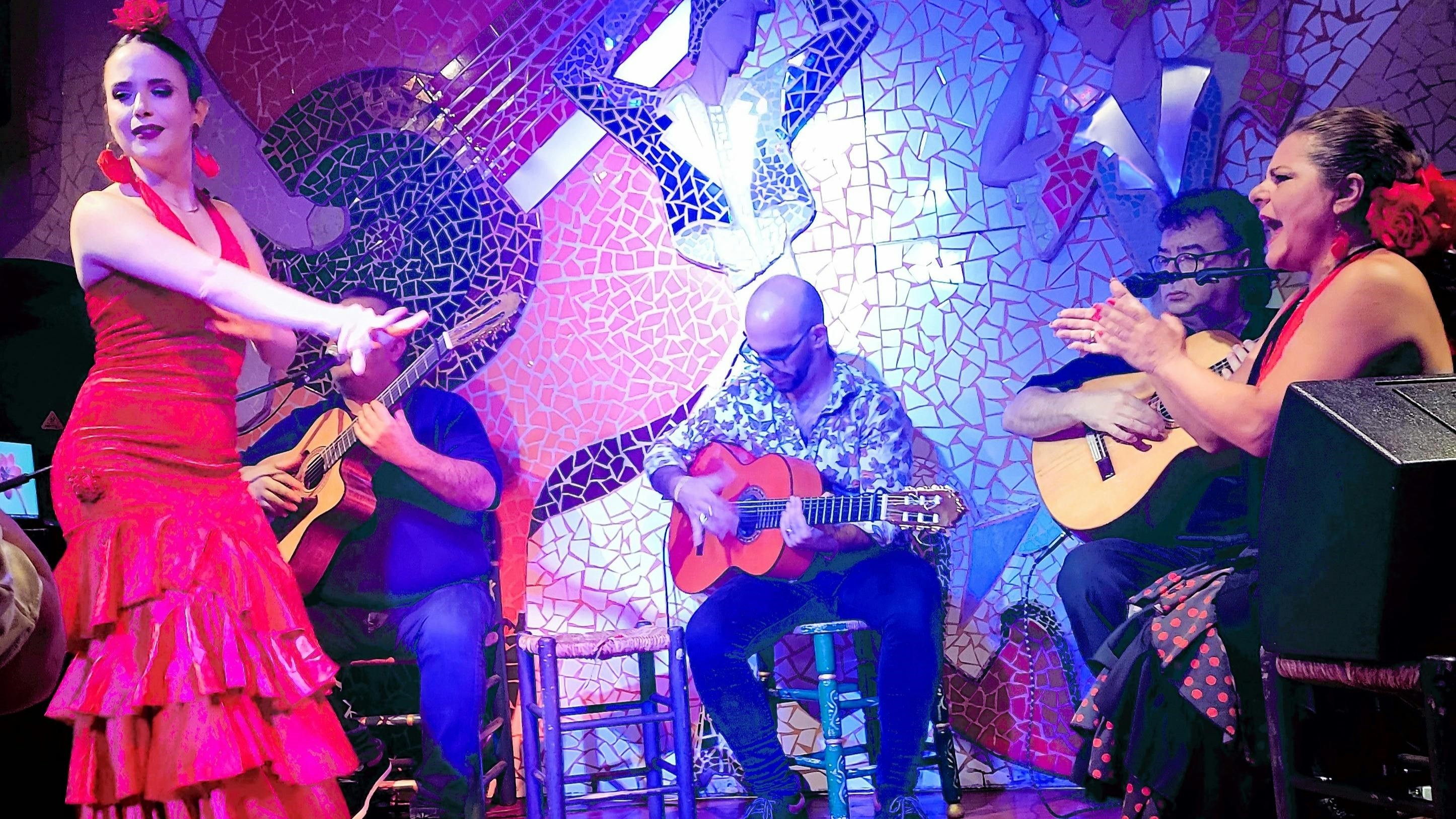
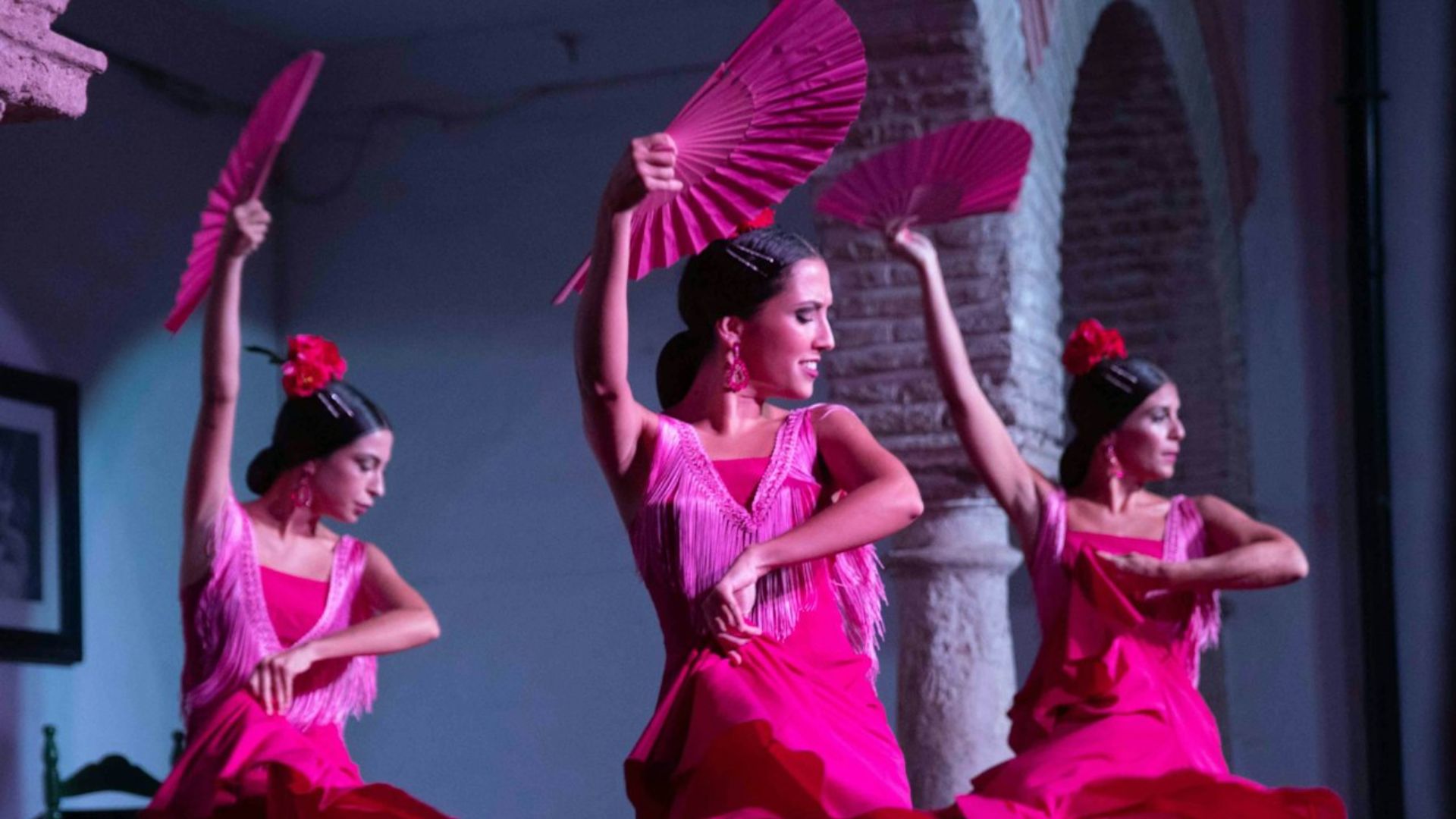
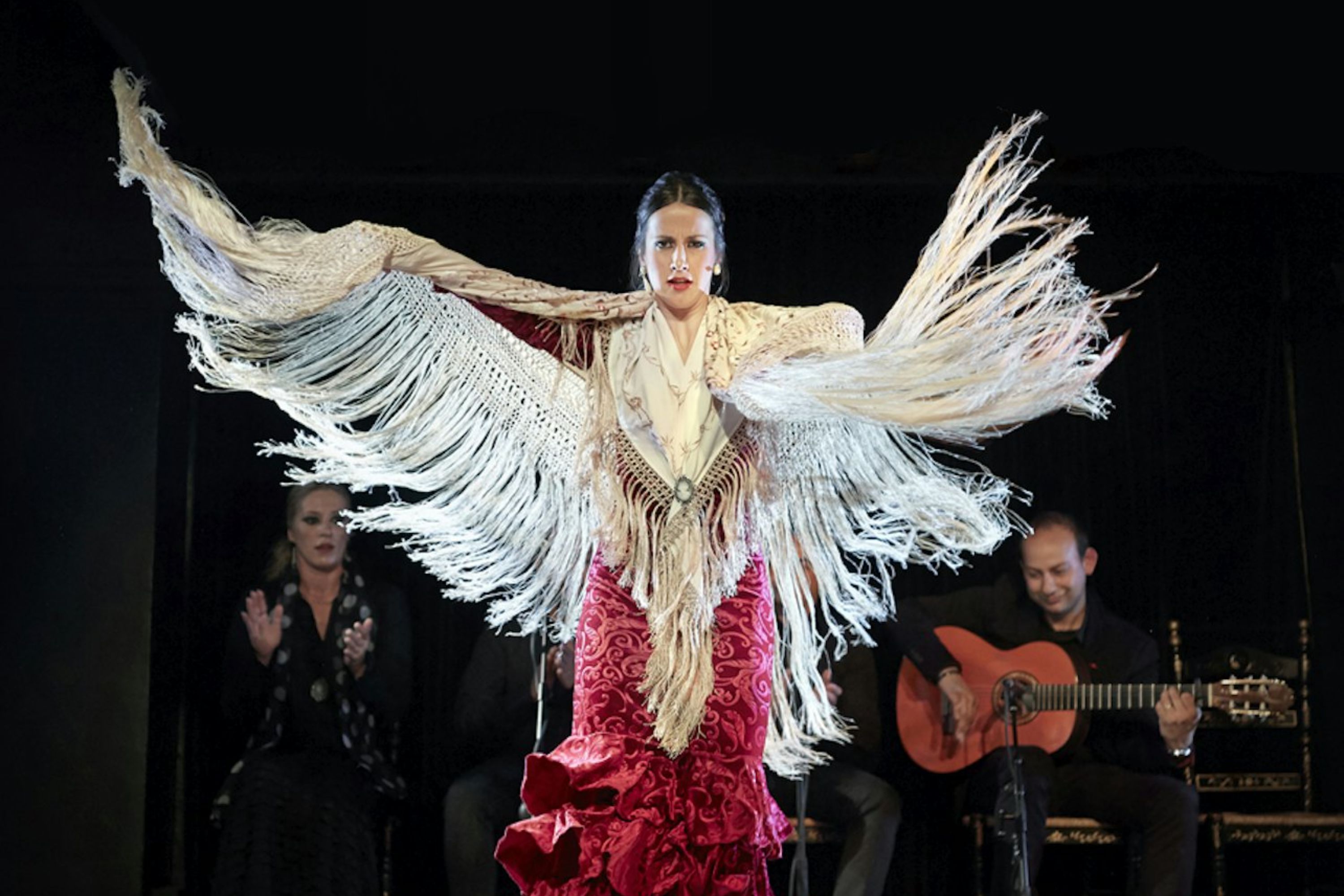
Visit Cordoba’s Tablao el Cardenal for a night of fiery flamenco and fast-paced music! Taking place on the site of the old archbishop’s palace near Cordoba Mosque-Cathedral (Mezquita), the show features a performance by five of the city’s award-winning dancers. Enjoy a drink while watching the incredible choreography on stage.
Available options
Cordoba Flamenco Show at Tablao el Cardenal
What's included
1 Drink
Flamenco show
Detailed itinerary
1
Stop 1
With your entrance ticket in hand, head inside Tablao el Cardenal, a renowned Cordoba flamenco show, near the Mosque-Cathedral. While flamenco is often thought to have originated in Seville, Cordoba’s flamenco scene is thriving and some of Spain’s best known dancers are from the city.
Order your drink and then take your seat to enjoy the show! Watch five of Cordoba’s best dancers perform a fiery flamenco on stage, exuding passion for their flamboyant form of art. All three of the essential aspects of the dance are expertly demonstrated during the show: cante, baile and guitarra (songs, dancing and guitar music). Marvel at the dancers’ quick-step footwork, and clap along to the music performed by the venue’s musicians and singers.
What's not included
Food and drinks, unless specified
Hotel pickup and drop-off
Gratuities
Drink (children aged 0-8)
Available languages
Guide guide
EN
ES
Reviews breakdown
Viator
4.7
102 reviews
5★
81
4★
15
3★
3
2★
1
1★
2
Tripadvisor
4.8
107 reviews
5★
85
4★
18
3★
4
2★
0
1★
0
Important information
Wheelchair accessible
Public transportation options are available nearby
Infants are required to sit on an adult’s lap
Specialized infant seats are available
All areas and surfaces are wheelchair accessible
Suitable for all physical fitness levels
Complimentary drink does not extend to children's tickets (aged 0-8) but drinks can be bought at own expense
About Córdoba
Córdoba, a UNESCO World Heritage Site, is renowned for its rich history, stunning architecture, and vibrant cultural heritage. The city's iconic Mosque-Cathedral, a testament to its Islamic past, stands as a symbol of its unique blend of cultures. With its charming streets, lively patios, and delicious cuisine, Córdoba offers an unforgettable Andalusian experience.
Top Attractions
Mosque-Cathedral of Córdoba
This UNESCO World Heritage Site is a stunning example of Islamic and Christian architecture. The Mosque, originally built in the 8th century, was later converted into a Catholic cathedral.
Historical/Architectural
2-3 hours
€11 (general admission)
Alcázar de los Reyes Cristianos
This medieval Alcázar, or fortress, was once the residence of Christian kings. It features beautiful gardens, Roman mosaics, and stunning views of the city.
Historical
1-2 hours
€4.50 (general admission)
Jewish Quarter (Judería)
The Jewish Quarter is a labyrinth of narrow streets, whitewashed houses, and flower-filled courtyards. It's a charming area to explore and offers a glimpse into Córdoba's multicultural past.
Cultural/Historical
1-2 hours
Free to explore
Roman Bridge
This ancient bridge, originally built by the Romans in the 1st century BC, spans the Guadalquivir River and offers stunning views of the city.
Historical/Architectural
30 minutes to 1 hour
Free to walk across
Medina Azahara
This ancient palace-city was built in the 10th century by the Caliph of Córdoba. Today, it's an archaeological site with ruins and a museum showcasing its history.
Historical/Archaeological
2-3 hours
€5 (general admission)
Must-Try Local Dishes
Salmorejo
A thick, creamy soup made from tomatoes, bread, garlic, and olive oil, often topped with ham and hard-boiled eggs.
Cold soup
Contains gluten and dairy
Berenjenas con miel
Fried eggplant slices drizzled with honey and sometimes sprinkled with sesame seeds.
Appetizer
Vegetarian
Rabo de toro
A rich stew made with oxtail, red wine, and vegetables, slow-cooked to tender perfection.
Main course
Contains beef and alcohol
Flamenquín
A rolled and breaded pork loin stuffed with serrano ham and cheese, then fried or baked.
Main course
Contains pork and dairy
Popular Activities
Hiking in the surrounding countryside
Biking through the historic center and along the Guadalquivir River
Enjoying a leisurely meal or drink at a rooftop terrace
Taking a stroll through the beautiful patios and gardens
Visiting the Mosque-Cathedral and other historic sites
Exploring the Jewish Quarter and its charming streets
Taking a boat ride on the Guadalquivir River
Visiting the Medina Azahara archaeological site
Best Time to Visit
March to May, September to November
Spring and autumn offer pleasant temperatures and fewer tourists, making it ideal for sightseeing and exploring the city's attractions. The famous Patio Festival takes place in May, showcasing the city's beautiful courtyards.
15°C to 30°C
59°F to 86°F
Practical Information
Language
- Official: Spanish
- Widely spoken: English
- English: Moderately spoken
Currency
Euro (EUR)
Time Zone
GMT+1 (CET), GMT+2 (CEST during daylight saving time)
Electricity
230VV, 50HzHz
Safety Information
Overall Safety Rating: Generally safe
Córdoba is generally a safe city for travelers, with low crime rates and a welcoming atmosphere. However, as with any tourist destination, it's essential to take precautions to protect yourself and your belongings.
Important Precautions:
- • Keep valuables secure and out of sight
- • Be cautious of your surroundings, especially in crowded areas and at night
- • Use licensed taxis or ride-sharing services, and insist on the meter being turned on
Getting there
By air
- Córdoba Airport • 6 km from city center
- Seville Airport • 140 km from Córdoba
By train
Córdoba Central Station
By bus
Córdoba Bus Station
Getting around
Public transport
The bus network covers the entire city and is an affordable way to get around. Buses are frequent and well-connected.
Taxis
Available • Apps: Free Now
Rentals
Car, Bike, Scooter
Neighborhoods
Historic Center (Casco Histórico)
San Basilio
Viana
Day trips
Seville
140 km • Half day to full day
Seville, the capital of Andalusia, is a vibrant city known for its rich history, stunning architecture, and lively atmosphere. It's home to the iconic Alcázar of Seville, the Seville Cathedral, and the beautiful Plaza de España.
Granada
200 km • Full day
Granada, a city in the foothills of the Sierra Nevada mountains, is famous for its stunning Alhambra palace and fortress complex, as well as its vibrant tapas culture and Moorish history.
Ronda
100 km • Full day
Ronda, a picturesque town in the mountains of Andalusia, is known for its dramatic cliff-top location, historic bullring, and stunning views of the surrounding countryside.
Festivals
Patio Festival (Festival de los Patios) • Mid-May
Feria de Córdoba (Córdoba Fair) • Early May
Cruces de Mayo (May Crosses) • May 3
Pro tips
- Visit the Mosque-Cathedral early in the morning to avoid crowds and enjoy the serene atmosphere.
- Explore the Jewish Quarter on a Sunday morning when the streets are less crowded, and the atmosphere is peaceful.
- Try salmorejo, a local specialty, at a traditional tapas bar for an authentic taste of Córdoba.
- Attend a flamenco show at a local tablao for an intimate and cultural experience.
- Take a day trip to the Medina Azahara archaeological site to discover the city's rich history and stunning views.
From $25
per person
Price varies by option
Secure booking
Free cancellation available