Marrakesh Day Trip From Casablanca
Active
10h
For a full refund, cancel at least 24 hours before the scheduled departure time.
Instant confirmation
Mobile or paper ticket accepted
About this experience
During this day, you are going to enjoiy the beauty of the red city with a local expert.
Your local guide will shows you around the most important sites in Marrakesh.
Available options
Marrakesh Day Trip From Casablanca
Pickup included
What's included
Private transportation
Bottled water
Guided city tour
Detailed itinerary
1
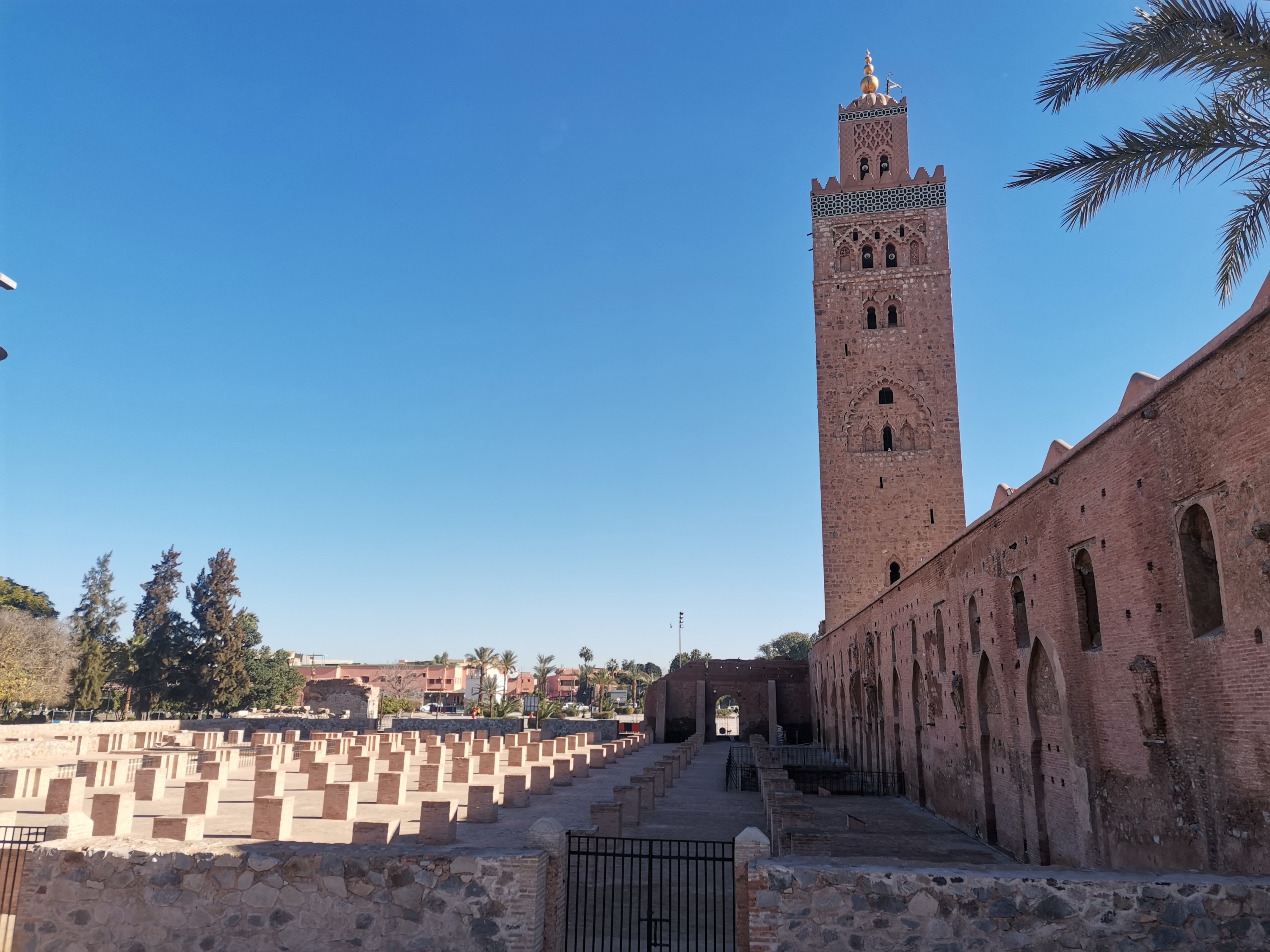
Koutoubia Mosque is the largest mosque in Marrakech, Morocco. The mosque is also known by several other names, such as Jami ‘al-Kutubiyah, the Kotoubia Mosque, the Kutubiya Mosque, the Kutubiyyin Mosque and the Booksellers’ Mosque. It is located in the district of the south-west medina of Marrakech. The mosque is decorated with curved windows, a strip of ceramic, pointed merlons and decorative arches; it has a large square with gardens, and is lit at night. The minaret, 77 meters (253 feet) high, includes an arrow and orbs. It was completed under the reign of the Berber Almohad caliph Yaqub al-Mansour (1184-1199), and inspired other buildings such as the Giralda of Seville and the Hassan Tower of Rabat.
2
Stop 2
The palace of Bahia (palace of the beautiful, the brilliant) is a nineteenth century palace of eight hectares located in Marrakech. It is one of the masterpieces of Moroccan architecture, one of the major monuments of the country’s cultural heritage and one of the main places of tourism in Morocco.
3
Stop 3
Saadian Sultan Ahmed Al Mansour Ed Dahbi spared no expense on his tomb, importing Italian Carrara marble and gilding honeycomb muqarnas (decorative plasterwork) with pure gold to make the Chamber of 12 Pillars a suitably glorious mausoleum. Al Mansour died in splendour in 1603, but a few decades later, Alaouite Sultan Moulay Ismail walled up the Saadian Tombs to keep his predecessors out of sight and mind. It was the French who opened them up again in 1917.
4
Stop 4
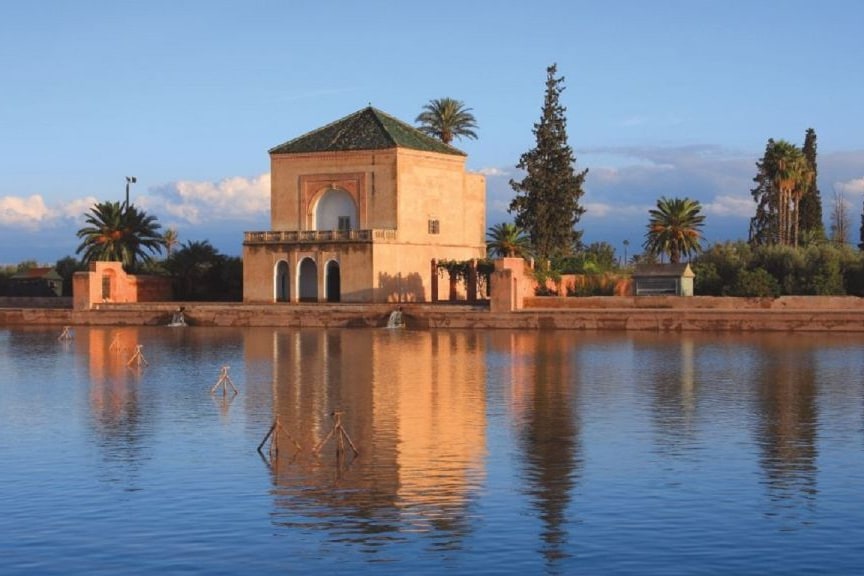
Founded in 1070–72 by the Almoravids, Marrakesh remained a political, economic and cultural centre for a long period. Its influence was felt throughout the western Muslim world, from North Africa to Andalusia. It has several impressive monuments dating from that period: the Koutoubiya Mosque, the Kasbah, the battlements, monumental doors, gardens, etc. Later architectural jewels include the Bandiâ Palace, the Ben Youssef Madrasa, the Saadian Tombs, several great residences and Place Jamaâ El Fna, a veritable open-air theatre.
What's not included
Monuments entrance fees
Lunch
Available languages
Guide guide
AR
DE
RU
PT
EN
IT
FR
HE
ES
Important information
Public transportation options are available nearby
Infants are required to sit on an adult’s lap
Specialized infant seats are available
Suitable for all physical fitness levels
About Casablanca
Casablanca, Morocco's largest city, is a vibrant blend of modern and traditional. Known for its stunning architecture, including the iconic Hassan II Mosque, it offers a unique mix of coastal charm, cultural richness, and economic dynamism. The city's Atlantic coastline provides beautiful beaches and a lively port atmosphere.
Top Attractions
Hassan II Mosque
The Hassan II Mosque is one of the most impressive mosques in the world and a symbol of Casablanca. It is the largest mosque in Morocco and the seventh-largest in the world. The mosque's minaret is the tallest in the world, standing at 210 meters.
Religious/Architecture
1-2 hours for a guided tour
Free for non-Muslims to enter the mosque, but guided tours may have a fee
Casablanca Cathedral
Also known as the Church of the Sacred Heart, this Catholic church is a unique blend of Art Deco and Moroccan architectural styles. It is one of the few churches in Morocco that is still in use.
Historical/Architecture
30-45 minutes
Free
Mahmoud II Square
This bustling square is the heart of Casablanca's old medina. It is surrounded by traditional markets, cafes, and historic buildings, offering a glimpse into the city's past.
Historical/Cultural
1-2 hours
Free to explore the square and markets
Casablanca Twin Center
This iconic skyscraper is one of the most recognizable landmarks in Casablanca. It consists of two identical towers and is a symbol of the city's modern architecture and economic growth.
Architecture/Cultural
30-45 minutes
Free to admire from the outside, observation deck may have a fee
Corniche Aïn Diab
This vibrant seaside promenade is a popular spot for locals and tourists alike. It offers beautiful views of the Atlantic Ocean, beaches, cafes, and restaurants, making it a great place to relax and enjoy the coastal atmosphere.
Beach/Entertainment
2-3 hours or more
Free to explore, beach clubs and restaurants may have fees
Must-Try Local Dishes
Couscous
A traditional Moroccan dish made with steamed semolina grains, often served with vegetables, meat, and a flavorful broth.
Dinner
Vegetarian options available, but often contains meat
Tagine
A slow-cooked stew made with meat, vegetables, and spices, named after the earthenware pot it is cooked in.
Dinner
Vegetarian options available, but often contains meat
Harira
A hearty soup made with tomatoes, lentils, chickpeas, and sometimes meat, often served during Ramadan.
Soup
Vegetarian options available, but often contains meat
Pastilla
A savory-sweet pie made with layers of phyllo dough, filled with spiced meat (usually pigeon or chicken), and topped with powdered sugar and cinnamon.
Dinner
Contains meat, not suitable for vegetarians
Popular Activities
Surfing at Aïn Diab Beach
Hiking in the nearby countryside
Relaxing at a hammam or spa
Strolling along the Corniche
Exploring historic landmarks and museums
Shopping for traditional crafts and souvenirs
Swimming and sunbathing at the beach
Boat tours and water sports
Best Time to Visit
Spring (March to May) and Fall (September to November)
Spring and fall offer pleasant weather with comfortable temperatures and fewer tourists. These seasons are ideal for exploring the city's attractions and enjoying outdoor activities.
18-24°C
64-75°F
Practical Information
Language
- Official: Arabic, Berber
- Widely spoken: French, Spanish, English
- English: Moderately spoken, especially in tourist areas and among younger people
Currency
Moroccan Dirham (MAD)
Time Zone
GMT+1
Electricity
220VV, 50HzHz
Safety Information
Overall Safety Rating: Generally safe, but exercise caution and be aware of your surroundings
Casablanca is generally safe for travelers, with low levels of violent crime. However, petty crime such as pickpocketing and scams can occur, especially in crowded areas and tourist hotspots. Exercise caution and be aware of your surroundings, especially at night and in isolated areas.
Important Precautions:
- • Be aware of your surroundings and keep valuables secure, especially in crowded areas and on public transportation
- • Use licensed taxis or ride-hailing apps, and agree on the fare before starting your journey
- • Be cautious when approaching strangers or accepting help from locals, as scams and theft can occur
Getting there
By air
- Mohammed V International Airport • 30 km from city center
By train
Casablanca Voyageurs
By bus
Casablanca Oasis, Casablanca Trafic
Getting around
Public transport
The tram system is modern, efficient, and connects key areas of the city. It's a convenient and affordable way to get around.
Taxis
Available • Apps: Careem, Heetch
Rentals
Car, Bike, Scooter
Neighborhoods
Maarif
Old Medina
Habous
Quartier des Hôpitaux
Day trips
Rabat
90 km from Casablanca • Full day recommended
Rabat is the capital of Morocco and a UNESCO World Heritage site, known for its historic landmarks, cultural attractions, and beautiful beaches. It offers a mix of modern and traditional architecture, as well as a rich history and vibrant arts scene.
Marrakech
240 km from Casablanca • Overnight recommended
Marrakech is a vibrant and colorful city known for its bustling markets, historic landmarks, and lively atmosphere. It is a popular destination for travelers seeking a mix of culture, adventure, and relaxation, with a variety of activities and attractions to explore.
El Jadida
90 km from Casablanca • Half day recommended
El Jadida is a coastal city known for its historic landmarks, beautiful beaches, and relaxed atmosphere. It is a popular destination for travelers seeking a mix of history and relaxation, with a variety of activities and attractions to explore.
Festivals
Casablanca International Film Festival • November
Casablanca International Book Fair • February
Pro tips
- Learn a few basic phrases in Arabic or French to help you communicate with locals and show respect for the culture.
- Dress modestly and respect local customs and traditions, especially when visiting religious sites.
- Be cautious when using taxis, and agree on the fare before starting your journey. Consider using licensed taxis or ride-hailing apps for a more reliable and safe experience.
- Explore the city's many neighborhoods, each with its own unique character and attractions. From the bustling markets of the Old Medina to the upscale shopping and dining of Maarif, there is something for everyone in Casablanca.
- Try local street food and snacks, such as msemen (Moroccan pancakes) and harira (hearty soup). Look for vendors with high turnover and good hygiene practices to minimize the risk of foodborne illness.
From $25
per person
Price varies by option
Secure booking
Free cancellation available
Instant confirmation