Jurassic coast and Durdle Door Private Tour
Active
14h
For a full refund, cancel at least 24 hours before the scheduled departure time.
Instant confirmation
Mobile or paper ticket accepted
About this experience
The Jurassic Coast is a truly outstanding place to explore Earth’s history, the evolution of life and the natural processes that shape our world.
Fossils teach us about prehistoric life. Along the Jurassic Coast fossils help to show how life adapted and changed as 185 million years slowly passed.
Here we find early dinosaurs and pterosaurs, forests that grew before the first flowers appeared, and giant marine reptiles more powerful and ferocious than any T-Rex.
Lulworth Cove makes for a superb day out for all ages.
A beautiful secluded cove whose existence is owed to the collision of continents and the birth of the Alps.
Walking the South West Coast Path at Lulworth Cove is a brilliant experience, offering stunning views across the Jurassic Coast
Walking the coast path to the east of Lulworth Cove brings you to the incredible geological formations of Worbarrow Bay and the mysteriously abandoned village of Tyneham. To the west is the iconic Durdle Door
Available options
Jurassic coast and Durdle Door Private Tour
Pickup included
What's included
Private transportation
WiFi on board
Bottled water
Air-conditioned vehicle
Parking Fees
Detailed itinerary
1
The Jurassic Coast is a truly outstanding place to explore Earth’s history, the evolution of life and the natural processes that shape our world.
The Jurassic Coast is a hugely diverse and beautiful landscape underpinned by incredible geology of global importance. In 2001 it became a World Heritage Site. 252 million years ago: This area of the Earth’s crust was stretching and sinking. As it sank, layers of sediment piled one on top of the other to form rocks. First in baking deserts during the Triassic Period (252 –201 million years ago) and then in the Jurassic period (201 – 145 million years ago), sea level rose and changed the desert into a tropical sea. At the close of the Jurassic sea levels fell, a forest grew then died and was buried beneath the sediments of lagoons swamps and rivers. This was the start of the Cretaceous (145 – 66 million years ago. During this Period, earth movements tilted the rock layers to the east. The rocks pushed up in the west were eroded. Soon, the sea rose again and during the rest of the retaceous sandstone and Chalk were laid down across the region, burying the tilted layers of older rock. Since that time erosion has carved this remarkable rock record into the landscape we see today.
Through this coastline’s unique geology, visitors can understand the profound environmental changes that occur across millions of years of time. The fossils of strange and terrifying extinct creatures that tumble from its cliffs have the potential to change the way we see the world. And out of its rock falls, landslides and storm-battered beaches we gain insights into the creation of the coastline itself.
In short, the Jurassic Coast is a truly outstanding place to explore Earth’s history, the evolution of life and the natural processes that shape our world
The different rocks crammed into this 95-mile stretch of Dorset and East Devon coastline create a wonderfully varied landscape. There are opportunities here for many different and unforgettable experiences, from lazy-summer beach days and family BBQs to soul-stirring walks in wind-swept winter.
The landscape of the Jurassic Coast is a feast for the senses. Its stories stimulate mind, body and soul. It captures our imagination and invites us to find a sense of belonging, to return again and again to experience all it has to offer.
2
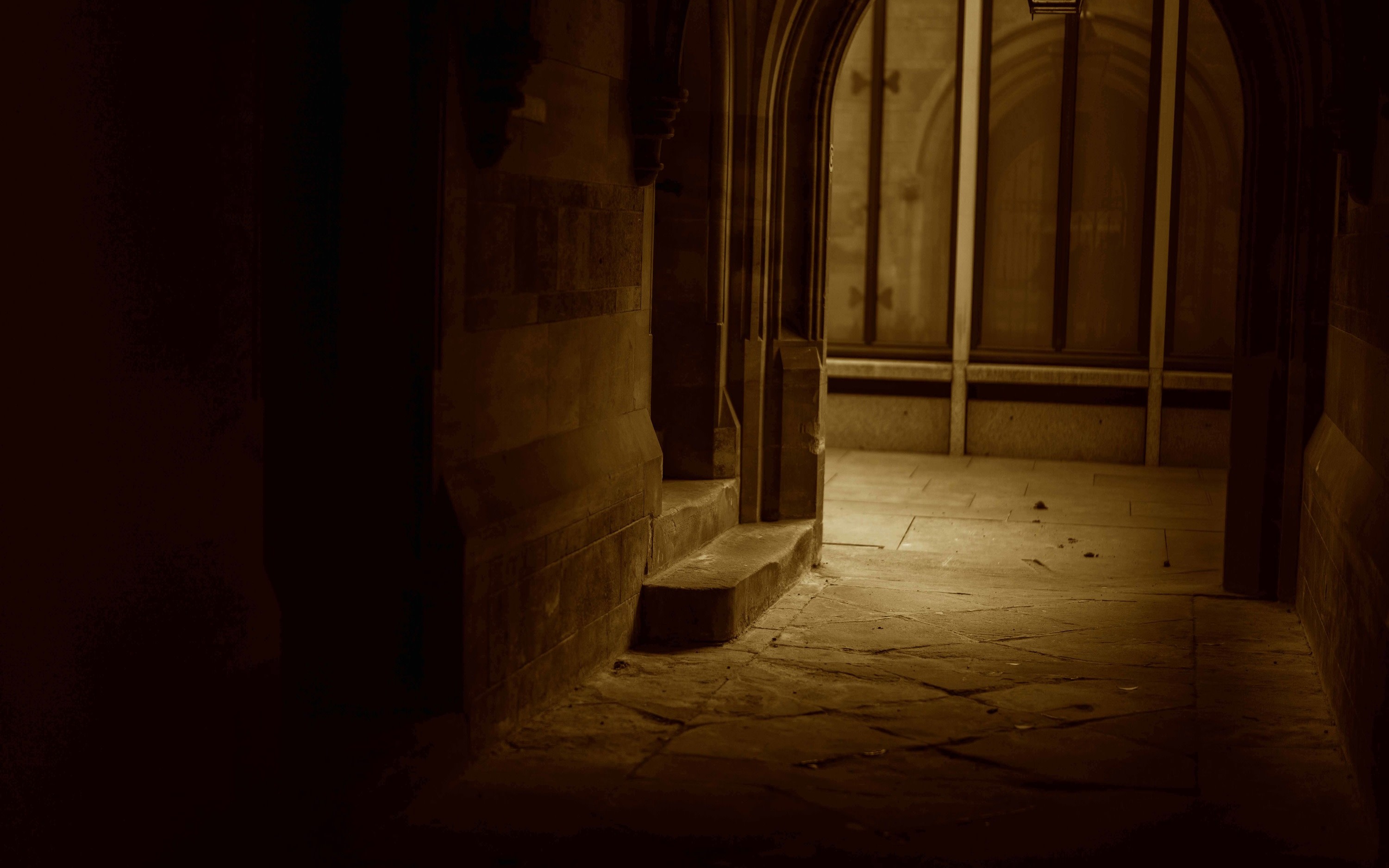
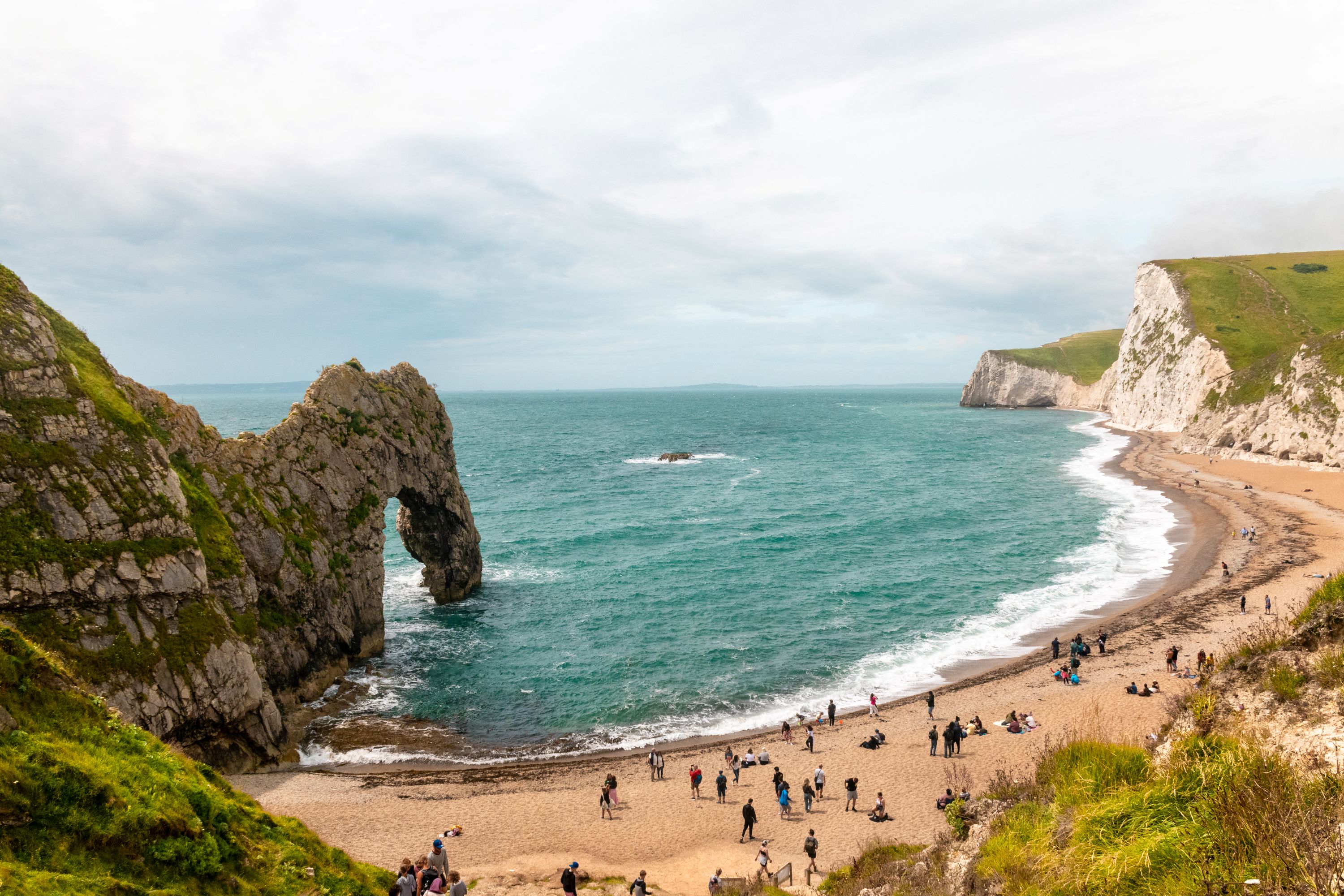
Durdle Door is one of the Jurassic Coast’s most iconic landscapes. It is a natural arch, formed from a layer of hard limestone standing almost vertically out of the sea.
Pay a visit to the nearby Lulworth Cove Visitor Centre, where you can learn more about Durdle Door and Lulworth Cove, two of the most iconic geological features on the Jurassic Coast.
Walking the South West Coast Path at Durdle Door offers spectacular views across the Jurassic Coast. We recommend an Ordnance Survey map to accompany a day’s walking.
Walking the coast path to the east of Durdle Door brings you to the famous Lulworth Cove and Stair Hole. Further afield are the incredible geological formations of Worbarrow Bay and the eerie abandoned village of Tyneham. To the west are the coastal hamlets of Osmington Mills and Ringstead.
Around 25 million years ago the African tectonic plate collided with the European plate. The huge pressures generated heaved and folded rocks to create the mountain chain we know as the Alps.
Ripples from that collision spread north through the Earth’s crust and gently folded the rocks here, in what would become south Dorset and Purbeck.
What's not included
Entry to any meusum or other Historical sites
Gratuities
Available languages
Guide guide
EN
Important information
Infants are required to sit on an adult’s lap
Not recommended for travelers with spinal injuries
Not recommended for travelers with poor cardiovascular health
Not recommended for pregnant travelers
Service animals allowed
Public transportation options are available nearby
Travelers should have at least a moderate level of physical fitness
Important notes
This tour includes Pick up and drop off. We will pick you up from your hotel or private address and drop you back to the pickup point unless you advise us otherwise. there is no extra charge for pick up and drop off. * for Hotel pick up please wait in the lobby at the pickup time. * For private address, please wait outside the main entrance at the pickup time. If your hotel is not listed, please inform us at booking time or send us an email after booking your tour. If do not have your pick up details at the time of your booking, then please provide us your pick up details 12 hours before your tour start time. Or as soon as you have them
About London
London, the capital of England and the United Kingdom, is a vibrant, multicultural metropolis known for its rich history, iconic landmarks, and dynamic cultural scene. From the ancient Tower of London to the modern Shard, the city offers a blend of the old and the new, making it a fascinating destination for travelers from around the world.
Top Attractions
Tower of London
A historic castle located on the north bank of the River Thames. It has served as a royal palace, prison, armory, and treasury. The Crown Jewels are also housed here.
Historical
2-3 hours
£28 (adult ticket)
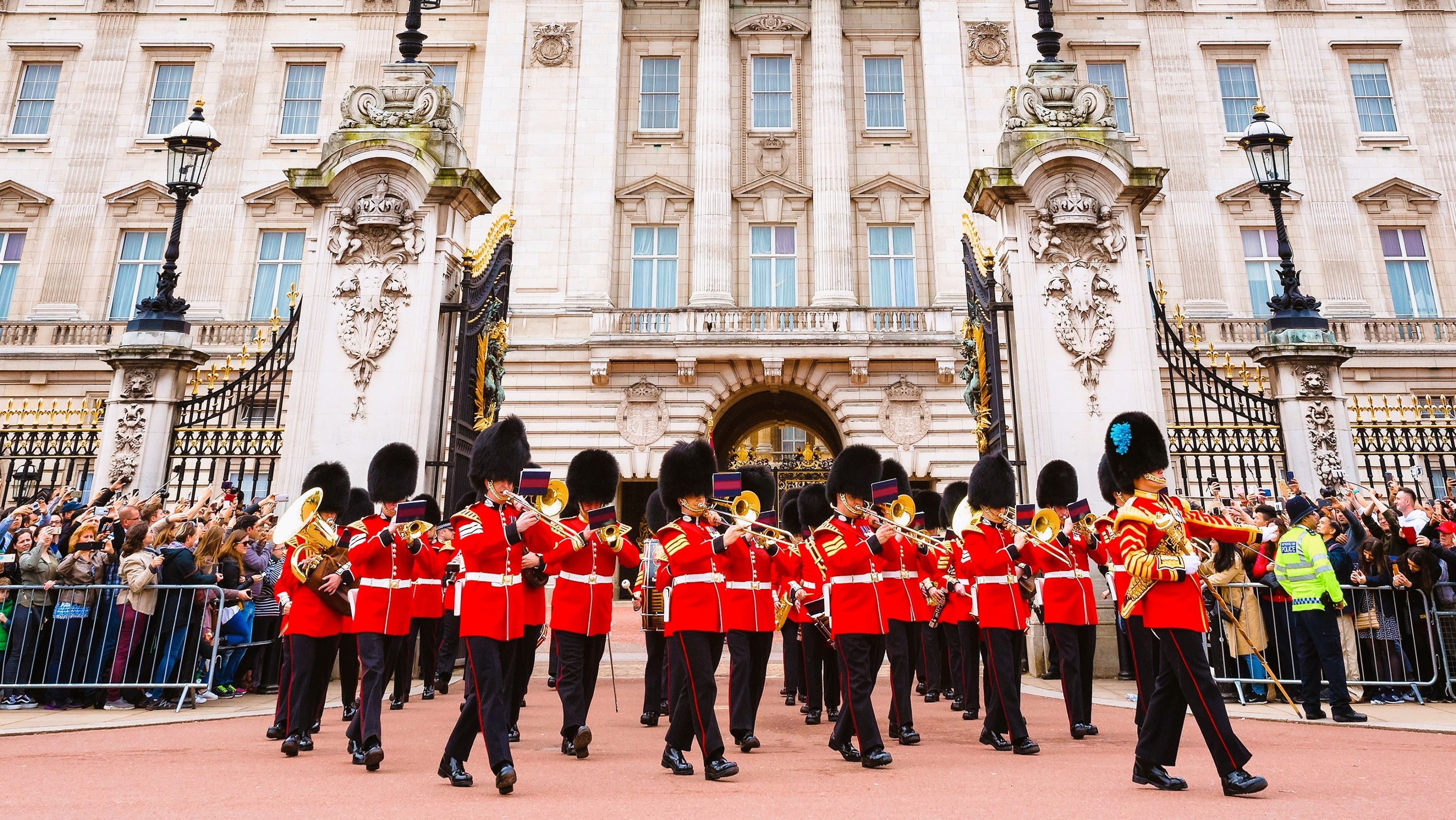
Buckingham Palace
The official residence of the British monarch. Visitors can watch the Changing of the Guard ceremony and tour the State Rooms during the summer.
Historical
1-2 hours
£27.50 (adult ticket for State Rooms)
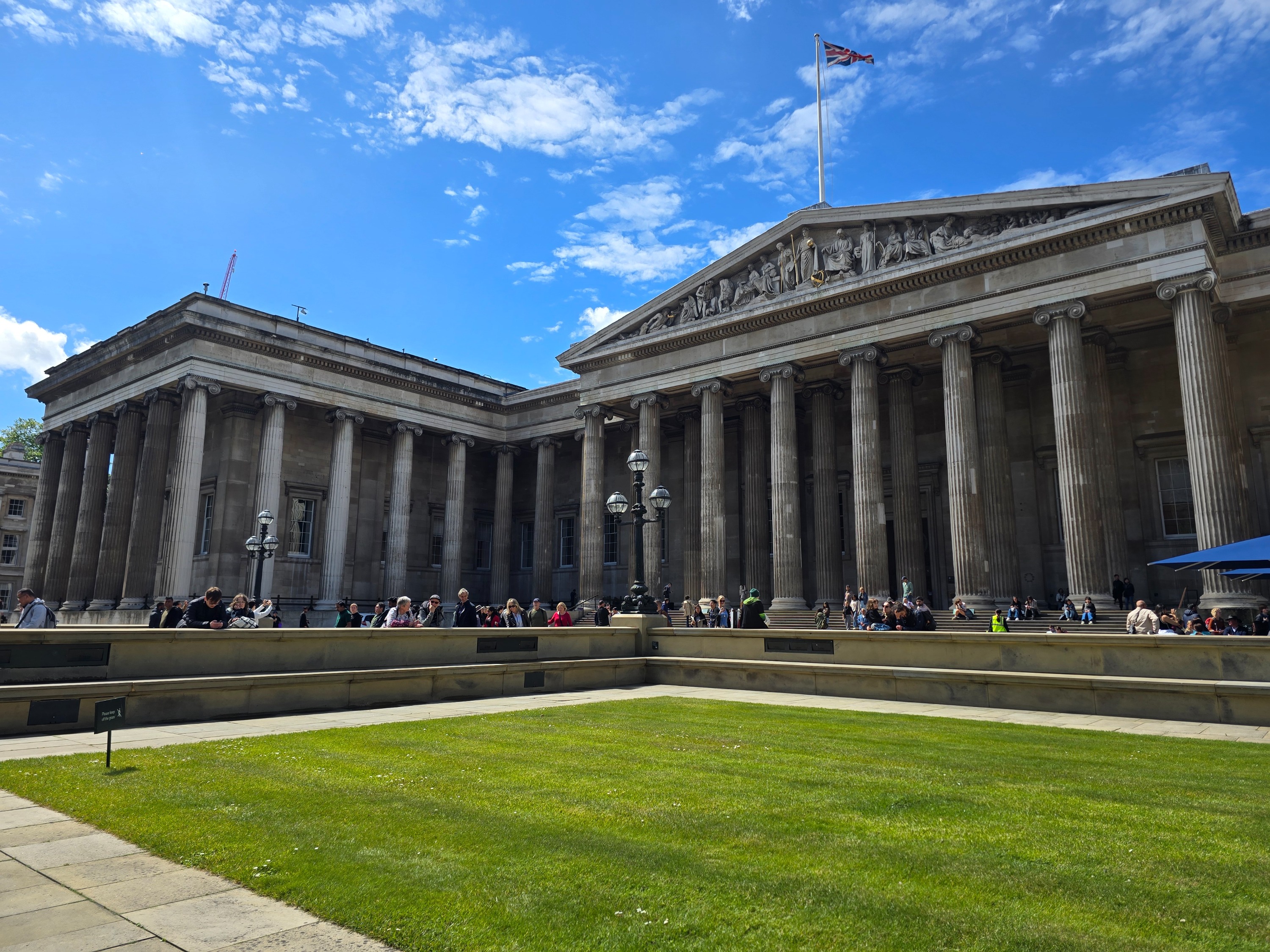
The British Museum
One of the world's largest and most comprehensive museums, housing a vast collection of artifacts from around the globe.
Museum
2-3 hours
Free (special exhibitions may have a charge)
The London Eye
A giant Ferris wheel on the South Bank of the River Thames, offering panoramic views of the city.
Entertainment
30 minutes
£27-£33 (adult ticket)
Westminster Abbey
A large, mainly Gothic abbey church just to the west of the Palace of Westminster. It is one of the most notable religious buildings in the UK and the traditional place of coronation and burial for English and, later, British monarchs.
Religious
1-2 hours
£27 (adult ticket)
Tower Bridge
An iconic symbol of London, this combined bascule and suspension bridge spans the River Thames. Visitors can explore the bridge's walkways and the Tower Bridge Exhibition.
Architecture
1-2 hours
£11 (adult ticket for the exhibition)
Must-Try Local Dishes
Fish and Chips
A classic British dish consisting of battered and fried fish, usually cod or haddock, served with thick-cut chips (fries).
Dinner
Contains gluten and fish
Full English Breakfast
A hearty breakfast consisting of eggs, bacon, sausages, baked beans, grilled tomatoes, mushrooms, black pudding, and toast.
Breakfast
Contains meat and gluten
Afternoon Tea
A quintessential British tradition involving a selection of finger sandwiches, scones with clotted cream and jam, and a variety of pastries, all served with tea.
Snack
Can be adapted for vegetarian, vegan, and gluten-free diets
Sunday Roast
A traditional British meal served on Sundays, featuring roasted meat (usually beef, lamb, or chicken), Yorkshire pudding, roast potatoes, vegetables, and gravy.
Dinner
Contains meat and gluten
Popular Activities
Rock climbing
Kayaking on the Thames
Cycling tours
Afternoon tea
Spas and wellness centers
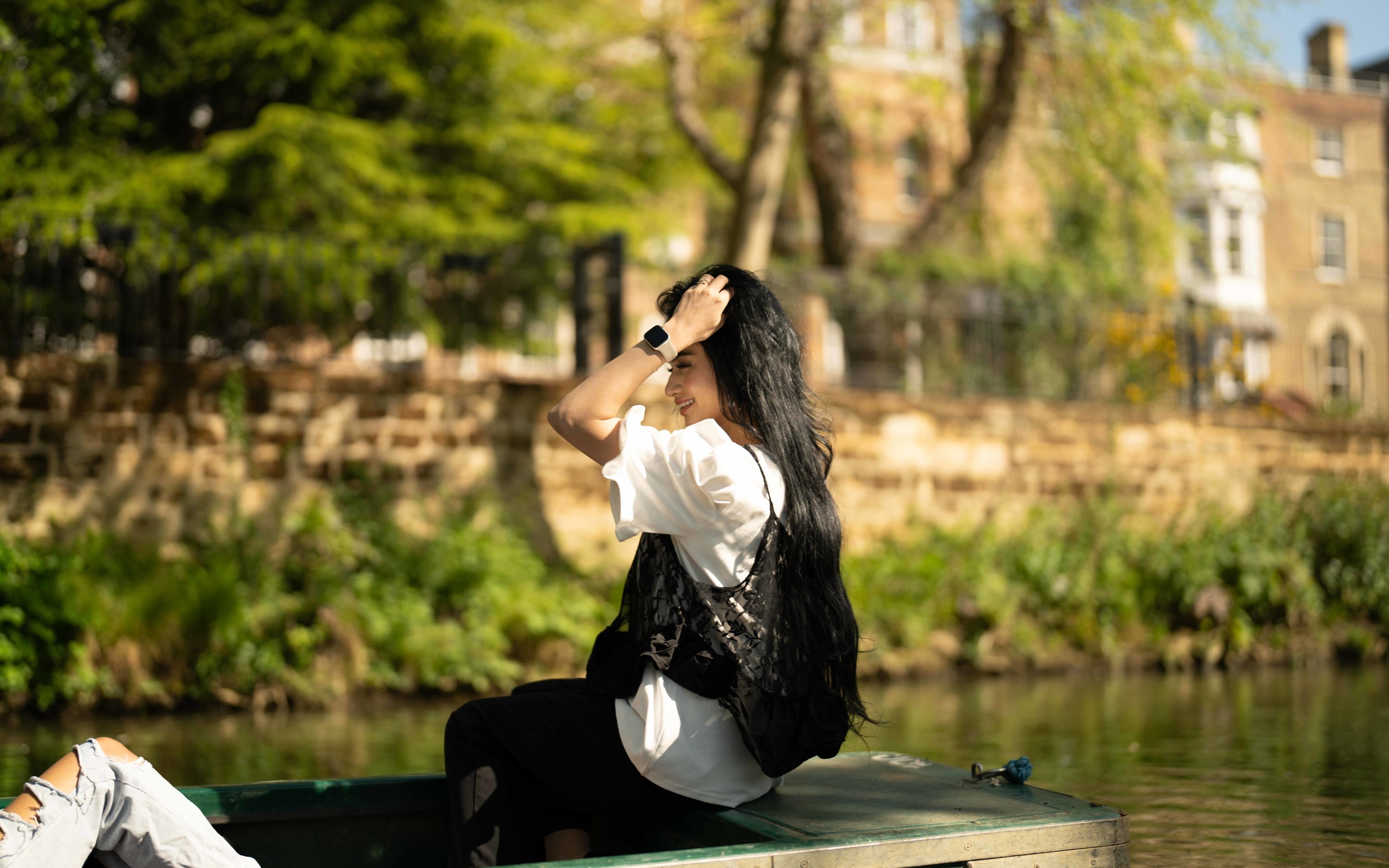
Punting on the River Cam
Museum visits
Theater performances
Best Time to Visit
June to August
Summer is the peak tourist season in London, with long daylight hours and a variety of festivals and events. The weather is generally pleasant, though it can be unpredictable.
15°C to 25°C
59°F to 77°F
Practical Information
Language
- Official: English
- Widely spoken: English
- English: Widely spoken
Currency
British Pound (GBP)
Time Zone
GMT (UTC+0) or BST (UTC+1) during daylight saving time
Electricity
230VV, 50HzHz
Safety Information
Overall Safety Rating: Generally safe
London is generally safe for travelers, but like any major city, it's important to be aware of your surroundings and take precautions to protect yourself and your belongings.
Important Precautions:
- • Keep your belongings secure and be aware of your surroundings
- • Avoid carrying large amounts of cash
- • Use licensed taxis or ride-sharing services
Getting there
By air
- Heathrow Airport • 23 km from city center
- Gatwick Airport • 40 km from city center
By train
London Waterloo, London King's Cross
By bus
Victoria Coach Station, Earls Court, Farringdon
Getting around
Public transport
The Tube is the fastest and most efficient way to get around London. It operates from early morning until late at night and covers all major attractions.
Taxis
Available • Apps: Uber, Bolt
Rentals
Car, Bike, Scooter
Neighborhoods
Westminster
Camden Town
Soho
Notting Hill
Shoreditch
Greenwich
Day trips
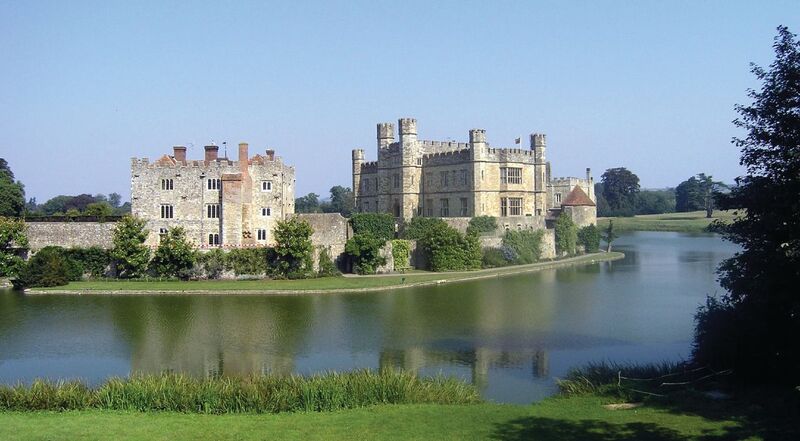
Windsor Castle
34 km from London • Half day to full day
Windsor Castle is the oldest and largest occupied castle in the world, and it's one of the official residences of the British monarch.
Stonehenge
130 km from London • Full day
Stonehenge is a prehistoric monument consisting of a ring of standing stones, located in the English county of Wiltshire.
Brighton
80 km from London • Full day
Brighton is a vibrant coastal city known for its beaches, lively atmosphere, and eclectic mix of shops, restaurants, and attractions.
Festivals
Notting Hill Carnival • Last Sunday and Monday of August
London Film Festival • October
New Year's Eve Fireworks • December 31
Pro tips
- Use an Oyster card or contactless payment for cheaper and more convenient public transportation
- Book tickets in advance for popular attractions to skip the queue and save money
- Explore the city's neighborhoods and markets for a unique and authentic experience
- Try the local street food and international cuisine at markets like Borough Market and Camden Market
- Visit the city's parks and gardens for a peaceful escape from the bustling streets
From $25
per person
Price varies by option
Secure booking
Free cancellation available
Instant confirmation





![[Value-Packed Chinese/English] Oxford and Cambridge Day Trip from London](https://res.klook.com/image/upload/activities/eakltant51s4qbjtydew.jpg)