Ceramics and Green Tea Tour of Nagasaki and Saga Prefecture
Active
10h - 11h
All sales are final. No refund is available for cancellations.
Instant confirmation
Mobile or paper ticket accepted
About this experience
Do you love Ceramics and Green Tea and want to learn more about both these visual and cultural arts whilst in Japan? If your answer is yes, then this is the tour for you!
Departures from Fukuoka are possible to explore and discover more about these two intriguing subjects.
You will learn about the different types of pottery from this region of Japan as well as how and why Green Tea has become one of the most sort after health drinks in the world.
You will be able to fine tune this day by choosing how many attractions of each activity you would like to visit.
There will be amazing countryside to see as we travel to each location. This is the real Japan that you will never be able to experience from urban locations.
Looking forward to showing you the best of Nagasaki and Saga Prefectures as we explore this unique region of Kyushu.
Available options
Medium Group Day Tour
Pottery Hunt: A Ceramic treasure hunt experience is optional. Costs to be paid by the customer.<br/>Duration: 9 hours: A tour that can be lengthened or shortened on the request from the customer.<br/>Lunch and Refreshemnets: A Western or Japanese styled lunch is provided<br/>Toyota Estima: A luxury mini van that seats 6 average sized adults or 5 adults and 2 children.<br/>Vehicle Specs: Oversized/ limited mobility groups will be encouraged to upgrade to the more spacious and larger Toyota Hiace Van.<br/>Pickup included
Extra Large Tour Group
Pottery Treasure Tour: A treasure picking experience is optional on the day.<br/>Duration: 9 hours: An 9 to 11 hour tour is possible and can be customized where possible.<br/>Lunch and Refreshments: A Western or Japanese styled sit down lunch or something on the go is possible on the day.<br/>Toyota Hiace Commuter Van: A professional driver and native English guide is standard.<br/>Vehicle Specs: Although there are 12 seats, the vehicle does not have much room for luggage and purchases, 10 or 11 passengers is better.<br/>Pickup included
Super large tour group
Duration: 8 hours: A flexible tour that can be customized. Client may choose their start and finish time.<br/>Lunch and Refreshmnets: A sit down or on the go lunch with beverages are provided on the day. Many Japanese and Western options are available.<br/>Toyota Micro Bus: A spacious vehicle that seats 15 adults and up to 5 children.<br/>Special Feature: A professional driver and a native English speaking guide are standard.<br/>Pickup included
Large Group Day Tour
Pottery Hunt: A Ceramic Treasure Hunt is an option on the day that will be paid by the customer.<br/>Duration: 9 hours: A customizable tour that can be lengthened or shortened as desired.<br/>Lunch and refreshments: A Western or Japanese styled lunch is provided.<br/>Toyota Hiace: A spacious people mover that seats 9 adults comfortably.<br/>Pickup included
Executive Tour Option
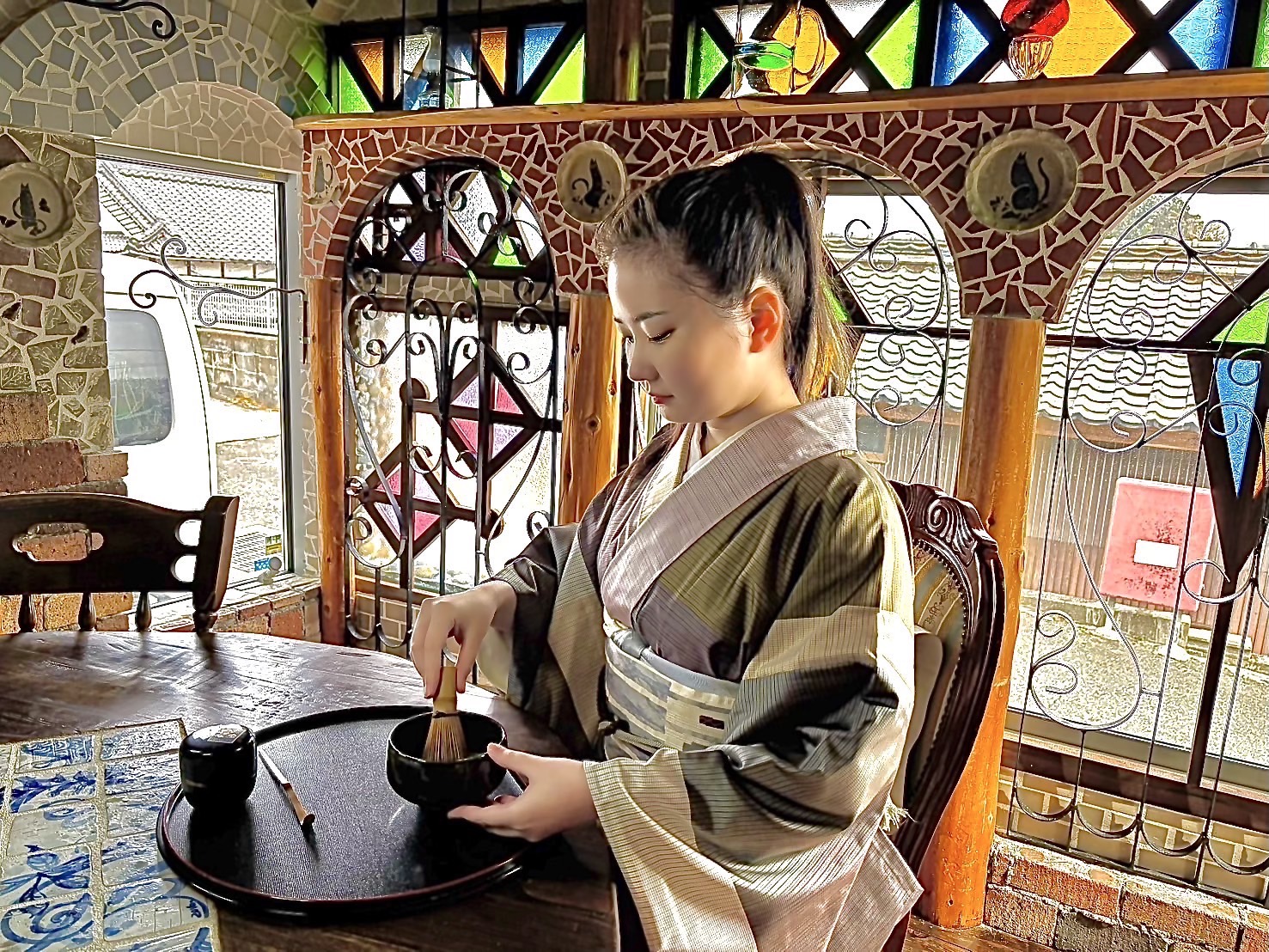
Private 2 person Tea Ceremony : Experience a bespoke Green Tea Ceremony in the middle of the natural Green Tea fields of Ureshino with a Green Tea Sommelier.<br/>Executive Tour: Travel in luxury and comfort and be treated to the highest level of service on our special day together.<br/>Duration: 9 hours: A fully customized tour that can be lengthened or shortened as desired.<br/>Full inclusive food and drinks: A Japanese Omakase (gourmet) lunch as well as a variety of beverages will be available throughout the day.<br/>Toyota Estima: Enjoy space and complete attention to detail as we travel all around Nagasaki and Saga Prefectures.<br/>Ceramic Treasure Hunt: A pickers paradise to find that one or many pieces of Japanese pottery at the Kouraku Kiln in Arita Town is included.<br/>Pickup included
Small Group Day Tour
Pottery Hunt : A ceramic treasure hunt experience is an option. The cost will be paid by the customer.<br/>Duration: 9 hours: A customizable tour that can be lengthened or shortened as desired.<br/>Lunch and Refreshments: A Western or Japanese styled lunch is provided.<br/>Toyota Prius: A sedan that seats 3 adults comfortably or 2 adults and 2 children.<br/>Vehicle Specs: Oversized/ limited mobility groups will be encouraged to upgrade to the more spacious and larger Toyota Estima Mini Van.<br/>Pickup included
What's included
Private transportation
WiFi on board
We carry extra snack on board our vehicles and at certain picnic like spots to enhance the atmosphere.
Air-conditioned vehicle
Sparkling and still water is provided throughout the day.
A sit down lunch or something on the go will be provided. Options include Japanese and Western.
Parking Fees
Detailed itinerary
1
There is a hidden pottery village located in the mountainous area of Imari Town in Saga Prefecture. It is such a gem of a location that not many people know about it, except of course those who are ceramic lovers. For these people the location is 7th heaven as it is so peaceful and tranquil, at times it feels as though one has stepped back in time.
Okawachiyama which translates as "Big River in the Mountains" doesn't feel like a place designed for the 21st Century. Time runs a lot slower in these parts of the countryside and its a place where you can forget about life for a half a day and feel the time slip of the region.
2
Approx. 400 years ago, in 1616, a group of Korean potters, led by Yi Sam Pyeong, discovered porcelain stone at this location in Arita Town and became the first in Japan to successfully fire porcelain.
The porcelain production, which began around the beginning of the 17th century and grew exponentially, consisted of Koimari wares which fans of early Imari wares just had to have, that also enchanted the royals and aristocrats of Europe. It all began here, at the porcelain stone deposit discovered at Izumiyama. For that reason, Izumiyama can certainly be considered a treasure trove.
Nowadays the quarry is not in operation and has been partitioned off with a fence but tours are still held here. This is a spot which shouldn't be missed by pottery enthusiasts, as you are sure to capture a sense of being in the cradle of Arita-yaki.
3
You know you are in Ceramic Territory when the Shrines are decked out in Porcelain designs. It's actually quite remarkable for such a religious and hence traditional institution to allow these designs but when you think about it, it's actually a marketing masterpiece that will attract more customers to the region to see something unique.
The Tozan Shrine is specifically located just above a train station is its easy to find but of course you just have to be careful when crossing the tracks. But don't worry since we are in the remote countryside of Kyushu there aren't too many trains in a daily routine. Walking towards the Shrine is a cultural event in itself. You literally have to stop and look intensely at every statue, pillar, column and of course the main torii entrance gates that feature at every Shinto Shrine in Japan.
4
If you want to experience and understand the history of pottery from the area, there is definitely enough English provided to give you plenty of background information and to allow you to delve into the finer details of all this regarding Kyushu Ceramics.
The range of products and displays at the Kyushu Ceramic Museum are as diverse and wide ranging as you would expect from a highly rated institution. They get visitors from all over Japan and many more from abroad and this reflects in their efforts to provide as much English signposting and subtitling.
5
One of the biggest issues I had in the past was finding the right Porcelain shops for the right customer. It is extremely different to know what type of ceramics someone might have a tendency to be impressed by, therefore it was necessary to frequent many different shops to sample the pottery style of the area in general and the artisian in particular. As you can probably guess, this takes up a lot of precious time traveling from place to place and obviously very hit and miss. This is a problem that I don't have to worry about anymore!
These days I head straight to the Arita Sera shops and just let the clients roam at their hearts content. There are over 20 ceramic speciality shops, so there is a lot to see and appreciate. You can window shop, enter as many places as you like to get up and personal with the products (touch and feeling is just as important as how visually appealing the products are) and if you wish a private talk with one of the shop owners can be arranged.
6
Arita Porcelain Park borders Nagasaki so closely that one could be forgiven to think that you were still in the same Prefecture. A mere hop, skip and jump from Nagasaki and you are in Saga and one of the most famous pottery producing areas in all of Japan.
Arita is known for producing Arita Porcelain, one of the traditional handicrafts of Japan. It also holds the largest ceramic fair in Western Japan, called the Arita Ceramic Fair. This event is held from April 29th to May 5th every year and has thousands of stores and stalls lining the six-kilometer main street.
One of the best well known places is the Arita Porcelain Park Nagasaki, where a replica of Dresden's Zwinger (Baroque Palace) houses a collection of Arita and European porcelain. A very interesting place to wander around and appreciate real beauty, not only are the buildings wonderful to gaze at but the blue and white porcelain pieces on display are to be seen to be believed. A MUST for all art lovers!
7
This a great location to pursue all things ceramic and porcelain. Hasami is a town with a population of 15 000 citizens and is surrounded by mountains and rolling hills of greenery. Although it is very popular with the tourists it has still been able to maintain its rich history and strike a balance between traditional life and achieving a certain amount of modernism.
Anyone interested in pottery will absolutely enjoy the Hasamiyakimono Ceramics Park, lots of history and information to be obtained.
8
There is something about Green Tea that is very fascinating. We all know that Green Tea is good for us, it's great for the brain and improves cognitive function, great for aiding digestion and it's an excellent drink to help with weight loss and for skin and eye quality. The green tea industry in Japan is booming as demand from abroad has been peaking in the last 10 to 15 years.
The best thing is that the Green Tea region of Ureshino is right in my backyard and its such an interesting and picturesque location to explore. I will endeavor to promote this region of Kyushu and give those Green Tea lovers insights into production techniques and the history of the town.
9
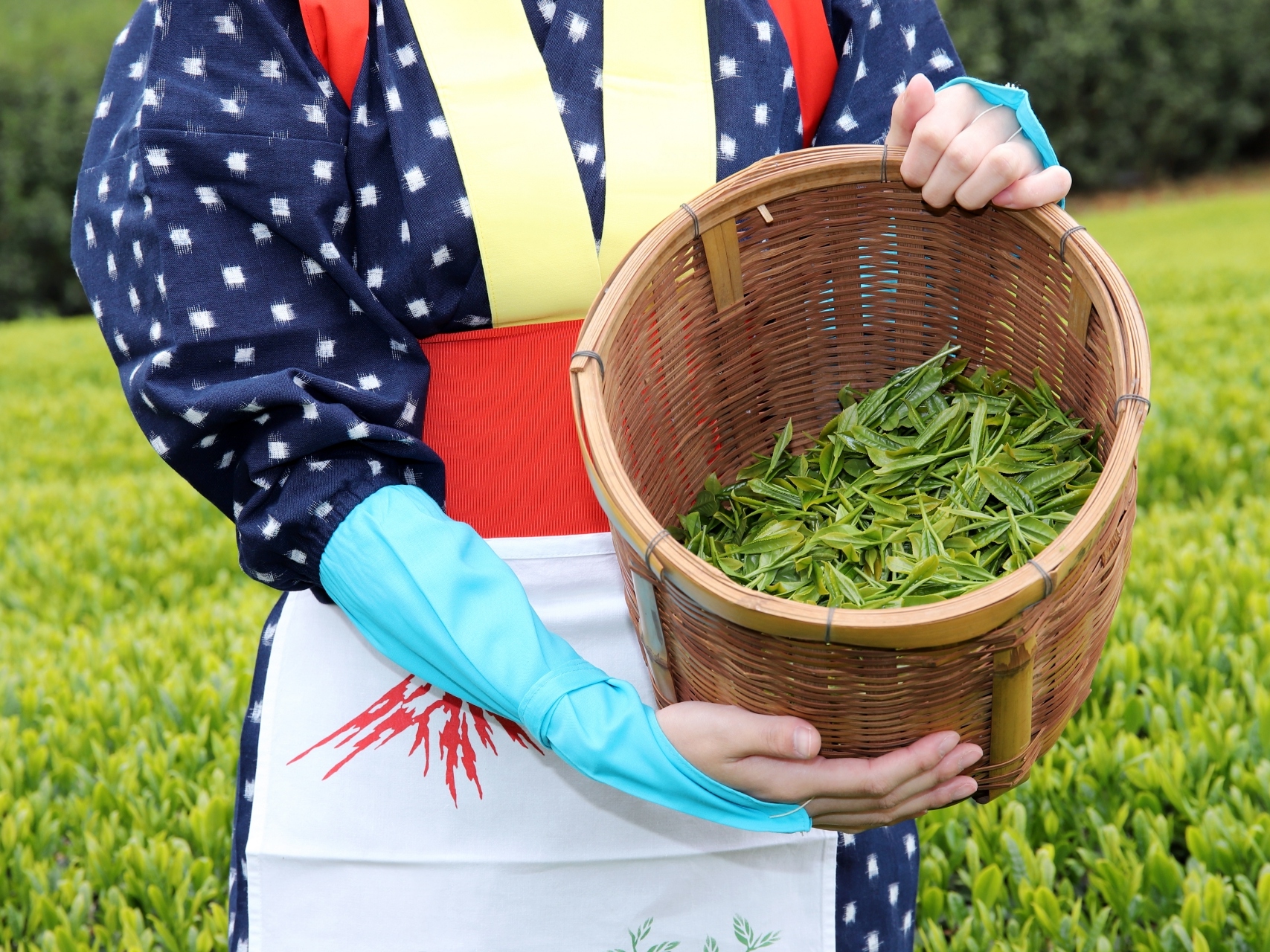
Meet the wife of the owner of a speciality Tea Producer from the region. She is a Tea sommelier originally from Europe and now a professional in her field. She will guide you through the intricate details of what kind of tea from region specializes in. A true tea enthusiasts special moment.
10
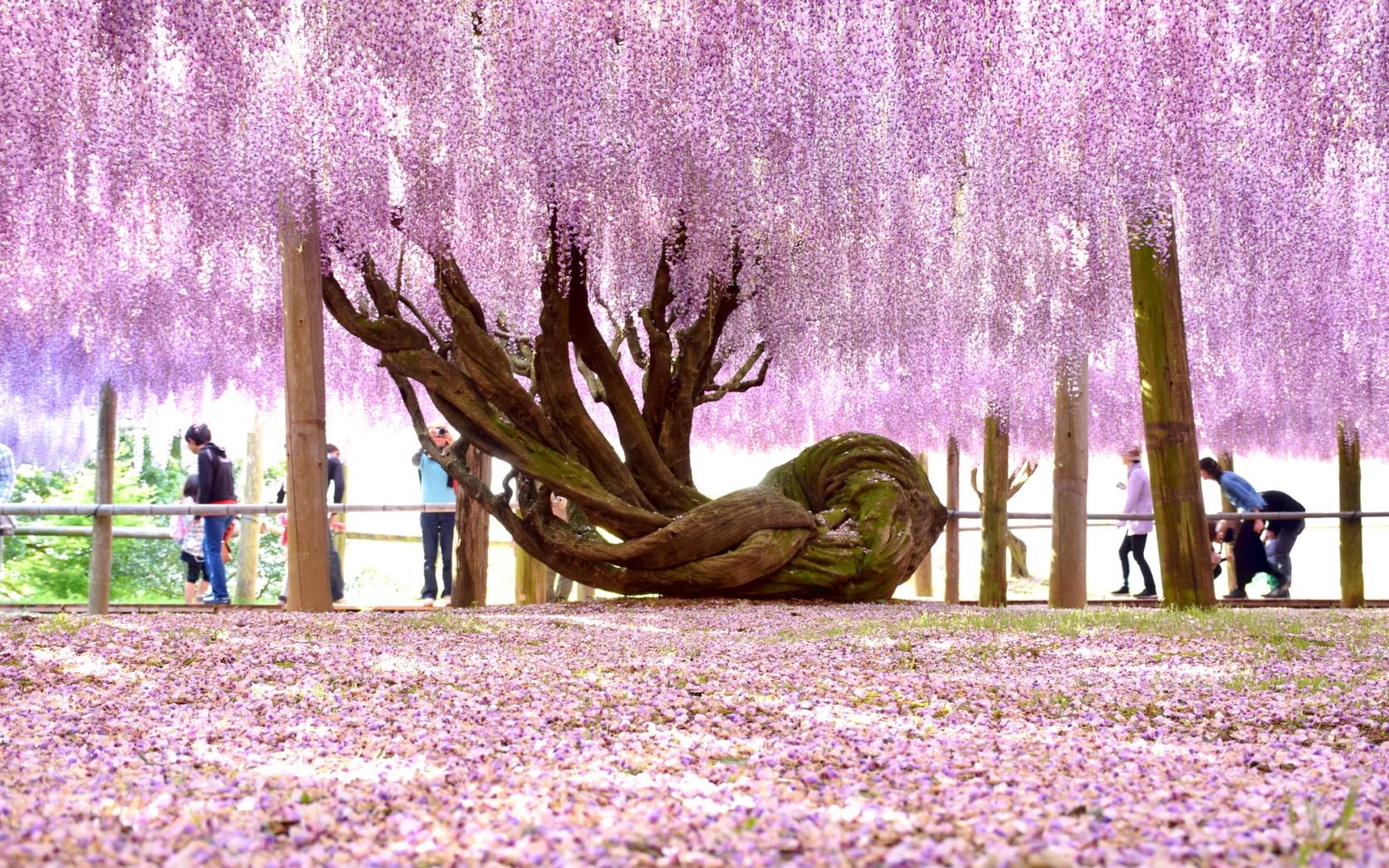
There is a very impressive place located in the rural confines of Saga Prefecture that has significant historical and cultural connotations. It is called the giant tree of Ureshino and for a green tea buff it is the origins of the green tea industry in this region of Kyushu.
Not only is the location completely in the countryside (it's about as rural as you are ever going to get) but no matter what the season the Green Tea fields are still an amazing shade of vibrant green. It's hard to explain that in the middle of winter that colors like this even exist. The contrast is so mazing that it actually blows your mind. The manicured hedges of the Green Tea fields are absolutely mesmerizing. It could be just me but every time I see another interesting hedge shape along the river bank or on the hill I just have to step out of my car and take another picture. It's like a drug, you just can't get enough!
What's not included
Gratuities
Available languages
Guide guide
EN
Reviews breakdown
Viator
5.0
1 reviews
5★
1
4★
0
3★
0
2★
0
1★
0
Tripadvisor
5.0
3 reviews
5★
3
4★
0
3★
0
2★
0
1★
0
Important information
Wheelchair accessible
Infants and small children can ride in a pram or stroller
Specialized infant seats are available
Transportation options are wheelchair accessible
Not recommended for travelers with poor cardiovascular health
Suitable for all physical fitness levels
Of the tours total time of 10 to 11 hours, about 3 hours will be traveling time from one attraction to another. You will have plenty of beautiful scenery to enjoy as well as onboard commentary and free wifi to access.
About Fukuoka
Fukuoka is a vibrant coastal city in southern Japan known for its rich history, delicious cuisine, and warm climate. As the largest city in Kyushu, it offers a perfect blend of traditional culture and modern urban living, making it a must-visit destination for travelers seeking an authentic Japanese experience.
Top Attractions
Ohori Park
A large, beautiful park featuring a lake, gardens, and historic sites. It's a perfect spot for relaxation and outdoor activities.
Nature
1-2 hours
Free (some attractions may have fees)
Fukuoka Castle Ruins
The ruins of a historic castle that played a significant role in Japanese history. The site offers beautiful views and a glimpse into the past.
Historical
1-2 hours
Free
Kushida Shrine
A historic Shinto shrine known for its vibrant festivals and beautiful architecture. It's a significant cultural and religious site.
Religious
30-60 minutes
Free
Canal City Hakata
A large shopping and entertainment complex featuring a canal, theaters, and a wide variety of shops and restaurants.
Shopping/Entertainment
1-3 hours
Free to enter (costs vary for shops and restaurants)
Fukuoka Tower
A iconic tower offering panoramic views of the city and the sea. It's a great spot for photography and sightseeing.
Architecture
1-2 hours
Moderate (entry fee for observation deck and restaurant)
Must-Try Local Dishes
Hakata Ramen
A type of ramen featuring a rich, creamy tonkotsu (pork bone) broth, thin noodles, and toppings like chashu (braised pork) and green onions.
Dinner
Contains pork, gluten (noodles and broth)
Mentaiko
Spicy cod roe, often served as a topping for rice or noodles, or as a side dish.
Snack/Dinner
Contains fish, gluten (if served with rice or noodles)
Motsunabe
A hot pot dish featuring offal, typically beef or pork, cooked in a savory broth with vegetables and tofu.
Dinner
Contains meat, gluten (if served with noodles or dipping sauce)
Yaki Toro
Grilled chicken skewers, often seasoned with salt or soy sauce, and served with a side of grated daikon radish.
Dinner
Contains chicken, gluten (if seasoned with soy sauce)
Popular Activities
Hiking in nearby mountains and parks
Water sports at nearby beaches and waterways
Onsen (hot spring) bathing
Strolling through parks and gardens
Visiting temples, shrines, and historic sites
Attending local festivals and events
Boat rides on the canals of Yanagawa
Swimming and water sports at nearby beaches
Best Time to Visit
Spring (March to May) and Autumn (September to November)
These seasons offer pleasant weather, ideal for outdoor activities and sightseeing. Spring brings beautiful cherry blossoms, while autumn features vibrant fall foliage.
15°C to 25°C
59°F to 77°F
Practical Information
Language
- Official: Japanese
- Widely spoken: English (limited), Chinese (limited), Korean (limited)
- English: Limited
Currency
Japanese Yen (JPY)
Time Zone
JST (UTC+9)
Electricity
100VV, 50/60HzHz
Safety Information
Overall Safety Rating: Very safe
Fukuoka is generally a very safe city with low crime rates. However, as with any destination, it's important to take precautions to ensure a safe and enjoyable trip.
Important Precautions:
- • Be aware of your surroundings and keep valuables secure
- • Use licensed taxis and tour guides
- • Be cautious when using ATMs and avoid sharing your PIN
Getting there
By air
- Fukuoka Airport • 4.5 km from city center
By train
Hakata Station, Fukuoka Station
By bus
Hakata Bus Terminal, Tenjin Bus Center
Getting around
Public transport
The subway system is efficient, clean, and easy to navigate. It consists of three lines: Kūkō Line, Hakozaki Line, and Nanakuma Line.
Taxis
Available • Apps: JapanTaxi, DiDi
Rentals
Car, Bike, Scooter
Neighborhoods
Tenjin
Nakasu
Hakata
Dazaifu
Day trips
Dazaifu
10 km from Fukuoka • Half day to full day
A historic town known for its temples, shrines, and beautiful gardens. It offers a peaceful and culturally rich experience.
Yanagawa
30 km from Fukuoka • Full day
A picturesque town known as the 'City of Waterways' for its network of canals. It offers a unique and charming experience with its historic houses, boat rides, and local specialties.
Beppu
120 km from Fukuoka • Full day to overnight
A popular hot spring resort town known for its numerous hot springs, or 'hells' (jigoku), and scenic beauty. It offers a relaxing and rejuvenating experience.
Festivals
Hakata Gion Yamakasa Festival • July 1-15 (main events on July 15)
Hakata Dontaku Festival • Early May (typically the first Sunday and the following day)
Fukuoka Hakata Matsuri • October 15-18
Pro tips
- Use an IC card, such as Suica or Icoca, for convenient and discounted public transportation
- Try local specialties, such as Hakata ramen, mentsuyaki, and yakitori, at yatai (food stalls) or local restaurants
- Visit popular attractions, such as Ohori Park and Fukuoka Castle Ruins, during the early morning or late afternoon to avoid crowds
- Explore the city's vibrant neighborhoods, such as Tenjin, Nakasu, and Hakata, for shopping, dining, and entertainment options
- Attend local festivals and events, such as the Hakata Gion Yamakasa Festival and the Hakata Dontaku Festival, for a unique and memorable experience
From $25
per person
Price varies by option
Secure booking
Free cancellation available
Instant confirmation



![[Optional Takachiho Boat Ride] Mount Aso & Kusasenri & Takachiho Gorge Day Trip (From Fukuoka)](https://res.klook.com/image/upload/activities/ez6l69gmky9rnwwhi85m.jpg)
![[Fukuoka Departure] Yufuin & Beppu Onsen Day Trip | Nyorinji Temple, Kinrin Lake Floating Torii Gate, Rickshaw Experience, Umi Jigoku (Sea Hell) Tour](https://res.klook.com/image/upload/activities/t66lajajj2ytiy1aznct.jpg)