Hidden Paradise - Satu Beach + Caraiva
Active
7h - 9h
For a full refund, cancel at least 24 hours before the scheduled departure time.
Manual confirmation
Mobile or paper ticket accepted
About this experience
Discovering Praia do Satu and Caraíva will turn your trip to Porto Seguro into an unforgettable memory.
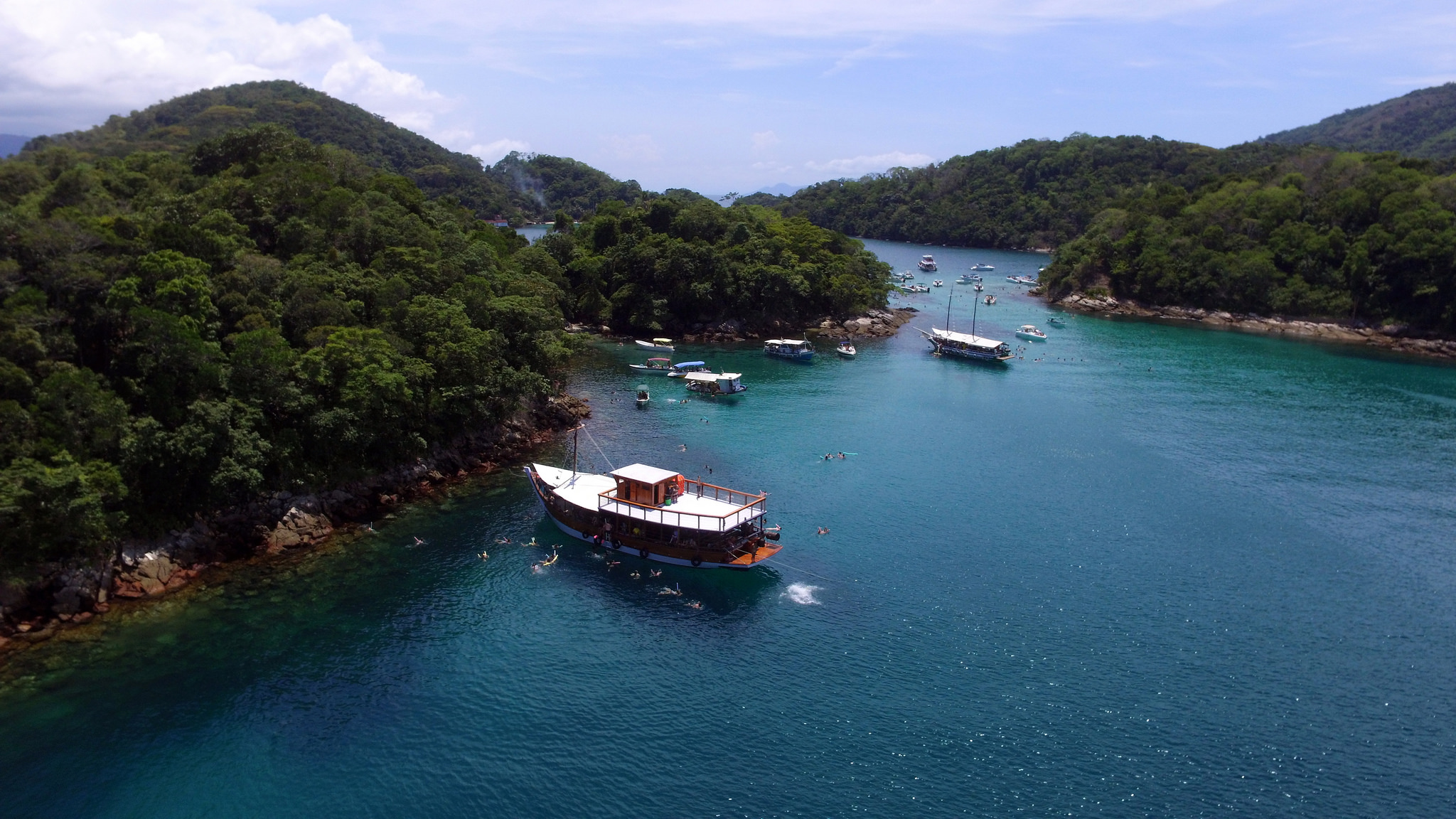
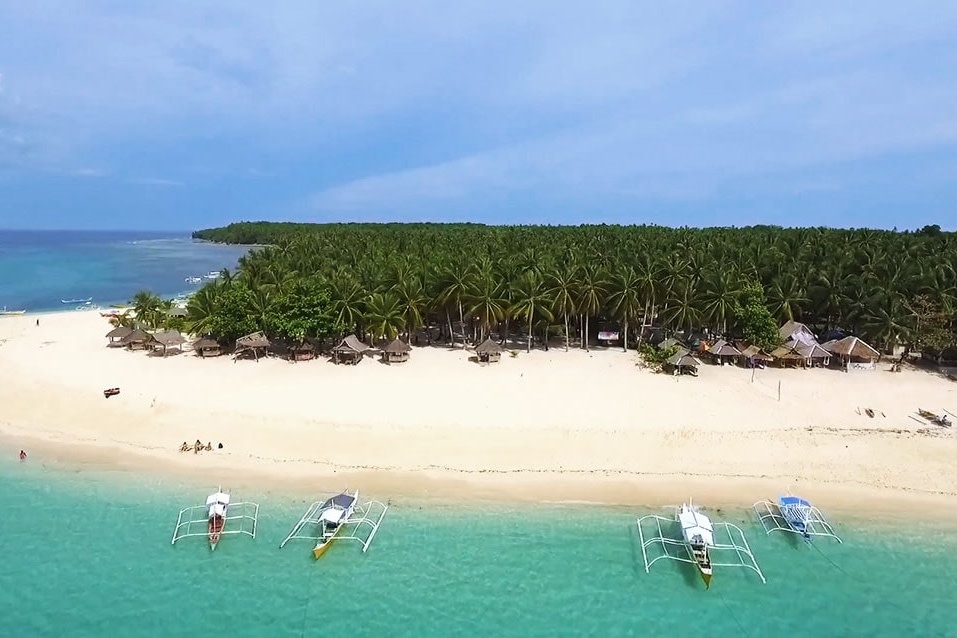
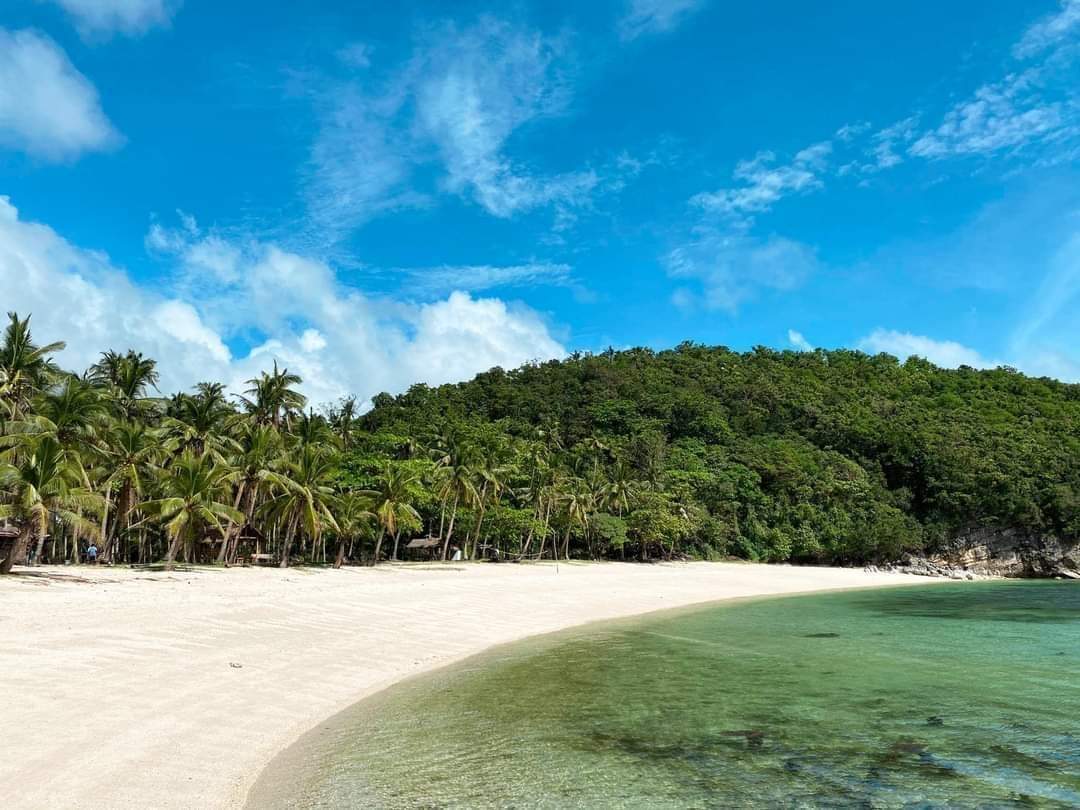
Praia do Satu is surrounded by Atlantic forest and cliffs, it is a peaceful haven with a beautiful freshwater lagoon. Caraíva is a fishing village that enchants with its sandy streets, colorful houses and absence of cars, offering a dip in the Pataxó indigenous history and culture.
The meeting of the river with the sea creates an idyllic setting, while local music and seafood-based cuisine complete the experience.
Connecting with nature and local culture is a profoundly transformed experience. You will rescue your ancestry and connect with this unique energy in Bahia.
Available options
Hidden Paradise - Satu Beach + Caraiva
Pickup included
What's included
Private transportation
Photos and videos included in the tour.
All Fees and Taxes
Air-conditioned vehicle
Detailed itinerary
1
Travel time already included in total duration.
You will fall in love when you discover that hidden (and preserved) paradise in the South of Bahia.
Satu is an amazing blend of all the most beautiful beaches of Porto Seguro in one place.
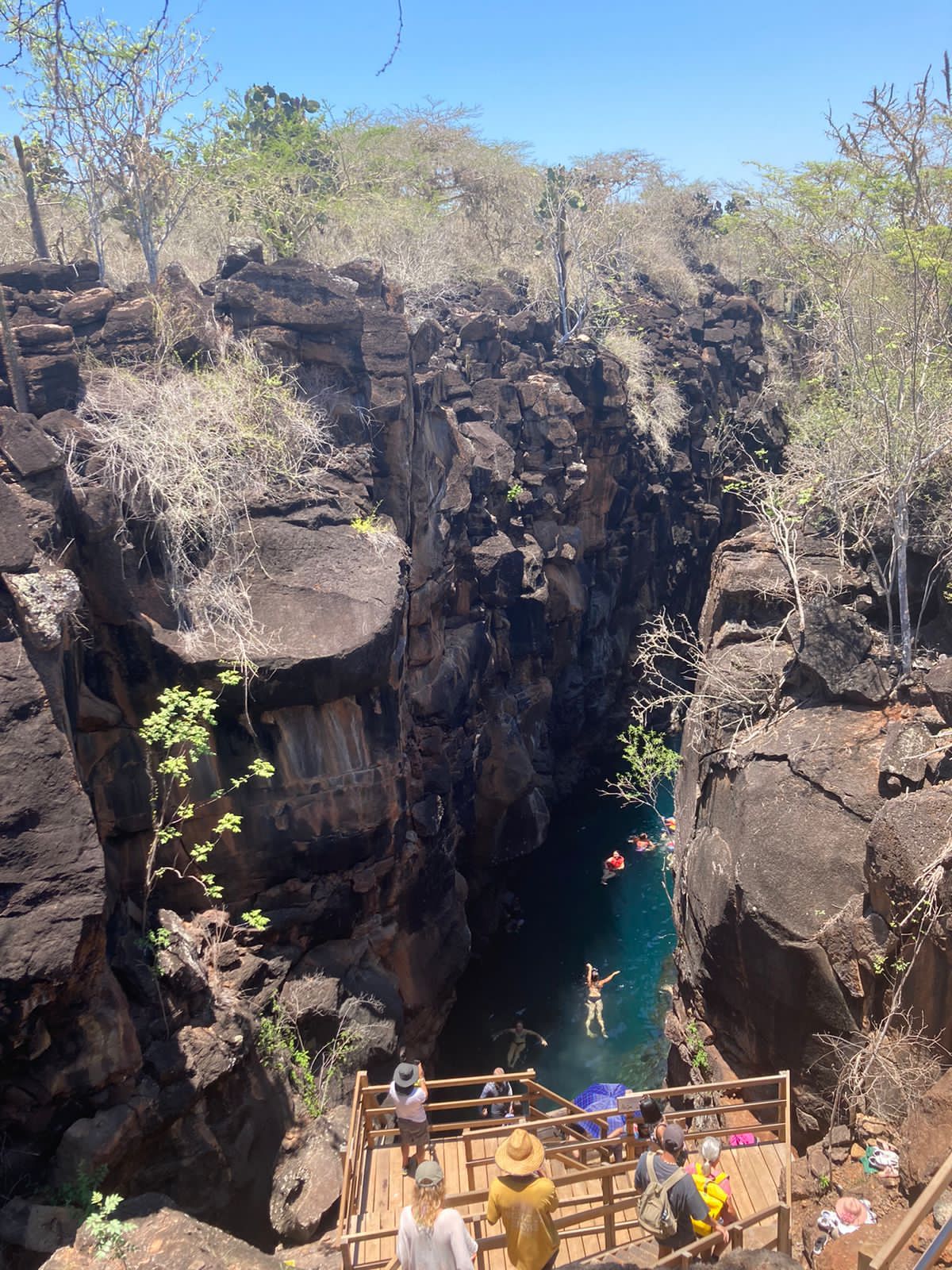
The cliffs of Arraial d'Ajuda, the natural swimming pools of Praia do Espelho, the estuary with freshwater lagoons of Trancoso and the preserved green area of indigenous reserves, all in the same place, at Praia do Satu, Caraiva, Bahia.
2
At this time, it will be possible to visit one of the most bucolic villages in all of Bahia (I would say in the world).
Caraíva has a unique atmosphere that delights all visitors. Perhaps it's because of the calm you feel upon arrival, crossing the Caraíva River by canoe or walking along the sandy streets with the colorful houses.
The energy of the place is unique and warm. Behind the brand, there is a strong story about miscegenation between whites and indigenous peoples that is worth telling.
You will be enchanted by every little piece of Caraíva. Don't miss this chance to visit 02 of the most famous tourist destinations in the country on the same day!
What's not included
Lunch
Only for over 18 years old
Available languages
Audio guide
PT
EN
ES
Guide guide
PT
ES
Written guide
PT
EN
ES
Reviews breakdown
Tripadvisor
4.9
31 reviews
5★
30
4★
0
3★
0
2★
0
1★
1
Important information
Infants and small children can ride in a pram or stroller
Service animals allowed
Infants are required to sit on an adult’s lap
Suitable for all physical fitness levels
Important notes
Access the website www.portoseguropasseios.com.br or (73) 99988 1993 for more information and direct prices with the company responsible for performing the service.
About Porto Seguro
Porto Seguro is a historic and vibrant coastal city in Northeast Brazil, known for its stunning beaches, rich cultural heritage, and lively nightlife. It's where the first Portuguese settlers arrived in 1500, making it a significant historical site with a unique blend of colonial charm and tropical beauty.
Top Attractions
Historic Center of Porto Seguro
The Historic Center of Porto Seguro is a UNESCO World Heritage Site, featuring well-preserved colonial architecture, cobblestone streets, and historic landmarks that showcase the city's rich history.
Historical
2-3 hours
Free to explore, some attractions may have entry fees
Tambaú Beach
Tambaú Beach is one of the most popular beaches in Porto Seguro, known for its golden sands, clear waters, and vibrant atmosphere. It's a great spot for swimming, sunbathing, and enjoying beachside dining and nightlife.
Beach
Half day or full day
Free, beach chairs and umbrellas available for rent (R$ 20-50)
Passo Beach
Passo Beach is a more secluded and natural beach, perfect for those looking to escape the crowds and enjoy a more peaceful beach experience. It's known for its beautiful scenery, clear waters, and excellent snorkeling spots.
Beach
Half day or full day
Free, some beachside establishments may charge for services
Rua do Cacao
Rua do Cacao is a charming street in the Historic Center of Porto Seguro, lined with colorful colonial houses, local shops, and art galleries. It's a great place to explore the city's culture, history, and local crafts.
Cultural
1-2 hours
Free to explore, shopping and dining expenses vary
Monte Pascoal National Park
Monte Pascoal National Park is a stunning natural reserve located near Porto Seguro, known for its lush forests, waterfalls, and the iconic Monte Pascoal mountain, which was the first landmark spotted by the Portuguese explorers.
Nature
Full day
R$ 10-20 entry fee, depending on the trail or activity
Must-Try Local Dishes
Moqueca
A traditional Bahian seafood stew made with fresh fish, shrimp, or crab, coconut milk, palm oil, and a blend of local spices and herbs. It's typically served with rice, farofa (toasted cassava flour), and pirão (a thick, dough-like sauce made from cassava flour and fish broth).
Dinner
Contains seafood, dairy (coconut milk), and gluten (farofa and pirão)
Acarajé
A popular Bahian street food made from deep-fried black-eyed pea fritters stuffed with spicy shrimp, vatapá (a creamy paste made from bread, shrimp, coconut milk, and spices), and sometimes other fillings like caruru (a leafy green stew).
Snack
Contains seafood, dairy (coconut milk), and gluten (bread in vatapá)
Coconut Shrimp
A coastal specialty featuring succulent shrimp coated in a mixture of coconut and spices, then fried to golden perfection. It's often served with a tangy lime and coconut sauce, as well as traditional sides like rice, beans, and farofa.
Dinner
Contains seafood, dairy (coconut), and gluten (farofa)
Coconut Water and Fresh Fruit
Porto Seguro is known for its abundant tropical fruits, and fresh coconut water is a popular and refreshing drink. Be sure to try local fruits like mango, papaya, pineapple, and banana, often served in delicious juices, smoothies, or fruit salads.
Drink/Snack
Vegan and gluten-free options available
Popular Activities
Snorkeling and diving
Hiking and nature walks
Water sports and activities
Beach activities
Spa and wellness treatments
Yoga and meditation
Exploring the Historic Center
Visiting local museums and art galleries
Best Time to Visit
June to September
This is the dry season with warm temperatures and lower humidity, making it ideal for beach activities and sightseeing. It's also the peak tourist season with lively events and festivals.
24°C to 30°C
75°F to 86°F
Practical Information
Language
- Official: Portuguese
- Widely spoken: English (in tourist areas and by younger generations)
- English: Moderately spoken in tourist areas, limited elsewhere
Currency
Brazilian Real (BRL)
Time Zone
GMT-3 (Brasília Time, BRT)
Electricity
110V and 220V (some areas may have different voltages, so it's important to check with your accommodation)V, 60HzHz
Safety Information
Overall Safety Rating: Exercise caution
Porto Seguro is generally a safe destination for tourists, but like any popular tourist destination, it has its share of petty crime and safety concerns. Visitors should be aware of their surroundings, take precautions to protect their belongings, and avoid risky situations, especially at night and in less touristy areas.
Important Precautions:
- • Keep your belongings close and secure, especially in crowded areas and on public transportation
- • Be cautious when using ATMs and avoid using them at night or in isolated areas
- • Use reputable taxi companies or ride-sharing apps, and always agree on a price before starting your journey
Getting there
By air
- Porto Seguro Airport • 3 km from city center
By bus
Rodoviária de Porto Seguro
Getting around
Public transport
The bus system is the primary mode of public transportation in Porto Seguro. Buses are affordable and frequent, but they can be crowded during peak hours.
Taxis
Available • Apps: Uber, 99 Taxis
Rentals
Car, Bike, Scooter
Neighborhoods
Historic Center
Tambaú
Arraial d'Ajuda
Passo
Day trips
Arraial d'Ajuda
10 km from Porto Seguro • Half day or full day
Arraial d'Ajuda is a charming and bohemian beach town near Porto Seguro, known for its beautiful beaches, local crafts, and relaxed atmosphere. It's a great destination for a day trip, offering a mix of relaxation, culture, and adventure.
Corumbau
60 km from Porto Seguro • Full day
Corumbau is a secluded and pristine beach town located about an hour's drive from Porto Seguro. It's known for its stunning natural beauty, tranquil atmosphere, and excellent snorkeling and diving spots.
Transacoes Beach
20 km from Porto Seguro • Half day or full day
Transacoes Beach is a beautiful and secluded beach located about 20 minutes from Porto Seguro. It's known for its stunning natural beauty, tranquil atmosphere, and excellent snorkeling and diving spots.
Festivals
Festival de Verão (Summer Festival) • July
Carnaval de Porto Seguro • February/March (dates vary each year)
Festa de São João (Saint John's Festival) • June
Pro tips
- Visit the Historic Center early in the morning or late in the afternoon to avoid the heat and crowds
- Try the local specialties, such as moqueca, acarajé, and coconut shrimp, for an authentic taste of Bahian cuisine
- Explore the city's vibrant nightlife and cultural scene, with many bars, clubs, and live music venues to choose from
- Take a day trip to nearby attractions, such as Arraial d'Ajuda, Corumbau, and the Monte Pascoal National Park, for a more immersive and diverse travel experience
- Learn some basic Portuguese phrases to enhance your interactions with locals and gain a deeper understanding of the city's culture and history
From $25
per person
Price varies by option
Secure booking
Free cancellation available