Alexander the Great Private Tour at Vergina and Pella
Active
9h
For a full refund, cancel at least 24 hours before the scheduled departure time.
Instant confirmation
Mobile or paper ticket accepted
About this experience
Step Into the Footsteps of Alexander the Great – Pella & Vergina Experience
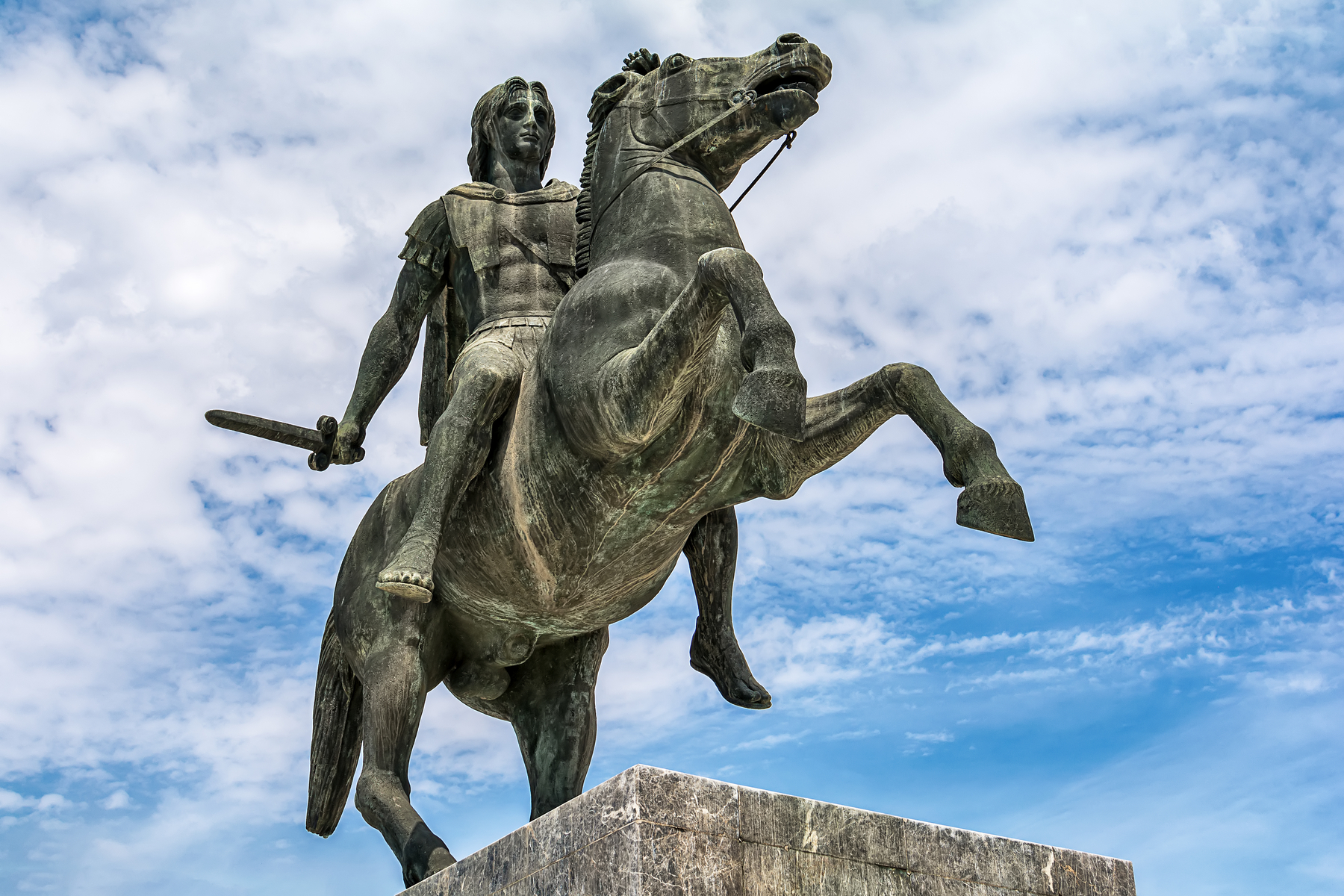
Embark on a captivating journey through time as you explore the ancient heart of Macedon. Begin in Pella, the birthplace of Alexander the Great, where grand mosaics, majestic ruins, and a world-class museum reveal the sophistication of this ancient capital. Then, travel to Vergina, home to the Royal Tombs of Aigai, where the treasures of King Philip II—golden wreaths, weapons, and stunning frescoes—await in a breathtaking underground museum. Visit the monumental Palace of Aigai and the cutting-edge Polycentric Museum, where ancient history comes vividly to life. This unforgettable day offers luxury, depth, and the thrill of walking in the footsteps of kings.
History, wonder, and elegance—all in one curated experience. Join us.
Available options
Group up to 3 persons
Luxury Car<br/>Pickup included
Group up to 7 persons
Luxury Minivan<br/>Pickup included
Group up to 15 persons
Luxury Minibus<br/>Pickup included
What's included
Private transportation
WiFi on board
Bottled water
Air-conditioned vehicle
Coffee and/or Tea
eneral entrance fee at the Archaeological Sites & Museum of Vergina
General entrance fee at the Archaeological Site & Museum of Pella
Detailed itinerary
1
Pick-up from your location in Thessaloniki and drive approximately for 1 hour to Pella. Upon the arrival, you will enjoy one hour private tour to the Archaeological site.
Pella, located in northern Greece, was the ancient capital of Macedon and the birthplace of Alexander the Great. The site features an impressive grid-plan city layout, monumental public buildings, and luxurious private homes with intricate pebble mosaics. Excavations have revealed the agora, palatial structures, and sanctuaries, illustrating the city’s political and cultural significance from the 4th century BCE. Pella thrived under Philip II and continued to flourish into the Hellenistic period. Its remains reflect a blend of Greek urban planning and Macedonian grandeur. Today, it offers valuable insight into ancient Macedonian society, art, and architecture.
2
The Archaeological Museum of Pella, inaugurated in 2009, is situated near the ancient Macedonian capital and birthplace of Alexander the Great. Designed by architect Kostas Skroumpellos, the museum features a central atrium reminiscent of ancient Pella's peristyle courtyards. Its exhibitions are organized into thematic sections: daily life, public life, religious practices, burial customs, and the royal palace. Highlights include intricate pebble mosaics like the "Stag Hunt," a marble head believed to depict Alexander, and the Pella curse tablet inscribed in Doric Greek. The museum offers a comprehensive insight into the cultural and historical significance of ancient Pella.
3
After finishing with the tour at Pella, we will drive (approximately) for 1 hour to Vergina. You will enjoy 1 hour lunch in a traditional family restaurant. After lunch, you can enjoy the tour at Vergina.
The Museum of the Royal Tombs of Aigai, located in Vergina, Central Macedonia, is an underground museum built to preserve and showcase the royal tombs of ancient Macedon. Inaugurated in 1997, it houses the burial cluster of Philip II, father of Alexander the Great, and other members of the Temenid dynasty. The museum's design maintains constant temperature and humidity to protect delicate artifacts and murals. Exhibits include the golden larnax adorned with the Vergina Sun, Philip's gold wreath, intricately crafted weapons, armor, and ivory reliefs. Visitors can explore the tombs in situ, gaining insight into ancient Macedonian royal burial practices and artistry.
4
The Polycentric Museum of Aigai in Vergina, Greece, offers a comprehensive exploration of ancient Macedonian heritage. Its central museum building serves as the symbolic gateway to the archaeological site of Aigai, the first capital of Macedon. The museum features exhibitions such as "Aigai Memory" and "Oikoumeni Antidoron," showcasing artifacts from Aigai and collaborations with other institutions. A highlight is the reconstructed upper floor of Philip II's palace facade, presented in the large atrium. The museum also hosts the digital exhibition "Alexander the Great, from Aigai to the Oikoumeni," providing insights into the Hellenistic world . Together with the Royal Tombs and other archaeological sites, the museum forms a holistic cultural experience.
5
The Palace of Aigai, located in Vergina, Greece, was the monumental residence of the ancient Macedonian kings and a symbol of their power. Built in the 4th century BCE during the reign of Philip II, it was among the largest and most luxurious structures of Classical Greece. Positioned on a hill with panoramic views, it featured a vast peristyle courtyard, banquet halls, and elaborate mosaic floors. The palace functioned not only as a royal residence but also as a political and ceremonial center. Its grandeur reflects the wealth and influence of the Macedonian kingdom at its height under Philip and Alexander.
After the Palace of Aigai, we drive (approximately 1 hour) back to Thessaloniki.
What's not included
Lunch
Available languages
Guide guide
DE
EN
IT
FR
ES
Important information
Wheelchair accessible
Infants and small children can ride in a pram or stroller
Public transportation options are available nearby
Specialized infant seats are available
Transportation options are wheelchair accessible
All areas and surfaces are wheelchair accessible
Suitable for all physical fitness levels
About Thessaloniki
Thessaloniki is Greece's second-largest city and a vibrant cultural hub with a rich history dating back to ancient times. Known for its Byzantine monuments, Ottoman architecture, and lively food scene, it offers a unique blend of old and new.
Top Attractions
White Tower
The iconic White Tower is a symbol of Thessaloniki and offers panoramic views of the city and the Thermaic Gulf.
Historical
1-2 hours
€8
Rotunda
A historic monument that has served as a Roman temple, church, and mosque. It is now a museum.
Historical
1 hour
€4
Aristotelous Square
A beautiful square by the sea, lined with cafes and restaurants, and a popular spot for both locals and tourists.
Landmark
1-2 hours
Free
Church of Saint Demetrios
A significant Byzantine church dedicated to the city's patron saint, Saint Demetrios.
Religious
1 hour
Free
Waterfront Promenade
A scenic promenade along the Thermaic Gulf, perfect for walking, cycling, or enjoying a meal with a view.
Nature
1-2 hours
Free
Must-Try Local Dishes
Bougatsa
A sweet or savory pie filled with custard or cheese, often served for breakfast.
Breakfast
Vegetarian options available
Souvlaki
Grilled meat skewers, often served with pita bread and tzatziki sauce.
Lunch/Dinner
Can be made with chicken, pork, or lamb
Greek Salad
A fresh salad made with tomatoes, cucumbers, onions, olives, and feta cheese.
Lunch/Dinner
Vegetarian
Popular Activities
Hiking in Mount Olympus
Water sports in Chalkidiki
Sunbathing at the beaches
Enjoying a meal at a waterfront restaurant
Visiting museums and historical sites
Attending local festivals and events
Swimming
Boat tours
Best Time to Visit
May to September
This is the best time to visit Thessaloniki for warm weather and outdoor activities. The city is lively with festivals and events.
20°C to 35°C
68°F to 95°F
Practical Information
Language
- Official: Greek
- Widely spoken: English, French
- English: Moderately spoken
Currency
Euro (EUR)
Time Zone
EET (UTC+2)
Electricity
230VV, 50HzHz
Safety Information
Overall Safety Rating: Generally safe
Thessaloniki is generally safe for tourists, but petty crime such as pickpocketing can occur in crowded areas.
Important Precautions:
- • Be cautious of pickpockets in crowded areas
- • Use licensed taxis or ride-sharing apps
- • Keep valuables secure and out of sight
Getting there
By air
- Macedonia International Airport • 13 km from the city center
By train
Thessaloniki Railway Station
By bus
Thessaloniki Central Bus Station (KTEL)
Getting around
Public transport
The bus network covers most of the city and is affordable. Buses are the most common form of public transport.
Taxis
Available • Apps: Beat, Taxibeat
Rentals
Car, Bike, Scooter
Neighborhoods
Ladadika
Ano Poli
Modiano Market
Day trips
Mount Olympus
100 km • Full day
The highest mountain in Greece, known for its mythological significance and stunning views.
Vergina
70 km • Half day
An ancient city known for its archaeological sites, including the royal tombs of the Macedonian kings.
Chalkidiki
100 km • Full day or overnight
A beautiful peninsula with stunning beaches, clear waters, and picturesque villages.
Festivals
International Thessaloniki Film Festival • November
Dionysia Festival • October
Pro tips
- Visit the White Tower at sunset for the best views
- Try the local delicacy, bougatsa, at a historic cafe
- Explore the city's vibrant nightlife in the Ladadika district
- Take a day trip to the beautiful beaches of Chalkidiki
- Use the city's extensive bus network to get around
From $25
per person
Price varies by option
Secure booking
Free cancellation available
Instant confirmation