Visit Archaeological Site of Philippi & Kavala, Private Day Tour
Active
9h
For a full refund, cancel at least 24 hours before the scheduled departure time.
Instant confirmation
Mobile or paper ticket accepted
About this experience
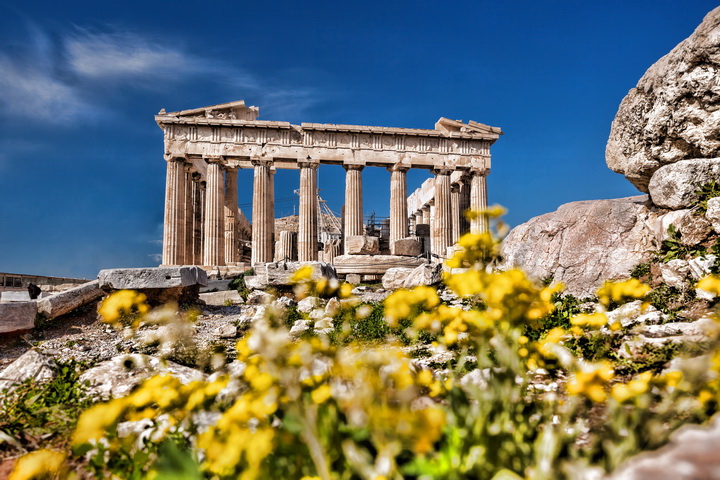
The archaeological site of Philippi, near Kavala, has one of the richest histories of all ancient Greek ruins, playing a pivotal role in Macedonian, Roman, and Early Christian history.
As you explore the archaeological site, you will appreciate the city’s transition from Hellenistic settlement to the Roman colony, with the expansion of the theatre, the creation of the Forum (the Roman agora), and the proliferation of buildings central to everyday ancient life (including baths, cisterns, and latrines that had running water).
The third chapter in Philippi’s story came in 49 or 50 AD when the Apostle Paul preached the words of the world’s newest religion within its walls. He was briefly thrown into jail as a result but that didn’t stop Philippi from becoming a metropolitan of Early Christianity. As you walk around, you will literally be retracing some of the first steps of Christianity in Europe.
Available options
For 1, 2, 3 or 4 persons
Car<br/>Pickup included
For 5, 6, 7, or 8 persons
Minivan<br/>Pickup included
What's included
WiFi on board
Pick up and drop off service from your hotel in Thessaloniki
After the trip you will receive with email photos and video of your trip.
Certified English Speaking Guide
Transportation by air-conditioned V.I.P. vehicle
Professional chauffeur (English-speaking)
Bottle of water and coffee during the route (free)
Detailed itinerary
1
Pick-up time from Thessaloniki: 09:00
Arrival at the Archaeological Museum of Philippoi at 11:00
The Archaeological Museum of Philippi contains two exhibition units in which the finds from the excavations in the ancient city are on permanent display:
Unit A: This unit takes up the whole of the ground floor and has a surface area of 380 sq. m. It contains the archaeological (inscriptions, sculptures, vases, coins, jewellery), historical and visual material of the city of Philippi and its region from the prehistoric period until the end of Roman antiquity.
Unit B: This unit occupies the first floor of the building, with a surface area of 205 sq. m. In here there is a presentation of the Christian city (inscriptions, architectural members, mosaics, vases, coins) from the Early Christian period of its rise until its decline in the seventh century AD, and its complete abandonment after the Turkish conquest of the late 14th century.
2
The most important archaeological site of eastern Macedonia, with characteristic monuments of the Hellenistic, Roman and Early Christian periods.
The history of the site of Philippi begins in 360/359 B.C. when the colonists from Thasos founded the first city, called Krenides. In 356 B.C. the city is endangered by the Thacians and it turns to king Philip II for support. Philip had already foreseen the economic and strategic importance of the city, so he conquered it, he fortified it and he renamed it after himself (Philippi). After the battle of Philippi, in 42 B.C., the city became a Roman colony and its importance was stressed by the fact that it was located on the Via Egnatia.
A landmark in the history of Philippi was the year A.D 49 or 50, when Apostole Paul visited the city and established there the first Christian Church of Europe. This made Philippi a metropolis of Christianity.
3
Arrival at the Archaeological Museum of Philippoi at 11:00
Next to the ancient, archaeological site of Philippi located the place where the Apostle Paul baptized the first Christian woman in Europe - Lydia, and it was here that the first baptismal ceremony was held in Europe. Today here is the Baptistery where the christenings are held today.
In the town of Krynides in the Kavala region, next to the ancient city of Philippi there is a unique, monumental church of the Equal-to-the-Apostles Saint Lydia of the Philippisias. This is a modern architectural monument, the reason for the construction of which served as the stay of the Apostle Paul in this region.
According to the narrative of Evangelist Luke, the Apostle Paul arrived in Philippi, the most important city in the region in the winter of the 49 - 50 AD during his first trip to Greece.
Lydia was the first Greek and first European woman, baptized by the Apostle Paul.
4
Lunch Time
Duration: 2 hours
What's not included
Gratuities
Guide who speaks your language
Lunch
Coffee, Tea, Refreshments, Drinks or Juice, Snacks
Available languages
Guide guide
EN
Written guide
EN
Reviews breakdown
Viator
5.0
1 reviews
5★
1
4★
0
3★
0
2★
0
1★
0
Tripadvisor
5.0
1 reviews
5★
1
4★
0
3★
0
2★
0
1★
0
Important information
Specialized infant seats are available
Public transportation options are available nearby
Infants and small children can ride in a pram or stroller
Wheelchair accessible
Suitable for all physical fitness levels
About Thessaloniki
Thessaloniki is Greece's second-largest city and a vibrant cultural hub with a rich history dating back to ancient times. Known for its Byzantine monuments, Ottoman architecture, and lively food scene, it offers a unique blend of old and new.
Top Attractions
White Tower
The iconic White Tower is a symbol of Thessaloniki and offers panoramic views of the city and the Thermaic Gulf.
Historical
1-2 hours
€8
Rotunda
A historic monument that has served as a Roman temple, church, and mosque. It is now a museum.
Historical
1 hour
€4
Aristotelous Square
A beautiful square by the sea, lined with cafes and restaurants, and a popular spot for both locals and tourists.
Landmark
1-2 hours
Free
Church of Saint Demetrios
A significant Byzantine church dedicated to the city's patron saint, Saint Demetrios.
Religious
1 hour
Free
Waterfront Promenade
A scenic promenade along the Thermaic Gulf, perfect for walking, cycling, or enjoying a meal with a view.
Nature
1-2 hours
Free
Must-Try Local Dishes
Bougatsa
A sweet or savory pie filled with custard or cheese, often served for breakfast.
Breakfast
Vegetarian options available
Souvlaki
Grilled meat skewers, often served with pita bread and tzatziki sauce.
Lunch/Dinner
Can be made with chicken, pork, or lamb
Greek Salad
A fresh salad made with tomatoes, cucumbers, onions, olives, and feta cheese.
Lunch/Dinner
Vegetarian
Popular Activities
Hiking in Mount Olympus
Water sports in Chalkidiki
Sunbathing at the beaches
Enjoying a meal at a waterfront restaurant
Visiting museums and historical sites
Attending local festivals and events
Swimming
Boat tours
Best Time to Visit
May to September
This is the best time to visit Thessaloniki for warm weather and outdoor activities. The city is lively with festivals and events.
20°C to 35°C
68°F to 95°F
Practical Information
Language
- Official: Greek
- Widely spoken: English, French
- English: Moderately spoken
Currency
Euro (EUR)
Time Zone
EET (UTC+2)
Electricity
230VV, 50HzHz
Safety Information
Overall Safety Rating: Generally safe
Thessaloniki is generally safe for tourists, but petty crime such as pickpocketing can occur in crowded areas.
Important Precautions:
- • Be cautious of pickpockets in crowded areas
- • Use licensed taxis or ride-sharing apps
- • Keep valuables secure and out of sight
Getting there
By air
- Macedonia International Airport • 13 km from the city center
By train
Thessaloniki Railway Station
By bus
Thessaloniki Central Bus Station (KTEL)
Getting around
Public transport
The bus network covers most of the city and is affordable. Buses are the most common form of public transport.
Taxis
Available • Apps: Beat, Taxibeat
Rentals
Car, Bike, Scooter
Neighborhoods
Ladadika
Ano Poli
Modiano Market
Day trips
Mount Olympus
100 km • Full day
The highest mountain in Greece, known for its mythological significance and stunning views.
Vergina
70 km • Half day
An ancient city known for its archaeological sites, including the royal tombs of the Macedonian kings.
Chalkidiki
100 km • Full day or overnight
A beautiful peninsula with stunning beaches, clear waters, and picturesque villages.
Festivals
International Thessaloniki Film Festival • November
Dionysia Festival • October
Pro tips
- Visit the White Tower at sunset for the best views
- Try the local delicacy, bougatsa, at a historic cafe
- Explore the city's vibrant nightlife in the Ladadika district
- Take a day trip to the beautiful beaches of Chalkidiki
- Use the city's extensive bus network to get around
From $25
per person
Price varies by option
Secure booking
Free cancellation available
Instant confirmation