Historical Rio Walking Tour
Active
4h
For a full refund, cancel at least 24 hours before the scheduled departure time.
Instant confirmation
Mobile or paper ticket accepted
About this experience
If you want to have a different and cultural morning, come with us and take the subway to enjoy a guided walking tour in downtown Rio. Many cariocas still refer to downtown as “the City”, as if it were a city apart, so busy, profuse and attractive. Rich in history and buildings of great architectural appeal, the center of the former capital of the country is best absorbed in the details when you walk through it.
You can also extend your tour and take the afternoon part of this walking tour. Please check our complete walking tour called "Rio Walking Tour - City Center plus Olympic Boulevard and Museum of Tomorrow"
Available options
Historical Rio Walking Tour
What's included
Professional guide
Detailed itinerary
1
Stop 1
You will meet our tour guide at the entrance of the Belmond Copacabana Palace Hotel and you will be taken by subway to downtown, stopping at Cinelândia Station
2
Stop 2
Pass by
The metro station from the 1900's is a relic of the French Architectural influence in Brazil.
3
Stop 3
Pass by
A French Renaissance-style building with a collection of paintings by Brazil's finest contemporary artists as well as an impressive array of folk and African art.
4
Stop 4
Pass by
The Municipal Theather, and the city Opera's House, from 1909, is filled with gilded mirrors, statues, murals, stained-glass windows and sparkling chandeliers.
5
Stop 5
Pass by
The National Library is the depository of the bibliographical and documentary heritage of Brazil, considered by UNESCO as the seventh largest national library in the world, and is also the largest library in Latin America
Read more about Best of Rio Walking Tour - City Center, Olympic Boulevard and Museum of Tomorrow 2018 - Rio de Janeiro - https://www.viator.com/tours/Rio-de-Janeiro/Best-of-Rio-Walking-Tour-City-Center-Olympic-Boulevard-and-Museum-of-Tomorrow/d712-21513P22?mcid=56757
6
The Pedro Ernesto Palace, the building that now houses the City Council of the municipality, is part of one of the most valuable architectural ensembles of the city. In the main facade facing the square, perfectly symmetrical and rich in details, the access staircase, the upper gallery with its double columns and the two "tempiettos" that adorn the corners of the building deserve special attention.
7
The Cultural Center of the Federal Justice is a known space for incentivizing and ensuring access of the population to many ways of cultural expression, hosting expositions, dance and music shows, courses, seminars, lectures and others.
8
Stop 8
Pass by
This marvelous palace in the center of the city draws attention to those who pass by and get delighted with its Corinthian columns and its eclectic style. The Tiradentes Palace was the former building of the Brazilian National Congress, between 1926 and 1960, and is the current seat of the State Legislative Assembly.
9
Stop 9
Pass by
The square is located between Estação das Barcas, from where boats leave for Niterói, Rua 1º de Março, Arco do Teles and Paço Imperial, colonial building built in the 18th century to be the residence of the governors of the Captaincy of Rio de Janeiro and which later also became inhabited by the King of Portugal Dom João VI and by emperors of Brazil. Today, the Paço is a cultural center.
One of the symbols of the square is the fountain of Mestre Valentim, inaugurated in 1789, which is deactivated. In the square, also is located the Church of Our Lady of Monte do Carmo. In 1888, the square was the scene of celebrations by the Golden Law, signed by Princess Isabel, who extinguished slavery in the country.
10
Stop 10
Pass by
Built in 1743, it was used as the House of the Viceroys of Brazil. With the entrance of the Court of D. João VI to Rio de Janeiro, the Palace became the seat of the governments of the Kingdom and the Empire. After the Proclamation of the Republic, the Post and Telegraph were located. In 1938, it was listed by National Historical and Artistic Heritage and today is one of the milestones of the city's cultural history. Since 1985, Paço Imperial has been a cultural center linked to the National Historical and Artistic Heritage Institute of the Ministry of Culture, and it has a free entrance all year round.
11
Stop 11
Pass by
The architectural lines of the façade is ecletic style, feature the beginning of the century, built to headquarter a Brazilian Lloyd school. But it didn’t happen and the building was used, for more than 50 years, to make the administrative and operational post areas could work. In 80s, the immobile was disabled to reform it, being reopened in July 2nd, in 1992, partly renovated, to receive the “Exposição Ecológica 92”, integral event of the United Nations Conference on Environment Calendar. – RIO 92
The official inauguration of Centro Cultural Correios happened in August of the next year with the World official exposition Filatelia – Brasiliana, 93. Since then, the Centro Cultural Correios is marking the presence of the Institute in the city promoting events in many areas on many vacancies, like theater, video, music, arts with promotions and events in many areas focusing on the integration of carioca’s people with a varied ways of artistic expression.
12
One of the most interesting tours that can be done in the Center of Rio is to cross the alleys and alleys that form the Travessa do Comércio, near Praça XV. Travessa, closed to car traffic, is one of the few places in the city that, in a way, preserves the traits of colonial times.
13
Stop 13
Pass by
Commissioned in 1819 by King João VI to Grandjean de Montigny, architect of the French Artistic Mission, the work itself is an important historical document. This is the first record of the neoclassical style in Rio de Janeiro, a tendency that would then become popular, giving the city marked by its colonial houses a more cosmopolitan tone, European fashion.
14
Stop 14
Pass by
The CCBB is a cultural center that consists of exhibition rooms, three theaters, a library, cinema, and a video room. It is housed in an art deco style building located in what used to be the financial district of Rio de Janeiro.
15
Stop 15
Pass by
The Church of Our Lady of Candelaria is a Catholic temple located in the Center of the city of Rio de Janeiro, Brazil. It is one of the main religious monuments of the city, the traditional stage of weddings of the Carioca society.
What's not included
Food and drinks
Gratuities
Hotel pickup and drop-off
Available languages
Guide guide
PT
EN
ES
Reviews breakdown
Viator
5.0
3 reviews
5★
3
4★
0
3★
0
2★
0
1★
0
Tripadvisor
5.0
16 reviews
5★
16
4★
0
3★
0
2★
0
1★
0
Important information
Infants and small children can ride in a pram or stroller
Service animals allowed
Public transportation options are available nearby
Not recommended for travelers with spinal injuries
Travelers should have at least a moderate level of physical fitness
Operated by a multilingual guide
Not recommended for people with walking difficulties
It is recommended to wear comfortable shoes
Subject to favorable weather conditions. If canceled due to poor weather, you will be given the option of an alternative date.
Meeting point
Departure at 9:00am
Important notes
• Please contact the local service provider if you should have any questions at the main number or alternate office number +55 21 2256 6273/ (21) 99782-0708
• A moderate amount of walking is involved
• Not recommended for people with walking difficulties
• It is recommended to wear comfortable shoes
About Rio de Janeiro
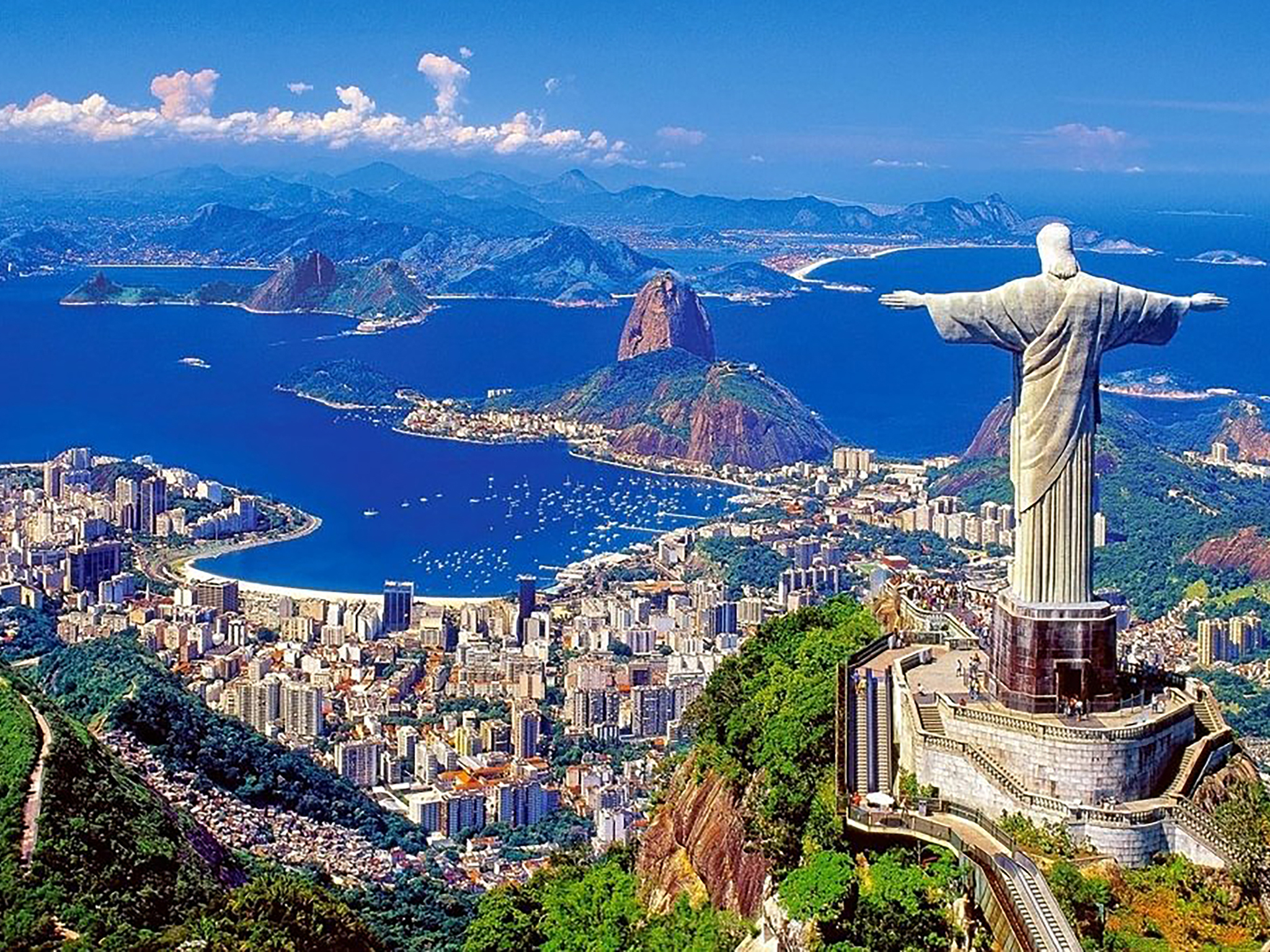
Rio de Janeiro, known as the 'Marvelous City,' is famous for its natural settings, Carnival, samba, bossa nova, and Balneario beaches such as Copacabana and Ipanema. It's a vibrant city with a rich cultural heritage and stunning landscapes, including the iconic Christ the Redeemer statue and Sugarloaf Mountain.
Top Attractions
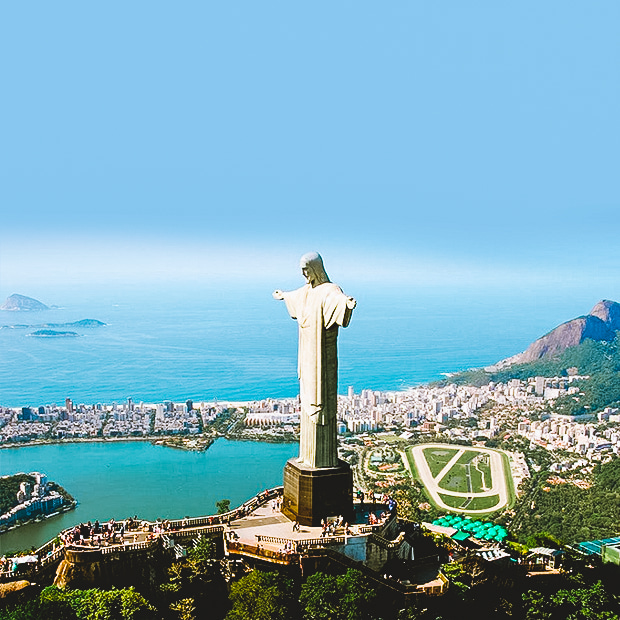
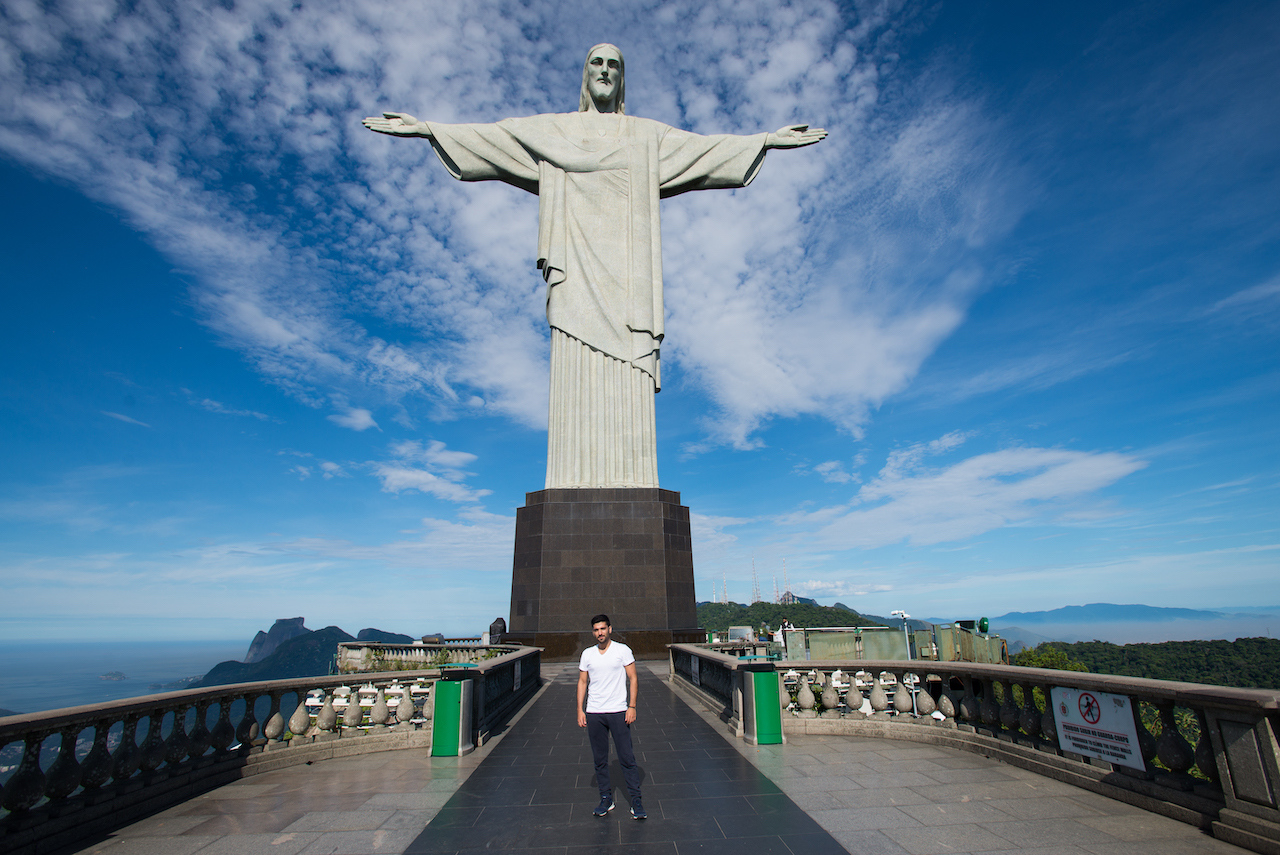
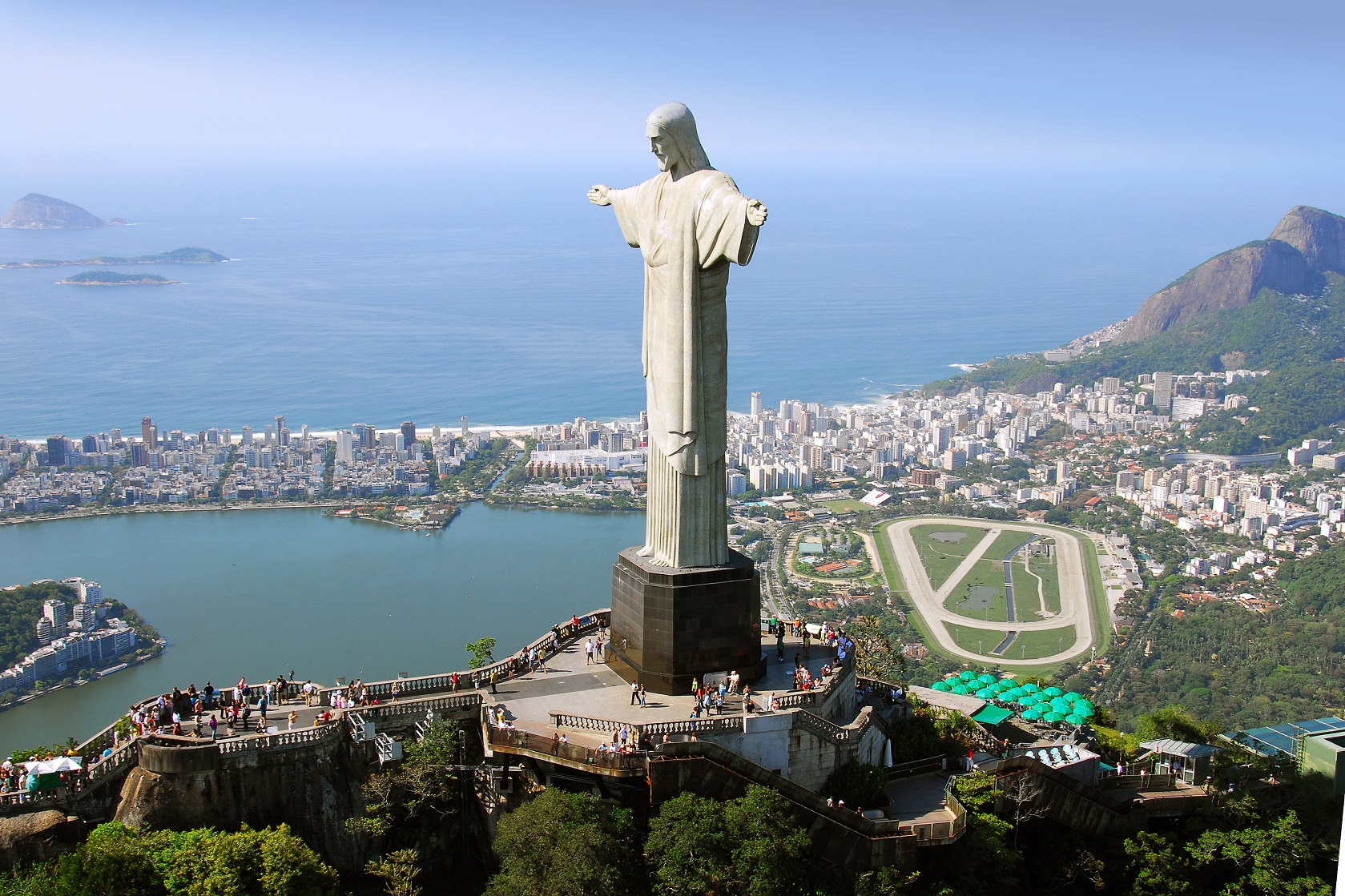
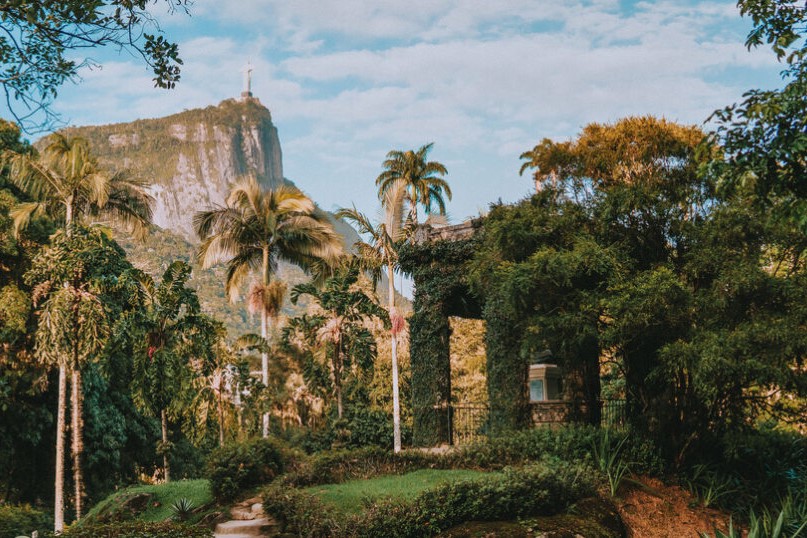
Christ the Redeemer
One of the New Seven Wonders of the World, this iconic statue offers breathtaking views of Rio de Janeiro.
Historical/Religious
2-3 hours
R$84 (including train ticket)
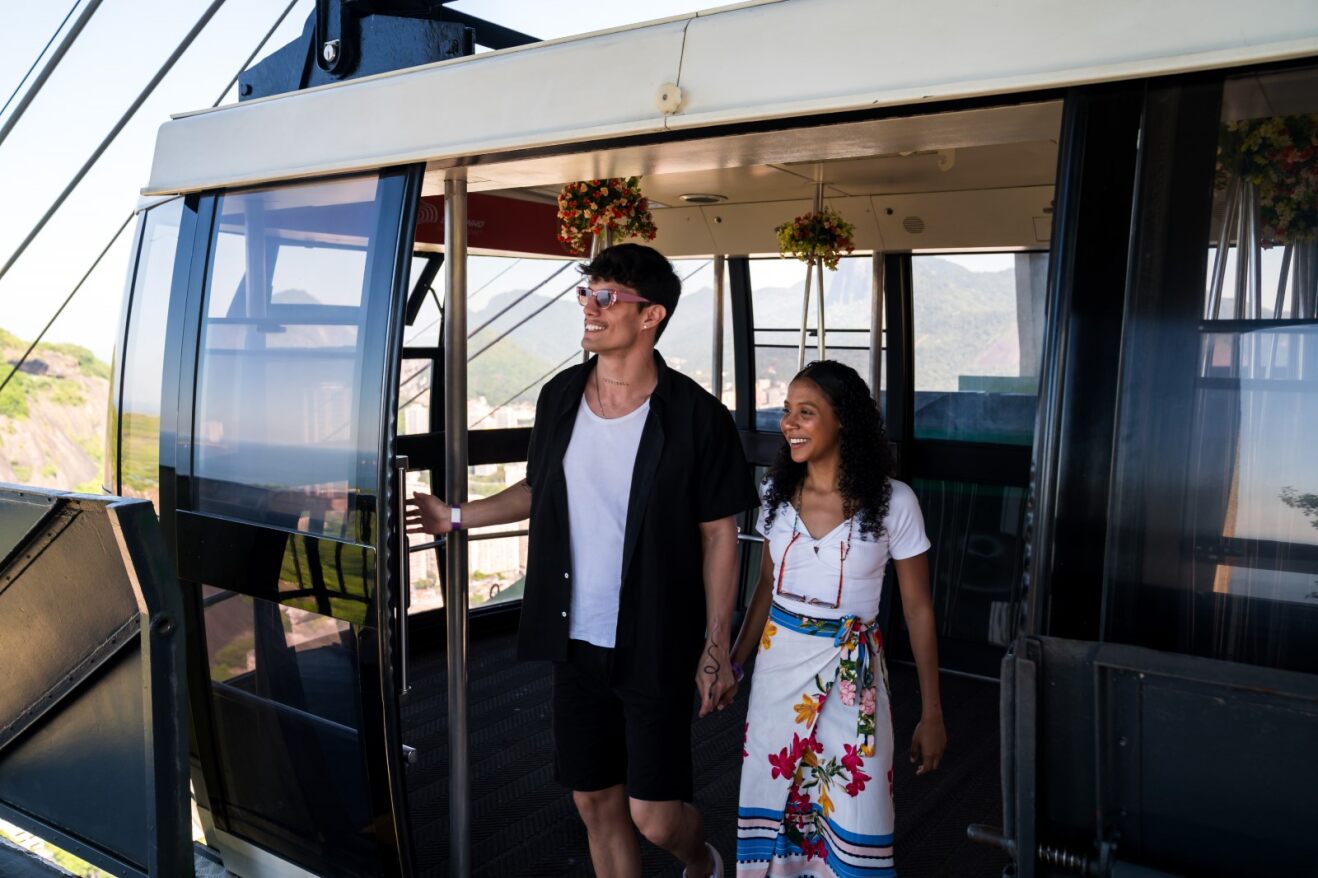
Sugarloaf Mountain
A famous peak offering stunning views of Rio de Janeiro and its beaches.
Nature
2-3 hours
R$88 (round-trip cable car)
Copacabana Beach
One of the most famous beaches in the world, known for its vibrant atmosphere and beautiful sunsets.
Beach
Half day or full day
Free
Tijuca National Park
The world's largest urban forest, offering hiking trails, waterfalls, and diverse wildlife.
Nature
Half day or full day
Free (some attractions may have fees)
Santa Teresa
A historic and bohemian neighborhood known for its cobblestone streets, art galleries, and scenic views.
Cultural
Half day
Free to explore
Must-Try Local Dishes
Feijoada
A hearty stew made with black beans and various cuts of pork, often served with rice, collard greens, and orange slices.
Dinner
Contains pork, not suitable for vegetarians or vegans.
Pão de Queijo
Cheese bread made with tapioca flour, giving it a unique texture and flavor.
Snack
Vegetarian, but contains dairy.
Moqueca
A traditional fish stew cooked in coconut milk and dendê oil, with various seafood and vegetables.
Dinner
Can be made vegetarian or vegan with vegetable broth and tofu.
Açaí
A thick, creamy fruit pulp from the açaí palm, often served with granola and condensed milk.
Dessert/Drink
Can be made vegan with plant-based milk.
Popular Activities
Hiking in Tijuca National Park
Surfing in Arpoador
Paragliding in Pedra Bonita
Beach lounging in Ipanema
Spa treatments in Copacabana
Yoga in Botafogo
Visiting museums in Centro
Attending a samba show
Best Time to Visit
December to March
This is the peak tourist season with warm weather and the famous Carnival in February/March. Expect crowded beaches and higher prices.
25-30°C
77-86°F
Practical Information
Language
- Official: Portuguese
- Widely spoken: English (limited)
- English: Limited
Currency
Brazilian Real (BRL)
Time Zone
GMT-3 (Brasília Time)
Electricity
110V/220VV, 60HzHz
Safety Information
Overall Safety Rating: Exercise caution
Rio de Janeiro is generally safe for tourists, but petty crime and violence can occur. Exercise caution, especially in less touristy areas and at night.
Important Precautions:
- • Avoid walking alone at night in unsafe areas
- • Use common sense and stay alert to your surroundings
- • Keep valuables secure and out of sight
Getting there
By air
- Rio de Janeiro-Galeão International Airport • 20 km (12 miles) from city center
- Santos Dumont Airport • 12 km (7.5 miles) from city center
By train
Central do Brasil
By bus
Rodoviária Novo Rio, Terminal Rodoviário da Gavea
Getting around
Public transport
Efficient and air-conditioned, the metro is a great way to avoid traffic.
Taxis
Available • Apps: Uber, 99 Taxis
Rentals
Car, Bike, Scooter
Neighborhoods
Copacabana
Ipanema
Santa Teresa
Lapa
Botafogo
Day trips
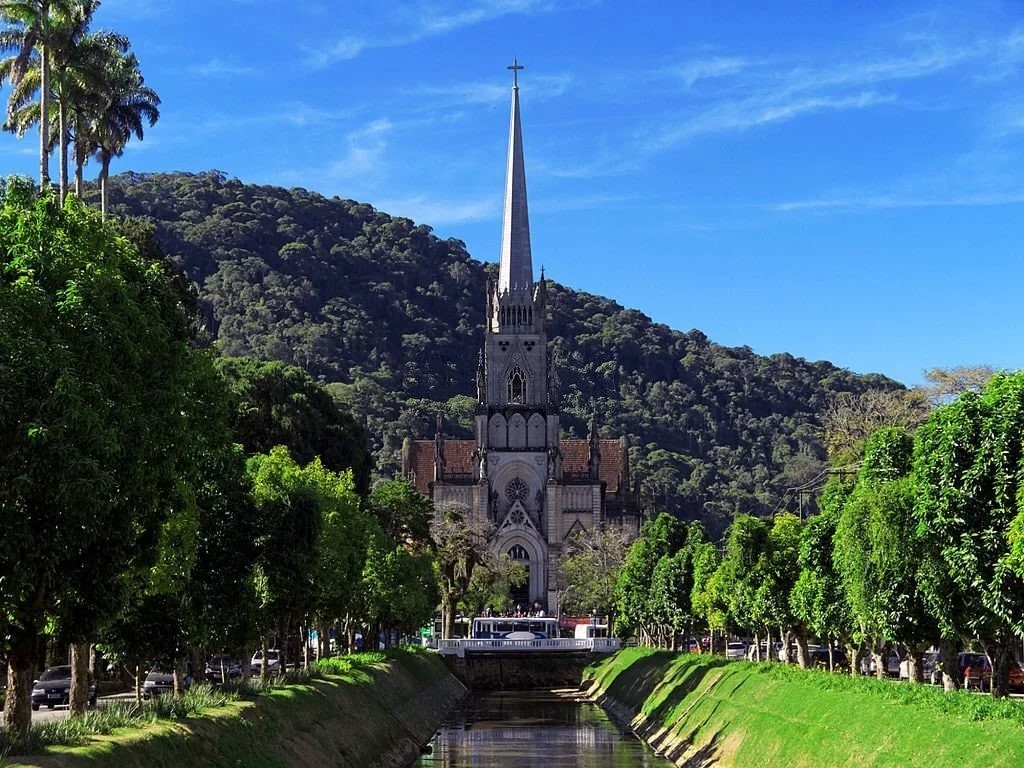
Petrópolis
65 km (40 miles) • Full day
A charming colonial town in the mountains, known for its historic architecture and cool climate.
Paraty
170 km (105 miles) • Full day or overnight
A historic coastal town with cobblestone streets, colonial architecture, and beautiful beaches.
Búzios
170 km (105 miles) • Full day or overnight
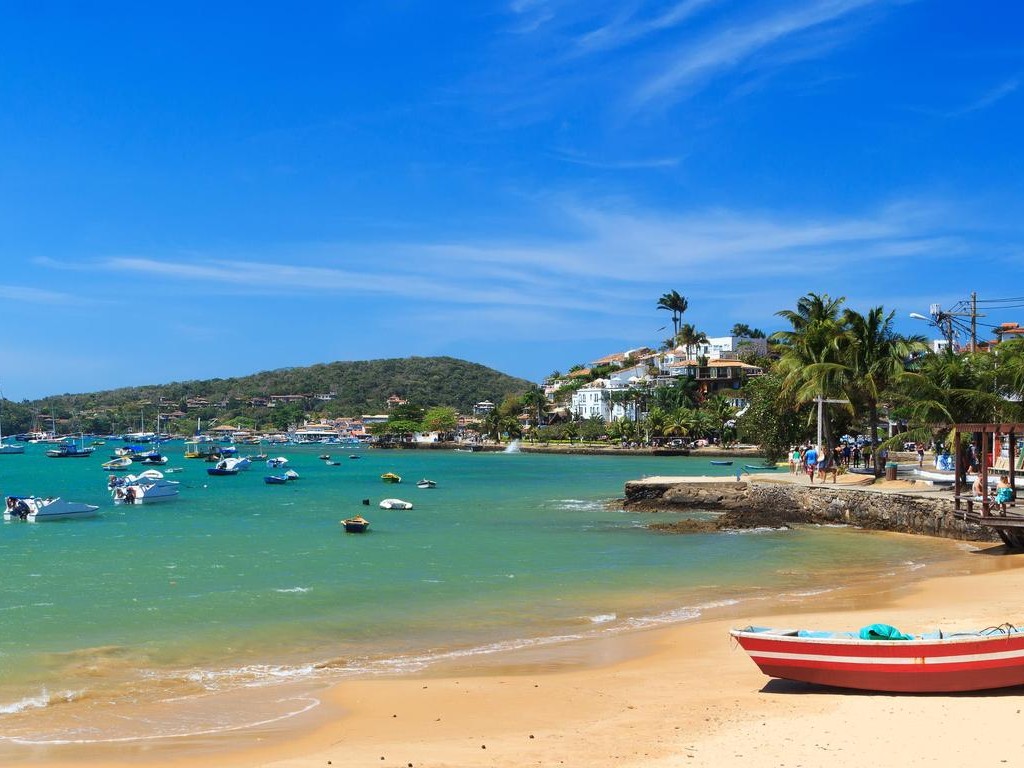
A picturesque beach town known for its stunning beaches, clear waters, and vibrant nightlife.
Festivals
Carnival • February/March (dates vary)
Rio Carnival Samba Parade • February/March (dates vary)
New Year's Eve (Réveillon) • December 31
Pro tips
- Visit Christ the Redeemer early in the morning to avoid crowds and enjoy the best views
- Take a helicopter tour for a unique perspective of the city
- Explore the less touristy neighborhoods like Santa Teresa and Botafogo for a more authentic experience
- Try local street food like pão de queijo and coxinha for a taste of Brazilian flavors
- Learn some basic Portuguese phrases to enhance your interactions with locals
From $25
per person
Price varies by option
Secure booking
Free cancellation available
Instant confirmation