2-Hour Guided Tour in Kraków-Płaszów Concentration Camp
Active
2h
For a full refund, cancel at least 24 hours before the scheduled departure time.
Instant confirmation
Mobile or paper ticket accepted
About this experience
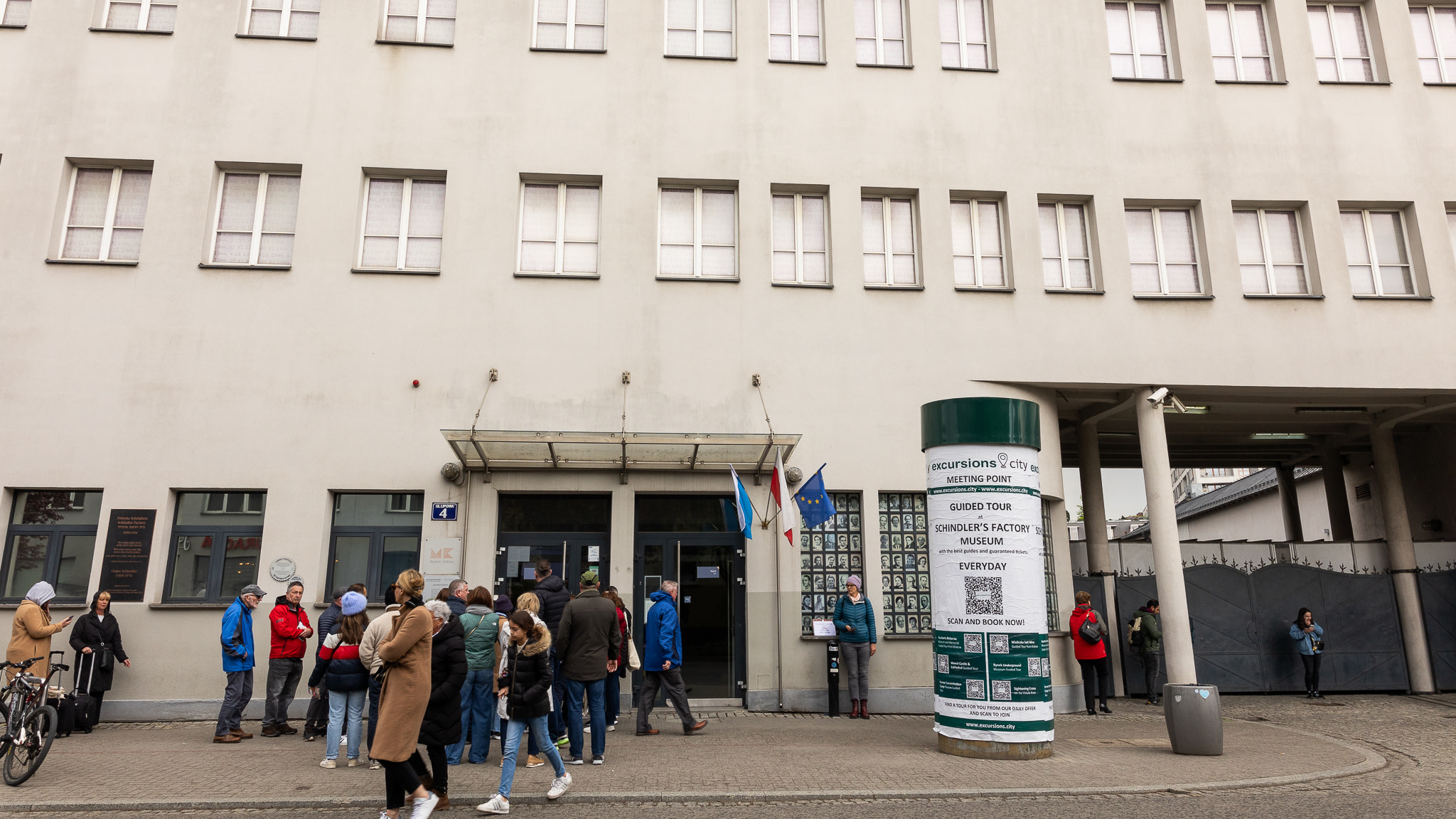
Discover Plaszow, Krakow’s forgotten WWII camp, on a guided tour that also tells the story of Oskar Schindler and those he rescued.
Highlights:
Expert guide brings vanished structures to life
Quiet space for reflection and respect
Pause at the Monument of Torn-Out Hearts
This walk is a guided act of remembrance, honoring thousands who suffered and those who did not return.
Available options
Guided Tour in French
Guided Tour in Italian
Guided Tour in English
Guided Tour in Spanish
What's included
Expert local guide
Single tram ticket
Detailed itinerary
1
Stop 1
We will walk by the Ghetto Heroes Square which is just across the river in Podgorze suburb. Though after the war the name of Plac Zgody was changed to Plac Bohaterów Getta (Ghetto Heroes Square) and a small monument was erected, the space’s historical significance never felt more pertinent than its post-war use as a public toilet or parking lot. Finally, after decades of neglect, Plac Bohaterów Getta was renovated in 2005, sparking significant controversy over the design. Laid out with 70 large well-spaced metal chairs meant to symbolise departure, as well as subsequent absence, the entire square has essentially been turned into an odd, but iconic memorial to the victims of the Kraków Ghetto.
2
Plaszow Camp was created by the Nazis in October 1942 on the grounds of two Jewish cemeteries in Krakow. It began as a forced-labor camp for Jews from the liquidated Krakow ghetto; in July 1943 the site also gained a penal-labor section for Poles. In January 1944 it was redesignated a concentration camp. Over time, transports arrived from other dismantled ghettos and labor camps; later in 1944 the site also served as a transit point for Hungarian Jews. More than 35,000 people were imprisoned here and around 6,000 were murdered. Today the terrain shows modest traces—ruins of the pre-burial hall, paths once paved with broken gravestones, mass graves, and memorials. On this guided walk you will learn how the camp was organized—living quarters, hospital, administrative and industrial zones—and why so little remains. The history is reconstructed in place, from authentic points such as the Grey House, the roll-call square, and major memorials that mark the former boundaries of the camp.
Available languages
Guide guide
EN
IT
FR
ES
Reviews breakdown
Viator
5.0
1 reviews
5★
1
4★
0
3★
0
2★
0
1★
0
Tripadvisor
5.0
1 reviews
5★
1
4★
0
3★
0
2★
0
1★
0
Important information
Public transportation options are available nearby
Suitable for all physical fitness levels
We kindly ask you to arrive 10 minutes before the tour begins. Once the group has departed, latecomers will not be able to join and tickets cannot be refunded. Our group tours are only in 1 language. Select your preferred language when booking. The tour is not suitable for people with disabilities.
Meeting point
Meet your guide in front of the entrance of Apteka Pod Orlem. Look for the guide with the Former Concentration Camp Plaszow Guided Tour sign.
Important notes
- We kindly ask you to arrive 10 minutes before the tour begins. Once the group has departed, latecomers will not be able to join and tickets cannot be refunded.
- Gratuities are optional but always appreciated as a gesture of thanks for your guide.
- Weather conditions can impact your enjoyment of the tour. Please check the forecast ahead of time and come prepared with suitable clothing and footwear. The tour goes ahead in all weather, rain or shine.
About Krakow
Krakow, the former capital of Poland, is a city rich in history, culture, and stunning architecture. It's home to the Wawel Royal Castle, the historic Main Market Square, and the largest medieval old town in Europe. Krakow's vibrant arts scene, bustling nightlife, and proximity to Auschwitz-Birkenau and the Wieliczka Salt Mine make it a must-visit destination.
Top Attractions
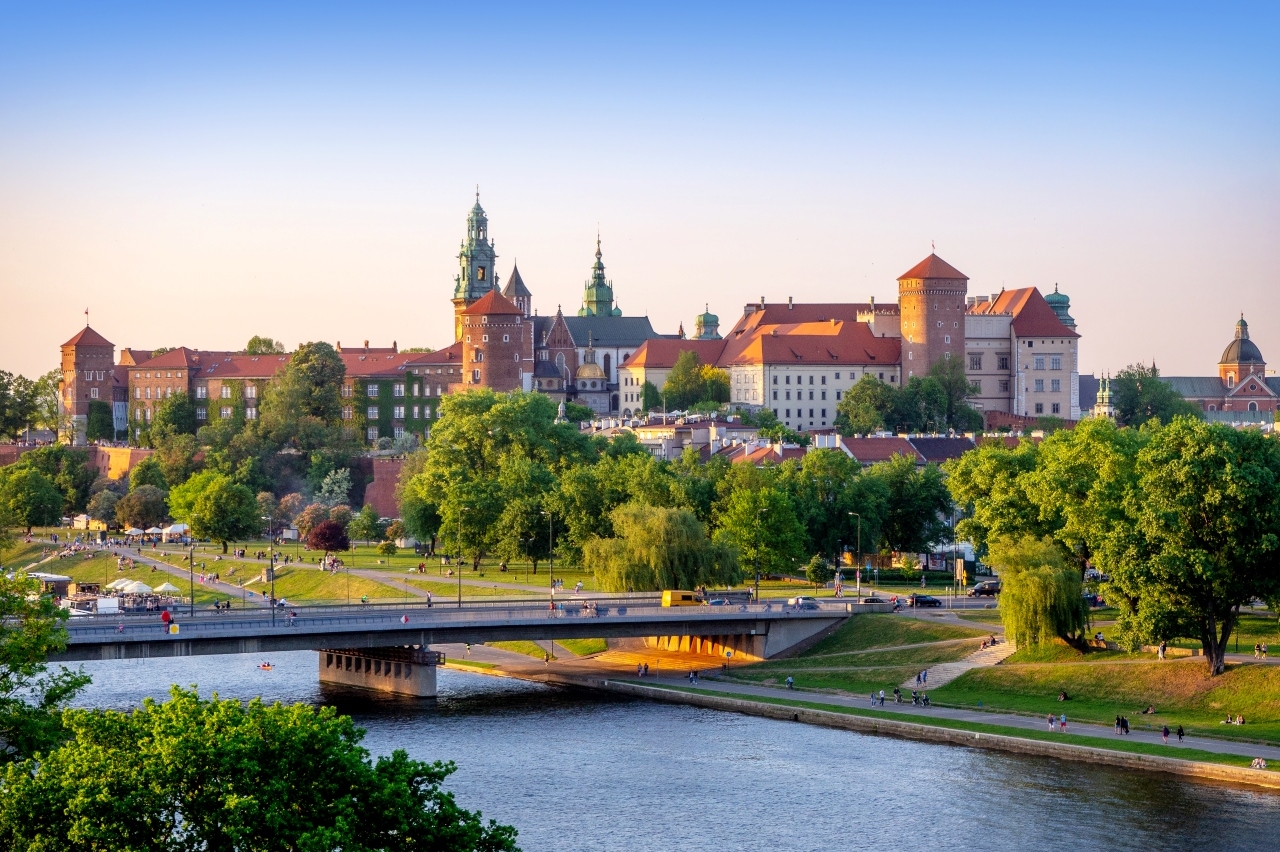
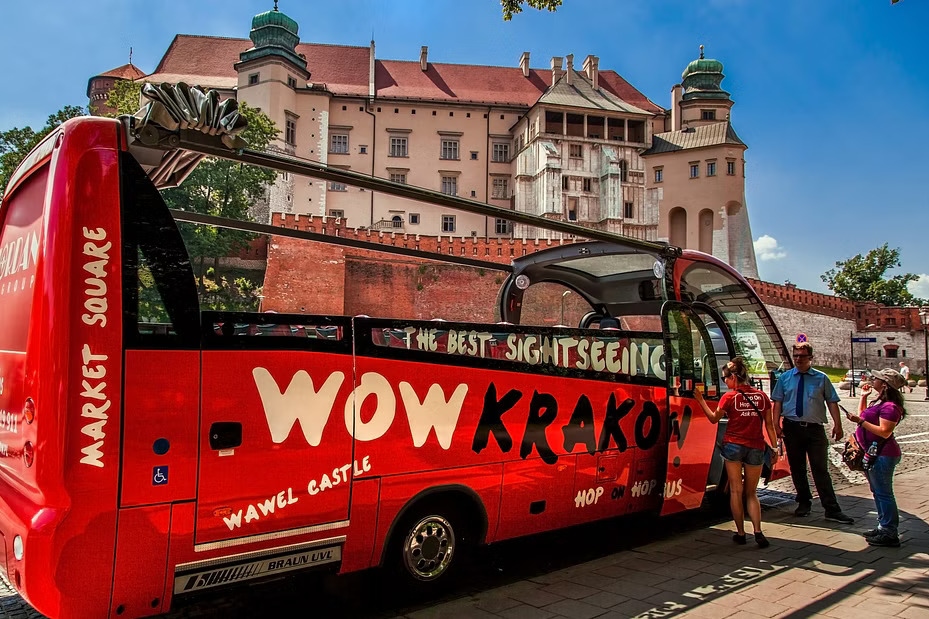
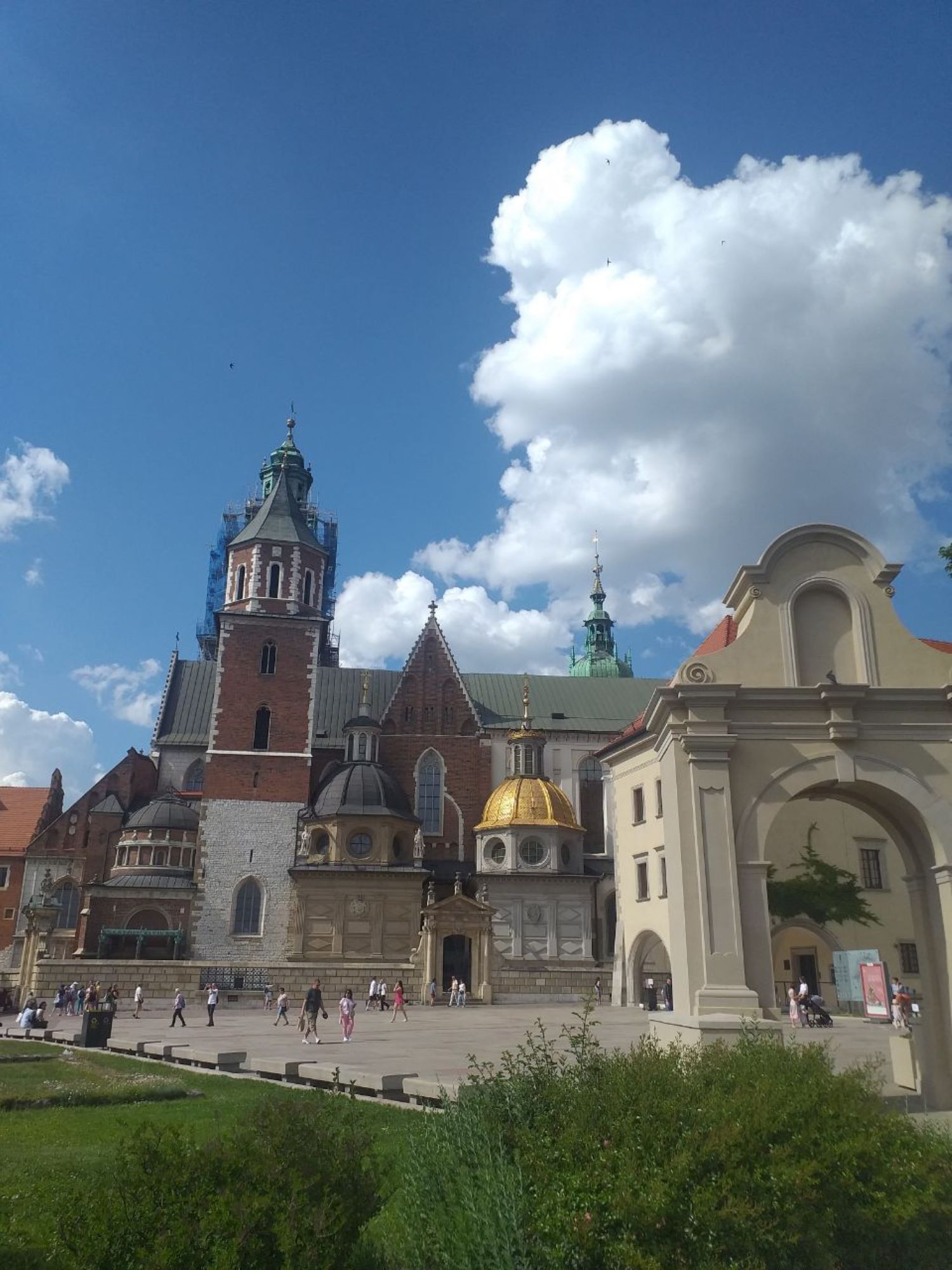
Wawel Royal Castle
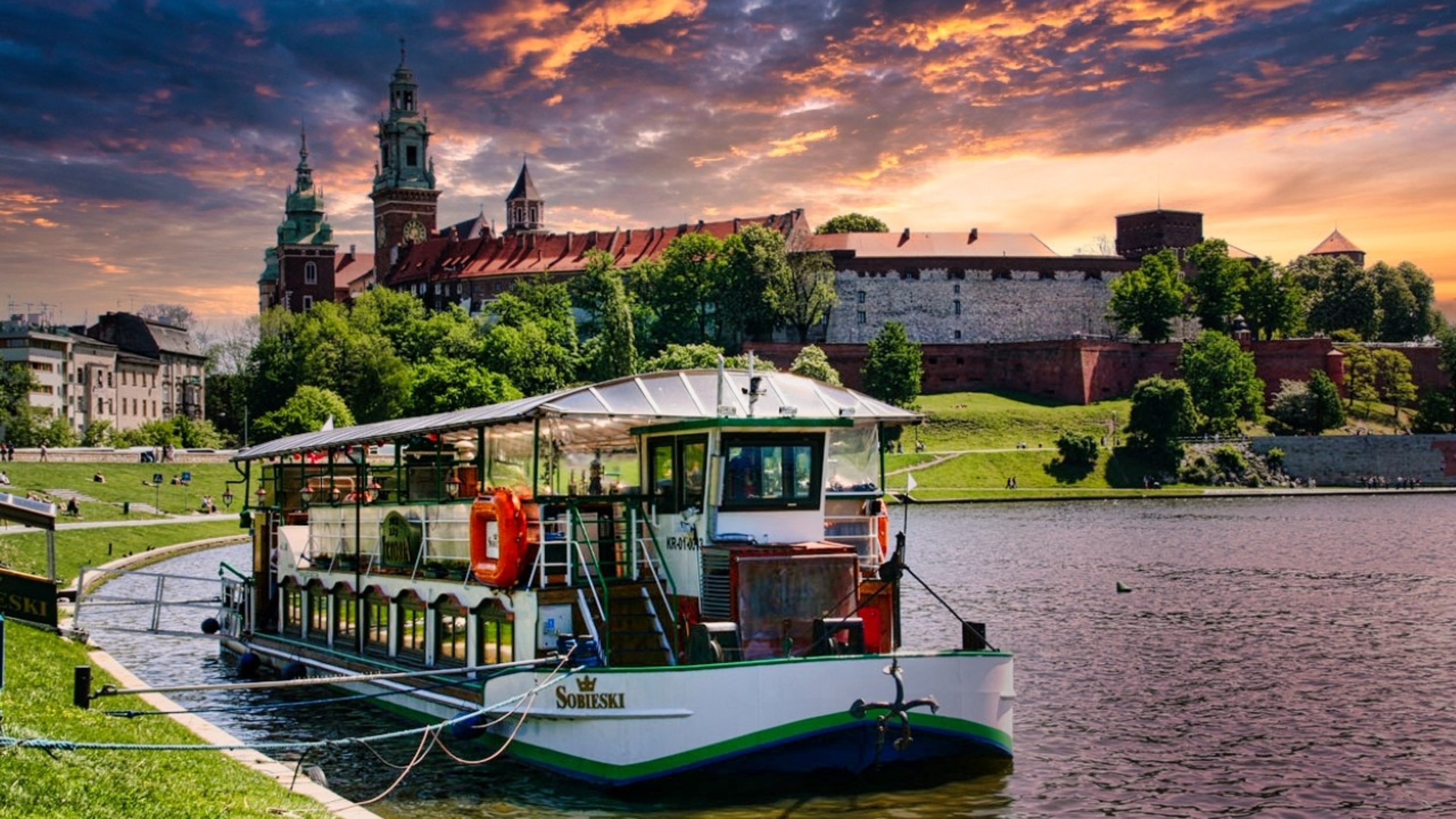
This iconic castle was the residence of Polish kings and a symbol of Polish statehood. It offers a glimpse into Poland's rich history.
Historical/Architecture
2-3 hours
30-50 PLN (€7-12)
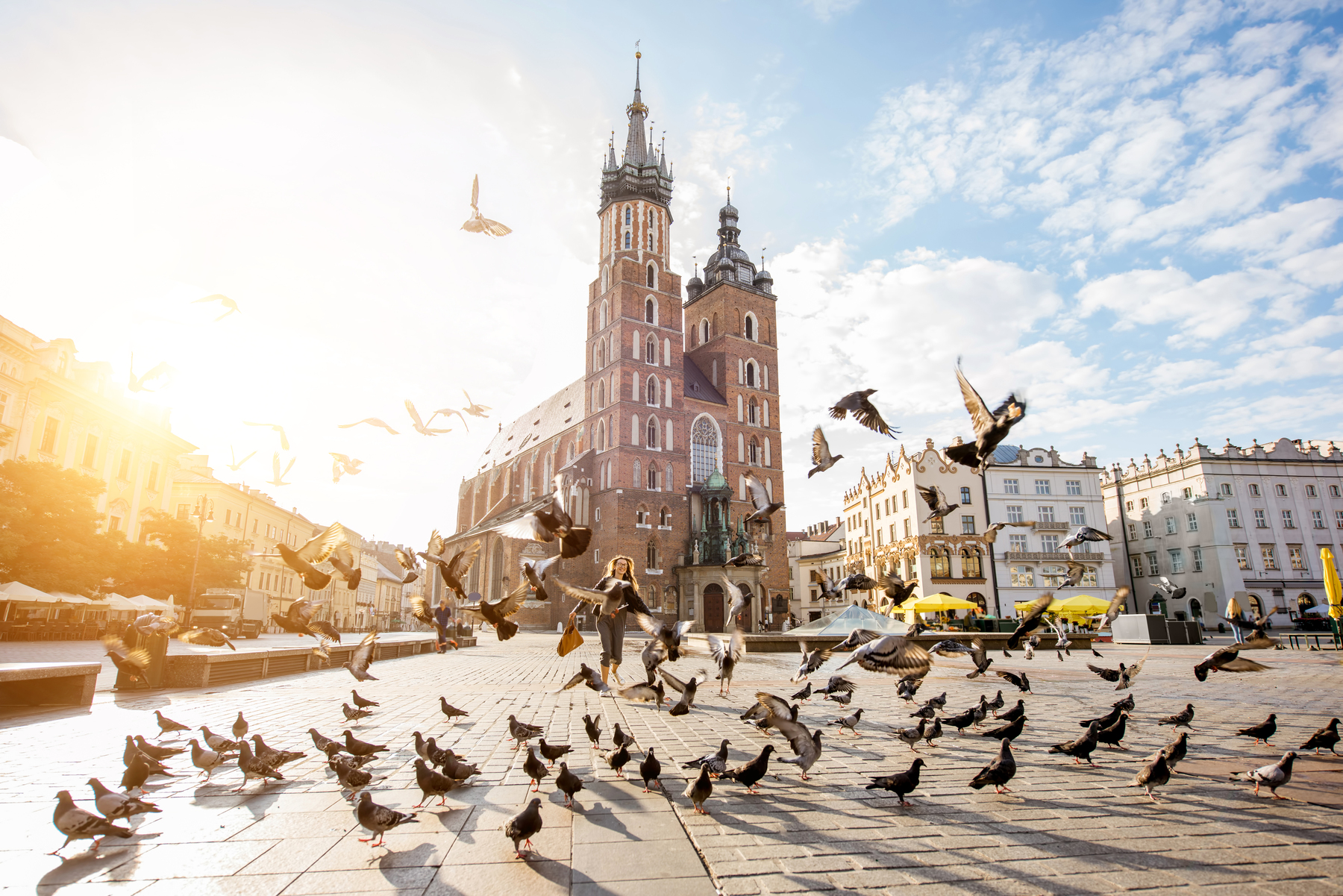
Main Market Square (Rynek Główny)
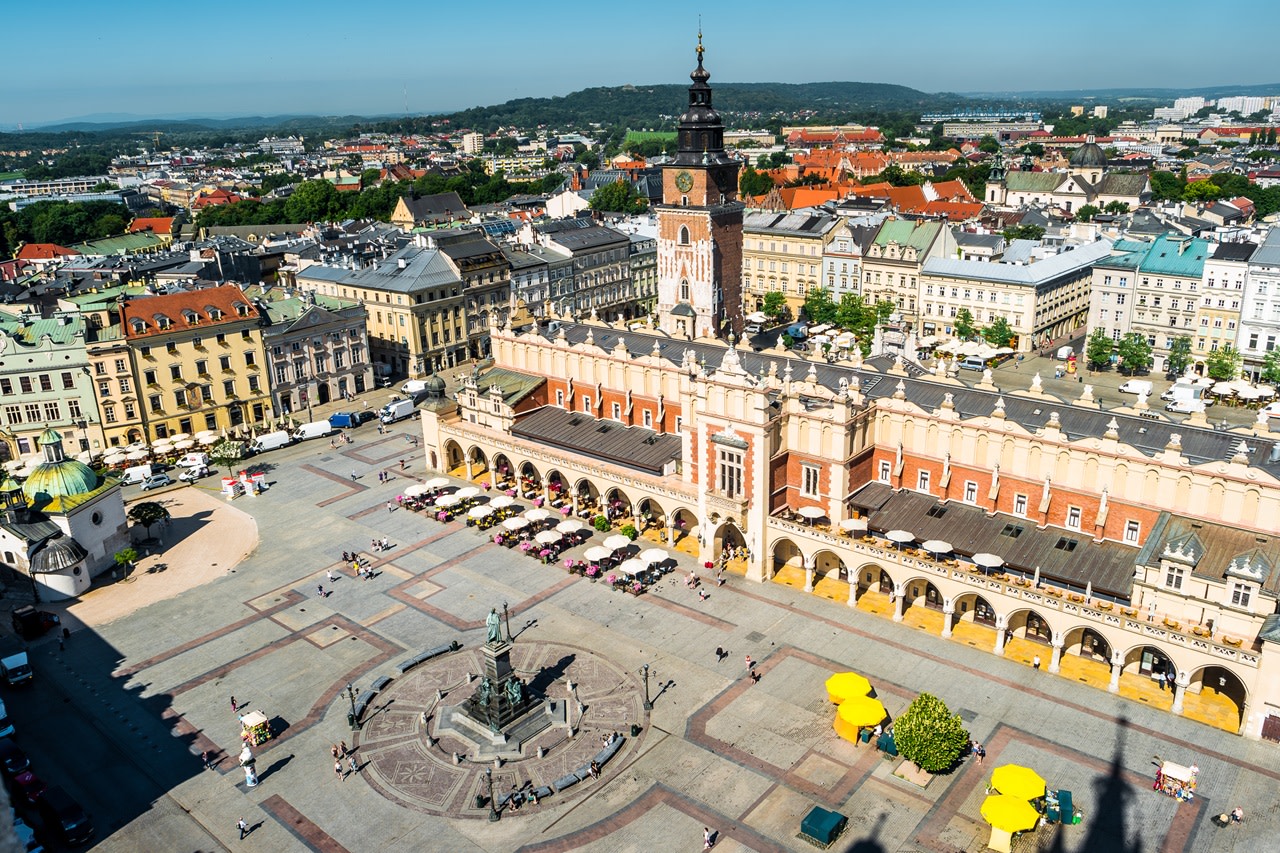
One of the largest medieval town squares in Europe, surrounded by historic buildings, cafes, and shops.
Historical/Cultural
1-2 hours
Free to explore
Wieliczka Salt Mine
A UNESCO World Heritage site featuring underground chambers, chapels, and sculptures carved out of salt.
Historical/Adventure
4-5 hours
89-139 PLN (€20-32)
Auschwitz-Birkenau Memorial and Museum
A poignant and sobering visit to the largest Nazi concentration camp, now a memorial and museum.
Historical/Educational
Full day
70-100 PLN (€16-23)
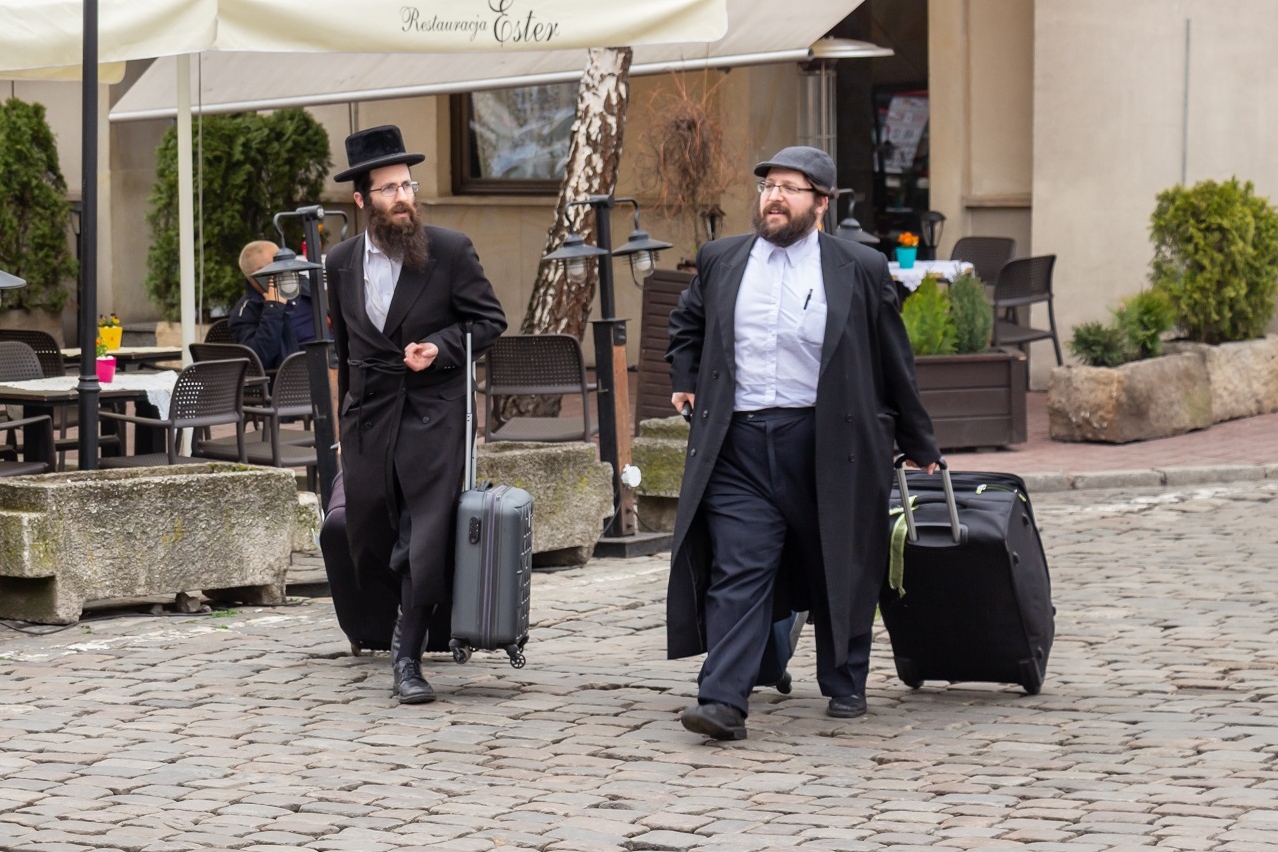
Kazimierz District
The historic Jewish quarter with a rich cultural heritage, vibrant nightlife, and charming streets.
Cultural/Historical
2-3 hours
Free to explore
Must-Try Local Dishes
Pierogi
Dumplings filled with various ingredients like meat, cheese, potatoes, or fruits.
Dinner
Can be vegetarian or vegan
Obwarzanek
A type of bread ring, similar to a bagel, often sold by street vendors.
Snack
Vegetarian
Zapiekanka
A Polish street food consisting of a half-baguette topped with mushrooms, cheese, and various condiments.
Snack
Can be vegetarian
Schabowy
A breaded pork cutlet, similar to schnitzel, often served with potatoes and cabbage.
Dinner
Contains meat
Popular Activities
Hiking in the Tatra Mountains
Skiing in Zakopane
Spa and wellness treatments
Strolling through parks and gardens
Visiting museums and galleries
Attending concerts and performances
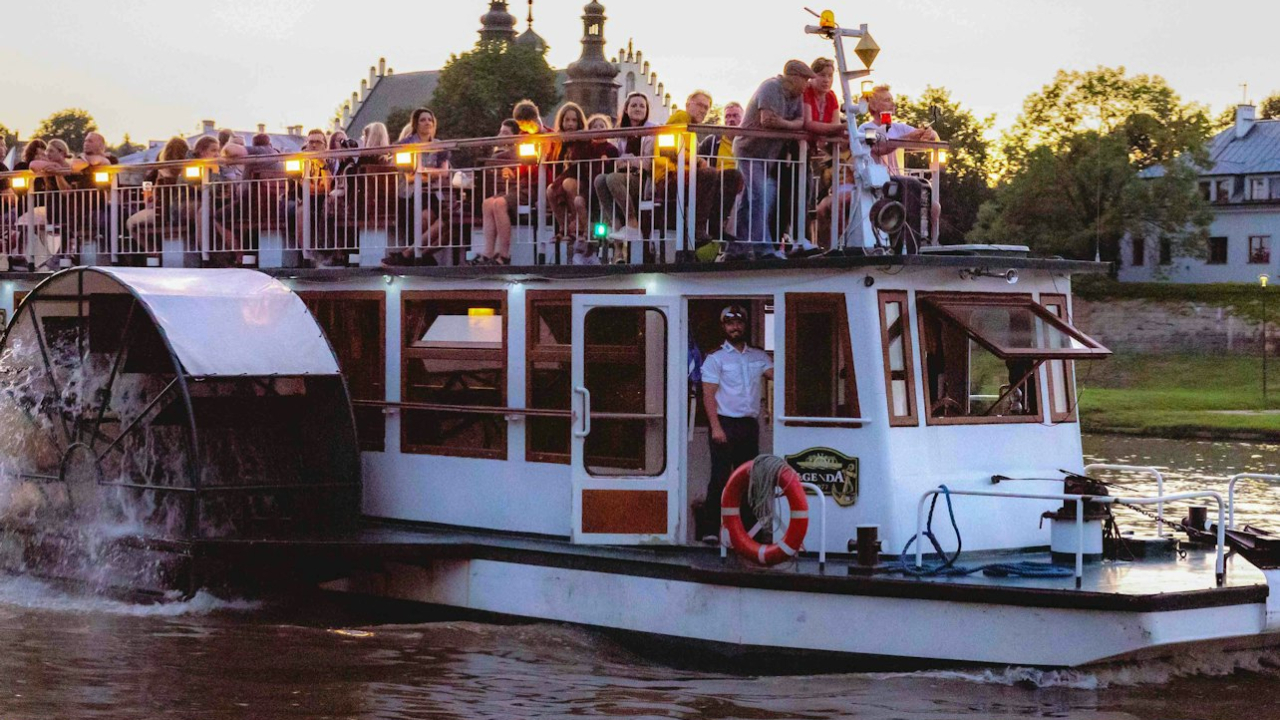
Boating on the Vistula River
Skiing and snowboarding in the nearby mountains
Best Time to Visit
May to September
This is the best time to visit Krakow for pleasant weather and outdoor activities. The city is lively with festivals and tourists.
15°C to 28°C
59°F to 82°F
Practical Information
Language
- Official: Polish
- Widely spoken: English, German, Russian
- English: Moderately spoken
Currency
Polish Złoty (PLN)
Time Zone
GMT+1 (CET), GMT+2 (CEST during daylight saving time)
Electricity
230VV, 50HzHz
Safety Information
Overall Safety Rating: Generally safe
Krakow is generally safe for tourists, but petty crime like pickpocketing can occur in crowded areas.
Important Precautions:
- • Keep valuables secure in crowded areas.
- • Use official taxis or ride-hailing apps.
- • Be cautious when withdrawing money from ATMs.
Getting there
By air
- John Paul II International Airport Krakow-Balice • 11 km from city center
By train
Krakow Glowny, Krakow Plaza
By bus
Krakow Main Bus Station, Młocińscy Bus Station
Getting around
Public transport
Krakow's tram system is efficient and covers most of the city. Trams are comfortable and frequent.
Taxis
Available • Apps: Bolt, FreeNow
Rentals
Car, Bike, Scooter
Neighborhoods
Old Town (Stare Miasto)
Kazimierz
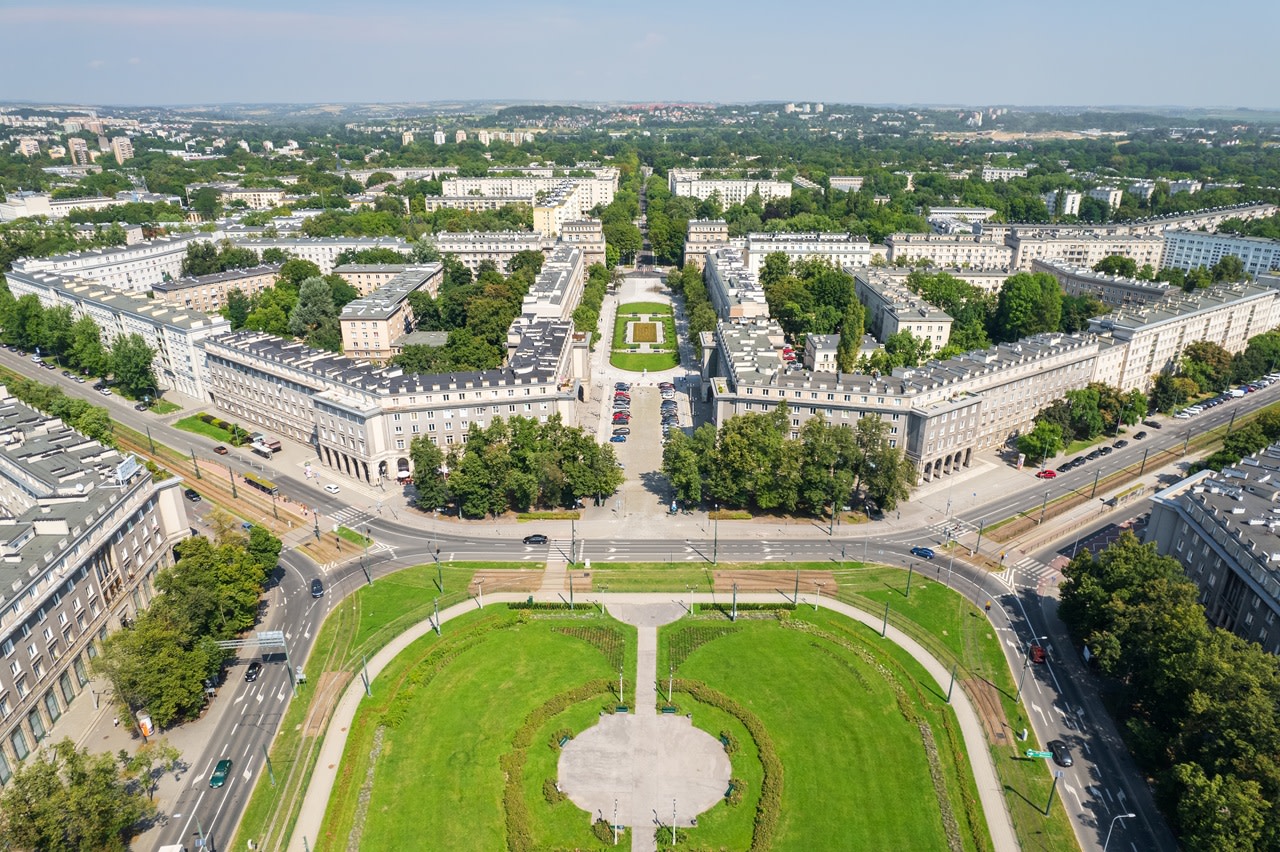
Nowa Huta
Zakrzówek
Day trips
Wieliczka Salt Mine
14 km from Krakow • Full day
Explore the underground chambers, chapels, and sculptures carved out of salt in this UNESCO World Heritage site.
Auschwitz-Birkenau Memorial and Museum
70 km from Krakow • Full day
Visit the largest Nazi concentration camp, now a memorial and museum, to learn about the Holocaust.
Zakopane
100 km from Krakow • Full day
A picturesque mountain town known for its stunning scenery, hiking trails, and skiing opportunities.
Festivals
Krakow Jewish Festival • June or July (annual)
Krakow Film Festival • May (annual)
Krakow Christmas Market • December (annual)
Pro tips
- Use the Krakow Card for unlimited public transport and free entry to many attractions.
- Visit the Wawel Dragon statue and make a wish by placing a coin in its mouth.
- Try traditional Polish dishes like pierogi and żurek at local restaurants.
- Explore the Kazimierz district for its vibrant nightlife and cultural scene.
- Take a day trip to the Wieliczka Salt Mine or Auschwitz-Birkenau for a deeper understanding of Polish history.
From $25
per person
Price varies by option
Secure booking
Free cancellation available
Instant confirmation