BEST OF CEBU: Cebu City Heritage Tour Shared-Joiners
Active
3h - 4h
For a full refund, cancel at least 24 hours before the scheduled departure time.
Instant confirmation
Mobile or paper ticket accepted
About this experience
What sets the Cebu City Joiners Tour apart is its emphasis on shared experiences and the opportunity to connect with fellow travelers. Unlike private tours, a Joiners Tour brings together individuals from diverse backgrounds, fostering a sense of camaraderie and creating lasting memories.
This tour offers a unique chance to explore Cebu City's wonders in the company of like-minded adventurers. Whether you're a solo traveler or a small group, joining this tour allows you to meet new people, share stories, and form friendships that can enhance your travel experience.
The Cebu City Joiners Tour also stands out for its carefully curated itinerary. It encompasses the must-see attractions, cultural landmarks, and hidden gems of the city, providing a comprehensive and immersive journey into Cebu's history, culture, and natural beauty.
PLEASE OBSERVE PROPER ATTIRE AS IT IS NOT ALLOWED TO GO INSIDE THE CHURCH. THANK YOU
Available options
BEST OF CEBU: Cebu City Heritage Tour Shared-Joiners
Pickup included
What's included
Landing and facility fees
Air-conditioned vehicle
Parking Fees
Detailed itinerary
1
Stop 1
Sto. Niño de Cebu, also known as the Holy Child of Cebu, holds immense significance in the Philippines. This revered statue of the Child Jesus is believed to be the oldest religious artifact in the country. It symbolizes the deep-rooted Catholic faith and devotion of the Filipino people.
The Sto. Niño de Cebu is housed in the Basilica Minore del Santo Niño, located in Cebu City. Every year, millions of devotees and pilgrims flock to this sacred site to pay homage and seek blessings. The image of the Sto. Niño is adorned with vibrant clothing and adorned with precious jewels, reflecting the love and reverence bestowed upon it.
This spiritual icon serves as a reminder of the rich cultural heritage and spiritual traditions that have shaped the Philippines. It is a source of hope, inspiration, and unity for believers, fostering a sense of community and faith among the Filipino people.
Please note that Sto. Niño Basilica strictly implements a dress code for all visitors.
2
Stop 2
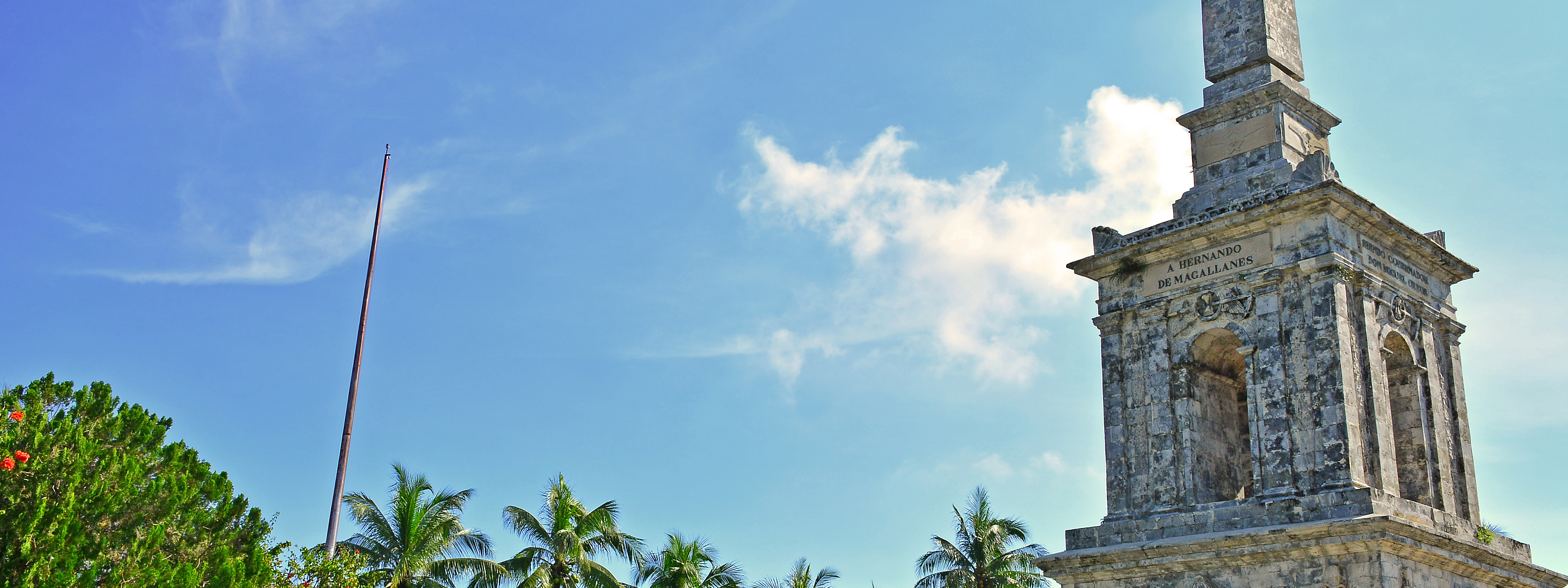
Magellan's Cross is a historic and revered symbol located in Cebu City, Philippines. Planted by the Portuguese explorer Ferdinand Magellan in 1521, this cross marks the arrival of Christianity to the archipelago.
Housed in a small chapel near the Basilica Minore del Santo Niño, the cross is encased in a protective outer structure. It serves as a tangible reminder of the country's colonial past and the influence of Spanish colonization.
Pilgrims and tourists visit Magellan's Cross to pay respects and offer prayers. It stands as a testament to the enduring faith of the Filipino people and represents the blending of cultures that shaped the nation's identity.
While the original cross is no longer intact, the replica serves as a historical artifact and a powerful symbol of Cebu's heritage. It remains an important landmark, attracting visitors who seek to connect with the rich history and religious significance of the Philippines.
3
Stop 3
The Yap-San Diego Ancestral House is a beautifully preserved heritage site located in Cebu City, Philippines. Built during the late 17th century, this ancestral house showcases the architectural and cultural heritage of the Chinese-Filipino community.
The house boasts a distinct blend of Chinese and Spanish design elements, featuring ornate wooden carvings, antique furniture, and an elegant courtyard. It offers visitors a glimpse into the affluent lifestyle of Cebu's past elite families.
Stepping inside the Yap-San Diego Ancestral House is like traveling back in time. Each room is filled with artifacts, religious icons, ancestral portraits, and traditional household items, providing a fascinating insight into the family's history and customs.
The house is not only a historical treasure but also a cultural hub. It serves as a venue for art exhibits, cultural events, and educational programs, promoting the appreciation and preservation of Cebuano heritage.
4
Stop 4
The Cebu Heritage Monument is a magnificent sculpture located in Parian, Cebu City, Philippines. Designed by renowned artist Eduardo Castrillo, this monument pays homage to the significant events and individuals that shaped the history of Cebu.
The monument stands as a towering structure composed of intricately crafted bronze and concrete sculptures. It depicts key historical moments, including the arrival of Ferdinand Magellan, the Battle of Mactan, and other pivotal events in Cebu's past.
The detailed and lifelike sculptures portray important figures such as Rajah Humabon, Lapu-Lapu, and other prominent personalities who played significant roles in the city's history. The monument serves as a visual narrative, allowing visitors to engage with Cebu's rich cultural and historical heritage.
5
Stop 5
Fort San Pedro is a historic military stronghold nestled in the heart of Cebu City, Philippines. Built by the Spanish conquistadors in the 16th century, it is the oldest and smallest fort in the country, serving as a testament to Cebu's rich colonial past.
The fort's architecture reflects a blend of Spanish and Filipino design elements, featuring thick stone walls, watchtowers, and a triangular shape. It was originally constructed as a defense structure against hostile forces and served as a fortification during various periods of conflict.
Today, Fort San Pedro stands as a well-preserved historical landmark and museum. Visitors can explore its inner courtyard, stroll along the ramparts, and discover artifacts, weaponry, and exhibits that showcase the fort's storied history.
6
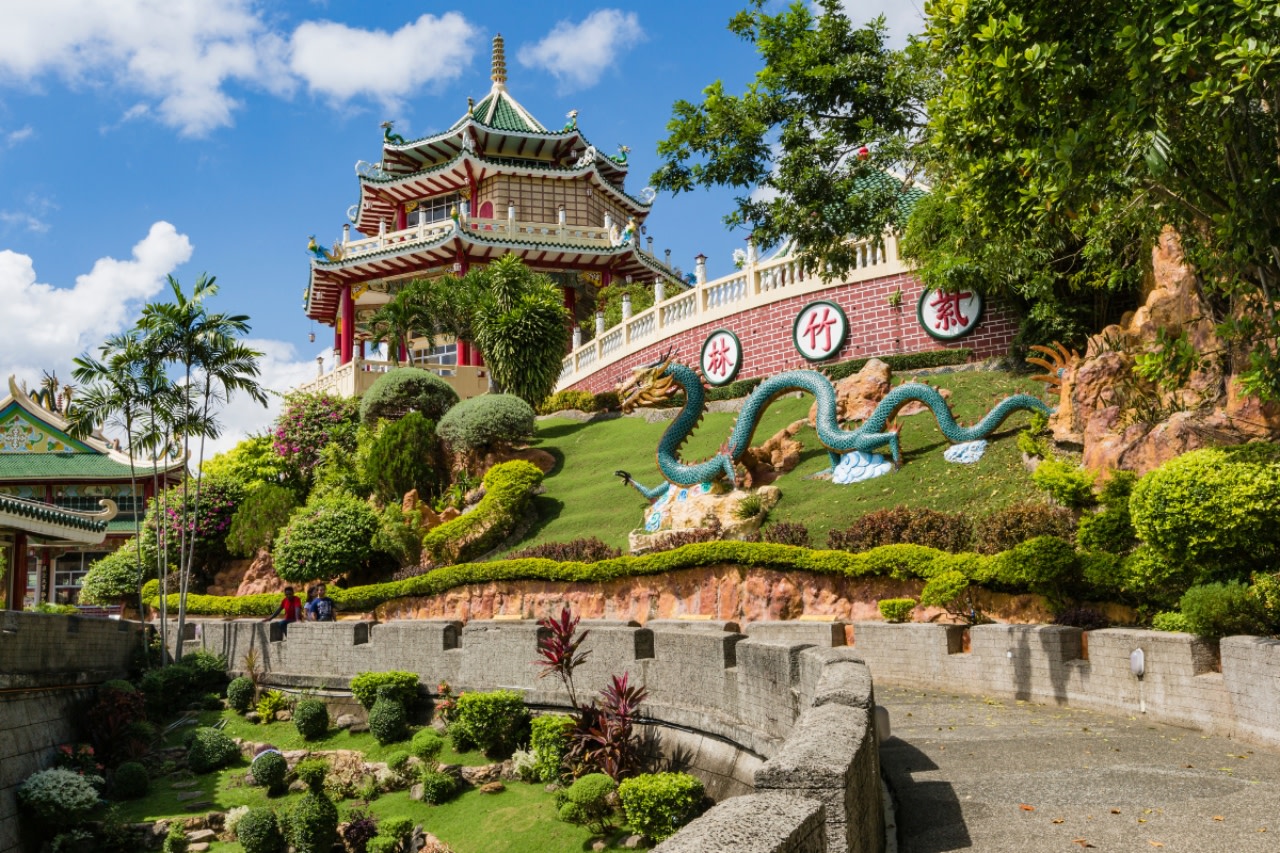
The Cebu Taoist Temple is a captivating religious sanctuary located in Beverly Hills, Cebu City, Philippines. Inspired by traditional Chinese architecture, this temple serves as a spiritual haven for Taoist practitioners and a remarkable cultural landmark for visitors.
As you ascend the temple's towering steps, adorned with vibrant dragons and intricate designs, you enter a serene realm of tranquility. The temple's architecture and ambiance reflect the teachings and beliefs of Taoism, an ancient philosophy rooted in harmony and balance.
What's not included
Gratuities
Lunch
Available languages
Guide guide
DE
EN
ES
Reviews breakdown
Viator
4.0
2 reviews
5★
1
4★
0
3★
1
2★
0
1★
0
Important information
Infants and small children can ride in a pram or stroller
Public transportation options are available nearby
Infants are required to sit on an adult’s lap
Suitable for all physical fitness levels
4 hours duration Includes the travel time
Important notes
Please note that Sto. Niño Basilica strictly implements a dress code for all visitors. To enter the church, guests are required to wear proper attire:
No sleeveless tops or tube tops
No shorts or skirts above the knee
No see-through clothing
We kindly recommend wearing comfortable yet modest clothing. Guests who are not properly dress are not allowed to enter.
Thank you for your understanding and cooperation.
About Cebu
Cebu is a vibrant and historic city in the Philippines known for its rich cultural heritage, stunning beaches, and warm hospitality. It's a blend of urban life and natural beauty, making it a top destination in the Visayas region.
Top Attractions
Magellan's Cross
Magellan's Cross is a Christian cross erected by Portuguese and Spanish explorers in 1521. It marks the spot where Christianity was first introduced in the Philippines.
Historical
30 minutes
Free
Basilica del Santo Niño
Basilica del Santo Niño is a Roman Catholic basilica in Cebu City, Philippines. It is one of the oldest churches in the country and houses the oldest religious relic in the Philippines, the Santo Niño de Cebu.
Religious
1 hour
Free
Kawasan Falls
Kawasan Falls is a beautiful waterfall in the southern part of Cebu, known for its turquoise waters and lush surroundings. It's a popular spot for swimming, canyoneering, and picnicking.
Nature
Half day to full day
Free to moderate
Moalboal
Moalboal is a coastal town in Cebu known for its beautiful beaches, clear waters, and marine life. It's a popular destination for snorkeling, diving, and island hopping.
Beach
Full day to overnight
Moderate
Osmeña Peak
Osmeña Peak is the highest point in Cebu, offering stunning views of the surrounding landscape. It's a popular spot for hiking and picnicking.
Nature
Half day
Free
Must-Try Local Dishes
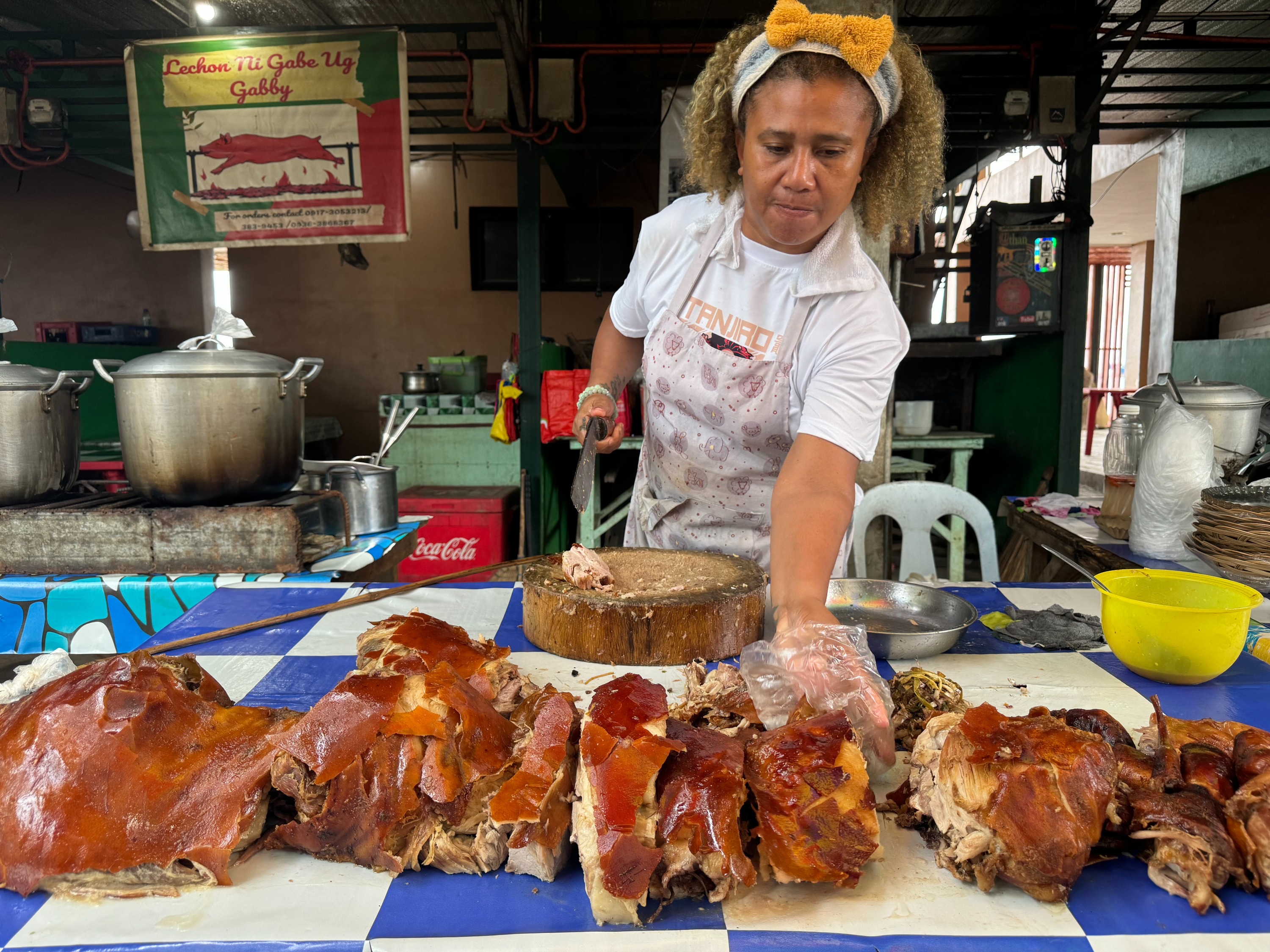
Lechon
A whole roasted pig, known for its crispy skin and tender meat. It's a staple at celebrations and special occasions.
Main course
Pork, not suitable for vegetarians or those with pork allergies.
Sutukil
A dining experience where seafood is prepared in three ways: steamed (S), stir-fried (U), and grilled (T).
Main course
Seafood, can be customized for dietary preferences.
Puso
A popular street food made from coconut husk, shaped like a heart, and stuffed with ground meat or vegetables.
Snack
Can be made vegetarian or vegan.
Popular Activities
Canyoneering
Snorkeling
Diving
Hiking
Beach hopping
Island hopping
Spas and resorts
Visiting historical sites
Best Time to Visit
December to April
The best time to visit Cebu is during the dry season, from December to April. The weather is sunny and warm, perfect for outdoor activities and beach trips. However, this is also the peak tourist season, so expect more crowds and higher prices.
24°C to 32°C
75°F to 90°F
Practical Information
Language
- Official: Filipino, English
- Widely spoken: Cebuano
- English: Widely spoken
Currency
Philippine Peso (PHP)
Time Zone
GMT+8
Electricity
220VV, 60HzHz
Safety Information
Overall Safety Rating: Generally safe
Cebu is generally safe for travelers, but it's important to take precautions to avoid scams, petty theft, and other common issues.
Important Precautions:
- • Use reputable taxi companies or app-based services
- • Keep an eye on your belongings in crowded areas
- • Be cautious of strangers offering unsolicited help or services
Getting there
By air
- Mactan-Cebu International Airport • 15 km from Cebu City
By bus
South Bus Terminal, North Bus Terminal
Getting around
Public transport
Jeepneys are the most common form of public transport in Cebu. They are inexpensive and widely available, but they can be crowded and slow due to frequent stops.
Taxis
Available • Apps: Grab
Rentals
Car, Bike, Scooter
Neighborhoods
Cebu City
Mactan Island
Bantayan Island
Day trips
Bantayan Island
100 km from Cebu City • Full day to overnight
Bantayan Island is known for its pristine beaches, clear waters, and relaxed atmosphere. It's a great spot for swimming, sunbathing, and enjoying local seafood.
Sumilon Island
80 km from Cebu City • Full day
Sumilon Island is a small island known for its beautiful sandbar, clear waters, and rich marine life. It's a great spot for snorkeling, diving, and picnicking.
Oslob
100 km from Cebu City • Full day
Oslob is known for its whale shark interactions, where visitors can swim with these gentle giants. It's also a great spot for visiting waterfalls and hot springs.
Festivals
Sinulog Festival • Third Sunday of January
Paro-Paro Festival • Last Sunday of January
Pintados Festival • Third Sunday of June
Pro tips
- Learn a few basic phrases in Cebuano to enhance your experience and connect with locals
- Try the local street food, but be cautious and stick to busy stalls with high turnover
- Visit historical sites early in the morning to avoid crowds and the heat
- Book tours and accommodations in advance, especially during peak season and festivals
- Use app-based services like Grab for convenient and safe transportation
From $25
per person
Price varies by option
Secure booking
Free cancellation available
Instant confirmation